The One Thing You Must Do To Michigan Coneflowers Before September Ends
A pair of shears and good intentions can undo an entire winter’s worth of bird feeding without anyone realizing it happened.
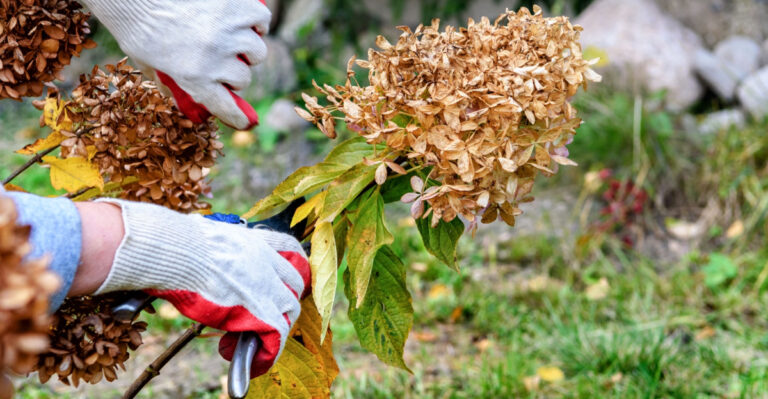
A Michigan gardener steps outside on a cool September morning, spots a row of coneflowers gone brown and a little lumpy, and reaches over to tidy things up before the neighbors notice.
One quick snip. Then another. Then the whole bed.
That satisfying little cleanup quietly erases a food supply that goldfinches and other seed eaters have been counting on for weeks, sometimes well into winter.
Here’s the twist nobody expects. The single most valuable thing you can do for your coneflowers this month isn’t a task at all: it’s restraint.
That difference matters more than it sounds like, and it’s worth understanding before the calendar flips into October and the shears come back out for good.
Leave The Seed Heads Standing
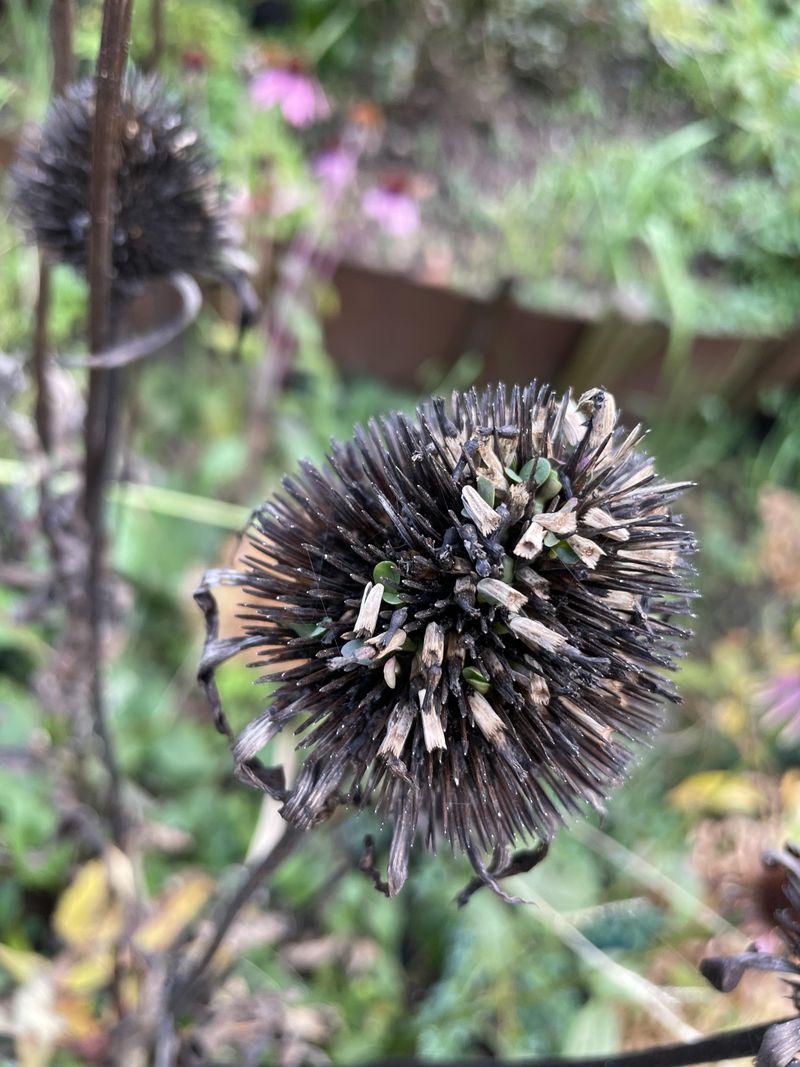
The instruction is short enough to remember without writing it down: skip the fall cutback, and let the spent coneflower heads stay exactly where they are.
Michigan State University Extension notes that standing seed heads feed birds and give plants a chance to reseed on their own, which sums up why this single piece of restraint carries so much weight.
No spray, no special tool, no extra trip to the garden center. Just leaving well enough alone.
That runs against every fall instinct a tidy gardener has built up over the years. Brown, lumpy seed heads look like a job left unfinished, and shears sitting in the shed practically ask to be used on a cool September afternoon.
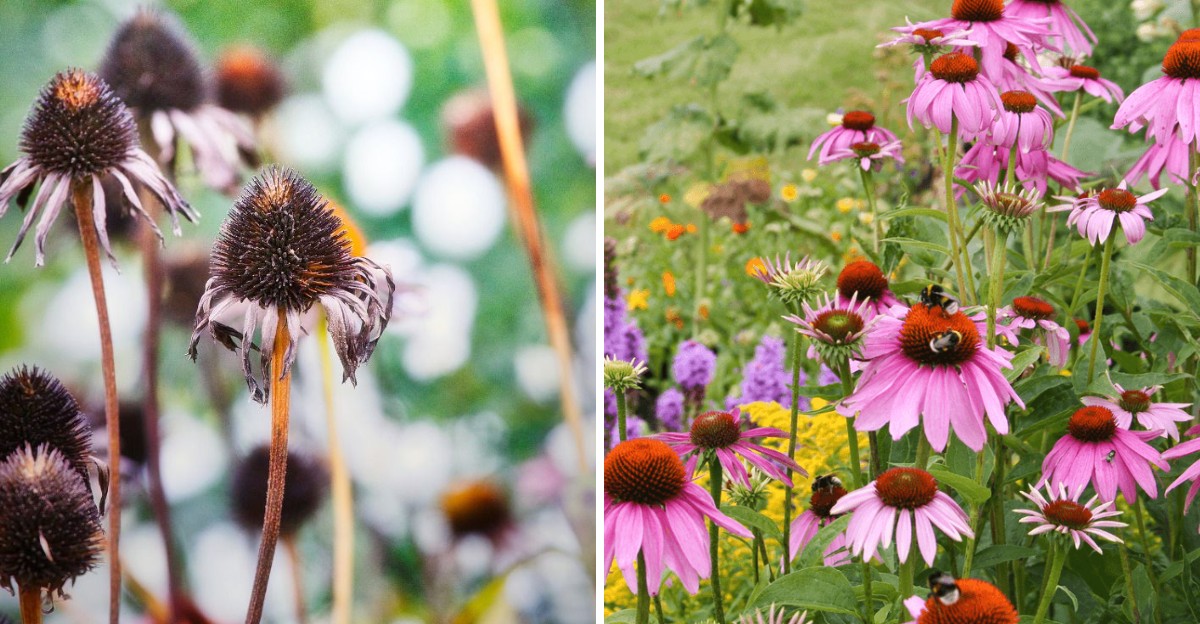
Resist it anyway. Those ragged brown cones are doing real work right now, holding onto small, oil-rich seeds that birds are actively relying on as other food sources start thinning out for the season.
The payoff shows up gradually rather than all at once. Birds visit through fall and into winter. Some seeds drop and settle into the soil for next spring. The stems themselves provide shelter through the coldest months.
Everything else in this list unpacks that single decision. Why it matters, how to make it look intentional rather than neglected, and what to actually do instead of reaching for the shears this month.
Goldfinches Are Counting On Those Seeds
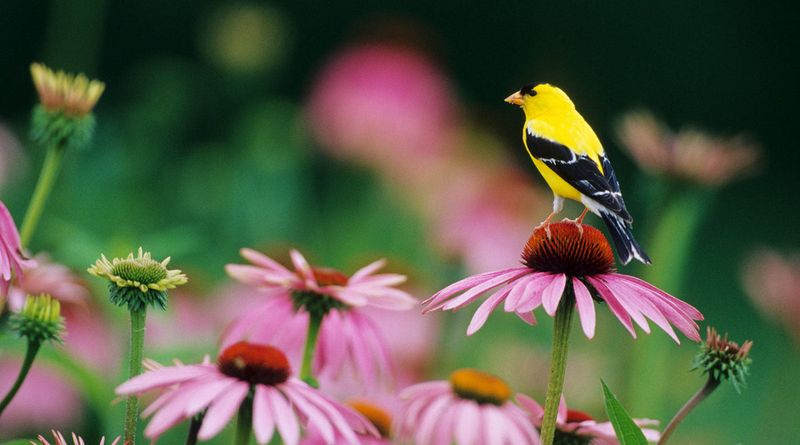
American goldfinches are the main reason this rule exists. According to the Cornell Lab of Ornithology, goldfinches are nearly strict seed eaters, unlike most songbirds that switch over to insects for protein.
That makes their food options narrower and more seasonal than a lot of people assume.
Coneflower heads hold small, oil-rich seeds packed into that dense central cone, and goldfinches are built for exactly this kind of foraging.
Watch a bed in late fall and you’ll often see them clinging sideways to the stem, working seeds out one at a time with real precision.
This isn’t a minor snack either.
As other food sources thin out through fall, seed heads like these become a dependable stop on a goldfinch’s daily rounds, sometimes the difference between a well-fed bird and a struggling one during a lean stretch.
Your Michigan Garden Changes Every Week. Your Plan Should Too.
Gardening in Michigan changes quickly throughout the season. Every Friday you’ll receive a simple weekly plan showing exactly what to plant, prune, fertilize, harvest, and protect so you never miss the right timing.
Chickadees and juncos show up too, especially once snow covers other ground-level food and the coneflower heads become one of the few reliable spots left standing above the snowpack.
None of this requires effort on your part. The seeds are already there, already ripening, already exactly what these birds need.
The only job is leaving them alone long enough for the birds to find them, which is precisely what item one asked for.
Cutting Now Blocks Next Year’s Seedlings
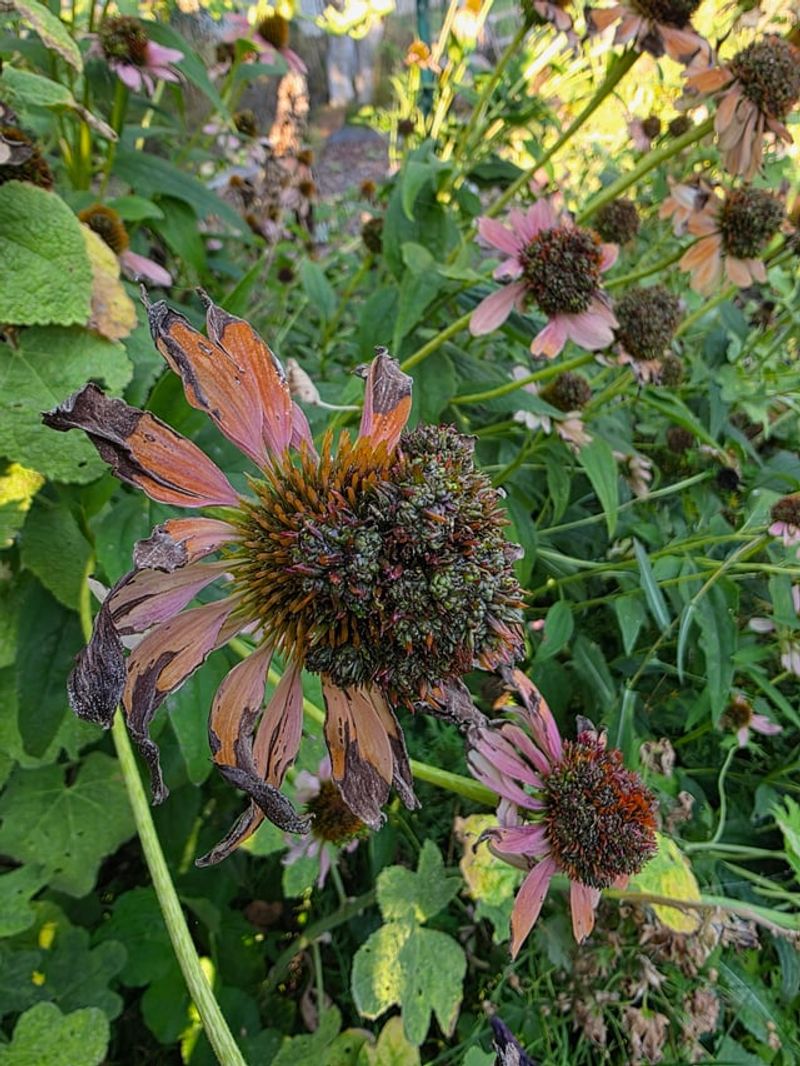
Seeds need time on the plant before they’re actually useful, and that timeline runs well past when the flowers stop looking pretty.
After a bloom fades, the seed head still needs weeks to fully ripen. Seeds are hardening, drying, and preparing to eventually drop or get carried off by a bird.
Snip the head off in September, thinking the show is over, and that whole process gets cut short mid-way.
This affects more than bird food.
Coneflowers reseed themselves naturally when conditions allow, and next spring’s volunteer seedlings scattered around the base of the parent plant come directly from seeds that were allowed to finish ripening and drop into the soil.
Gardeners who trim aggressively every fall often notice their coneflower patch stays the exact same size year after year, never filling in or spreading the way it naturally would.
The plant isn’t underperforming. It’s just never getting the chance to complete its own cycle.
Leaving the seed heads standing solves two problems with one piece of restraint. Birds get fed through fall and winter, and the soil gets a fresh batch of seeds settling in for spring, no purchasing or planting required.
If a fuller bed next year sounds appealing, the seed heads currently sitting there might already be doing that work for you.
How To Keep The Bed Looking Intentional
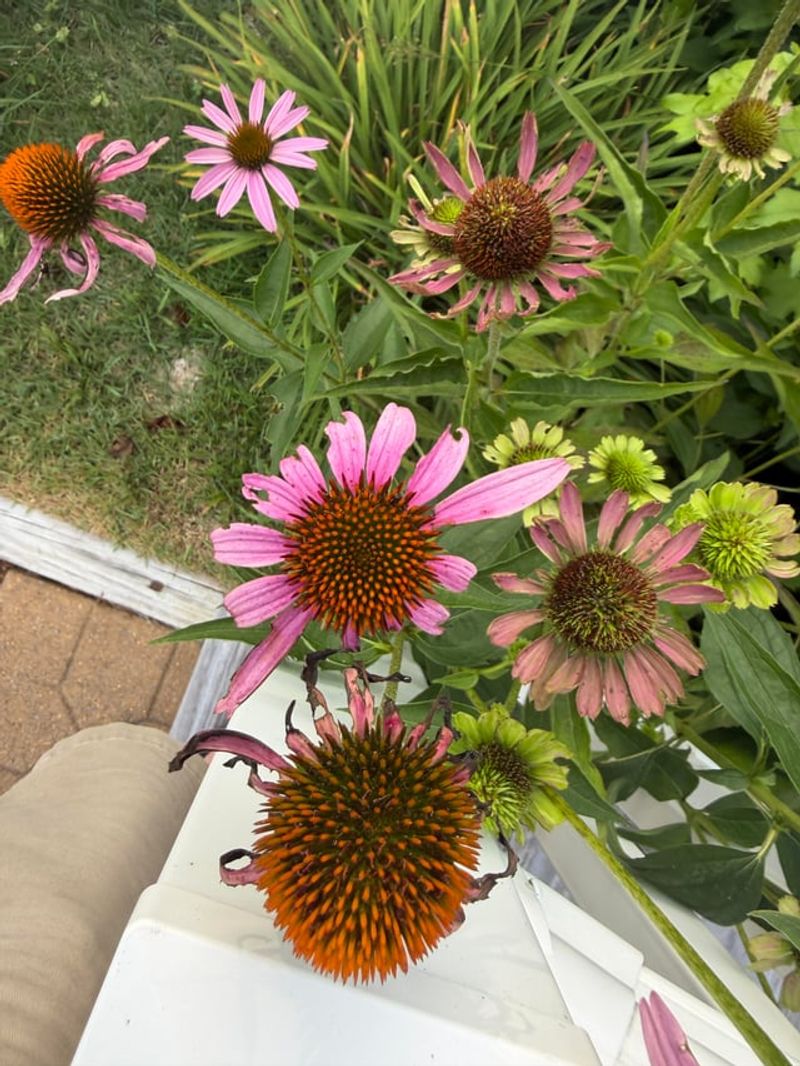
Standing seed heads don’t have to mean a bed that looks abandoned, and a little planning bridges that gap nicely.
Placement matters most. Coneflowers positioned toward the back or middle of a bed, behind something still green and full, keep their winter interest without becoming the focal point of the whole yard.
Front-and-center placement is where scruffy stems draw the most attention.
Mixing coneflowers with ornamental grasses helps too.
Grasses left standing through winter have their own texture and movement, and they visually soften the knobby, dark coneflower heads sitting nearby rather than letting them stand out starkly against bare soil.
A light edge trim around the bed, even while leaving the coneflowers themselves untouched, goes a long way toward signaling intentional design rather than neglect. Crisp edges make a wilder center read as a choice rather than an oversight.
For gardeners who share a strong opinion with a spouse or neighbor about tidy fall beds, a small sign or a quick explanation of the birds-and-seeds reasoning tends to smooth over most objections.
Most people come around once they see a goldfinch actually working the seed heads on a cold morning.
None of this requires compromising the actual goal. The seed heads stay put either way. It’s just a matter of framing them so the bed reads as purposeful rather than forgotten.
The Stems Themselves Are Doing Winter Work
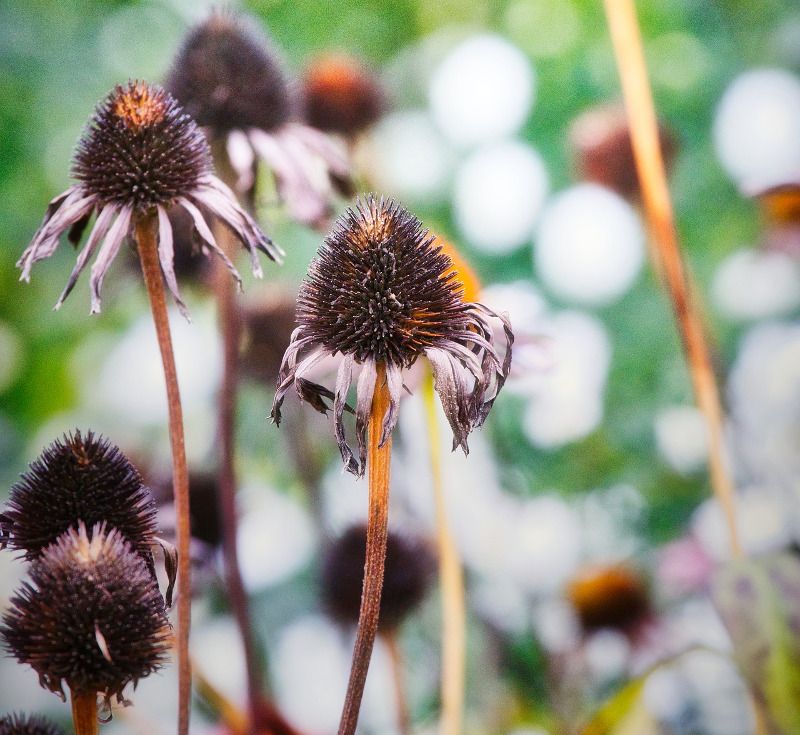
Seed heads aren’t the only reason to keep the shears away. The full stem, left standing through winter, quietly does several jobs at once that get lost the moment it’s cut down.
Snow catches differently on upright stems and cones than it does on bare soil, and that trapped snow acts as insulation for whatever’s living at the base of the plant, including the crown of the coneflower itself.
A bare, cut-back bed loses that layer entirely and exposes the crown to more direct temperature swings.
Hollow or pithy stems also become winter shelter for a range of small insects, including some native bee species that overwinter inside stem cavities rather than in the ground. That shelter simply doesn’t exist once the stem is removed in fall.
There’s a visual case too, even if it’s a smaller one. Frost and snow settling on dried coneflower cones creates genuine winter interest in a bed that would otherwise be flat and empty from November through March.
Some gardeners plant coneflowers specifically for this look once they notice it the first winter they leave everything standing.
None of this asks for extra work. It’s the opposite. The plant does all of it on its own, provided nobody interrupts the process with a well-meaning trim in September.
What To Do Instead Of Reaching For Shears
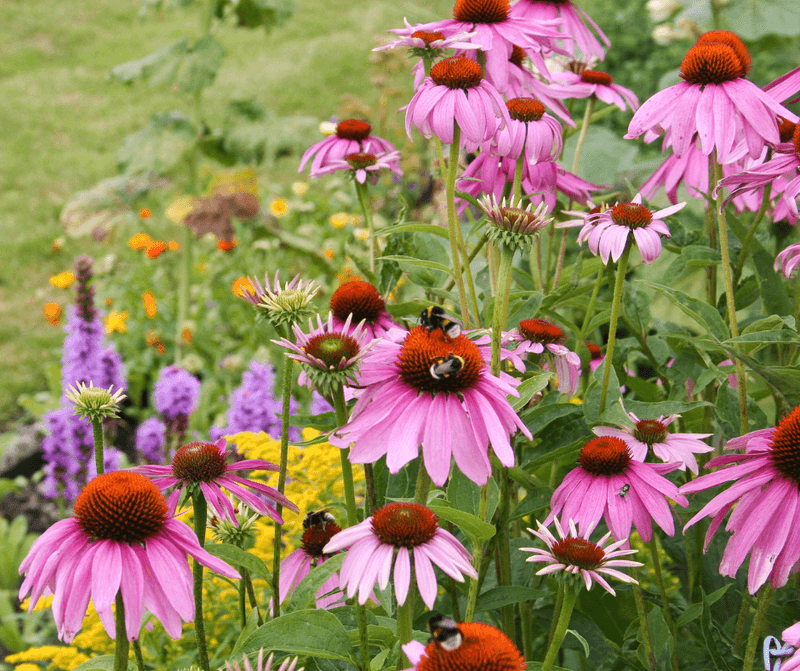
Skipping the fall cutback doesn’t mean skipping care for the plant entirely. There’s still one job worth doing this month, and it has nothing to do with shears.
Watering stays relevant even as growth slows above ground.
Roots keep working right up until the soil actually freezes, and young or newly planted coneflowers especially benefit from consistent moisture through this stretch, since their root systems haven’t fully established yet.
Check soil a few inches down, and water deeply if it feels dry.
Weeding around the base is fair game too. Removing competing weeds doesn’t touch the coneflower’s own stems or seed heads, and it reduces competition for water and nutrients heading into winter.
If a bed has grown noticeably crowded, marking clumps that might need dividing come spring is worth doing now while everything is still visible, even though the actual division should wait until the ground warms next year.
What doesn’t belong on this month’s list is fertilizer. Feeding a plant that’s winding down for the season can push soft new growth at exactly the wrong time, growth that won’t survive the first hard frost anyway.
The theme across all of it is the same. Support the plant’s natural slowdown instead of interrupting it, and save the more active work for a season when the plant is actually built to use it.