What Virginia’s Bamboo Rules Mean Before Rhizomes Spread Next Door
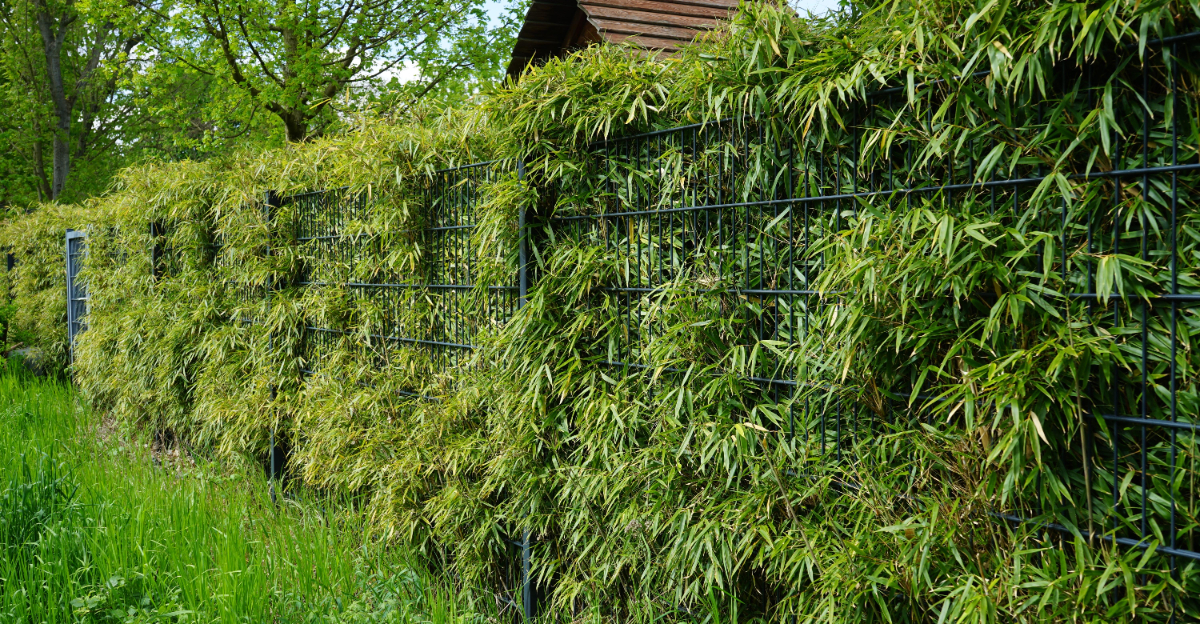
Bamboo turns heads in any backyard, but the roots doing the real work stay mostly out of sight. Rhizomes push outward in every direction, sometimes covering fifteen feet before the season even ends.
That quiet spread rarely announces itself until a neighbor spots green shoots poking through their lawn. By then the plant has already claimed ground it was never invited to.
Virginia lawmakers took notice of this pattern long ago, which is why running bamboo now falls under specific planting and containment rules. Skip them, and the fallout can land squarely on your property line, your wallet, or both.
Knowing what the law actually requires, before a single rhizome hits the soil, turns a potential dispute into a simple landscaping choice.
Virginia Treats Running Bamboo As A Legal Liability

Running bamboo is basically the escape artist of the plant world. Once it gets going, stopping it feels like trying to catch smoke with your bare hands.
Virginia law treats running bamboo as a nuisance plant under common law principles. That means if your bamboo crosses onto a neighbor’s property, you could be held legally responsible for removal costs.
Courts in the state have sided with affected neighbors in multiple cases. Homeowners have been ordered to pay for professional excavation, barrier installation, and lawn restoration.
The legal exposure is not small. Bamboo removal can cost anywhere from $1,500 to over $5,000 depending on how far the rhizomes have traveled.
Running bamboo spreads through underground stems that grow horizontally at surprising speed. Clumping bamboo, on the other hand, stays relatively contained and carries far less legal risk.
Most Virginia homeowners are shocked to learn their favorite ornamental plant could land them in court. A single summer of unchecked growth can trigger a neighbor dispute that drags on for years.
The key distinction Virginia law makes is between intent and outcome. Even if you did not mean for the bamboo to spread, you are still responsible for what it does.
Protecting yourself starts with understanding exactly what kind of bamboo you have. Knowing your plant type is the first and most powerful move you can make.
State Law’s Approach To Bamboo And Property Lines

Virginia does address bamboo directly through state code. Since 2018, § 15.2-901.1 designates running bamboo as a noxious weed and lets localities adopt ordinances with civil penalties for letting it spread.
Under Virginia Code, a landowner must prevent conditions on their property from harming their neighbors. Bamboo rhizomes crossing a property line can easily qualify as one of those harmful conditions.
The legal standard used most often is called the reasonable use doctrine. Judges ask whether a homeowner took reasonable steps to prevent the spread before it became a problem.
If you planted bamboo without any containment measures, a court will likely find you failed that standard. That finding opens the door to financial liability for your neighbor’s cleanup costs.
Virginia’s bamboo rules also connect to trespass law in some cases. When rhizomes physically enter another person’s land, that can be treated as an ongoing trespass under state precedent.
Your Virginia Garden Changes Every Week. Your Plan Should Too.
Gardening in Virginia changes quickly throughout the season. Every Friday you’ll receive a simple weekly plan showing exactly what to plant, prune, fertilize, harvest, and protect so you never miss the right timing.
Attorneys in Northern Virginia and Hampton Roads report a steady rise in bamboo-related property disputes. More homeowners are planting it, and more neighbors are fighting back through the courts.
One important detail is that ignorance is not a legal defense in these cases. You are expected to know the nature of what you plant along a shared boundary.
State law puts the burden squarely on the planting homeowner to act first. Waiting until your neighbor complains is already too late to avoid potential legal trouble.
Local Counties Add Their Own Restrictions

Fairfax County takes bamboo seriously enough to have addressed it in local ordinances. Several other Virginia counties have followed with their own added layers of restriction.
Local rules often go further than state law allows. Some counties require written notification to neighbors before any bamboo planting begins near a shared fence line.
Fauquier County adopted its own bamboo ordinance even before Fairfax County did, making overgrowth of running bamboo unlawful on residential property.
Stafford County took a similar early approach, giving property owners a model for containment years before the Fairfax ordinance existed. Smaller yards generally mean rhizomes reach property lines faster, sometimes within just one growing season.
Some municipalities require homeowners to maintain a buffer zone between bamboo and any property line. These buffers typically range from five to fifteen feet depending on the jurisdiction.
Violating a local bamboo ordinance can result in fines, mandatory removal orders, or both. A code enforcement officer can inspect your yard and issue citations without waiting for a neighbor to file a formal complaint.
Checking with your county’s zoning or code enforcement office before planting is not optional anymore. One phone call now is worth far more than one court appearance later.
Local rules change more frequently than state statutes, so annual check-ins are smart. Your county’s website is usually the fastest place to find the most current bamboo guidance.
What Happens When Rhizomes Cross Into A Neighbor’s Yard
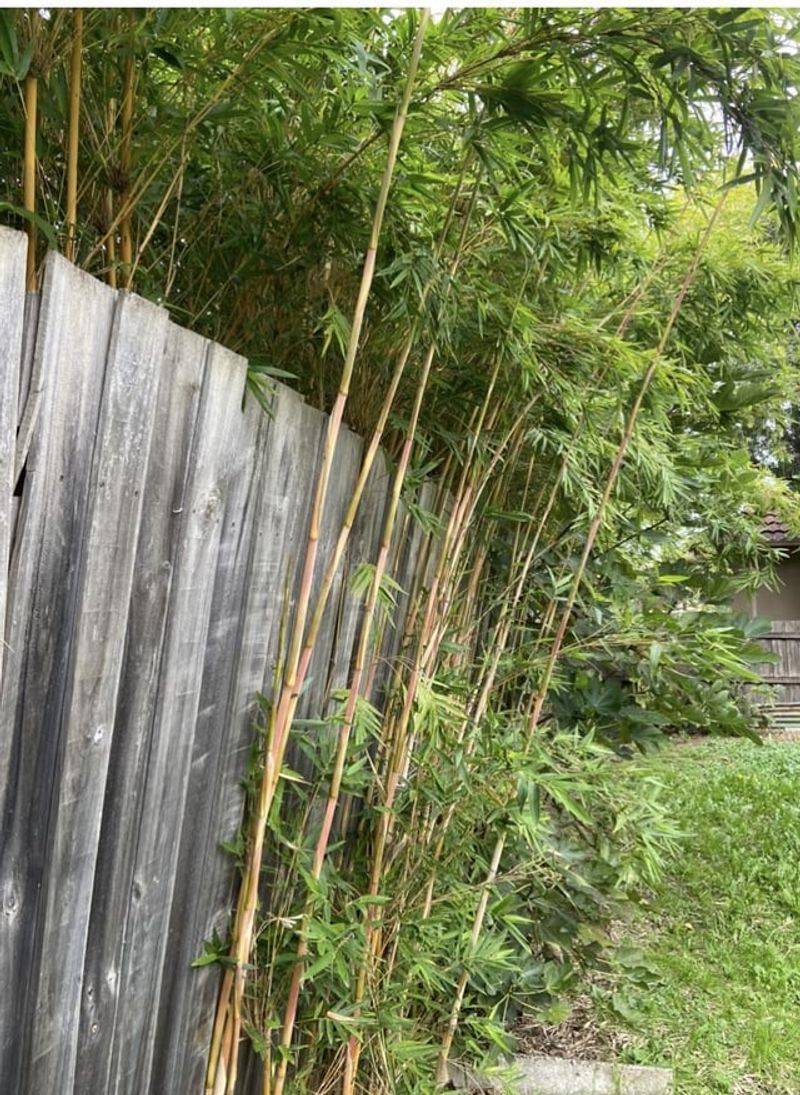
Picture waking up to find bamboo shoots pushing through your garden beds. That is not a hypothetical situation for thousands of Virginia homeowners right now.
When rhizomes cross into a neighbor’s yard, the affected party has the right to remove them. They can cut, dig, and excavate any bamboo growth that has entered their property without asking permission.
However, they cannot enter your yard to do that work without your consent. The removal must happen entirely on their side of the line, which often makes full eradication difficult.
If the neighbor wants you to fix the problem from your side, they must typically send a written demand first. That letter starts a legal clock that you should take very seriously.
Ignoring a written demand is one of the worst moves a bamboo-planting homeowner can make. Courts tend to view inaction as evidence of negligence, which increases the damages awarded against you.
Mediation is often a faster and cheaper path than litigation in these cases. Many Virginia counties offer free or low-cost neighbor dispute mediation services worth exploring early.
Documentation matters enormously when rhizomes cross property lines. Both parties should photograph the spread, date the images, and keep records of every conversation about the issue.
A dispute over bamboo can damage a neighborly relationship for years. Acting fast and communicating honestly is usually the best way to protect both your yard and your relationships.
Barriers And Containment Methods That Meet Code
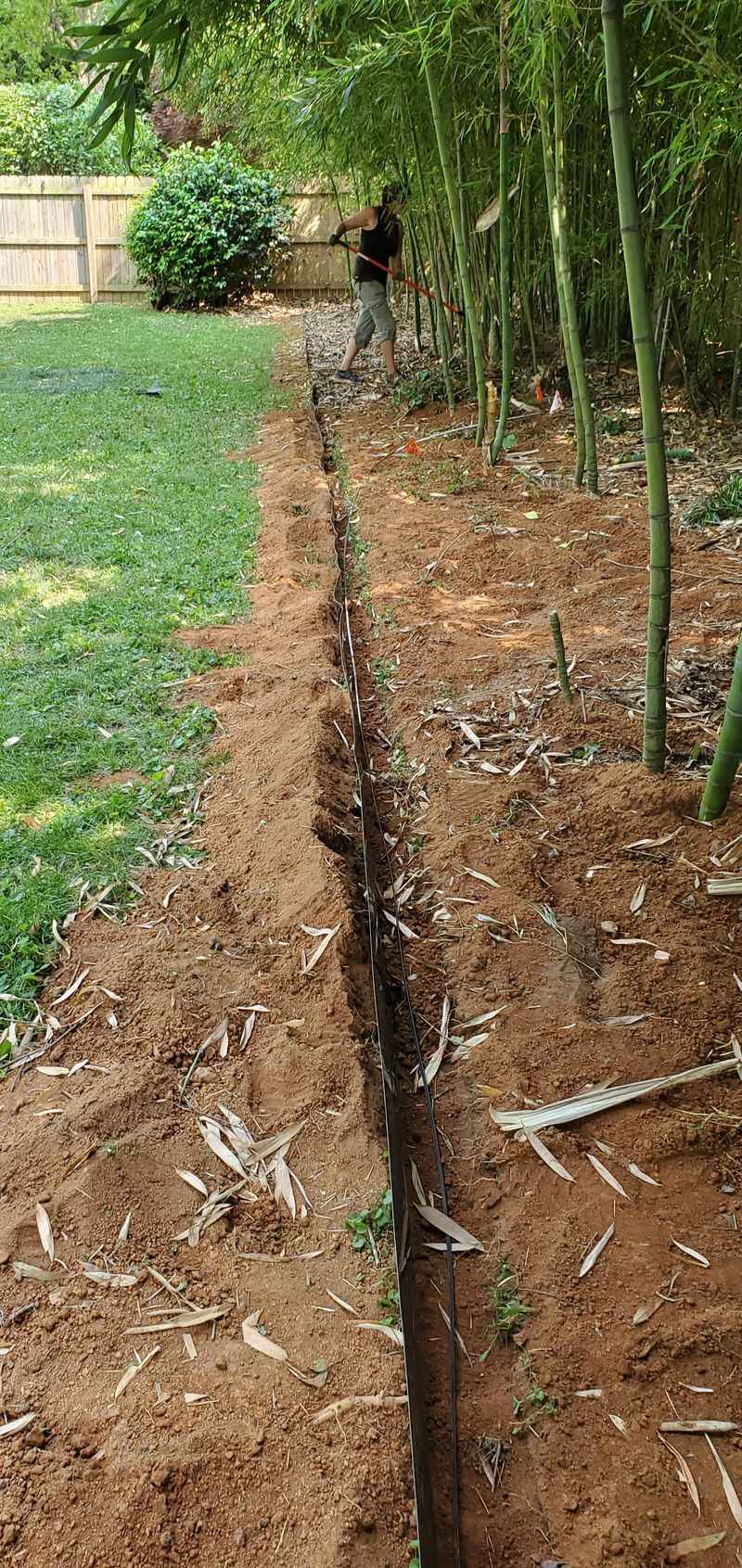
A solid root barrier is your best friend when it comes to bamboo containment. Not all barriers are created equal, and Virginia counties often specify minimum standards for what qualifies.
High-density polyethylene barriers, called HDPE, are the most widely accepted option among code enforcement offices. They need to be at least 60 mil thick and buried at least 28 to 30 inches deep to be effective.
Thinner plastic sheeting sold at garden centers often fails within two or three seasons. Rhizomes are relentless, and they will find any weak point in an undersized barrier.
Concrete barriers are another approved option in some jurisdictions. They are more expensive to install but essentially permanent when done correctly by a licensed contractor.
Proper installation matters just as much as material choice. The barrier must be angled slightly outward at the top so rhizomes are redirected upward where you can spot and cut them.
Leaving a two-inch lip above the soil line allows for easy visual inspection. A monthly check during the growing season helps you catch any escaping rhizomes before they become a legal problem.
Some Virginia counties require a permit before installing certain types of underground barriers. Always check local rules before you dig, since unpermitted installations can create their own set of headaches.
A properly installed barrier combined with regular maintenance is the gold standard. That combination gives you the strongest legal defense if a neighbor ever raises a complaint.
Steps To Take Before Planting Bamboo Legally
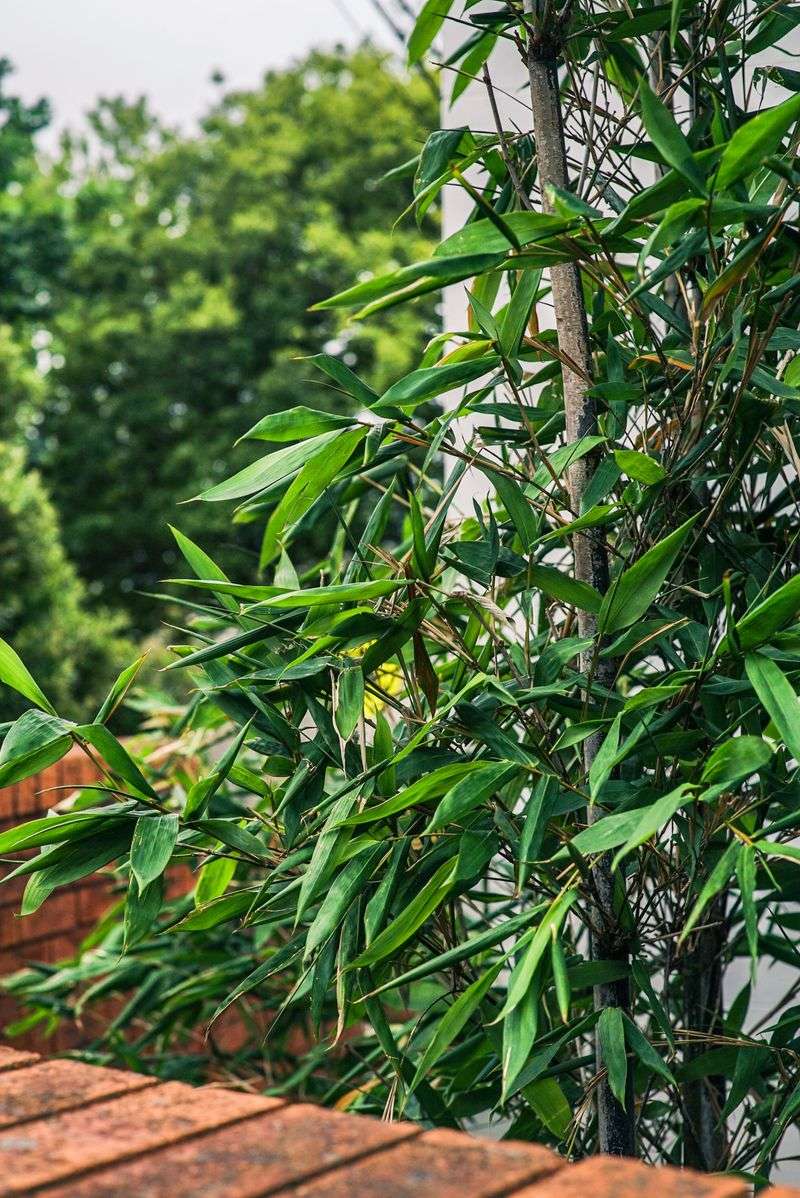
Before a single rhizome touches Virginia soil, a smart homeowner does their homework. Skipping this step is how a weekend landscaping project turns into a years-long legal battle.
Start by identifying exactly what type of bamboo you want to plant. Clumping varieties like Fargesia are far safer choices than running types like Phyllostachys near any property boundary.
Next, contact your county’s zoning or code enforcement office to ask about local bamboo regulations. Bring the species name with you because some offices have species-specific rules on file.
Talk to your neighbors before you plant anything. A simple conversation can prevent misunderstandings and shows good faith if any dispute arises later.
Get that conversation in writing if possible. A friendly text or email confirming your neighbor’s awareness creates a paper trail that protects everyone involved.
Hire a licensed contractor to install a code-compliant root barrier before your first planting. Getting it right from day one costs far less than fixing a spread after the fact.
Keep all receipts, permits, and installation records in a dedicated folder. These documents are your best evidence of responsible behavior if someone ever challenges your bamboo setup.
Plan for ongoing maintenance from the start. Bamboo is not a plant-it-and-forget-it situation, especially when Virginia’s bamboo rules hold you accountable for everything that grows from your yard.
A little preparation now makes bamboo a beautiful addition rather than a neighborhood nightmare. Your future self will absolutely thank you for taking these steps seriously today.