What Those White Oval Clusters Under Your Missouri Planter Really Are
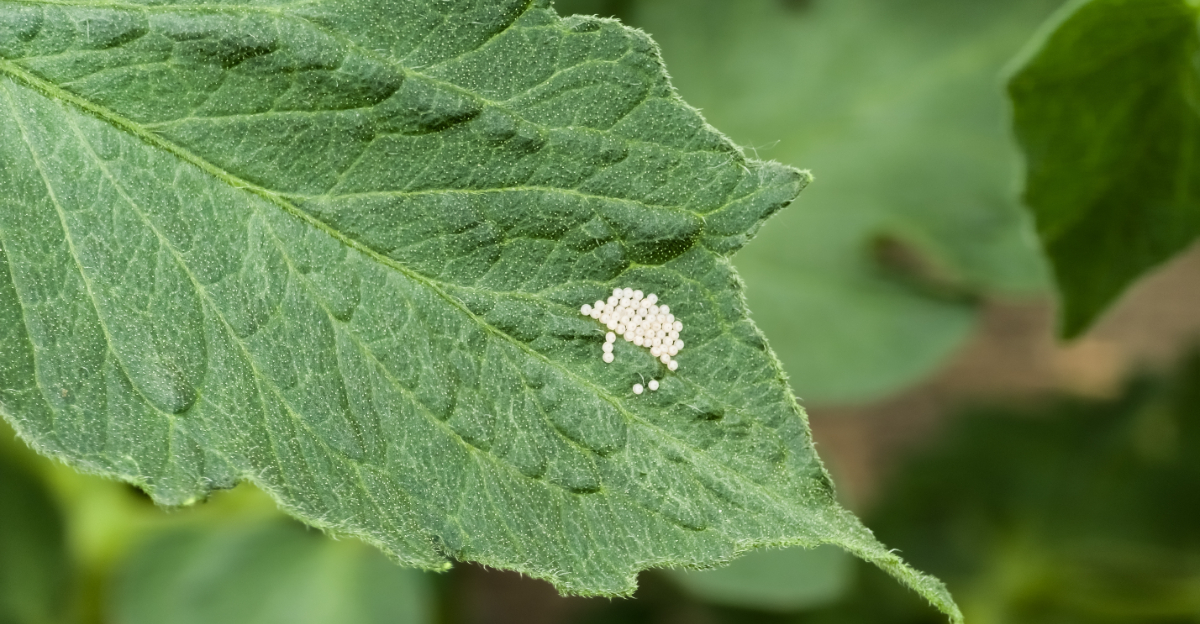
You lift the pot to check the soil, and there they are. Dozens of pearly white ovals, stacked in neat rows like tiny grains of rice glued to the underside of the rim.
Your heart might skip a beat, but this scene plays out in backyards across Missouri more often than most people realize. Snails, slugs, and a handful of garden insects all favor this exact hiding spot, tucked away from sun and safe from curious birds.
The tricky part is that not every cluster spells trouble. Some hatch into pests that shred your seedlings overnight, while others belong to creatures quietly doing you a favor.
A closer look at size, texture, and placement tells you almost everything before a single egg cracks open. Get that part right, and you’ll know if it’s gloves-on or just walk away.
A Closer Look At This Common Planter Mystery
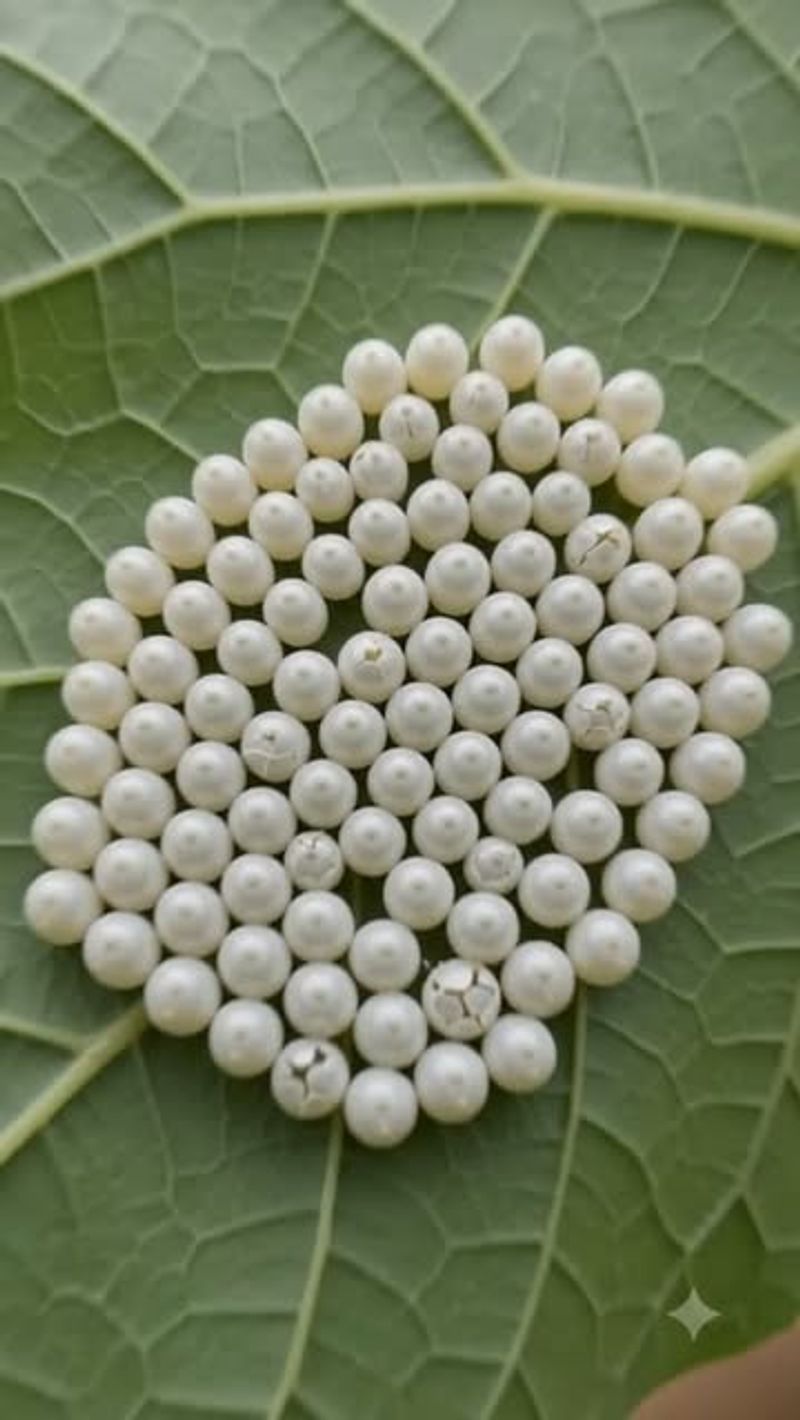
You crouched down, moved that heavy clay pot, and froze. Dozens of white oval clusters sat perfectly arranged on the dark, damp soil beneath your planter.
These clusters are almost always insect eggs. They appear in moist, sheltered spots where insects feel safe laying them.
White oval clusters under your Missouri planter can come from several different insects. Some are garden helpers, others are neutral visitors, and a small number are pests worth monitoring.
The clusters are usually smooth, uniform in shape, and grouped tightly together. Their white or off-white color helps them blend into pale soil or mulch.
Most eggs measure just a few millimeters long, though size varies by species. That small size makes them easy to miss unless you are actively looking.
Moisture is the biggest factor in why they end up under planters. Insects seek out dark, humid environments to protect their eggs from drying out.
Missouri summers are warm and humid, which creates perfect conditions for egg-laying activity in gardens. Planters sitting directly on soil act like little shelters for dozens of species.
Before you do anything drastic, take a breath. Identifying the source of those clusters will help you make a smart decision about what comes next.
Grab a flashlight and look closely at the shape, color, and arrangement. Those small details tell a big story about which creature left them behind.
Common Missouri Bugs That Leave White Eggs
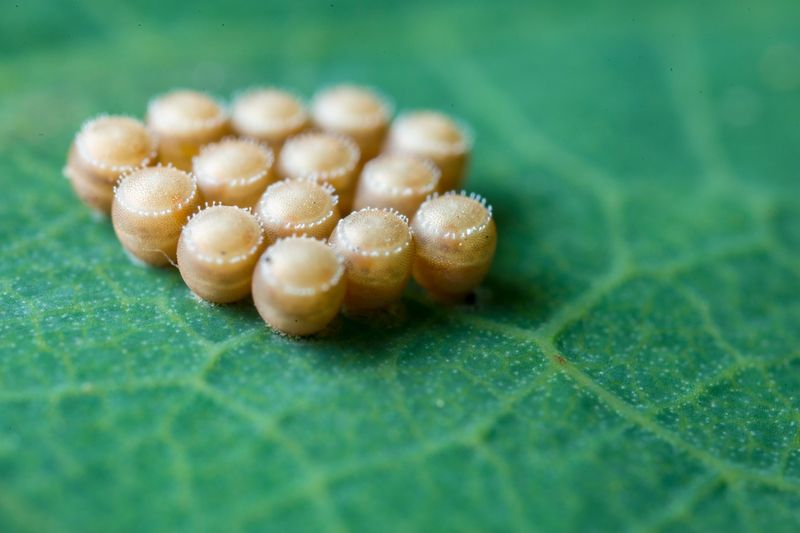
Slugs are the most frequent culprits behind those white oval clusters. They lay glossy, round-to-oval eggs in batches of twenty to one hundred at a time.
Slug eggs look almost like tiny pearls. They are slightly translucent and often appear in tight clusters tucked just under the surface of moist soil.
Ground beetles also lay white eggs in sheltered spots beneath containers, though usually singly rather than in tight clusters. Unlike slugs, beetle eggs are more elongated and have a matte finish rather than a shiny surface.
Spiders sometimes deposit egg sacs under planters too. A spider egg sac looks like a small silky pouch rather than individual oval shapes, so it stands out quickly.
Your Missouri Garden Changes Every Week. Your Plan Should Too.
Gardening in Missouri changes quickly throughout the season. Every Friday you’ll receive a simple weekly plan showing exactly what to plant, prune, fertilize, harvest, and protect so you never miss the right timing.
Earwigs are another common Missouri insect that lays white oval eggs. A female earwig will guard her clutch fiercely, so you might spot her hovering right over the cluster.
Cutworm moths lay eggs near plant stems. Their eggs are tiny, ribbed, and white, often found on lower leaves or right at the soil surface near host plants.
Fungus gnats lay microscopic white eggs in overly wet potting soil. These are nearly invisible to the naked eye and usually require a magnifying glass to confirm.
Knowing which insect left the eggs changes everything about how you respond. Some of these creatures actively protect your garden, while others need a closer watch.
Planters Attract Egg-Laying Insects For Good Reason
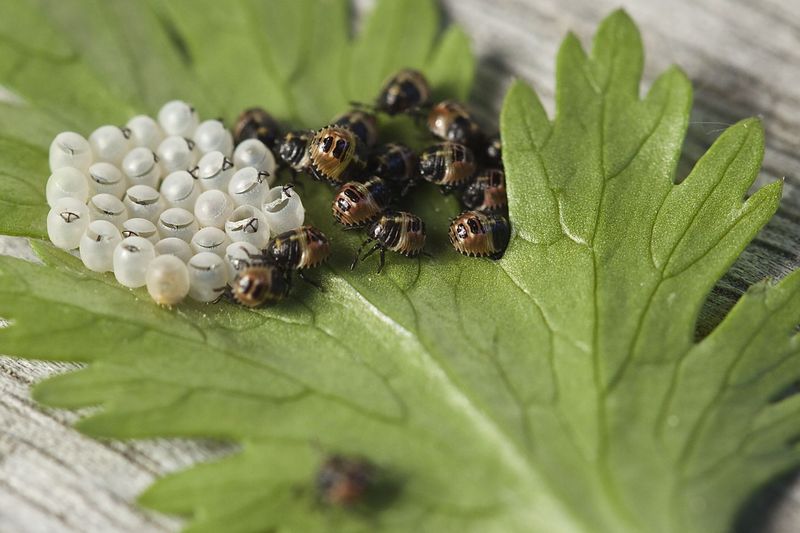
Planters are basically five-star hotels for egg-laying insects. They offer shade, moisture, and protection from wind and predators all in one spot.
The bottom of a planter stays consistently cooler than open soil. That temperature difference attracts insects that need stable conditions for their eggs to develop safely.
Drainage holes in planters let moisture seep directly into the soil below. That creates a persistently damp patch of ground that slugs and beetles find irresistible.
Heavy planters also block sunlight from reaching the soil underneath. Without sunlight, that patch stays dark and humid, which is exactly what egg-laying insects are searching for.
Organic matter builds up under planters over time. Decomposing leaves, roots, and soil particles create a rich environment that supports insect life through every stage of development.
Planters placed directly on bare soil encourage more insect activity than those on pavers or gravel. The direct soil contact gives insects easy access to their preferred laying ground.
Gardens with lots of mulch or compost nearby attract even more egg-laying visitors. The rich organic smell signals to insects that the area has everything their young will need.
Missouri’s warm spring and early summer months trigger peak egg-laying activity. Moving planters during this window almost guarantees you will find clusters at least once per season.
Understanding why planters attract these insects helps you make simple adjustments that reduce egg-laying without harming your garden’s overall health.
Telling Egg Clusters Apart From Mold Or Fungus
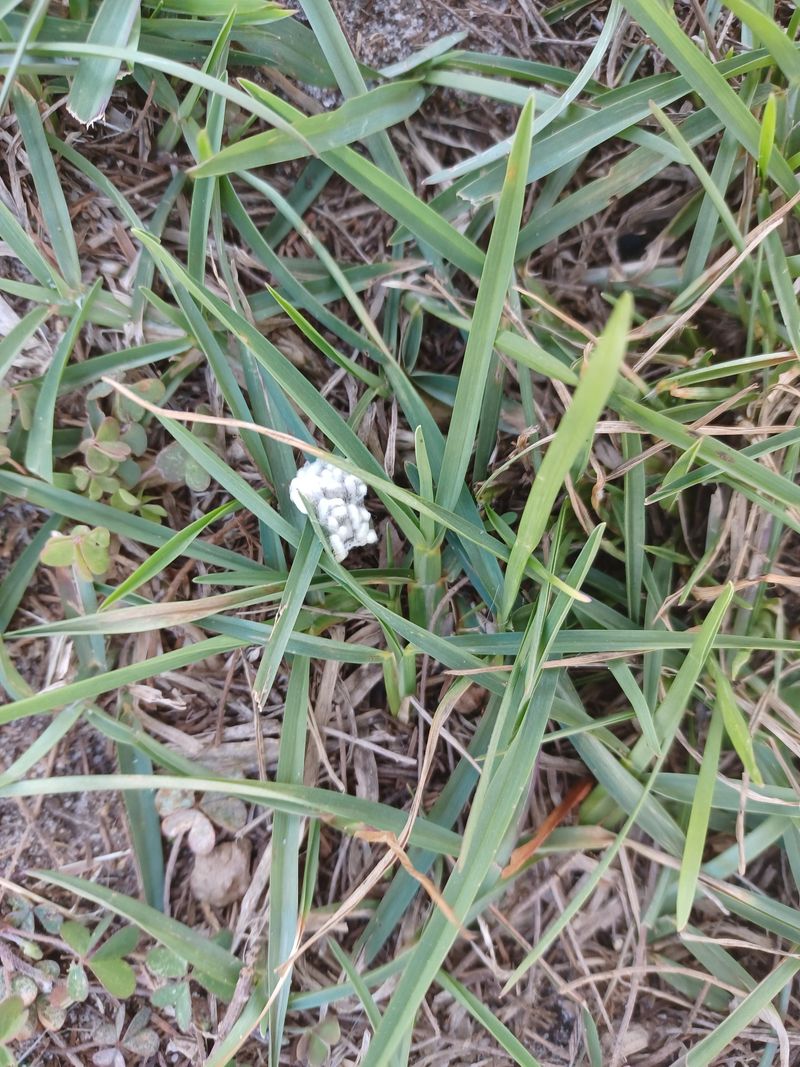
Not everything white and round under your planter is an egg. Mold, fungus, and even fertilizer residue can look surprisingly similar at first glance.
Fungal bodies called mycelium form white, thread-like webs across soil. They look fluffy or powdery rather than smooth and oval, which is the key visual difference.
Slime mold sometimes appears as white or yellowish blobs on moist soil. It moves slowly over time and has a slimy texture that insect eggs never have.
Perlite, a common ingredient in potting mix, looks like tiny white oval beads. If your planter has drainage holes, perlite can wash out and collect on the soil below.
To confirm you are looking at eggs, press one gently with a toothpick. Eggs have a firm, slightly flexible shell, while mold crumbles and fungal bodies collapse or smear.
Eggs also hold their shape and arrangement. Mold spreads unevenly and grows outward in irregular patterns rather than sitting in neat, organized groupings.
Smell can also help you tell the difference. Fungal growth often has a musty, earthy odor, while insect eggs have little to no detectable scent.
Look for a parent insect nearby as another clue. Earwigs, spiders, and some beetles stay close to their eggs, which is a strong confirmation that you found a real clutch.
Taking thirty seconds to identify what you found prevents accidental removal of beneficial insects and keeps your garden decisions accurate.
Steps To Take After Finding These Clusters
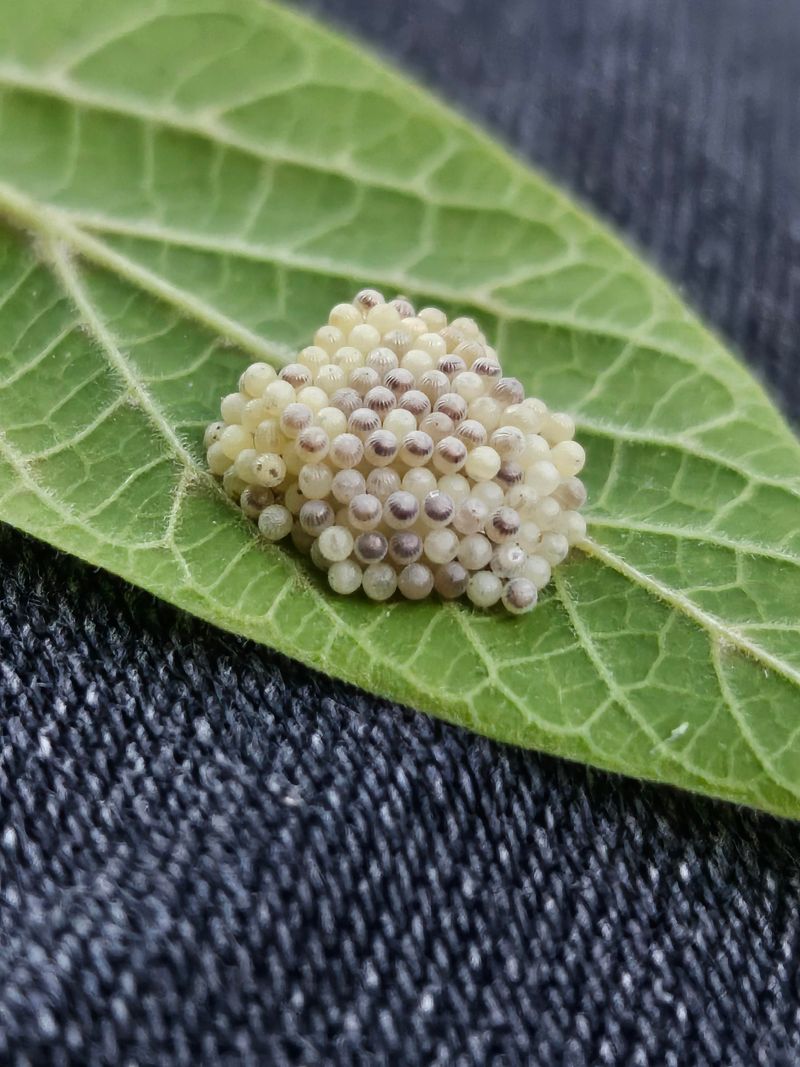
Finding egg clusters does not automatically mean you need to take action. Your first step is identification, not removal.
If the eggs belong to ground beetles, leave them alone. Ground beetles eat slugs, grubs, and other pests, making them some of the most valuable residents in your garden.
Slug eggs, however, are worth addressing since slugs can damage tender plant stems and leaves. You can remove slug eggs by scooping them into a bag and disposing of them in the trash.
Avoid using harsh chemicals near egg clusters. Many sprays affect beneficial insects, soil microbes, and even earthworms, which all support healthy plant growth.
For spider egg sacs, the smartest move is to leave them undisturbed. Spiders are natural pest controllers that reduce aphid, fly, and mosquito populations around your plants.
If you are unsure what laid the eggs, take a photo and compare it to online identification resources. Missouri’s university extension service has excellent free resources for exactly this situation.
You can also relocate uncertain egg clusters to a less-trafficked area of your yard. Place them under a log or leaf pile so any beneficial insects still have a chance to hatch safely.
Check back in one to two weeks if you leave the eggs in place. Watching what hatches is the most reliable way to confirm your identification and plan your next move.
Stay curious rather than reactive, and your garden will reward you for it.
Preventing Future Egg Clusters Around Planters
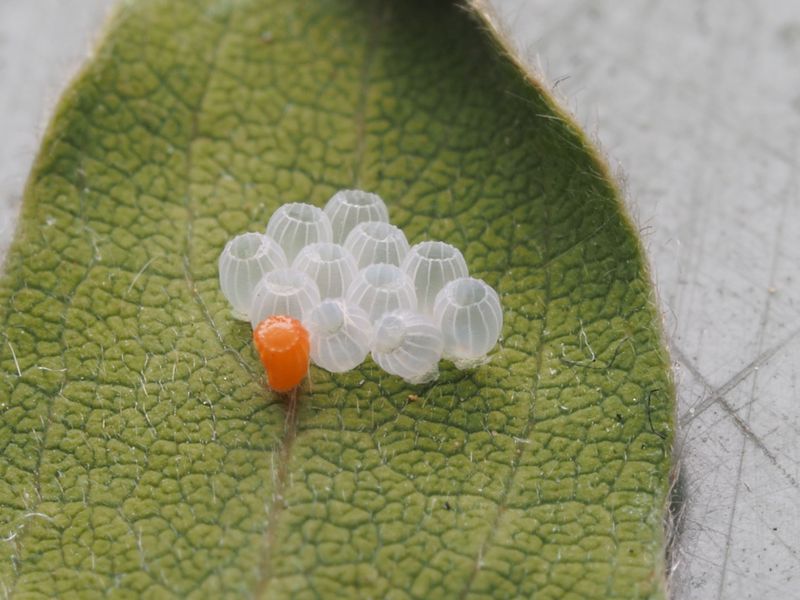
Stopping future egg clusters starts with one simple change: reduce moisture under your planters. Less moisture means fewer insects choose that spot for laying eggs.
Pot feet are small lifts that raise planters off the ground. They improve airflow underneath, reduce dampness, and make the space less appealing to egg-laying insects.
Placing planters on gravel or pavers instead of bare soil creates a less hospitable surface. Insects prefer direct soil access, so a hard surface underneath cuts down on activity significantly.
Move your planters to a new spot every few weeks during spring and early summer. Disrupting the environment regularly prevents insects from settling in and treating one area as a permanent home.
Diatomaceous earth sprinkled around the base of planters creates a barrier that slugs and soft-bodied insects avoid. It is safe for plants, pets, and people when used as directed.
Reducing overwatering also helps because soggy soil is a magnet for egg-laying activity. Water deeply but less frequently to let the soil surface dry between sessions.
Clearing away brown leaves and organic debris near planters removes shelter that insects rely on. A tidy garden perimeter naturally discourages nesting and egg-laying behavior.
Copper tape applied around the rim of planters repels slugs effectively. Slugs react to copper with a mild deterrent response, steering them away from your containers.
These simple habits keep white oval clusters under your Missouri planter far less common, giving you one less surprise every gardening season.