The Plumbago Mistakes California Gardeners Make That Lead To Fewer Blue Flowers
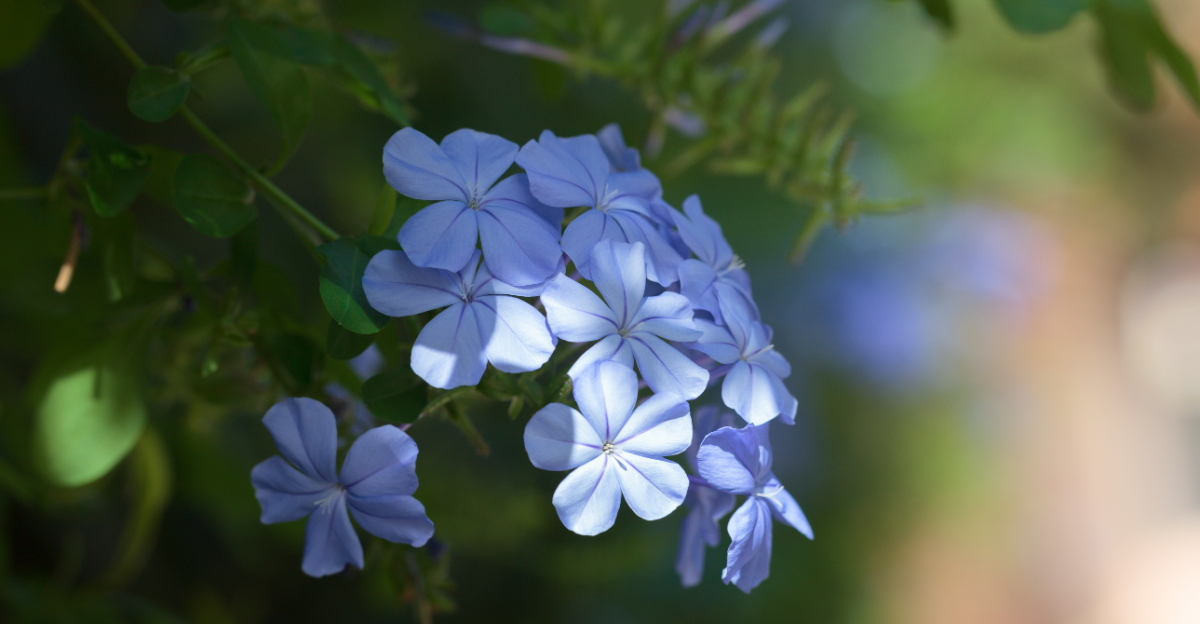
Plumbago can make a California yard look effortlessly dreamy when those soft blue flowers start spilling over fences and garden beds.
Then the blooms slow down, the plant gets leafy, and suddenly that picture-perfect display feels a little less magical.
The frustrating part is that plumbago often looks healthy even when something is quietly holding back its flowers.
A small care mistake can shift the plant’s energy in the wrong direction, leaving you with plenty of growth but far less color than expected.
Summer heat can make the problem even more confusing. What seems helpful during a hot spell may actually create stress, and plumbago is not always quick to complain.
Getting those blue blooms back is usually less about doing more and more about changing the right habit.
Once the plant gets what it actually needs, that gorgeous color can finally return and steal the spotlight again.
1. Too Much Shade Means Fewer Blue Blooms
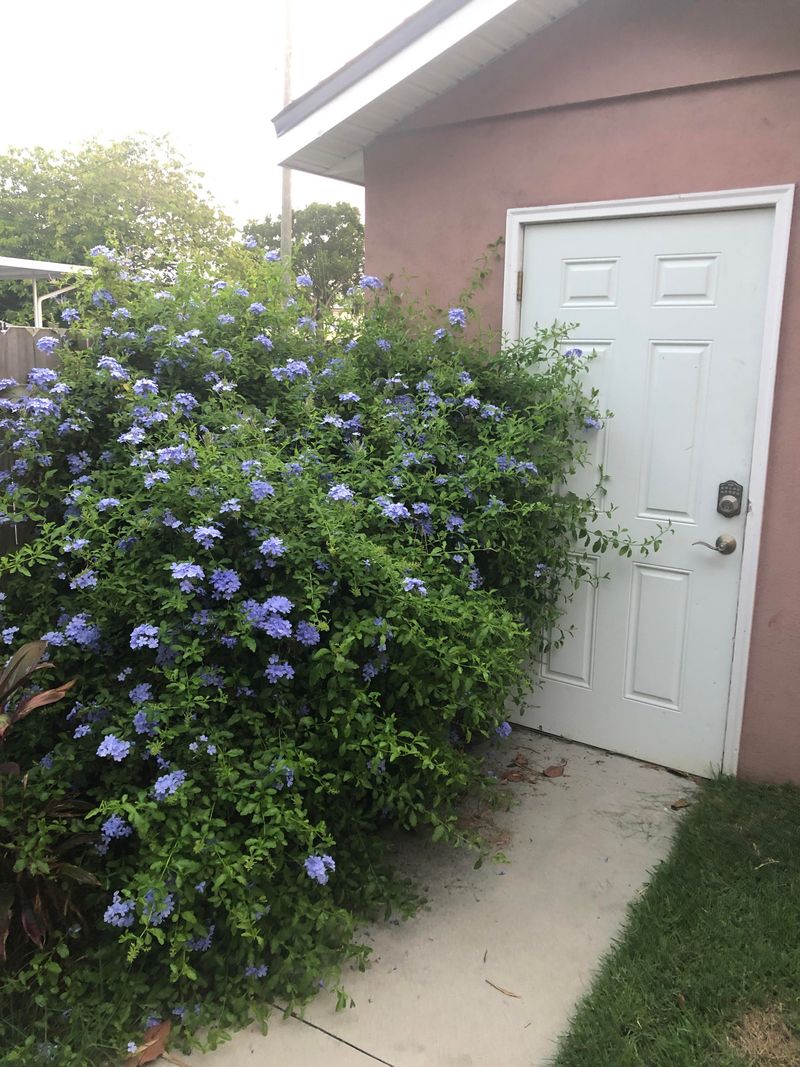
Sunlight is the single biggest driver of bloom production in plumbago. Most gardeners do not realize just how sun-hungry this plant really is.
Without enough direct light each day, the stems stay green and leafy but the flowers simply do not show up.
Plumbago thrives in full sun, which means at least six to eight hours of direct sunlight daily.
When it gets planted under a tree canopy or too close to a tall fence, it starts putting all its energy into growing toward the light instead of blooming. The plant looks healthy on the outside, but it is quietly stressed.
In California, especially in warmer inland areas, plumbago planted in full sun can bloom from spring all the way through fall.
That is months of color you miss out on when the location is too shady. Even light shade for part of the day can cut flower production noticeably.
If your plant is already in a shaded spot, consider transplanting it in early spring before the growing season kicks off. Choose a spot that gets morning and afternoon sun with little interruption.
If transplanting is not an option, trim back nearby plants or branches that are blocking the light.
Sometimes just removing one or two overhanging branches makes a big difference. More sun almost always means more of those stunning blue clusters gardeners love.
2. Cold Damage Can Delay Flowering
Plumbago is a warm-weather plant at heart. It loves heat and sunshine, and it does not handle cold snaps very well.
When temperatures drop below freezing, even briefly, the plant can suffer damage that sets back its blooming schedule by weeks or even months.
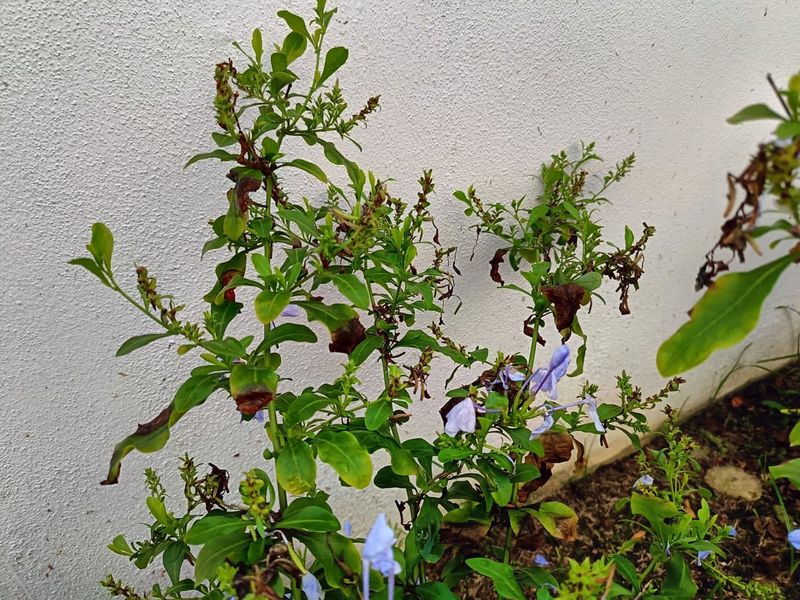
In northern regions of California, late frosts in February or March can hit plumbago hard. The tips of the stems turn brown and mushy, and the plant may look completely finished.
But here is something most gardeners do not know: plumbago almost always bounces back from the roots, even after a rough winter.
The problem is that cold-damaged plants spend a lot of energy regrowing lost stems before they can even think about blooming.
Your California Garden Changes Every Week. Your Plan Should Too.
Gardening in California changes quickly throughout the season. Every Friday you’ll receive a simple weekly plan showing exactly what to plant, prune, fertilize, harvest, and protect so you never miss the right timing.
That means you lose precious weeks of the flowering season just waiting for the plant to recover. The more damage it takes, the longer it waits to bloom.
To protect your plumbago from cold damage, cover it with a frost cloth on nights when temperatures are expected to drop below 28 degrees Fahrenheit.
Mulching around the base of the plant also helps insulate the roots and keeps soil temperatures more stable.
In colder microclimates, planting plumbago near a south-facing wall gives it extra warmth from reflected heat.
A little protection in winter goes a long way toward earlier and more plentiful blooms come spring.
3. Hard Pruning At The Wrong Time Backfires
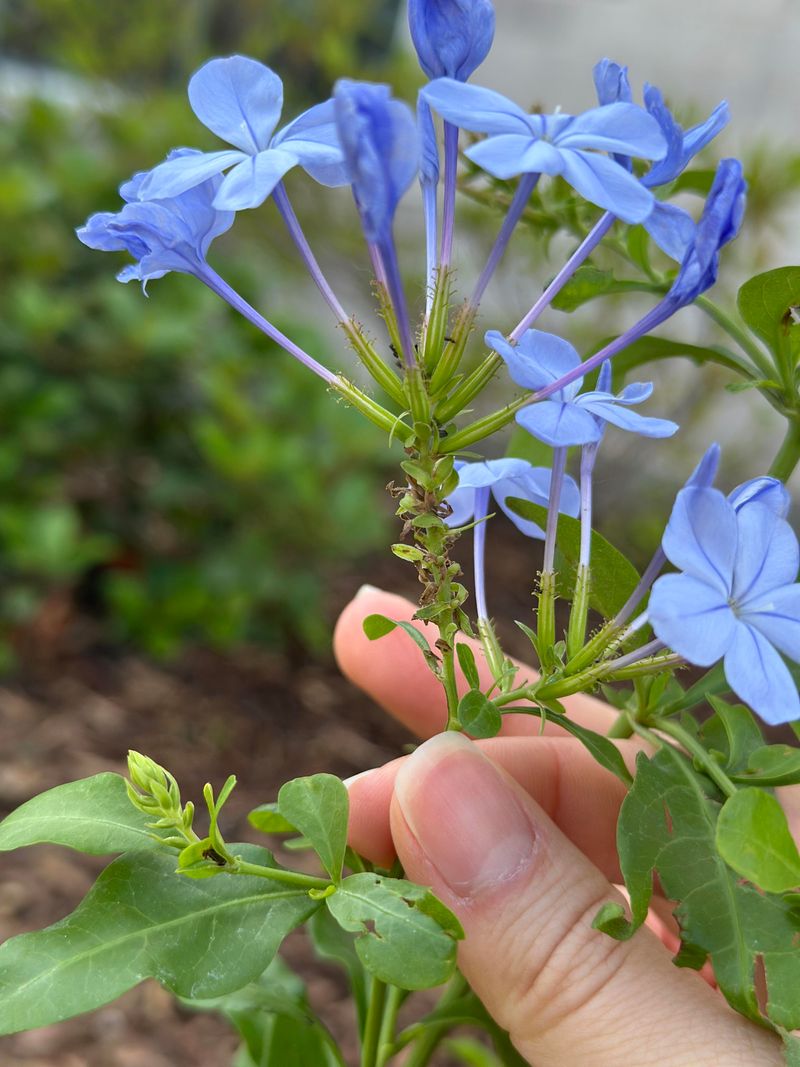
Pruning plumbago feels satisfying. You clean up the wild stems, shape the plant, and feel like you have done something productive.
But prune it at the wrong time of year, and you will pay for it with a long stretch of no flowers at all.
Plumbago blooms on new growth, which means it needs time to push out fresh stems before it can produce flowers.
When you cut it back hard in late spring or early summer, you are removing the very stems that were about to bloom. The plant then has to start over from scratch.
The best time to do major pruning is in late winter, just before new growth begins. In most parts of California, that window falls somewhere between late January and early March.
At that point, you are not cutting off any potential blooms because the new season’s growth has not started yet.
Light shaping throughout the growing season is fine and actually encouraged. Snipping off spent flower clusters and trimming back wayward stems keeps the plant tidy and can even encourage more blooms.
The key word is light. Stay away from cutting back large sections of the plant once spring arrives.
Think of it this way: every stem you remove in summer is a stem that could have held a flower cluster.
A little patience with the pruning shears goes a long way toward keeping your plumbago in full, colorful bloom all season.
4. Too Much Nitrogen Pushes Leaves First
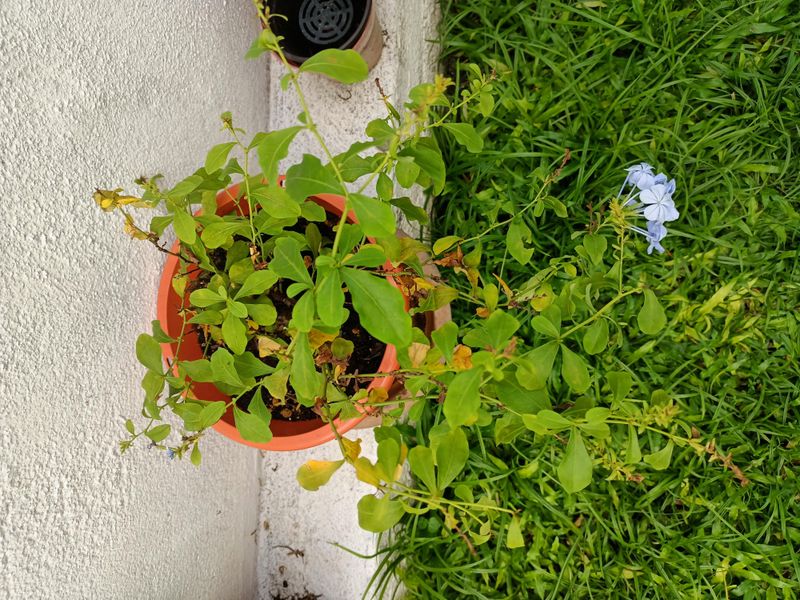
Walk into any garden center and you will find shelves full of fertilizers promising bigger, better plants.
But when it comes to plumbago, reaching for a high-nitrogen formula is one of the fastest ways to end up with a beautiful green bush and almost no blue flowers at all.
Nitrogen is the nutrient that drives leafy, green growth. Plants need it, but too much of it sends the wrong message.
Instead of putting energy into producing flowers, the plant races to grow more leaves and stems. It looks impressive at first glance, but the flower show disappears.
A better approach is to use a balanced fertilizer or one that is slightly higher in phosphorus, which is the nutrient most tied to flower production.
Look for fertilizers where the middle number in the N-P-K ratio is equal to or higher than the first number. Something like a 5-10-5 works well for flowering shrubs like plumbago.
Feed your plumbago once in early spring and again in midsummer to keep it supported through the blooming season.
Avoid fertilizing in fall, since that can push soft new growth right before cooler temperatures arrive.
Also, if your soil is already rich from compost or previous heavy feeding, you may not need to fertilize much at all. Do a simple soil test first.
Sometimes the ground already has plenty of nutrients, and adding more nitrogen only makes the flower problem worse.
5. Dry Roots Can Stall Summer Flowers
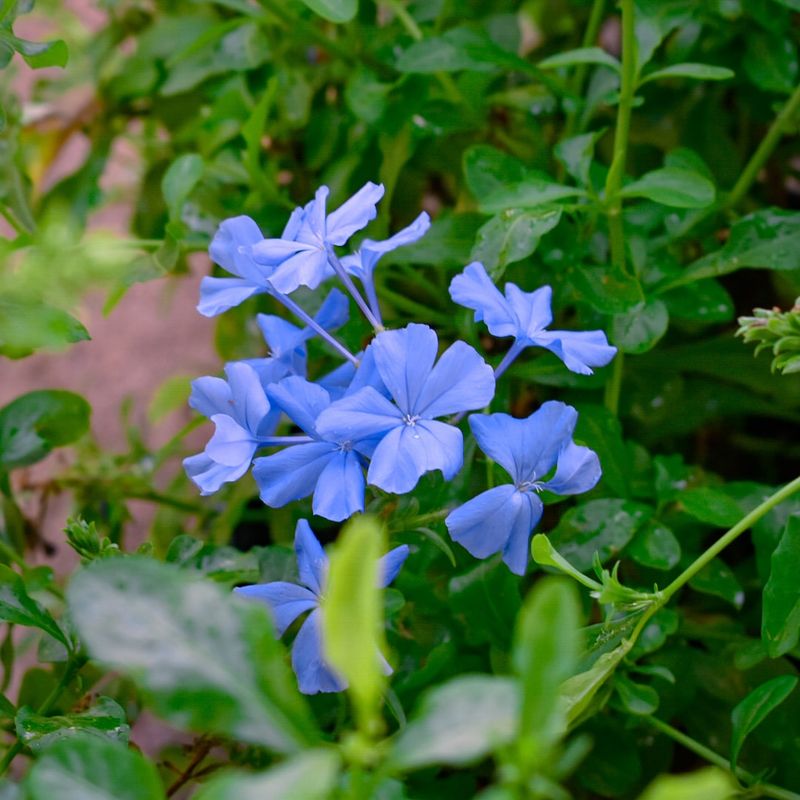
California summer can be brutal, especially in inland valleys where temperatures regularly climb past 100 degrees Fahrenheit.
Plumbago handles heat surprisingly well, but it still needs consistent moisture at the roots to keep pushing out flowers during those scorching months.
When the soil dries out completely between waterings, the plant shifts into a kind of survival mode.
It conserves water by slowing down all non-essential functions, and flower production is one of the first things to go.
You might notice the leaves start to look a little dull or droopy before the blooms drop off.
Deep, infrequent watering is the right method for plumbago. Rather than giving it a little water every day, soak the root zone thoroughly two or three times a week during peak summer heat.
This encourages the roots to grow deeper into the soil, where moisture stays more consistent.
Mulching around the base of the plant is one of the smartest things you can do in summer.
A two to three inch layer of wood chips or shredded bark slows evaporation dramatically and keeps the roots cooler. In hot climates, this simple step can reduce how often you need to water.
Drip irrigation systems are especially helpful for plumbago in dry regions. They deliver water directly to the root zone without wasting it on surrounding soil.
Consistent moisture during summer heat is one of the keys to keeping those blue flowers coming all season long.
6. Poor Drainage Weakens The Whole Plant
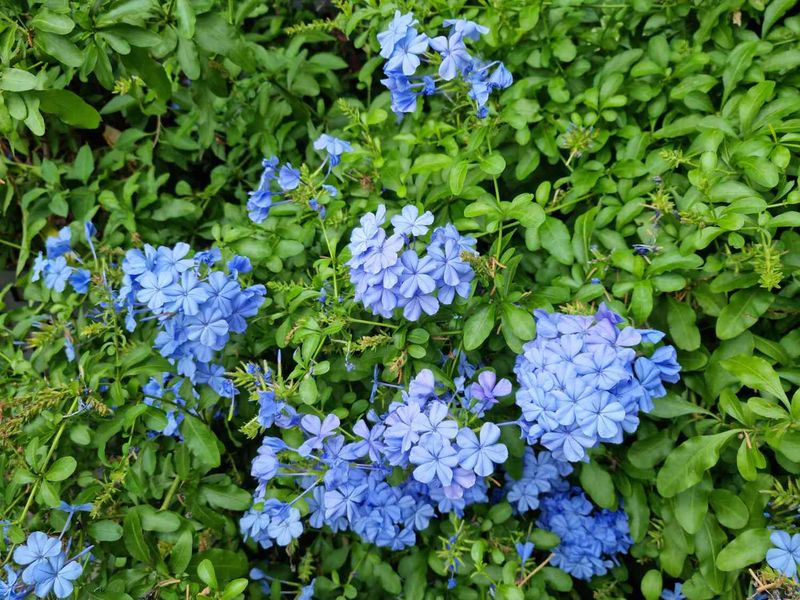
Soggy soil is one of the quietest threats to a plumbago plant. It does not make a loud entrance.
Instead, it slowly weakens the roots over time, and the first sign most gardeners notice is a plant that just does not bloom the way it used to.
Plumbago needs well-draining soil to stay healthy. When water sits around the roots for too long, oxygen gets cut off and root function breaks down.
The plant struggles to absorb nutrients properly, and without those nutrients, flower production drops off sharply.
Heavy clay soils are a common problem in many parts of California. Clay holds water longer than sandy or loamy soils, which makes it a poor match for plumbago without some amendment.
Mixing compost or coarse sand into clay soil before planting improves drainage noticeably.
If your plumbago is already planted in a low spot where water pools after rain, you have a few options. You can try building up a small raised mound around the plant to lift the root zone above the waterline.
Another option is to dig in drainage channels that direct water away from the root area.
Raised beds are an excellent solution for gardeners dealing with persistent drainage problems. They give you full control over soil quality and drainage.
Planting plumbago in a raised bed filled with quality garden mix almost always leads to a healthier, more productive plant that blooms freely and consistently.
7. Crowded Growth Blocks Blooming Stems
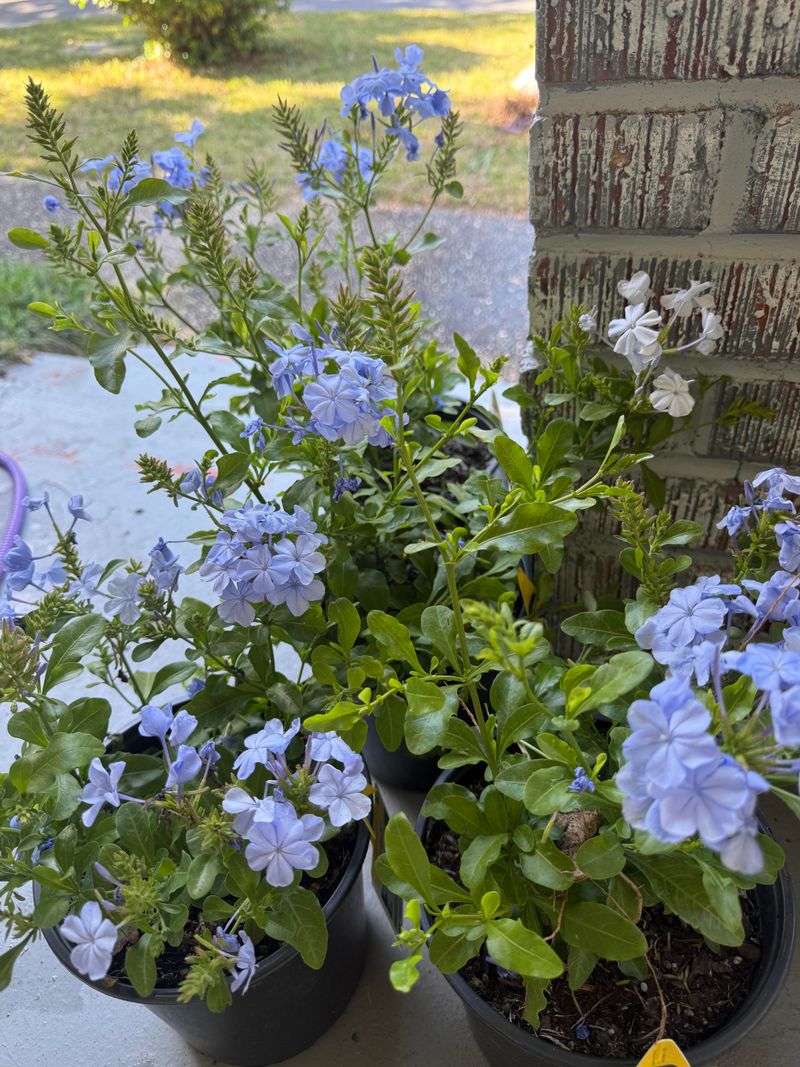
Plumbago is a fast grower, and that can actually work against it. Over time, the interior of the plant fills up with old woody stems and tangled growth that blocks air circulation and light from reaching the center.
When that happens, fewer flowering stems can develop, and the whole plant starts to look tired.
Good airflow through the plant is more important than many gardeners realize. When stems are packed tightly together, humidity builds up inside the plant, which can encourage fungal problems.
On top of that, the blooming stems at the tips do not get the light they need to produce flowers at full capacity.
Thinning out the interior of the plant once a year makes a real difference. Use clean, sharp pruning shears to cut out old, woody canes from the base.
Remove any stems that are crossing over each other or growing inward instead of outward. The goal is to open up the center so light and air can move freely.
Also pay attention to what is planted nearby. Plumbago that is crammed between other large shrubs or up against a wall does not have room to spread its flowering stems outward.
Give it at least four to six feet of space on each side to grow naturally. A well-spaced, well-thinned plumbago is a blooming plumbago.
A little effort each year to manage crowding pays off with a fuller, more colorful plant that shows off its blue flowers from every angle.
8. Skipping Light Trims Leaves It Leggy
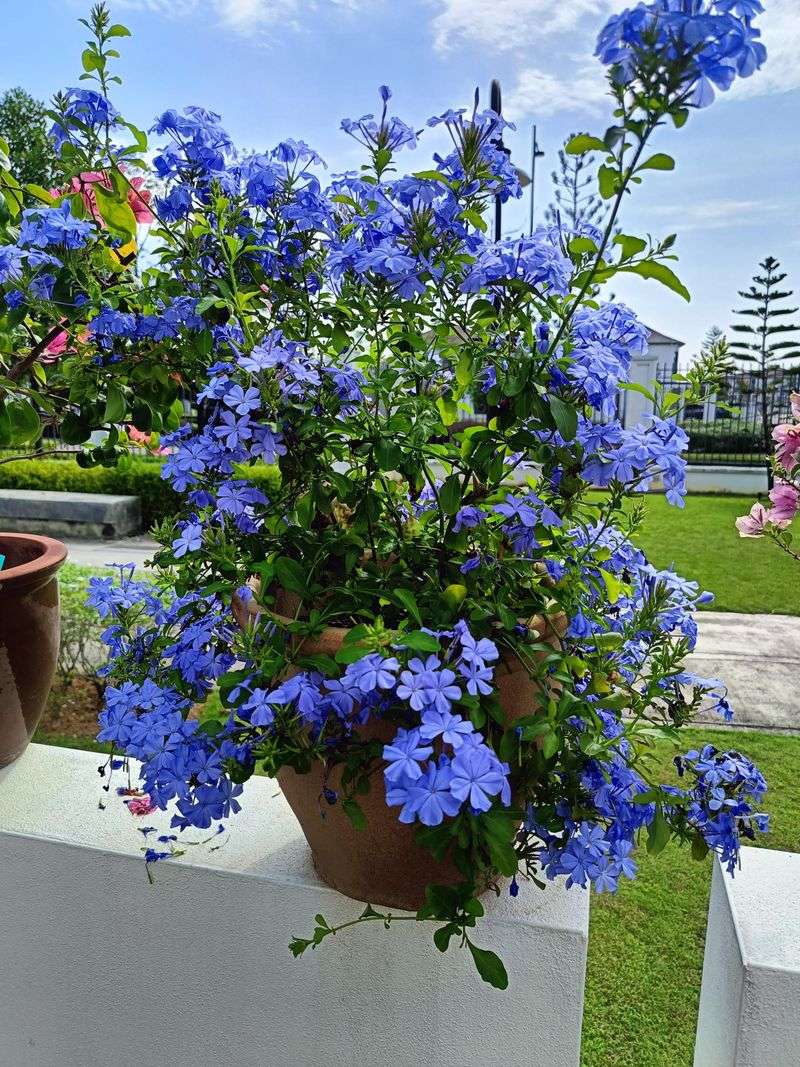
There is a version of plumbago neglect that does not look like neglect at first. The plant grows tall, spreads wide, and seems to be doing just fine.
But when you look closely, the flowers are only showing up at the very tips of long, bare stems. That is a classic sign of a plant that has not been lightly trimmed often enough.
Plumbago responds really well to what gardeners call tip pruning or pinching. When you snip off the end of a stem, the plant responds by pushing out two new stems from just below the cut.
More stems mean more potential flower sites. Over time, regular light trimming builds up a much denser, more productive plant.
Without those regular trims, the stems just keep stretching longer and longer. The plant gets leggy, which means it has long bare sections with leaves and flowers only at the far ends.
It stops looking like a full, lush shrub and starts looking more like a collection of long green sticks with a few blue tips.
You do not need to do a major pruning session to fix this. Just walk past your plumbago every couple of weeks during the growing season and snip back any stems that are getting too long.
Remove spent flower clusters at the same time to encourage the next round of blooms.
Consistent light trimming is one of the simplest habits that leads to the most dramatic improvement in how many blue flowers your plumbago produces all season long.