The Native Georgia Grass That Quietly Helps Deter Fleas In Yards With Pets
Fleas hide where you least expect them. You already know the frustration all too well. Sprays fade, treatments slip, and vacuums miss the eggs. Something else is quietly working inside Georgia backyards right now.
Pets track pests across every inch of grass. Yards across Georgia demand smarter, tougher, more resilient solutions.
One plant keeps surfacing in nearly every pet owner conversation. No one ever names it, but everybody keeps planting it.
It needs little care, and it spreads gently. Few plants pull double duty this well outdoors. Nobody expects an ornamental grass to handle pests too. Dogs roam, cats wander, and this grass holds its space.
But the reason behind it surprises even seasoned gardeners. Every yard in the state could use this hidden edge.
Curiosity alone should push you toward discovering its name. Nothing about this choice feels remotely ordinary. Answers are waiting, and they will not wait forever.
The Grass Quietly Winning Over Georgia Pet Owners
Nobody talks about Muhly grass at the dinner table, but they probably should. This native Georgia grass has been gaining steady popularity in yards across the Southeast.
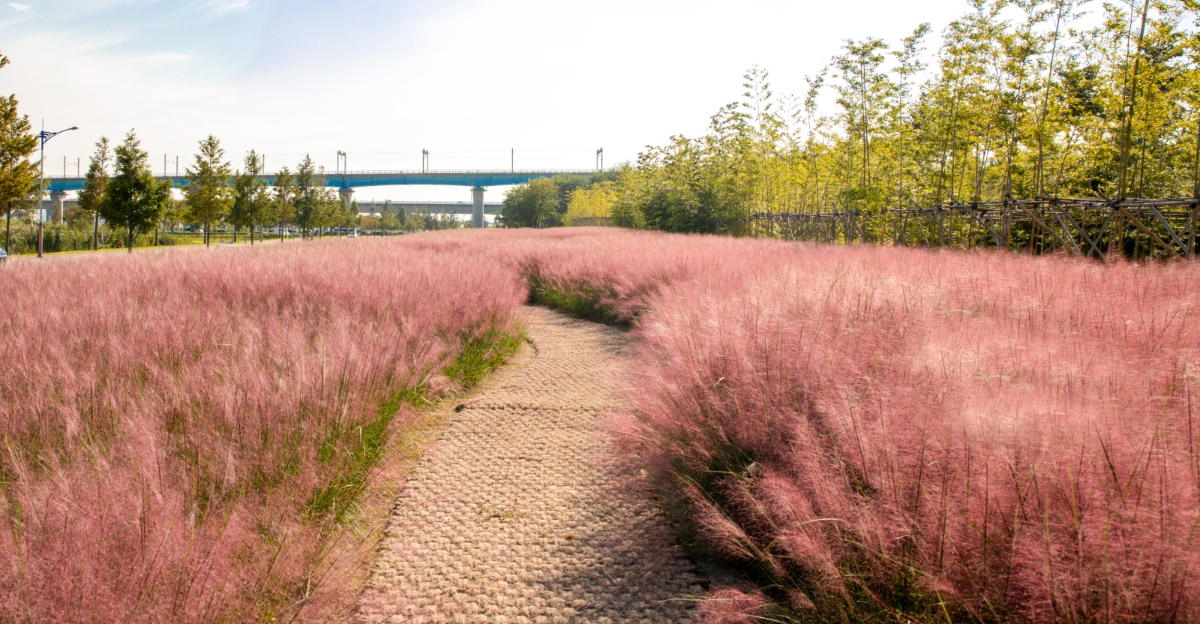
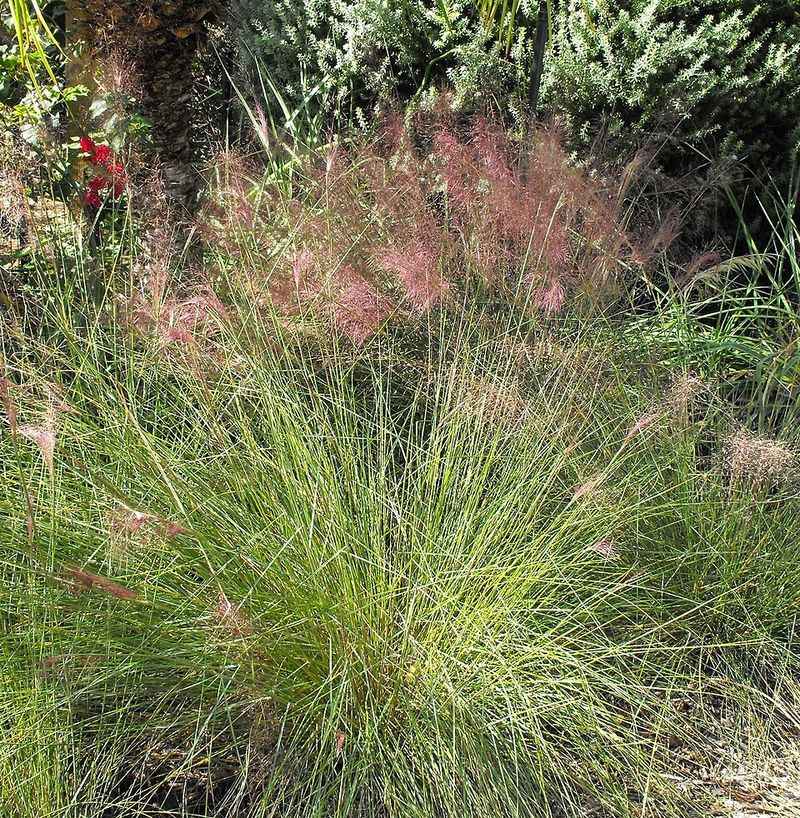
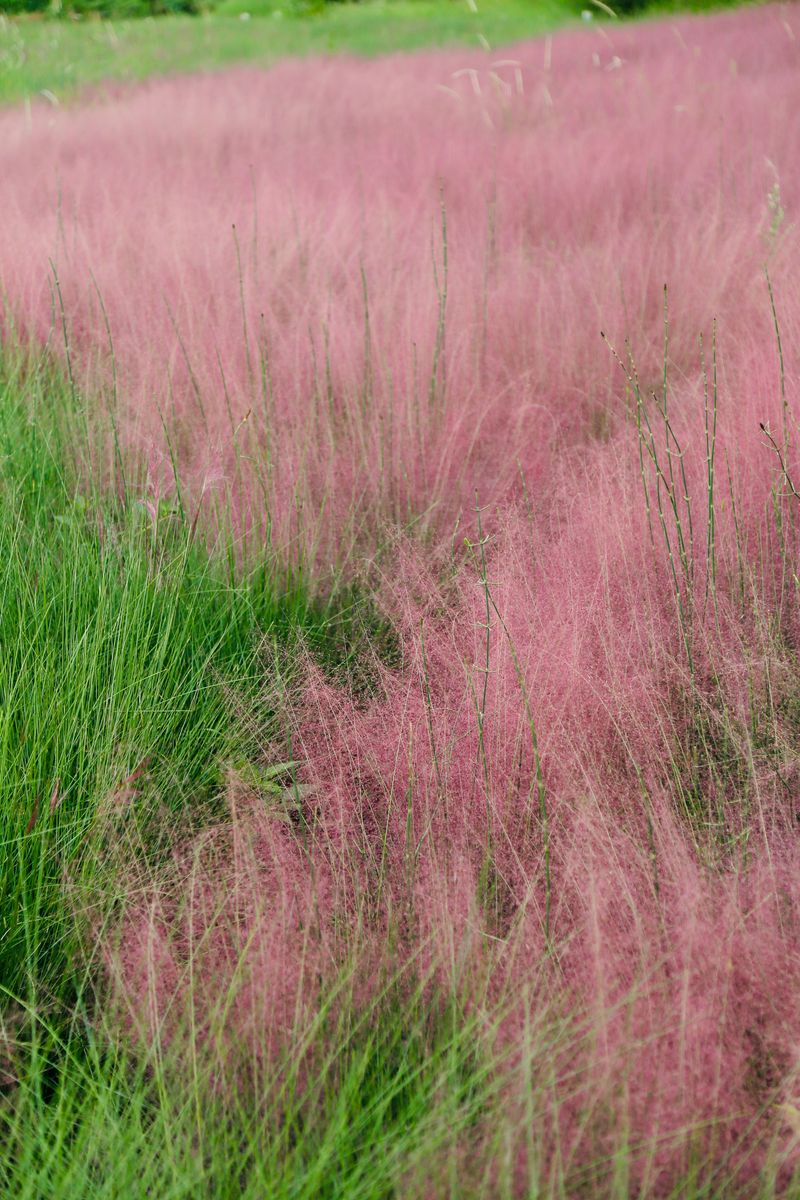
Muhlenbergia capillaris, its proper name, produces clouds of pink and purple plumes every fall. Those soft, airy blooms make it look more like a garden showpiece than a workhorse plant.
Pet owners have started paying attention for a different reason entirely. Some gardeners have started noticing fewer flea issues in yards where this grass grows, though the connection remains anecdotal.
The native Georgia grass that quietly helps deter fleas in yards with pets is not a new discovery. Gardeners in the Southeast have grown it for decades, mostly for its looks.
Only recently did people start connecting the dots between fewer flea complaints and more Muhly grass in the yard. That connection is worth exploring seriously.
It grows in dense clumps that reach about three to four feet tall. That height and density alone can make certain pests uncomfortable in the area.
Interest in it for pet-friendly designs is growing across the state. Once you see it in bloom, you will understand why it is so hard to ignore.
What Makes Muhly Grass A Georgia Native Favorite
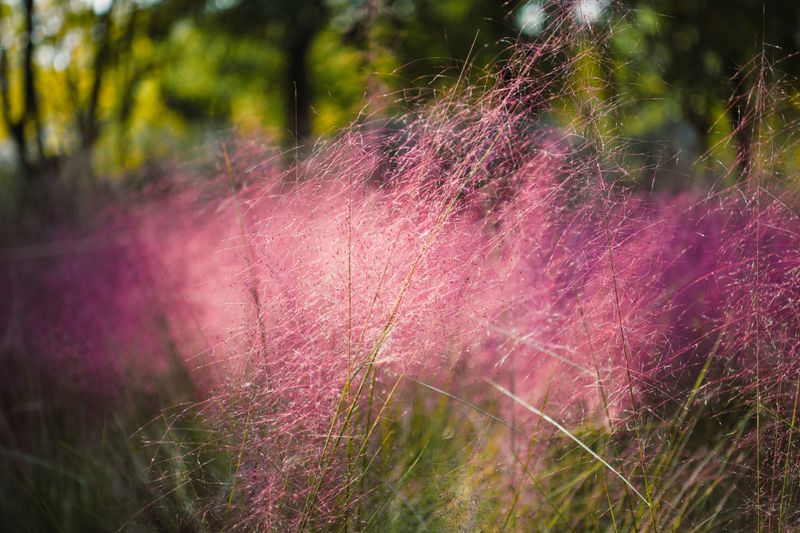
Muhly grass did not earn its popularity by accident. It is one of those plants that is especially well-suited to Southern gardeners.
Native to the eastern United States, it is perfectly adapted to the hot, humid summers that Georgia throws at everything. Most ornamental grasses wilt or fade under that kind of pressure.
Muhly grass handles the heat well and blooms reliably every October. When most plants are winding down, this one is just hitting its stride.
The grass is drought-tolerant once established, which saves homeowners money on watering bills. It also handles poor, sandy soil that would defeat most other plants without complaint.
Some pollinators may visit it occasionally, though it is not considered a major nectar source. Its main ecological value lies elsewhere, in erosion control and winter structure.
Your Georgia Garden Changes Every Week. Your Plan Should Too.
Gardening in Georgia changes quickly throughout the season. Every Friday you’ll receive a simple weekly plan showing exactly what to plant, prune, fertilize, harvest, and protect so you never miss the right timing.
Beyond its environmental value, it is simply stunning in a pet-friendly yard. Dogs can run around it, and the grass bounces right back without missing a beat.
Nurseries across the state stock it regularly because demand keeps climbing every year. Once a homeowner plants one clump, they almost always come back for more the following season.
The Truth Behind Its Flea-Deterrent Reputation
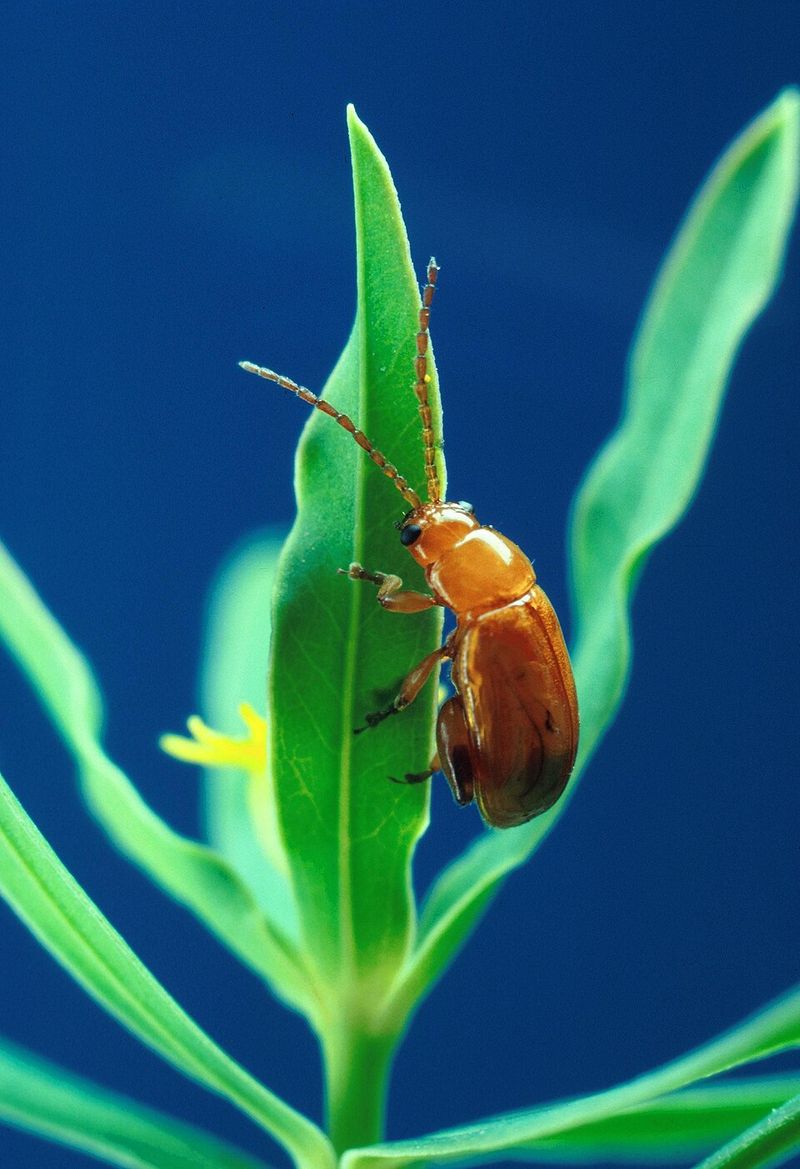
Let us be honest about what Muhly grass can and cannot do for flea control. It is not a magic bullet, and no single plant ever is.
What researchers and gardeners have noticed is that certain grasses create microclimates that fleas find less appealing. Dense, upright grass structures limit the moist, shaded ground cover that fleas need to thrive.
Muhly grass grows in tight clumps with minimal ground-level shade beneath it. That open, airy base reduces the humid hiding spots that flea larvae depend on to survive.
Some plant enthusiasts speculate that aromatic compounds released by native grasses could play a role, though this has not been scientifically confirmed.
No peer-reviewed study has declared Muhly grass an official flea repellent. But the anecdotal evidence from pet owners is consistent enough to take seriously.
Pairing this grass with good yard hygiene gives you a stronger defense overall. Raking debris, mowing regularly, and reducing moisture are all flea-fighting strategies that Muhly grass naturally supports.
The native Georgia grass that quietly helps deter fleas in yards with pets works best as part of a bigger plan. Think of it as one smart layer in a multi-layered approach to keeping your yard pest-resistant.
Why This Grass Is Considered Safe For Pet-Friendly Yards
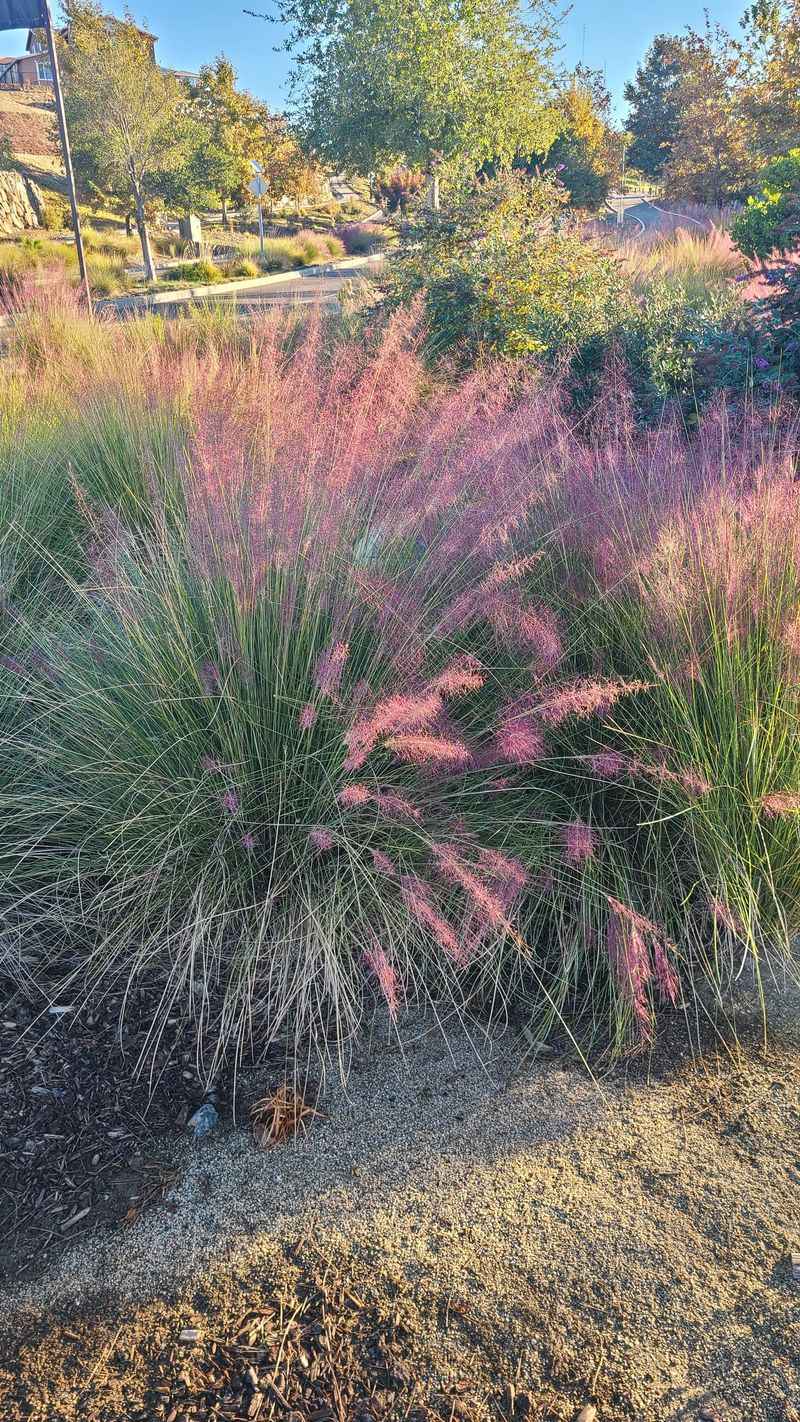
Safety is the first question every pet owner asks before adding a new plant. That instinct is completely right, and Muhly grass passes the test easily.
It is non-toxic to dogs, cats, and most other household animals. No harmful oils, no irritating compounds, and no history of causing digestive trouble in curious pets.
Pets can sniff it, brush against it, and even nibble a blade without any cause for alarm. That peace of mind is reassuring for pet owners choosing ornamental plants.
The grass blades are soft and flexible, not sharp or serrated like some other ornamental varieties. A dog running through a clump will not come out with cuts or scratches.
Because it is a true native plant, it also supports the local ecosystem without introducing anything foreign or potentially disruptive. That matters for yards where balance is the goal.
Homeowners using chemical-free landscaping approaches find Muhly grass fits seamlessly into their plans. It needs no pesticides, no fertilizers, and no treatments that could harm a wandering pet.
Choosing plants that are both beautiful and safe for animals is harder than it sounds. Muhly grass manages to be both without asking you to compromise on either quality.
Growing Conditions For Muhly Grass In Georgia
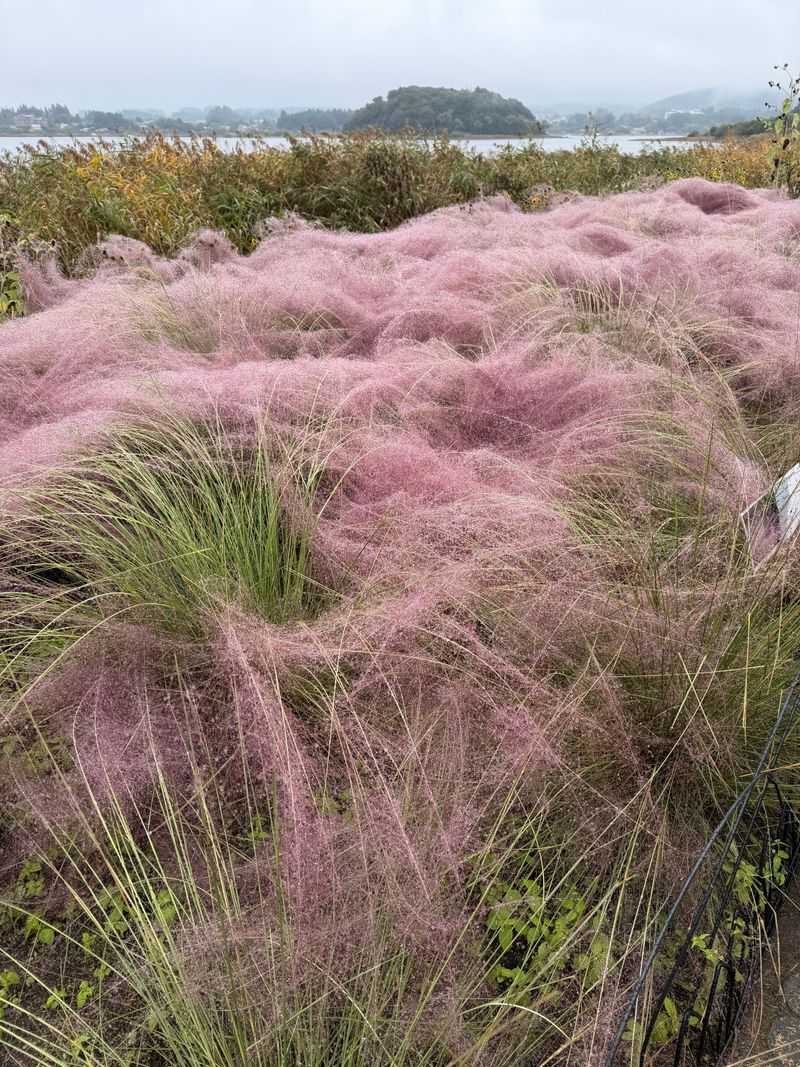
Growing Muhly grass is straightforward, even for people with little gardening experience. If you can find a sunny spot, you are halfway there.
Full sun is its one non-negotiable requirement, needing at least six hours of direct sunlight daily. Shade will reduce blooming and weaken the plant over time.
Well-drained soil is the other key ingredient for success. Standing water around the roots is the fastest way to stress this otherwise tough plant.
Sandy or loamy soil types common throughout the Southeast suit it perfectly. You do not need to amend the soil heavily, which saves both time and money at planting.
Spring is the ideal time to plant, giving the grass a full growing season before its fall bloom show. By October, a healthy plant will produce a full display of pink blooms.
Watering needs are minimal after the first few months of establishment. Once rooted, it handles dry spells that would send other ornamentals into decline.
A light trim in late winter keeps the clumps looking tidy and encourages fresh growth each spring. Cut it back to about six inches and watch it come back stronger every year.
Best Placement For Muhly Grass Around Pets
Where you plant Muhly grass matters just as much as whether you plant it. Smart placement can boost its pest-deterring effect and improve your yard’s overall flow.
Along fence lines is one of the best spots, creating a natural border that fleas would have to cross to enter the main lawn. That barrier effect is subtle but genuinely useful.
Planting near entry points like gates or patio edges can intercept pests before they reach the areas where pets spend most of their time. Think of it as a first line of defense.
Avoid planting it directly in high-traffic pet zones where dogs run and dig constantly. A little space between the grass and the play area keeps the plants healthy and the pets safe.
Grouping three to five clumps together creates a denser visual and environmental impact. The thicker the planting, the more it disrupts the ground-level conditions that fleas prefer.
Mixing Muhly grass with other native plants like black-eyed Susans or coneflowers enhances the pest-repelling ecosystem. A diverse native planting creates a yard that is naturally less hospitable to problem insects.
The native Georgia grass that quietly helps deter fleas in yards with pets works hardest when placed with intention. A little planning at the start pays off every single season.
Other Landscaping Benefits Beyond Pest Control
Pest control is just one reason to love Muhly grass, and honestly, it might not even be the most impressive one. This plant brings a lot more to the yard than flea deterrence.
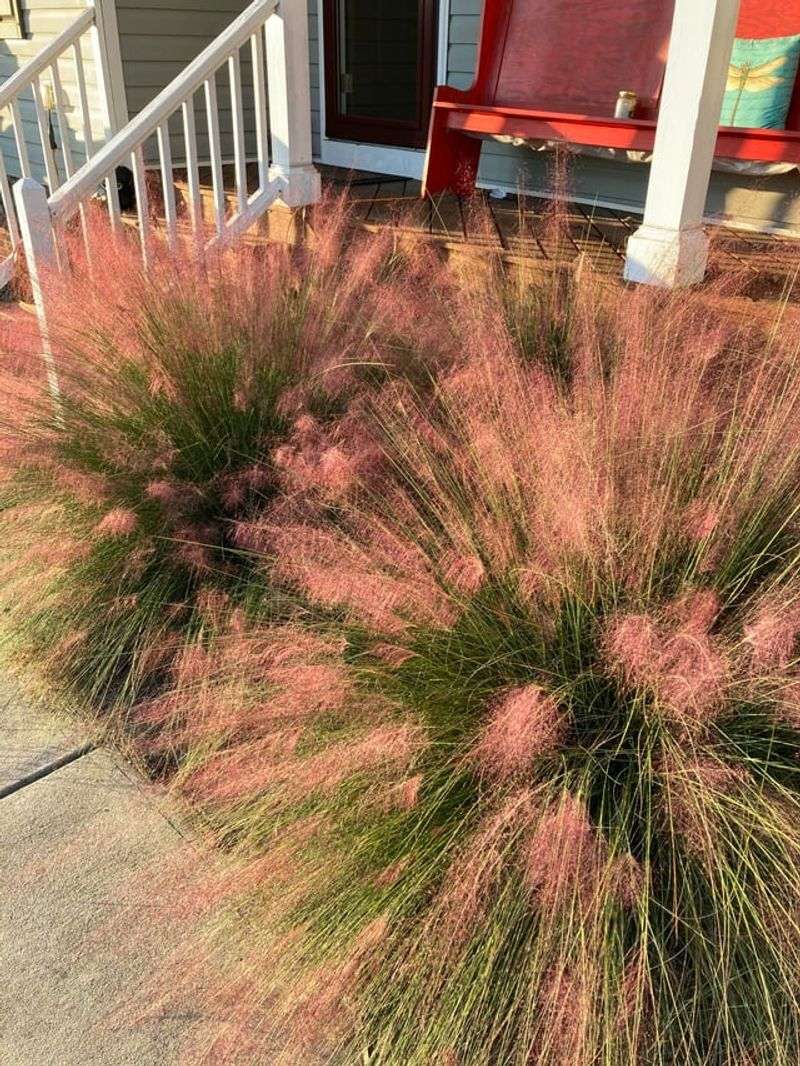
Its fall bloom is one of the most notable displays among native plants in the eastern United States. The pink plumes catch the afternoon light and seem to glow from across the yard.
Wildlife may also benefit, as birds are known to feed on the seeds through late fall and into winter. A clump of Muhly grass can attract birds feeding on its seeds for weeks.
Erosion control is another underrated strength, as the deep root system stabilizes soil on slopes and embankments. That makes it a smart choice for yards with uneven terrain or drainage challenges.
Low maintenance is a genuine selling point for busy homeowners. No deadheading, no staking, no constant attention required throughout the growing season.
It also holds its structure through the winter months, providing visual interest when most of the yard looks bare and colorless. That four-season appeal is uncommon among ornamental grasses.
The native Georgia grass that quietly helps deter fleas in yards with pets also happens to be one of the most rewarding plants you can grow. Plant it once and it will keep giving back year after year.