The Exact Spots In A California Yard Black Widows Hide That Homeowners Never Check
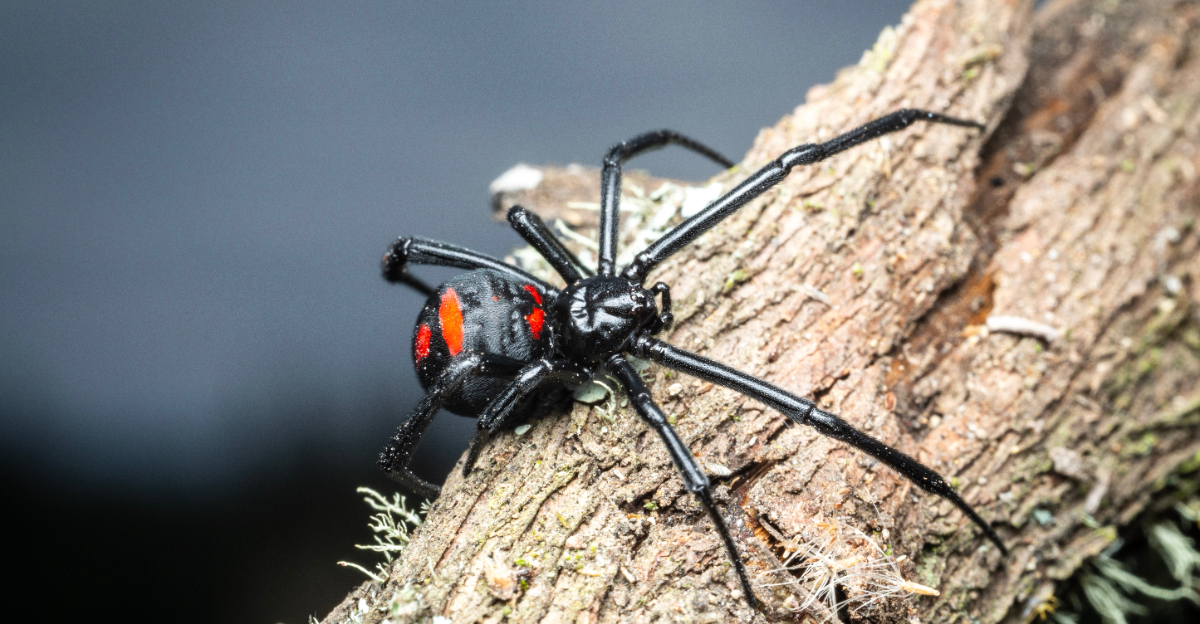
Black widows have a talent for turning an ordinary California yard into a tiny mystery scene.
You may never see them during the day, yet their messy webs appear overnight like a warning nobody remembers ordering. Creepy? Just a little.
These spiders prefer quiet places where they can stay hidden and undisturbed. The problem is that many homeowners focus on the obvious areas while completely overlooking the spots that offer even better shelter.
That is usually where the real surprise is waiting. A yard can look clean and well maintained while still giving black widows plenty of room to settle in.
They do not need much space, and they are remarkably good at avoiding attention. Sneaky little roommates.
Knowing where they are most likely to hide can make routine yard work feel much safer. It can also help you spot trouble early, long before an unexpected encounter sends the gardening gloves flying.
1. Inside Stacked Firewood Near The House
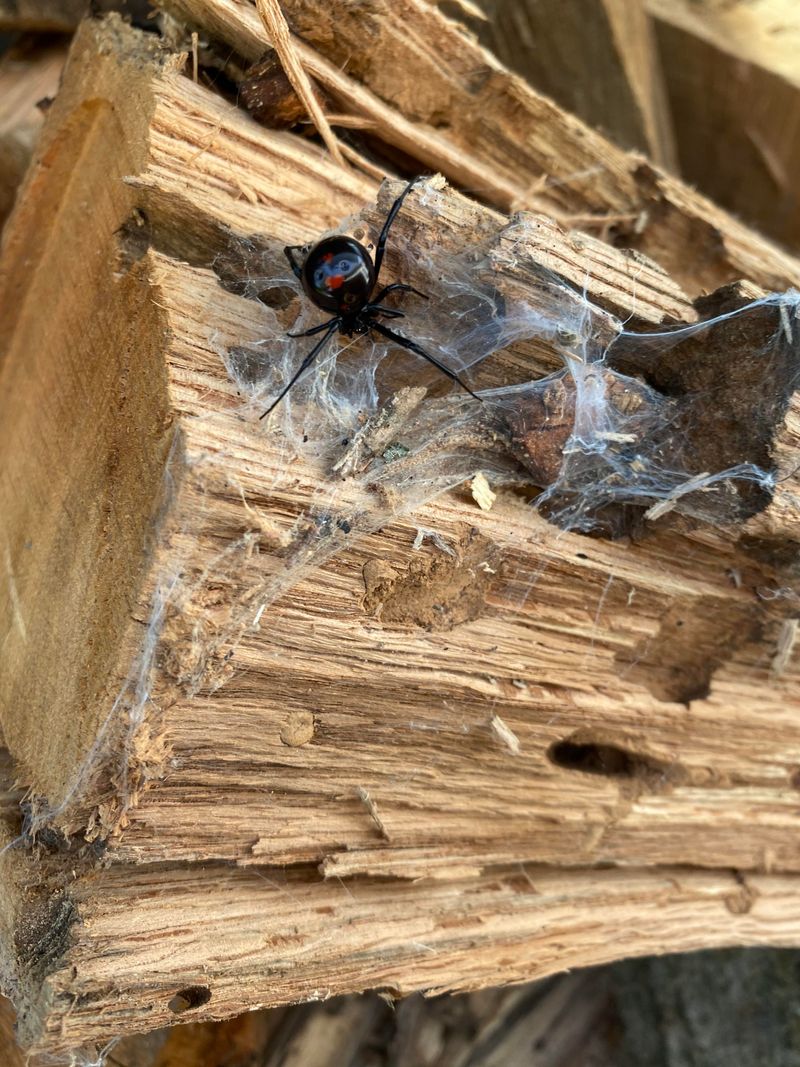
Firewood piles are practically a five-star hotel for black widows. The gaps between logs create exactly the kind of dark, sheltered space these spiders love most.
They build their messy, irregular webs deep inside those crevices where your hands naturally go when grabbing a log.
Many California homeowners stack wood directly against the house, which makes the problem even worse. Not only does it give spiders a perfect home, but it also creates a direct path indoors.
Keeping your woodpile at least 20 feet from the house is one of the smartest moves you can make.
Always wear thick leather gloves when handling firewood. Use a piece of wood or a tool to roll logs before picking them up by hand.
Shake each log gently before bringing it inside to dislodge anything hiding underneath or between pieces.
Try to store wood off the ground on a raised rack. This cuts down on moisture, reduces hiding spots, and makes it easier to spot webs.
Inspect your woodpile at least once a month, especially during warmer seasons when spider activity increases significantly across California.
2. Under Patio Furniture That Rarely Moves
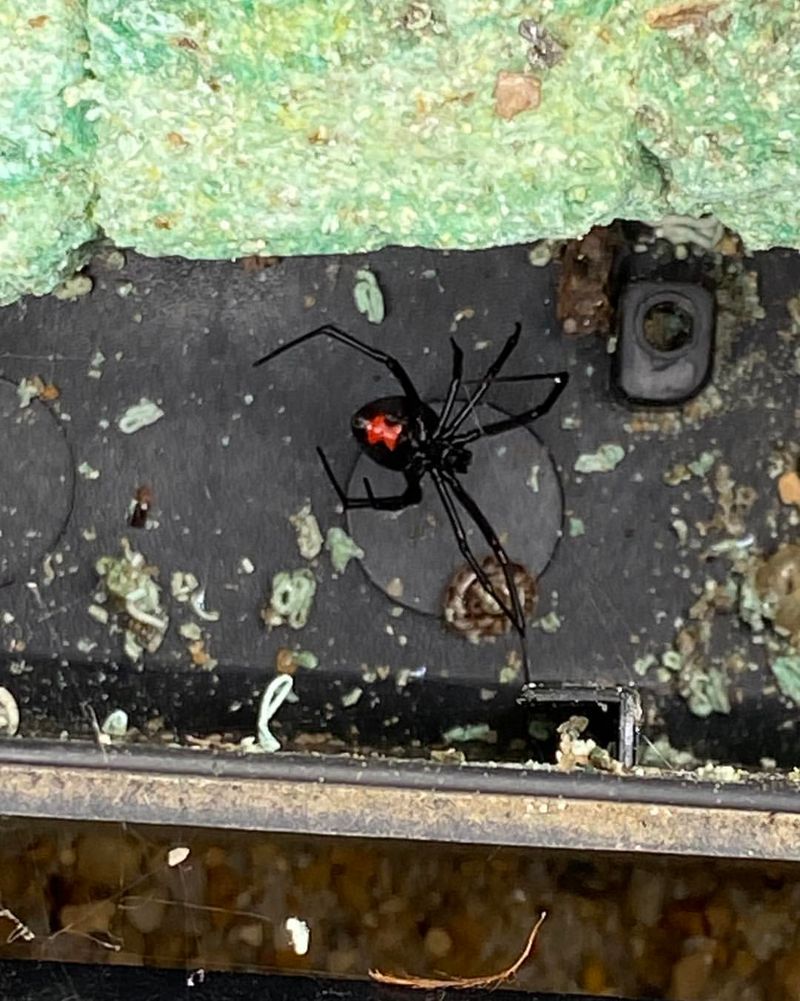
Most people never flip over their patio chairs to check what is living underneath them. Black widows absolutely count on that.
The underside of outdoor furniture, especially pieces that sit in one spot for weeks or months, becomes a prime nesting area fast.
Metal and plastic furniture both attract these spiders. The hollow legs of chairs and tables are especially popular spots.
Webs built here are usually strong and sticky, which is a reliable sign that a black widow may be nearby.
Before sitting down after your furniture has been left alone for a while, take a flashlight and check the undersides and leg joints. It only takes about 30 seconds and can save you from a very unpleasant surprise.
This habit is especially helpful after a vacation or a rainy stretch of days.
Wiping down furniture regularly with a stiff brush disrupts webs and makes the area less appealing to spiders. Some homeowners use peppermint or citrus-based sprays around furniture legs as a natural deterrent.
Your California Garden Changes Every Week. Your Plan Should Too.
Gardening in California changes quickly throughout the season. Every Friday you’ll receive a simple weekly plan showing exactly what to plant, prune, fertilize, harvest, and protect so you never miss the right timing.
Storing cushions in a sealed bin when not in use also removes one more cozy hiding option spiders might take advantage of around your outdoor seating area.
3. Behind Outdoor Storage Boxes
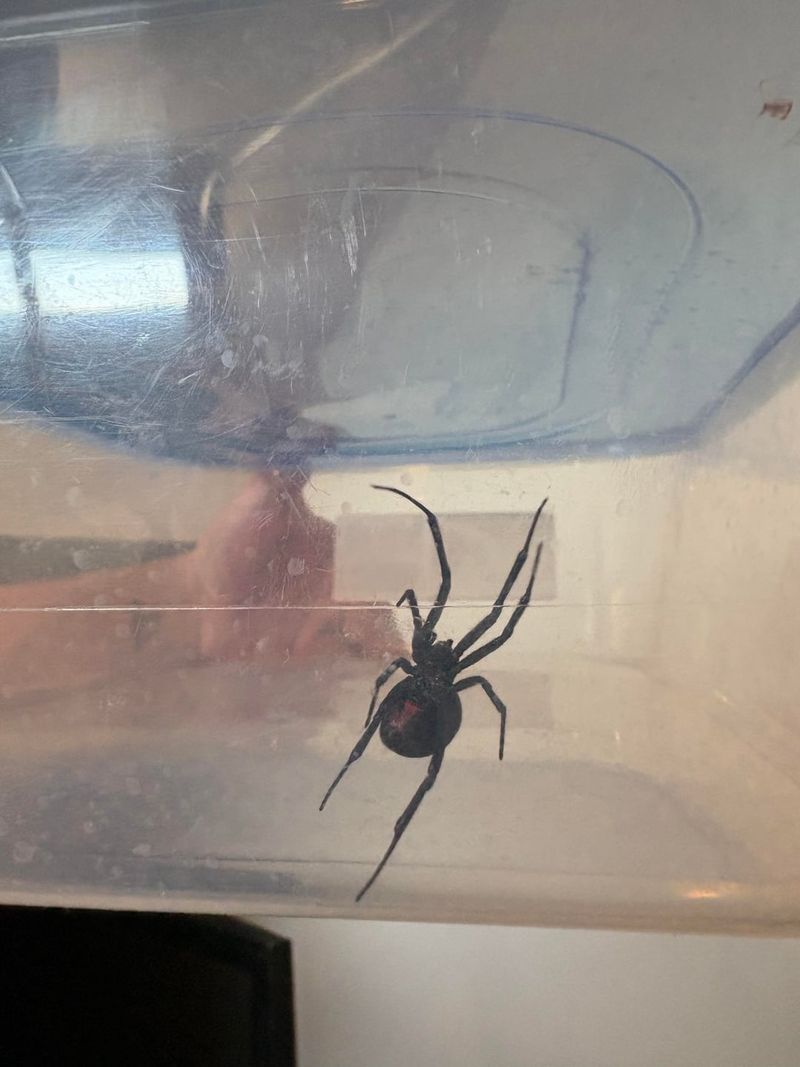
That big plastic storage box holding your pool toys or garden tools might be sheltering more than just your stuff.
The space behind it, between the box and the fence or wall, is one of the most overlooked black widow hideouts in any yard.
Because storage boxes are heavy and awkward to move, most people never pull them out to check behind them. Spiders know this.
They take full advantage of the undisturbed darkness and often build large, well-established webs back there over time.
A good rule is to pull your storage boxes away from walls or fences at least once a season. Use a long-handled broom to sweep out webs before reaching into the space.
Wearing gloves during this process is always a smart idea, no matter how careful you think you are being.
Try to position storage boxes so there is as little space behind them as possible. Placing them on a hard surface rather than directly on soil also reduces spider appeal.
Some homeowners in northern regions of California have found multiple spiders nesting behind a single large storage box that had not been moved in over a year.
Checking this spot regularly takes almost no time and makes a real difference in keeping your yard safer for everyone.
4. Inside Sheds And Garage Corners
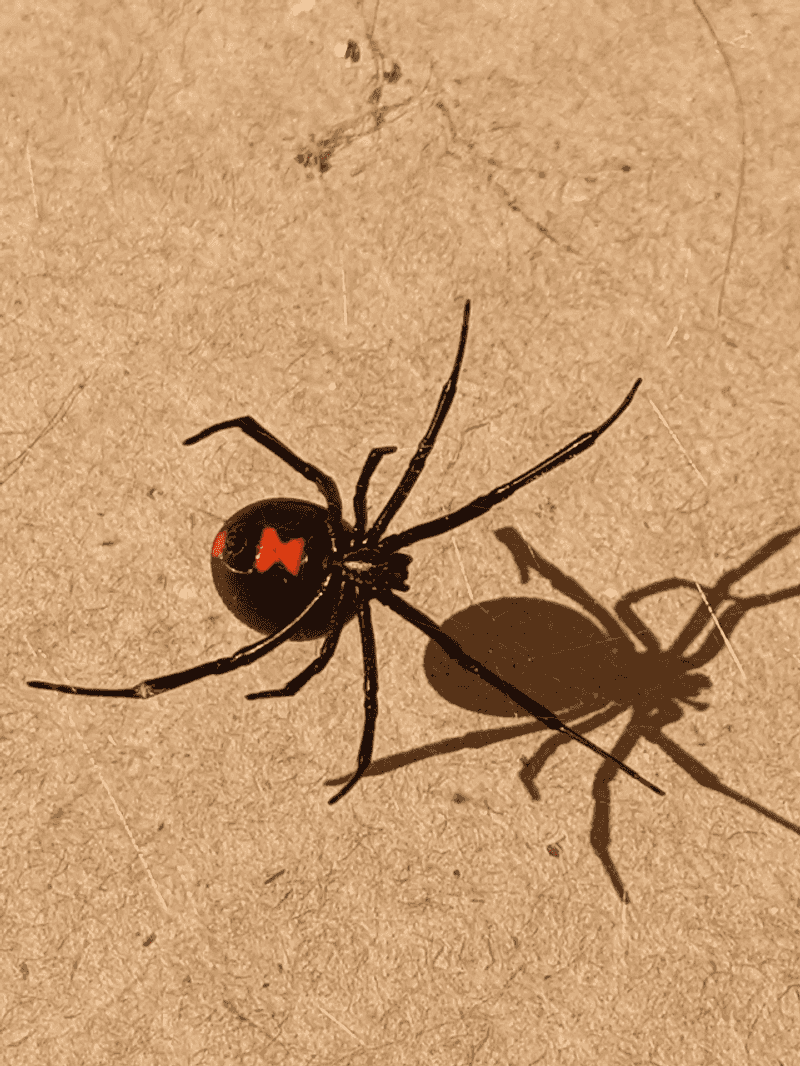
Sheds and garage corners are basically a dream environment for black widows. Low foot traffic, plenty of clutter, and consistent darkness make these spaces some of the most spider-friendly spots on any property.
Many homeowners only visit their sheds a few times a month, giving spiders plenty of time to settle in undisturbed.
The corners near the floor are especially popular. Spiders also love the undersides of shelves, behind stored boxes, and around old equipment that has not been touched in months.
If your shed has wooden walls, the tiny gaps between boards are also worth checking carefully.
One practical tip is to install brighter lighting in your shed or garage. Black widows prefer darkness, so a well-lit space is naturally less appealing to them.
Clearing out clutter and organizing items into sealed bins removes a lot of the hidden nooks they rely on for shelter.
Make a habit of doing a full sweep of your shed every few months. Use a flashlight to check corners, behind large items, and under any shelving units. Wearing gloves while reorganizing is essential.
In many parts of our state, sheds sit unused through winter and then become a surprise spider hotspot when warmer weather brings everyone back outside. A quick inspection before the season starts can prevent a lot of problems.
5. Around Door Frames And Garage Vents
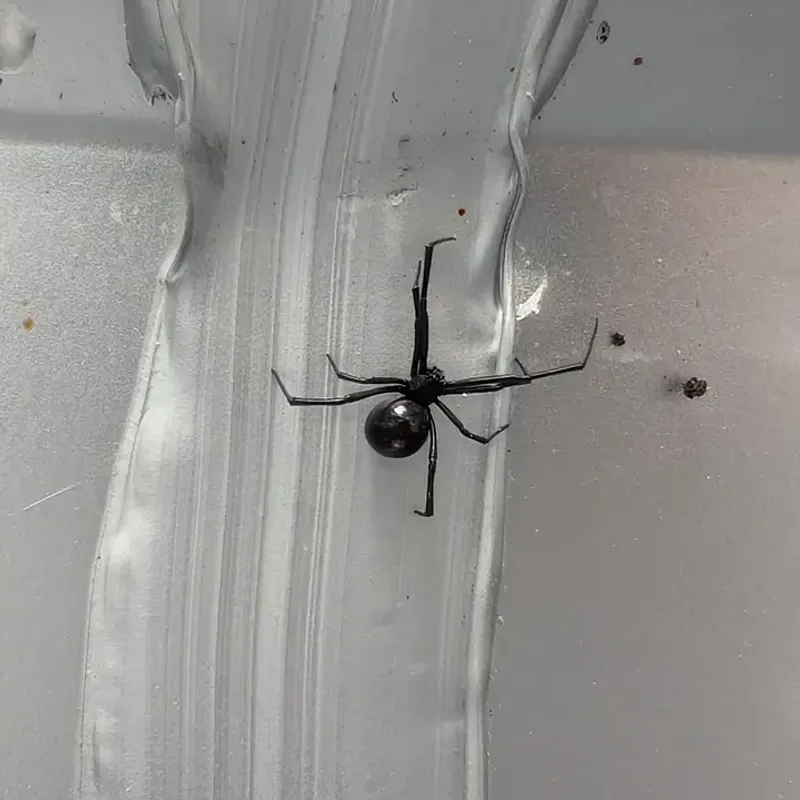
Door frames and garage vents are spots that most people walk past dozens of times a day without ever really looking at them closely.
Yet these areas offer exactly what black widows want: a sheltered edge, low disturbance, and easy access to flying insects attracted by porch lights at night.
The corners of door frames, especially where the frame meets the wall or threshold, are common nesting spots. Garage vents, with their slatted covers and dark interiors, are even more appealing.
The slots provide a perfect anchor for webs and protect spiders from wind and weather.
Check these areas by shining a flashlight along the edges of every exterior door frame, especially ones that are not used as often. Look for the distinctive messy, tangled web that black widows build.
It is not the neat, round web most people picture. It looks irregular and tough, almost like tangled threads.
Sealing gaps around door frames with weatherstripping or caulk reduces entry points and nesting opportunities at the same time.
Replacing vent covers with finer mesh screens can block spiders from getting inside vents entirely.
Turning off porch lights when they are not needed also helps, since bright lights attract insects, and insects attract spiders.
Fewer insects near your doors means fewer reasons for black widows to set up camp right at your entrance.
6. Under Pots And Planter Lips
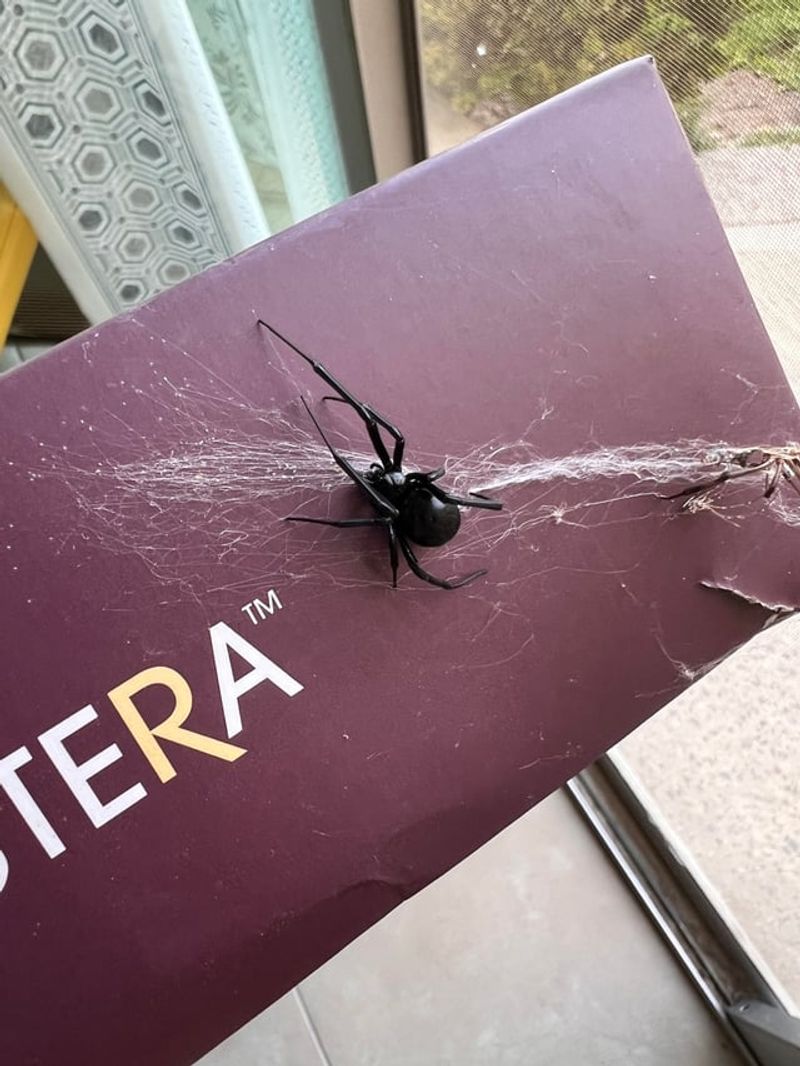
Garden pots look innocent enough sitting on a patio or along a walkway, but flip one over and you might be surprised.
The underside of a pot, especially the lip or rim that lifts it slightly off the ground, is a favorite black widow location that most gardeners never think to check.
Even shallow gaps of just an inch or two are enough. Spiders squeeze into tight spaces easily and build webs in the protected area beneath the rim.
Clay and terracotta pots are especially common hosts because their rough texture gives spiders more to grip and anchor their webs to.
When repotting plants or rearranging your garden layout, always wear gloves before picking up pots that have been sitting in one spot for a while. Tilt the pot to one side first rather than reaching underneath it directly.
This gives any spider inside a moment to move before your hand gets close to it.
Placing pots on pot feet or small risers can reduce the sheltered gap underneath, making the spot less attractive. Wiping down the undersides of pots during seasonal cleanups is also a helpful habit.
In warmer, drier parts of California, gardeners report finding black widows under pots year-round.
Paying attention to this easily missed spot during regular garden maintenance is a simple way to reduce unexpected encounters in your outdoor space.
7. Inside Recessed Trash Bin Handles
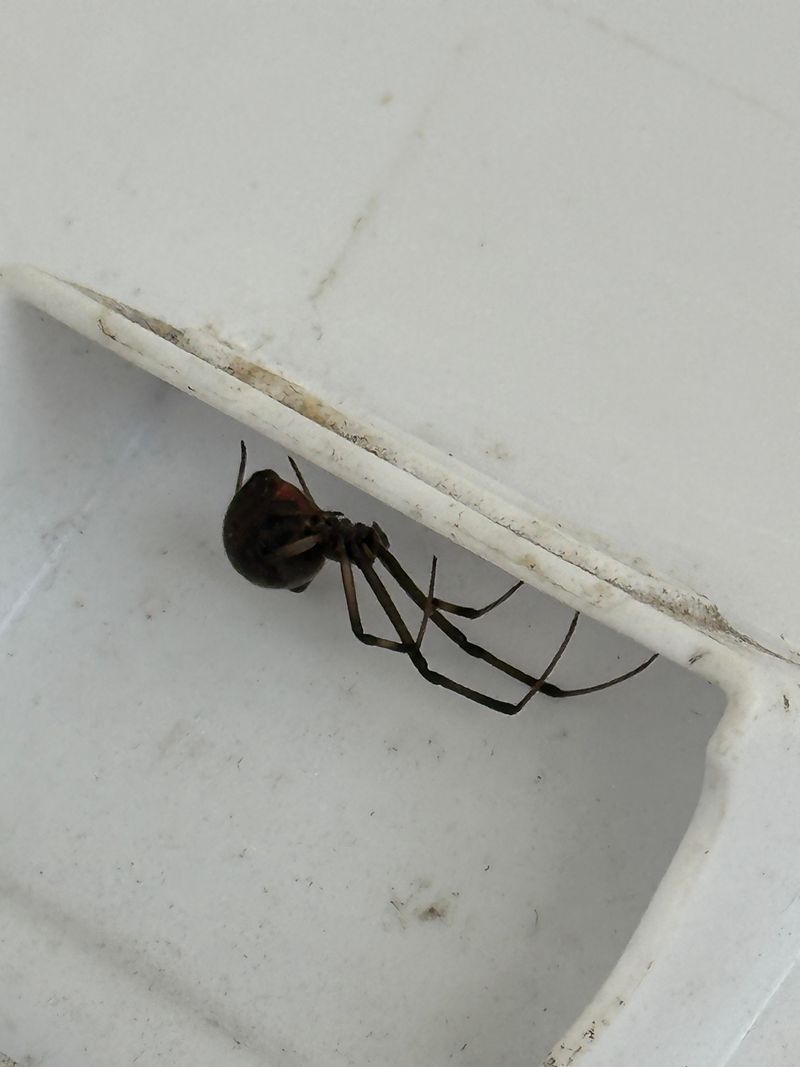
Trash bins are something almost every household touches multiple times a week, which makes the next fact pretty alarming.
The recessed handle on the side of a standard outdoor trash bin is one of the most consistently reported black widow hiding spots in residential yards.
These handles are molded directly into the bin and create a hollow, enclosed cavity that is dark, protected from rain, and rarely disturbed.
A spider can build a web inside that handle and stay there for months without anyone noticing.
You reach in to grab the bin, and suddenly you are very close to something you did not expect.
Getting into the habit of checking trash bin handles before grabbing them is one of the easiest protective steps you can take.
A quick peek with a flashlight, especially if the bin has been sitting outside for a few days, takes only a second.
You can also use a stick or pen to tap inside the handle before reaching in.
Spraying the inside of handles with a spider repellent spray every few weeks can reduce nesting. Some people use a piece of tape over the handle opening between trash days to block access entirely.
Rinsing out the handle area with a hose during bin cleaning is also effective. Small habits like these make a real difference in reducing your chances of an unwanted encounter right in your own driveway.
8. Behind Hose Reels And Irrigation Boxes
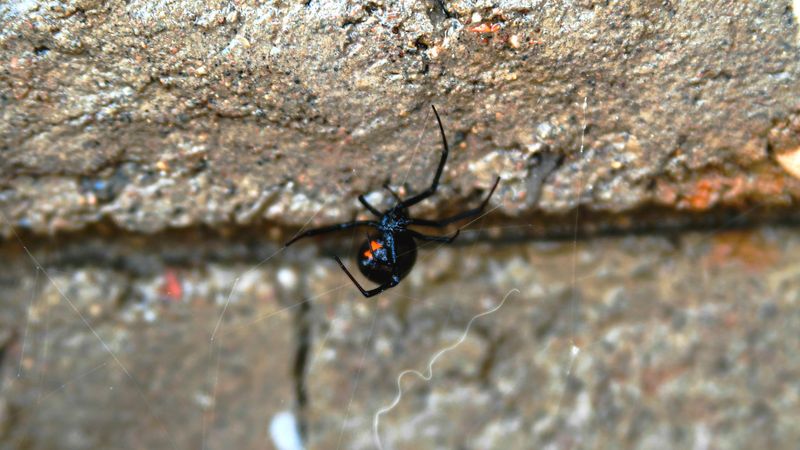
Hose reels mounted to the side of a house or fence create a dark gap between the reel housing and the wall behind it. That narrow, protected space is exactly the kind of spot black widows gravitate toward.
The reel itself rarely gets moved, which gives spiders all the stability they need to build a lasting web.
Irrigation boxes are even more concerning. These plastic covers sit flush with the ground and open to reveal valve systems and wiring below.
The inside of an irrigation box is dark, moist, and almost never disturbed except during rare maintenance visits. Spiders thrive in there, and so do the insects they feed on.
Every time you open an irrigation box, use a flashlight first and look inside before reaching in. Tapping on the lid before lifting it gives any spider a moment to react.
Wearing gloves during this kind of maintenance is a must, especially in regions of California where black widows are more prevalent during dry summer months.
For hose reels, try pulling the reel away from the wall occasionally to check the space behind it.
Keeping the area around the reel clear of plant growth and debris reduces shelter options for spiders.
Some homeowners use a brush to sweep behind mounted fixtures once a month. It is a small effort that keeps one of the most overlooked spots in the yard a lot less inviting to unwanted guests.
9. Under Decks And Low Porches
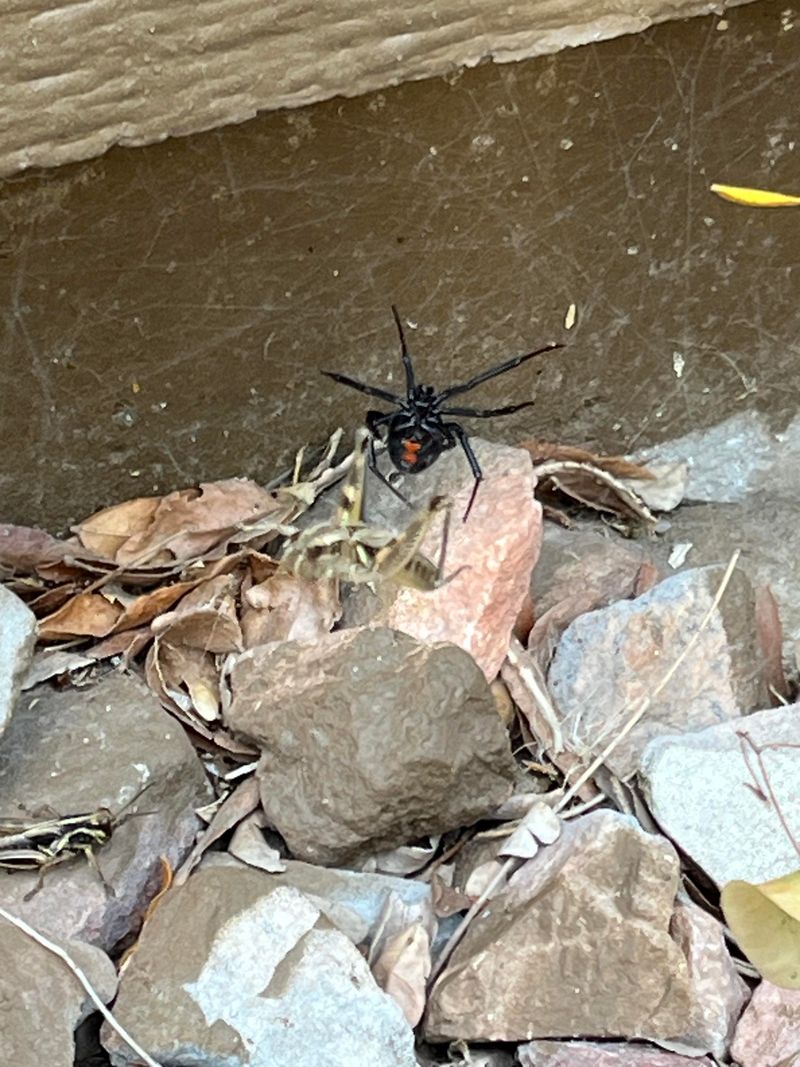
Few places in a yard are as perfectly suited for black widows as the space under a deck or low porch.
It has everything they want: consistent darkness, protection from weather, structural beams to anchor webs to, and very little human interference.
Many homeowners go years without ever crawling under their deck to take a look.
The beams, posts, and joists underneath a deck provide dozens of ideal web attachment points. Spiders often build large, established webs in these areas that can survive for months.
Debris like leaves and mulch that collects under low decks also attracts the insects that black widows feed on, which makes the spot even more appealing to them.
If your deck sits low to the ground, use a flashlight and a mirror to inspect underneath without having to crawl in. Look for the tangled, three-dimensional webs that are typical of black widows.
They are not delicate or symmetrical. They look more like a messy tangle of thick, sticky silk that clings to multiple surfaces at once.
Installing lattice or mesh skirting around the base of your deck blocks access for spiders and other pests. Make sure any skirting material has openings small enough to prevent entry.
Clearing debris from under the deck regularly also makes the environment less hospitable. In many parts of California, the area under a deck is the single most active black widow zone in an entire yard, so do not skip this one.