9 New Jersey Vegetables Worth Direct Sowing In July For A Big Fall Harvest
You can still turn this July heat into a real harvest. Gardeners across New Jersey are already prepping soil for you.
Your roots grow sturdier now than during spring’s frantic rush. Timing decides whether your entire fall plate stays empty or full.
Quick maturing seeds give you an edge before daylight shrinks. Simple care now saves you effort once cooler weather hits.
New Jersey soil still carries enough warmth for your seeds. Cooler nights will soon push your seedlings into rapid growth.
Nothing about this process should make you hesitate today. Every seed you drop now builds toward crisp autumn flavor.
Delaying even briefly costs you tender fall vegetables later. Sturdy roots formed now translate directly onto your dinner plate.
Momentum favors you only while your soil still holds warmth. That plate this autumn depends entirely on what you plant. There’s no version of fall where you skip this window.
1. Bush Beans
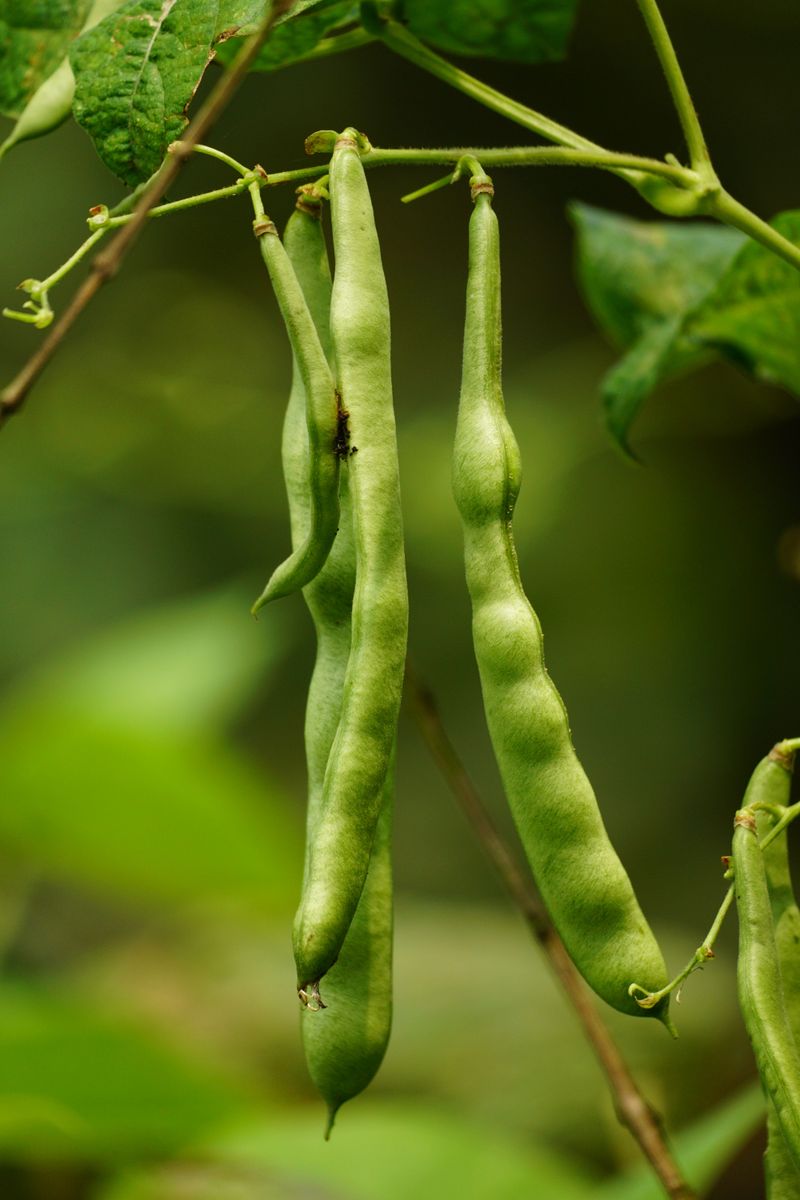
I love how bush beans respond to late summer sowing with quick growth and tidy habit that suits small beds. They germinate fast when soil stays warm and then slow for cooler days, giving you a steady yield before frost arrives.
Plant seeds in shallow drills with even spacing and keep the soil evenly moist for the first two weeks while roots form. Thin seedlings to the recommended spacing to prevent crowding and to encourage air flow that cuts disease risk.
Pick beans when pods are firm but not bulging to keep plants producing more pods through the season. I water deeply once or twice weekly and mulch to keep the soil cool and reduce weeds around the plants.
If heat spikes hit, provide afternoon shade to avoid flower drop and stress during the hottest week of July. Fertilize lightly with a balanced mix if growth seems slow, since too much nitrogen risks leafy growth over pods.
Watch for common pests like aphids or bean beetles and remove them by hand or with a targeted spray at dusk. Rotate crops each year to limit soil-borne problems and keep yields high for successive plantings.
Sow another round in late July for succession harvests and stagger the plantings for longer picking windows. With modest care, bush beans become a consistent fall harvest choice in New Jersey gardens.
2. Carrots
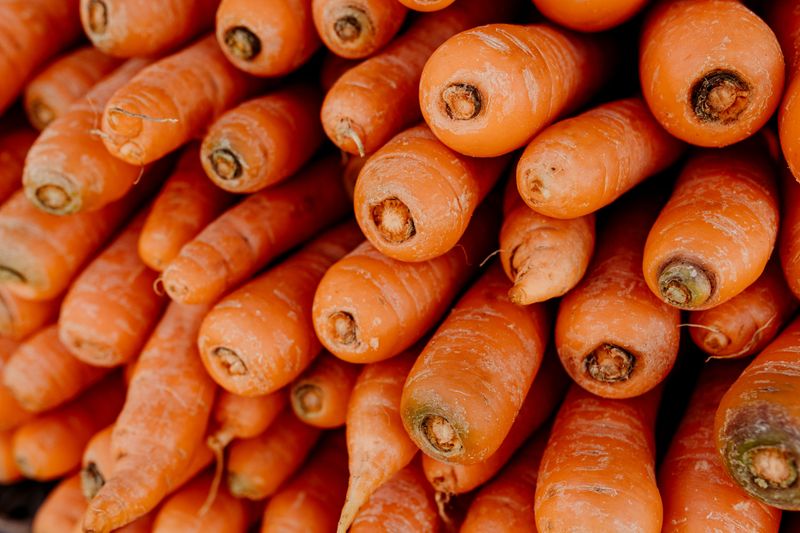
Carrots sown in July can mature into sweet fall roots when nights cool and sugars develop. They need loose, stone-free soil and consistent moisture for straight, well-formed roots that store flavor for months.
I prepare the bed deeply, removing rocks and adding sand or compost to loosen heavy clay that causes forked roots. Sow seeds thinly in shallow furrows and cover lightly, since carrots need light contact to germinate evenly.
Keep soil surface moist with frequent light waterings until seedlings establish, then water more deeply to encourage root growth. Thin seedlings early to avoid competition and to allow roots to widen without crowding from neighbors.
Mulch with straw or shredded leaves once plants reach an inch to keep the soil cool and reduce crusting that can stress young carrots. Watch for carrot rust flies and protect beds with floating row cover during peak adult activity.
Your New Jersey Garden Changes Every Week. Your Plan Should Too.
Gardening in New Jersey changes quickly throughout the season. Every Friday you’ll receive a simple weekly plan showing exactly what to plant, prune, fertilize, harvest, and protect so you never miss the right timing.
If tops yellow unevenly, check for nutrient issues and apply a balanced organic feed to support root fill. Harvest before hard freezes, or lift roots and store them in cool, humid conditions for winter use.
Sowing in July gives you sweet, firm roots by October and November, and a satisfying pantry supply that reflects careful bed prep and patient watering.
3. Beets
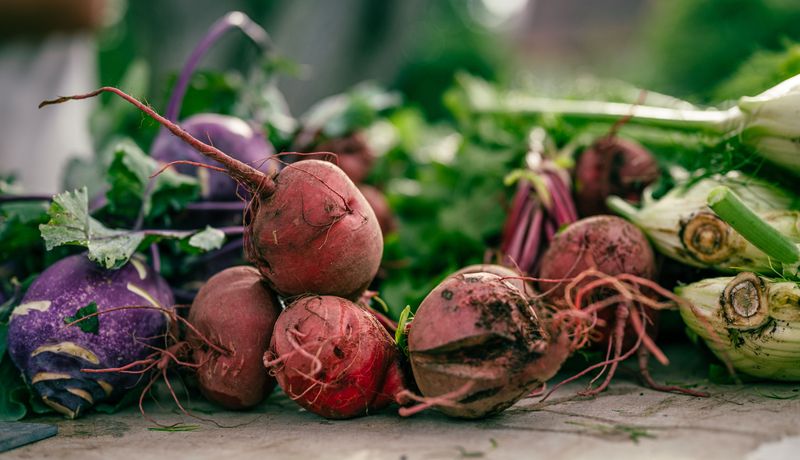
Beets planted in July grow quickly into tender roots and flavorful greens for fall meals and storage. They tolerate a range of soils but prefer even moisture and good fertility to develop round, smooth bulbs.
I sow beets in shallow rows and thin seedlings so bulbs have room to expand without competing for nutrients. Mulching after emergence keeps soil cool and steady, which helps roots form uniformly instead of splitting.
Foliar feed with diluted compost tea if leaves look pale, since beets can benefit from iron and boron in soils where these nutrients are lacking.
Protect young plants from flea beetles with row covers until they are large enough to withstand light feeding.
Harvest baby beets early for tender texture, or leave bulbs to size for storage, lifting them before hard freezes that damage skin. Trim tops to an inch above the bulb for longer cellar storage and remove excess soil gently to avoid nicks that invite rot.
Beet greens are edible from early stages and make quick salads or sautés, doubling the crop value of each plant. With neat rows and steady water, July-sown beets provide both greens and roots as temperatures cool in autumn.
Succession sow every two to three weeks for a staggered fall harvest and constant fresh beets for the table. This simple plan gives small plots and raised beds a reliable late-season yield.
4. Kale
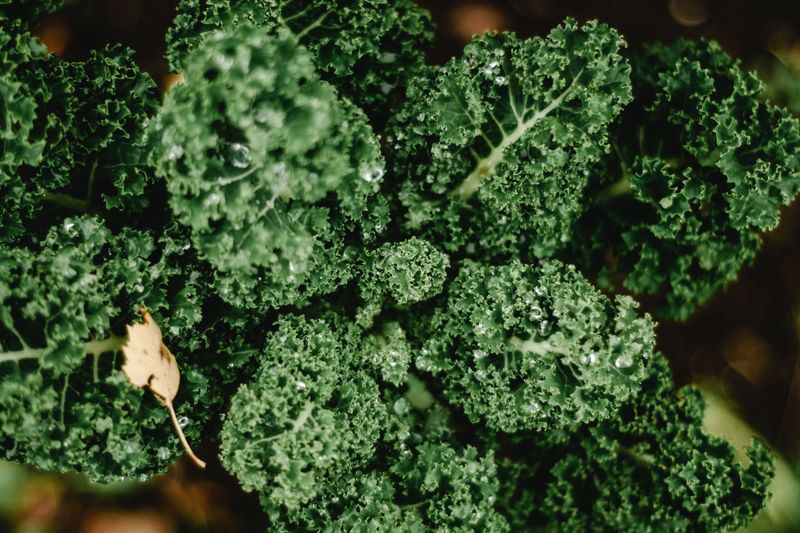
Kale sown in July grows into tender, cold-hardy plants that sweeten after autumn chills. It handles heat if shaded briefly and then thrives as nights cool, giving you fresh greens into winter months.
I start seeds in place or transplant sturdy seedlings, spacing plants to allow air flow and avoid mildew problems. Keep soil moist and add compost to feed leafy growth without encouraging leggy stems that flop in wind.
Pick outer leaves regularly to stimulate new growth and prevent the center from bolting under stress. Row covers help early seedlings avoid flea beetles and protect developing plants from late summer pests that nibble tender leaves.
Frost improves flavor, so delay heavy pruning until after a few cold nights to let sugars accumulate in the leaves. If a hard freeze threatens, harvest enough to store or blanch and freeze for winter use, preserving texture and nutrition.
Rotate kale away from other brassicas each year to reduce pest build-up and disease cycles in the soil. With simple feeding and steady moisture, July sowing yields generous harvests of hearty greens for salads, soups, and sautés.
Try different varieties for texture and color, and you will enjoy fresh kale from fall into the early months of winter. This makes kale a smart choice for July direct sowing in regional gardens.
5. Collard Greens
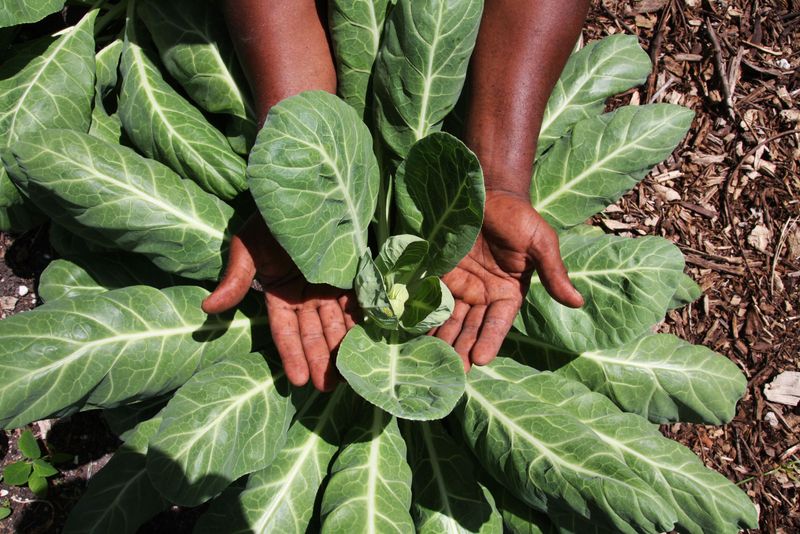
Collard greens sown in July develop into large, tender leaves that mellow after cool nights. They are forgiving of heat when given afternoon shade and steady moisture during July establishment.
I sow seeds directly and thin carefully to give each plant plenty of room for those wide leaves to expand. Mulch after establishment to retain soil moisture and reduce competition from weeds that slow leaf production.
Harvest outer leaves continuously to encourage new growth and to keep the center rosette dense and productive. Use floating row covers early to prevent flea beetle damage and to give seedlings a head start without chemical sprays.
Collards tolerate light freezes and can even withstand several frosts, making them an excellent fall-to-winter green. For longer storage, harvest leaves and refrigerate or blanch and freeze for use in winter stews and side dishes.
Soil fertility matters, so side-dress with compost mid-season if growth slows mid-September. Rotate crops yearly to reduce brassica pests and maintain healthy soil structure for the next season’s plantings.
Sowing collards in July yields generous and reliable harvests into late fall, delivering flavorful greens when most summer crops are done. Give them space and steady care for a productive cool-season crop.
6. Turnips
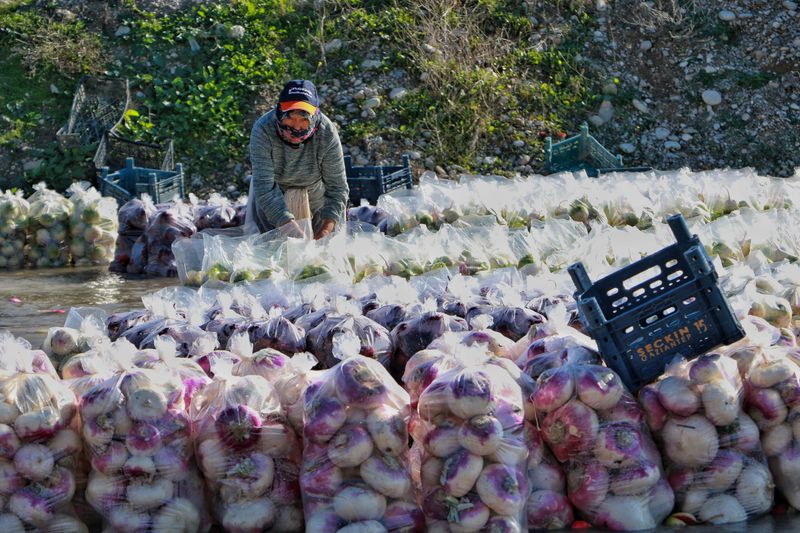
Turnips sown in July mature quickly into sweet roots and tender greens for fall meals. They tolerate a range of soils but do best in fertile, well-drained beds with steady moisture for smooth roots.
I sow densely for baby turnips or thin for larger roots, depending on kitchen plans, and water regularly to prevent woody texture. Mulch keeps soil cool and reduces crusting that can hinder tiny seedlings from emerging smoothly.
Harvest baby turnips early for crisp texture and use larger roots before hard freezes to avoid frost damage. Trim tops for storage and use the greens raw or cooked for a double harvest from each plant.
Protect seedlings from leaf miners and flea beetles using physical barriers until plants establish sufficient size. If leaves yellow, apply a balanced organic feed to restore vigor and encourage root fill before temperatures drop.
Stagger sowing every two weeks to maintain a steady supply of tender turnips through fall months. With modest effort, July sowing turns warm-season patience into cool-season abundance on your table.
Turnips are a practical choice for late sowing, offering quick yields and versatile uses in salads and roasts as fall arrives. They make a smart addition to any July sowing plan for a reliable autumn harvest.
7. Radishes
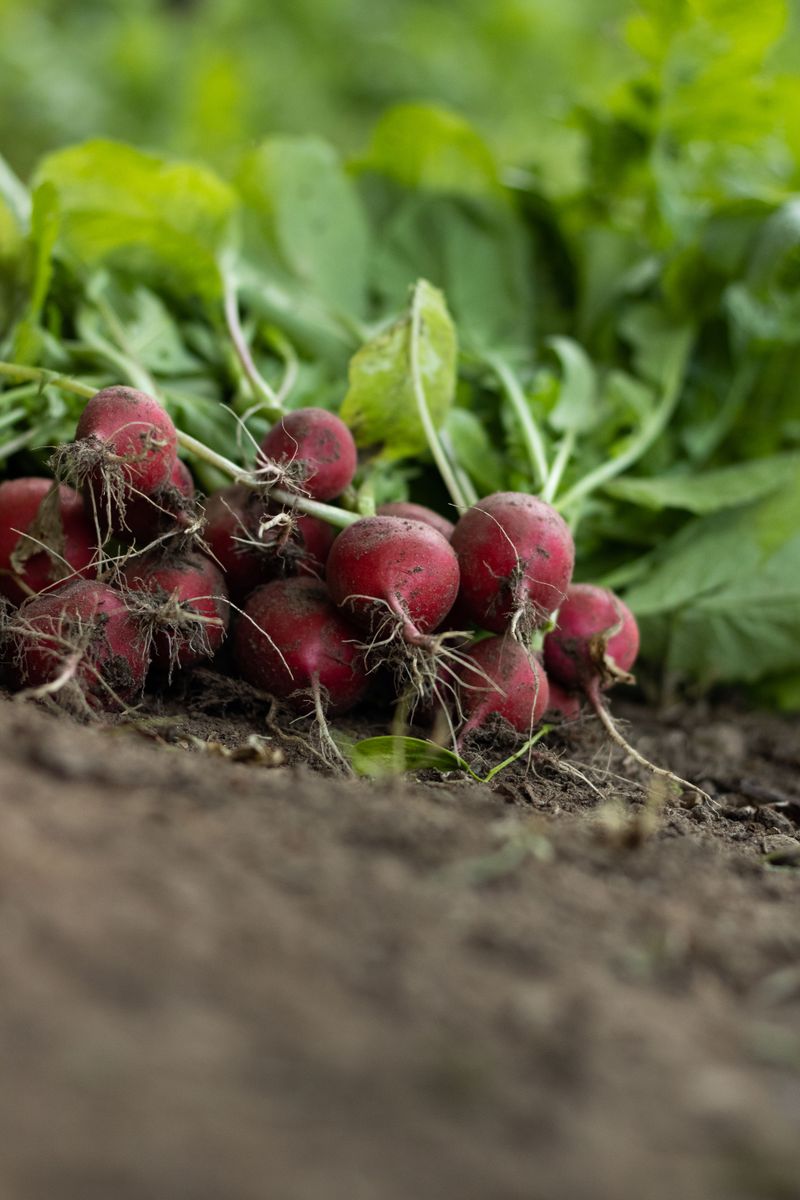
Radishes are the quickest fall crop from July sowing, maturing in just a few weeks for crisp snacks and salads. They thrive in loose soil and need regular thinning to avoid oversized or woody roots that spoil texture.
I sow seeds in successive short rows and harvest quickly to make room for slower fall plantings that follow. Thin seedlings early to allow each radish enough space to develop round or elongated roots depending on variety.
Mulch lightly to retain moisture and prevent the soil surface from crusting, which can stunt young roots. Keep watering consistent to avoid splitting and ensure the radishes stay tender rather than pungent and woody.
Radish greens are edible, and some gardeners use them as trap crops to help divert certain pests from slower-growing vegetables. Use floating row covers if flea beetles are active during mid-summer to protect tender leaves.
Create quick harvests by sowing new rows every week or two to maintain steady fresh supplies through September. With minimal fuss, radishes bring quick results to the late-summer garden and keep salads crunchy into fall.
They require little effort for a big flavor payoff, and July sowing is a fast route to early autumn crunch. Radishes pair well with other direct-sown beds for continuous harvests as temperatures cool.
8. Swiss Chard
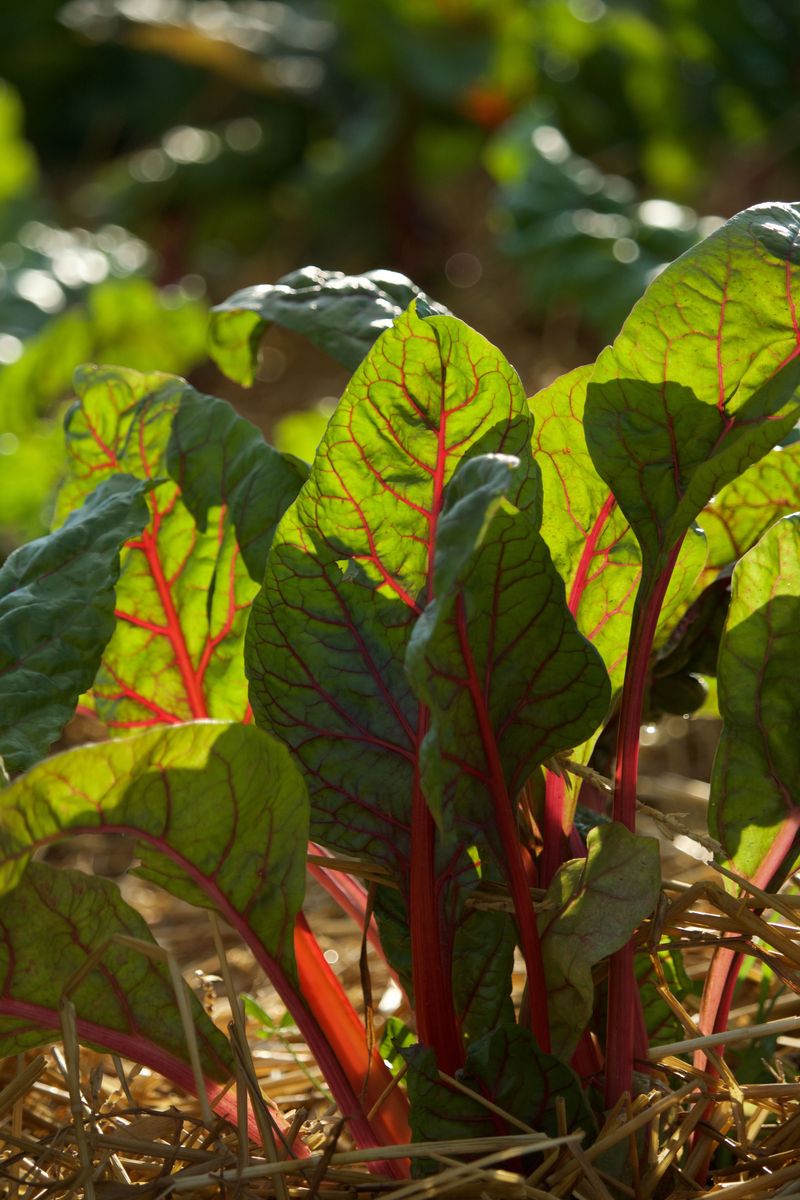
Swiss chard sown in July builds lush, flavorful leaves that hold up into cool weather and add color to the fall garden. It tolerates heat and recovers well after summer stress when provided with shade during the hottest afternoons.
I plant seeds in well-drained soil and thin to allow each crown space to form broad leaves that reach harvest size quickly. Mulching after seedlings emerge helps moderate soil temperature and conserve moisture for steady leaf growth.
Harvest outer leaves regularly to encourage new center growth and to keep plants producing through early winter. Chard withstands light freezes, and flavor often improves after a few chilly nights in autumn.
Protect young plants from leaf miners and flea beetles using row covers until they grow too large for pests to cause serious harm. Add compost or a balanced feed mid-season if growth seems to stall, since chard responds quickly to nutrition.
Mix colorful varieties for visual appeal and to extend harvest windows with varied leaf sizes and flavors. With consistent watering and light feeding, July sowing yields generous bunches for sautéing, soups, and salads later in the year.
Swiss chard makes an easy autumn green that tolerates a range of conditions and provides gardeners with long-lasting harvests. It is a stable, attractive addition to any July sowing plan for fall use.
9. Spinach
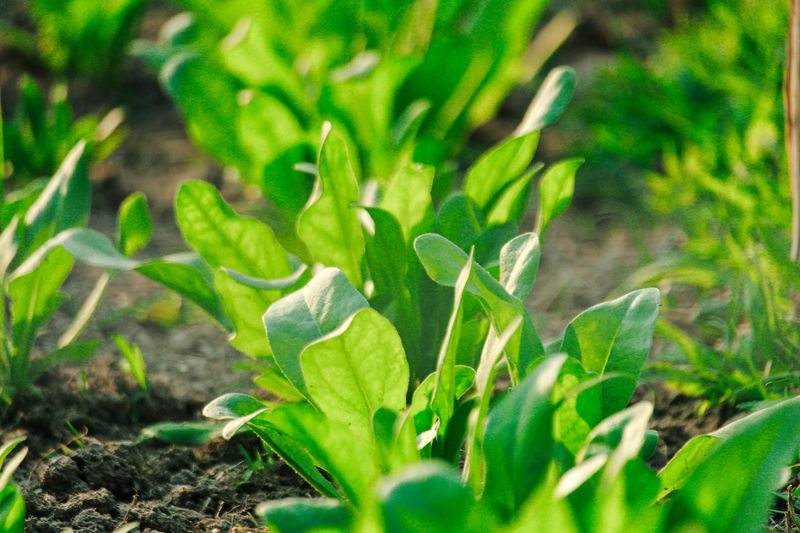
Spinach sown in July bolts less as temperatures cool, producing tender leaves for autumn salads and cooking. It prefers cooler nights and benefits from mulch and partial shade during any late summer heat waves.
I sow seeds shallowly and thin to recommended spacing to avoid overcrowding that leads to disease. Keep soil consistently moist and fertilize lightly when plants show slow growth to maintain leaf production.
Use row covers to protect seedlings from pests and to slightly shade them during the hottest afternoons. Harvest outer leaves regularly to encourage new growth and to prevent the center from going to seed prematurely.
Spinach can be harvested as baby greens or allowed to mature into full-size leaves depending on your kitchen plans. Store harvested leaves gently in a cool place and use quickly for the freshest texture and flavor.
Sow in short successive batches through July for a continuous fall supply before winter sends temperatures too low.
With patient watering and timely harvests, July-sown spinach provides the gardener with crisp, sweet leaves when salads are welcome again.
Including spinach among July direct sowings brings fast, nutritious greens to your fall table and complements heartier stored roots and brassicas. It is one of the best quick-turn crops for late-season planting plans.