A Common July Watering Mistake Hurting Indiana Flower Beds
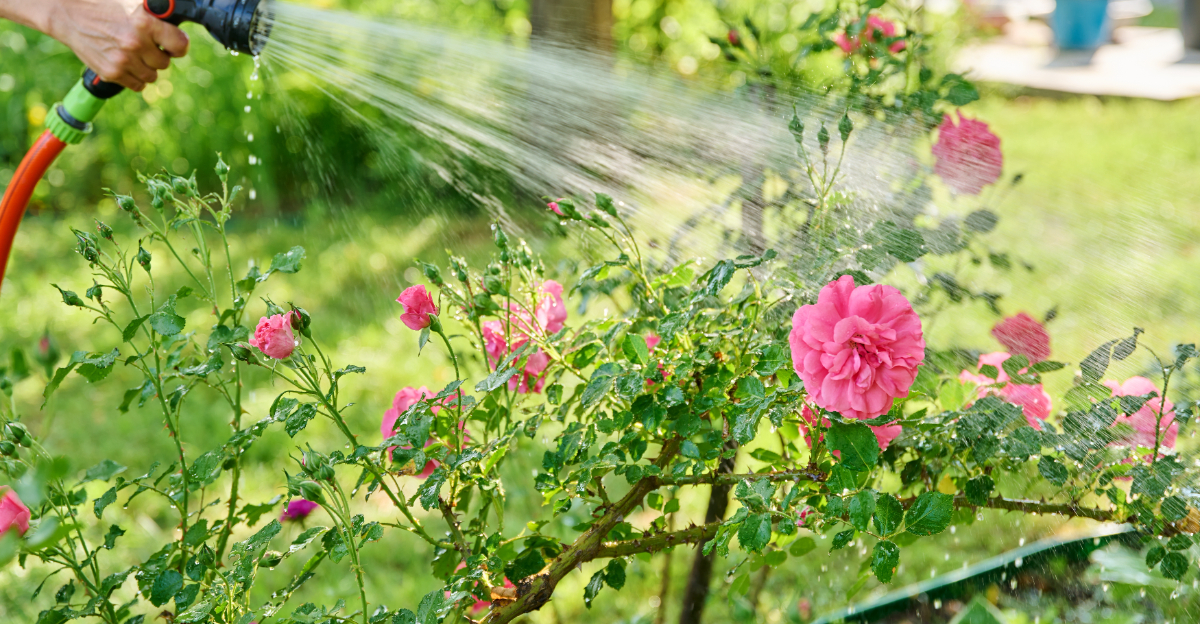
Indiana flower beds start showing stress every July, and most gardeners point straight at the sun. The actual culprit is usually standing right in their own hand, coiled up and dripping.
A quick daily spritz feels like the responsible move when the forecast hits the 90s. But it barely reaches past the top inch of soil, leaving roots stuck near the surface where moisture disappears fast.
Over time, this habit trains your flowers to depend on shallow moisture instead of searching deeper for it. The result is weaker root systems that struggle the moment temperatures spike or a watering day gets skipped.
Once you see how this pattern plays out, it becomes obvious why so many Indiana flower beds wilt by midsummer.
Shallow Daily Watering Weakens Flower Bed Roots
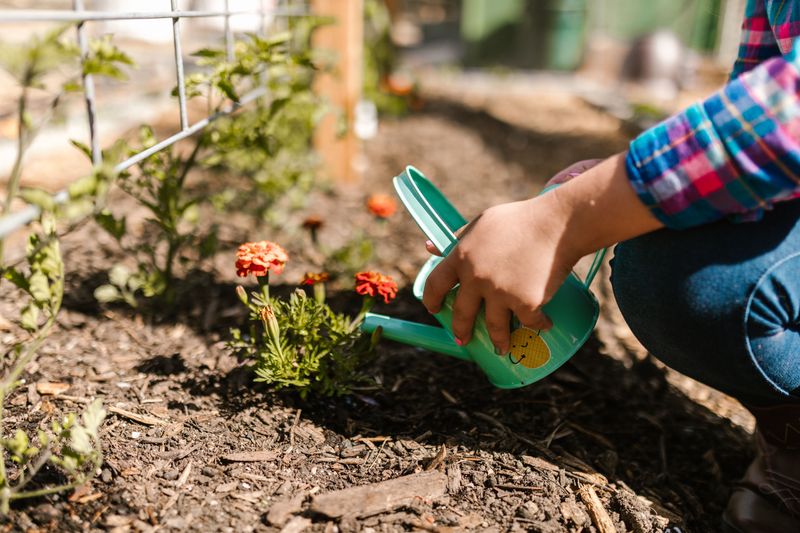
Roots follow water, and that is not a metaphor. When you water lightly every day, roots have no reason to grow deep into the soil.
They stay close to the surface where the moisture is, making plants fragile and heat-sensitive. Surface roots dry out faster when temperatures spike, leaving flowers struggling by mid-afternoon.
Think of it this way: a plant with deep roots is like a house with a strong foundation. A plant with shallow roots is like a tent in a windstorm.
The soil just a few inches down stays cooler and holds moisture much longer than the top layer. Deep roots tap into that reserve and keep the plant hydrated even on the hottest days.
This is one of the most overlooked July watering mistakes hurting Indiana flower beds. Gardeners see wilting and water more, which actually makes the problem worse over time.
Shallow watering also causes a cycle of dependency. Plants start needing water more frequently because their roots never learned to search for it independently.
Breaking this cycle takes patience but pays off quickly. Once roots go deeper, flowers become noticeably more resilient and vibrant even through intense summer heat.
The fix is not complicated at all. Water less often but much more deeply, and your flower beds will reward you with stronger growth and better blooms all season long.
This Habit Damages Flowers During Indiana Summer Heat
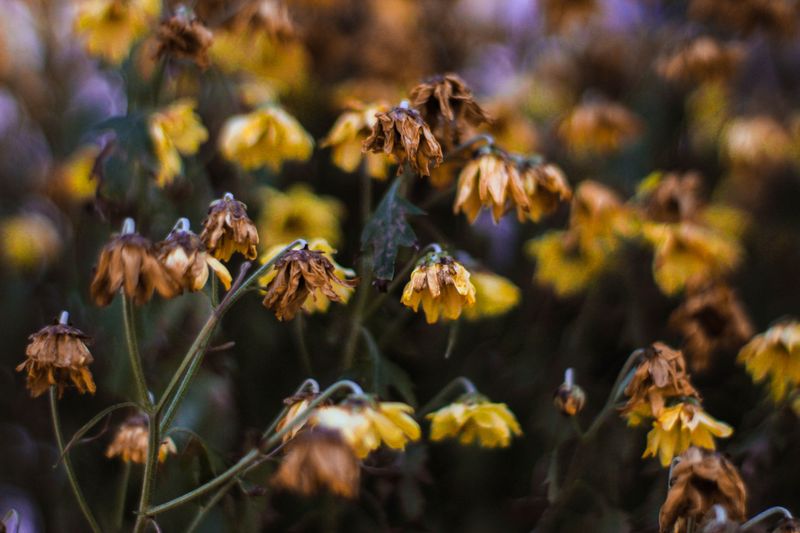
Picture this: it is 94 degrees outside, your flowers are drooping, and you grab the hose for a quick rinse. That quick rinse feels helpful, but it is actually part of the problem.
Daily shallow watering keeps the top inch of soil moist but leaves everything below bone dry. During July heat waves, that top inch evaporates within hours of watering.
Flowers that depend on surface moisture get a tiny drink and then nothing for the rest of the day. That stress cycle leaves petals and leaves visibly weaker over time.
This watering mistake is especially damaging for perennials. Established plants that should be thriving end up looking worse than newly planted seedlings.
Heat damage compounds fast when roots have no buffer. A deeply rooted plant can pull moisture from six or eight inches down, buying time until the next good watering session.
Your Indiana Garden Changes Every Week. Your Plan Should Too.
Gardening in Indiana changes quickly throughout the season. Every Friday you’ll receive a simple weekly plan showing exactly what to plant, prune, fertilize, harvest, and protect so you never miss the right timing.
A surface-dependent plant has no such backup plan. It wilts by noon, scorches by two in the afternoon, and drops blooms before the week is out.
Changing the watering habit is the single most impactful thing you can do right now. Fertilizer, mulch, and shade cloth cannot make up for water that isn’t reaching the roots.
Healthy roots mean healthy flowers, and healthy flowers mean a yard that turns heads all the way through August and beyond.
Signs Your Flowers Are Suffering From Shallow Watering
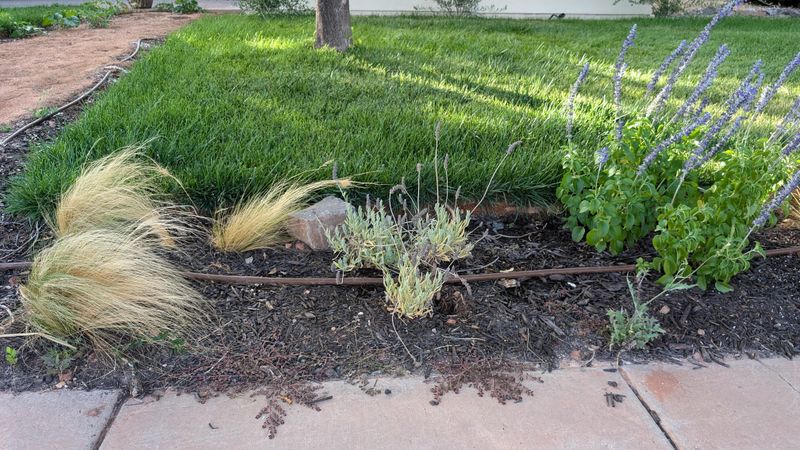
Your flowers are talking to you, and learning their language changes everything. Yellowing leaves that curl inward are one of the first signals something is wrong underground.
Crispy brown leaf edges are another giveaway, especially when they appear in the morning before the heat of the day kicks in. If leaves look burned before noon, the roots are not getting enough moisture overnight.
Wilting is the most obvious sign, but timing matters. Flowers that perk back up in the evening are okay, but flowers that stay droopy after sunset are in serious trouble.
Stunted growth during July is another red flag. Plants that should be putting out new buds and stems but seem frozen in place are likely struggling with shallow root systems.
Check the blooms themselves too. Flowers that drop petals early or refuse to open fully are often under chronic water stress that started weeks before you noticed.
Soil texture tells a story as well. Push your finger two inches into the bed and feel around. If it is dry at that depth, your watering is not reaching where it needs to go.
Spotting these signs early makes recovery much easier. A flower bed caught in the first week of stress bounces back quickly once the watering schedule improves.
Waiting too long turns a fixable problem into a lost season. Act on these clues now, and your beds will look dramatically better within just a few days.
Deep, Infrequent Watering Builds Stronger Root Systems
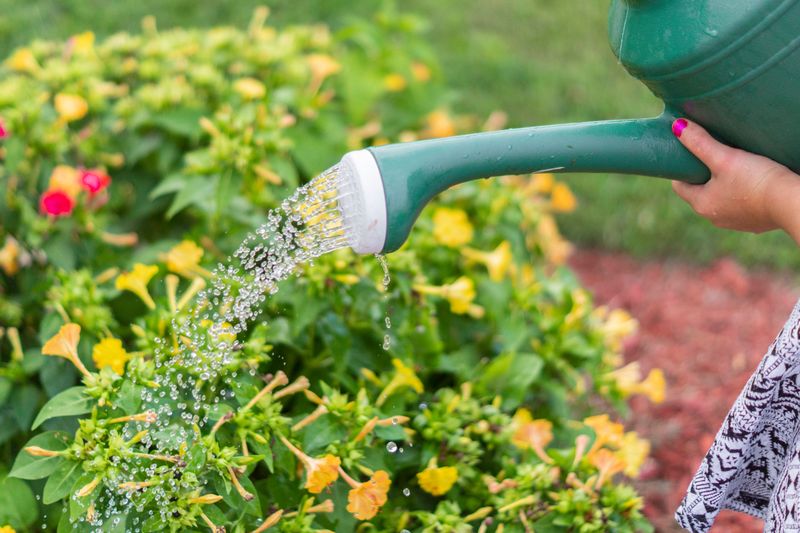
Watering deeply is one of those garden habits that sounds simple but changes everything once you actually try it. Instead of a daily sprinkle, the goal is soaking the soil to a depth of six to eight inches.
That kind of moisture penetration encourages roots to grow downward in search of water. Roots that travel deep find cooler, more stable soil that holds moisture far longer than the surface layer.
A good rule of thumb is to water two to three times per week during July rather than every single day. Each session should last long enough to thoroughly soak the bed, not just wet the top inch.
Slow watering works better than fast watering for this reason. A soaker hose or drip system delivers water at a pace the soil can absorb without runoff.
This approach builds root systems that are genuinely tough. Plants watered deeply for even two weeks start showing visible improvements in stem strength, leaf color, and bloom production.
Deep watering also reduces the overall amount of water used across the season. Roots that can access soil moisture from several inches down need fewer rescue waterings during dry spells.
This is the antidote to the common July watering mistake hurting Indiana flower beds. Less frequent, more thorough watering sessions transform struggling plants into confident, heat-tolerant growers.
Start this week and your flower beds will feel the shift almost immediately. Strong roots are the foundation of every beautiful summer garden.
The Best Time Of Day To Water Flower Beds
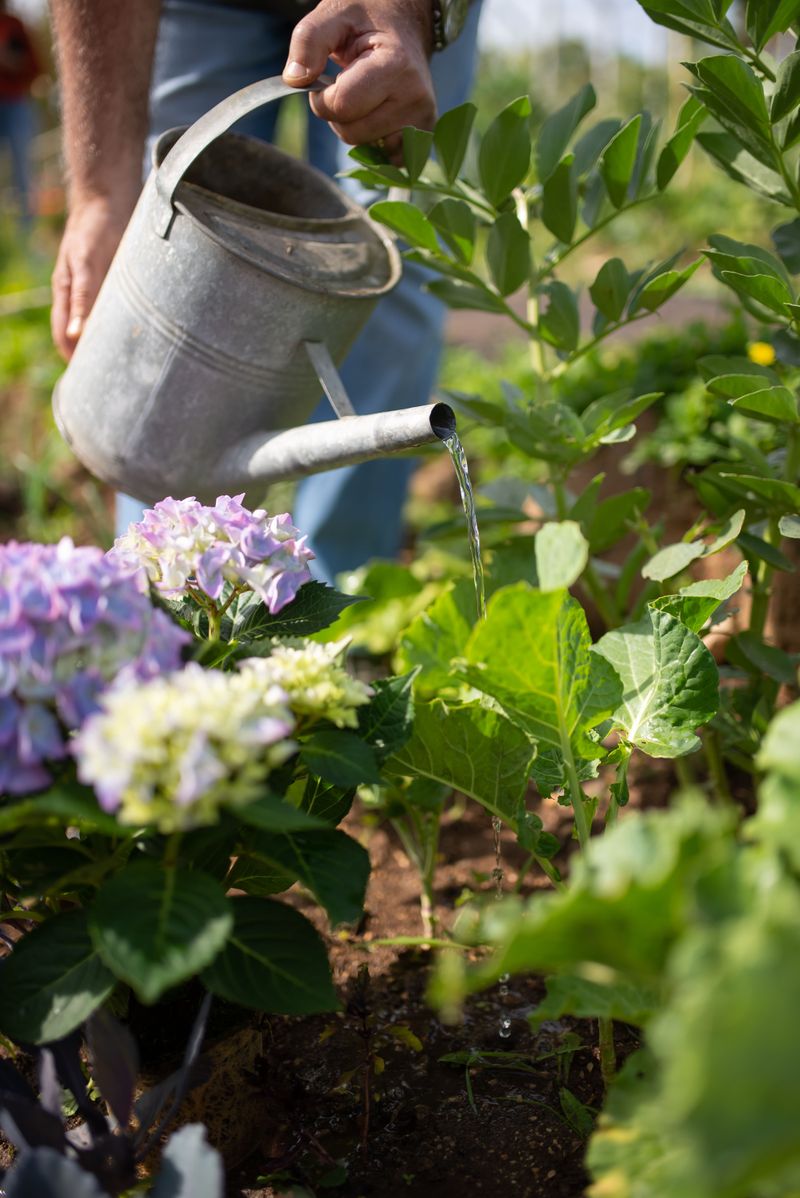
Timing a watering session is just as important as how much water you use. Water at the wrong time and you lose most of it before it ever reaches the roots.
Early morning is the gold standard for flower bed watering. The soil is cool, evaporation is minimal, and plants have moisture available exactly when they need it most for the day ahead.
Watering in the morning also gives foliage time to dry before evening. Wet leaves sitting through the night create perfect conditions for fungal problems and disease.
Midday watering is the most wasteful option. High temperatures and direct sun cause moisture to evaporate from the soil surface almost instantly, meaning much of your effort never benefits the plant.
Evening watering is better than midday but still comes with risks. Foliage that stays damp overnight invites mildew and rot, particularly in humid Indiana summers.
If morning watering is not possible, late afternoon around four or five o’clock is a reasonable backup. The sun is lower, temperatures are dropping, and leaves have time to dry before dark.
A timer on your hose bib makes morning watering effortless. Set it once and forget it, knowing your flowers are getting the best possible start each day.
Pairing the right timing with deep, infrequent watering makes a noticeable difference for any flower bed. Small adjustments to your routine produce big, beautiful results by mid-August.
Checking Soil Moisture Before Your Next Watering
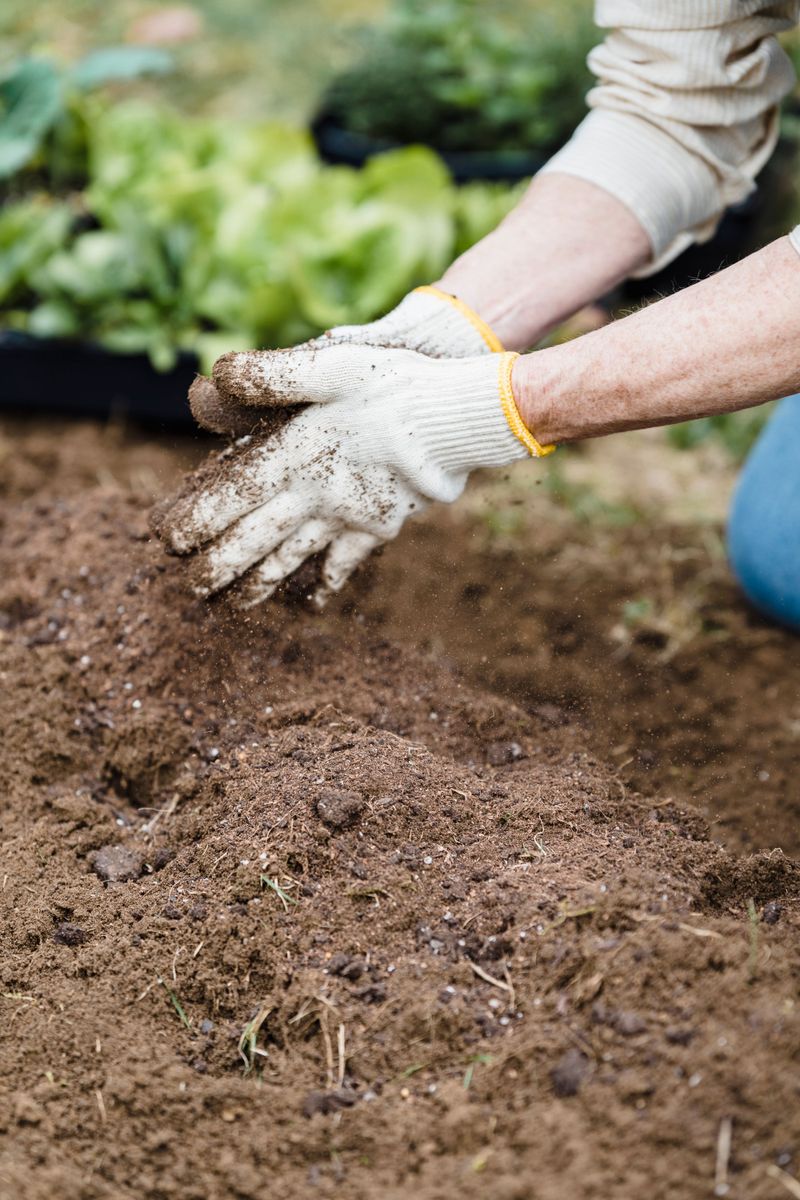
Before you ever turn on the hose again, do one thing first. Push your index finger straight down into the flower bed soil about two inches deep.
If the soil feels moist at that depth, skip the watering session entirely. Flowers do not need water just because the calendar says it is time or because the surface looks dry.
If the soil feels dry two inches down, that is your signal to water thoroughly. This simple test takes about five seconds and saves plants from both over-watering and under-watering.
A soil moisture meter is another great option for gardeners who want more precision. These inexpensive tools give a clear reading without guesswork and are widely available at garden centers.
Over-watering is actually more common than most people realize. Roots sitting in consistently soggy soil lose oxygen, rot, and stop absorbing nutrients properly.
The finger test prevents that problem completely. It grounds your watering decisions in what the soil actually needs rather than what your schedule or anxiety suggests.
Keeping a simple log of when you water and what the soil felt like helps you spot patterns quickly. Most flower beds in July need water every two to three days, not daily.
Avoiding the common July watering mistake hurting Indiana flower beds starts with this one habit. Check before you water, and your garden will thrive through even the hottest stretches of the summer season.