What It Means When Your North Carolina Garden Has Beetles, Fireflies, And Fewer Flowers In August
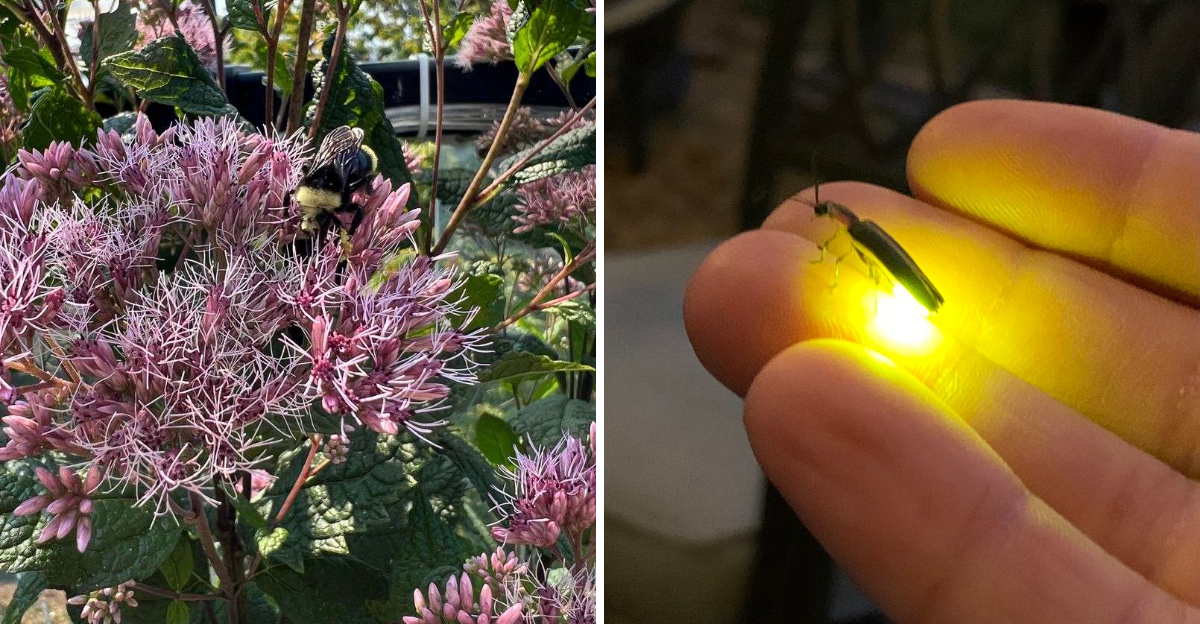
August in a North Carolina garden tells a story worth reading carefully. Beetles showing up in numbers, fireflies still active, and flowers becoming scarce all happening at the same time is not a random collection of late summer observations.
Each one reflects something specific about the current state of the garden ecosystem. Together they point toward a shift in the balance between what the garden is producing and what is coming to consume it.
A garden that reads this way in August is not failing. It is transitioning, and understanding what that transition means helps a North Carolina gardener decide what to do next rather than simply waiting for September to arrive and change the picture on its own.
1. Fireflies Mean Your Yard Still Has Nighttime Habitat
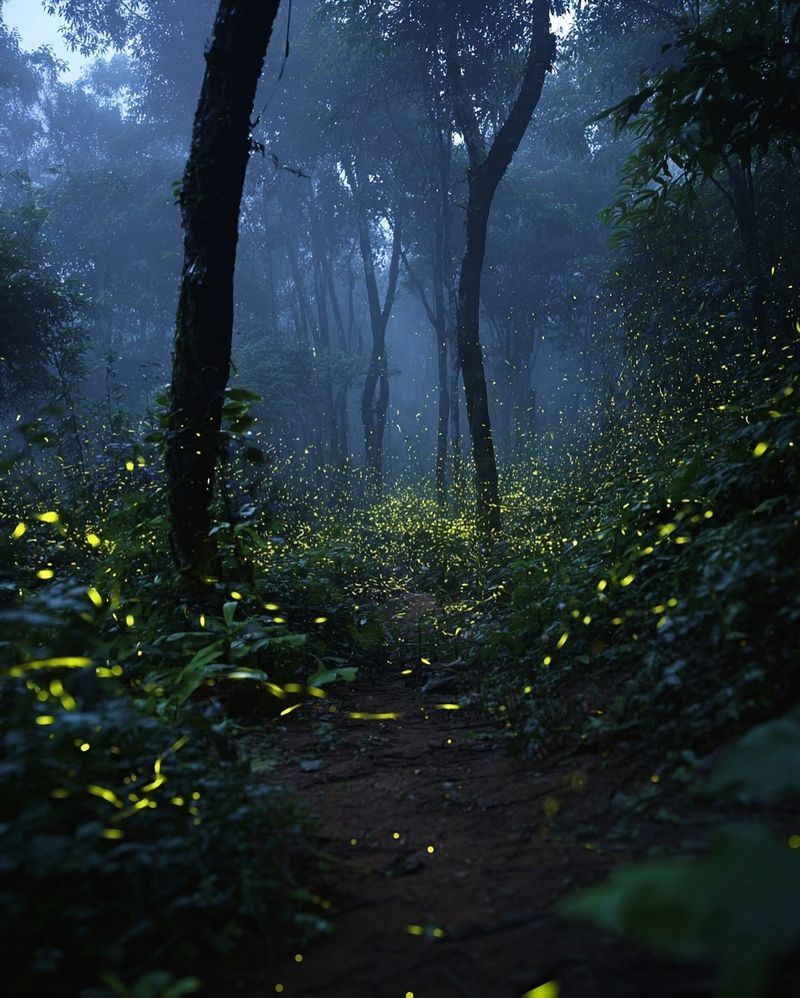
Spotting fireflies in your August garden is honestly one of the best things that can happen. Most people call them fireflies or lightning bugs, but here is a fun fact worth knowing: fireflies are actually beetles, not flies.
They belong to the family Lampyridae, and their blinking light is how they find mates on warm summer nights.
Fireflies show up where conditions are right for them. They need darkness, moisture near the soil, shelter from shrubs or tall grasses, and a yard that has not been blasted with broad insecticide sprays.
If you have fireflies, your yard is still offering them the kind of habitat they need to survive and signal.
North Carolina summers provide plenty of warmth and humidity that fireflies love, especially in the Piedmont and mountain regions where nights stay a little cooler.
Leaf litter, low-growing plants, and areas near water or moist soil are prime spots where firefly larvae spend most of their lives feeding underground before they emerge as adults.
Keeping that habitat intact matters more than many gardeners realize. Mowing less frequently along garden edges, leaving some leaf litter in sheltered corners, and avoiding unnecessary nighttime spraying all help firefly populations stay strong.
A yard full of fireflies is a yard that still has a functioning nighttime ecosystem, and that is genuinely something worth protecting as the summer rolls through August.
2. Beetles Mean You Need To Identify Before Reacting
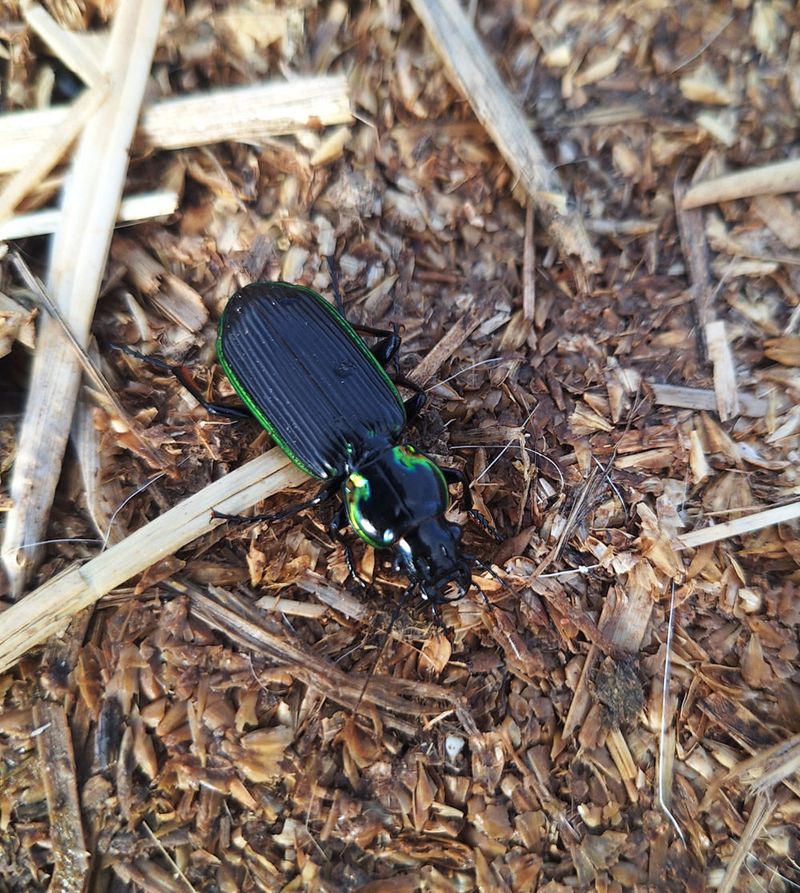
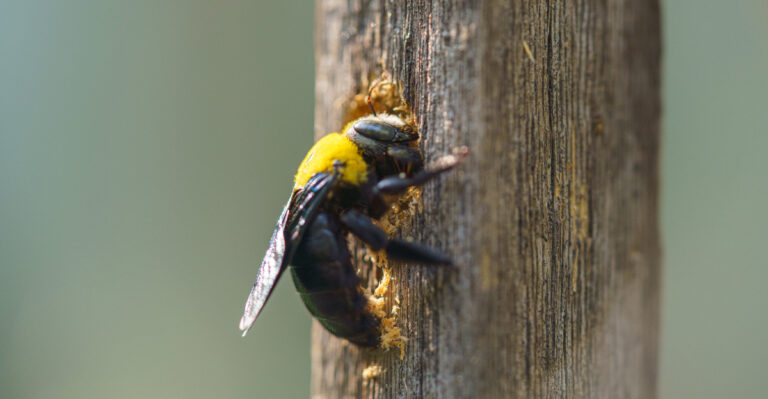
Not every beetle you find in your garden is a problem. That might sound surprising, especially when you spot one sitting right on your favorite tomato plant or rose bush, but beetles are one of the most diverse insect groups on the planet.
Some feed on plants, some are completely harmless visitors passing through, and others are actually beneficial predators helping keep pest populations in check.
Ground beetles, for example, are common in North Carolina gardens and spend their time hunting smaller insects in the soil. Soldier beetles visit flowers and help with pollination.
Lady beetles, which most people recognize immediately, feed on aphids and other soft-bodied pests. Spotting one of these in your garden is a genuine win, not a warning sign.
Watch for Japanese beetles, which skeletonize leaves in groups, and cucumber beetles, which target squash and cucumbers while spreading bacterial wilt. You can easily identify both using a field guide or the NC State Extension website.
Your North Carolina Garden Changes Every Week. Your Plan Should Too.
Gardening in North Carolina changes quickly throughout the season. Every Friday you’ll receive a simple weekly plan showing exactly what to plant, prune, fertilize, harvest, and protect so you never miss the right timing.
Before reaching for any spray, spend a few minutes actually watching the beetle and checking the nearby plant for real damage. A few chewed edges on a leaf are very different from widespread destruction across multiple plants.
Knowing exactly what you have lets you respond with a targeted approach instead of a broad reaction that could affect the beneficial insects sharing your garden space.
3. Fewer Flowers Can Mean The Garden Has An August Bloom Gap
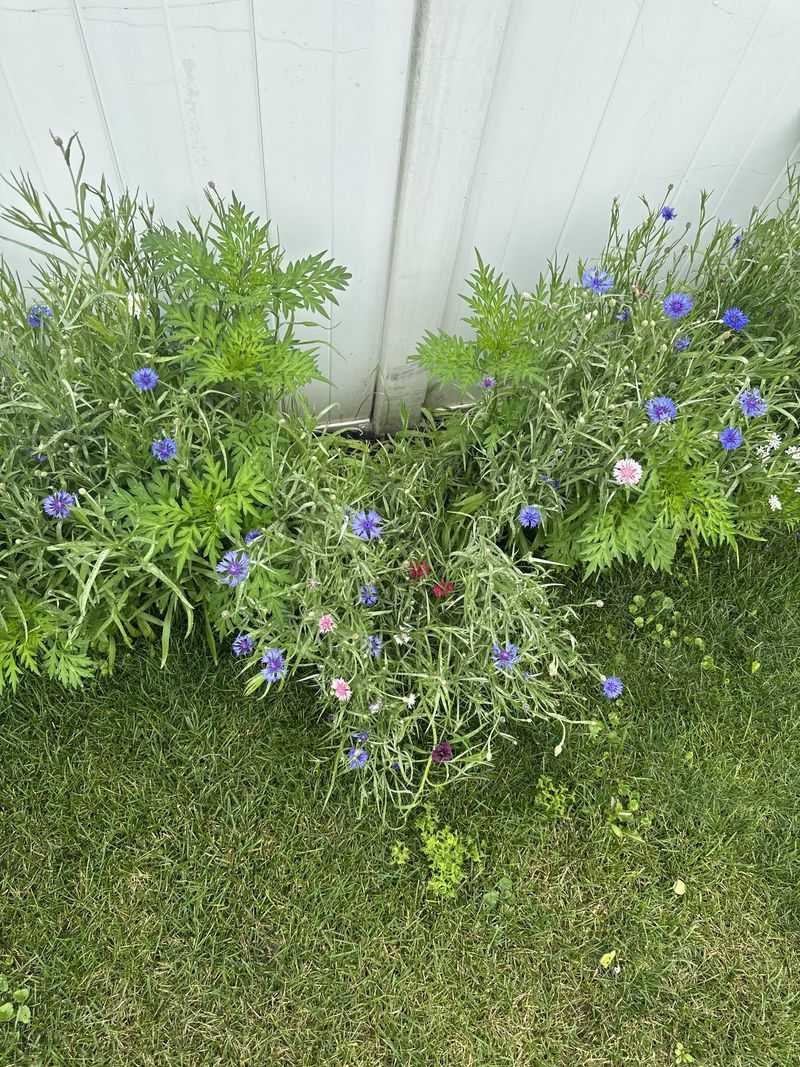
A lot of North Carolina gardens look absolutely stunning in May and June. Peonies, irises, roses, and spring annuals put on a real show, and the garden feels full of color and life.
Then August arrives, and suddenly the blooms seem to disappear. If that sounds familiar, your garden likely has what gardeners call a bloom gap.
A bloom gap happens when plants are chosen mostly for spring and early summer color without enough late summer or fall bloomers to carry the season forward. It is incredibly common, and it is not a sign that anything went wrong.
It just means the garden was not quite planted with the full growing season in mind.
This matters beyond aesthetics. Pollinators like native bees, butterflies, and beetles need consistent flower sources across the entire growing season.
When flowers disappear in August, those insects have fewer options for food right when they are still active and working hard.
A garden that only blooms in spring essentially leaves beneficial insects without support during a critical part of the year.
The good news is that this is one of the most fixable garden challenges there is. Adding plants that bloom reliably from late July through October can completely transform how your garden looks and functions in August.
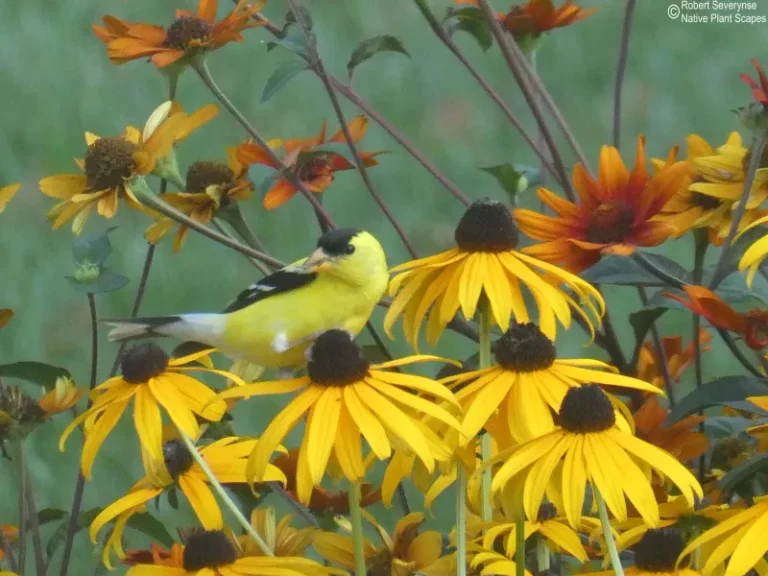
Native plants like black-eyed Susans, ironweed, and goldenrod are excellent starting points for North Carolina gardeners looking to close that summer bloom gap and keep pollinators well-fed straight through fall.
4. Heat Stress Can Make Flowering Slow Down
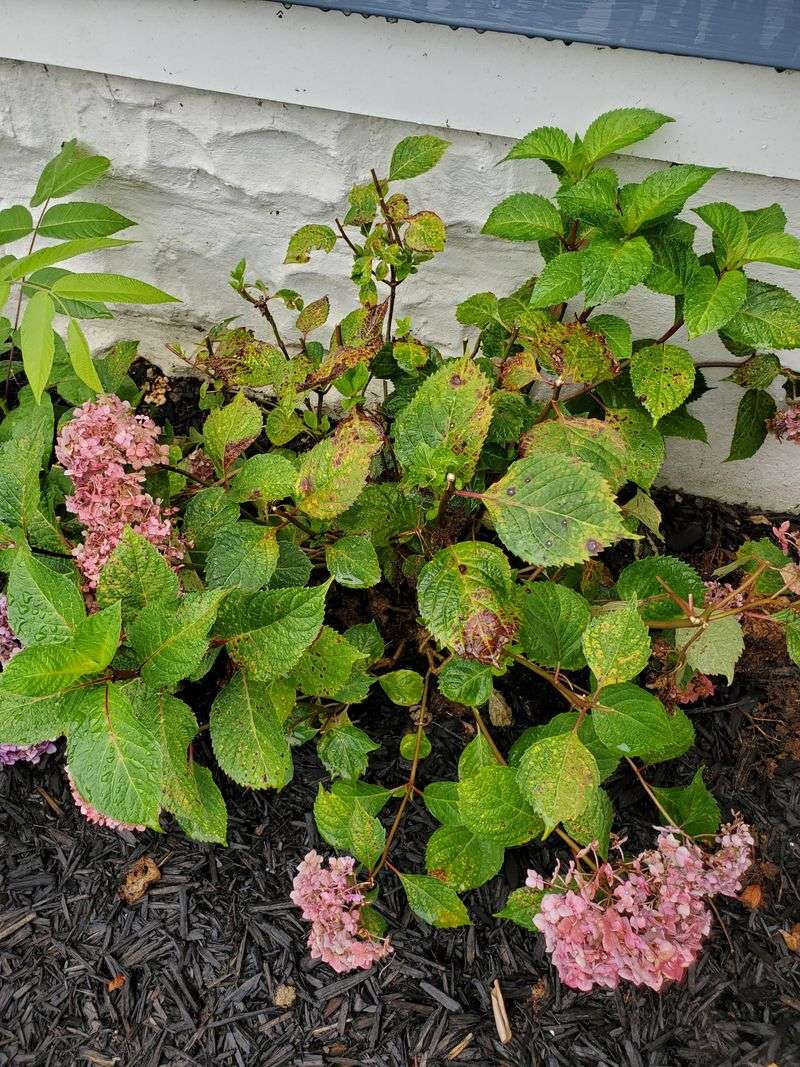
August in North Carolina is no joke when it comes to heat.
Temperatures regularly climb into the upper 80s and 90s, and when you add in the humidity, many plants start responding in ways that look alarming but are actually just survival behavior.
One of the most common responses is a noticeable slowdown in flower production.
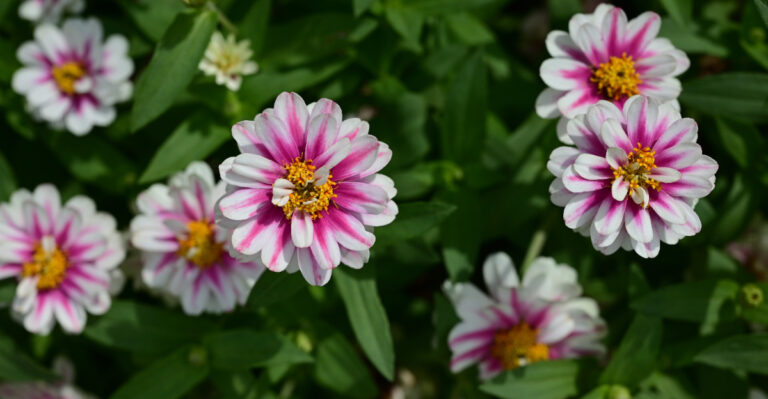
When temperatures stay consistently high and soil moisture becomes uneven, plants shift their energy away from blooming and toward keeping their core systems running. Annuals like zinnias and marigolds may pause flowering.
Perennials that already bloomed heavily in June and July often go quiet. Vegetable plants like tomatoes and peppers can drop blossoms entirely when nighttime temperatures stay above 75 degrees Fahrenheit.
Dry soil makes this worse. When roots cannot access consistent moisture, plants cannot move nutrients efficiently, and flower production is usually the first thing to slow.
Mulching garden beds with two to three inches of organic material like shredded leaves or wood chips helps hold soil moisture longer and keeps root zones cooler during the hottest parts of the day.
Watering deeply and less frequently, rather than lightly every day, encourages roots to grow deeper where soil stays cooler and more stable. Early morning watering gives plants time to absorb moisture before the heat peaks.
Most plants bounce back and start flowering again once temperatures ease in September, so the August slowdown is usually a temporary response rather than a long-term problem worth stressing about.
5. Too Much Spray Can Reduce The Helpful Insect Community
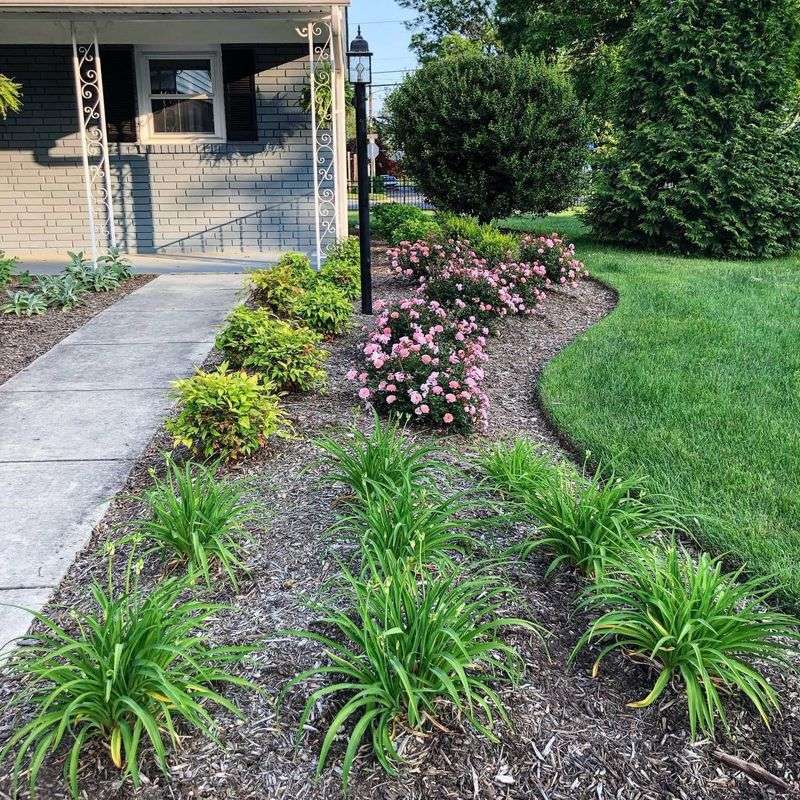
Fireflies in your garden are a signal worth paying attention to, and one of the things they signal most clearly is that your yard still has a functioning insect community.
That community took time to build, and it can be disrupted faster than most gardeners expect. Broad insect sprays are one of the quickest ways to throw that balance off.
Many common garden sprays, including some labeled as natural or organic, work by affecting the nervous systems of insects.
The problem is that they often cannot tell the difference between a Japanese beetle chewing your roses and a ground beetle hunting pests in your soil.
Firefly larvae, which live underground and feed on small organisms, can also be affected by soil-applied treatments and some lawn chemicals.
Before spraying anything, it genuinely pays to spend time confirming the problem. Check both sides of leaves, look for patterns in where damage is appearing, and try to identify the actual insect responsible.
Many pest issues in North Carolina gardens are localized and can be managed by hand-picking, using a strong stream of water, or applying a very targeted product only to the affected plant.
Keeping spray use minimal and specific protects the insects that are already working in your favor. Lacewings, parasitic wasps, predatory beetles, and native bees all need a spray-free environment to do their jobs well.
A garden that uses restraint with sprays tends to develop its own natural checks over time, making it more resilient and less dependent on intervention with each passing season.
6. Outdoor Lighting May Be Changing Night Garden Activity
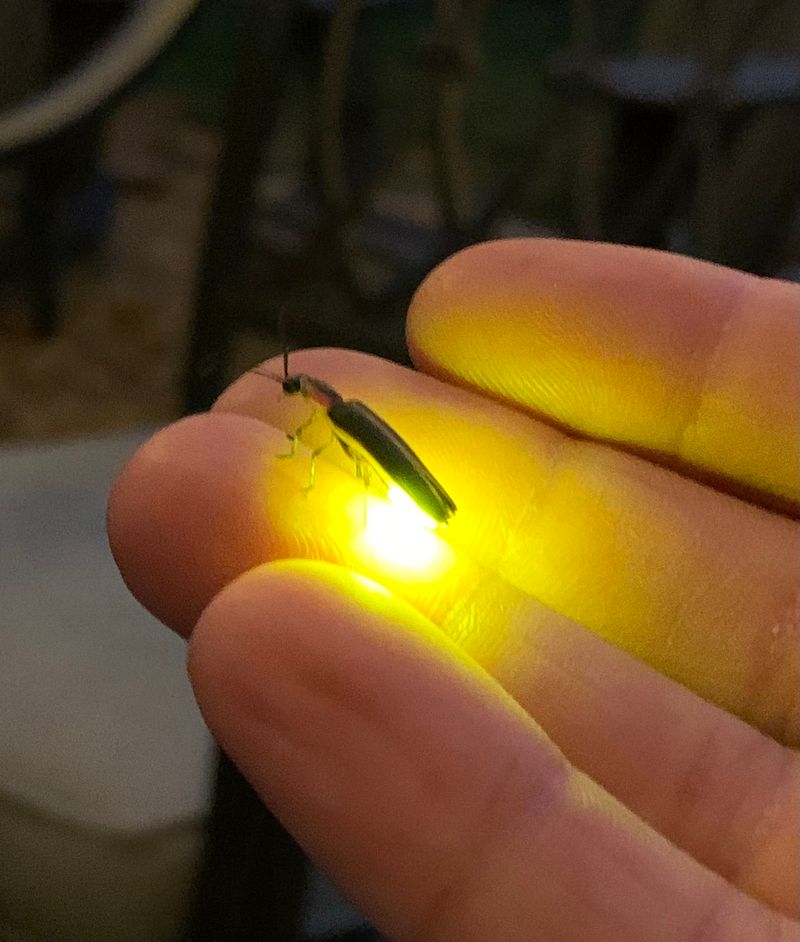
Here is something most gardeners never think about: the lights you leave on outside at night might be quietly working against the insects you enjoy most. Fireflies communicate entirely through light.
Males flash in specific patterns, and females respond from the ground or low vegetation. When artificial light floods the yard, those signals get lost in the brightness, and firefly activity drops noticeably.
Research on light pollution and firefly populations has shown that even moderate levels of artificial light can reduce firefly mating success.
In suburban and semi-rural North Carolina neighborhoods, porch lights, floodlights, string lights, and security lights all add up to a yard that stays far too bright for fireflies to function well after dark.
The edges of your property that stay darker are almost always where firefly activity concentrates.
Making small changes to your outdoor lighting setup can have a real positive effect. Switching to motion-activated lights means lights only come on when actually needed.
Pointing fixtures downward rather than outward reduces light scatter into the yard and garden areas.
Choosing warm-toned bulbs over bright white or blue-white LEDs also makes a difference, since cooler light wavelengths are more disruptive to insect behavior generally.
Turning off decorative or unnecessary lights between roughly ten at night and dawn gives fireflies and other nighttime insects several hours of genuine darkness to work with. A darker yard at night does not mean a less enjoyable yard.
It often means a yard that feels more alive, with more natural activity happening just beyond the edge of where you are sitting.
7. The Garden May Need More Late Summer Native Flowers
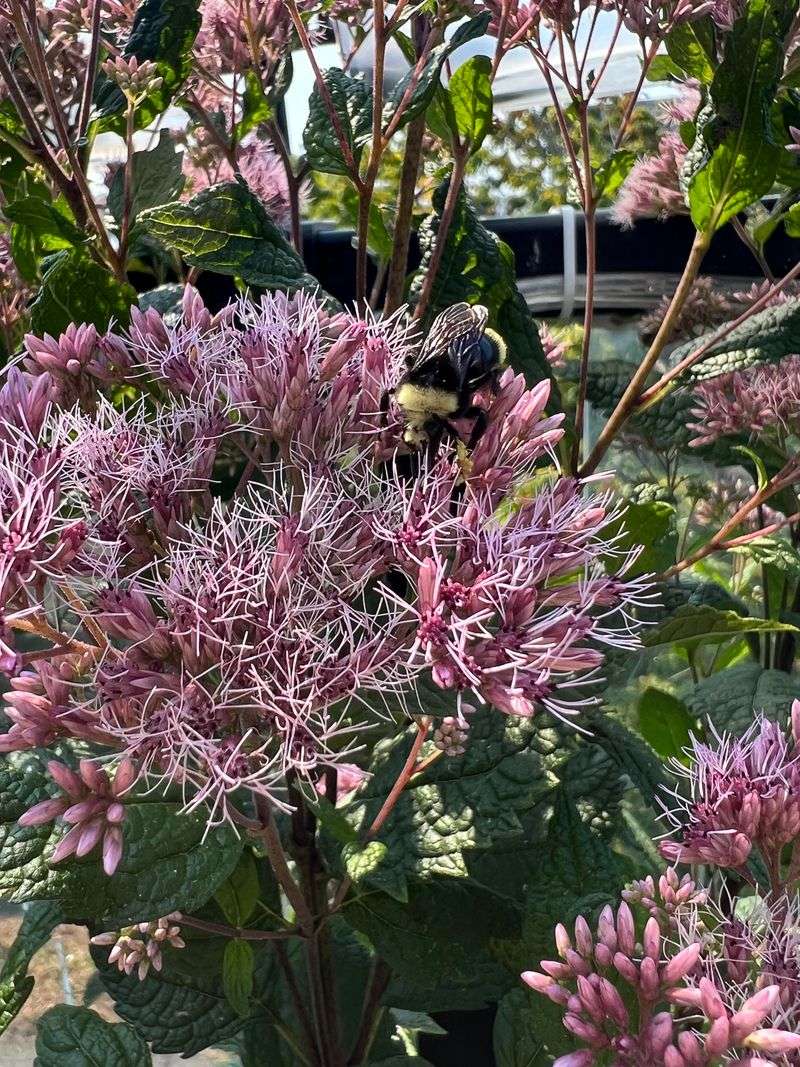
Beetles crawling through your garden, fireflies lighting up at night, and a shortage of blooms in August are three things that often point to the same underlying opportunity.
Your garden might be missing the layer of late summer native plants that keep insects active, fed, and supported right through the end of the growing season.
North Carolina has a wonderful range of native plants that bloom reliably from late July through October. Goldenrod is one of the most valuable, producing dense clusters of yellow flowers that support dozens of native bee species.
Black-eyed Susans bloom in waves and attract both pollinators and beneficial predatory insects. Joe Pye weed grows tall and puts out large clusters of rosy-purple flowers that butterflies genuinely love visiting.
Ironweed is another strong choice, especially for gardens with average to moist soil. Its deep purple blooms contrast beautifully with goldenrod and asters.
Mountain mint, which works well in sunny spots across much of North Carolina, is a consistent pollinator magnet from midsummer straight through fall.
Summersweet, a flowering shrub, adds fragrance and structure while supporting bees in shadier spots where other plants struggle.
Adding even two or three of these plants to existing garden beds can noticeably change how much insect activity your garden supports in August.
Native plants tend to be well-adapted to North Carolina summers, meaning they handle heat and humidity without much extra care once established.
Planting them is one of the most practical, high-impact steps any gardener can take to support a healthy and balanced garden ecosystem.
8. The Real Message Is Balance, Not Panic
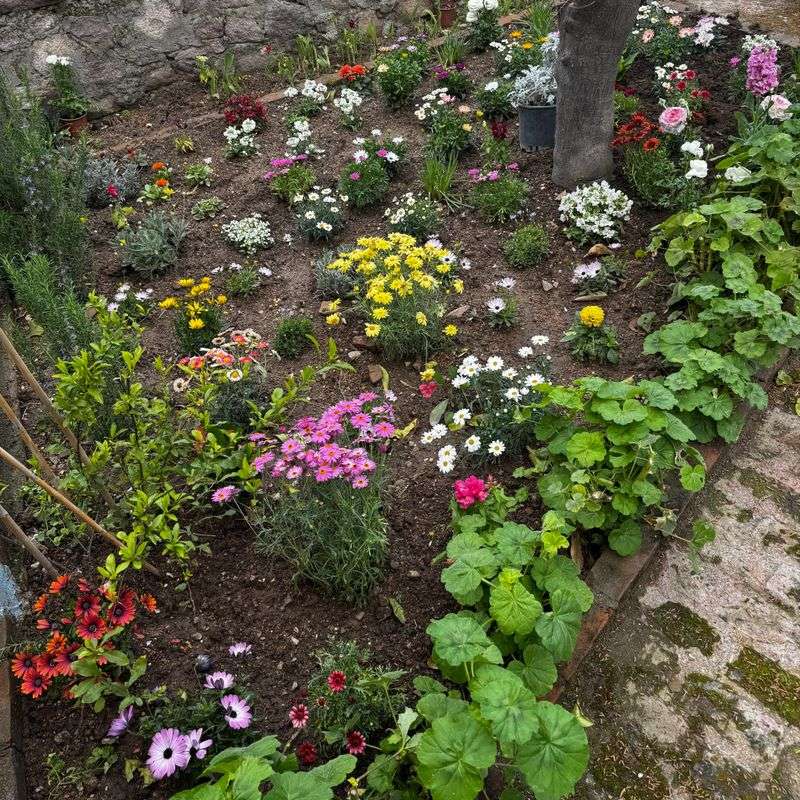
Stepping back and looking at the full picture is always the most useful thing a gardener can do in August. Beetles, fireflies, and fewer flowers are not random or alarming on their own.
Together, they are your garden communicating something specific about what it has, what it lacks, and what small changes could make it stronger going forward.
Fireflies point to habitat that is still intact and worth protecting. They need darkness, moisture, shelter, and a yard that has not been over-sprayed. Keeping those conditions in place is a straightforward goal with real payoff.
Beetles require a moment of identification before any response, because reacting to the wrong insect with a broad spray can set back the beneficial insect community that took seasons to develop.
Fewer flowers in August usually come down to one of two things: a bloom gap from planting too heavily for spring, or heat stress slowing plants down during the hottest weeks of the year. Both are manageable.
Adding late summer native plants closes the bloom gap, and consistent deep watering with good mulch helps plants handle heat without shutting down flower production entirely.
Cutting back on unnecessary outdoor lighting, doing regular garden scouting instead of reactive spraying, and choosing a handful of native late bloomers are all steps that build a more resilient garden over time.
None of them require a major overhaul or a large budget. August in a North Carolina garden is not a problem to solve. It is an invitation to observe, adjust, and grow something even better for the season ahead.