The One Thing North Carolina Flower Beds Need In August Or Weeds Will Take Over By September
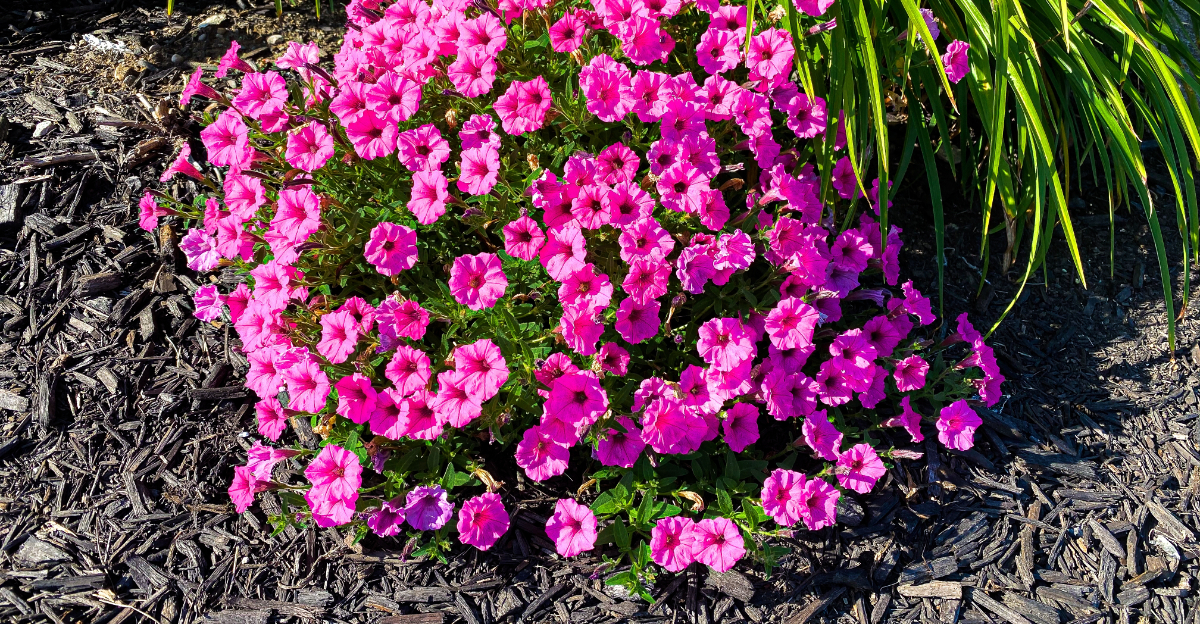
August feels like the wrong month to be making decisions about September. In North Carolina flower beds, it is exactly the right month. Weeds that establish in August do so fast.
The combination of warm soil, late summer rain events, and the gaps left by spent summer bloomers creates prime germination conditions for opportunistic plants that move quickly when nothing stops them.
One specific task done in August closes that window before weeds get started rather than after they are already competing with everything worth keeping in the bed. Miss it and September becomes a month of pulling rather than planting.
Get it done now and the bed holds its shape through fall with far less effort than cleaning up an established weed problem ever requires.
1. Cover Bare Soil Before September Weeds Start
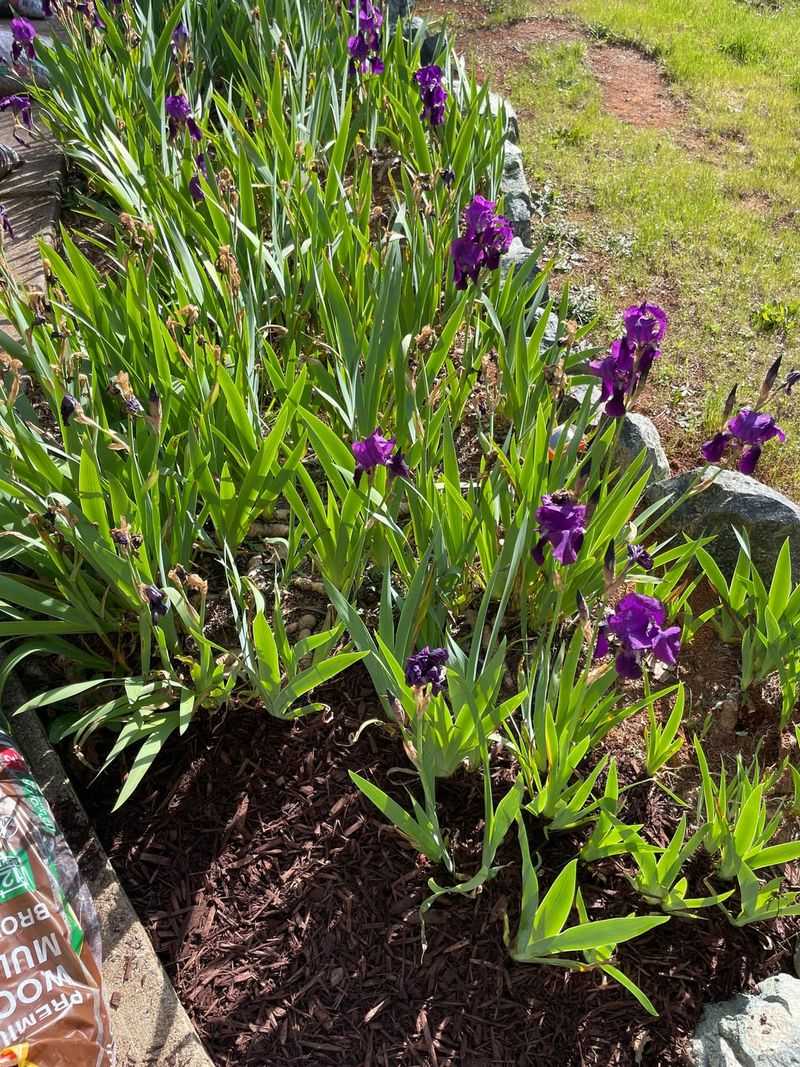
Bare soil is basically an open invitation for weeds. Every time you look at an uncovered patch of dirt in your flower bed, weed seeds are looking right back at it, just waiting for the right conditions to sprout.
In North Carolina, August brings a mix of heat and humidity that weeds absolutely love, so leaving soil exposed is a risk you really do not want to take.
Fresh mulch changes the game completely. When you lay a solid layer over bare soil, you block out the sunlight that weed seeds need to germinate.
Without light reaching the surface, most common weeds cannot even get started. It is not a perfect system, but it dramatically reduces the number of weeds that manage to break through before September arrives.
Timing matters here more than most gardeners realize. Weeds that sprout in late August can spread seeds quickly, meaning one week of neglect can turn into a month of pulling.
Getting mulch down while soil is still bare, before weeds have a chance to establish, gives your flower beds a strong head start heading into fall.
Think of mulch as a protective blanket that works around the clock. It does not need watering, it does not need attention, and it just quietly does its job every single day.
A bag or two spread across open spots in your beds right now could save you hours of weeding later.
That trade-off is absolutely worth it for any North Carolina gardener who wants a tidy, thriving yard through the end of the season.
2. Refresh Thin Mulch Before It Stops Working
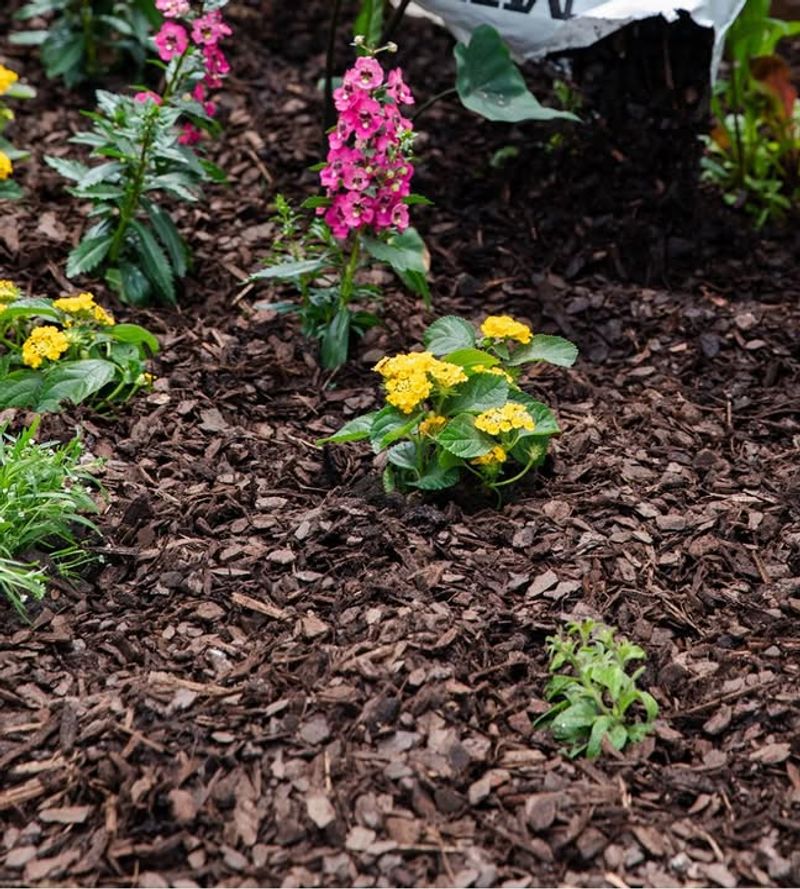
Mulch does not last forever, and summer in North Carolina is especially tough on it.
Between the heavy rain, the blazing heat, foot traffic from kids or pets, and regular bed maintenance, mulch can break down and thin out faster than you might expect.
By August, what started as a solid protective layer in spring may now have gaps, bare patches, and spots where the soil is fully visible again.
Thin mulch is not much better than no mulch at all when it comes to blocking weeds. Once the layer gets too shallow, sunlight starts sneaking through to the soil surface, and that is exactly when weed seeds seize their opportunity.
Your North Carolina Garden Changes Every Week. Your Plan Should Too.
Gardening in North Carolina changes quickly throughout the season. Every Friday you’ll receive a simple weekly plan showing exactly what to plant, prune, fertilize, harvest, and protect so you never miss the right timing.
You might not notice the problem right away, but by September, those thin spots will likely be covered with new weed growth that seems to appear out of nowhere.
Walking around your flower beds in August and checking the mulch depth is a smart move. If you can see soil through the mulch or if the layer feels thin when you press it down, it is time to refresh.
Adding a new top layer over existing mulch is perfectly fine and does not require you to remove what is already there.
Even a few bags of fresh mulch spread across the thinnest areas can restore the protective barrier your beds need. Garden centers across North Carolina still carry mulch in August, and prices are often lower than in spring.
Grabbing a few extra bags now means your flower beds stay protected and weed-resistant right through the shift into September and fall.
3. Pull Small Weeds Before Adding More Mulch
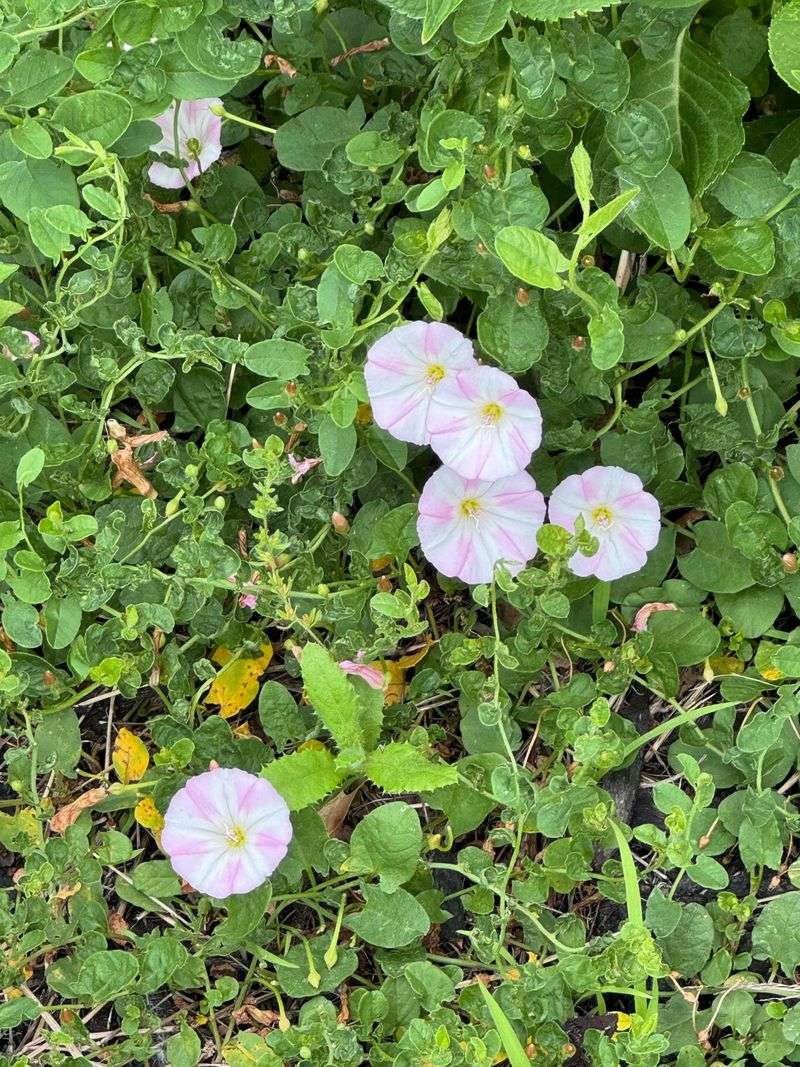
Here is something a lot of gardeners skip, and it almost always comes back to haunt them. Before you spread a single handful of fresh mulch, you need to pull out any weeds that are already growing in the bed.
Covering active weeds with mulch does not stop them. Many established weeds will simply push right through a new layer and keep growing like nothing happened.
Small weeds are much easier to remove than big ones, and August is actually a great time to catch them while they are still manageable. After a rain, the soil softens up and roots come out cleanly.
Spending even twenty or thirty minutes walking through your beds and pulling everything you see before mulching will make a noticeable difference in how clean and weed-free the bed stays.
Once the weeds are out and the soil is clear, fresh mulch goes down over clean ground. That combination of bare, weed-free soil plus a solid new layer of mulch gives the bed a proper reset.
You are essentially starting fresh, which means new weed seeds have to work much harder to get established rather than just joining weeds that were already there.
Think of this two-step process as a one-two punch against late summer weeds. First, you remove what is already growing.
Then, you block what is trying to grow next. It takes a little extra time upfront, but the payoff is a flower bed that stays noticeably cleaner through September and beyond.
A clean bed also just looks better, and that alone makes the effort worthwhile.
4. Keep Mulch Deep Enough To Block Light
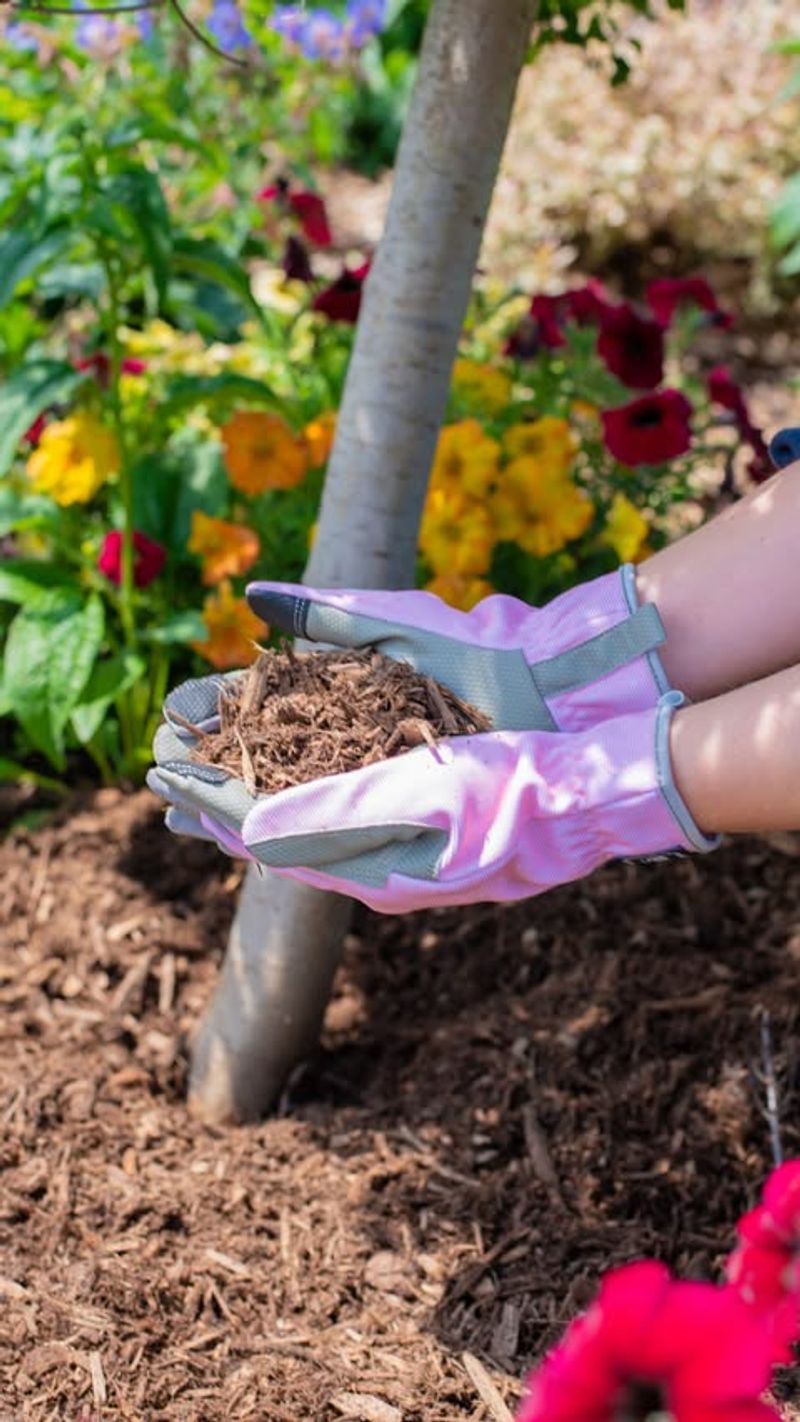
Depth is everything when it comes to mulch doing its job properly. A thin dusting of mulch spread across a flower bed might look tidy, but it is not doing much to block the sunlight that weed seeds need to sprout.
For mulch to actually work as a weed barrier, it needs to be laid down at a consistent depth that limits light from reaching the soil surface underneath.
Most gardening experts recommend keeping flower bed mulch somewhere between two and three inches deep.
That range hits the sweet spot where light is blocked effectively, moisture is retained well, and the layer stays stable even after rain.
In North Carolina, where summer storms can be intense, a proper depth also helps prevent mulch from washing away as easily.
Here is something worth knowing, though: more is not always better. Piling mulch on very thickly, say four or more inches, can actually create problems.
Overly deep organic mulch stays damp for long stretches and can become a place where weeds root into the mulch itself rather than the soil below. You end up fighting weeds growing in your mulch, which is a frustrating situation to be in.
The goal is an even, complete layer rather than a deep pile. Spreading mulch uniformly so there are no thin spots or bare patches does more good than heaping it up in some areas and leaving gaps in others.
Take a few minutes to rake it level after spreading, and you will have a bed that looks great and actually keeps weeds from getting the foothold they are looking for heading into September.
5. Do Not Pile Mulch Against Plant Stems
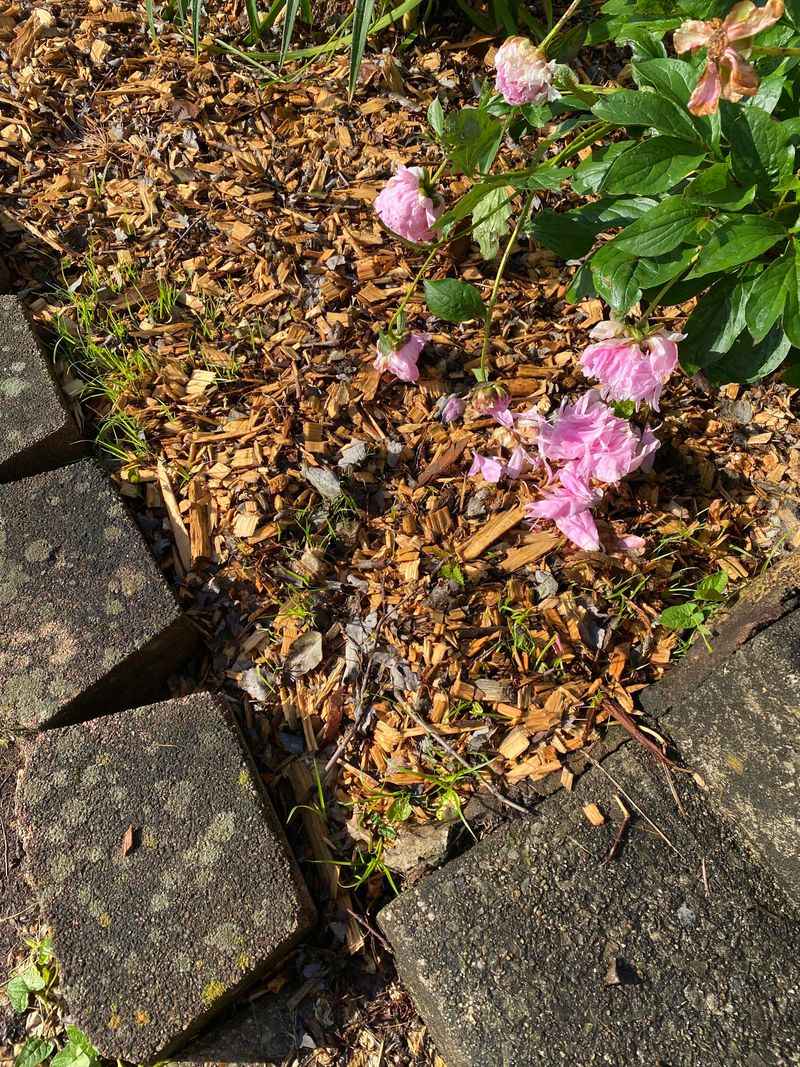
Mulch placement matters just as much as mulch depth, and one of the most common mistakes gardeners make is piling it right up against plant stems and crowns.
It seems harmless enough, but keeping mulch pressed against the base of your flowers traps moisture directly against the stem, which can lead to rot, fungal issues, and stressed plants that struggle to stay healthy through the rest of summer.
North Carolina in August is already humid. Add a thick layer of wet mulch sitting tight against a plant’s crown, and you have created the perfect environment for problems to develop.
Plants need airflow around their base, especially during the hot, muggy weeks that define late summer in this region. A little breathing room goes a long way toward keeping your flowers strong and healthy.
The fix is simple and takes almost no extra time. As you spread or refresh mulch, just pull it back an inch or two from the base of each plant.
You do not need a large gap, just enough so the stem is not buried or surrounded by damp material. The mulch still does its job of blocking weeds and retaining moisture in the surrounding soil, but the plant base stays exposed to air.
Gardeners sometimes call this creating a donut shape around each plant, with mulch forming a ring rather than a mound. It is a small adjustment that makes a real difference in plant health over time.
Your flowers will look better, stay more resilient through late summer heat, and come out of August in much stronger shape heading into the cooler weeks of fall.
6. August Rain Can Expose Soil Again
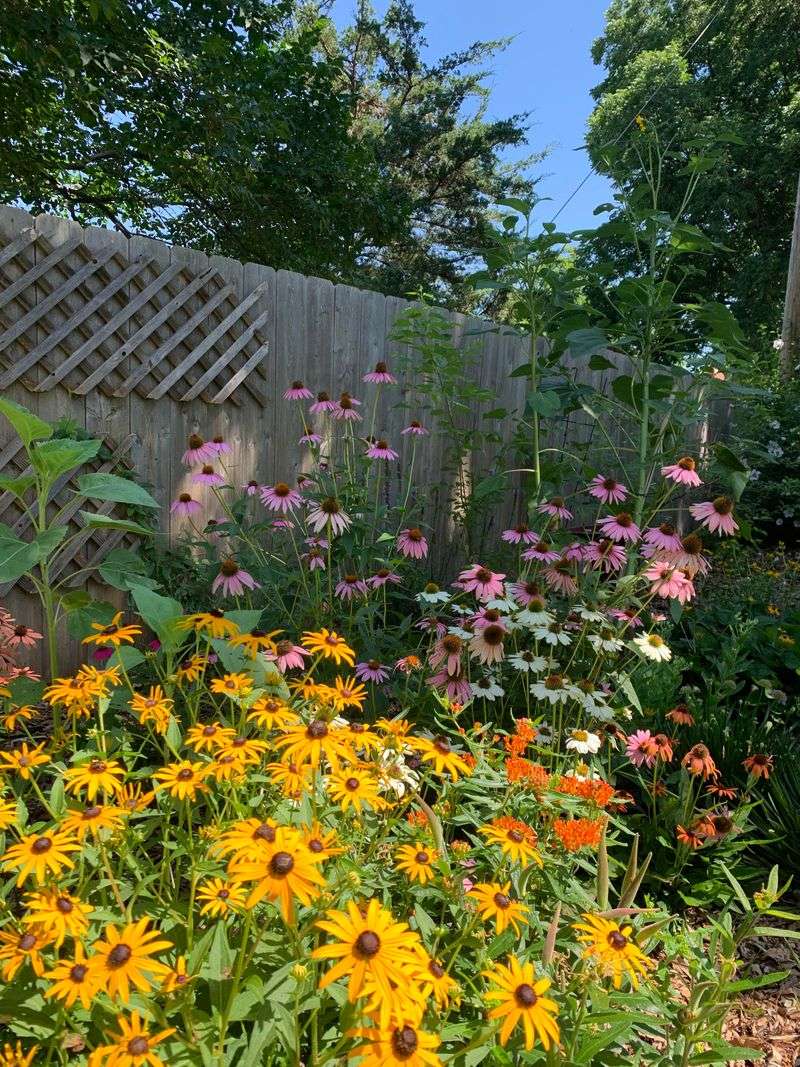
North Carolina does not do gentle August rain. Storms roll in fast, drop a lot of water in a short time, and move on just as quickly.
That kind of heavy, pounding rain can shift mulch around in ways you might not notice until you actually walk out and check the beds.
Mulch gets pushed to the edges, clumps in certain spots, and leaves bare patches of soil exposed right in the middle of the bed where you least want them.
Those newly exposed patches are exactly what weed seeds have been waiting for. Even a few days of open soil after a storm is enough for fast-growing weeds to get a root in the ground.
By the time you notice the green fuzz of new seedlings, they are already established and harder to remove cleanly. Catching the problem right after the storm, before weeds even have a chance to sprout, is the smarter approach.
After any heavy rain in August, it is worth walking your flower beds and doing a quick visual check. Look for spots where the soil is showing through, areas where mulch has piled up unevenly, and places along bed edges where water may have pushed material out.
Gently raking the mulch back into an even layer takes only a few minutes but restores that protective coverage.
Making this a habit after every significant storm keeps your beds consistently covered all month long.
It is one of those small, easy tasks that most gardeners overlook, but the ones who do it consistently are the ones whose flower beds stay noticeably cleaner and weed-free from August all the way through September without much extra effort.
7. Mulch Also Helps Flowers Handle Late Summer Stress
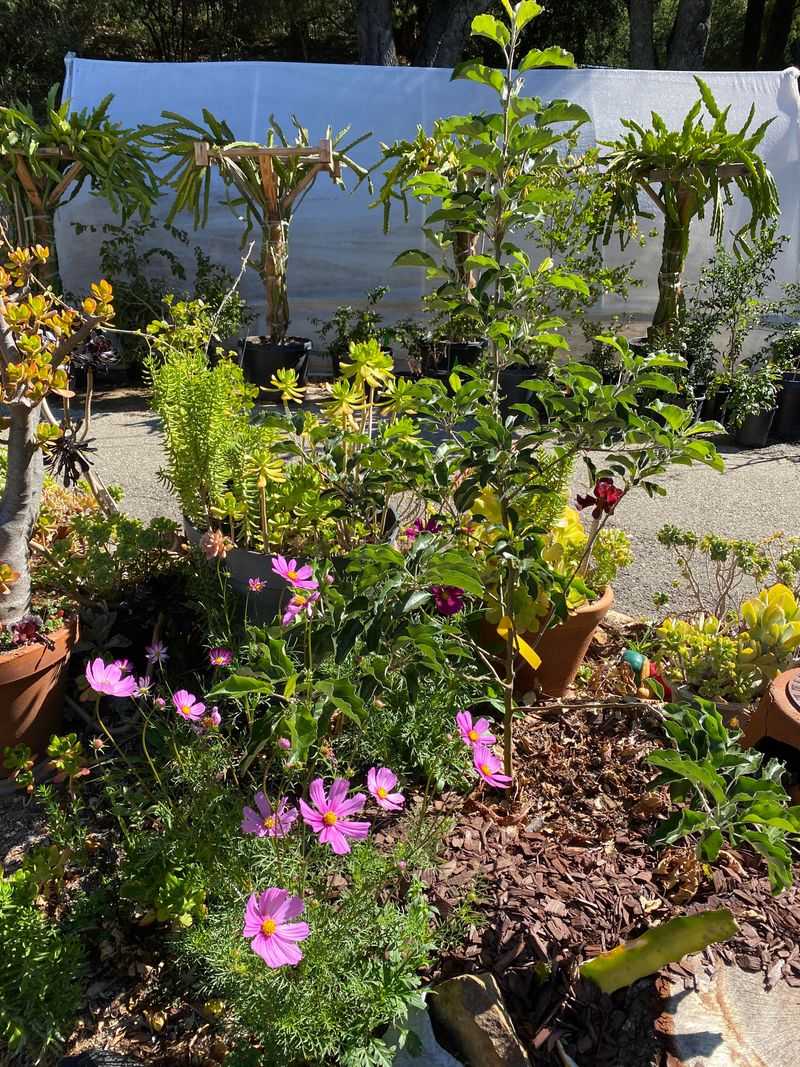
Mulch gets most of its credit for fighting weeds, but that is honestly just one part of what it does for your flower beds.
In North Carolina, where August temperatures regularly climb into the nineties and the humidity makes everything feel hotter, mulch plays a quiet but powerful role in keeping your flowers healthy and less stressed through the toughest weeks of the season.
One of its biggest benefits is moisture retention. Mulched soil holds onto water much longer than bare soil does, which means your flowers have access to moisture even between rain events or watering sessions.
During a dry stretch in August, that retained moisture can be the difference between flowers that look vibrant and flowers that look wilted and worn out.
Healthy soil moisture also encourages deeper root growth, which makes plants more resilient overall.
Soil temperature is another factor that mulch manages surprisingly well. Bare soil in direct sun can get extremely hot on the surface, which stresses roots and slows plant growth.
A solid layer of mulch acts like insulation, keeping the soil underneath cooler and more stable. That cooler root zone helps flowers continue growing and blooming even when the air temperature is intense.
Weeds also compete with your flowers for water and nutrients, so reducing weed growth through mulching means your plants face less competition during an already stressful time of year.
Fewer weeds mean more resources going directly to the flowers you actually want. All of these benefits stack up together, making a fresh layer of mulch in August one of the most productive things you can do for your North Carolina flower beds before fall arrives.