Why Texas Gardeners Avoid Walking On Wet Clay Soil After Heavy Summer Storms
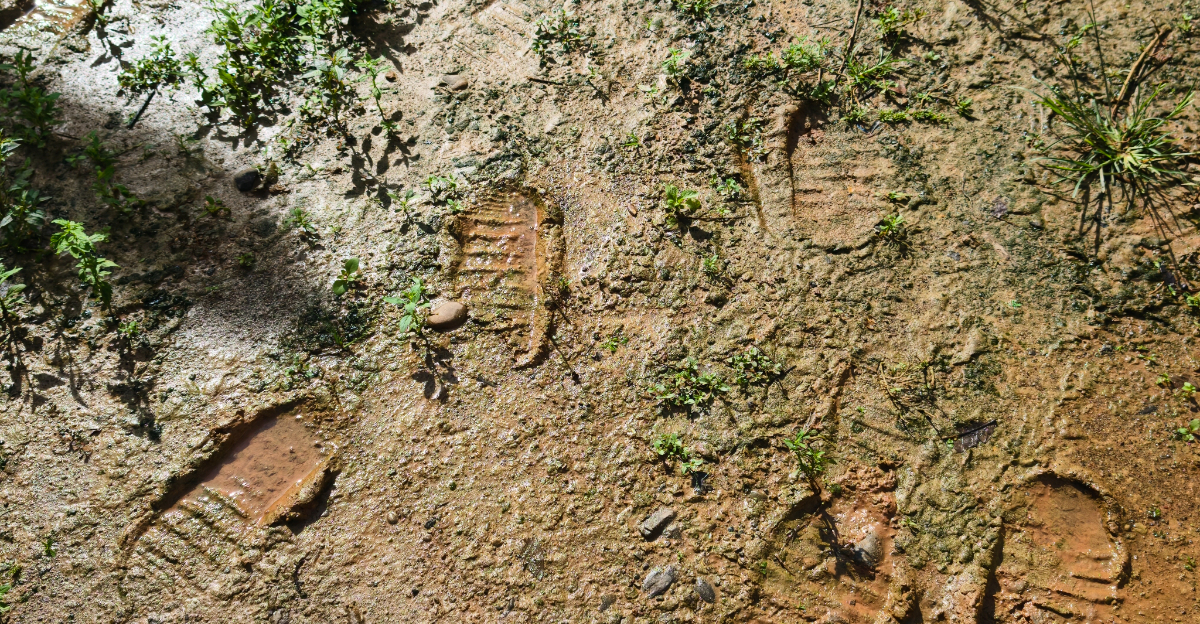
Rain-soaked ground can trick even seasoned gardeners into thinking it’s time to dig in. That soft, dark clay practically invites a shovel. But pressing forward now sets up problems that outlast the storm by months.
Wet clay behaves less like soil and more like wet cement underfoot. A single footstep can squeeze the air right out of it, leaving compacted ground where roots later struggle to breathe.
Texas clay has a reputation for a reason. It swells when saturated and hardens into concrete-like clumps once the sun returns, locking in whatever damage happened while it was wet. Local growers learn early that patience beats urgency here.
The fix isn’t complicated, just inconvenient. Give the soil time to firm up on its own terms, and your garden will thank you later in the season.
Wet Clay Soil Compacts Easily Under Foot Traffic
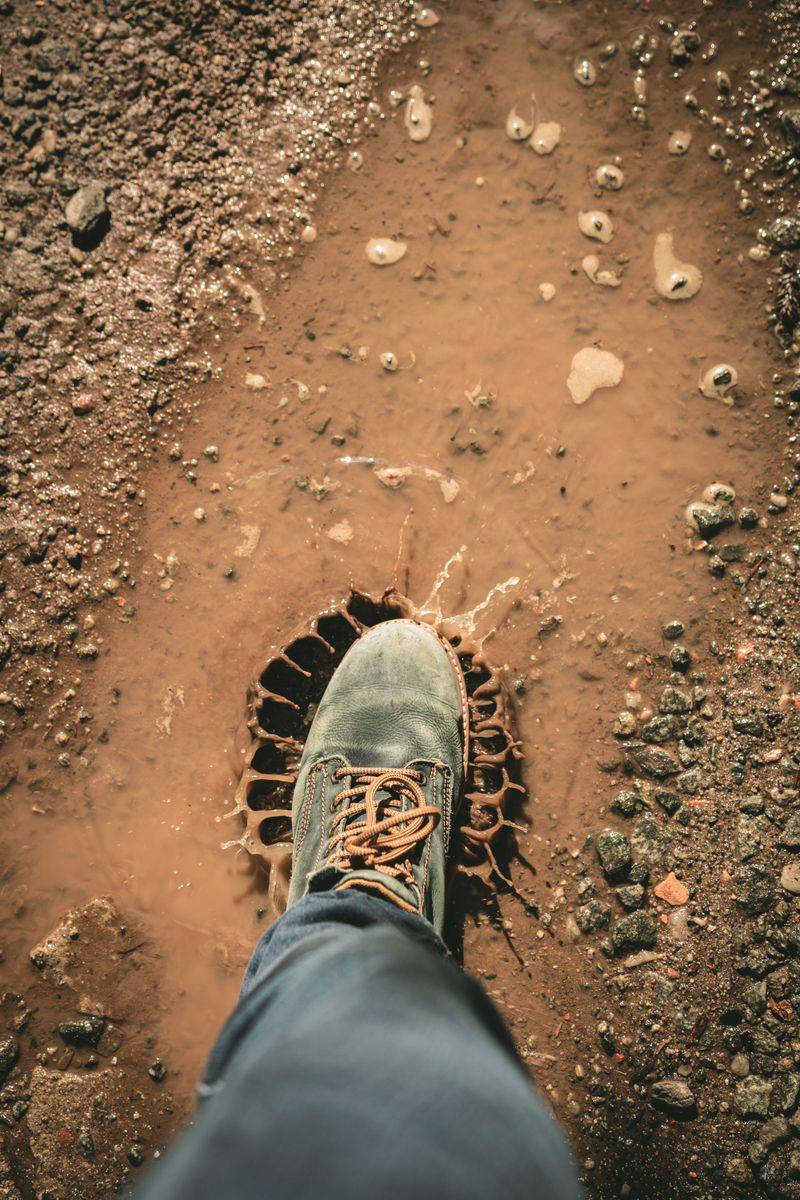
One step is all it takes. Wet clay soil compacts almost instantly when weight presses down on it.
Clay particles are flat and tiny, like microscopic dinner plates stacked loosely together. When dry, they hold space between them for water and air.
Add moisture, and those plates slide and squeeze together like wet paper. A single footstep can collapse thousands of those tiny spaces almost instantly.
Gardeners in clay-heavy regions know this feeling well. You sink in slightly, pull your boot out, and leave behind a smooth, dense crater.
That crater does not bounce back. Unlike sandy or loamy soils, clay lacks the structure to recover quickly from compression.
Repeated foot traffic on saturated ground can eventually create a dense layer called a hardpan just below the surface. Hardpan blocks root growth and prevents water from draining properly.
Even lightweight gardeners cause damage. Body weight spreads across a small area, creating enormous pressure per square inch on soft ground.
The problem compounds fast. Walk across your beds twice, and the damage doubles in depth and density.
Avoiding wet clay soil after heavy summer storms is not just a preference for experienced gardeners. It is a protective habit built from watching plants struggle in compacted ground for seasons.
Your footprints today can trap your plant’s roots tomorrow. Treat wet clay like wet cement, because the results can be just as permanent.
Signs Your Garden Beds Are Still Too Saturated To Walk On
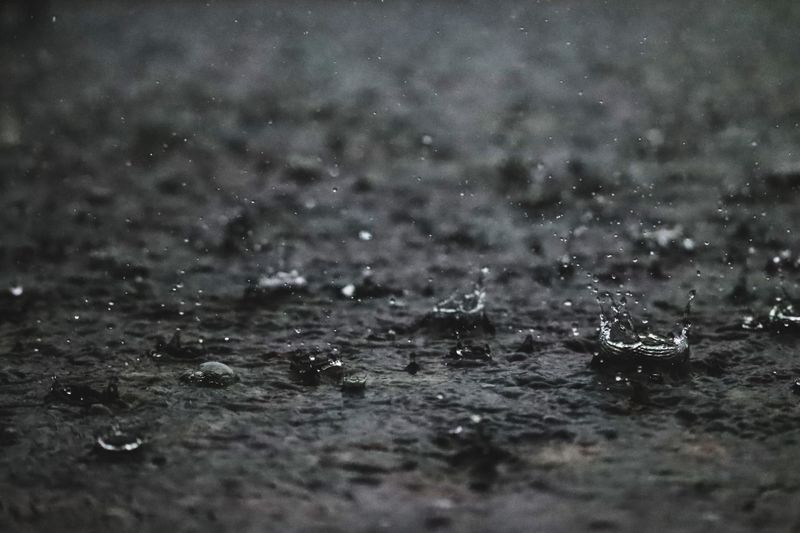
Puddles are the obvious clue. If water is still sitting on the surface, the soil below is fully saturated.
But saturation hides in subtler ways too. Press your finger one inch into the soil and pull it back out slowly.
If the hole fills back in with muddy water, the ground is not ready. Your bed needs more time before anyone should step near it.
Another trick is the squeeze test. Grab a handful of soil and press it firmly in your palm.
Open your hand slowly. If the clump holds its shape like modeling clay and feels slick, moisture levels are dangerously high.
Soil that crumbles slightly at the edges when you open your hand is getting closer to safe. Completely dry soil falls apart right away.
Your Texas Garden Changes Every Week. Your Plan Should Too.
Gardening in Texas changes quickly throughout the season. Every Friday you’ll receive a simple weekly plan showing exactly what to plant, prune, fertilize, harvest, and protect so you never miss the right timing.
Color is also a reliable indicator. Saturated clay tends to look almost black or very deep brown, much darker than its dry state.
Walk around the perimeter of your beds instead of through them. Check the color difference between shaded and sun-exposed areas.
Shaded spots dry out much slower and stay dangerous longer after heavy summer storms across Texas gardens. Even when sunny patches seem fine, shaded zones may still be soaked.
Patience here is not passive. Waiting for the right signs before stepping in is one of the smartest moves any gardener can make for long-term soil health.
Compacted Soil Squeezes Out Air Pockets Roots Need
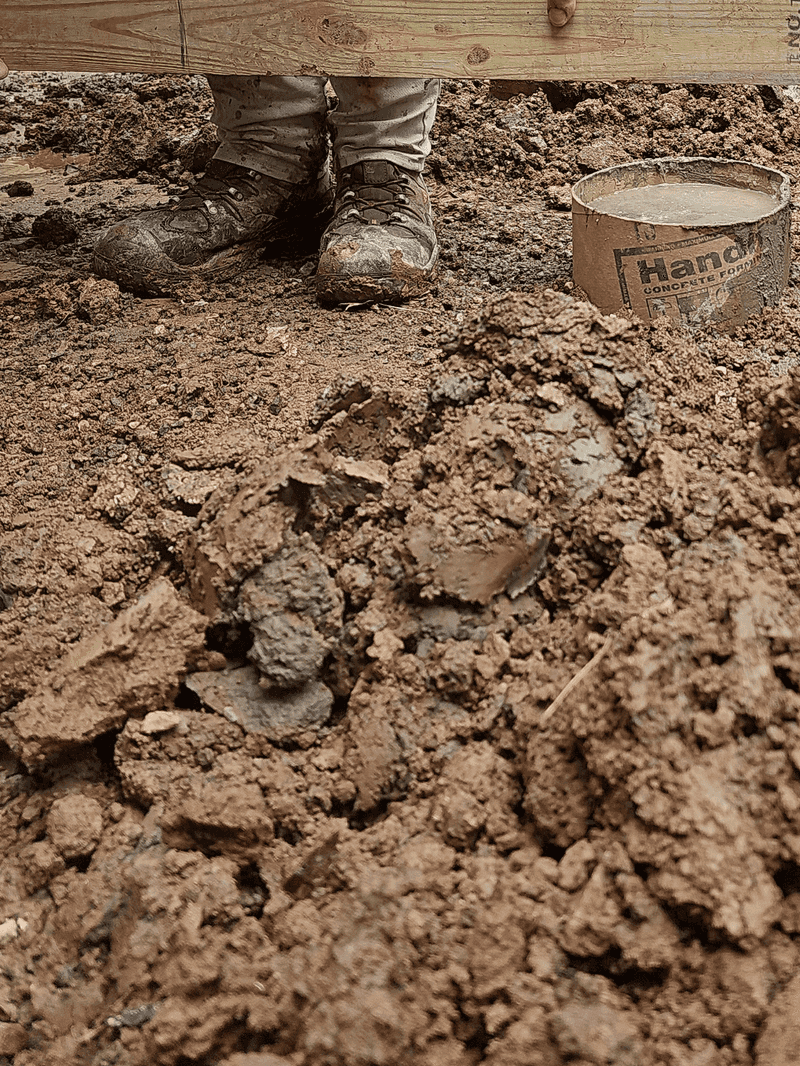
Roots breathe. Most people forget that, but plant roots need oxygen just as much as they need water.
Healthy clay soil holds tiny air pockets between its particles. Those pockets act like miniature lungs for root systems growing underground.
When you walk on wet clay soil, those pockets collapse under your weight. The soil particles press together, sealing out most of the air.
Without air, roots cannot absorb nutrients efficiently. They slow down, weaken, and become vulnerable to rot and disease.
Compacted ground also changes how water moves. Instead of soaking downward through the soil profile, water pools on the surface or runs off sideways.
This creates a frustrating cycle. Plants sit in soggy surface conditions while roots below stay dry and stressed from lack of drainage.
Earthworms also suffer in compacted ground. These natural aerators cannot tunnel through dense, squeezed clay, so their helpful work disappears from your beds.
Fewer worms mean less natural loosening of the soil over time. The compaction problem feeds itself season after season without intervention.
Breaking up compacted clay requires real effort. Texas gardeners often need to add compost, gypsum, or organic matter and work it in carefully over multiple seasons.
Protecting those air pockets now is far easier than rebuilding them later. One stormy afternoon of patience saves months of hard recovery work in the garden.
Recovery Time For Clay Soil After Heavy Compaction
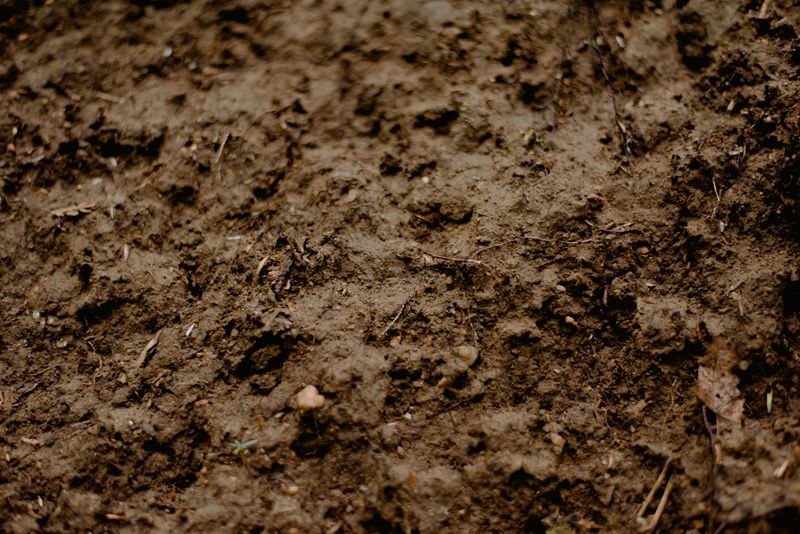
Compacted clay does not fix itself overnight. Recovery is slow, and skipping steps makes it even slower.
Light compaction from one or two footsteps may ease within a few weeks with good weather and earthworm activity. Deep compaction from repeated traffic is a different story entirely.
Severe compaction can persist for an entire growing season. Roots spend that whole time fighting through dense walls instead of spreading and feeding freely.
The first step in recovery is loosening the top layer carefully. Use a garden fork rather than a tiller, because tilling wet clay creates clods that harden like bricks.
Work the fork in gently at an angle and rock it back and forth. Avoid flipping large chunks, which disrupts soil structure further.
Adding compost is the next essential move. Organic matter separates clay particles and creates new channels for air and water to move through.
Gypsum is another popular amendment in clay-heavy regions. It helps clay particles clump into larger aggregates, opening up space without changing soil pH.
Mulching the surface after loosening protects your progress. A thick layer of wood chips or straw keeps moisture even and prevents the surface from crusting over.
Recovery takes patience and consistent attention across multiple seasons. Gardens that bounce back from heavy compaction do so because their gardeners committed to the long game.
Soil health is cumulative. Every good decision today shortens recovery time and strengthens the ground for next summer.
Simple Tests To Check If Soil Is Safe To Walk On
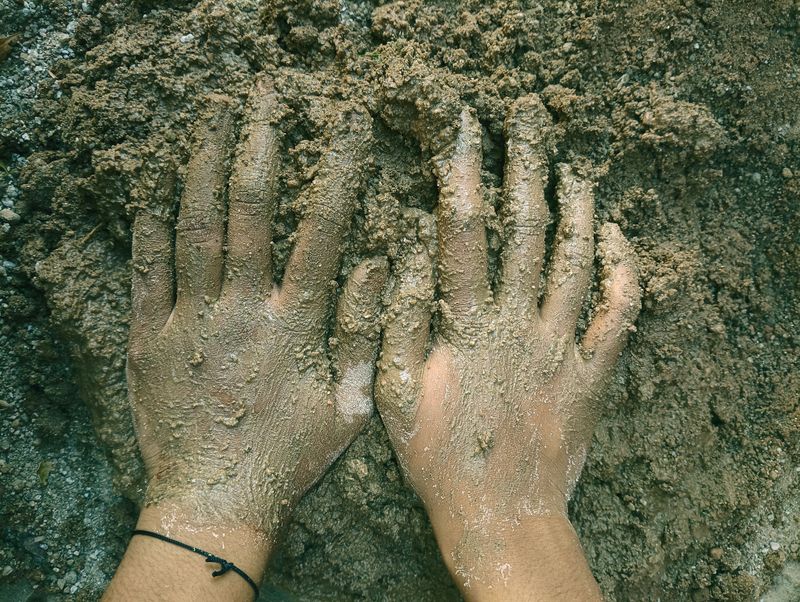
You do not need fancy tools to test your soil. A few simple checks done by hand tell you almost everything you need to know.
Start with the ribbon test. Grab a small amount of soil and roll it between your thumb and fingers into a ribbon shape.
If the ribbon stretches more than two inches without cracking, the soil is still too wet to walk on safely. A ribbon that breaks quickly means moisture levels are dropping into a safer range.
Next, try the ball drop test. Form a loose ball of soil in your hand and drop it from waist height onto a hard surface.
Wet soil sticks together and barely breaks apart on impact. Soil that is closer to workable will shatter into smaller pieces when it hits the ground.
Check your boot after walking just one step onto the edge of the bed. If soil clings heavily to the sole and builds up in thick layers, stop immediately.
Soil that releases cleanly from your boot with minimal sticking is approaching a safe consistency. This boot check takes seconds and saves significant damage.
Timing matters too in Texas heat. Check your soil in the morning before heat builds, since warm afternoons can dry the surface while deeper layers stay soaked.
Surface dryness is misleading. Test a few inches down before trusting what the top layer shows you after heavy summer storms.
Paths And Boards As Safer Ways To Reach Your Garden
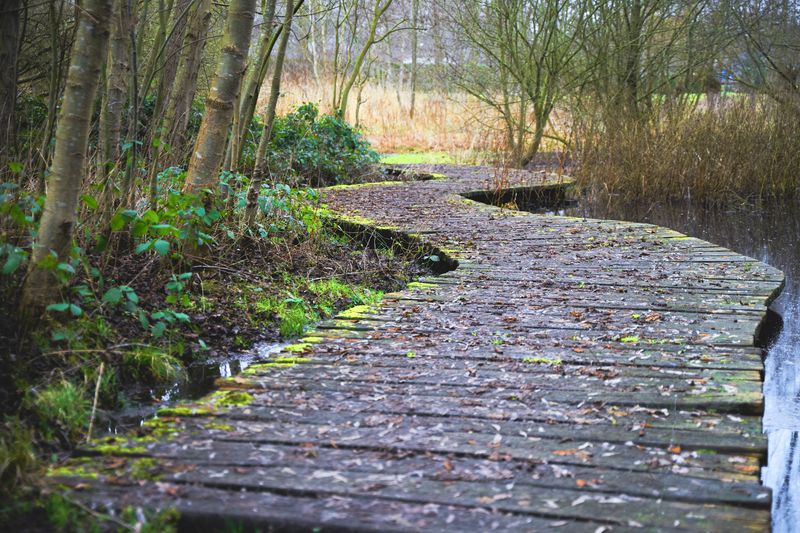
Smart Texas gardeners build their access into the design from the start. Permanent paths and stepping stones keep feet off planting areas entirely.
Gravel paths, flagstone walkways, and mulched lanes all distribute weight broadly and protect the soil beneath. They also make the garden look intentional and polished year-round.
When storms hit unexpectedly and you need to get into the beds fast, temporary boards are a lifesaver. A simple piece of plywood or a few scrap boards spread your weight over a much wider area.
Lay them flat before stepping out. Move them as you work so you always have solid footing without concentrating pressure in one spot.
Old wooden pallets work surprisingly well for this purpose. They are wide, easy to move, and keep your boots well above the saturated surface below.
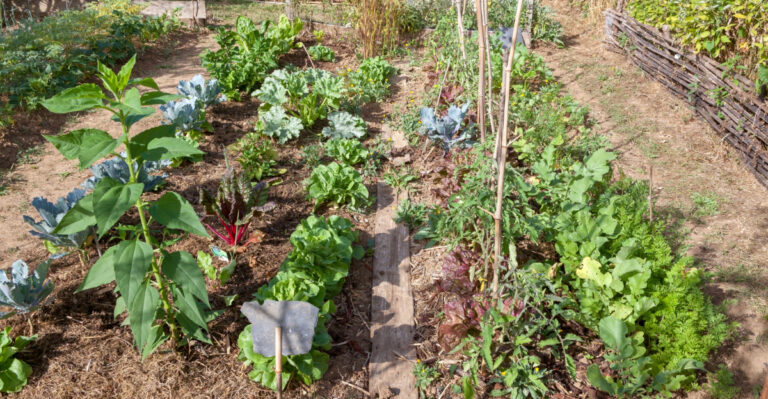
Raised bed frames with built-in side rails also solve the access problem elegantly. You can reach the center of most beds from the edge without ever stepping inside.
Narrow beds, no wider than four feet, let you work from either side comfortably. This simple design choice eliminates most reasons to ever walk on your planting soil.
Stepping stones placed permanently throughout larger beds give you fixed landing spots. Choose flat stones heavy enough to stay in place but light enough to reposition seasonally.
Protecting wet clay soil after heavy summer storms is easier when your Texas garden is designed around that goal. Build smart access now, and your soil will reward you every single season ahead.