Why Arizona Gardeners Start Fall Tomato Seeds Indoors During Extreme July Heat
Thinking about tomatoes in July in Arizona sounds like a joke at first. It’s 110 degrees outside, the soil is basically a brick, and the last thing most people are doing is standing in the garden with a seed packet feeling optimistic.
But here’s the thing that experienced gardeners know and everyone else finds out eventually: July is actually the right time to be thinking about fall tomatoes. Not planting them outside, obviously.
Nobody is suggesting that.
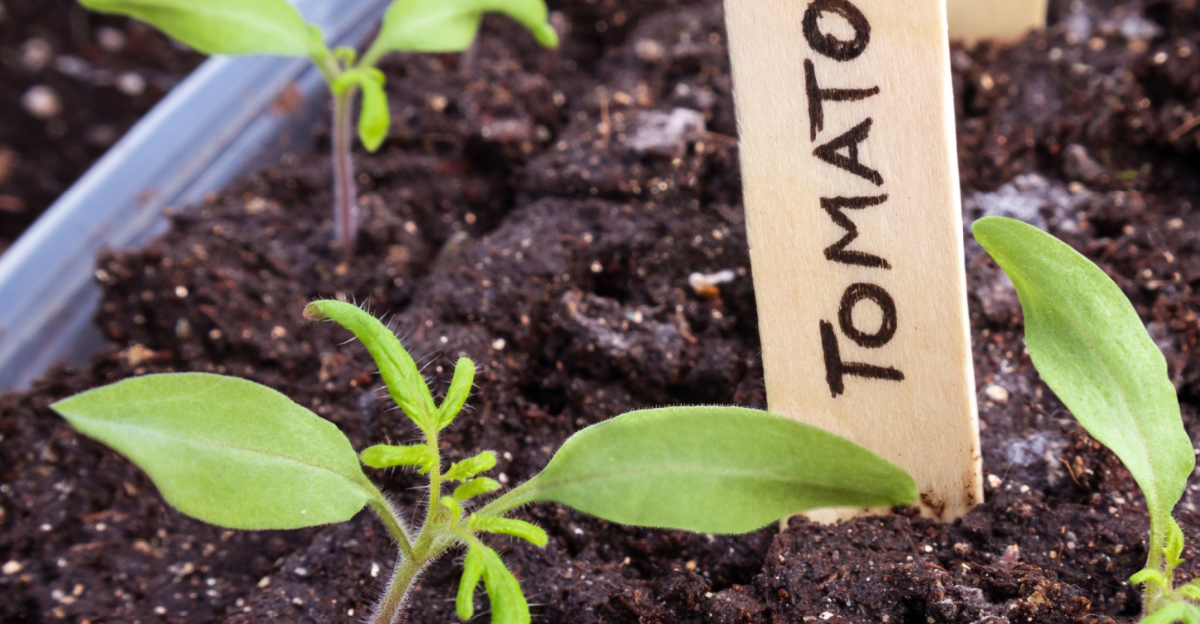
But starting seeds indoors right now, in a cool protected environment where young plants can develop strong roots without being immediately cooked, sets you up for something genuinely exciting once the worst of summer starts to ease.
A productive fall tomato harvest in Arizona is absolutely achievable. It just starts a lot earlier than most people expect.
1. July Heat Makes Outdoor Tomato Starting Difficult
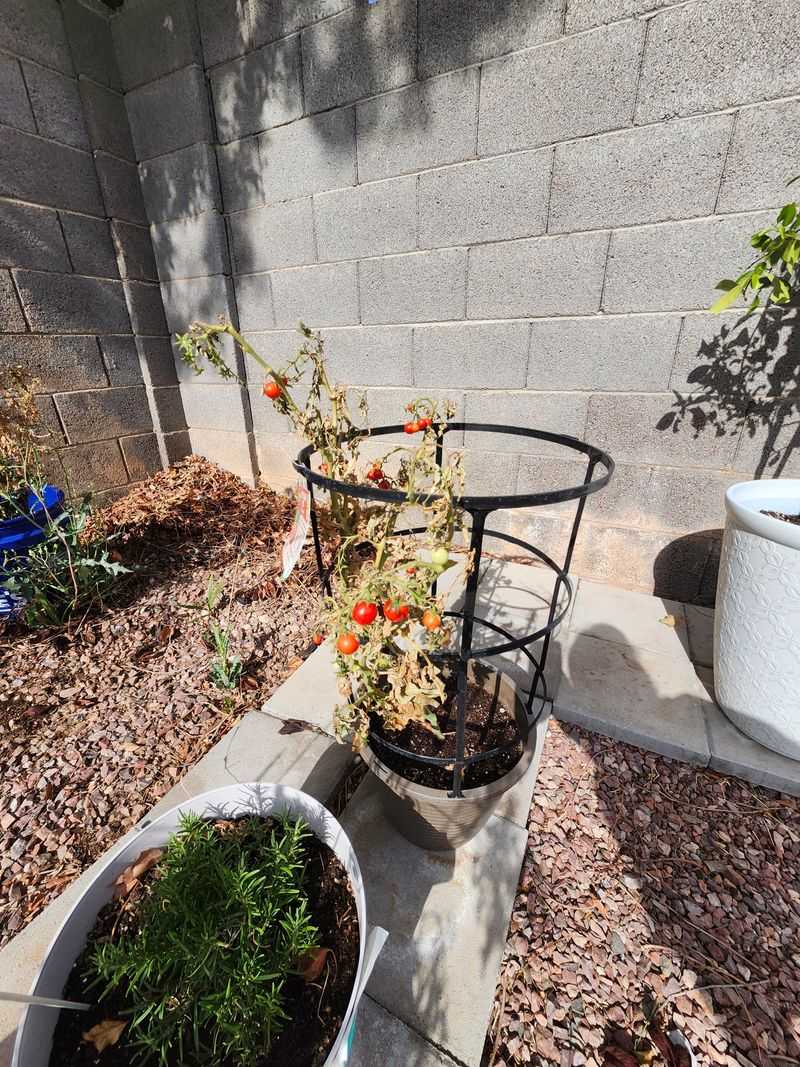
A bare concrete patio in an Arizona backyard during July can feel more like a furnace than a garden.
Soil temperatures in raised beds and containers can climb well above air temperature, and that extreme ground heat creates a very tough environment for seeds trying to germinate.
Tiny seedlings that do manage to sprout outdoors often struggle to survive the relentless afternoon sun and dry, hot air.
Most gardeners who have tried direct-seeding tomatoes outdoors in summer have watched their efforts stall out quickly.
The combination of scorching daytime temperatures, low humidity, and intense UV exposure stresses young plants before they even have a chance to develop properly.
Soil moisture evaporates so fast that even frequent watering can leave seeds in a cycle of wet and dry that makes consistent germination difficult.
Outdoor conditions in Arizona during July are simply not suited for starting tomato seeds from scratch.
Giving seeds a controlled indoor environment removes many of those obstacles right from the beginning.
This is why so many experienced Arizona gardeners skip outdoor seed starting during peak summer heat and move the whole process inside where conditions can be managed more easily.
2. Indoor Seed Starting Protects Young Seedlings From Extreme Heat
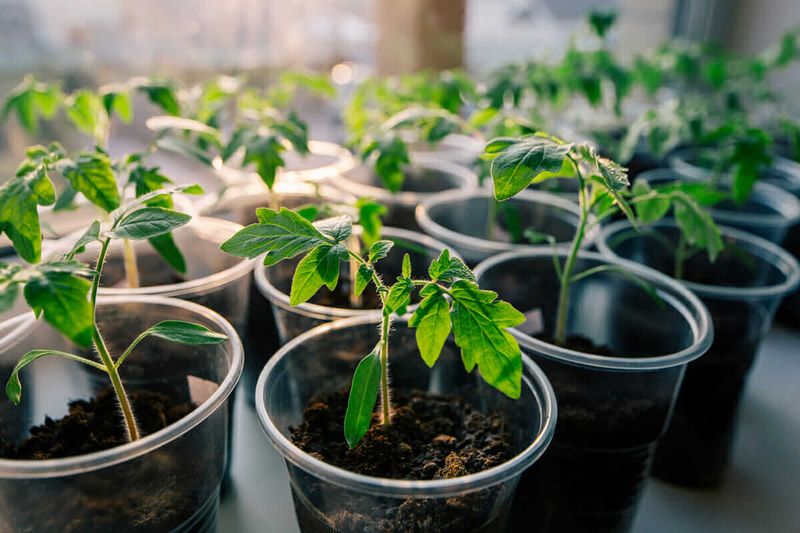
Seed trays sitting on a cool indoor surface tell a very different story than anything left outside in Arizona’s July sun.
Inside an air-conditioned home, temperatures stay in a range that tomato seeds actually prefer for germination, typically somewhere between 70 and 85 degrees Fahrenheit depending on the variety.
That controlled environment gives seeds a much more consistent start than anything an outdoor garden can offer in midsummer.
Young seedlings are especially fragile during their first few weeks of life. Their root systems are shallow, their stems are tender, and they have almost no ability to handle dramatic temperature swings or moisture stress.
Keeping them indoors during this vulnerable stage means gardeners can monitor soil moisture more closely, protect leaves from sun scorch, and reduce the risk of heat stress that can set back early plant development.
Indoor seed starting in Arizona is not just a workaround for bad weather. It is a practical strategy that gives seedlings the stable conditions they need to grow strong before facing the outdoor environment.
Your Arizona Garden Changes Every Week. Your Plan Should Too.
Gardening in Arizona changes quickly throughout the season. Every Friday you’ll receive a simple weekly plan showing exactly what to plant, prune, fertilize, harvest, and protect so you never miss the right timing.
Even a simple setup with a sunny south-facing window or a basic grow light can make a meaningful difference in how well young tomato plants develop during those first critical weeks.
3. Fall Tomatoes Need A Head Start Before September Planting
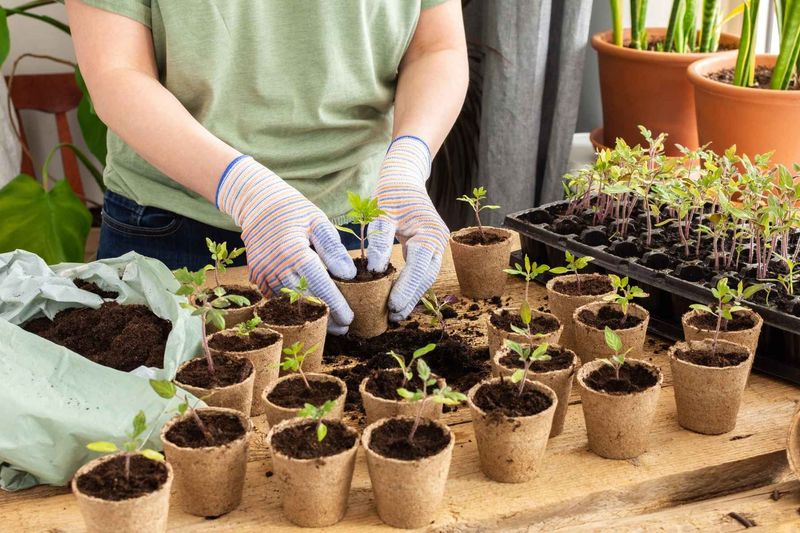
Fall vegetable planning in Arizona low-desert gardens runs on a tighter schedule than most first-time gardeners expect.
Tomatoes need several weeks to develop from seed into a transplant-ready seedling, and that time has to be counted backward from the target outdoor planting date.
In many parts of Arizona, that planting window often falls somewhere in late August through early September, depending on local conditions and elevation.
Starting seeds indoors in early to mid-July gives seedlings roughly six to eight weeks to develop before they are ready for the garden.
That timeline allows plants to grow past their most fragile early stage while still being young enough to establish quickly once moved outdoors.
Waiting too long to start seeds can push the transplant date back and shorten the window available for fruit production before winter temperatures arrive.
Gardeners who have grown fall tomatoes before often describe timing as one of the most important factors in the whole process. Getting the seed-starting date right sets everything else in motion.
A head start indoors during July is not about rushing the season but about working with Arizona’s unique climate calendar so plants are the right size at the right time when outdoor conditions finally become more favorable.
4. Tomatoes Set Fruit Better After Summer Heat Eases
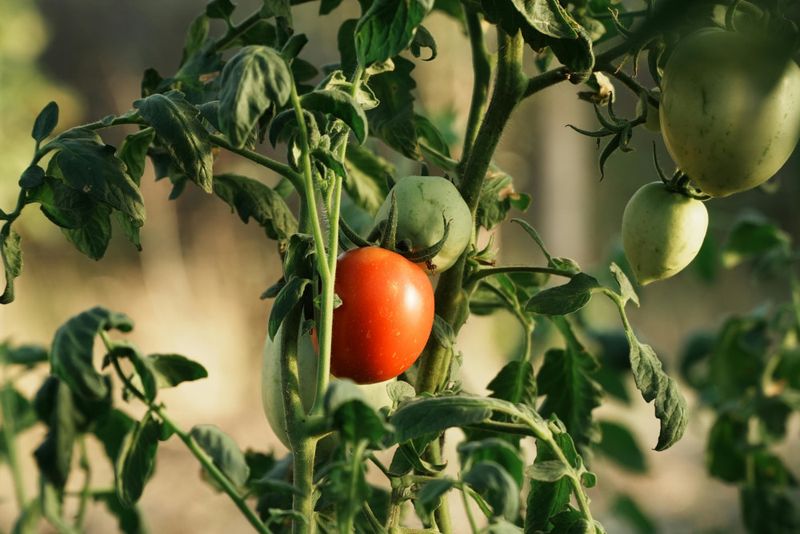
Watching a tomato plant loaded with blossoms but no fruit can be one of the more frustrating experiences in an Arizona summer garden. Flowers appear, then drop without setting, and the plant looks healthy otherwise.
That pattern is common during peak summer heat and has a lot to do with how tomato plants respond to extreme temperatures at the time of pollination.
Tomatoes tend to set fruit more reliably when daytime temperatures drop below around 95 degrees Fahrenheit and nighttime temperatures stay above 55 degrees.
Arizona’s fall season, typically from late September through November in low-desert areas, often hits that sweet spot.
Nights cool down noticeably, afternoons become more tolerable, and the stress that prevents fruit set during summer begins to ease off.
Having transplant-ready seedlings available when that weather shift happens is the whole goal of starting seeds indoors in July.
Plants that are already established and growing vigorously when fall conditions arrive can respond quickly to the improved temperatures.
They may begin flowering and setting fruit in a way that summer planting rarely allows. Indoor seed starting in July is really about being positioned and ready when Arizona’s fall gardening window opens up.
5. High Temperatures Can Reduce Tomato Pollen Viability
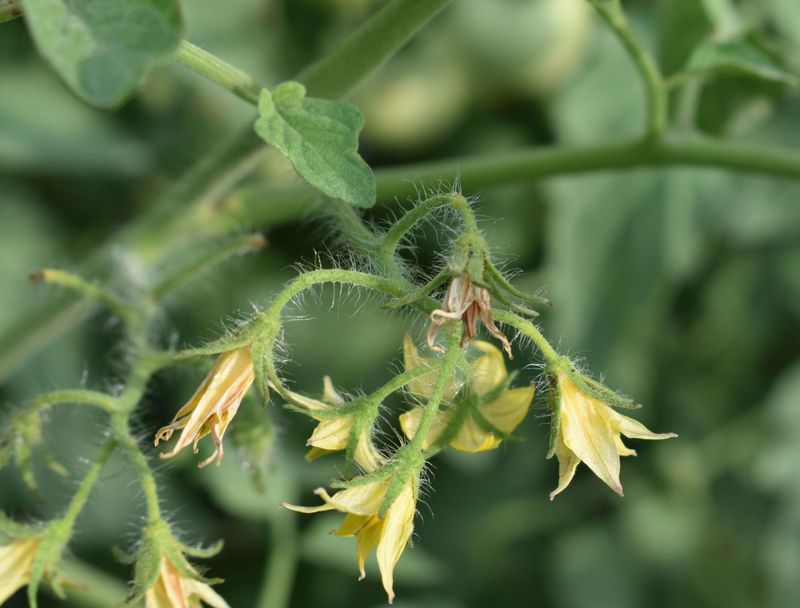
Pollen is more sensitive to heat than most home gardeners realize. When temperatures climb into the upper 90s and beyond, tomato pollen can become less viable, meaning it loses some of its ability to successfully fertilize flowers.
This is one of the key biological reasons why tomato plants in summer garden often drop their blossoms or fail to develop fruit even when the plants themselves appear to be growing well.
Extremely high nighttime temperatures can also interfere with pollen development. Tomatoes form their pollen overnight, and when nights stay warm for extended periods, the quality of that pollen can decline.
Arizona’s July and August nights often remain quite warm, which can compound the problem already created by intense daytime heat.
Starting seeds indoors during July does not solve the pollen problem directly, but it does allow gardeners to time their transplants so plants are flowering during Arizona’s fall season rather than midsummer.
When daytime and nighttime temperatures moderate in September and October, pollen viability tends to improve, and the chances of successful fruit set increase.
Growing plants to transplant size indoors while waiting for better outdoor conditions is a practical way to work around one of Arizona summer gardening’s most common challenges.
6. Indoor Conditions Make Moisture Easier To Control
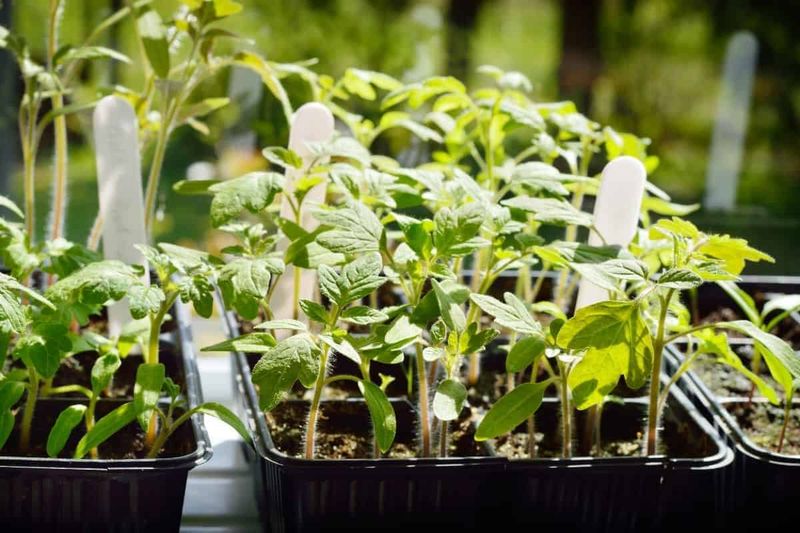
Keeping soil moisture consistent is one of the trickier parts of starting seeds outdoors in Arizona during July. The combination of dry desert air, intense sunlight, and high temperatures means surface soil can dry out within hours of watering.
That rapid moisture loss makes it hard to maintain the steady, evenly moist conditions that tomato seeds need to germinate reliably.
Indoors, that challenge becomes much more manageable. A seed tray inside an air-conditioned space loses moisture far more slowly than anything sitting in a backyard raised bed or patio container.
Gardeners can check trays once or twice a day and make small adjustments without worrying that soil will bake dry between visits. Covering trays loosely with a plastic dome or clear wrap can help retain even more moisture during the germination phase.
Good moisture control early in the seed-starting process can make a noticeable difference in germination rates and early seedling health. Tomato seeds that dry out before the root emerges may not recover well.
Overwatering is also a concern, but indoors it is easier to find a balance because conditions are far more predictable. For gardeners working through July heat, moving seed starting inside is one of the simplest ways to improve early results.
7. Starting Seeds Indoors Gives Gardeners More Variety Choices
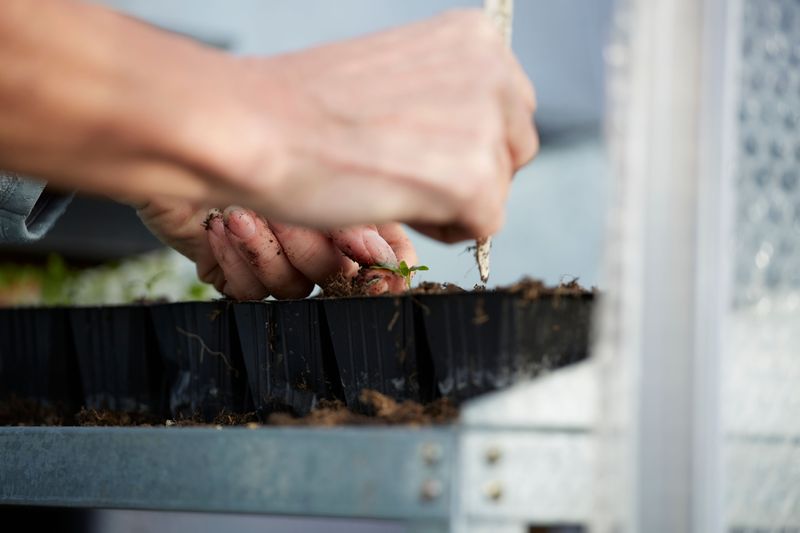
One of the quieter benefits of starting seeds indoors is the access it gives gardeners to a much wider range of tomato varieties than what is typically available as transplants at local nurseries.
By late summer, many Arizona garden centers carry only a limited selection of tomato starts, and those selections may not always be the best fit for a fall planting timeline or a specific garden setup.
Growing from seed opens up the full catalog of tomato varieties, including compact patio types suited for container gardens, short-season varieties bred to mature quickly, and heat-tolerant options that have performed well in low-desert conditions.
Gardeners with raised beds, small backyard plots, or patio container setups can choose varieties based on their specific space and preferences rather than whatever happens to be in stock at the store.
Seed catalogs and online suppliers offer far more selection than most retail garden centers, and ordering in advance means gardeners can plan their fall garden with intention rather than settling for what is available at the last minute.
Starting seeds indoors in July gives Arizona home gardeners the flexibility to experiment with different varieties and compare results from one season to the next.
Over time this process helps develop a better sense of what actually performs well in their particular corner of the Arizona low desert.
8. Short-Season Varieties Fit Arizona’s Fall Window Better
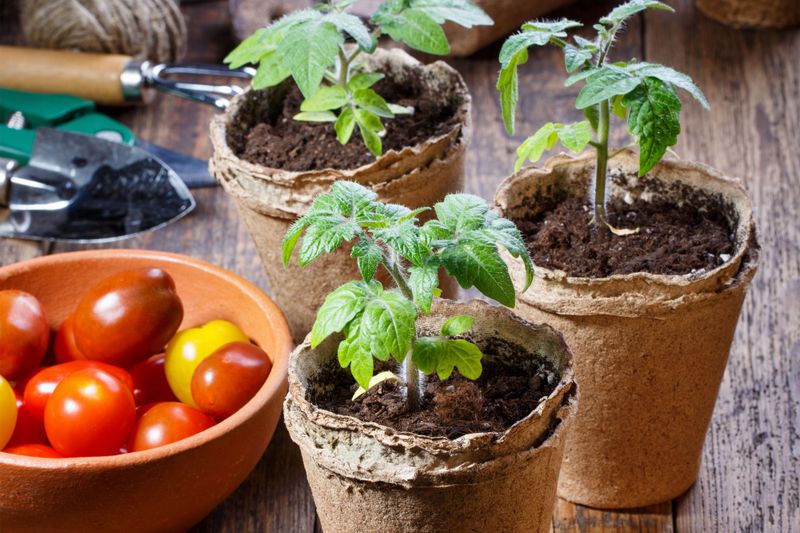
Not all tomato varieties are built the same when it comes to how long they need to reach harvest. Some varieties take 80 or more days from transplanting to produce ripe fruit, while others can be ready in 60 to 70 days or even less.
In Arizona’s fall gardening window, that difference matters quite a bit because frost can arrive in many parts of the state by late November or December.
Short-season varieties give fall tomato growers a better chance of reaching a meaningful harvest before cold weather shuts things down.
Cherry tomatoes are often a popular choice for fall gardens because many varieties mature quickly, produce fruit over an extended period, and handle mild temperature fluctuations reasonably well.
Compact determinate varieties can also work well in raised beds and container gardens where space is limited.
Choosing the right variety is one of the decisions that starting seeds indoors helps support.
When gardeners start from seed rather than purchasing transplants, they can research which short-season varieties have a track record in Arizona’s climate and order seeds that match their garden size and setup.
Starting them on a schedule that lines up with the fall planting window gives the whole process a much better chance of coming together at the right time.
Getting variety selection right from the beginning can make a real difference in fall tomato results.
9. Seedlings Can Be Hardened Off When Weather Improves
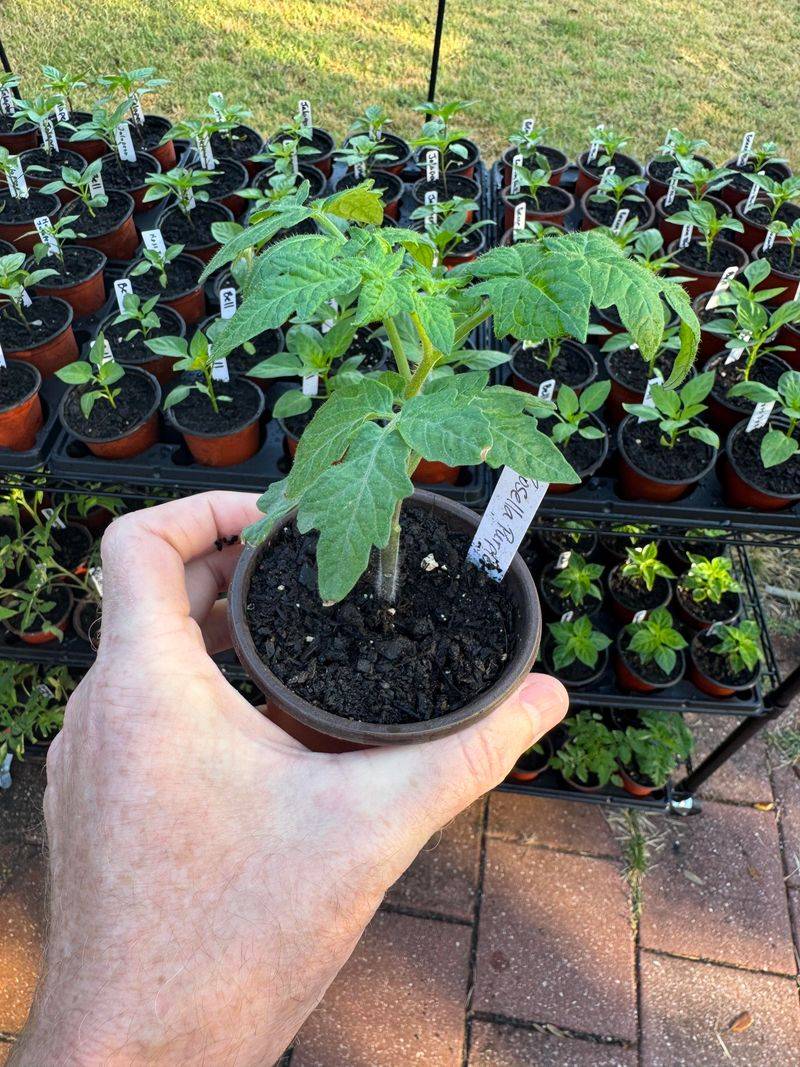
Cooling evenings in late August and early September can feel like a signal that Arizona’s brutal summer stretch is finally starting to ease.
That shift in temperature is also the right cue for gardeners who have been growing tomato seedlings indoors to begin the hardening-off process.
Hardening off means gradually exposing indoor-grown seedlings to outdoor conditions over a period of about one to two weeks before transplanting them into the garden.
The process usually starts with short outdoor sessions in a shaded or partially shaded spot during cooler parts of the day, like early morning or late afternoon. Over several days, the time outside is extended and the amount of direct sun is gradually increased.
This slow transition helps seedlings adjust to outdoor light intensity, temperature swings, and drier air without experiencing sudden stress that could set back their growth.
Skipping or rushing the hardening-off step can leave seedlings looking pale, wilted, or sunburned after transplanting, which delays establishment and reduces the plant’s ability to recover quickly.
Arizona gardeners who have spent weeks carefully growing seedlings indoors have good reason to take hardening off seriously.
A thoughtful transition from indoor to outdoor conditions gives those seedlings the best possible start in the fall garden.