These Are The Arizona Plants That Actually Thrive When Monsoon Rain Arrives After Months Of Heat
Most desert plants just survive the dry season. But when monsoon storms roll in across the Southwest, a handful of plants do something remarkable — they wake up, bloom hard, and put on a show that feels almost impossible after months of brutal heat.
Gardeners and nature lovers who pay attention to the seasonal shifts know that the desert is not sleeping. It is waiting.
The stretch from late June through September brings fast-moving storms, sudden downpours, and enough moisture to completely change how the landscape looks and feels. Some plants are perfectly built for exactly this moment.
They have adapted over thousands of years to take full advantage of every drop. Knowing which plants respond best to monsoon conditions helps you plan a smarter, more resilient garden that looks great even after the toughest summer on record.
Whether you are tending a backyard garden in the Sonoran Desert or just watching the wild landscape come alive, these eight plants are worth knowing well.
1. Angelita Daisy Puts On A New Flower Show After Summer Rain
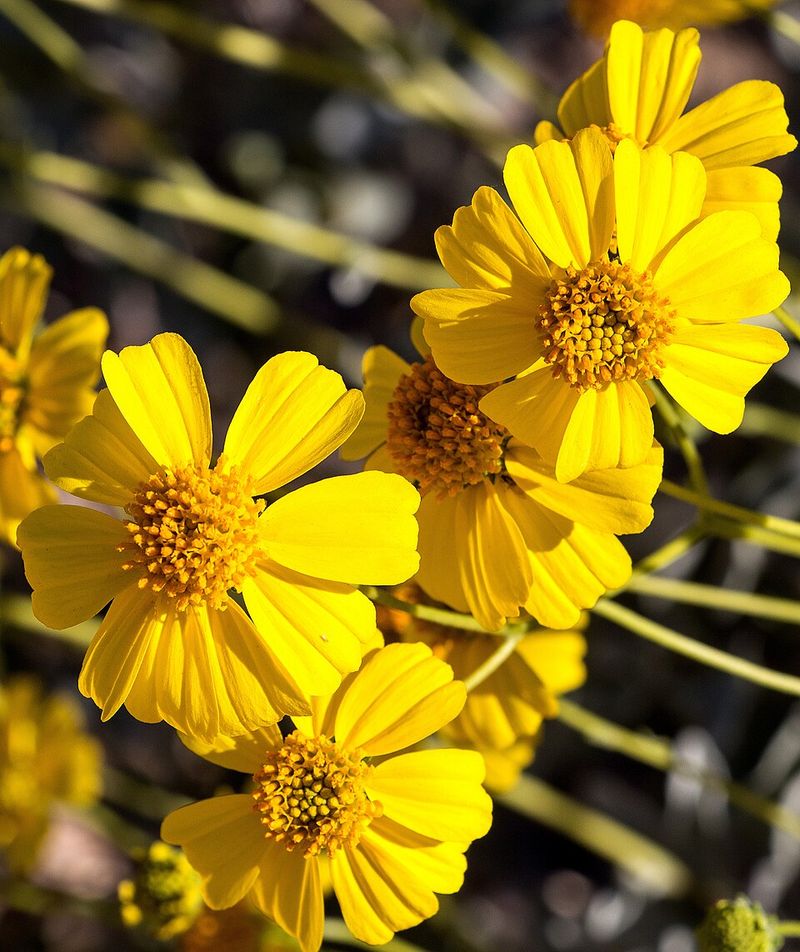
Yellow does not fade on Angelita Daisy. Right after a monsoon downpour soaks the ground, this tough little perennial pushes out a fresh round of blooms like it has been saving energy all summer long.
Angelita Daisy, also known as Tetraneuris acaulis, grows low to the ground and stays compact. It handles the extreme heat without complaint, but it genuinely responds to moisture.
Rainwater triggers a noticeable burst of new flowers within days.
Gardeners across the desert Southwest love it because it asks for almost nothing. Once established, it rarely needs watering between storms.
Sandy or rocky soil works fine, and it does not need rich amendments to perform well.
The blooms are small but cheerful. Each flower is a clean, sunny yellow with a slightly raised center.
Planted along pathways or at the edges of rock gardens, it creates a warm, welcoming look without requiring much maintenance.
Pollinators find it quickly after rain returns. Bees and small butterflies visit the flowers regularly during the monsoon season.
That makes it a practical choice for anyone trying to support local wildlife while keeping a low-maintenance yard.
It holds up through humid conditions too, which can be a problem for some desert plants. Good drainage matters most.
When water drains freely from the roots, Angelita Daisy stays healthy and keeps producing flowers well into fall.
2. Red Yucca Stays Steady Through Monsoon Storms
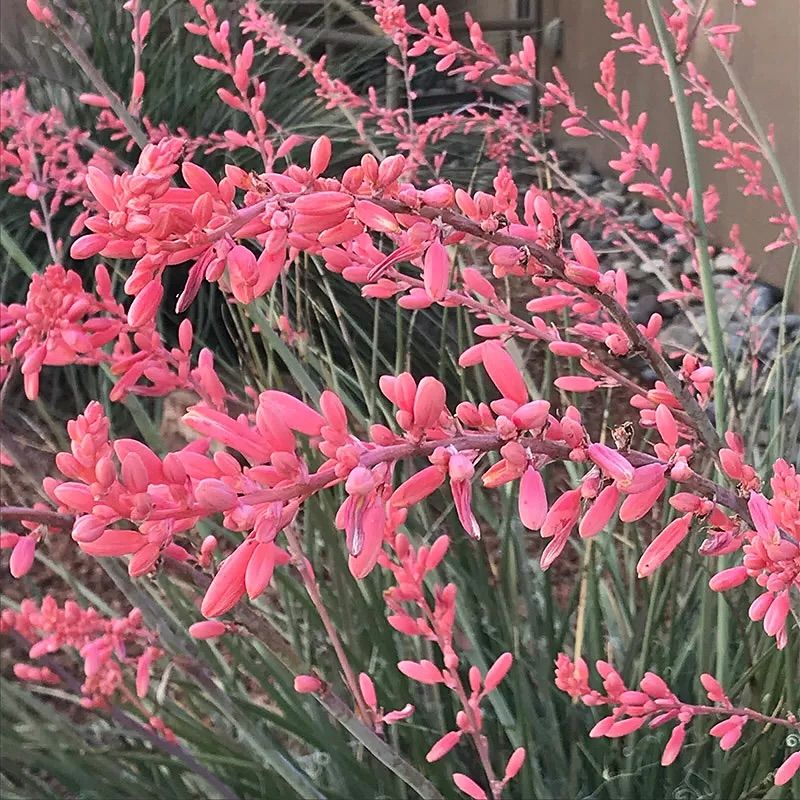
Storm after storm, Red Yucca does not flinch. While other plants get battered by monsoon winds and heavy rain, this plant stands firm and keeps its tall flower spikes pointing straight up toward the sky.
Hesperaloe parviflora is the botanical name, and it earns its reputation as one of the most reliable plants in dry-climate gardens. It is not a true yucca, despite the common name.
It is more flexible, softer in texture, and far less likely to cause problems near walkways.
Coral-pink tubular flowers line the tall stalks from late spring through summer. Monsoon moisture extends the blooming window.
Your Arizona Garden Changes Every Week. Your Plan Should Too.
Gardening in Arizona changes quickly throughout the season. Every Friday you’ll receive a simple weekly plan showing exactly what to plant, prune, fertilize, harvest, and protect so you never miss the right timing.
More water during this period often means more flower stalks emerging from the base of the plant.
Hummingbirds are drawn to the flowers with impressive consistency. If you want a reliable way to attract them during the humid monsoon weeks, Red Yucca delivers.
Plant it where you can watch from a window or patio and enjoy the activity.
Root rot is a real risk if water pools around the base. Raised beds or naturally sloped ground help drainage stay efficient.
Once water drains well, this plant handles monsoon rainfall without any problems.
Cold winters do not bother it much either. It handles temperature swings across seasons without losing its structure.
That kind of durability makes it a smart long-term addition to any low-water landscape design.
3. Desert Ruellia Springs Back Fast After Downpours
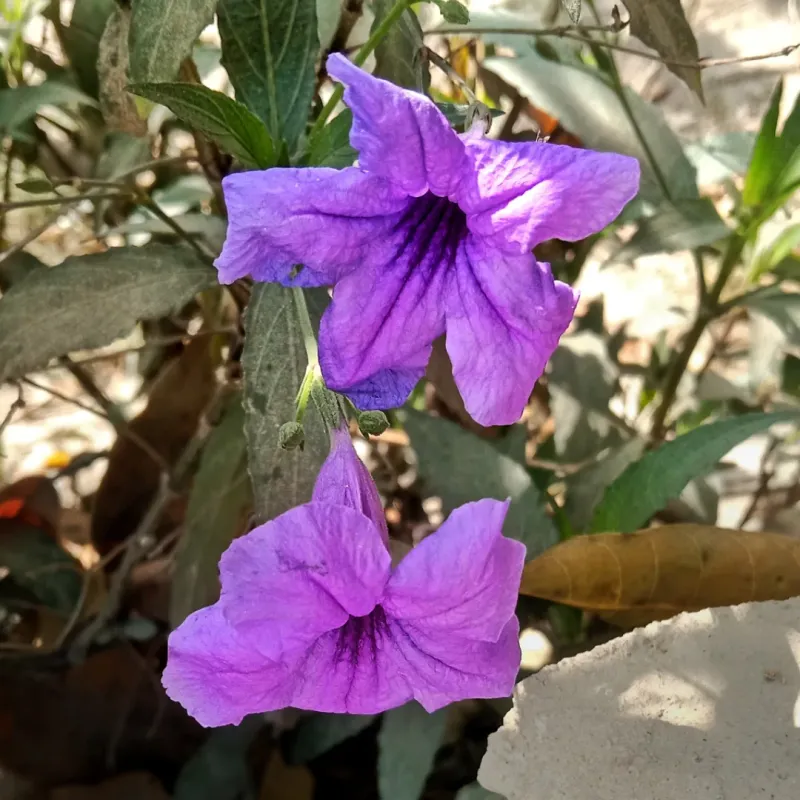
Watch a Desert Ruellia after the first real monsoon rain and you will see exactly what resilience looks like. Flowers that looked sparse during the dry stretch suddenly multiply, and the whole plant looks refreshed within a couple of days.
Ruellia peninsularis is native to the Sonoran Desert region, which means it is already dialed in to local rainfall patterns. It does not need coaxing or extra care when rains arrive.
It simply responds on its own schedule.
Purple trumpet-shaped flowers are the main draw. They are bold enough to catch your eye from a distance but delicate enough to look elegant up close.
Blooming picks up noticeably during and after monsoon storms.
Heat does not slow it down during the dry months. It goes semi-dormant when conditions are very dry, conserving moisture and waiting.
Once rains arrive, growth resumes quickly and the plant fills out again with fresh foliage.
Butterflies and hummingbirds both visit the flowers. Planting it near other nectar sources creates a reliable feeding zone during the monsoon season when insect and bird activity increases dramatically across the desert landscape.
Pruning is simple. Cut it back lightly after the monsoon season ends to encourage a tidier shape going into winter.
It bounces back reliably each year without much intervention, making it an easy and rewarding plant to grow in rocky or sandy conditions.
4. Chuparosa Looks Better As Moisture Returns
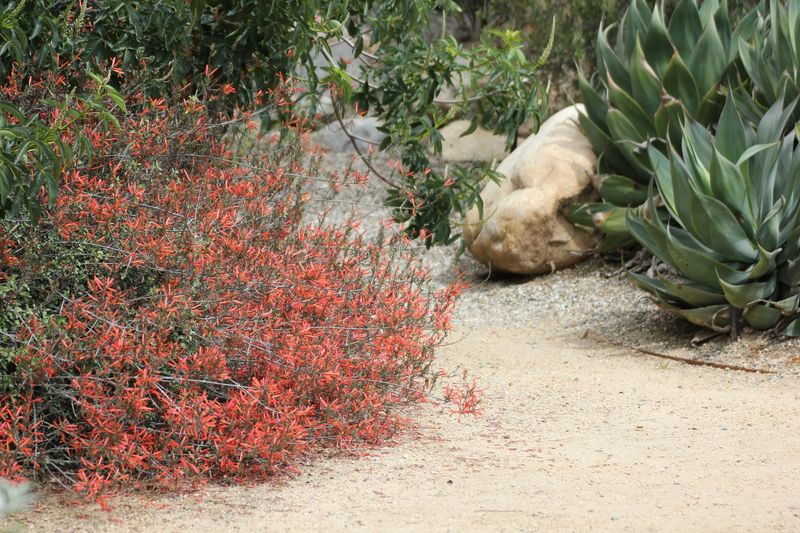
Chuparosa has a reputation, and it earns it every monsoon season. Named for hummingbirds, this scrappy desert shrub practically transforms once moisture returns to the landscape after weeks of punishing dry heat.
Justicia californica grows naturally along desert washes and rocky slopes. It is built to respond to irregular water.
During dry spells, the stems may look bare and a little rough. Add monsoon rain, and the plant pushes out new growth and bright red tubular flowers fast.
Those red flowers are not just pretty. They are a critical food source for hummingbirds migrating through the region during late summer and early fall.
Planting Chuparosa near a patio or window gives you front-row access to that activity.
Full sun is where it performs best. It does not need shade protection during hot months.
The stems handle intense heat without scorching, and the root system stays stable through wet and dry cycles without much trouble.
Pruning is optional and mostly cosmetic. Some gardeners cut it back lightly after the bloom cycle slows.
Others leave it alone and let it grow into a loose, natural shape that blends well with boulders and native grasses.
Water needs are minimal once the plant is established. Monsoon rain usually provides enough moisture to keep it going through the season.
Supplemental watering between storms is rarely necessary in most desert garden settings.
5. Baja Fairy Duster Takes Off Once Rainfall Picks Up
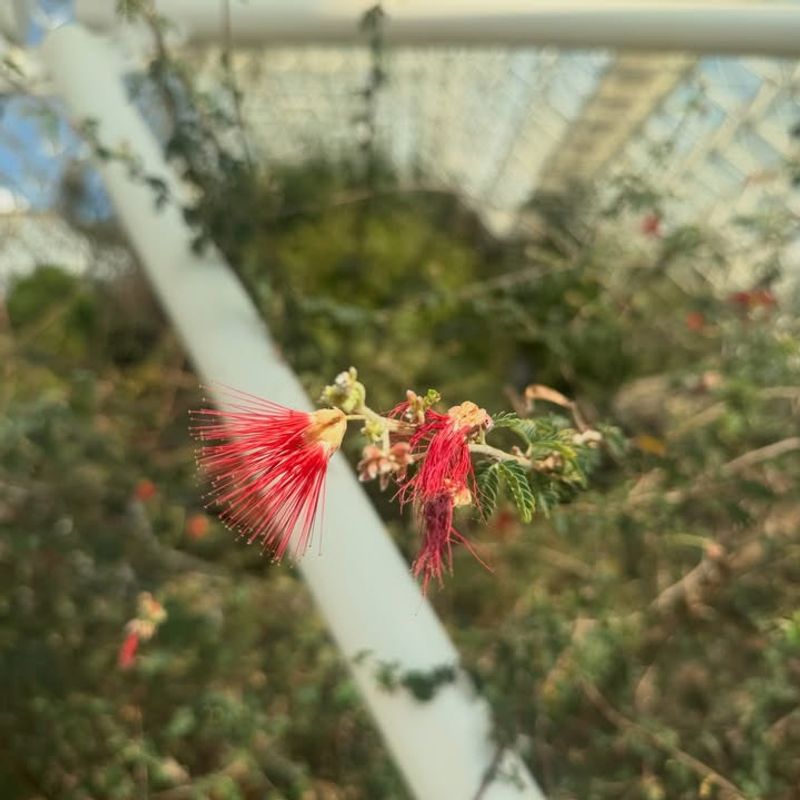
Few plants have a name as fitting as Baja Fairy Duster. Those fluffy, powder-puff blooms in deep red look almost unreal, and they appear with renewed energy once monsoon rains start soaking the ground after a long dry stretch.
Calliandra californica is native to Baja California and adapts well to similar desert climates across the Southwest. It grows quickly when conditions are right, and monsoon season is exactly the right condition.
Expect noticeable growth spurts during and after heavy rains.
The flowers are unlike most desert plants. Long, bright red stamens form the characteristic fuzzy clusters that give the plant its name.
Hummingbirds target them consistently, and the plant blooms repeatedly throughout the monsoon season rather than all at once.
Established plants handle drought between rain events without much stress. They may slow down during very dry stretches, but they do not require constant irrigation to stay alive.
Once monsoon rain returns, growth and flowering resume on their own.
Placement near a wall or fence helps in colder regions, as Baja Fairy Duster prefers warmth. In frost-prone areas, a sheltered spot protects it through winter so it comes back strong the following monsoon season.
Pruning keeps the shape manageable. Left unpruned, it can get quite large and open.
A light trim after the main bloom period encourages denser growth and more flowers during the next active cycle. It is a rewarding plant for patient gardeners.
6. Globe Mallow Holds Its Color Through Seasonal Shifts
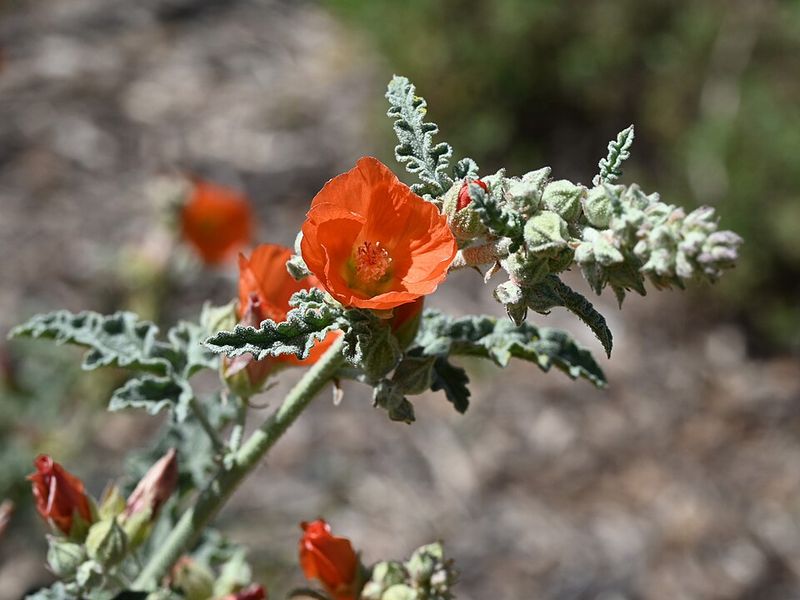
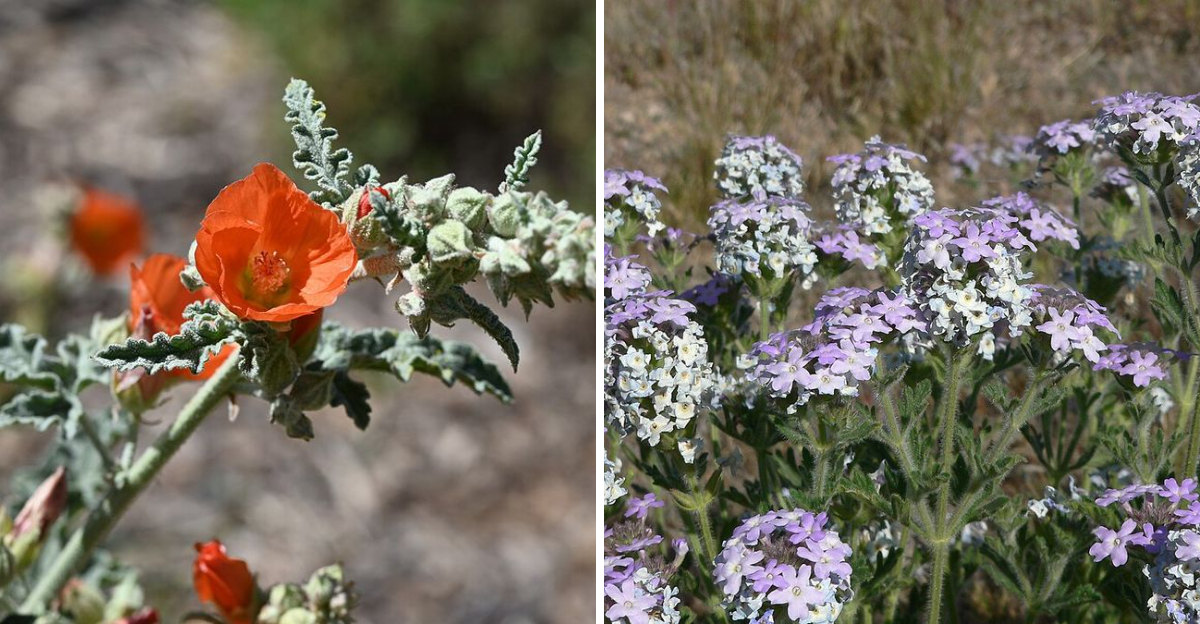
Orange is not a subtle color, and Globe Mallow does not do subtle. Even as temperatures swing between dry heat and humid monsoon air, this plant holds onto its vivid blooms with impressive consistency.
Sphaeralcea ambigua grows wild across desert flats and rocky hillsides throughout the Southwest. It handles poor soil, gravel, caliche, and intense sun without complaint.
Monsoon moisture is a bonus, not a requirement, but the plant responds to it with a noticeable uptick in flower production.
Cup-shaped flowers in shades of orange, coral, and occasionally pink or white cluster along upright stems. Bees work these flowers heavily during the monsoon season.
The pollen is abundant, and pollinators seem to prefer Globe Mallow when it is actively blooming after rain.
One thing worth knowing: the tiny hairs on the leaves can irritate eyes if you touch them and then rub your face. It is a minor issue, but worth mentioning if you have children or pets who explore the garden closely.
Pruning after the bloom cycle improves the plant’s shape and encourages fresh growth. Cutting stems back by about a third helps maintain a compact, full appearance rather than a sprawling, leggy look.
Globe Mallow reseeds freely. New plants often appear around the base of established ones after a wet monsoon season.
That natural spreading habit makes it an easy way to fill in open areas of a desert garden over time.
7. Desert Marigold Keeps Blooming During Humid Spells
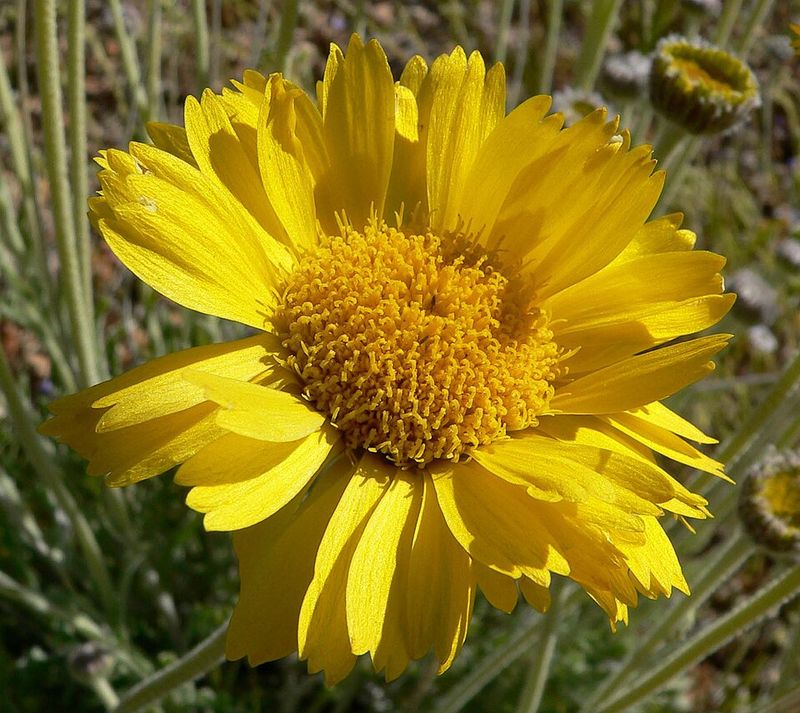
Golden and unstoppable, Desert Marigold blooms through conditions that would slow most flowering plants down. Humidity, sudden storms, and shifting temperatures during monsoon season barely register as obstacles for this tough native.
Baileya multiradiata is one of the most reliable bloomers in the desert Southwest. It starts flowering in spring and continues through fall, with monsoon rain often triggering fresh waves of bright yellow flowers across the plant.
Each bloom is a cheerful, daisy-like flower on a slender stem. They hold up well even after heavy rain.
The petals do not collapse or turn brown quickly, which makes Desert Marigold a dependable source of color throughout the entire monsoon season.
Dry, well-drained soil is essential. This plant does not tolerate soggy roots.
If your garden has heavy clay or low spots where water pools, Desert Marigold will struggle. Sandy or gravelly soil is where it truly excels.
Self-seeding is one of its best traits. After blooms fade, seeds scatter and new plants emerge nearby.
Over a season or two, a single plant can populate a wide area without any effort from the gardener.
Butterflies and bees visit the flowers regularly. During the active monsoon period, when insect populations peak across the desert, Desert Marigold becomes a busy hub of pollinator activity.
It is worth planting in visible spots so you can watch the wildlife traffic up close.
8. Goodding’s Verbena Brings Fresh Color Late In The Season
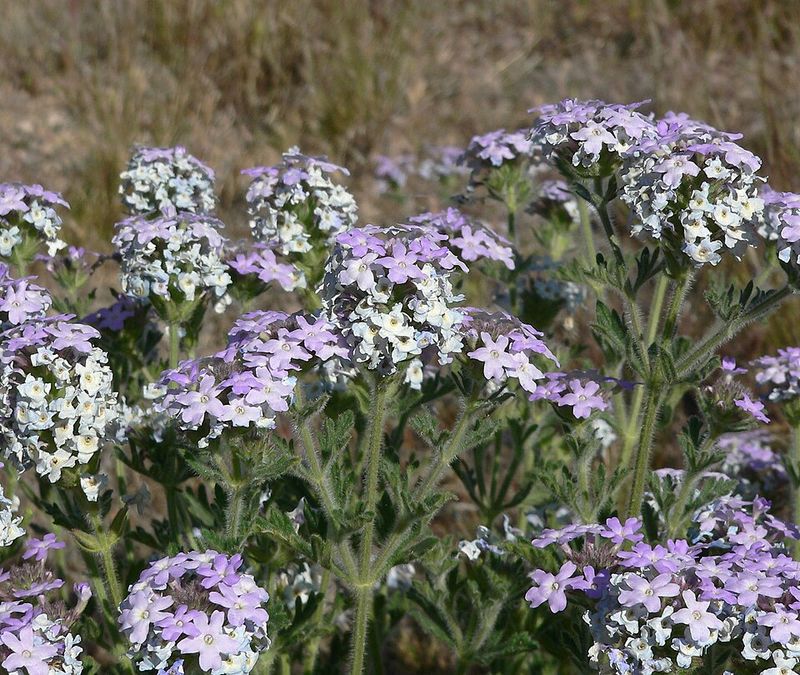
Late summer is when most gardens start looking tired. Goodding’s Verbena disagrees.
Monsoon moisture often encourages fresh growth and additional flowering, helping it maintain color through late summer.
Glandularia gooddingii is a native wildflower that thrives in rocky or sandy desert soils. It does not need rich amendments or regular feeding.
What it needs is exactly what monsoon season provides: warm temperatures, occasional soaking rain, and good drainage.
Growth habit is low and spreading. Stems trail outward from a central root system and root lightly where they touch the ground.
Over a single season, one plant can cover a surprisingly wide patch of bare soil with color and texture.
Butterflies absolutely love it. During the humid weeks of monsoon season in the Sonoran region, Goodding’s Verbena becomes a landing pad for multiple species.
Queens, skippers, and painted ladies are all frequent visitors to the flowers.
It handles heat without needing shade. Full sun exposure does not burn the foliage or reduce flowering.
Consistent warmth combined with periodic rain creates the ideal growing window for this plant to reach its peak performance.
Once established, it needs very little supplemental water. Monsoon rain carries it through the active season.
After the rains taper off in September, the plant slows naturally and often reseeds before going dormant. New plants emerge the following season without any extra effort needed.