What It Really Means When An Owl Shows Up In Your Texas Yard
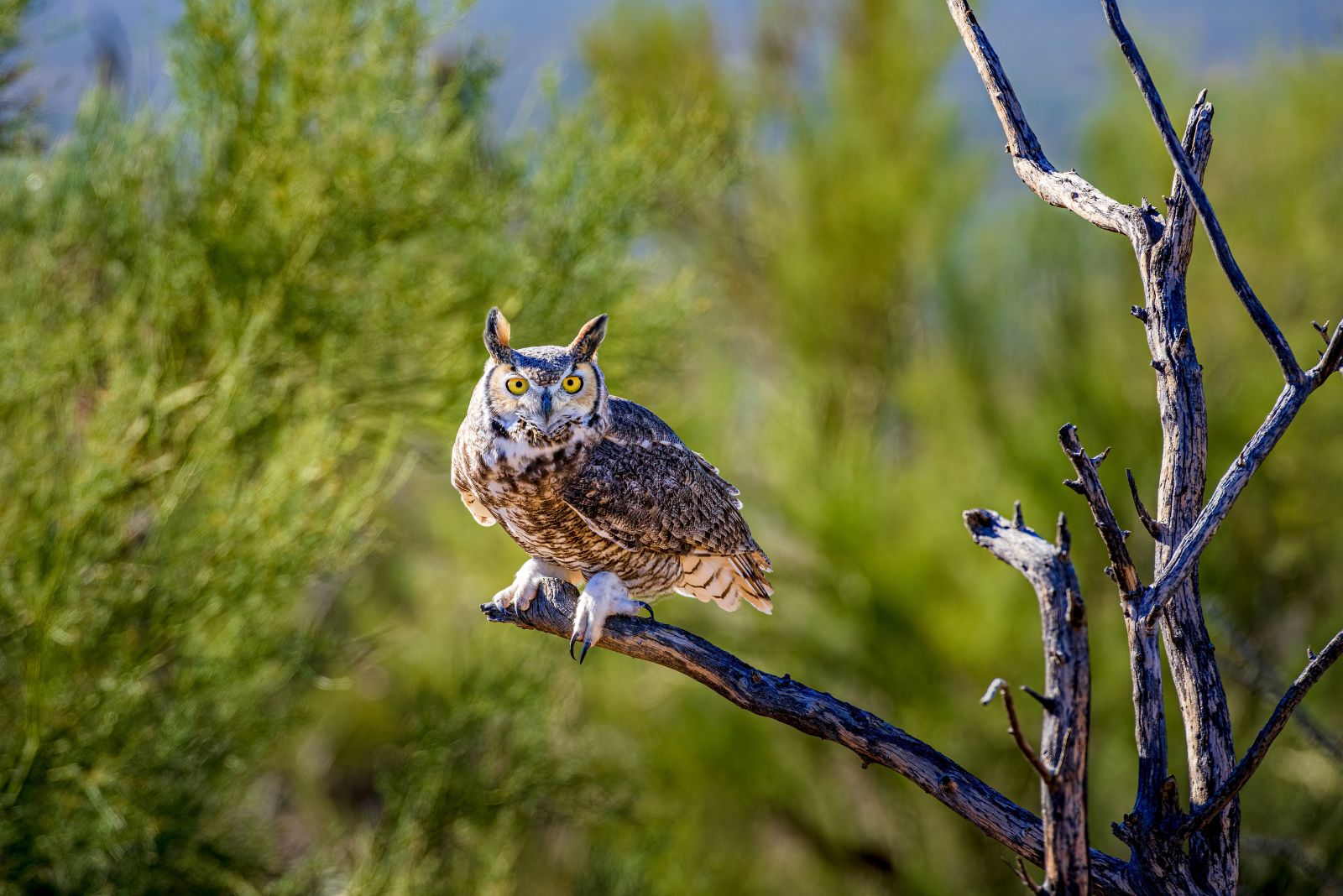
An owl in your Texas yard has a way of making everything feel still for a moment.
Whether you spot one perched silently in a tree at dusk or hear that deep, resonant call drifting across the yard in the middle of the night, there’s something about an owl that commands attention in a way most other wildlife simply doesn’t.
And if one has been showing up regularly, you’ve probably wondered what it means. Owls don’t wander into yards randomly.
They’re purposeful hunters with very specific habitat requirements, and when one claims your yard as part of its territory, it’s responding to real conditions your property is providing.
Their presence tells you something meaningful about your local rodent population, your tree cover, and the overall health of your immediate environment.
Beyond the practical, owls carry deep symbolic meaning across cultures and generations, and in Texas, where wildlife and folklore run close together, a visiting owl rarely goes without interpretation.
1. Your Yard Has Prey Nearby
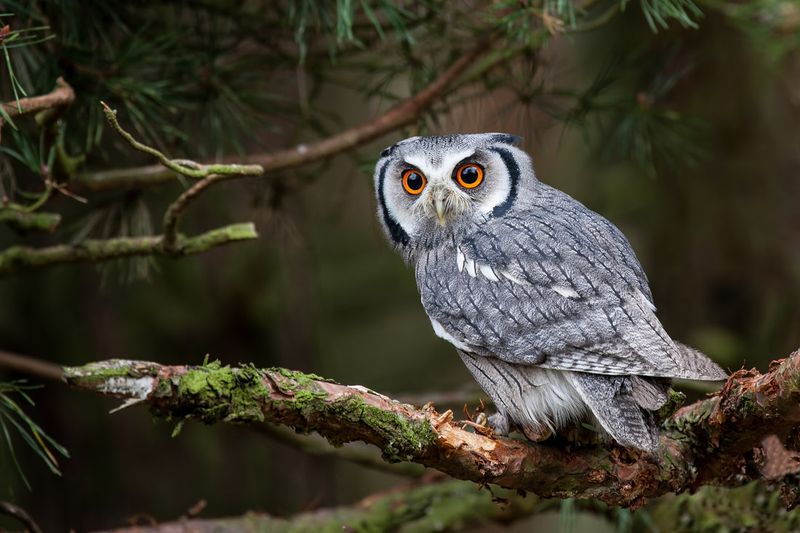
Picture this: it is late at night, and a large owl is sitting perfectly still in your yard, staring at the grass below. That focused, intense look means one thing. Your yard is serving up dinner.
Owls are hunters, and they are very good at their job. Texas yards can be full of exactly what owls want to eat.
Mice, rats, small snakes, lizards, beetles, grasshoppers, and even small frogs are all fair game. If your yard has any of these creatures moving around after dark, an owl will notice.
Owls have incredible hearing. They can detect the faint rustle of a mouse under leaves from high above.
Their eyesight in low light is also far sharper than a human’s. So even if you cannot see or hear anything in your yard at night, an owl absolutely can.
Having prey in your yard is the number one reason owls visit. It is not something to worry about.
Small animals are a natural part of any outdoor space. Mice and insects show up in almost every Texas yard, whether you realize it or not.
An owl hunting in your yard is actually doing you a favor. One barn owl family can consume hundreds of rodents in a single nesting season.
That is free, natural pest control with no traps or chemicals needed. Embrace the presence of a hunting owl.
It means your yard is alive and full of the natural activity that keeps local ecosystems moving forward.
2. You Have Good Perching Spots
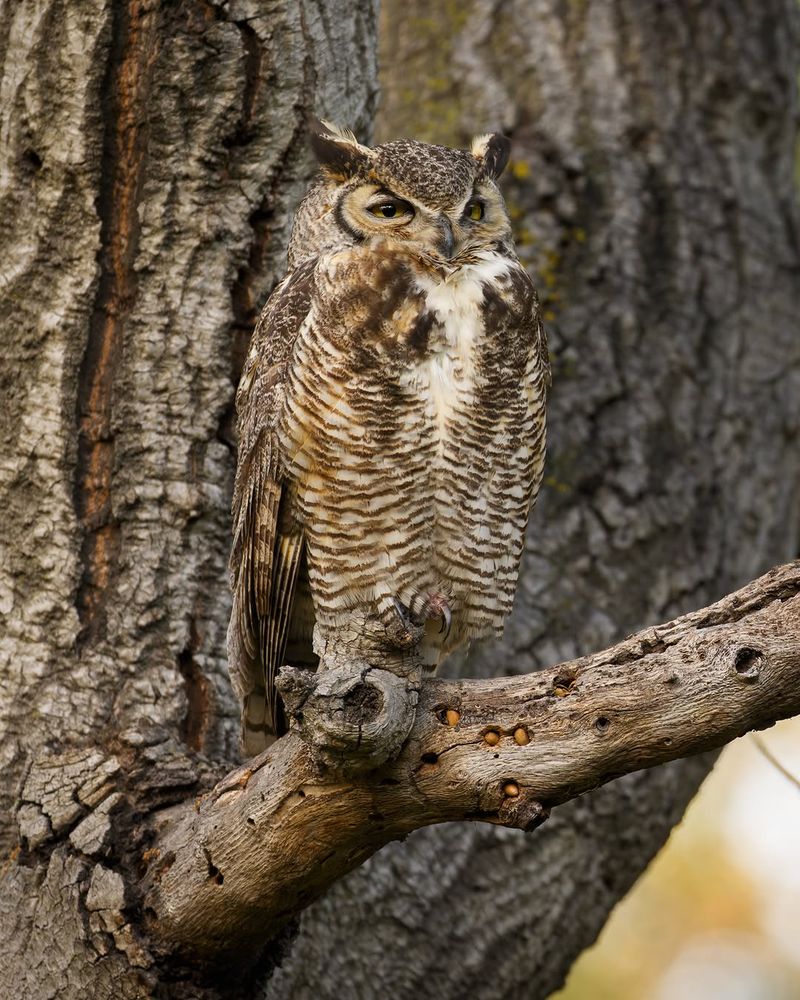
Owls are not just looking for food when they pick a yard. They are also looking for the perfect place to sit and wait. A good perch is one of the most important things an owl needs to hunt successfully.
Large trees are the most obvious perching spot. Mature oaks, pecans, and cedars are common in Texas yards and give owls a high, stable place to survey the ground below.
But owls are not picky. Fence posts, rooflines, utility poles, and even dry tree limbs work just as well.
Your Texas Garden Changes Every Week. Your Plan Should Too.
Gardening in Texas changes quickly throughout the season. Every Friday you’ll receive a simple weekly plan showing exactly what to plant, prune, fertilize, harvest, and protect so you never miss the right timing.
What makes a perch useful is the combination of height and open space below it. An owl needs to see clearly across a wide area.
If your yard has a tall fence post overlooking an open lawn, that is prime owl real estate. The bird can sit quietly, scan the ground, and swoop down the moment something moves.
Dry limbs and snags, which are standing dry trees or branches, are especially valuable. Many people remove dry wood from their yards, but leaving some of it in place can make your space much more attractive to owls and other wildlife.
You might not even realize how many good perches your yard already has. Walk around at dusk and look at your yard from an owl’s point of view.
Look for high spots with clear sightlines to open ground. If you have several of those, it is no surprise an owl has found your yard appealing.
Adding a simple post or leaving a dry limb in place can make a big difference in how often owls visit.
3. Your Neighborhood May Have Nesting Habitat
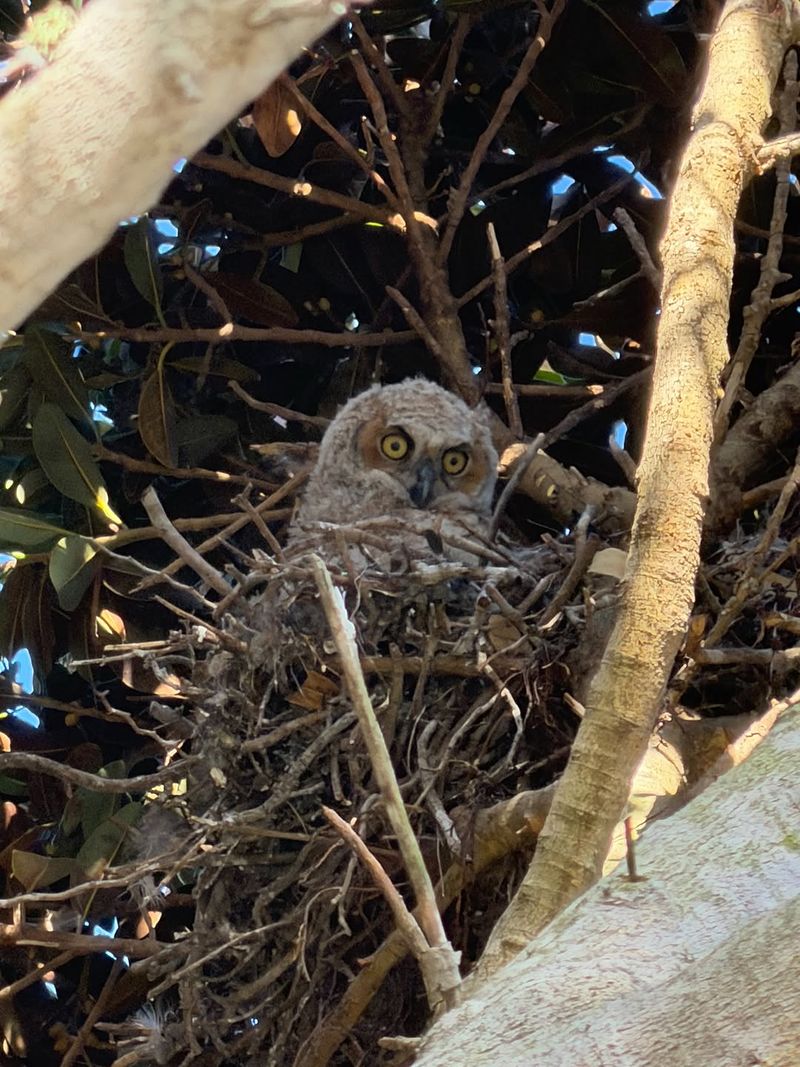
When an owl keeps showing up in the same yard night after night, it is worth asking a simple question. Could this owl be nesting somewhere close by?
Texas is home to several owl species that nest in surprising places. Barn owls love the inside of old barns, sheds, and even church steeples.
Eastern screech-owls tuck into natural tree cavities or wooden nest boxes. Great horned owls often take over old hawk or crow nests in tall trees.
Burrowing owls nest underground in open fields and pastures. Each species has its own preferences, but all of them need safe, quiet spots to raise their young.
Palm trees are a unique Texas feature that some owls use. The thick, shaggy skirt of dry fronds around a palm crown can hide a small owl family completely.
If you have palms in your yard or nearby, it is worth knowing that screech-owls have been found nesting in them across Texas cities.
Breeding season for most Texas owls runs from late winter through spring. Great horned owls start even earlier, sometimes nesting in January.
If you are seeing an owl repeatedly during those months, it may be scouting your yard or nearby trees as a possible nesting site.
Putting up a wooden nest box designed for screech-owls is one of the best things you can do to encourage nesting.
Mount it on a tree or post, face it away from strong afternoon sun, and leave it alone once it is up. You might be surprised at how quickly a small owl finds it and moves in for the season.
4. Your Yard Is Quiet Enough For Hunting
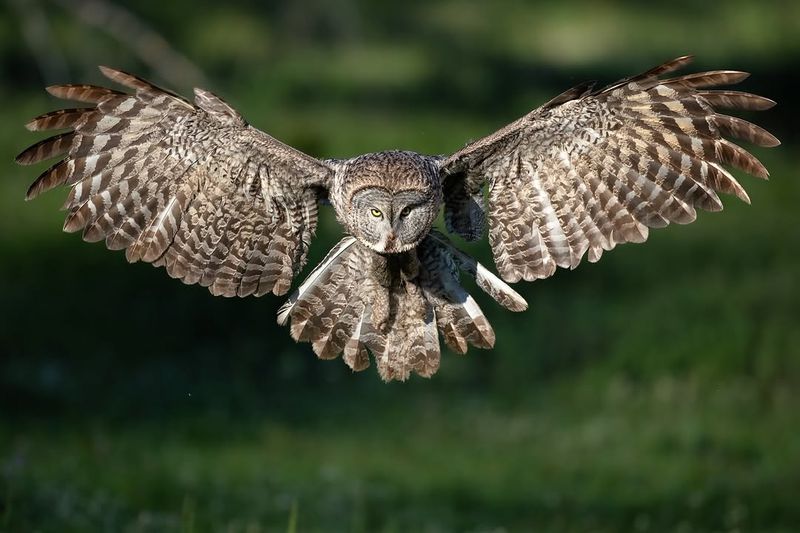
Owls rely on sound almost as much as sight when they hunt. That is why a noisy, brightly lit yard is usually not on an owl’s list of favorite spots.
If an owl is visiting your yard, there is a good chance your space is quieter and darker than most.
Noise is a real problem for hunting owls. They listen for the tiny sounds their prey makes while moving through leaves, grass, or soil.
Loud music, bright floodlights, barking dogs, and heavy foot traffic can make it nearly impossible for an owl to hunt effectively. Your yard being calm and relatively undisturbed at night is a genuine advantage.
Mature trees help in more ways than one. They block some ambient light from streets and neighboring homes, creating darker pockets where prey animals feel safe enough to move around.
Those same dark corners are exactly where an owl wants to hunt. Interestingly, owls themselves are nearly silent fliers. Their feathers are specially shaped to muffle the sound of their wingbeats.
This means prey cannot hear them coming, which makes the hunt more successful. But for that strategy to work, the owl still needs a quiet environment to hear its target first.
If your neighborhood has a lot of nighttime activity, owls may only visit during the quietest hours, usually well after midnight. Keeping outdoor lights low or using motion-activated lights instead of all-night floods can help.
A yard that stays dark and calm through the night is the kind of place a hunting owl will return to again and again without hesitation.
5. It Can Be A Sign Of A Healthier Backyard Ecosystem
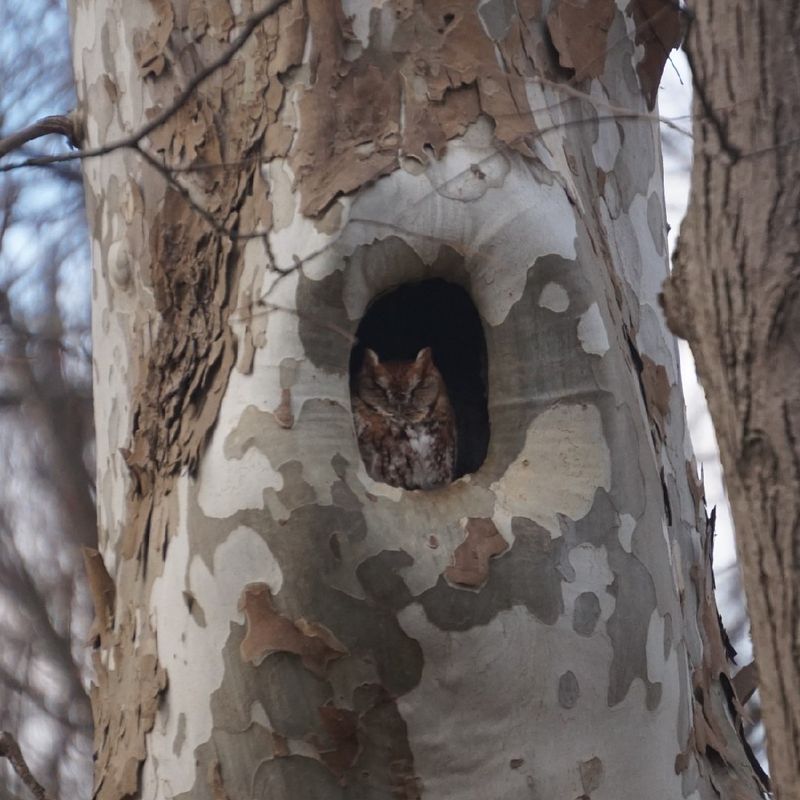
Here is something worth celebrating. An owl visiting your yard is often a sign that your outdoor space is doing something right.
Owls sit near the top of the local food chain, and they only show up where the ecosystem below them is healthy enough to support them. Think about what an owl needs. It needs prey animals.
Those prey animals need food of their own, whether that is seeds, insects, or plant material. Insects need native plants to feed on and lay eggs in.
Native plants need healthy soil with good microbial activity. Every link in that chain has to be working for an owl to eventually show up at the top.
Yards with native Texas plants tend to support far more insects than yards filled with non-native grass or ornamental plants. More insects mean more lizards, frogs, and small mammals.
More of those animals mean more food for owls. It really is that connected. Reducing or stopping pesticide use is one of the most powerful things a Texas homeowner can do for backyard wildlife. Pesticides do not just affect the insects you want to get rid of.
They move through the food chain and can affect owls and other predators that eat poisoned prey. A yard that avoids chemicals gives the whole ecosystem a better chance.
Brushy edges, leaf litter piles, and small brush piles also help by giving small animals shelter and food. These features might look a little messy, but they are incredibly productive for wildlife.
An owl circling your yard at dusk is one of the best compliments nature can pay to the choices you have made as a steward of your land.
6. You Should Watch, Not Feed Or Disturb It
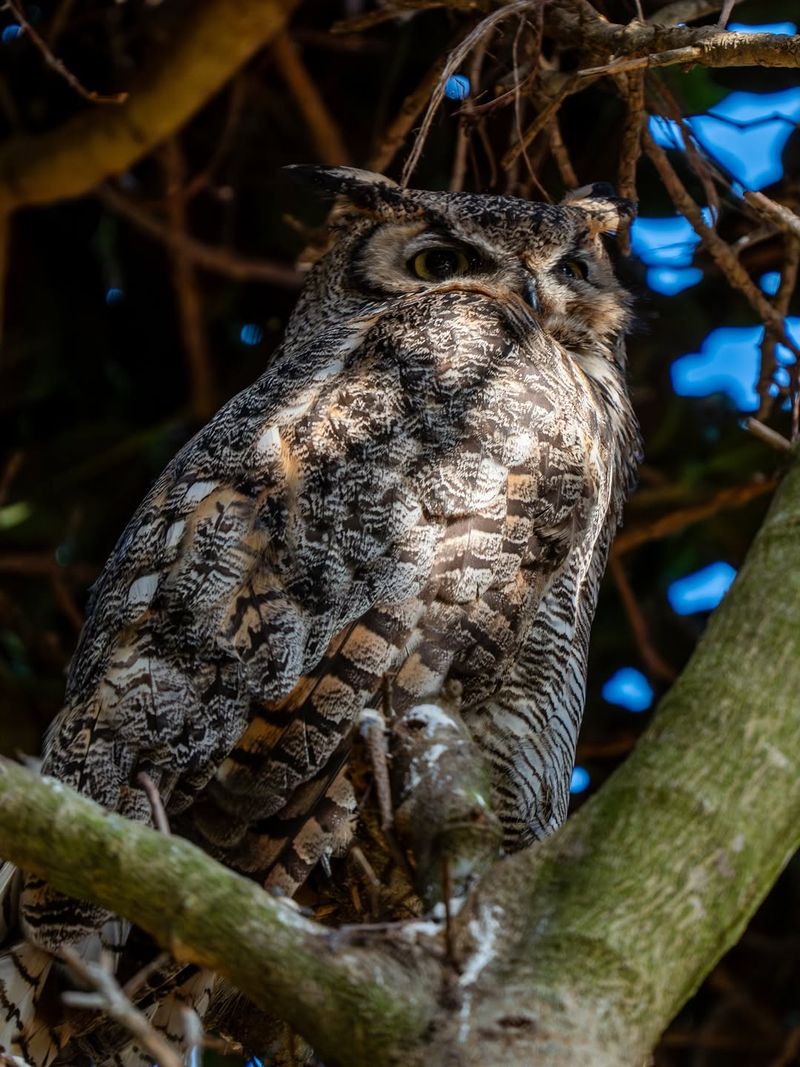
Seeing an owl up close is genuinely exciting. It is tempting to walk toward it, shine a light on it, or try to get a better look.
But the best thing you can do for the owl and for yourself is to simply watch from a distance and let it do its thing.
Owls are wild animals, and they can be stressed by human attention even when they appear calm. Repeated disturbance at a roost or nest site can cause an owl to abandon the spot entirely.
If a screech-owl has moved into a nest box or tree cavity near your home, avoid tapping on the tree, shining lights into the hole, or spending long periods right underneath it.
One of the most important things Texas homeowners can do is stop using rodent poison, also called rodenticide. When an owl eats a mouse or rat that has consumed poison, the owl absorbs that poison too.
This is called secondary poisoning, and it is one of the leading causes of owl harm across North Texas cities and suburbs. Snap traps are a much safer option if you need to manage rodents indoors.
Keeping pets supervised at night is also smart. Cats allowed to roam freely after dark can disrupt an owl’s hunting area and compete for the same small prey.
Small dogs can occasionally attract the attention of larger owls, so a quick supervised trip outside is the safest routine.
Protecting mature trees and putting up a nest box are two of the most meaningful long-term steps you can take. Let the owl hunt naturally, stay curious, and enjoy one of Texas’s most fascinating nighttime visitors from a respectful distance.