The Surprising Reasons Steller’s Jays Are Attracted To Your Oregon Garden
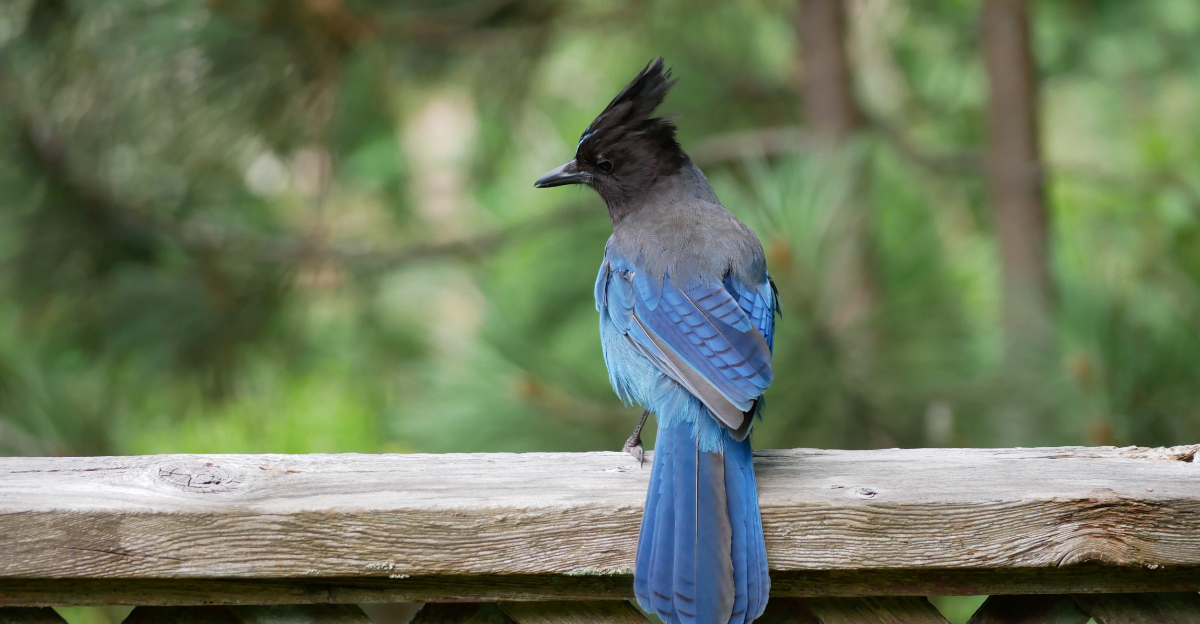
Steller’s jays rarely arrive quietly. Their bold blue feathers flash through the branches, their calls cut across the yard, and suddenly the garden feels like it has gained a very opinionated new resident.
Seeing them once may feel like luck. Watching them return again and again suggests something about the space is especially appealing.
The funny part is that the reason may have little to do with the bird feeder.
These clever birds notice details that people often overlook. A certain corner may offer comfort, while one ordinary garden habit could make the whole yard more interesting.
Apparently, your landscaping has a secret fan club. Their visits can reveal a surprising amount about what an Oregon garden provides.
Once you understand what keeps catching their attention, those loud, colorful appearances start to feel much less random and far more fascinating.
1. Your Garden Has The Right Kind Of Cover
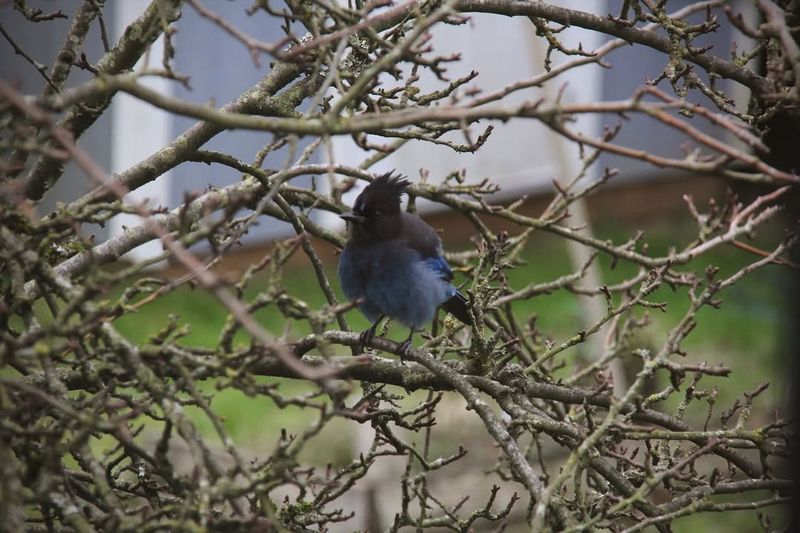
Cover matters more to a Steller’s Jay than most people realize. These birds are always watching for danger, and a yard that offers good hiding spots feels like a safe zone to them.
If your garden has a mix of trees, shrubs, and dense plantings, you have already created the kind of environment they love.
Jays do not like wide open spaces with nowhere to retreat. They prefer gardens where they can move from one sheltered spot to another without feeling exposed.
Think of it like a maze of safe zones that lets them travel through your yard with confidence.
Many gardeners in Oregon have yards that naturally provide this kind of layered cover. Tall trees overhead, mid-sized shrubs in the middle, and low ground plants below create what wildlife experts call vertical structure.
This layering is exactly what Steller’s Jays look for when choosing a place to hang out.
You do not need a fancy landscape design to attract them. Even a few well-placed shrubs near a fence or a cluster of native plants along a garden bed can do the trick.
The more variety your yard offers, the more comfortable jays will feel spending time there. Once they find a garden that feels safe, they tend to return again and again throughout the year.
2. Tall Trees Give Jays A Safe Lookout
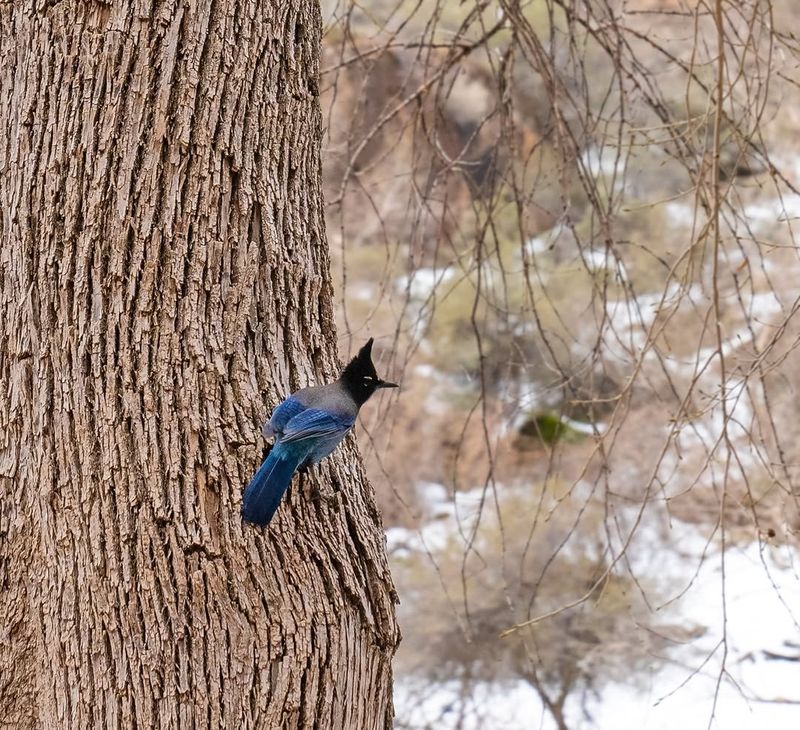
Steller’s Jays love height. A tall tree is not just a place to rest for these birds.
It is a command center where they can watch everything happening below. From the top of a Douglas fir or a big-leaf maple, a jay can spot food, predators, and other birds with ease.
Yards with tall, mature trees are far more attractive to jays than those with only low shrubs or small ornamental plants. The higher the perch, the safer the bird feels.
That sense of security is a big part of why jays choose certain gardens over others.
Oregon has no shortage of impressive trees, and many homeowners are lucky enough to have a few towering specimens right in their backyard.
If you have a large conifer or a mature hardwood, chances are a Steller’s Jay has already used it as a lookout at some point.
Your Oregon Garden Changes Every Week. Your Plan Should Too.
Gardening in Oregon changes quickly throughout the season. Every Friday you’ll receive a simple weekly plan showing exactly what to plant, prune, fertilize, harvest, and protect so you never miss the right timing.
Even a single tall tree can make a huge difference in how often jays visit. They use these high perches to call out warnings to other birds, store food in nearby branches, and keep tabs on feeders below.
Planting a native tree or preserving an existing one is one of the best things you can do to welcome these birds long-term. Height is power in the bird world, and Steller’s Jays know it well.
3. Dense Shrubs Make The Yard Feel Protected
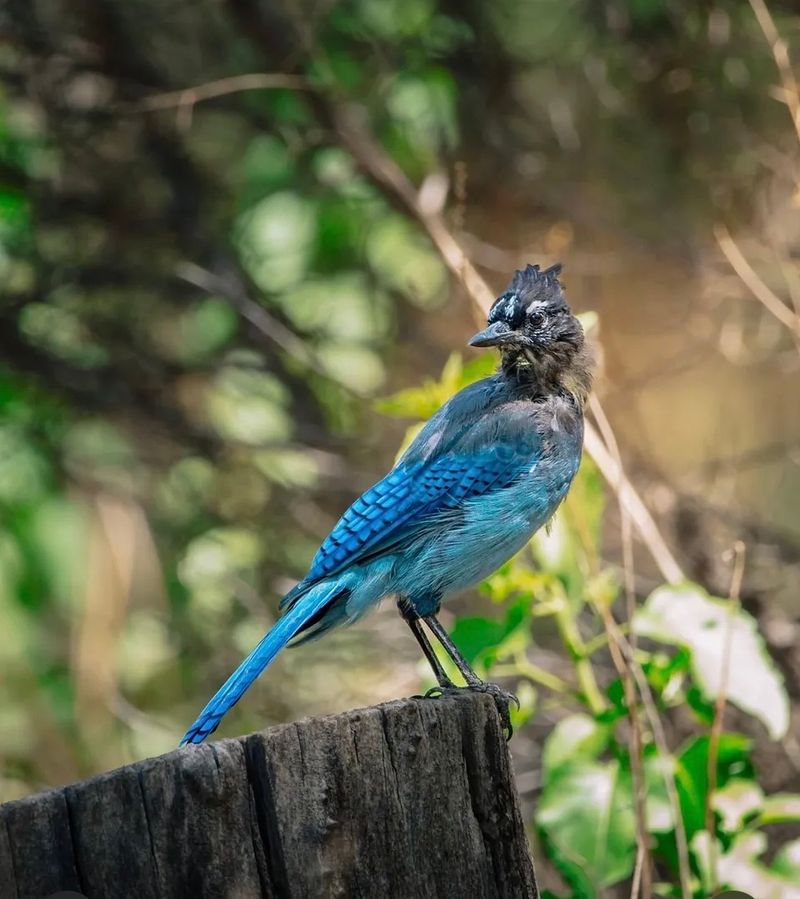
Not every bird wants to sit out in the open. Steller’s Jays, in particular, are drawn to yards where dense shrubs create a sense of shelter and protection.
A thick hedge or a cluster of native bushes gives them a place to duck into when they feel threatened.
Shrubs like Oregon grape, red-twig dogwood, and salal are all popular choices among native plant gardeners in this region.
These plants grow densely enough to give birds real cover, and they also produce berries that serve as a bonus food source during certain times of year.
What makes shrubs especially useful is how they break up a yard into smaller sections. Jays feel more comfortable moving through a garden when they have natural checkpoints along the way.
A shrub here, a bush there, and suddenly the whole yard feels like a connected network of safe spots.
Gardeners who want to attract more wildlife often focus too much on feeders and not enough on habitat. But habitat is what keeps birds coming back consistently.
A feeder runs out of food, but a well-planted shrub border stays useful all year. Jays will use dense shrubs for shelter in winter, nesting spots in spring, and shady retreats in summer.
Adding even a few native shrubs to your yard can noticeably increase how often Steller’s Jays decide to visit and stay.
4. Oak Trees Offer A Favorite Natural Food
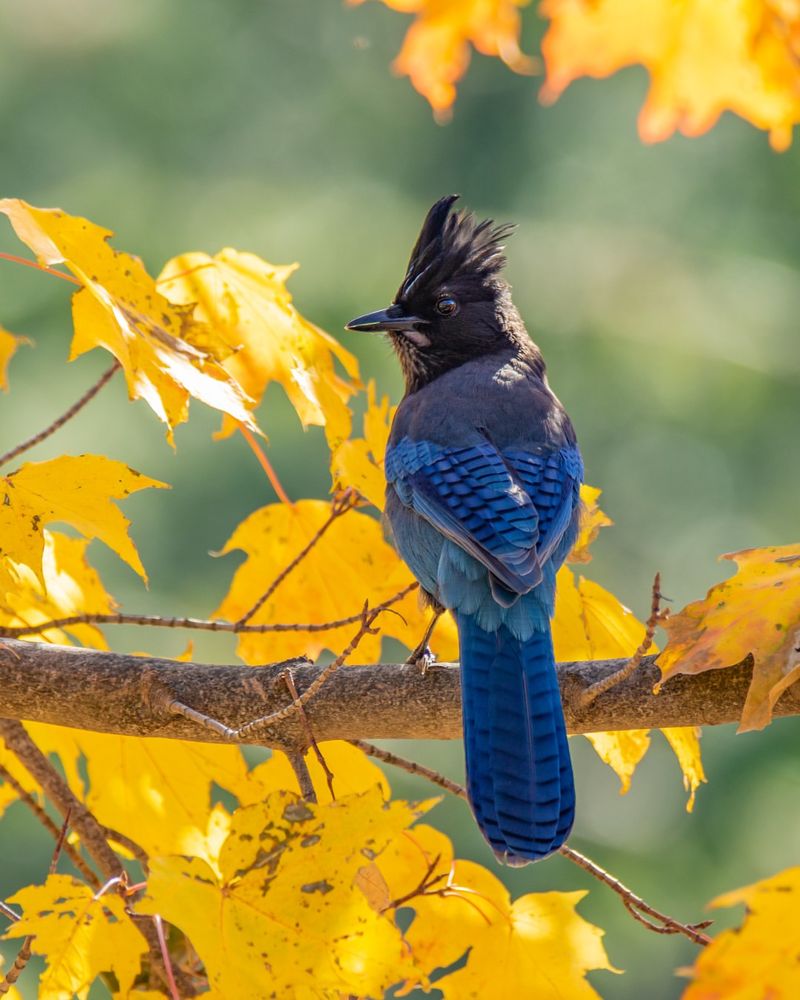
Acorns are basically fast food for Steller’s Jays. These birds have a well-known love for acorns, and an oak tree in your yard is like putting up a neon sign that says “free meals here.” Oregon white oaks, in particular, are a favorite among the jays that live in Oregon.
What makes this relationship so interesting is that jays do not just eat acorns on the spot. They carry them off and bury them for later.
This behavior is called caching, and it is something Steller’s Jays do constantly during the fall. A single jay can cache hundreds of acorns in a season.
Here is the fun part: jays sometimes forget where they buried their acorns. Those forgotten stashes often sprout into new oak seedlings.
Scientists believe that Steller’s Jays have actually helped spread oak forests across the Pacific Northwest over thousands of years. Your backyard jay might be doing its part right now.
If you have an oak tree or are thinking about planting one, know that it will attract jays reliably every fall. Even neighboring oaks can bring jays through your yard as they travel between food sources.
The presence of oaks is one of the strongest natural magnets for these birds. No feeder required.
Just a tree doing what it does, and a jay doing what it loves most.
5. Conifers Make The Garden More Inviting
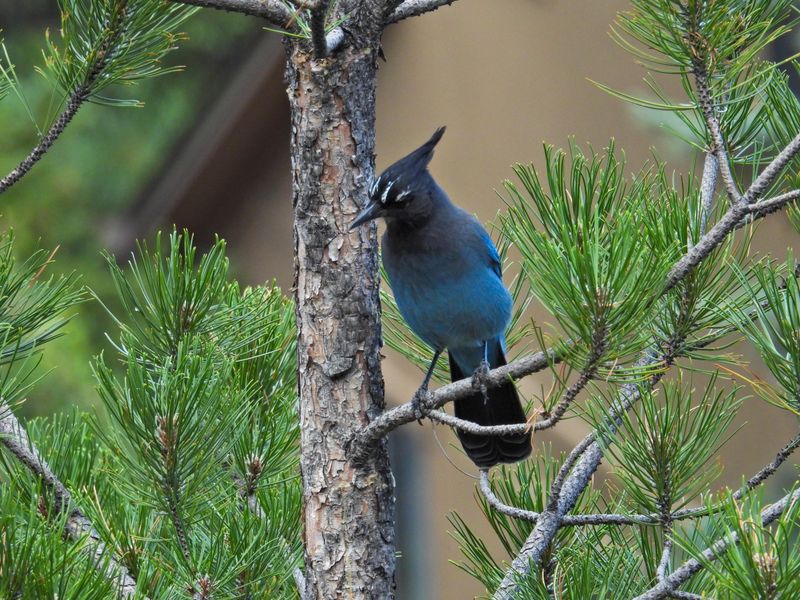
Few things say “Pacific Northwest” quite like a row of tall conifers lining the back fence. For Steller’s Jays, these evergreen trees are not just beautiful backdrops.
They are essential parts of a comfortable habitat. Conifers offer year-round shelter, nesting sites, and a reliable food source in the form of seeds tucked inside pine cones.
Douglas firs, Sitka spruces, and western red cedars are all common in our region, and jays are very familiar with all of them.
The thick, layered branches of these trees give birds a place to roost on cold nights and stay dry during our famously rainy winters.
That kind of shelter is hard to find in a yard full of deciduous trees that drop their leaves.
Conifers also attract the insects that jays snack on throughout the warmer months. Beetles, caterpillars, and other small bugs often live in the bark and branches of these trees.
Jays are opportunistic eaters, which means they will take advantage of whatever food source is available. A conifer-filled yard offers multiple reasons for a jay to stick around.
Planting a native conifer is a long-term investment in your garden’s wildlife value. Even a young tree will start attracting birds within a few seasons.
Over time, it becomes one of the most important features in your yard for not just jays, but dozens of other bird species as well.
6. Bird Feeders Can Bring Jays In Fast
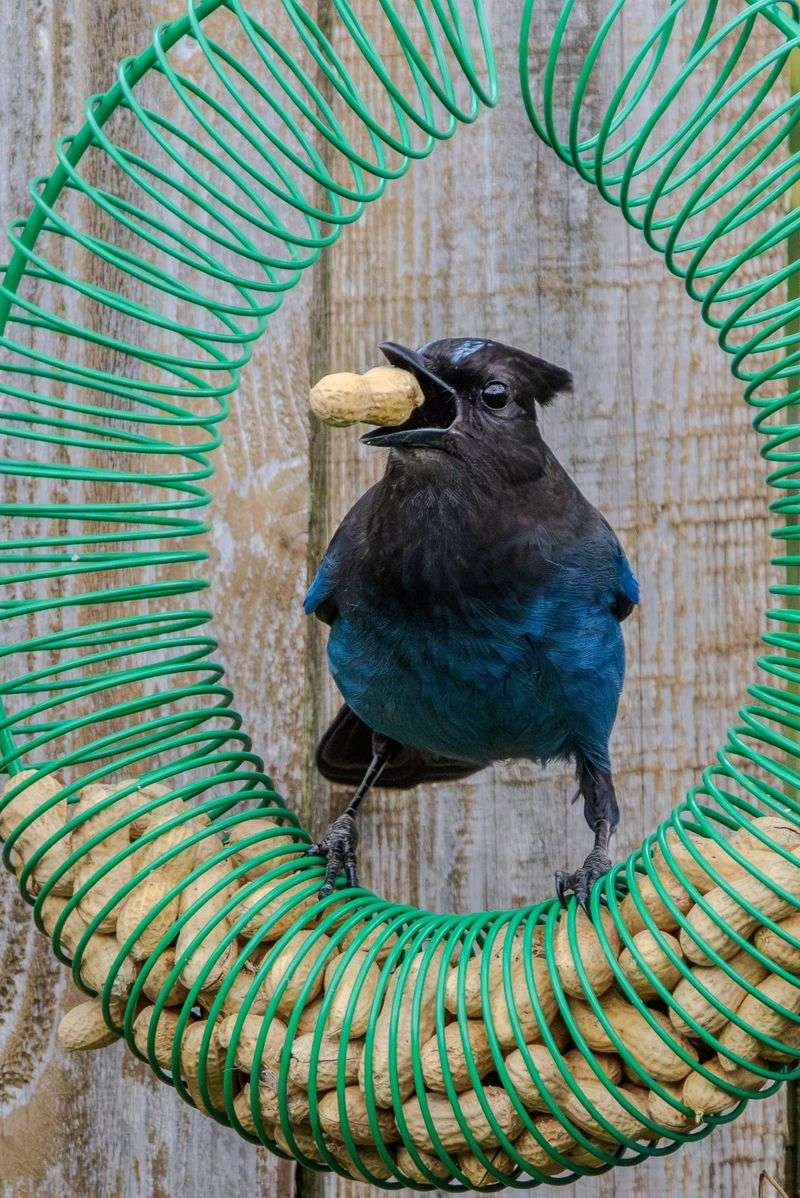
Put up a bird feeder and a Steller’s Jay will likely find it within days. These birds have sharp eyes and bold personalities, and they are not shy about claiming a feeder as their own.
In fact, jays are known to chase off smaller birds just to have a feeder all to themselves.
Platform feeders and hopper-style feeders tend to work best for jays because of their larger size. They need room to land, look around, and grab food without feeling cramped.
Tube feeders with small perches can be tricky for them, though a determined jay will usually figure out a way to make it work.
One thing to keep in mind is that jays are loud and assertive at feeders. If you have a mixed-bird feeding setup, you may notice smaller birds like chickadees and finches giving way to the jays.
That is just normal jay behavior. They are social but also very competitive when food is involved.
Placing feeders near trees or shrubs helps jays feel more comfortable visiting. They like to be able to dart into cover quickly if something spooks them.
A feeder in the middle of an open lawn will get fewer jay visits than one tucked closer to the treeline. Positioning matters just as much as what you put inside the feeder.
Get both right, and you could have jays visiting multiple times a day.
7. Peanuts And Sunflower Seeds Are Hard To Ignore
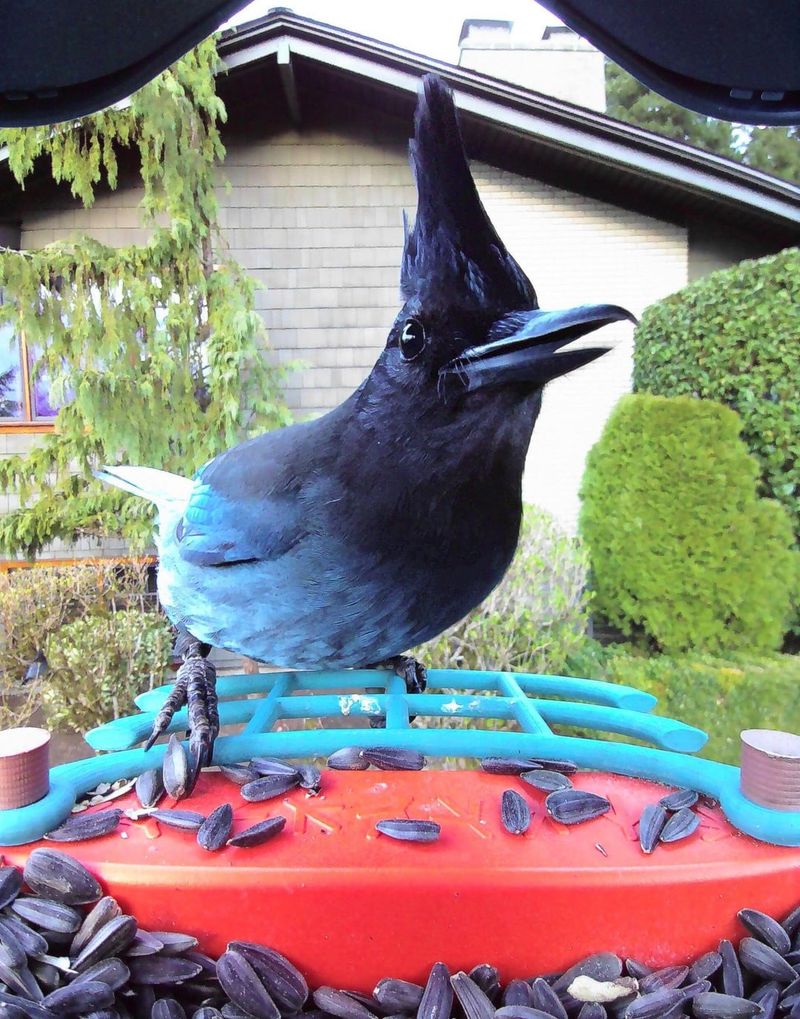
If there is one thing that will get a Steller’s Jay to make a beeline for your yard, it is peanuts. Whole peanuts in the shell are like a treasure chest to these birds.
They will grab one, fly off, stash it somewhere, and come right back for another. It can feel almost like watching a little assembly line in action.
Sunflower seeds are another crowd favorite. Black-oil sunflower seeds in particular are high in fat and easy for jays to crack open with their strong beaks.
Many backyard birders consider sunflower seeds the gold standard of feeder food, and jays fully agree with that assessment.
You can offer peanuts in a mesh peanut feeder or simply scatter them on a platform tray. Either way, jays will find them.
Some gardeners in our region even toss a few peanuts on the porch railing and watch the show unfold from inside their kitchen window. It is one of the most entertaining and affordable ways to enjoy wildlife up close.
Mixing peanuts and sunflower seeds together in one feeder is a smart move. It gives jays multiple reasons to stop and stay a while.
Avoid salted or flavored nuts, since plain, unsalted peanuts are the healthiest option for birds.
A consistent supply of these two foods can turn your yard into a regular stop on a jay’s daily route through the neighborhood.
8. Fallen Fruit Can Keep Jays Coming Back
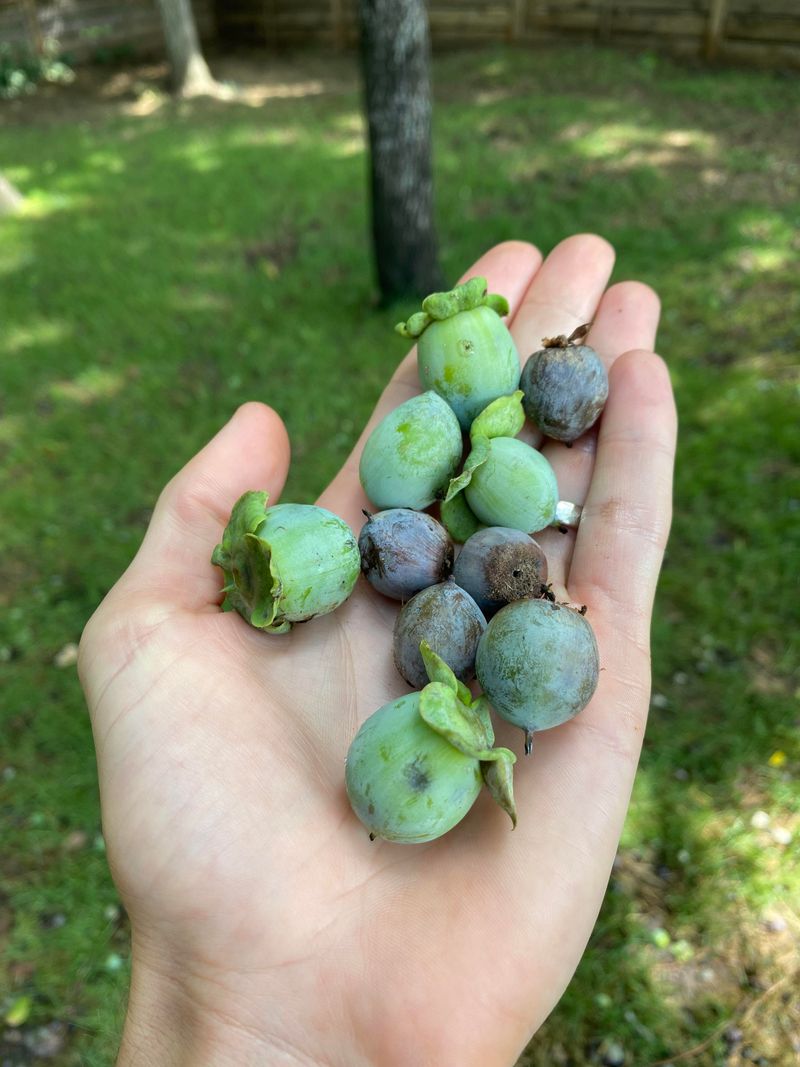
Most Oregon gardeners see fallen fruit as a nuisance to clean up. But to a Steller’s Jay, a pile of dropped apples or pears under a fruit tree is an unexpected buffet.
These birds are not picky eaters, and soft, overripe fruit is surprisingly appealing to them, especially during late summer and fall.
Fruit that has fallen and started to ferment slightly tends to attract even more wildlife, including jays, robins, and waxwings.
The sugars in ripe fruit give birds a quick energy boost, which is especially valuable before the cooler months settle in.
Jays will peck at the soft flesh and return multiple times over several days until the fruit is gone.
If you have apple, pear, plum, or cherry trees in your yard, you have a built-in jay attraction that works without any effort on your part.
Even if you do not eat all your fruit, letting some of it fall naturally creates a wildlife-friendly feeding zone right under the tree.
You can also intentionally place cut fruit on a low platform or directly on the ground near your garden beds.
Jays are ground foragers as well as tree birds, so they are comfortable hopping around at ground level to find food.
Offering fallen or cut fruit is one of the simplest and most natural ways to encourage Steller’s Jays to return to your yard season after season without spending a single dollar on birdseed.