Why Texas Roadrunner Populations Are Declining In Suburbs And What That Means For Your Pest Problem
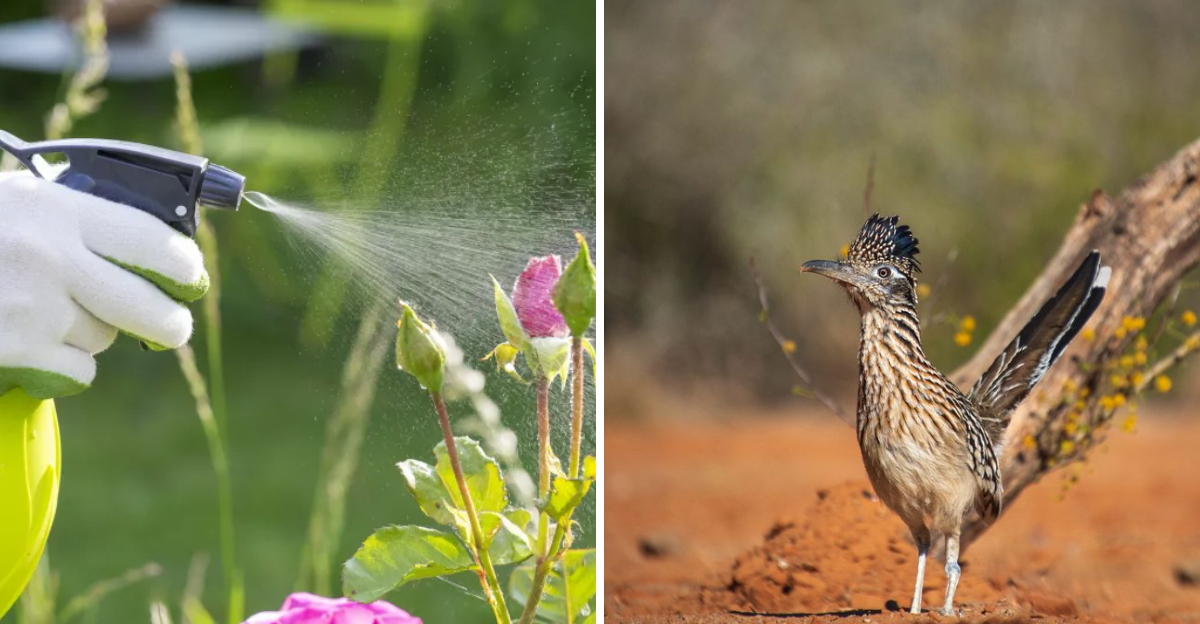
Roadrunners used to be a reliable part of the Texas suburban landscape. That unmistakable silhouette darting across a yard, pausing on a fence post, hunting through the brush with total focus.
But across many Texas suburbs, sightings are becoming less frequent, and the decline is more significant than most people realize. It also has real consequences for the yards they’re disappearing from.
Roadrunners are extraordinary pest hunters. Scorpions, snakes, lizards, large insects, and rodents are all on their menu, and a roadrunner patrolling a suburban yard regularly was providing a level of natural pest control that no product can fully replicate.
Lose the roadrunner, and that balance shifts. The prey they kept in check doesn’t disappear with them.
It just goes unchecked. Understanding why roadrunners are leaving Texas suburbs is the first step toward doing something about it, both for the birds themselves and for the pest pressure that increases when they go.
1. Suburbs Are Losing The Open, Scrubby Habitat Roadrunners Need
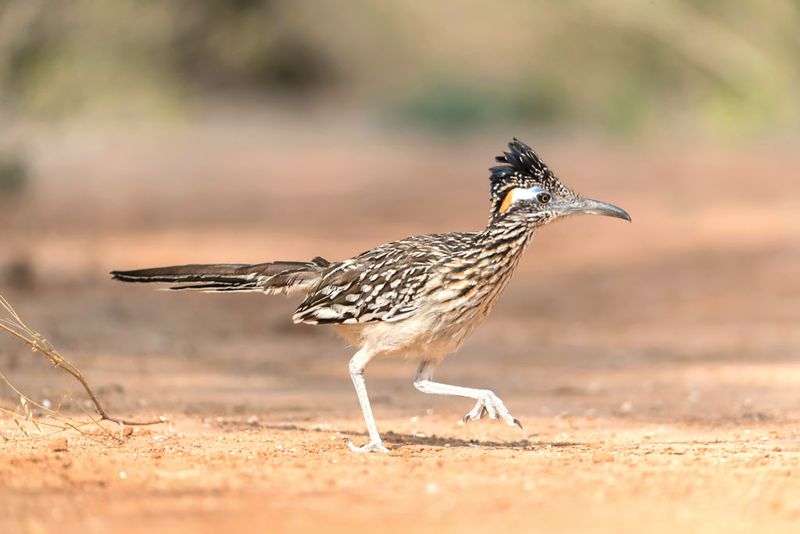
Picture a roadrunner sprinting across a dusty patch of open ground, darting between low shrubs and dry grass. That image feels right because it is.
Roadrunners are built for wide, rough, open spaces with scattered brush, not perfectly trimmed suburban lawns.
When neighborhoods replace native scrubby edges with smooth turf, concrete driveways, wooden privacy fences, and tidy garden beds, the landscape changes in ways that quietly push roadrunners out.
The bird needs a mix of open ground for running and nearby cover for hunting and nesting. When both are gone, so is the bird.
Texas breeding records confirm that roadrunners do show up in yards, parks, and vacant lots on the suburban edge. They can adapt to some human presence.
But they struggle in areas that are heavily paved, densely built, and stripped of native vegetation.
The problem is that most suburban development leans hard toward uniformity. Lawns look the same.
Fences go up. Native plants get replaced with ornamental ones that offer little shelter or food for wildlife.
Over time, the patchwork of rough, scrubby edges that roadrunners rely on shrinks block by block.
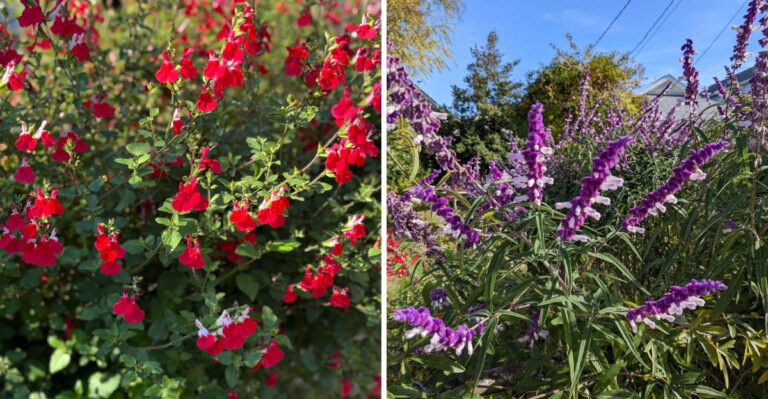
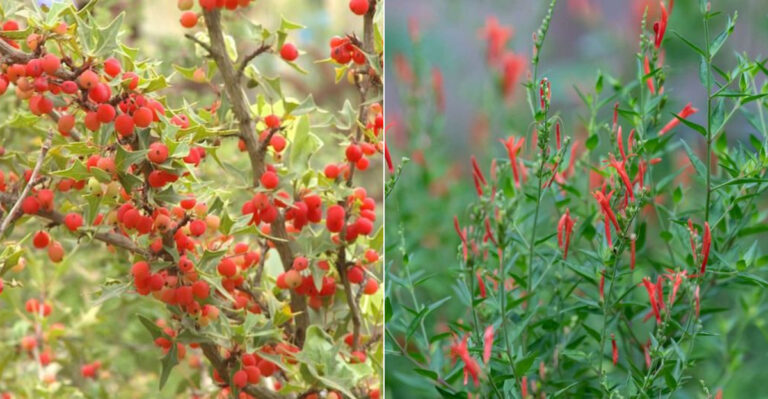
Homeowners who want to support roadrunners can start by rethinking parts of their yard. Letting a corner grow a little wild, planting native shrubs like Texas sage or agarita, and reducing paved surfaces can slowly bring back the kind of habitat roadrunners find useful.
Even a small patch of native ground cover makes a yard more inviting. Habitat does not have to be perfect. It just has to be livable.
2. Cleaner Yards Often Mean Fewer Hunting Spots
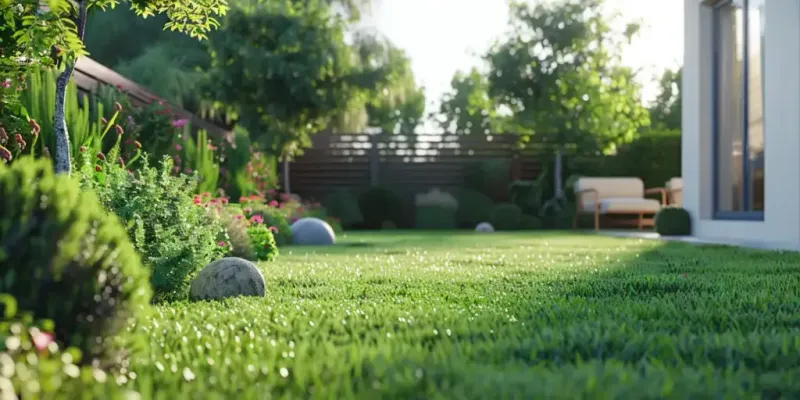
Most homeowners take pride in a clean, tidy yard. And that makes total sense. But for a roadrunner, a perfectly manicured lawn can actually be a pretty empty place to hunt.
Roadrunners are ground hunters. They chase down prey on foot, using speed and sharp eyesight to catch insects, lizards, small snakes, spiders, and even the occasional small rodent.
To do that well, they need a mix of open ground and nearby hiding spots. Too much open space with nothing to hide under, and prey disappears. Too much thick cover with no open running room, and the bird cannot hunt effectively.
Your Texas Garden Changes Every Week. Your Plan Should Too.
Gardening in Texas changes quickly throughout the season. Every Friday you’ll receive a simple weekly plan showing exactly what to plant, prune, fertilize, harvest, and protect so you never miss the right timing.
When yards are mowed very short, leaf litter is removed, brush piles are cleared away, and every inch is kept tidy, there are fewer places for the small creatures roadrunners eat to live. Fewer beetles crawling under logs.
Fewer grasshoppers hiding in tall grass. Fewer lizards basking near rock piles. The food web gets thinner, and roadrunners have less reason to visit.
A simple shift in yard management can help. Leaving a brush pile in a back corner gives insects and lizards a place to shelter.
Letting some native grass grow a little taller along a fence line creates hunting habitat. Keeping a few flat rocks in a sunny spot invites lizards to bask, and lizards attract roadrunners.
You do not have to let your whole yard go wild. Just leave a few rough edges. Those small, untidy patches can become surprisingly active spots that support roadrunners and reduce the pest insects you would rather not deal with yourself.
3. Pesticide Use Can Shrink Their Food Supply
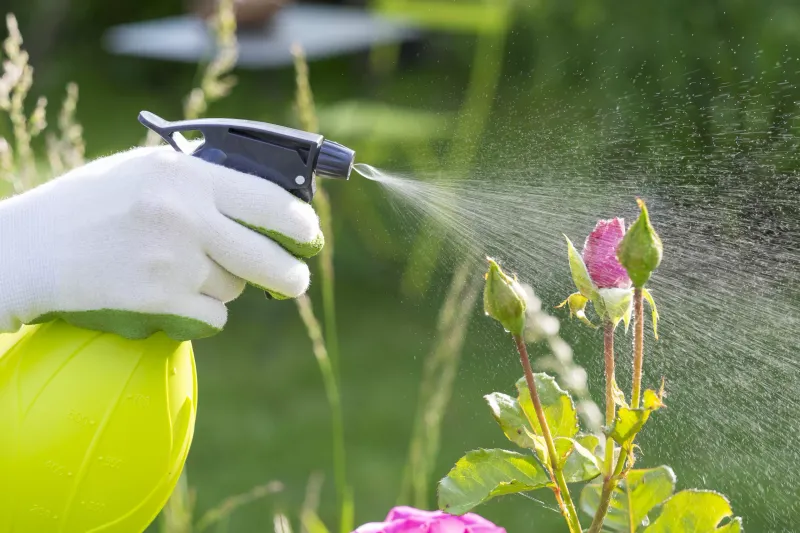
Here is something worth thinking about: when a neighborhood treats pest problems with heavy pesticide spraying, it does not just affect the target pests. It affects the entire food chain, including the birds that would naturally keep those pests in check.
Roadrunners eat a wide variety of prey. Beetles, grasshoppers, spiders, lizards, small snakes, and even small mammals are all fair game.
When broad-spectrum insecticides are used regularly across a neighborhood, the insect population drops sharply. Fewer insects mean fewer lizards. Fewer lizards mean less reason for a roadrunner to patrol the area.
Over time, consistent pesticide use can make a suburban yard or neighborhood a food desert for these birds. Even if the yard looks green and healthy, it may be nearly empty of the crawling, hopping, and skittering creatures that roadrunners depend on.
Reducing or eliminating routine pesticide spraying is one of the most effective things a homeowner can do to support local wildlife, including roadrunners. Spot treating specific problem areas is far less damaging than blanket treatments across the whole yard.
Choosing organic or targeted pest control methods can also help. Products that target specific insects without wiping out beneficial beetles, spiders, and other invertebrates leave more food available for natural predators.
Native plants also tend to attract a healthier mix of insects compared to non-native ornamental species.
A yard with a healthy insect population might sound like a pest problem waiting to happen. But with natural predators like roadrunners patrolling, that balance often manages itself better than most people expect.
Less spraying can actually mean fewer pest headaches in the long run.
4. Rodent Poison Makes The Yard More Dangerous For Predators
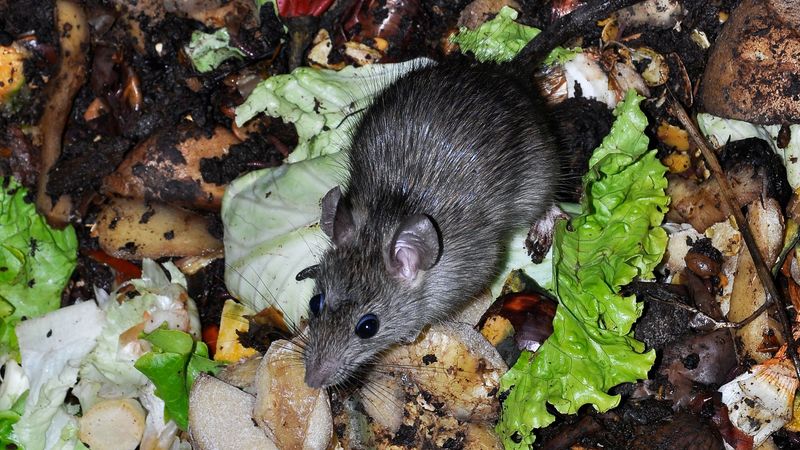
Rodent problems feel urgent. Nobody wants rats or mice showing up in their garage or attic.
So reaching for rodent poison can feel like the obvious fix. But that choice has consequences that ripple out further than most people realize.
When a rat or mouse eats rodenticide and then moves slowly around the yard before it takes effect, it becomes easy prey for natural hunters. Roadrunners, owls, hawks, snakes, and foxes may catch and eat that poisoned animal.
The poison then enters the predator’s body, a process called secondary poisoning. Even a small amount of rodenticide in a predator’s system can cause serious harm over time.
This is a real and documented problem in suburban wildlife populations. Raptors and other predators in residential areas are regularly found with rodenticide compounds in their systems, even when they were never directly exposed to the poison itself.
For roadrunners specifically, a yard that uses rodenticides may still have plenty of prey. But that prey is now a hazard rather than a benefit. The bird cannot tell the difference between a healthy mouse and a poisoned one.
Safer alternatives exist and work well. Snap traps placed inside enclosed bait stations are effective and do not create poisoned prey for wildlife.
Sealing entry points into the home removes the rodent problem at the source. Keeping compost bins covered and bird seed off the ground reduces what attracts rodents in the first place.
Supporting natural predators by making the yard safer actually helps control rodent populations more reliably over time. A roadrunner patrolling your fence line is genuinely useful pest management, and it costs nothing beyond a little habitat awareness.
5. More Roads And Fences Break Up Their Routes
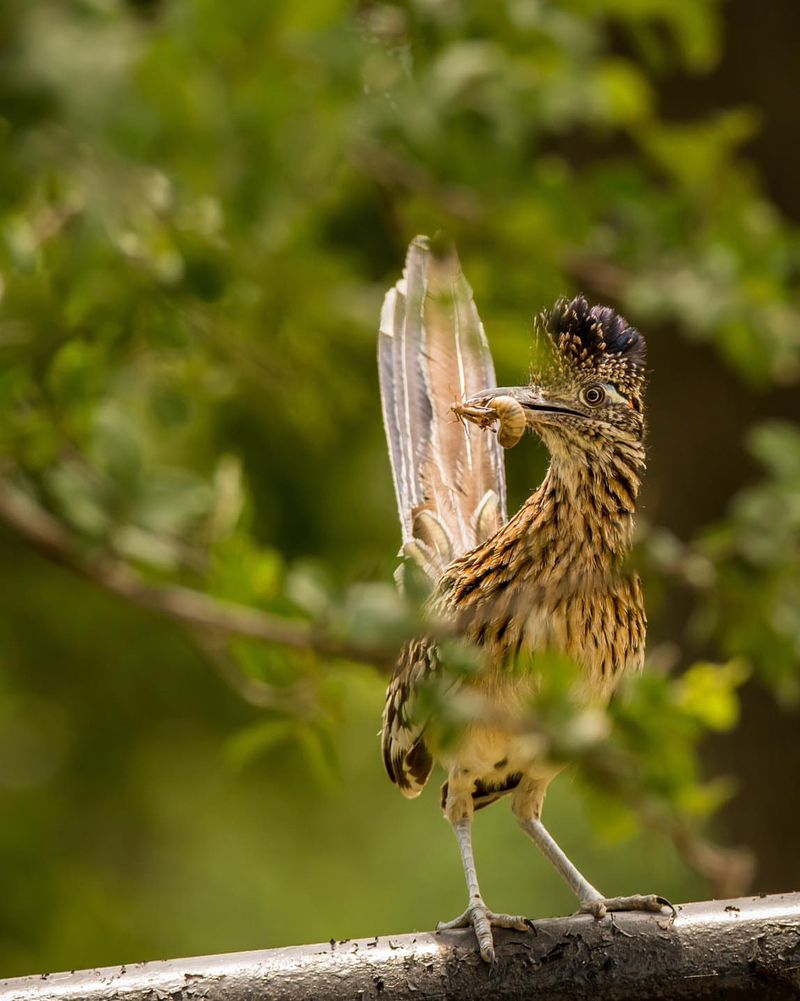
Roadrunners are runners, not fliers. They can fly short distances, but they prefer moving across the ground at impressive speeds, sometimes reaching up to fifteen miles per hour.
That ground-based lifestyle works great in open country. In a dense suburb full of solid fences, fast roads, and tightly packed lots, it becomes a real challenge.
Fragmentation is the technical word for what happens when habitat gets broken into small, disconnected pieces. A roadrunner might have plenty of food in one yard but struggle to safely reach the next patch of good habitat two blocks away.
Solid privacy fences block movement. Heavy traffic on busy streets creates dangerous crossings. Tight rows of houses with no gaps leave the bird with nowhere to go.
Creek corridors, vacant lots, and open utility easements act as wildlife highways in suburban areas. When those connectors get developed or fenced off, the movement routes that roadrunners and other ground-dwelling animals use start to disappear.
Homeowners can help in small but meaningful ways. Leaving a gap at the base of a fence allows roadrunners and other wildlife to pass through.
Avoiding solid fencing along back property lines where possible keeps movement corridors open. Supporting local green space preservation protects the larger patches of habitat that connect suburban yards together.
Even a single connected corridor through a neighborhood can make a surprising difference. Roadrunners are territorial and need enough range to find food, a mate, and a nesting site.
When those routes are cut off, even a yard full of good habitat becomes an island that the bird simply cannot reach or use effectively over time.
6. Fewer Roadrunners Can Mean More Small Pest Pressure
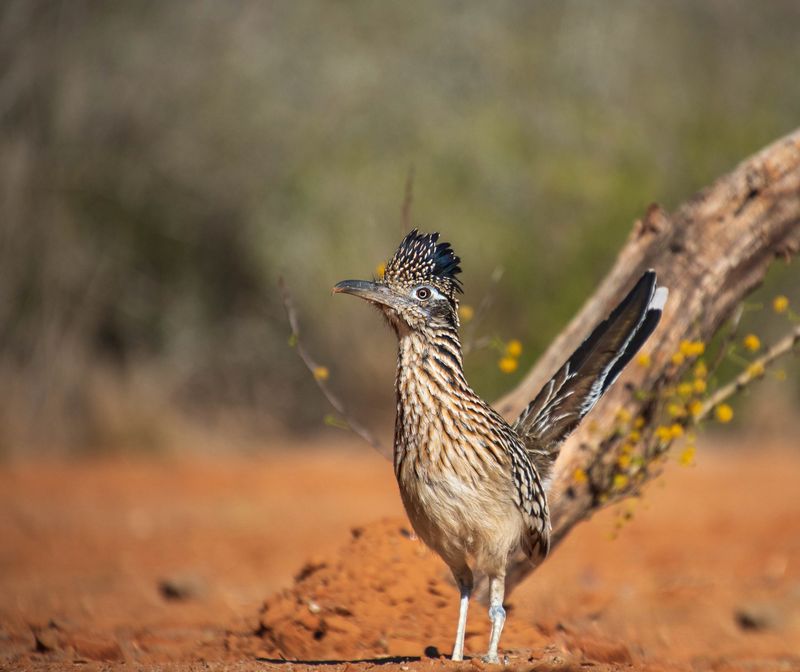
Roadrunners are not a magic solution to every pest problem in your yard. But they are a genuinely useful part of the natural system that keeps small pest populations in check.
When they disappear from a neighborhood, something has to fill that gap, and usually it is just more pests.
Grasshoppers can strip garden plants quickly when their numbers go unchecked. Beetles can damage roots and foliage.
Small rodents can chew through irrigation lines, eat vegetable gardens, and find their way into sheds. Young snakes, including some venomous species, may become more common when natural predators are not patrolling the area regularly.
None of these problems are catastrophic on their own. But together, they add up to more pest pressure that homeowners then try to manage with more chemicals, which further reduces the wildlife that would naturally help.
It becomes a cycle that is hard to break once it gets started. The most effective long-term response is to create yard conditions that support natural predators like roadrunners.
Planting native shrubs and grasses gives cover and food to the insects and lizards that roadrunners eat. Leaving some open ground gives the birds room to hunt. Reducing pesticide use lets the prey base recover.
Avoiding rodent poison keeps predators safe. Keeping cats indoors or supervised outdoors also matters more than most people expect. Outdoor cats are one of the leading causes of bird loss in suburban areas, and roadrunners on the ground are particularly vulnerable.
Small habitat changes at home add up across a whole neighborhood. When more yards become welcoming, roadrunners have more reason to stay, and your pest problem gets a natural, free assistant.