Why Michigan Hydrangeas Look Better In The Morning And Collapse By Dinner Time
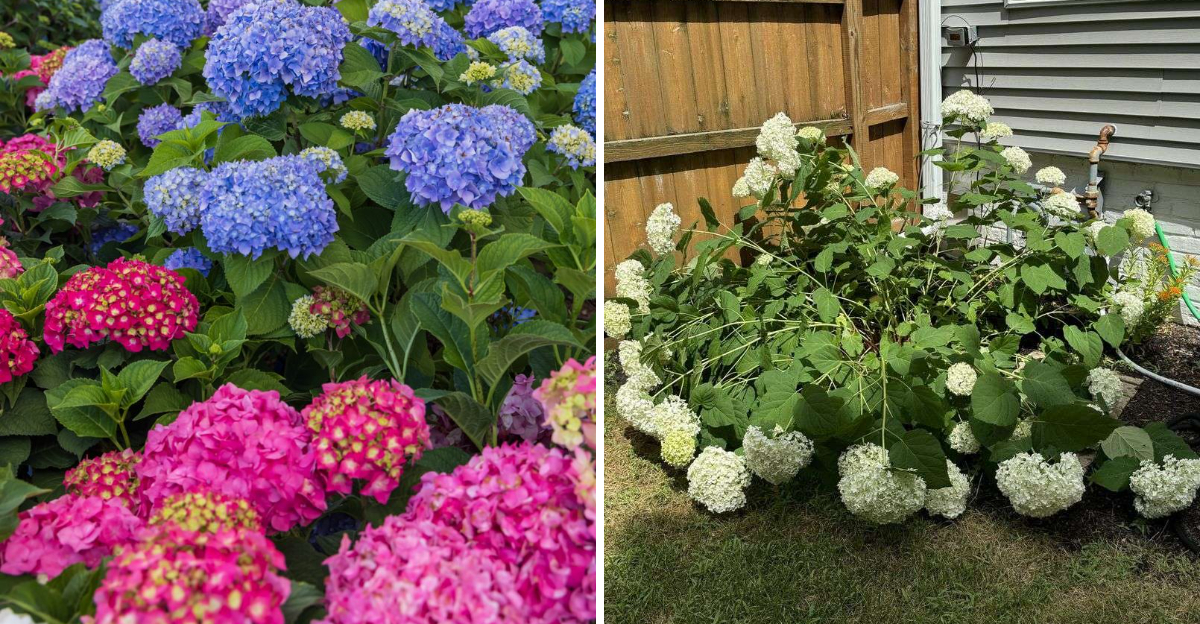
A hydrangea that looks full and healthy at eight in the morning and completely wilted by late afternoon is one of the more dramatic and confusing things a Michigan summer garden produces.
The collapse feels alarming every time it happens, and the automatic response is almost always to water more. Sometimes that is exactly right. Often it is not.
Midsummer heat creates afternoon conditions where hydrangeas wilt for reasons that have nothing to do with soil moisture, and adding water to a plant that is not actually thirsty creates root zone problems that compound through the rest of the season.
Understanding what is actually driving the morning-to-evening decline points directly to the right response instead of the habitual one.
1. Morning Recovery Means The Roots Caught Up Overnight
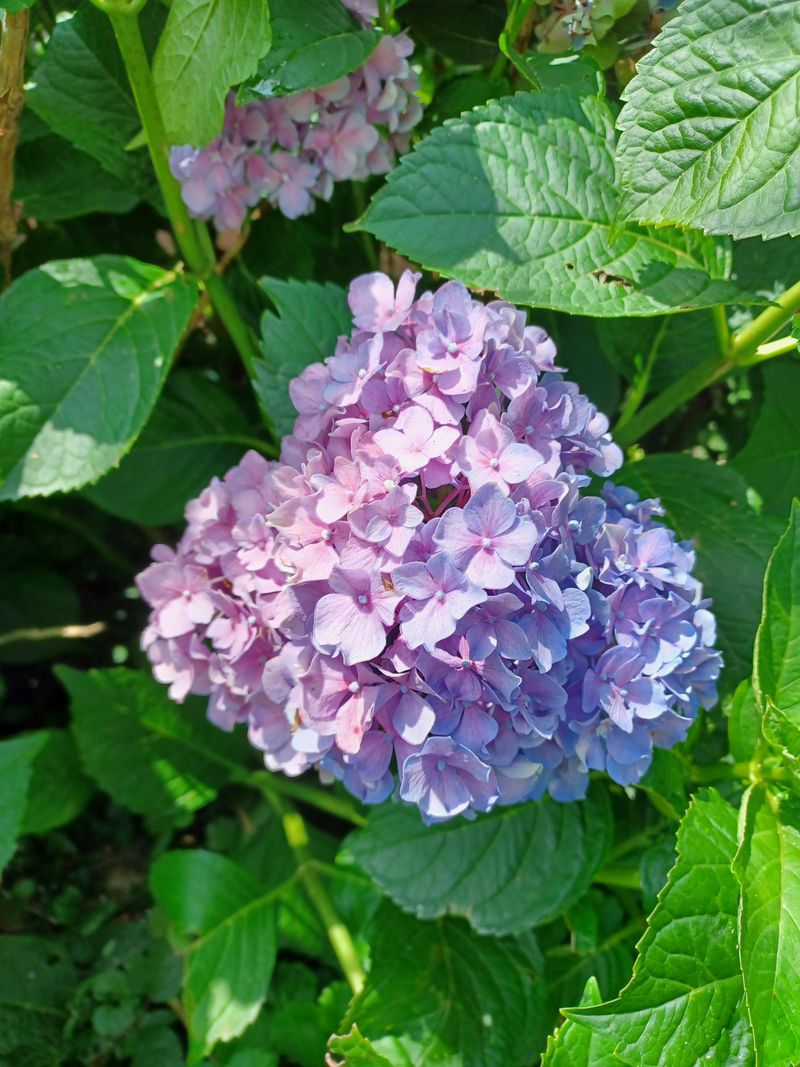
There is something almost magical about walking outside in the morning and seeing your hydrangeas standing tall and full, like nothing ever happened the day before. That overnight transformation is real, and it comes down to simple plant science.
When temperatures drop after sunset, your hydrangea stops losing moisture as quickly, giving the roots a chance to quietly do their job.
Cooler nights reduce what is called transpiration, which is the process where plants release water vapor through their leaves. With less moisture escaping overnight, the roots can slowly push water back up into the stems and leaves.
By morning, the plant has had several hours to rehydrate itself without fighting the heat at the same time.
Michigan summers can bring hot, humid days followed by much cooler nights, and that temperature swing actually works in your favor. The plant is not broken or struggling in a serious way when it recovers each morning.
It is simply responding to the environment around it. If your hydrangea perks back up reliably every single morning, that overnight root recovery is doing exactly what it should.
Enjoy those morning blooms, and use the rest of these tips to help your plant hold up better as the afternoon heat rolls back in.
2. Afternoon Heat Pulls Moisture Faster Than Roots Can Replace It
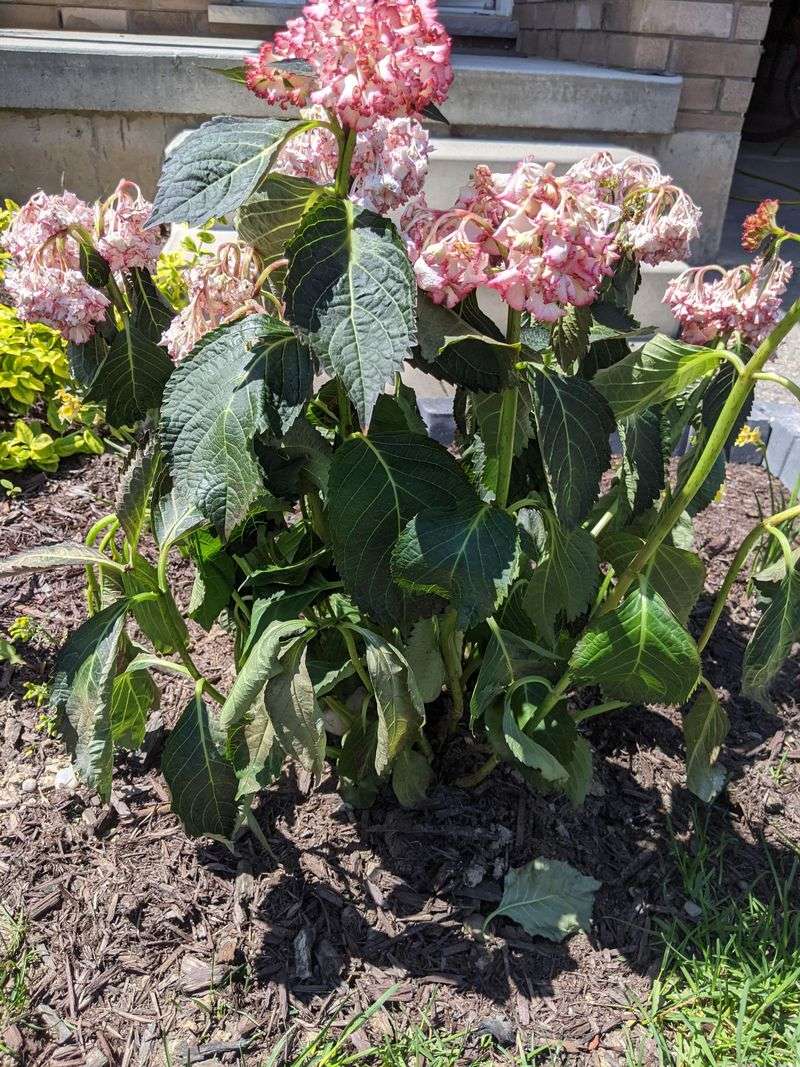
July and August in Michigan can bring some seriously intense afternoon heat, and hydrangeas feel every bit of it. These plants have broad, wide leaves that release moisture into the air at a rapid pace when temperatures climb.
The problem is that roots can only pull water up through the soil so fast, and on the hottest days, the demand for moisture outpaces the supply.
Even when the soil has decent moisture in it, a hydrangea can still sag by late afternoon simply because the leaves are losing water faster than the roots can replace it. This is called heat stress, and it is completely normal for this type of shrub.
The leaves may still look green and healthy, but the plant will visibly droop as the temperature peaks.
Michigan gardeners often panic when they see this happening, thinking something is seriously wrong. Most of the time, the plant just needs the sun to lower and the temperature to cool back down.
Your Michigan Garden Changes Every Week. Your Plan Should Too.
Gardening in Michigan changes quickly throughout the season. Every Friday you’ll receive a simple weekly plan showing exactly what to plant, prune, fertilize, harvest, and protect so you never miss the right timing.
Watering heavily during the hottest part of the afternoon is not always the answer, and it can sometimes do more harm than good by shocking the roots.
The smarter move is to water deeply in the early morning before heat builds, so the roots have moisture ready before the afternoon rush begins. Timing really does matter here.
3. Afternoon Sun Can Overwhelm Sensitive Hydrangeas
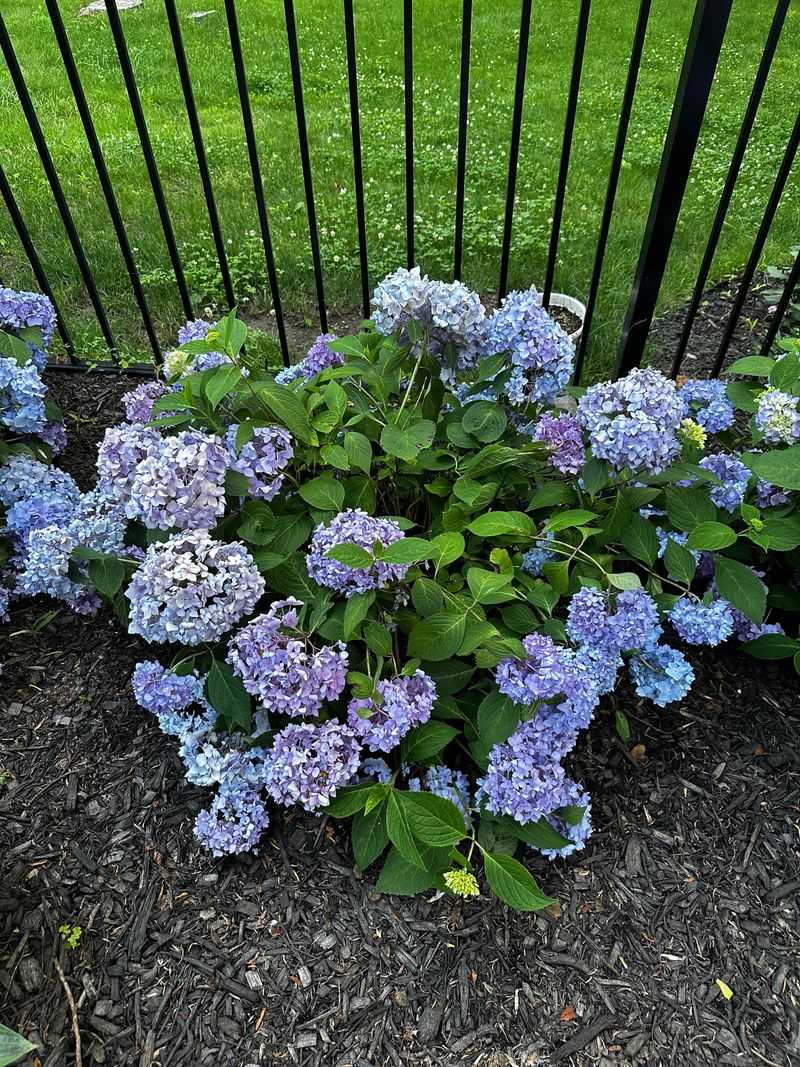
Not all sunlight is created equal, especially when it comes to hydrangeas. Morning sun is gentle, lower in intensity, and much easier for these plants to handle.
Afternoon sun, on the other hand, arrives at full strength and can push even a well-watered hydrangea to its limit within a few hours.
Certain hydrangea varieties are especially sensitive to that harsh midday and late afternoon exposure.
Bigleaf hydrangeas, which are one of the most popular types planted in Michigan yards, can look absolutely gorgeous at 8 in the morning and completely exhausted by 4 in the afternoon.
The sun itself is part of the problem, not just the temperature. Intense light causes the leaves to work harder, speeding up moisture loss and stressing the plant even when watering has been consistent.
If your hydrangea gets full sun all day long, consider whether the planting spot is giving it too much exposure. Ideally, these shrubs prefer a location where they catch morning sun and get some relief from shade in the afternoon.
A nearby tree, a fence, or even a tall shrub can provide that natural afternoon buffer. Shifting a potted hydrangea to a shadier spot after noon is an easy fix.
For in-ground plants, adding a shade cloth during the hottest weeks of summer can protect sensitive varieties without requiring you to move them.
4. The Root Zone May Be Dry Below The Surface
Here is a mistake that trips up a lot of gardeners. The top inch of soil can feel damp after a light rain or quick watering, but just a few inches deeper, the ground may be completely dry.
Hydrangeas have roots that spread outward and downward, and those deeper roots need consistent moisture to keep the plant upright and healthy during hot Michigan afternoons.
Before you reach for the hose again, stick your finger or a wooden dowel about three to four inches into the soil near the base of your hydrangea. If it comes out dry, the plant genuinely needs water.
If it comes out with moist soil clinging to it, the root zone may actually have enough moisture and something else could be causing the droop.
Michigan clay soil can be especially tricky because it holds water near the surface while staying compact and dry deeper down. Sandy soils drain quickly and can dry out several inches deep even after a recent rain.
Knowing your soil type helps you understand what your hydrangea is actually experiencing underground.
Checking the root zone before every watering session takes less than a minute and saves you from both underwatering and overwatering.
Both extremes can cause a hydrangea to sag, so accurate soil checks give you the real picture before you make any decisions about adding more water.
5. Quick Sprinkling Does Not Reach Enough Roots
Watering your hydrangea for a few minutes with a quick spray might seem like enough, especially if the leaves look a little wilted.
But surface watering often does very little for the deeper roots that actually keep the plant stable during afternoon heat. The top layer of soil gets wet while the root zone below stays dry and thirsty.
Slow, deep watering is what hydrangeas actually need, especially during Michigan summers. Placing a hose at the base of the plant and letting it run at a low flow for 20 to 30 minutes is far more effective than a quick sprinkle from above.
Drip lines, soaker hoses, and deep watering bags are all excellent tools because they deliver water slowly and directly to the root zone without wasting moisture on the surrounding soil surface or leaves.
Wet foliage from overhead watering can also invite fungal problems, which is another reason to aim low and slow. The goal is to encourage roots to grow deeper into the soil, because deeper roots can access moisture even when the surface dries out quickly.
Consistent deep watering once or twice a week during dry spells will do far more good than light daily sprinkling.
Your hydrangea will respond with stronger stems, fuller blooms, and a much better chance of staying upright well past dinner time on even the hottest Michigan days.
6. Reflected Heat Can Make One Plant Collapse Faster Than Another
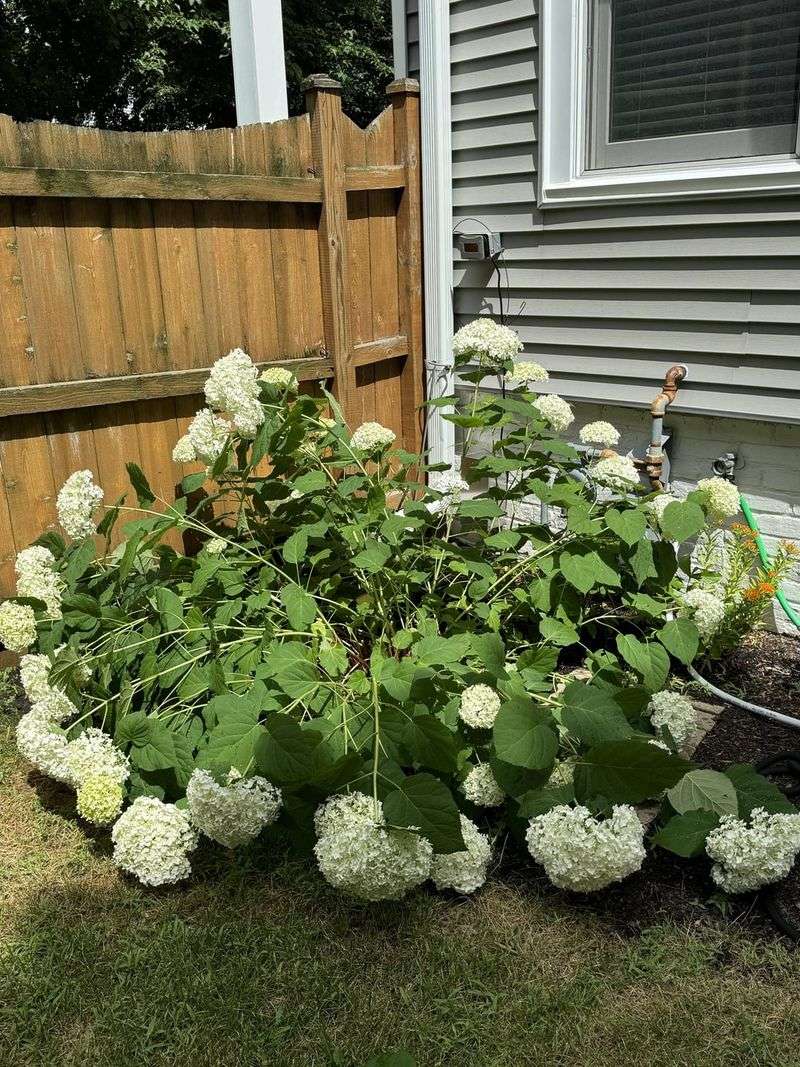
Have you ever noticed that two hydrangeas in the same yard can behave completely differently on the same hot afternoon? One stays upright while the other slumps over by 5 PM.
Reflected heat is often the reason behind that difference, and it is something many gardeners never think to check.
Surfaces like concrete driveways, brick walls, stone pathways, light-colored siding, and gravel mulch absorb heat all day and then radiate it back outward toward nearby plants.
A hydrangea planted within a few feet of these surfaces is essentially sitting in a warmer microclimate than the rest of your yard.
The air around it heats up faster, moisture evaporates more quickly, and the plant stresses out sooner than its neighbors growing in open garden beds.
Michigan homes with south or west-facing driveways and walls are especially prone to this issue.
If your hydrangea is planted near any of these heat-reflecting surfaces and you notice it collapsing earlier than others, the location itself might be the main problem.
Moving the plant to a spot with better airflow and less reflected heat can make a dramatic difference.
If moving it is not an option, creating a small barrier with taller plants or adding extra mulch around the base to cool the soil can help reduce the impact of that reflected warmth on your hydrangea through the hottest parts of the day.
7. New Hydrangeas Have Smaller Root Systems
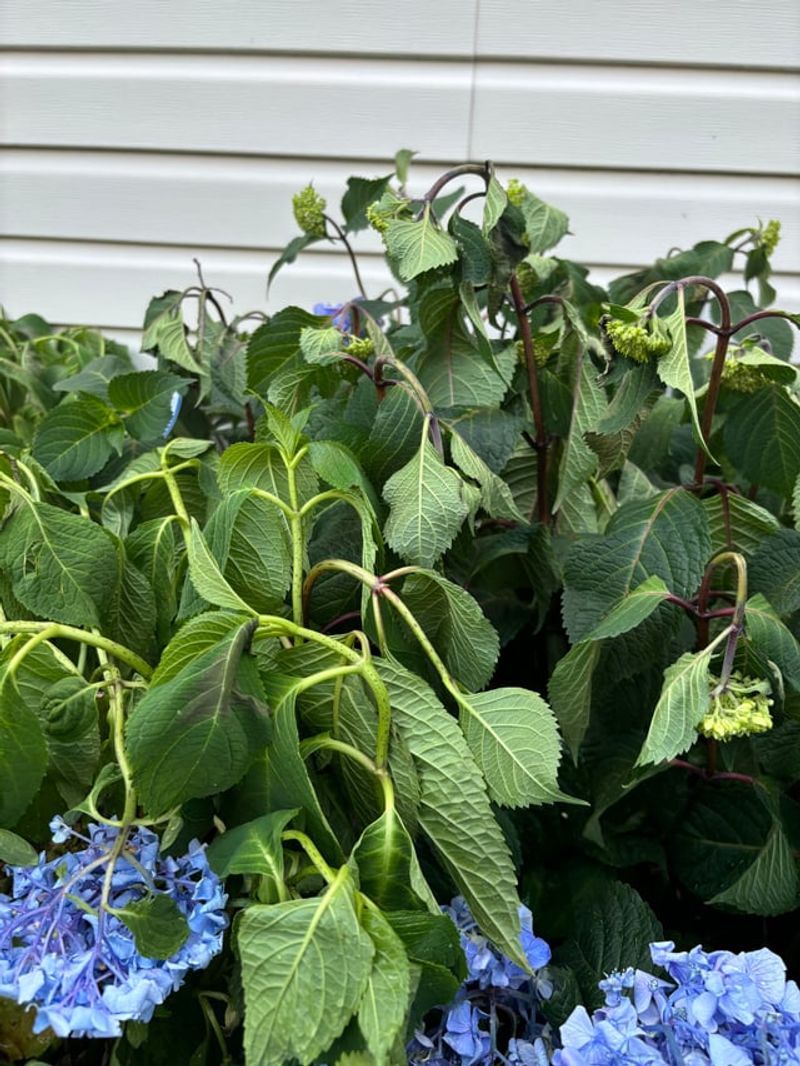
Planting a brand new hydrangea is exciting, but the first summer can also be the most stressful for both you and the plant. Young hydrangeas have small, undeveloped root systems that have not yet spread into the surrounding soil.
That limited root reach makes them far more vulnerable to heat and moisture stress than established plants.
An older hydrangea that has been growing in your yard for three or four years has roots extending outward in all directions, giving it access to moisture from a wide area of soil.
A newly planted shrub only has the roots it arrived with from the nursery, plus whatever small amount of new growth it has managed since planting.
When afternoon heat hits, those limited roots simply cannot pull up enough water to keep the leaves and stems hydrated.
This is why new hydrangeas often droop dramatically during Michigan summers even when you are watering them regularly. They may perk back up overnight as temperatures cool, only to sag again the next afternoon.
Consistent deep watering, generous mulching, and afternoon shade can all help a new hydrangea survive its first hot season. Be patient with it.
Once the root system has had a full growing season to spread and strengthen, the plant will handle Michigan heat much more confidently. That first summer is really just about helping the roots get established enough to carry the plant through future seasons.
8. Mulch Can Help The Plant Stay Steadier
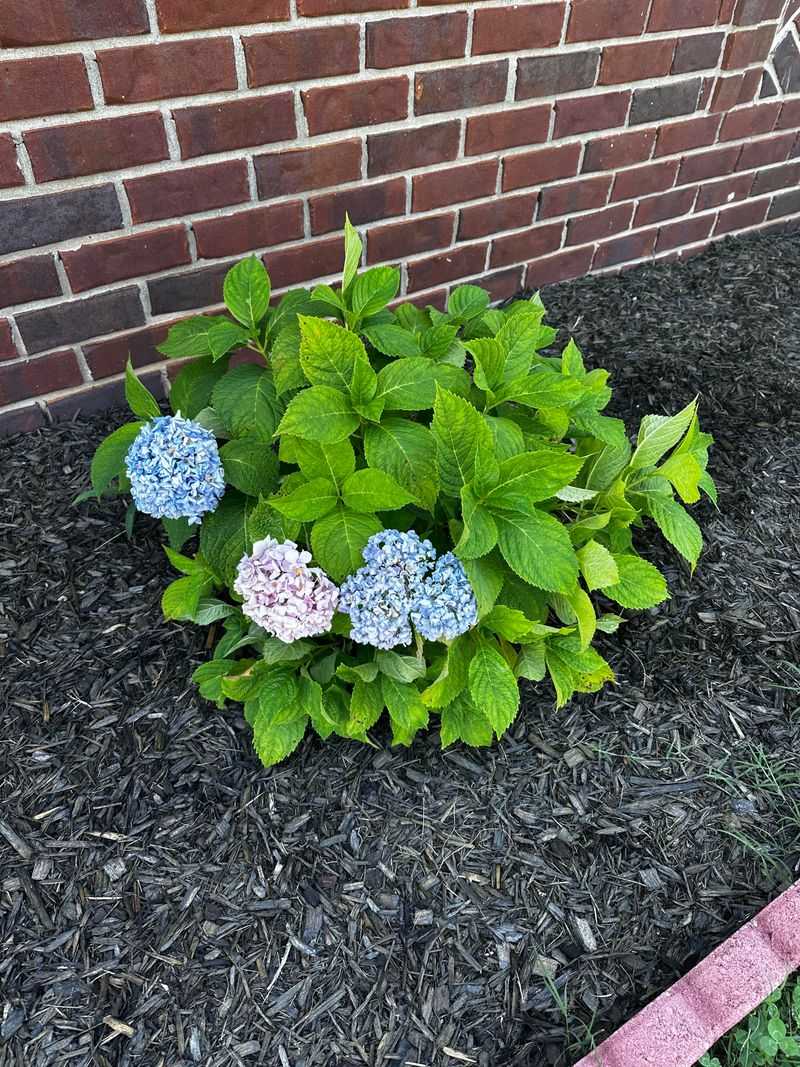
Mulch might not be the most glamorous garden topic, but for Michigan hydrangeas it can genuinely be a game changer.
A good layer of organic mulch around the base of your plant acts like an insulating blanket for the soil, slowing down moisture evaporation and keeping the root zone cooler during hot afternoons.
Two to three inches of shredded bark, wood chips, or shredded leaves spread around the base of your hydrangea can reduce soil temperature significantly on a hot July day.
Cooler soil holds moisture longer, which means the roots have a more consistent water supply to draw from as afternoon heat builds.
That steadier moisture level helps the plant stay upright longer before it starts to sag.
One important detail to keep in mind is that mulch should be pulled back slightly from the base of the stems, leaving a small gap of an inch or two.
Mulch piled directly against the stems can trap moisture against the wood and encourage rot or fungal problems over time.
Spread it outward in a wide ring instead, covering as much of the root zone as possible. Refreshing your mulch layer each spring is a simple habit that pays off all summer long.
Combined with deep watering and smart sun management, mulch is one of the easiest and most affordable tools you have for keeping Michigan hydrangeas looking their best from morning well into the evening hours.
9. Persistent Morning Droop Is A Bigger Warning Sign
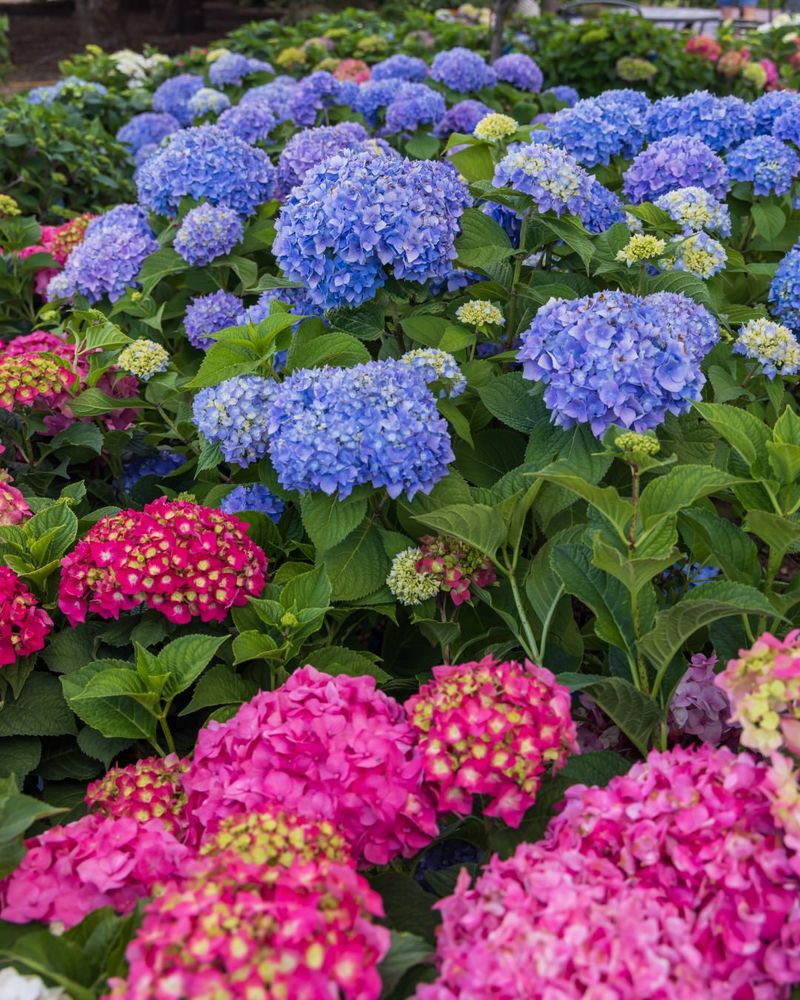
Most of the time, a hydrangea that slumps in the afternoon and bounces back by morning is just reacting normally to summer heat. That cycle is frustrating to watch, but it is usually not a sign of serious trouble.
The real warning sign comes when your hydrangea still looks limp and sad in the early morning, even after a cool overnight recovery period.
A plant that cannot perk back up overnight is telling you something more serious is going on. The cause could be a root zone that has completely dried out after days without deep watering.
It could also be the opposite problem, where roots have been sitting in soggy, overwatered soil and are struggling to function properly.
Root stress from either extreme can prevent the plant from moving water up through its system even when conditions seem fine.
Other possibilities include a planting site that is simply too hot and exposed for that particular variety, or a root system that was damaged during planting or by pests underground.
When morning droop shows up, start by checking soil moisture several inches deep. If the soil is bone dry, begin a slow deep watering routine immediately. If the soil feels soggy, ease back on watering and improve drainage if possible.
Checking the plant early in the morning gives you the clearest picture of whether the problem is routine heat stress or something that needs closer attention and a real change in care.