The Yard Mistakes Making Tick Problems Worse In Michigan In July
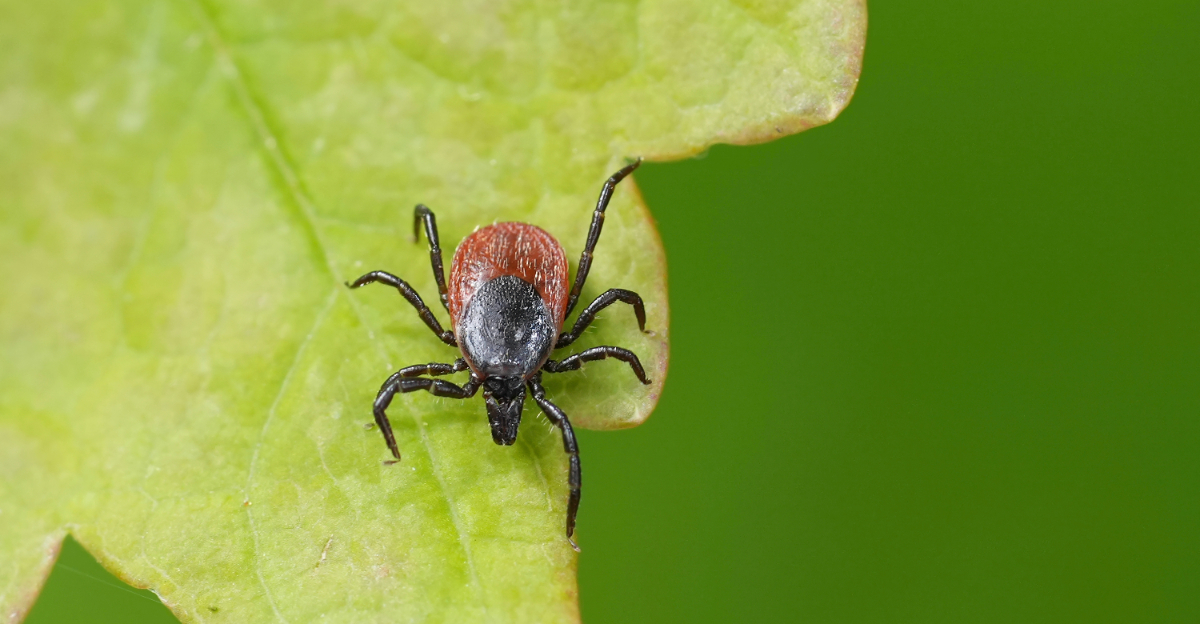
Tick pressure in Michigan yards peaks in July, and a surprising number of the habits driving that pressure are created by the homeowners experiencing it.
Certain landscaping choices, maintenance routines, and planting decisions produce ideal tick habitat without anyone intending to.
The frustrating part is that most of these mistakes look completely reasonable. They are things that tidy, attentive Michigan gardeners do regularly without connecting them to the tick activity that follows.
Identifying the specific habits that make a yard more hospitable to ticks in July gives homeowners something concrete to change rather than simply reacting to a problem that keeps returning at the same intensity every summer.
1. Letting Tall Grass Stay Along The Yard Edge
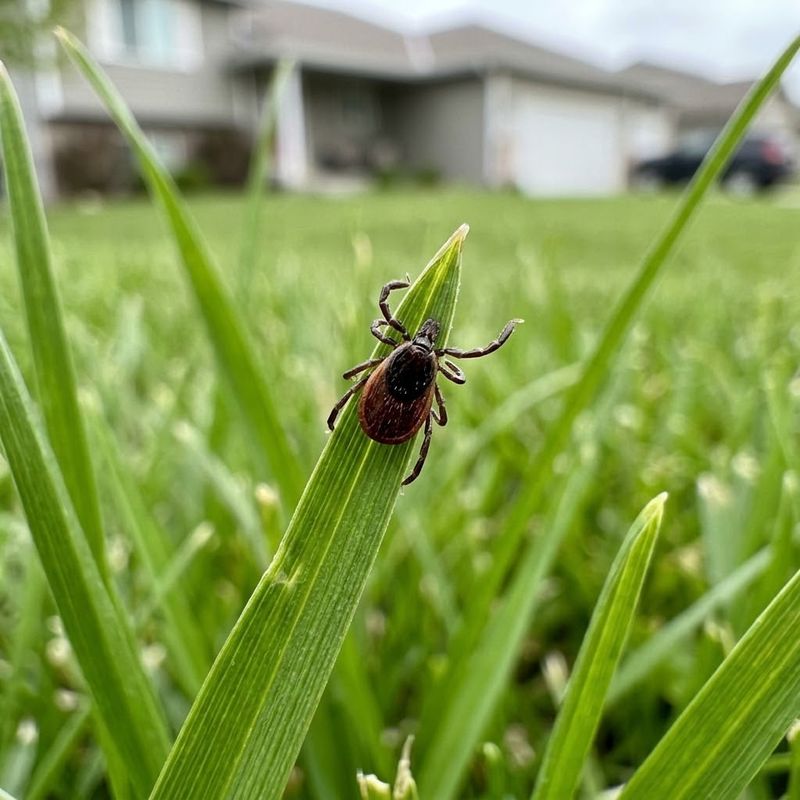
That strip of tall grass along your fence line might seem harmless, but it is one of the most tick-friendly spots in any Michigan yard during July. Ticks do not jump or fly.
Instead, they climb to the tips of tall grass blades and wait for a person or animal to brush past them. That behavior is called questing, and grassy borders are one of their favorite spots to do it.
Lawn edges, fence lines, and the places where mowed grass meets taller growth are exactly the kinds of transitions ticks prefer.
These areas tend to stay a little shadier and hold more moisture than the open lawn, which makes them far more comfortable for ticks than a short, sunny patch of grass.
Even a narrow strip of overgrown edge can become a surprisingly active zone during warm Michigan summers.
Mowing regularly along all borders is one of the simplest ways to reduce that risk. Trim close to fences, along garden paths, and around any structure where grass tends to creep up unchecked.
Keeping those transition zones short and tidy removes the shelter ticks rely on. A consistent mowing schedule through July goes a long way toward making your yard edges far less welcoming for ticks looking for their next opportunity.
2. Ignoring Leaf Litter Under Trees And Shrubs

Leaf litter is one of those yard features that quietly builds up without much notice, especially under older trees and dense shrubs.
By July in Michigan, those layers of decomposing leaves can be thick, damp, and shaded all day long.
That combination is exactly what ticks prefer when they are not actively questing for a host. Leaf piles give them a cool, moist refuge where they can survive hot summer days.
Small animals like mice, chipmunks, and squirrels also love rooting around in leaf debris. These creatures are common carriers of the bacteria that ticks can pick up and later pass on.
When wildlife moves through leaf litter regularly and ticks are present in those same spots, your shaded garden corners become a much more active zone than most people realize during peak summer months.
Raking out old leaf litter from under shrubs, trees, and along woody edges is a straightforward step that makes a noticeable difference. You do not need to strip the area completely bare.
Your Michigan Garden Changes Every Week. Your Plan Should Too.
Gardening in Michigan changes quickly throughout the season. Every Friday you’ll receive a simple weekly plan showing exactly what to plant, prune, fertilize, harvest, and protect so you never miss the right timing.
Just removing the thick, compacted layers and replacing them with fresh mulch can open up airflow, reduce moisture, and make the spot less appealing to ticks and the animals that carry them.
A quick cleanup under your trees and shrubs in early July is well worth the effort.
3. Letting Brush Grow Right Against The Lawn
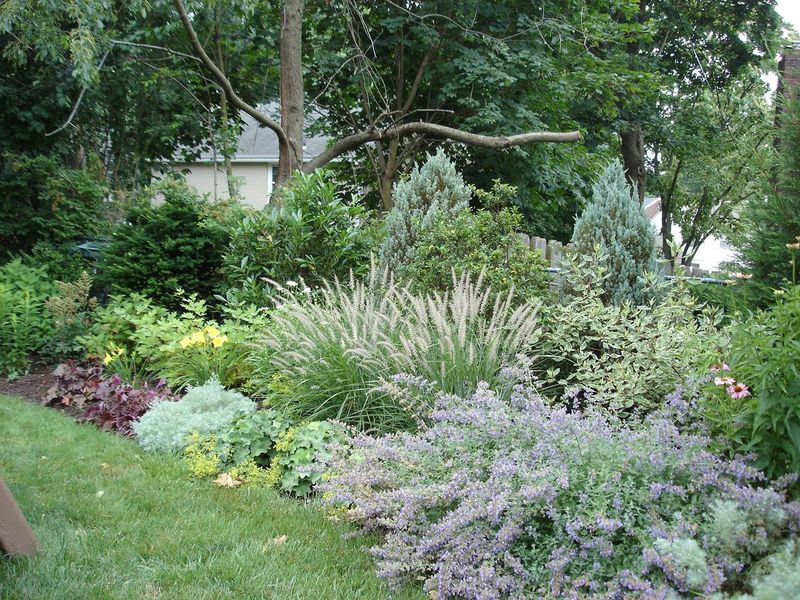
Brushy borders have a way of sneaking up on you. One week the shrubs look a little wild, and the next they are pressing into the lawn and draping over the path you walk every morning.
In Michigan during July, that kind of overgrowth creates a perfect transition zone where ticks thrive.
Studies from tick researchers consistently show that ticks are far more concentrated near wooded and brushy edges than in open, sunny lawn areas.
The reason comes down to habitat. Brush holds shade, retains humidity, and gives small mammals plenty of cover to move through.
Where wildlife moves, ticks follow. When that brushy edge pushes right up against the spaces where your family and pets spend time, the distance between tick habitat and human contact shrinks to almost nothing.
That is when accidental exposure becomes most likely during a regular summer afternoon outside.
Trimming back overgrowth along the edges of your yard takes consistent effort but pays off quickly. Focus on spots where people and pets pass through most often, like paths between the garden and the patio or areas near gates and side yards.
Cutting back branches, pulling woody stems away from the lawn edge, and keeping a clear visual line between your living space and the natural border can meaningfully reduce how often ticks have easy access to the areas your family uses most.
4. Skipping The Wood Chip Or Gravel Barrier
Most Michigan yards have at least one spot where the mowed lawn runs directly into woods, tall weeds, or a brushy thicket.
That abrupt transition might look natural, but it creates a seamless path for ticks to move from their preferred wild habitat straight into the areas you actually use.
Without any kind of break in between, there is nothing slowing that movement down during the busiest tick months of the year.
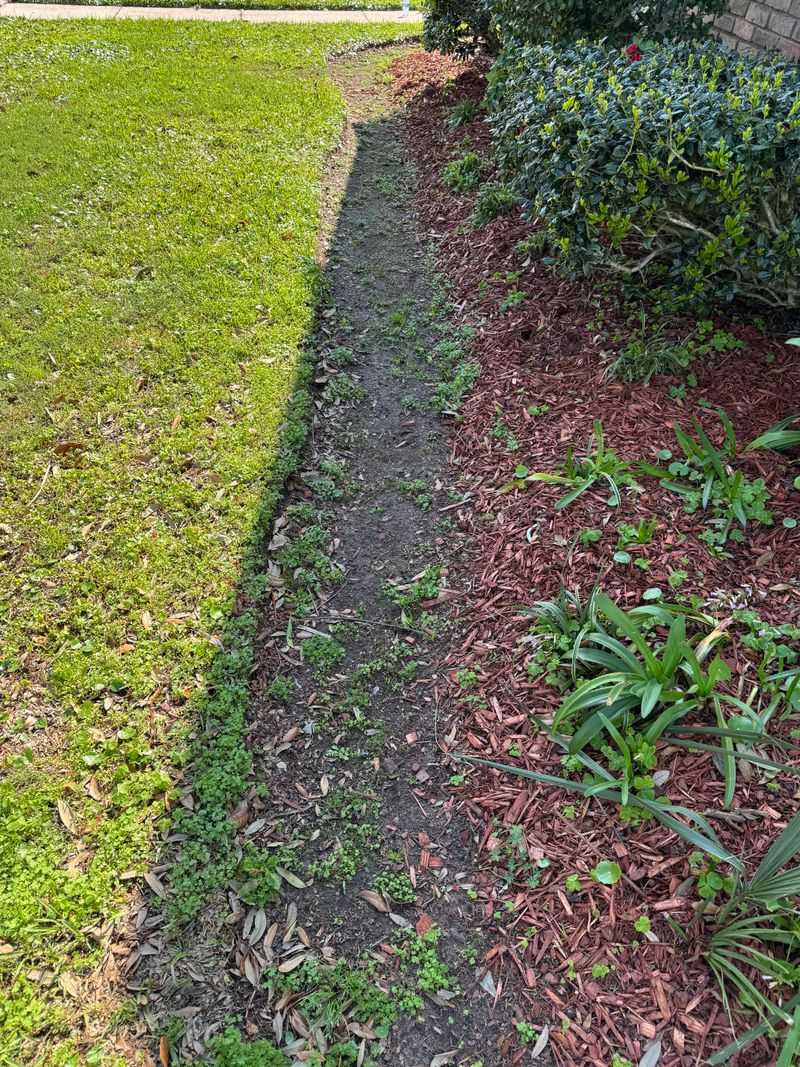
A simple three-foot-wide strip of wood chips or gravel placed between your lawn and the wooded or weedy edge can act as a surprisingly effective buffer. Ticks prefer moist, shaded ground and tend to avoid dry, sunny, open surfaces.
A gravel or wood chip barrier stays warmer and drier than surrounding soil, making it a less comfortable crossing point. It is not a perfect wall, but it creates friction in the path ticks take toward your living space.
Installing this kind of barrier does not require a big project or expensive materials. A bag or two of wood chips spread three feet wide along a wooded edge can be done in an afternoon.
Refresh it every season so it stays dry and does not compact into damp soil.
Pair it with regular mowing on the lawn side and some light trimming on the wooded side, and you have a practical, low-maintenance strategy that genuinely helps reduce tick pressure through July and beyond.
5. Putting Patios And Play Areas Too Close To Brush

Where you place your outdoor furniture and play equipment matters more than most people think during July in Michigan.
Patios, Adirondack chairs, playsets, and garden benches that sit right against a wooded edge or a dense row of shrubs are essentially parked at the border of tick country.
Every time someone sits down or a child runs through, they are spending extended time in exactly the zone where tick contact is most likely to happen.
Ticks are most active in the shaded, brushy margins of a yard, not in the sunny open center. Sunny, dry areas away from vegetation edges are naturally far less tick-friendly.
Moving your seating and play areas even ten or fifteen feet away from a shrub border or wooded edge can make a meaningful difference in how often ticks end up on clothing and skin during a regular afternoon outside.
Take a look at your yard layout with fresh eyes this July.
If your firepit is backed up against overgrown shrubs, if the playset sits under low-hanging branches near the tree line, or if your favorite chair is wedged into a shady corner near the fence, it may be worth rearranging.
Sunny open placement is not just more comfortable on a warm day. It also happens to be the smartest tick-reduction strategy hiding in plain sight right in your own backyard.
6. Stacking Firewood In Damp Shaded Corners
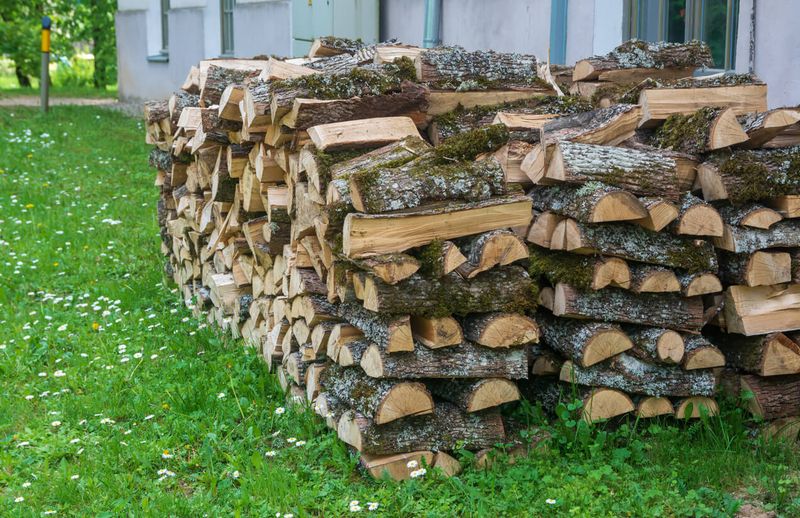
Firewood piles are one of those yard features that feel harmless until you understand what tends to move in underneath them. Loose, damp wood stacks are magnets for mice, chipmunks, and other small rodents looking for shelter.
These small animals are among the most common carriers of the bacteria associated with certain tick-borne illnesses, and ticks actively seek them out as hosts.
A messy wood pile in a shaded corner essentially rolls out a welcome mat for that entire chain of activity.
The location of your firewood matters just as much as how it is stacked. Shaded, damp corners near the house, garden shed, or fence line tend to stay moist and cool, which is exactly the kind of microclimate ticks and rodents both favor.
Moving wood storage away from the main outdoor living area and into a sunnier, drier spot disrupts that pattern. Stacking wood neatly on a raised surface also reduces the ground contact that makes piles especially inviting for nesting animals.
A little reorganization goes a long way here. Stack your wood off the ground using pallets or a proper firewood rack, keep the pile away from the house and patio, and choose the sunniest available spot in your yard.
Clear out any debris from around the base regularly. These small habits make your firewood storage far less attractive to the rodents that help move ticks into closer contact with your family during peak summer months.
7. Forgetting That Pets Move Through Tick Zones

Dogs especially love exploring every corner of the yard, and outdoor cats are not far behind.
Before you know it, your pet has trotted through the tall grass along the fence, nosed around in the leaf litter under the shrubs, and then wandered back onto the patio or into the house.
That routine happens dozens of times a day during summer, and it creates a direct path from tick habitat right into your living space.
Pets pick up ticks easily because they move through low vegetation at exactly the height where ticks wait. A dog with a thick coat can carry ticks for hours before anyone notices.
Ticks that hitch a ride on a pet can end up on furniture, rugs, and eventually on people without anyone ever stepping into the brushy areas themselves. This is one of the most overlooked ways ticks end up inside Michigan homes during July.
Combining good yard habits with consistent pet care is the most effective approach. Talk to your veterinarian about tick prevention products that work for your specific pet.
Check your dog or cat thoroughly after every outdoor session, especially around the ears, neck, paws, and belly where ticks prefer to attach.
Keeping pet resting areas clean and away from brushy edges also reduces how often ticks hitch a ride indoors. Your yard cleanup and your pet routine work best as a team.
8. Keeping The Yard Too Shady And Damp
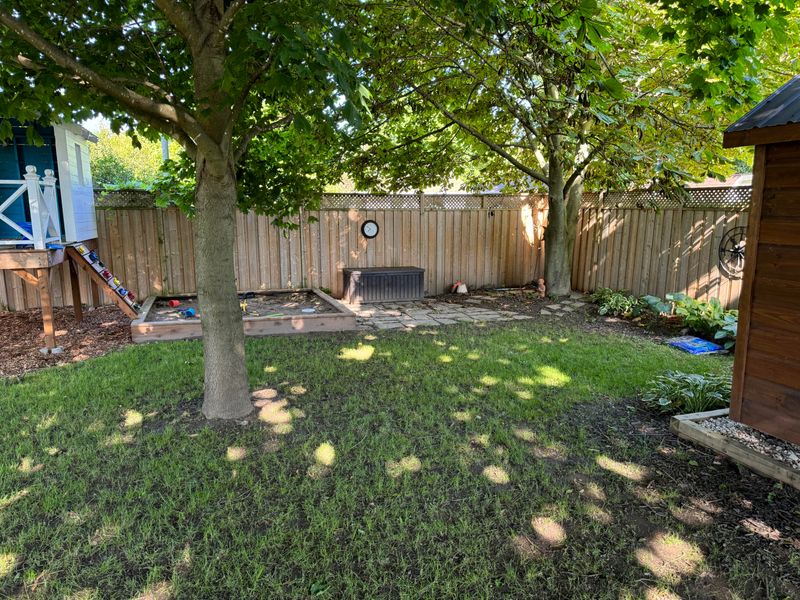
Shade is wonderful on a hot July afternoon, but too much of it can quietly work against you when it comes to tick pressure in the yard. Ticks are not fans of dry, sunny conditions.
They lose moisture quickly in open sunlight and tend to stay tucked into the cooler, darker parts of the landscape where humidity stays higher throughout the day.
A yard that is heavily shaded and consistently damp gives ticks much more comfortable conditions to stay active and move around in.
Overgrown shrubs with low skirts that block airflow, tree branches that hang close to the ground, and lawn areas that never fully dry out after rain are all features that make your yard more tick-friendly than it needs to be.
Pruning those low branches to let in more sunlight, opening up the base of dense shrubs, and improving drainage in soggy spots can shift the microclimate of your yard in a meaningful way without requiring a major renovation.
Start with the areas closest to where your family spends time. Trim back branches over the patio, open up the canopy above the garden paths, and thin out shrubs that have grown into shady tunnels.
More sunlight reaching the ground means drier soil and less comfortable conditions for ticks.
Even modest improvements to airflow and light penetration can make your outdoor spaces noticeably less hospitable to ticks through the hottest months of the Michigan summer.
9. Leaving Garden Paths Narrow And Overgrown
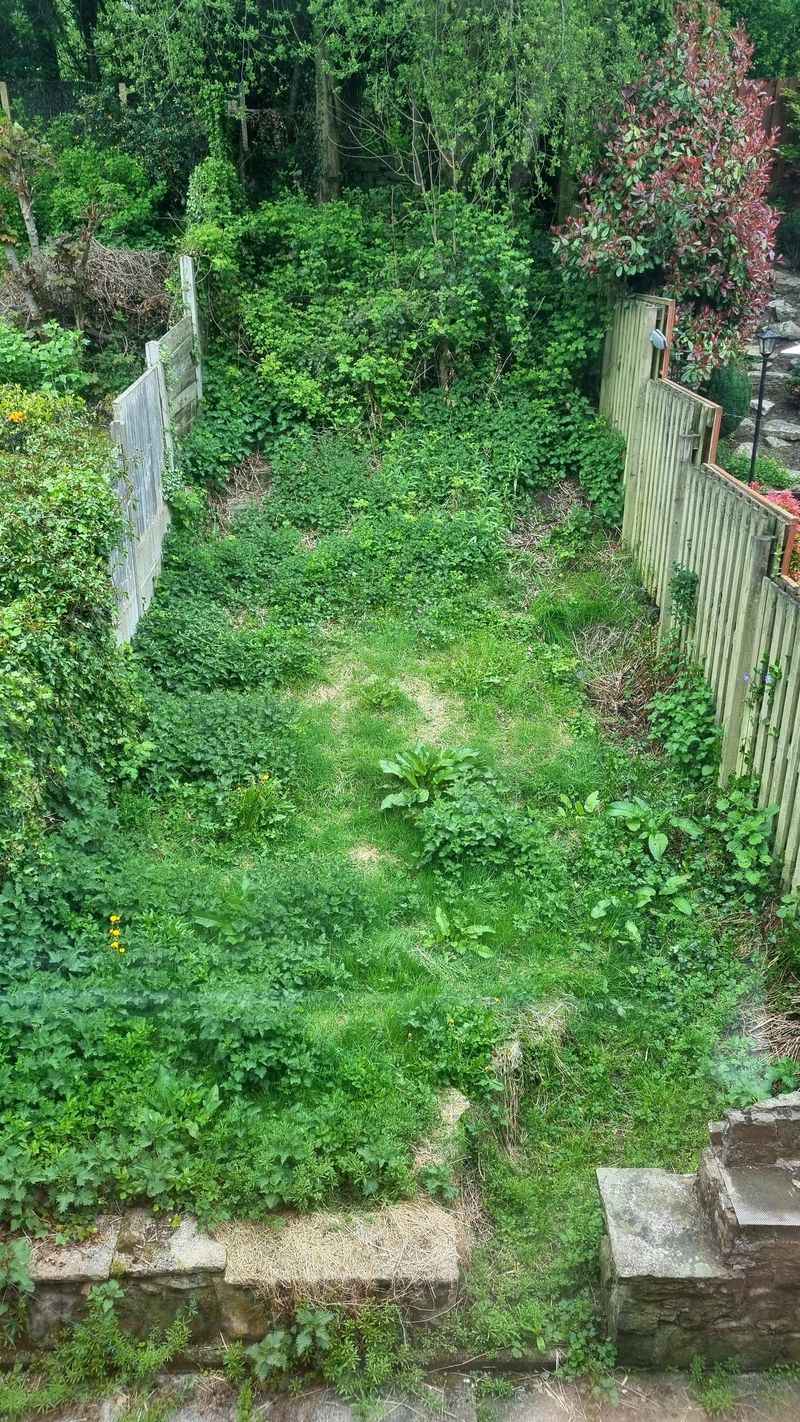
Garden paths have a way of narrowing over the course of a season. Plants lean in, tall perennials flop across the edges, and what started as a clear walkway becomes more of an obstacle course by mid-July.
Walking through a narrow path where plants brush against your legs and clothing is one of the most reliable ways to pick up a tick without realizing it.
That contact transfers ticks from vegetation to fabric in seconds, and most people never feel it happen.
Vegetable gardens, flower beds, and woodland edges are all popular spots for garden paths, and they also happen to be areas where plants grow quickly and thickly.
A path that was wide enough in May may feel like a tunnel by the time July arrives. Ticks positioned on overhanging stems and leaves are perfectly placed to catch a ride on anyone walking through without noticing the brush contact.
Widening your garden paths does not mean sacrificing planting space. Even pulling plants back six to eight inches on each side creates a noticeably safer walking lane.
Trim any stems or branches that lean across the path, especially at leg and arm height. Keep the center of the path clear and the edges well-defined throughout the summer.
A wide, open, clearly maintained path is easier to walk through, easier to enjoy, and a much smarter setup for keeping tick contact low during peak Michigan summer activity.