Native Ohio Plants To Grow Instead Of Creeping Phlox Along Stone Walls
There is something about a stone wall in an Ohio garden that just begs for plants spilling over the edges.
The texture, the structure, the way the right groundcover can make the whole thing look like it has been there forever: it is a combination that is hard to beat.
Creeping phlox gets a lot of attention for this role, and honestly it earns it. But Ohio has a surprisingly rich lineup of low-growing natives that are equally beautiful along stonework and bring a little more local character to the mix.
Shallow soil, excellent drainage, full sun, dappled shade: stone walls create some interesting growing conditions and the right native plants absolutely thrive in them.
If you are ready to think beyond the usual suspects, there are some genuinely beautiful options worth considering right here in Ohio.
1. Wild Stonecrop Softens Shady Stone Edges
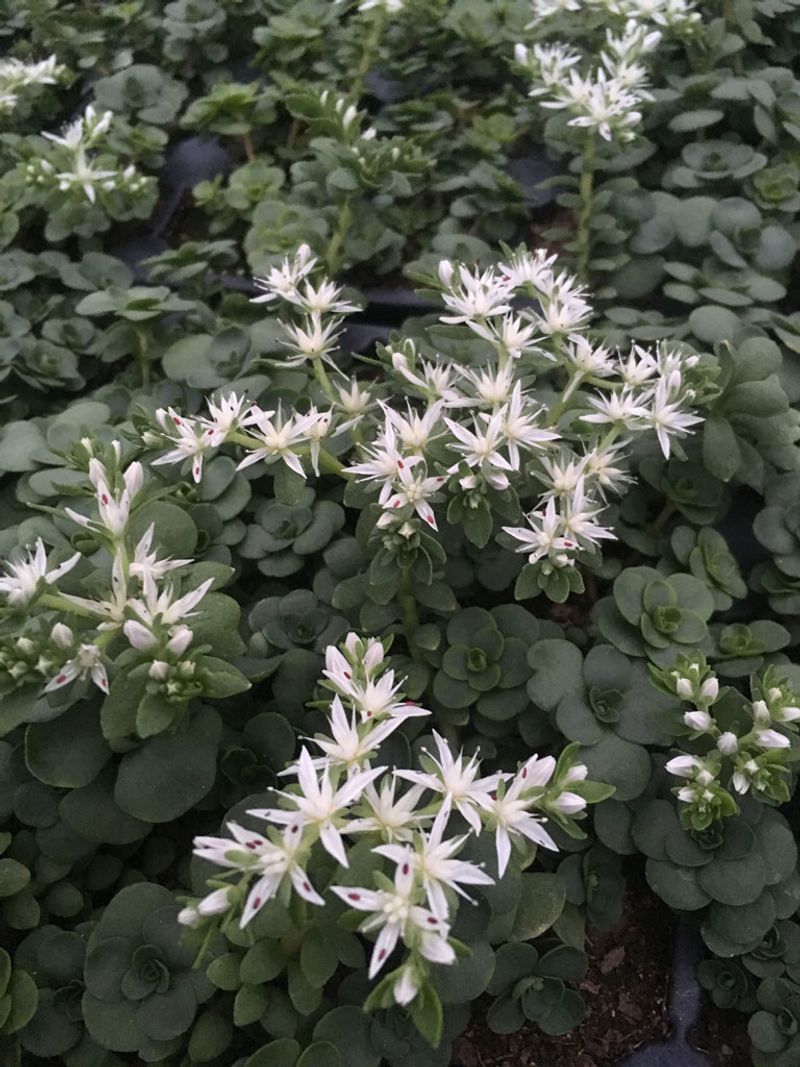
Tucked into a shaded stone crevice, wild stonecrop has a quiet way of making a wall look like it has been there for centuries. This low-growing native succulent, known botanically as Sedum ternatum, is one of the few true woodland sedums native to Ohio.
Its rounded, fleshy leaves stay green through much of the year, and in spring it produces clusters of small white star-shaped flowers that brighten up shaded spots where little else wants to grow.
Wild stonecrop works especially well in the cooler, moister pockets found on the north or east side of stone walls. It handles shallow soil with ease and spreads gradually to form a soft, layered mat over rocks and edges.
Unlike many sedums sold at garden centers, this one genuinely prefers some shade rather than full blazing sun.
Ohio gardeners working with dry shade near stonework will find wild stonecrop a reliable and low-fuss option. It does not need rich soil, and it rarely needs supplemental watering once established in a suitable shaded spot.
Check that drainage is reasonable, since standing water can be a problem even for this tough little native.
2. Plantain-Leaved Everlasting Forms Silvery Mats
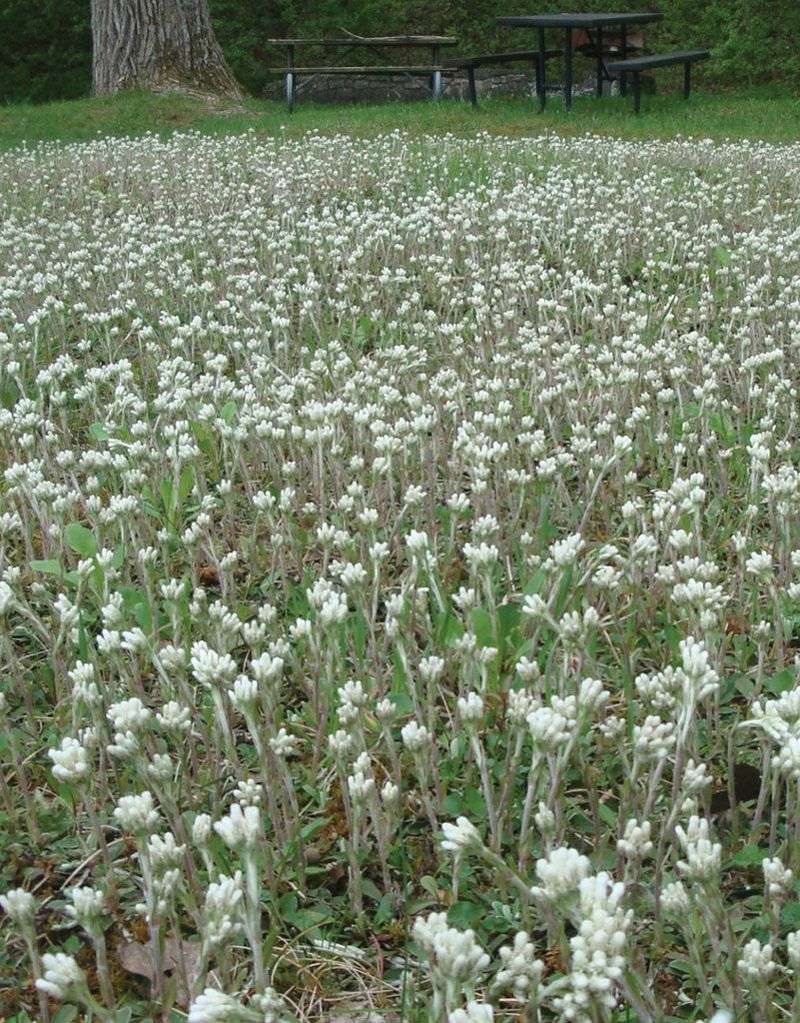
Few native groundcovers in Ohio have the soft, silvery look that plantain-leaved everlasting brings to a stone wall edge.
Antennaria plantaginifolia is a low mat-forming plant with woolly, spoon-shaped basal leaves that stay close to the ground and catch the light in a way that makes the whole planting feel airy.
In early spring, small white fluffy flower clusters rise just a few inches above the foliage, giving the plant its charming common name.
Along sunny stone walls with lean, well-drained soil, plantain-leaved everlasting spreads slowly by stolons to fill gaps without becoming invasive.
It handles dry conditions well once established, which makes it a sensible choice for the fast-draining soil pockets that form at the base of stone walls in full sun.
This species is dioecious, meaning male and female plants are separate, so a mixed planting helps with seed production if you want natural spread.
Caterpillars of American lady butterflies use everlasting as a host plant, adding wildlife value to what already works as a handsome groundcover.
Your Ohio Garden Changes Every Week. Your Plan Should Too.
Gardening in Ohio changes quickly throughout the season. Every Friday you’ll receive a simple weekly plan showing exactly what to plant, prune, fertilize, harvest, and protect so you never miss the right timing.
For Ohio homeowners who want a silvery, low-maintenance native mat along sunny stonework, this plant is worth considering alongside more familiar options.
3. Field Everlasting Handles Lean Sunny Soil
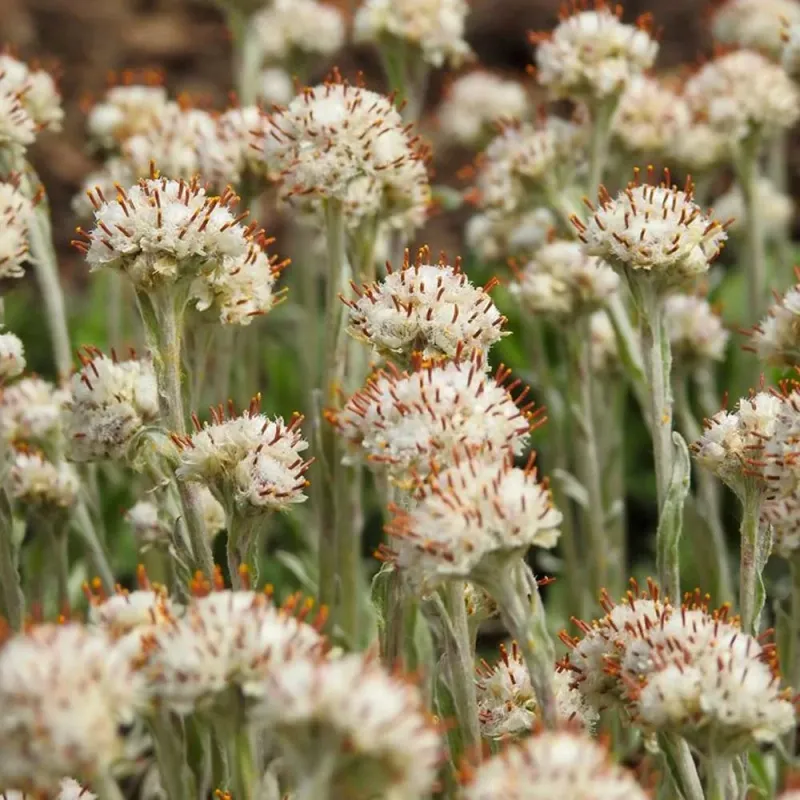
Dry, sunny stone wall edges in Ohio can be some of the most challenging planting spots in a yard, and field everlasting handles those conditions with surprising ease.
Antennaria neglecta is a close relative of plantain-leaved pussytoes, but it tends to favor even leaner, more open soil and can handle harsher sun exposure.
Its leaf rosettes are smaller and more silver-toned than those of its woodland cousin, giving it a slightly more refined appearance at the front of a sunny border.
Like other everlasting species, field everlasting spreads by stolons and forms loose mats that weave between rocks and fill planting pockets gradually.
It blooms in spring with small white flower heads that resemble tiny cat paws, which is exactly where the name comes from.
The foliage stays semi-evergreen in milder Ohio winters, offering some visual interest even when little else is growing.
Before planting, it helps to check that the soil is not too rich or too moist, since field everlasting tends to struggle in heavy clay or consistently wet spots. Sandy or gravelly soil near a sun-baked stone wall suits it well.
It is also a host plant for American lady butterfly caterpillars, so it adds ecological value beyond its good looks.
4. Wild Columbine Tucks Into Rocky Pockets
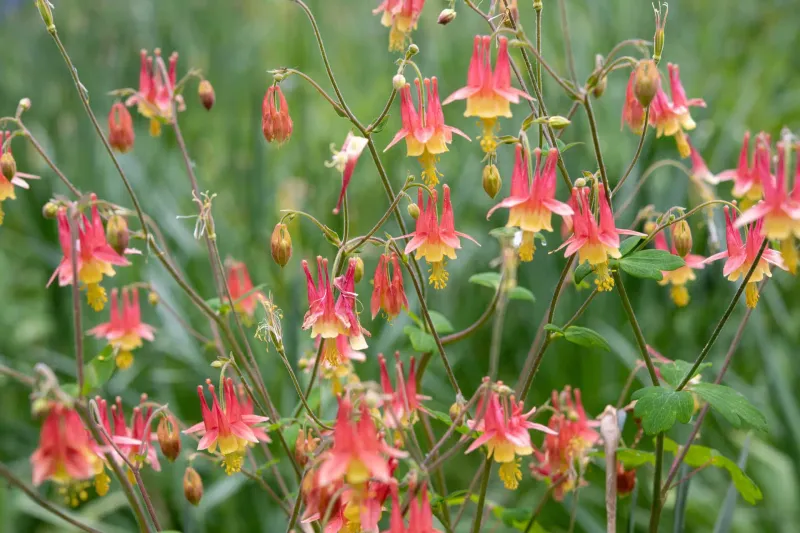
Rocky wall pockets with a bit of shade are exactly where wild columbine feels most at home. Aquilegia canadensis is one of Ohio’s most recognizable native wildflowers, known for its distinctive red and yellow nodding blooms that appear in mid to late spring.
Hummingbirds visit the flowers regularly, and the plant has a graceful, almost delicate look that contrasts beautifully with rough stone surfaces.
Wild columbine grows well in shallow soil with good drainage and can handle both partial shade and fairly sunny conditions, making it adaptable to different wall exposures.
It tends to self-seed modestly, so over time a small planting can fill nearby crevices and wall-adjacent beds without becoming overwhelming.
The ferny blue-green foliage remains attractive even after the flowers fade, providing texture through summer.
One thing worth knowing is that wild columbine does best when it is not crowded by aggressive groundcovers. Give it a little breathing room in a rocky pocket or at the base of a wall where other plants are not competing too heavily.
In Ohio residential gardens, it works well as a vertical accent among lower-growing natives, adding height and movement to stone wall plantings that might otherwise stay flat and uniform.
5. Alumroot Adds Foliage Near Stone Walls
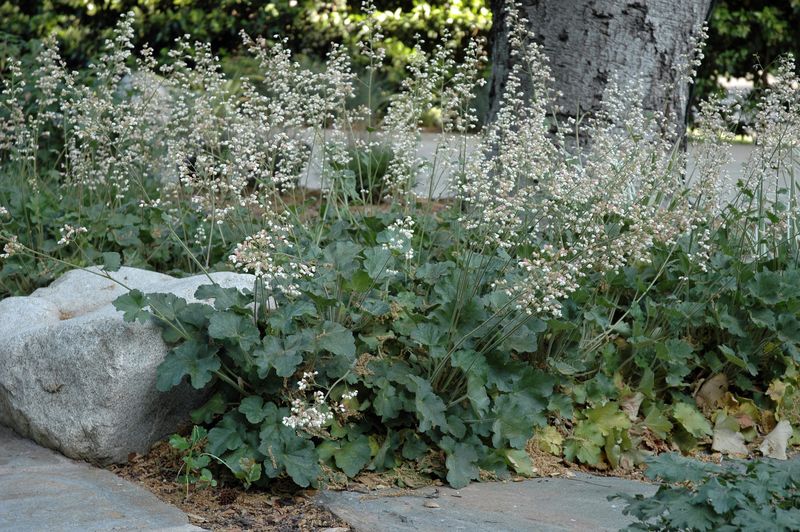
Sometimes the most valuable thing a plant can offer along a stone wall is not a showy flower but a season’s worth of interesting foliage. American alumroot, Heuchera americana, delivers exactly that.
Its lobed, rounded leaves come in a range of natural tones from green to bronze to silvery-mottled, and they hold their good looks from spring through late fall.
In early summer, slender wiry stems carry tiny greenish-white flowers that attract small native bees and other pollinators.
Alumroot grows naturally in rocky, wooded slopes and cliff edges across Ohio, which makes it a genuinely appropriate choice for stone wall plantings in shadier spots.
It handles the dry shade that the north or east side of a stone wall can create, and it does not need deep or fertile soil to perform well.
The plant forms a tidy clump rather than spreading aggressively, so it works well in smaller planting pockets where space is limited.
Ohio homeowners often overlook alumroot in favor of showier options, but its foliage texture and adaptability to dry shade make it a smart addition near stonework.
Pair it with wild columbine or wild stonecrop for a layered native planting that looks thoughtful and holds up through Ohio’s warm, dry summers without much extra care.
6. Wild Strawberry Covers Wider Wall Edges
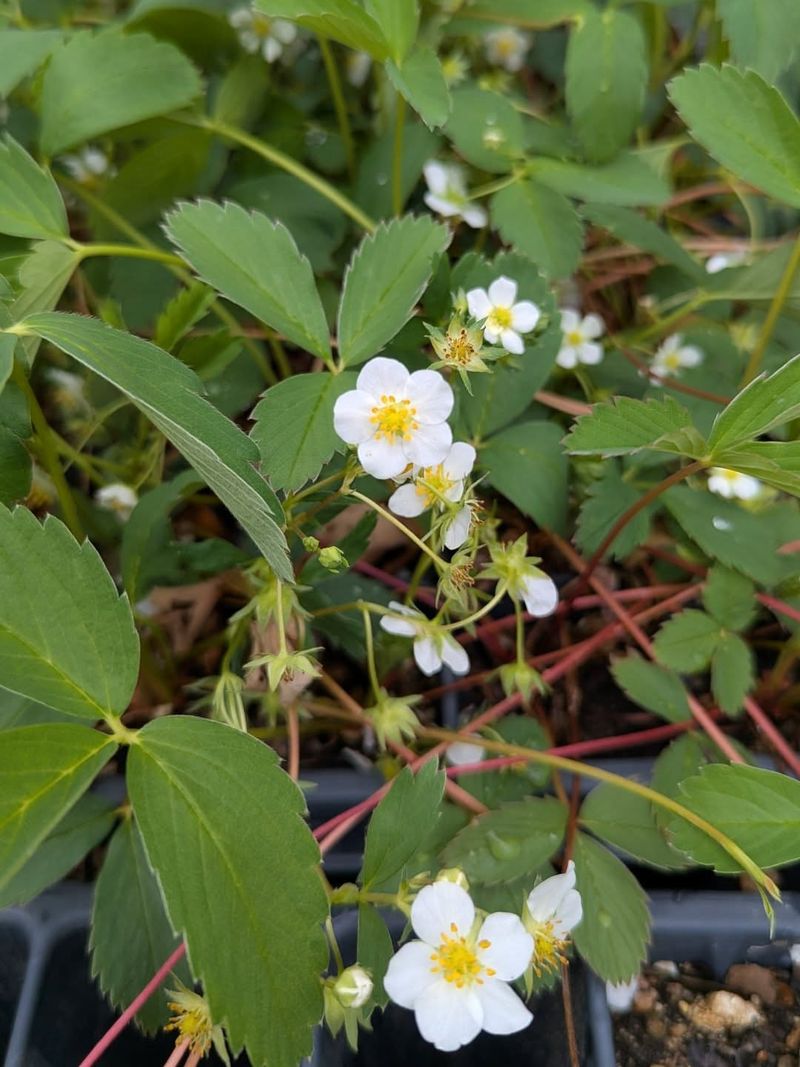
Along wider stone wall edges where you want good coverage without a lot of fuss, wild strawberry earns its place quickly.
Fragaria virginiana spreads by runners that root where they touch soil, filling gaps between stones and softening hard edges with a carpet of trifoliate leaves.
White flowers appear in spring, followed by small but genuinely sweet red berries that birds and other wildlife appreciate through early summer.
Wild strawberry handles a range of conditions, from full sun to partial shade, and it tolerates the lean, well-drained soil that stone wall edges typically offer.
It can even handle the slightly warmer soil temperatures that south-facing stone walls generate, as long as the area does not stay bone-dry for extended stretches during Ohio’s hottest months.
A little moisture retention in the soil helps it spread more evenly.
One practical consideration is that wild strawberry can spread more vigorously than some of the other plants on this list. In a large, open wall-adjacent bed that is hard to fill, that spreading habit is a real advantage.
In a tight, formal planting, it may need occasional trimming to stay in bounds. Either way, its wildlife value, seasonal interest, and adaptability make it one of the more versatile native groundcovers available to Ohio gardeners working with stonework.
7. Pennsylvania Sedge Softens Shady Borders
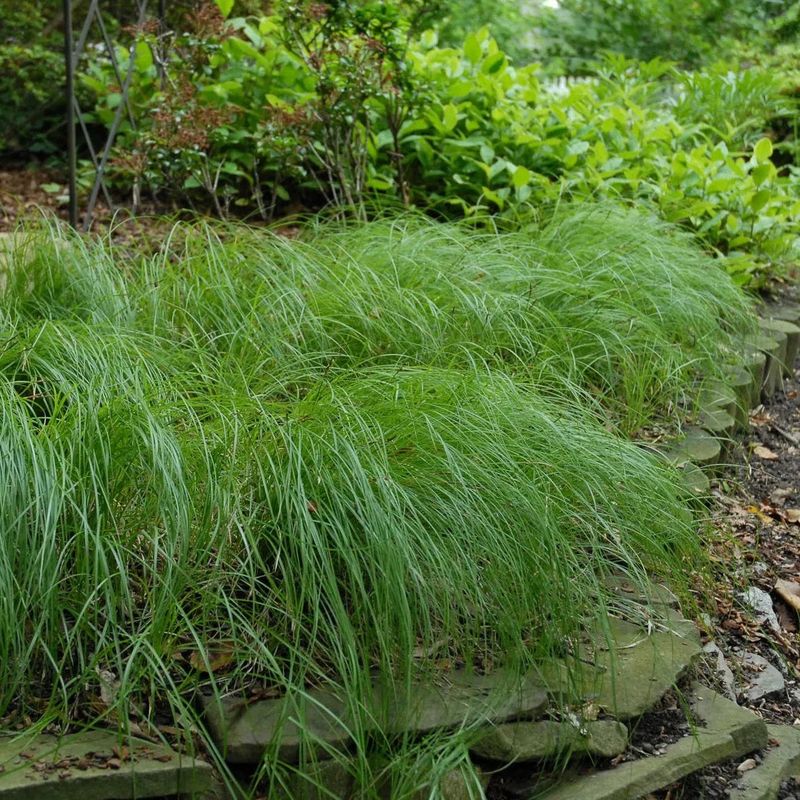
Shaded stone wall borders can be surprisingly difficult to plant well, especially in Ohio where dry shade under trees near stonework creates conditions that many plants find unwelcoming.
Pennsylvania sedge, Carex pensylvanica, is one of the most dependable natives for exactly that situation.
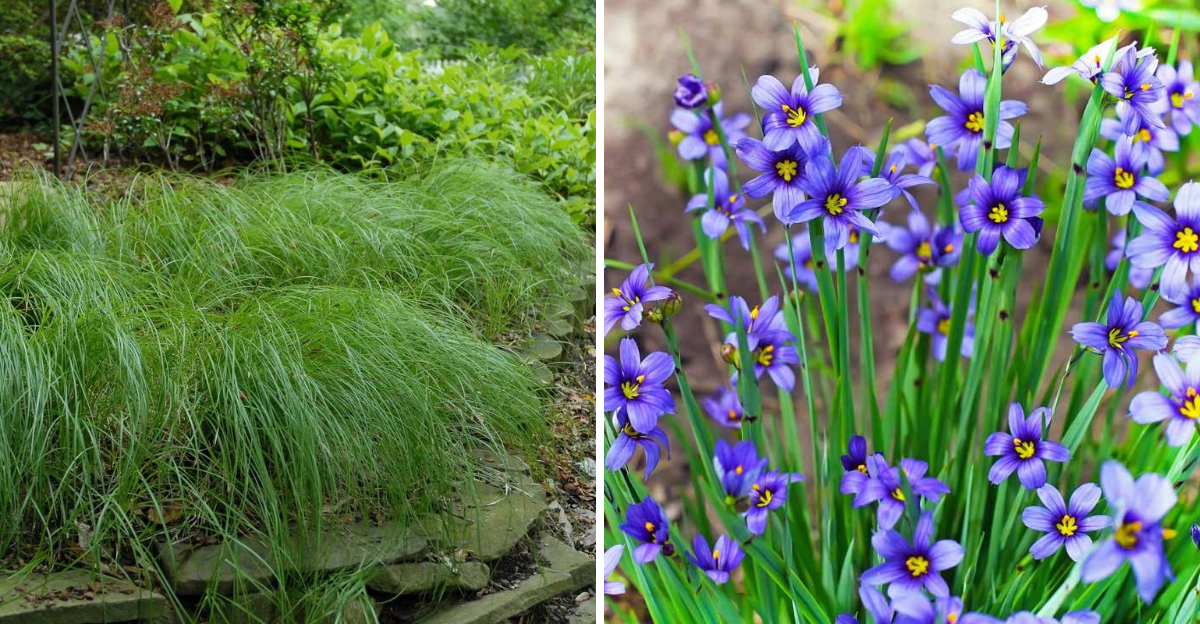
Its fine, arching leaves form low, grass-like mounds that stay green through much of the year and give a planting a soft, naturalistic texture that feels right at home near stone.
This sedge spreads slowly by rhizomes to form loose colonies, gradually filling shaded border areas without overtaking nearby plants.
It tolerates dry shade better than most grasses or sedges, which is one reason it appears naturally on dry wooded slopes and oak woodland edges across Ohio.
Along a stone wall with overhead tree canopy or northern exposure, it can provide consistent ground-level coverage where other options struggle.
Pennsylvania sedge does not produce showy flowers, so it is primarily a foliage plant. That understated quality is actually an asset in mixed native plantings, where it provides a calm visual base that lets showier plants like wild columbine or alumroot stand out.
For Ohio homeowners who want a low-growing, low-maintenance native that genuinely suits shaded stonework, this sedge is one of the most reliable choices available.
8. Blue-Eyed Grass Brightens Sunny Crevices
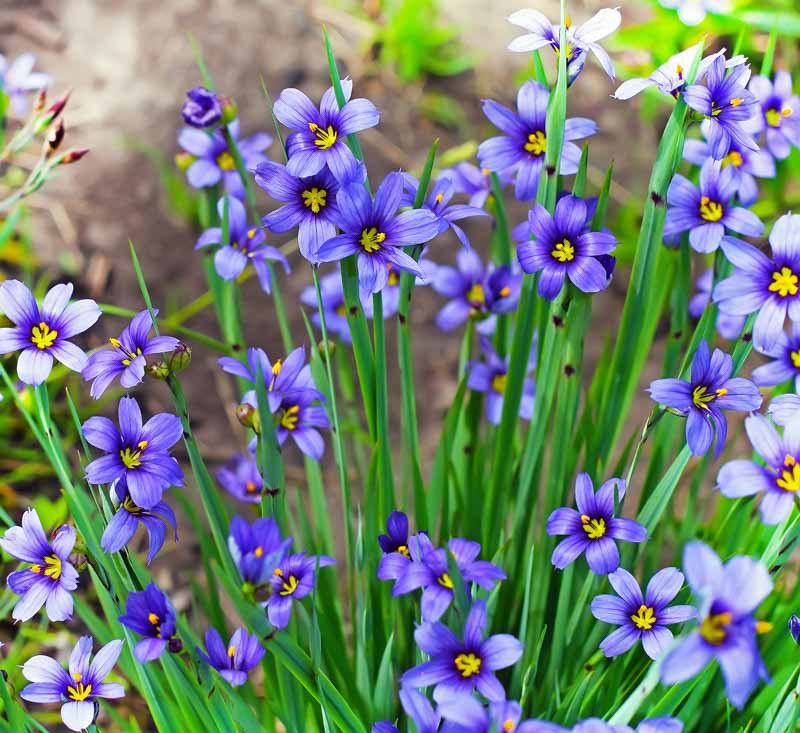
At first glance, blue-eyed grass looks like a delicate wildflower that might not stand up to the tough conditions along a sunny stone wall. Sisyrinchium angustifolium proves that impression wrong in the best possible way.
Despite its slender, grass-like stems and small violet-blue star-shaped flowers, this native Ohio plant is surprisingly tough and handles lean, well-drained soil in full sun with little complaint.
It blooms from late spring into early summer, adding a cheerful splash of color to sunny crevices and wall-adjacent borders.
Blue-eyed grass is not actually a grass at all but a member of the iris family, which explains why its flowers have that distinctive, neatly symmetrical form.
Plants stay compact, typically reaching six to twelve inches tall, which makes them well-suited to the front edge of a stone wall planting or a narrow strip between stones and a path.
They self-seed modestly, so a small planting can slowly expand over time.
For Ohio homeowners who want seasonal flower color at a low height without a lot of maintenance, blue-eyed grass fills that role naturally.
It pairs well with field pussytoes and lanceleaf coreopsis in sunny wall-edge plantings, creating a layered native combination that offers both foliage texture and bloom color across spring and into summer.
9. Lanceleaf Coreopsis Adds Golden Wallside Blooms
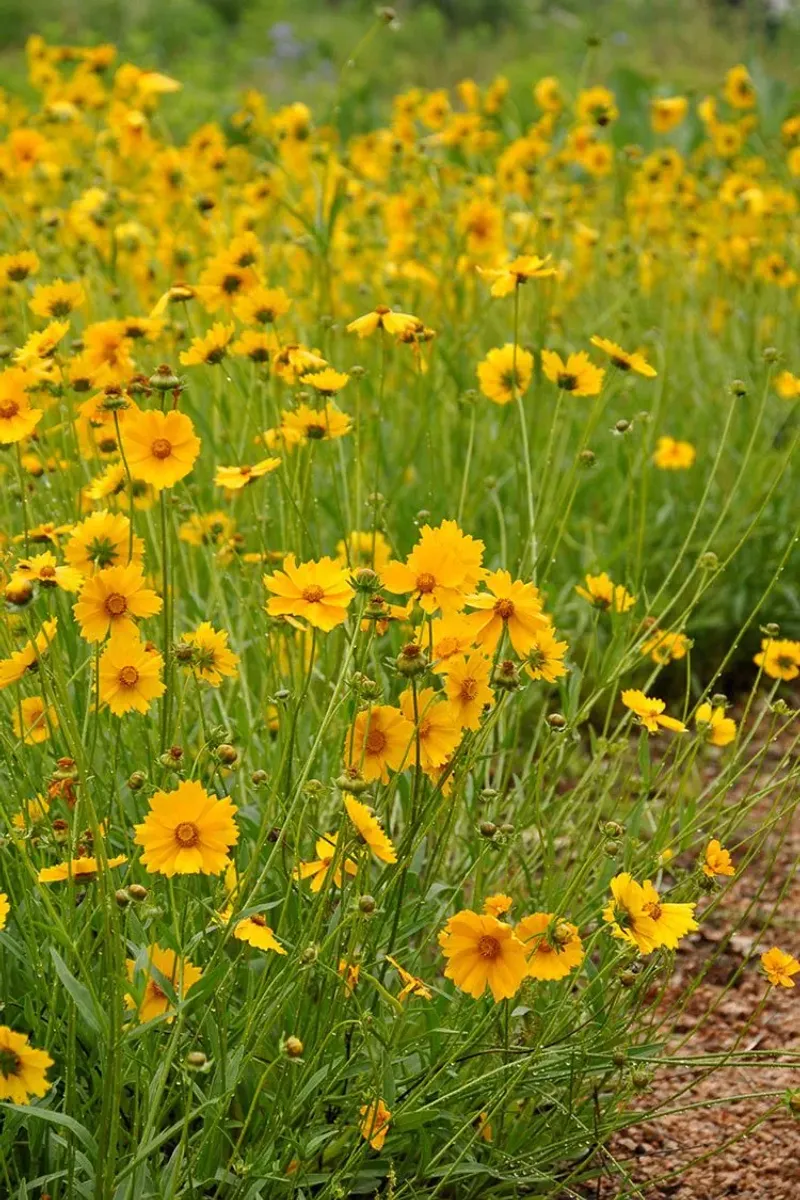
Golden-yellow daisy-like flowers rising above a stone wall edge in early summer have a way of making an entire landscape feel more alive. Lanceleaf coreopsis, Coreopsis lanceolata, brings that kind of warm seasonal energy to sunny Ohio wall-side plantings.
It is a native prairie and open woodland plant that handles lean, dry, well-drained soil remarkably well, which makes it a natural fit for the fast-draining conditions that stone walls often create.
Plants grow roughly one to two feet tall, so they work best in wall-adjacent beds with a bit more soil depth rather than in actual wall crevices.
Along the base of a sunny stone wall, they can be combined with lower groundcovers like field pussytoes or blue-eyed grass to create a tiered planting with varying heights and textures.
Lanceleaf coreopsis blooms for an extended period and often reblooms if spent flowers are removed.
Pollinators, including native bees and butterflies, visit the flowers regularly through the warmer months, adding movement and wildlife activity to the planting.
Ohio gardeners who are new to native plants often start with coreopsis because it establishes quickly and rewards minimal care with generous bloom.
For a sunny stone wall edge that needs reliable summer color, lanceleaf coreopsis is one of the most satisfying native choices available.