The One Thing Georgia Hydrangeas Need In July Or They May Skip Blooming Next Spring
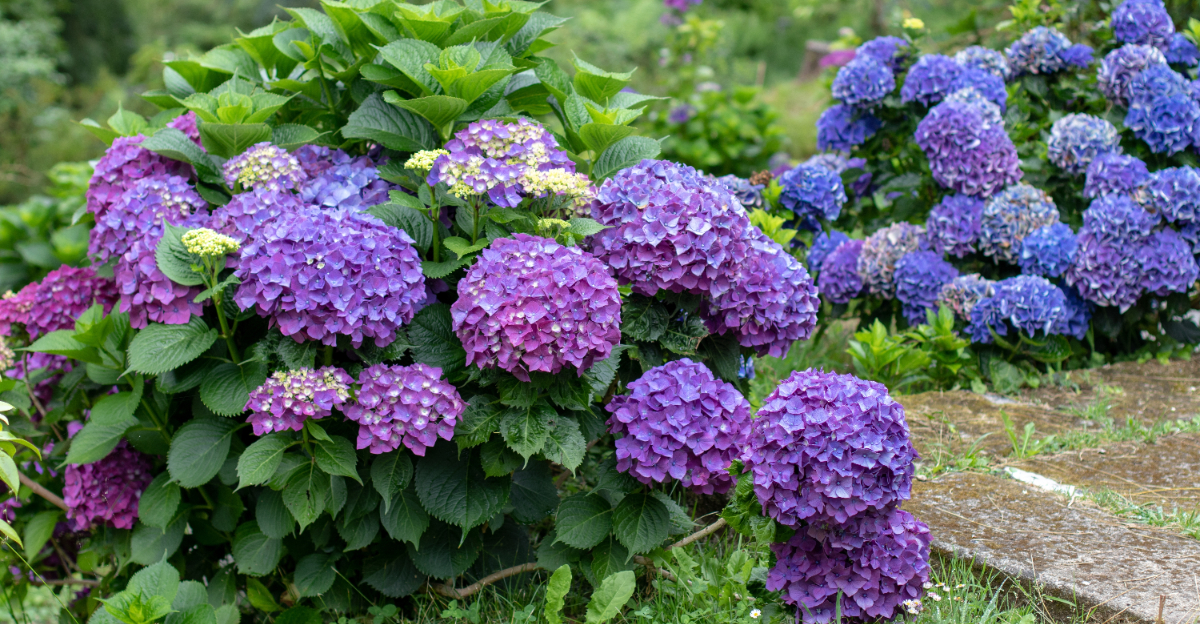
Healthy leaves and strong growth can give you the impression that your hydrangea is finished with its important work for the year. Do not let that fool you.
July is when many varieties quietly begin preparing for next spring, and one wrong decision can interrupt that process before you ever notice a problem.
The results often do not show up until blooming season returns, making the mistake easy to miss.
Many of the hydrangeas grown across Georgia start developing next year’s flower buds during summer. That makes this the wrong time for heavy pruning or other changes that remove healthy stems.
Before you tidy up your shrub, take a moment to understand what is happening behind the scenes. Giving it the right care now can reward you with a much fuller display of blooms next spring.
1. Next Year’s Flower Buds Form During Summer
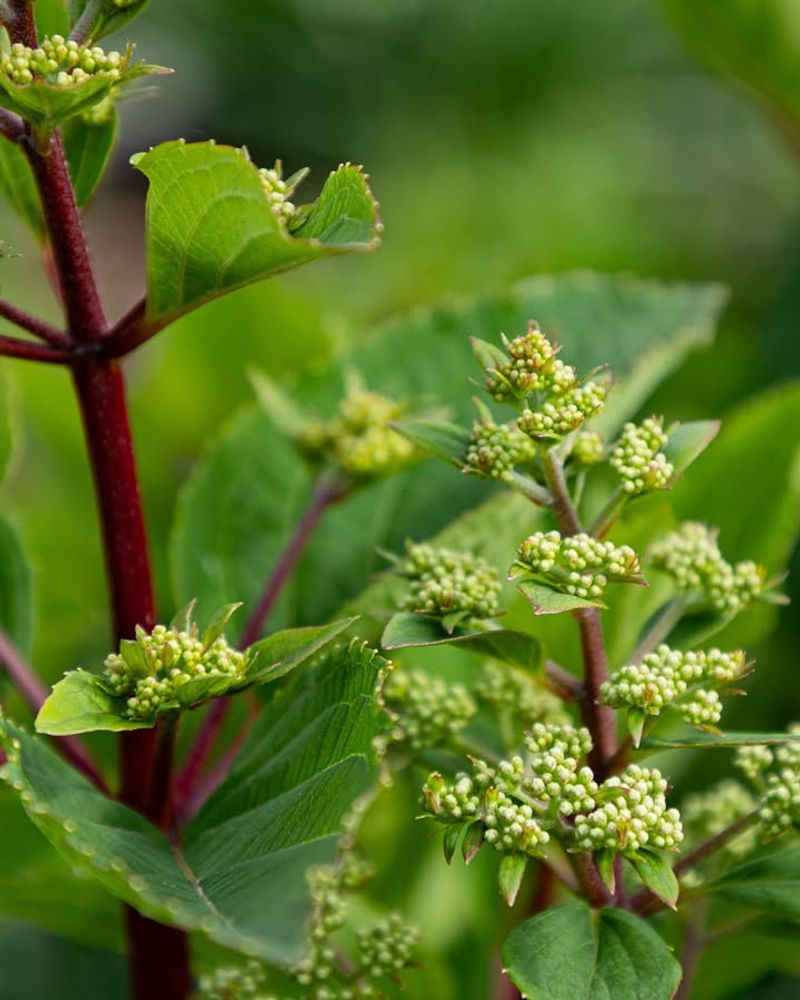
Flower buds on most hydrangeas do not form in spring. They actually develop during the summer months, often as early as late June and into July.
Bigleaf and oakleaf hydrangeas are the biggest examples of this pattern. Both types set their buds on old wood, which means the stems that grew this year will carry next spring’s flowers.
Gardeners who do not know this often make care mistakes during summer that wipe out next year’s bloom potential without realizing it. Pruning, stress, or drought during this bud-setting window can reduce or delay flowering significantly.
Watch your plants closely in July. New growth tips may look soft and unremarkable right now, but those small nodes are quietly building what becomes a full flower head months later.
Bud development depends on several conditions working together. Consistent moisture, moderate temperatures, and minimal disturbance all support the process.
When any of those factors goes sideways, the plant shifts its energy away from reproduction and toward basic survival.
Panicle hydrangeas behave differently since they bloom on new wood. But for most landscape varieties common across the Southeast, summer is genuinely the most important season for protecting next year’s show.
2. Avoid Pruning Stems After Blooming Ends
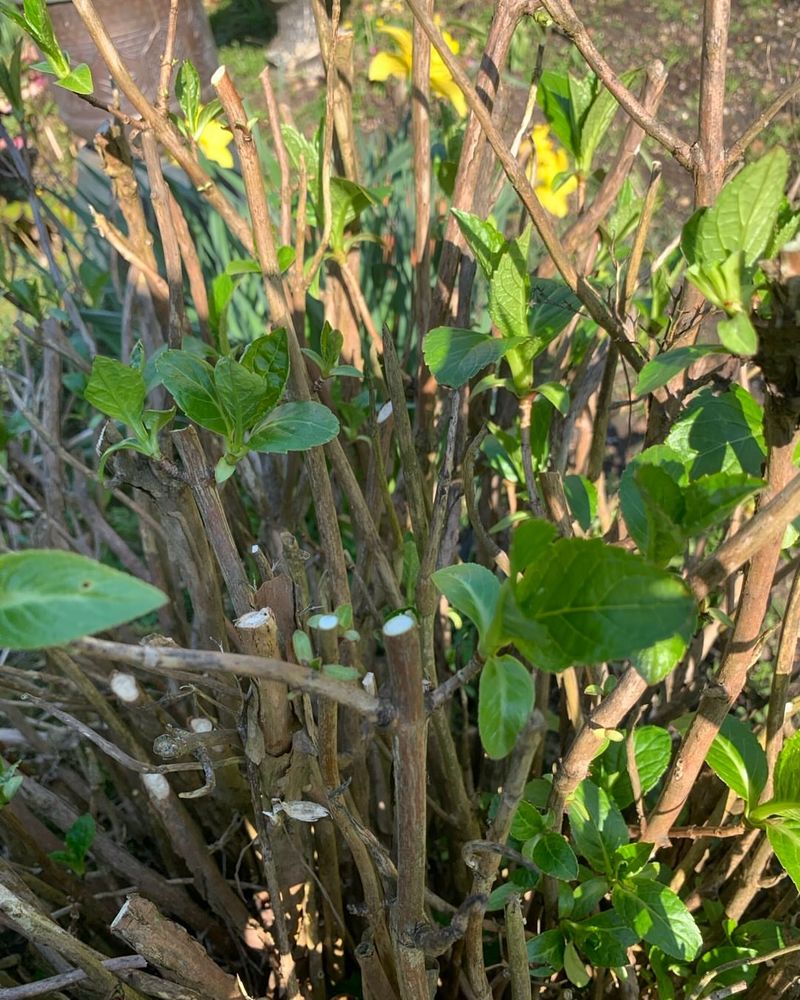
Put the pruning shears down. Seriously.
Cutting hydrangea stems after the blooms fade in early summer is one of the most common mistakes gardeners make.
Old-wood bloomers like bigleaf hydrangeas store next year’s buds right on those stems you are about to remove. Snipping them off means removing the very growth points your plant needs for spring flowering.
Faded flowers might look a little rough, but leaving them in place protects what is underneath. Those spent blooms are sitting right above developing bud nodes that need to stay intact through fall and winter.
If you feel the urge to tidy up, limit yourself to removing broken or clearly damaged wood only.
Healthy green stems should stay where they are, even if the flowers on top have turned brown and papery.
Timing matters a lot here. Pruning in late summer or fall removes buds that have already formed.
Pruning in winter can catch the plant before it breaks dormancy, but it still carries risk for old-wood types.
Your Georgia Garden Changes Every Week. Your Plan Should Too.
Gardening in Georgia changes quickly throughout the season. Every Friday you’ll receive a simple weekly plan showing exactly what to plant, prune, fertilize, harvest, and protect so you never miss the right timing.
The safest approach for most home gardeners is to skip major pruning entirely from July through winter. Shape the plant lightly in very early spring if needed, right as new growth begins to emerge.
3. Consistent Moisture Supports Healthy Bud Development
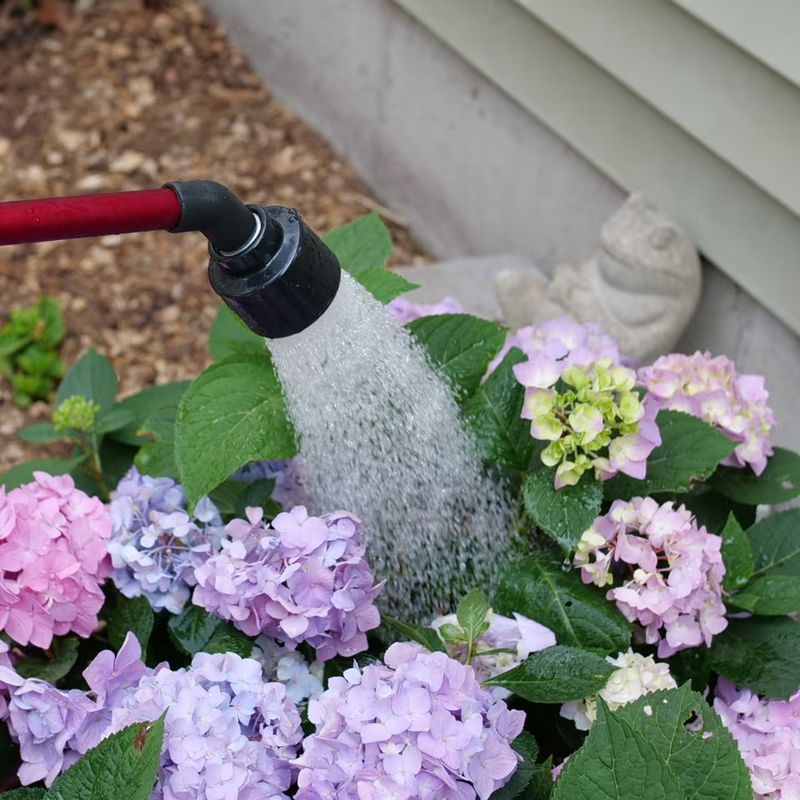
Hydrangeas are thirsty plants, and July pushes that need to the limit. Inconsistent watering during bud development can interrupt the process before it even gets started.
Dry spells lasting more than a few days put the plant under stress. When that happens, energy gets redirected toward keeping leaves alive rather than building new buds.
That trade-off costs you blooms the following spring.
Aim for deep, slow watering rather than quick surface sprays. Water should reach several inches into the soil so roots can actually absorb what they need.
Shallow watering encourages shallow roots, which makes plants more vulnerable during heat waves.
Morning watering works better than evening for most situations. Wet foliage sitting overnight can invite fungal issues, especially in humid summer conditions.
Watering at the base of the plant reduces that risk.
Check the soil before watering rather than sticking to a rigid schedule. Push a finger about two inches into the ground near the root zone.
If it feels dry at that depth, it is time to water. If it still feels damp, give it another day.
Rainfall helps but rarely covers the full need during dry stretches. Supplemental watering fills the gap.
4. Heat Stress Can Reduce Bud Development
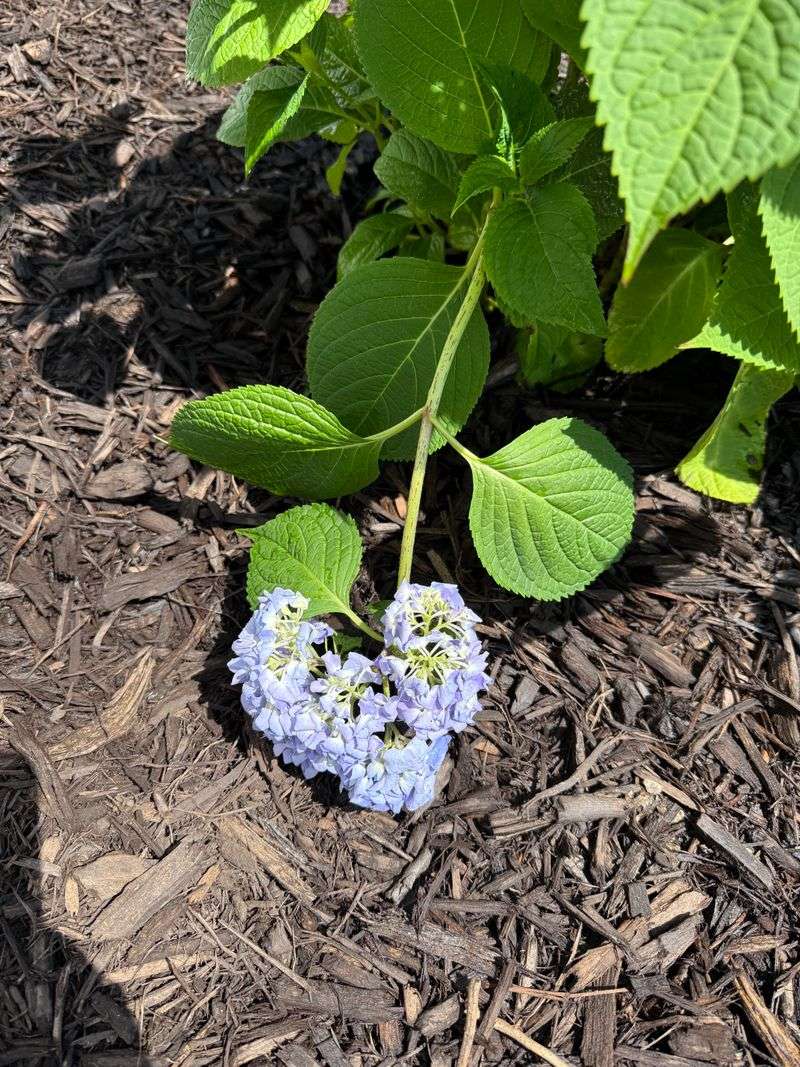
Afternoon heat in the South hits hard, and hydrangeas feel it. Sustained high temperatures above 90 degrees can slow or interrupt the bud-setting process during summer.
Plants under heat stress focus on survival first. Photosynthesis slows, water moves through the plant faster than roots can replace it, and reproductive processes like bud formation take a back seat.
Wilting in the afternoon is normal and not necessarily a sign of serious trouble. Most hydrangeas perk back up once evening cools things down.
Wilting that persists into the morning, though, signals a bigger moisture or stress problem worth addressing.
Placement matters more than most people realize. Hydrangeas planted in spots that receive direct afternoon sun tend to struggle more than those with eastern exposure or afternoon shade.
If a plant looks consistently stressed, its location may be part of the issue.
Shade cloth can help during extreme heat events. A temporary cover that blocks 30 to 40 percent of sunlight reduces heat load without cutting off the light the plant still needs for healthy function.
Across Georgia, summer temperatures regularly push into the upper 90s for weeks at a time.
5. Mulch Keeps Roots Cooler During Hot Weather
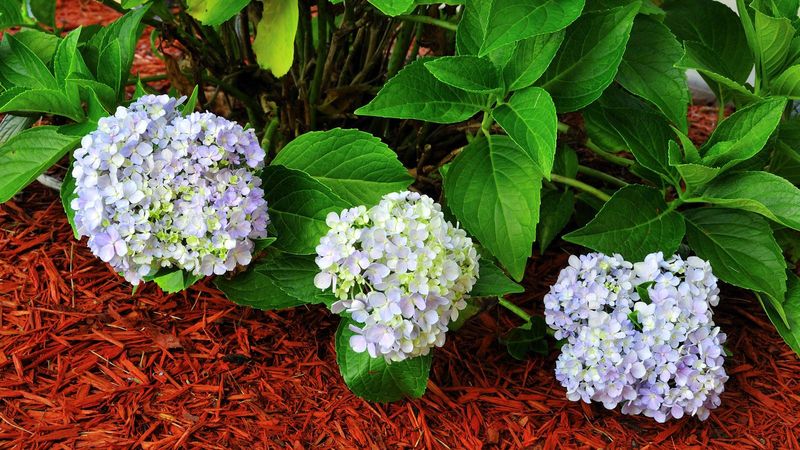
Bare soil in July absorbs heat fast. Ground temperatures under direct sun can reach levels that stress plant roots significantly, even when air temperatures seem manageable.
A good layer of mulch acts like insulation. It blocks direct sun from hitting the soil, slows moisture evaporation, and keeps root zone temperatures several degrees cooler than unprotected ground.
Two to three inches of organic mulch is a solid target for most hydrangea beds. Wood chips, shredded bark, or pine straw all work well.
Avoid piling mulch directly against the base of the stems since that can trap moisture and encourage rot.
Pull the mulch back slightly from the crown of the plant and spread it outward to the drip line instead. That coverage zone is where the feeder roots are most active, and keeping that area cool and moist supports steady growth.
Fresh mulch applied in late spring or early summer holds up well through July. If the layer has thinned out from decomposition or displacement, top it off before peak heat arrives.
A thin layer loses effectiveness quickly.
Beyond temperature control, mulch reduces how often you need to water. Moisture stays in the soil longer, which means the plant has access to consistent hydration even between watering sessions.
6. Heavy Fertilizer Can Disrupt Healthy Growth
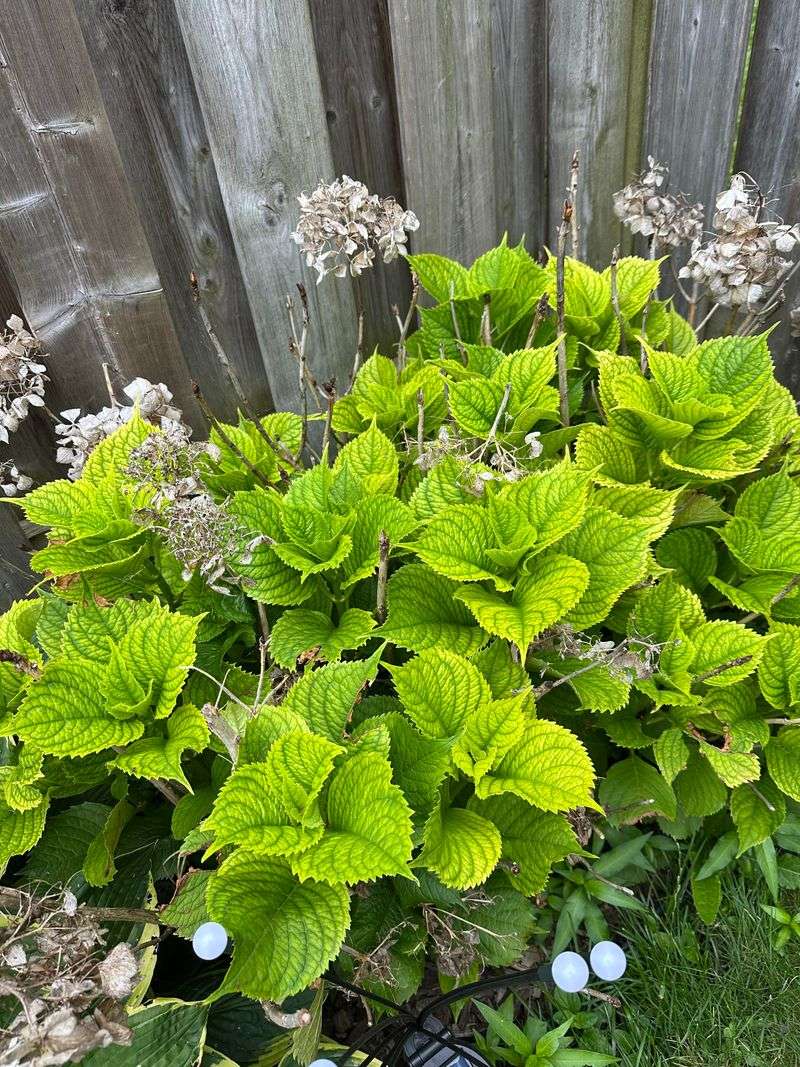
More fertilizer does not mean more flowers. In fact, heavy feeding in July can push a hydrangea in the wrong direction entirely during a critical growth period.
High-nitrogen fertilizers encourage fast leafy growth. That sounds positive, but rapid green growth in summer comes at a cost.
The plant prioritizes producing new foliage instead of setting flower buds for the following season.
Lush, dark green leaves with zero blooms the next spring is a frustrating outcome that often traces back to late-season fertilizing. Nitrogen is the main culprit, especially when applied in large amounts after midsummer.
If you want to feed your hydrangeas, do it earlier in the season. A balanced slow-release fertilizer applied in spring gives the plant nutrients when it needs them most for overall health, without interfering with summer bud development.
Soil testing takes the guesswork out of feeding decisions. Knowing what your soil already contains helps you avoid adding nutrients the plant does not need.
Many gardeners overfeed simply because they assume more input equals better results.
Potassium and phosphorus support root health and flowering more directly than nitrogen does. If you feel the need to feed in summer, a low-nitrogen formula with higher phosphorus content is a more targeted option.
7. Healthy Summer Care Leads To More Spring Blooms
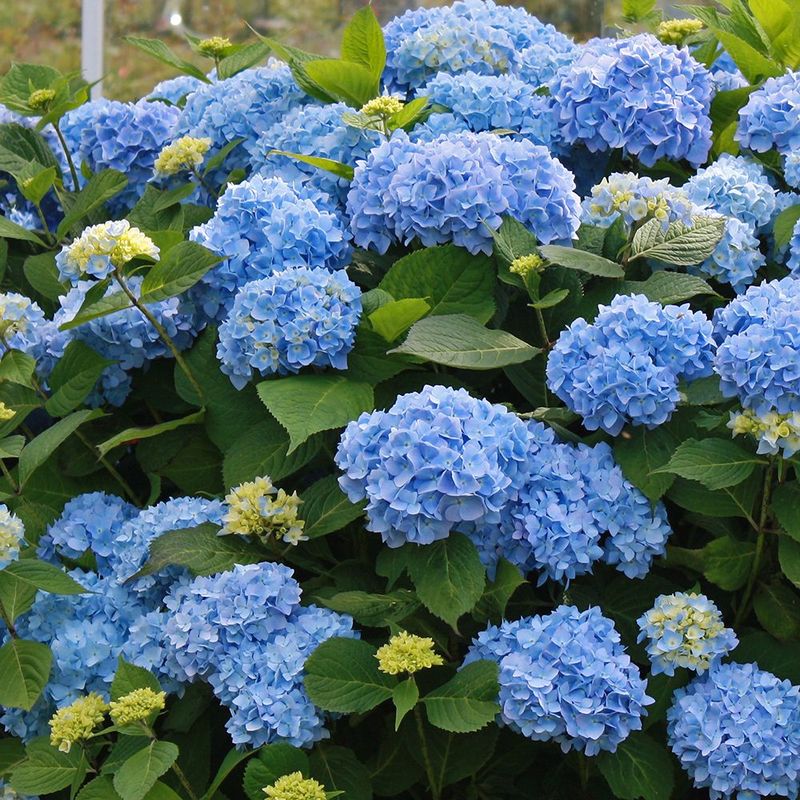
Everything you do for your hydrangeas in July shows up in April. That connection between summer care and spring blooms is real, and it is worth keeping in mind every time you step outside.
Consistent watering, skipping the pruning shears, keeping mulch topped off, and holding back on heavy fertilizer are not complicated steps.
But together, they create the conditions a hydrangea needs to build strong buds through the hottest months of the year.
Plants that get through summer without serious stress tend to enter fall in better shape. Better fall condition means stronger bud survival through winter, which translates directly into more flowers when spring arrives.
Gardeners across the Southeast who pay attention to July often report noticeably fuller bloom seasons compared to years when summer care was inconsistent or neglected. The difference is not always dramatic, but it is visible and worth the effort.
No single step works in isolation. Watering without mulch leaves soil vulnerable to rapid drying.
Mulching without watering creates a false sense of security. Avoiding pruning matters less if the plant is already stressed from heat or drought.
Think of July care as a package deal rather than a checklist.