This Invasive Grass Is Quietly Choking Out Pennsylvania Gardens
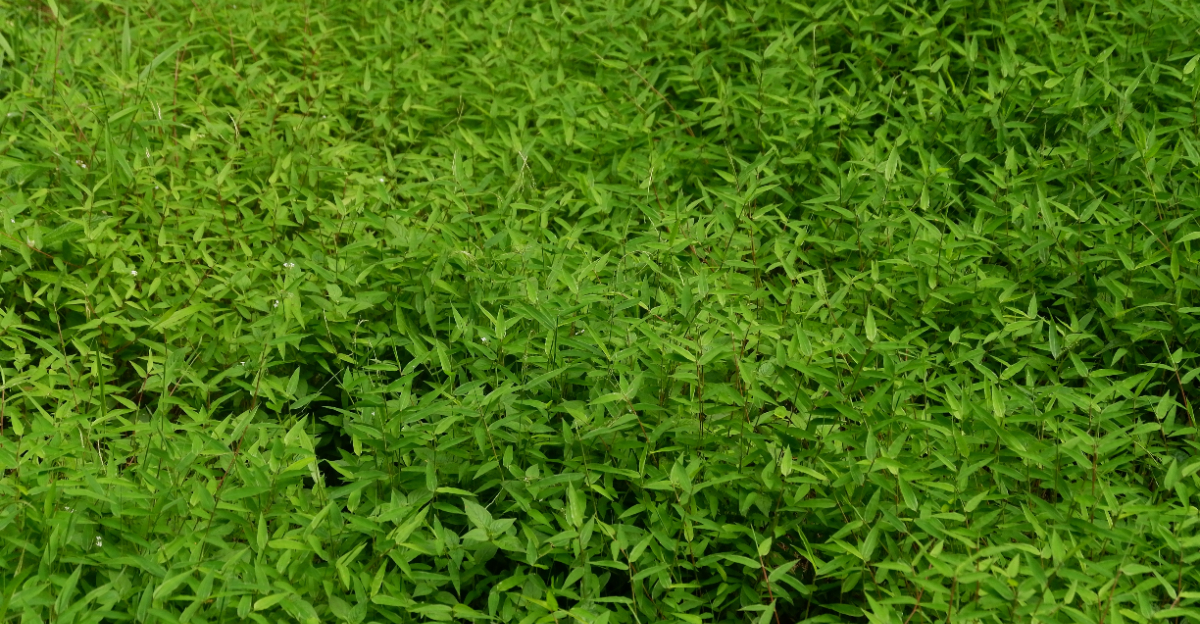
It doesn’t announce itself. It slips in low, fanning out across shaded beds and lawn edges with thin, bamboo-like blades that barely register as a threat.
Pennsylvania homeowners often walk past it for weeks, mistaking it for something native, something harmless, something that belongs. That mistake carries a cost.
This grass spreads fast, overtakes native seedlings, and reshapes soil chemistry in ways that make recovery difficult for years afterward. One plant can produce hundreds of seeds, and those seeds stay viable in the ground long after the original patch gets pulled.
Catch it early, or spend years managing it.
A Silent Invader Is Spreading Through Backyard Gardens
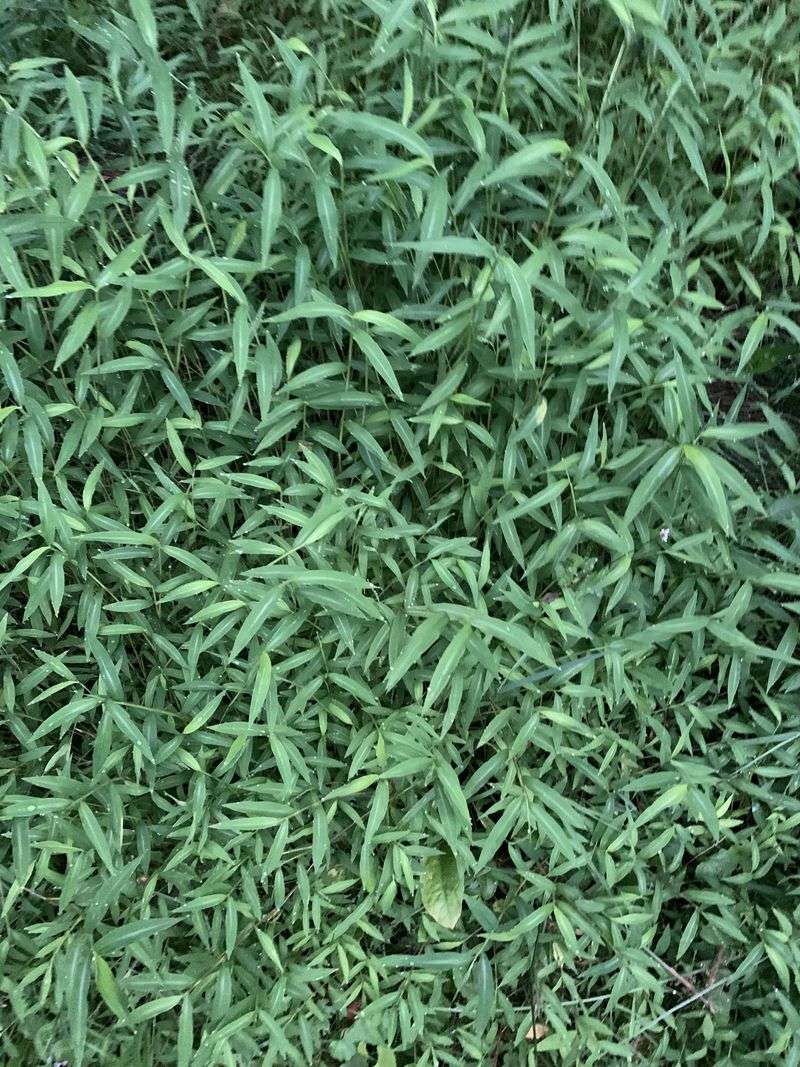
Look closely at your garden floor. That soft, feathery grass weaving between your hostas might not be harmless at all.
Japanese stiltgrass is spreading fast across Pennsylvania gardens, and most people mistake it for a harmless weed. It blends in easily, growing low and quiet until it takes over completely.
Many Pennsylvania gardeners only notice it after an entire bed has been overtaken. This invasive grass thrives in the kind of spots most weeds avoid.
Shaded areas, moist soil, and disturbed ground are all fair game for it. It grows in dense, low mats that crowd out everything around it. Each plant produces hundreds of seeds that travel on shoes, tools, and animal fur.
Once established, a small patch can spread across a much larger area within one growing season. That speed is what makes it so alarming. Homeowners across the region are reporting thinner native plantings and bare soil where wildflowers once grew.
The culprit is often this same quiet invader. Recognizing it early is the single best thing you can do for your outdoor space.
The grass has a distinctive look once you know what to search for. Each blade has a silver midrib running down its center, catching light in a subtle shimmer.
Spotting that detail early could save your Pennsylvania garden from a season-long battle.
Japanese Stiltgrass Traces Its Roots To Imported Packing Material
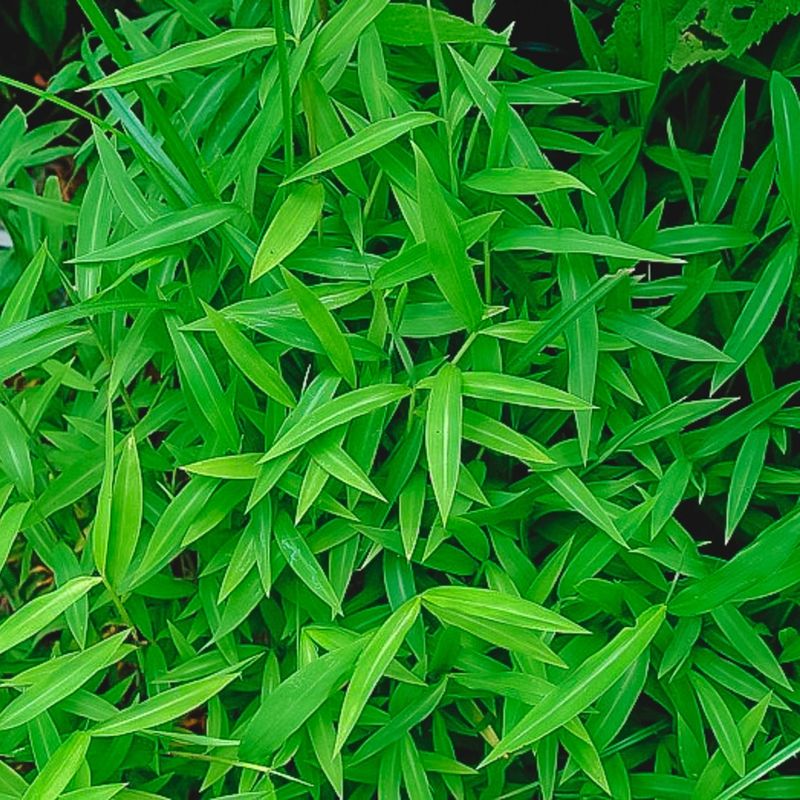
Believe it or not, this plant arrived in America wrapped around porcelain. Around 1919, Japanese stiltgrass was used as cushioning material in shipments from Asia.
Seeds escaped into Tennessee soil, and the rest is a long, frustrating history. The grass is native to eastern Asia, where natural predators keep its growth in check.
Once it landed on American soil, those controls disappeared entirely. Without natural competitors, it spread at a pace no one anticipated.
Gardeners in the region started noticing unusual grass in shaded beds during the 1980s. By the 2000s, land managers were calling it a serious ecological threat.
Its scientific name is Microstegium vimineum, but most people just call it stiltgrass. The name comes from the way its stems arch slightly above the ground.
That delicate structure makes it easy to underestimate. Knowing where it came from helps explain why it is so hard to manage.
It evolved in a completely different ecosystem with different soil, climate, and competing plants. Here, it has no natural competitors to slow it down.
Your Pennsylvania Garden Changes Every Week. Your Plan Should Too.
Gardening in Pennsylvania changes quickly throughout the season. Every Friday you’ll receive a simple weekly plan showing exactly what to plant, prune, fertilize, harvest, and protect so you never miss the right timing.
Understanding this origin story is not just trivia. It highlights why introduced species can be so much more destructive than native ones.
Your Pennsylvania garden is essentially hosting a plant that has no history of sharing space with others.
Shady Beds And Woodland Edges Offer Prime Growing Ground
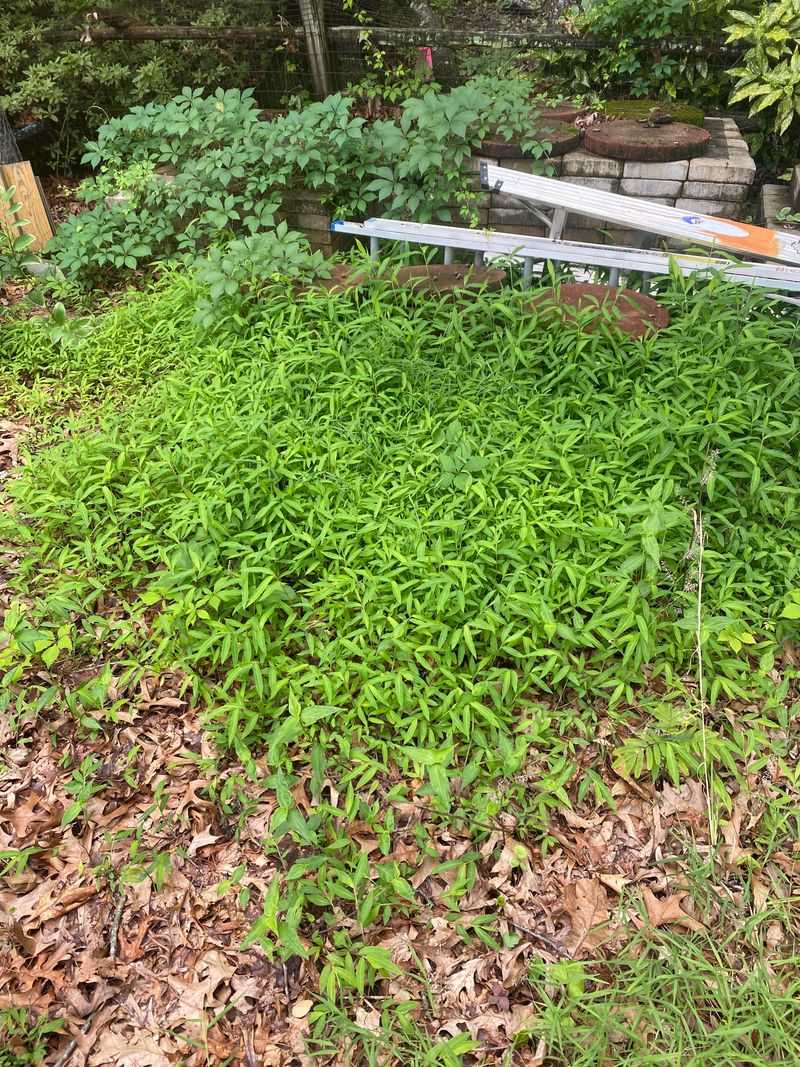
Most weeds love full sun. Japanese stiltgrass is not like most weeds, and that is exactly what makes it so dangerous to shaded spaces.
It thrives in low-light conditions where other aggressive plants struggle to survive. Woodland edges, shaded garden beds, and the shadowy strips along fences are all perfect habitats.
Those are also the spots gardeners tend to overlook. Moisture helps it along too. Areas near downspouts, creeks, or rain gardens often become hotspots for new infestations.
The plant soaks up water efficiently and grows fast after summer rain. Disturbed soil is another invitation. Construction zones, freshly tilled beds, and eroded slopes all give stiltgrass an easy entry point.
Once the soil is open, seeds do not wait long to germinate. Many homeowners discover it first along the back fence line or near a compost pile.
Those transition zones between managed garden and wild space are especially vulnerable. The grass treats those edges like a welcome mat.
Even lawns with partial shade are not immune. Thin turf patches under trees give this invasive grass just enough light and moisture to establish. From there, it creeps outward in every direction.
Checking your shadiest spots regularly throughout spring and early summer gives you the best shot at catching new growth early. Awareness of preferred habitat is one of the most powerful tools any gardener has.
Dense Mats Choke Out Native Plants Within A Single Season
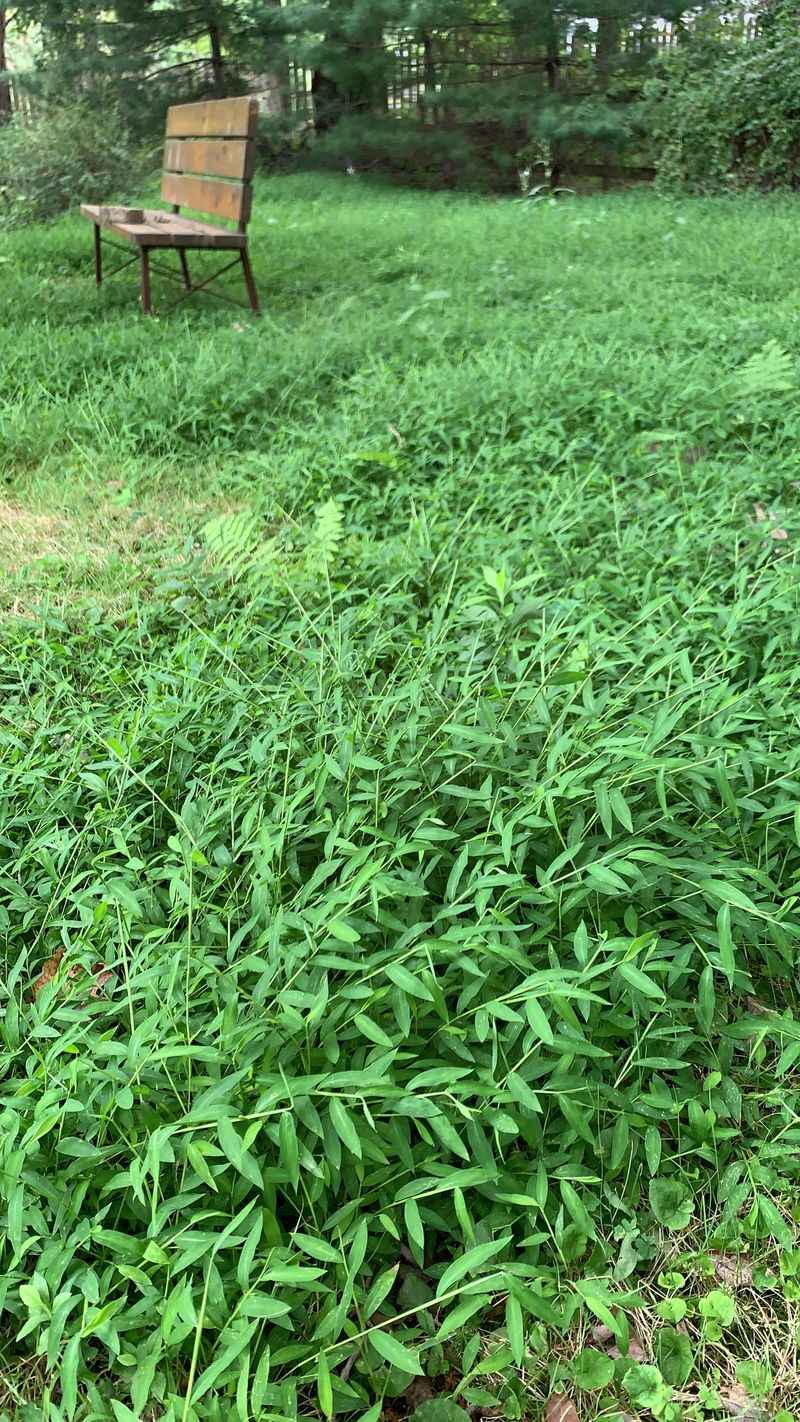
Native plants took centuries to adapt to local soil and climate. Japanese stiltgrass can undo much of that work in a single summer.
The grass grows in such dense layers that light cannot reach the soil beneath it. Native seedlings trying to sprout in spring get blocked before they even break through.
The mat acts like a living blanket covering everything below. Wild ginger, trillium, and native ferns are among the first to disappear when stiltgrass moves in.
These slower-growing plants simply cannot compete with the aggressive spread. Gardeners who love native plantings feel the loss most sharply.
The impact goes beyond aesthetics too. Native insects rely on specific plants for food and shelter. When those plants vanish, the insects that depend on them follow shortly after.
Birds that feed on those insects also begin to disappear from affected areas. The ripple effect moves through the entire local food web. One invasive plant can quietly unravel years of habitat building.
Soil chemistry changes as well over time. Stiltgrass releases compounds that make it harder for other plants to grow nearby. Scientists call this allelopathy, and it gives the invader a long-term chemical advantage.
Seeing a lush green mat in your Pennsylvania garden might feel satisfying at first glance. But if that mat is stiltgrass, the scene underneath tells a very different story. The faster you act, the more native life you can protect.
Pulling And Timing Remain The Most Effective Control Methods
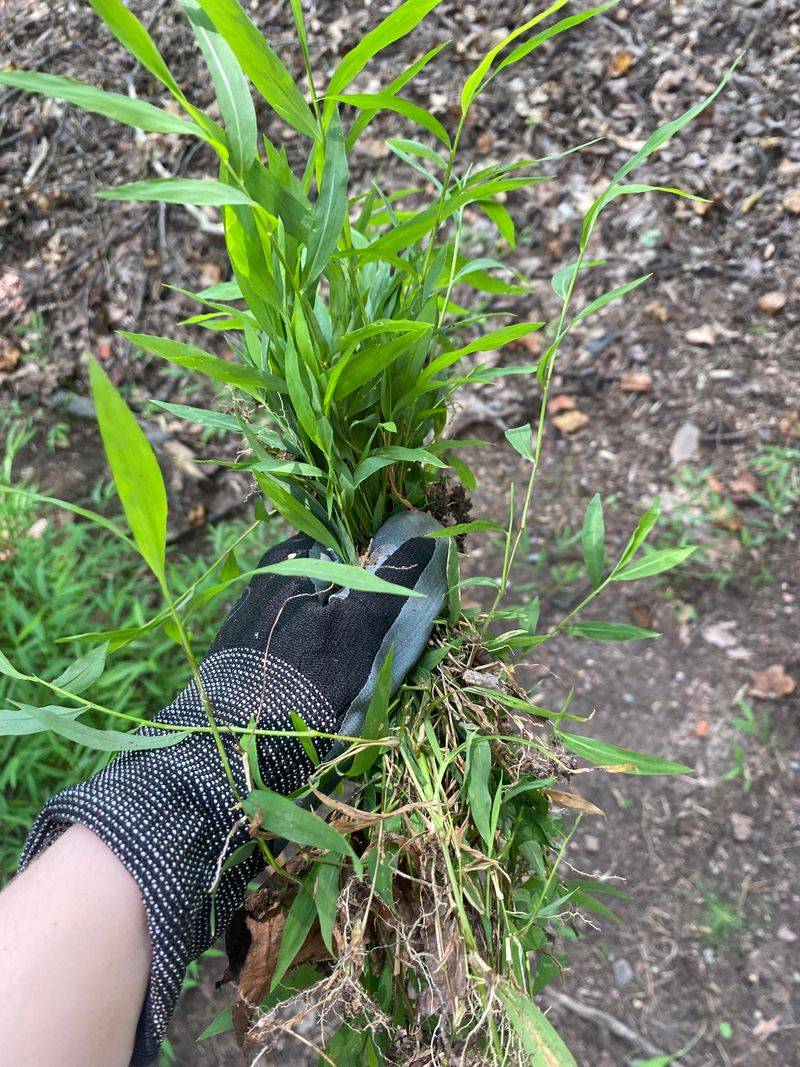
You do not need expensive chemicals to manage this plant. Timing and persistence are your most effective tools.
Hand-pulling works well when done before the plant sets seed. Stiltgrass typically flowers in late summer, between August and October in most Pennsylvania regions.
Pulling before that window closes prevents thousands of new seeds from dropping into your soil. Wear gloves and grip the stem low near the soil line. A gentle tug usually brings the shallow roots out cleanly.
The root system is not deep, which actually works in your favor here. Bag pulled plants and dispose of them properly. Do not compost stiltgrass because seeds can survive in a home compost pile.
Bagging and trashing is the safer move. For larger infestations, a sharp hoe works faster than fingers alone. Cutting the stems just below the soil surface in late summer stops seed production effectively.
Repeat passes every two to three weeks keep new flushes under control. Mulching after removal helps prevent regrowth by blocking light from reaching the seed bank.
A three-inch layer of wood chip mulch makes a big difference in treated areas. Keep the mulch away from plant stems to avoid rot.
Consistency matters more than any single aggressive effort. Stiltgrass seeds stay viable in soil for several years. Committing to seasonal checks and early pulls is the strategy that actually wins over time.
Native Groundcovers Offer A Lasting Replacement Strategy
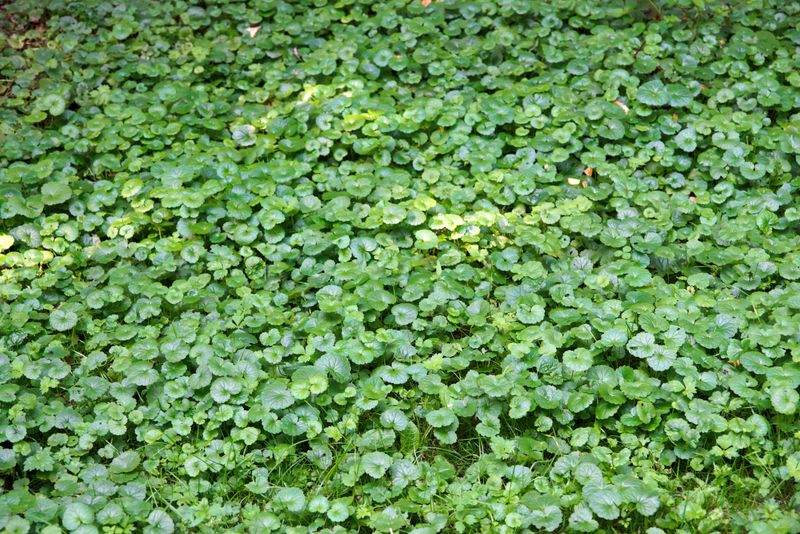
Removing stiltgrass is only half the job. Bare ground left behind is an open invitation for seeds to return.
Filling that space with native groundcovers gives you lasting ground cover. Dense native plants compete aggressively with any returning stiltgrass seedlings.
The key is choosing species suited to your specific light and moisture conditions. Pennsylvania sedge is a top choice for shaded areas.
It grows in tight clumps that leave little room for invasive seeds to establish. Once it fills in, maintenance drops dramatically.
Wild ginger spreads slowly but forms a thick carpet that shades the soil beautifully. Its broad leaves block light at ground level, which is exactly where stiltgrass needs it.
Pairing wild ginger with other natives creates layered, resilient coverage. Golden groundsel and native violets work well in partly shaded spots.
Both spread steadily and bloom in spring, supporting early pollinators at the same time. Functional beauty is always the goal in a well-planned native garden.
When shopping for replacements, choose plants grown from local seed sources when possible. Regional ecotypes are better adapted to local conditions and establish faster.
Ask your native plant nursery about provenance before you buy. A garden filled with thriving native groundcovers is not just prettier than a patch of invasive grass.
It supports birds, insects, and soil health in ways that a monoculture cannot. Replacing this invasive grass with natives turns a loss into a long-term win for your entire yard.