How To Water Aloe Vera Plants For Strong Growth In New Mexico
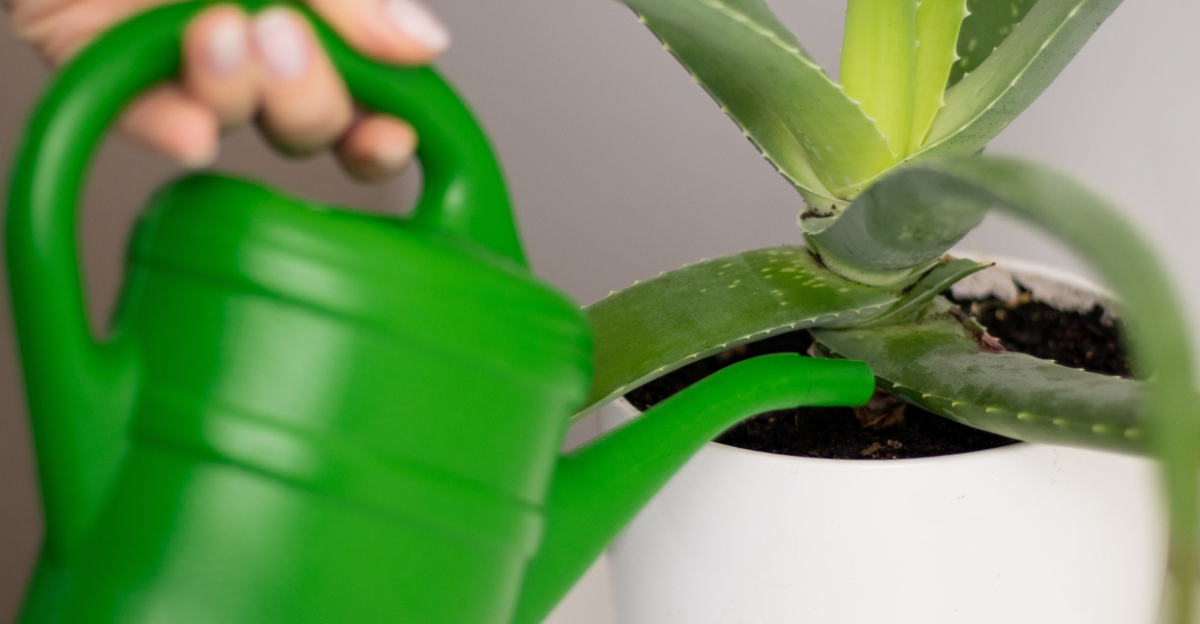
You may not notice your aloe struggling until it is too late. Desert air pulls moisture from your soil much faster than you expect.
New Mexico’s climate demands precision casual habits cannot offer. Thick leaves store plenty of water, yet they cannot hide early stress.
Sunlight here shifts from gentle to intense within a single afternoon. Your roots can weaken quietly long before leaves show any real trouble.
Shriveled leaves signal dehydration while soggy soil signals excess moisture. Neither extreme responds well to hesitation or careless timing.
Timing matters more than frequency as temperatures shift across New Mexico. Soil type changes exactly how long moisture actually lingers underground.
Pots hold heat quite differently than open garden beds ever do. Every watering choice either strengthens or slowly weakens your aloe.
Nothing about desert gardening ever rewards careless assumptions or guesswork. You are about to discover exactly what your aloe truly needs.
1. Water Only When Soil Is Dry
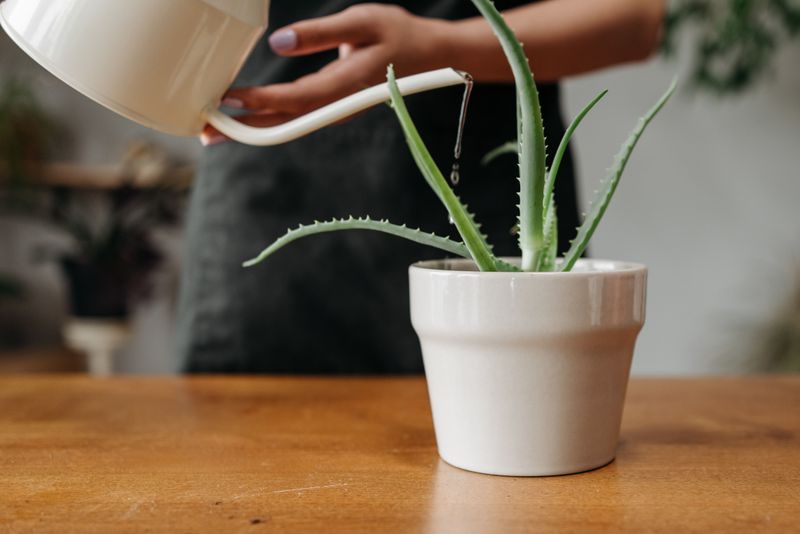
Soggy soil is one of the biggest risks to aloe vera health. Most people water on a schedule, but aloe vera needs something smarter than that.
The golden rule is simple: wait until the soil is completely dry before adding any water. Aloe vera stores moisture inside its thick leaves, so it can handle dry spells better than most houseplants.
In New Mexico’s hot, arid climate, the soil dries out faster than in humid states. That might mean watering roughly every ten to fourteen days during summer, depending on pot size and sun exposure.
During cooler months, your aloe vera slows its growth significantly. You might only need to water once a month or even less in winter.
Checking dryness before watering keeps the roots healthy and strong. Roots sitting in wet soil start to break down quickly, and that damage is hard to reverse.
Aloe vera plants that get watered only when soil is dry tend to grow thicker, more resilient leaves. They also develop deeper root systems that anchor them well in sandy desert soil.
Think of dry soil as a green light. When the top two inches feel bone dry, grab your watering can and give it a good soak.
Skipping unnecessary waterings might feel counterintuitive at first. But trusting the soil instead of the calendar is what separates thriving aloe from struggling aloe in this sun-baked state.
2. Check Moisture With A Finger First
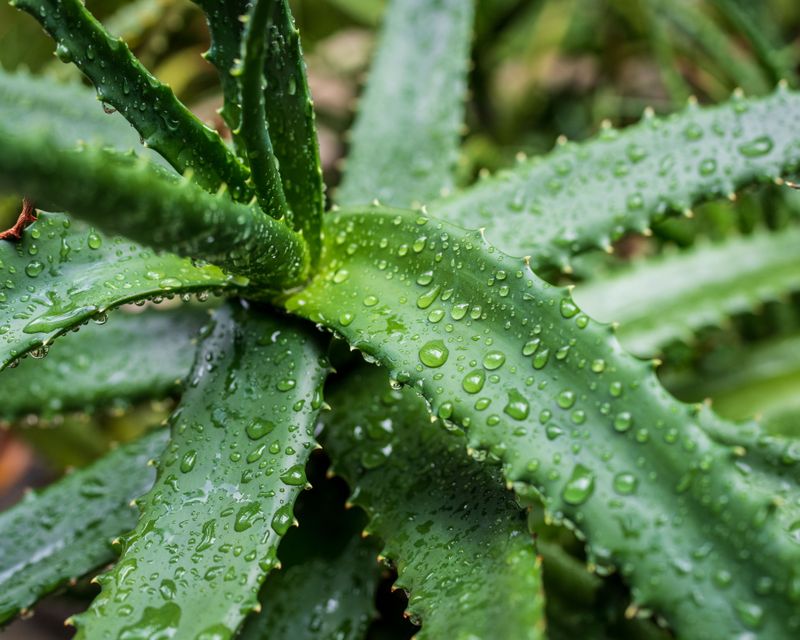
Before you water anything, stick your finger in the dirt. It sounds simple, but this one habit changes everything about how your aloe vera grows.
Push your index finger about two inches deep into the soil. If it feels moist or cool at that depth, close the watering can and walk away.
If the soil feels dry all the way down, that is your signal to water. This finger test beats any fancy moisture meter you might find at a garden store.
In New Mexico, the surface of the soil can look bone dry while the lower layers are still holding moisture. Looks can fool you, but your fingertip never lies.
Your New Mexico Garden Changes Every Week. Your Plan Should Too.
Gardening in New Mexico changes quickly throughout the season. Every Friday you’ll receive a simple weekly plan showing exactly what to plant, prune, fertilize, harvest, and protect so you never miss the right timing.
Watering based on how the soil feels protects the roots from sitting in excess water. Overwatered roots turn mushy and brown, and the plant cannot absorb nutrients properly after that.
This technique works for both indoor and outdoor aloe vera plants. The soil conditions differ slightly depending on placement, but the finger test adapts to both situations perfectly.
Some gardeners use wooden chopsticks or pencils to check deeper into the pot. If the stick comes out clean and dry, the soil is ready for a thorough watering session.
Learning to read your soil by touch builds a real connection with your plant. That connection helps you water aloe vera plants at exactly the right moment for the best possible growth.
3. Reduce Frequency In Cooler Months
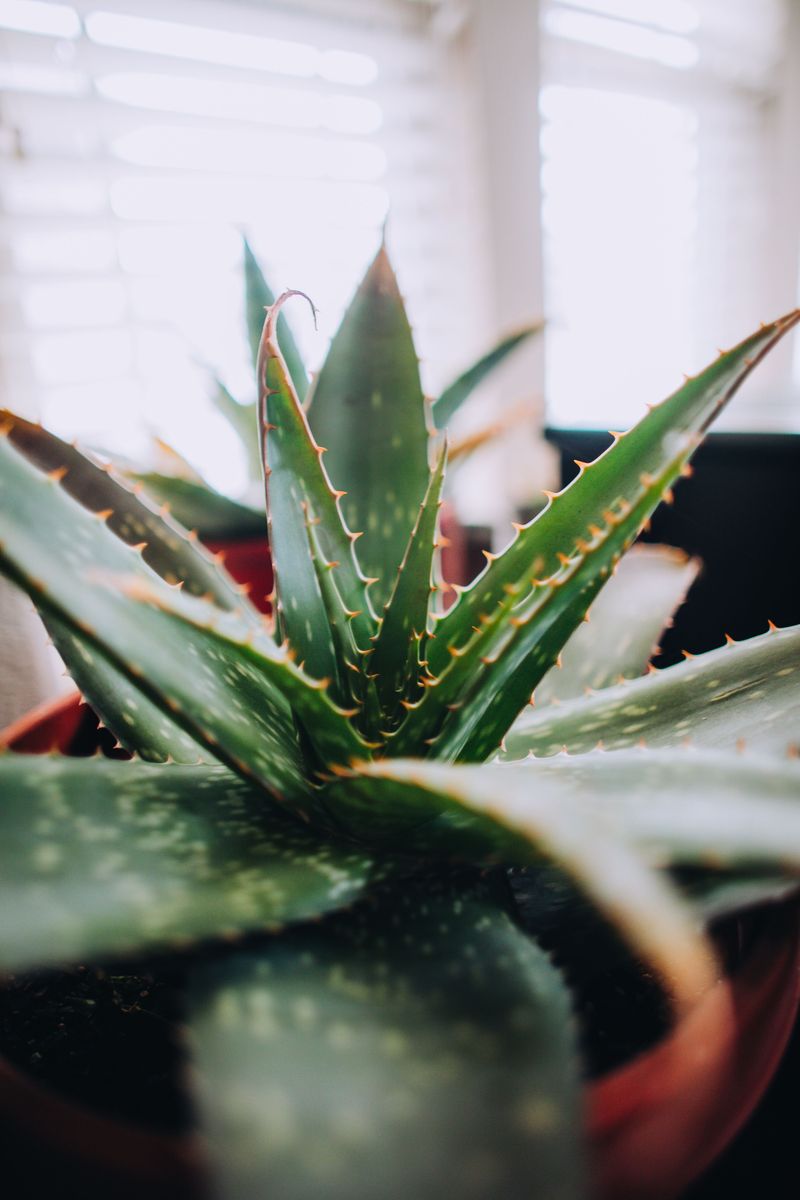
When the temperatures drop in New Mexico, your aloe vera’s growth slows down considerably. Growth slows down, and the plant needs far less water to stay healthy during this period.
Aloe vera enters a semi-dormant state in fall and winter. During this time, its metabolism slows, meaning it uses moisture at a much lower rate than in the summer heat.
Overwatering in cooler months is one of the most common mistakes desert plant owners make. The soil holds moisture longer when temperatures are low, so water has nowhere to go.
As a general guideline, aim to water your aloe vera roughly once every three to four weeks from November through February, adjusting for your specific conditions. Some plants in shaded indoor spots may only need water once a month during this stretch.
Before each winter watering, always use the finger test described earlier. Just because a schedule says it is time does not mean the soil is actually ready.
Cold water is often thought to stress aloe vera roots, especially on chilly mornings. Use room-temperature water to keep the roots comfortable during cooler seasons.
Another tip is to water in the middle of the day when temperatures are slightly warmer. This gives the soil time to absorb moisture before nighttime cold sets in.
Cutting back on water during cool months helps your aloe vera conserve energy. When spring arrives, the plant bounces back stronger and ready for a fresh season of growth.
4. Soak Thoroughly Then Drain Fully
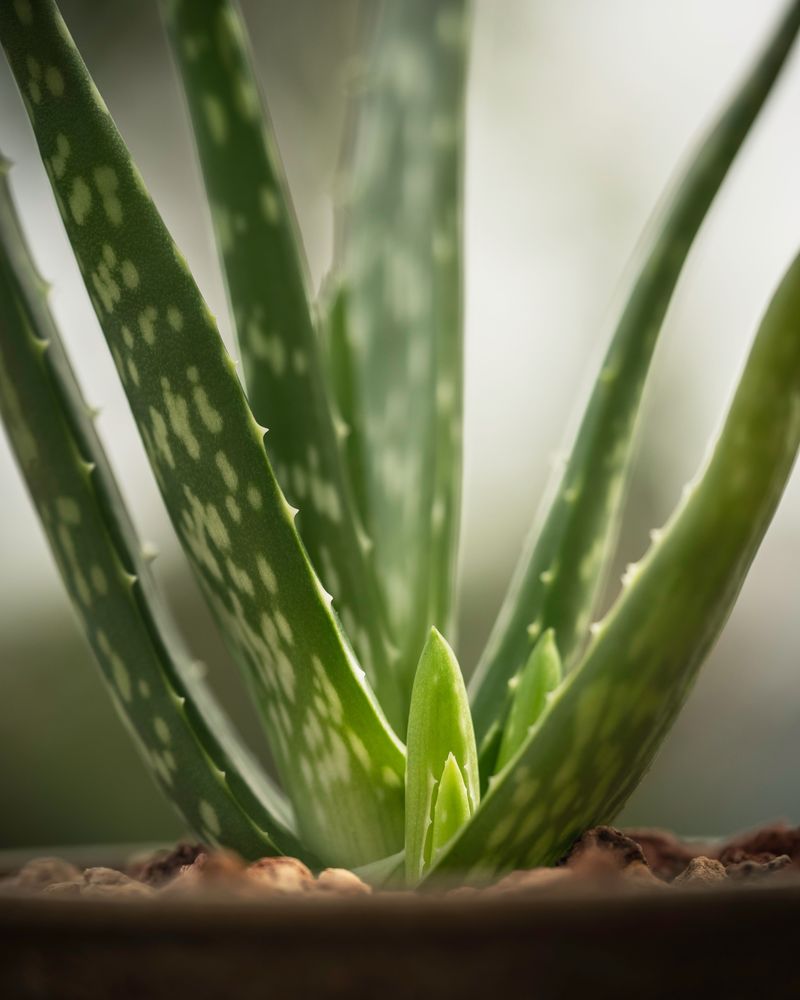
Half-hearted watering does more harm than good. When you do water your aloe vera, commit to it and soak the soil all the way through.
Pour water slowly and steadily until it flows out of the drainage holes at the bottom of the pot. That runoff tells you the entire root zone received moisture.
Shallow watering only dampens the top layer of soil. The roots, which grow deeper, never get the hydration they need to support strong, healthy leaf growth.
Once you have soaked the soil thoroughly, let the pot drain completely before setting it back in its tray. Standing water in the tray keeps the roots wet and invites root problems.
Empty the saucer or tray under the pot about thirty minutes after watering. Aloe vera roots sitting in pooled water will break down faster than you might expect.
This soak-and-drain method mimics how desert rainstorms work in nature. Heavy rain falls quickly, soaks into the ground, and then the sun dries everything out over the following days.
Aloe vera evolved to handle exactly that pattern. Giving it a thorough soak followed by complete drainage keeps its natural rhythm intact.
Pots with good drainage holes are non-negotiable for this method. If your pot has no drainage, repot your aloe vera into one that does before the next watering session.
5. Avoid A Fixed Weekly Schedule
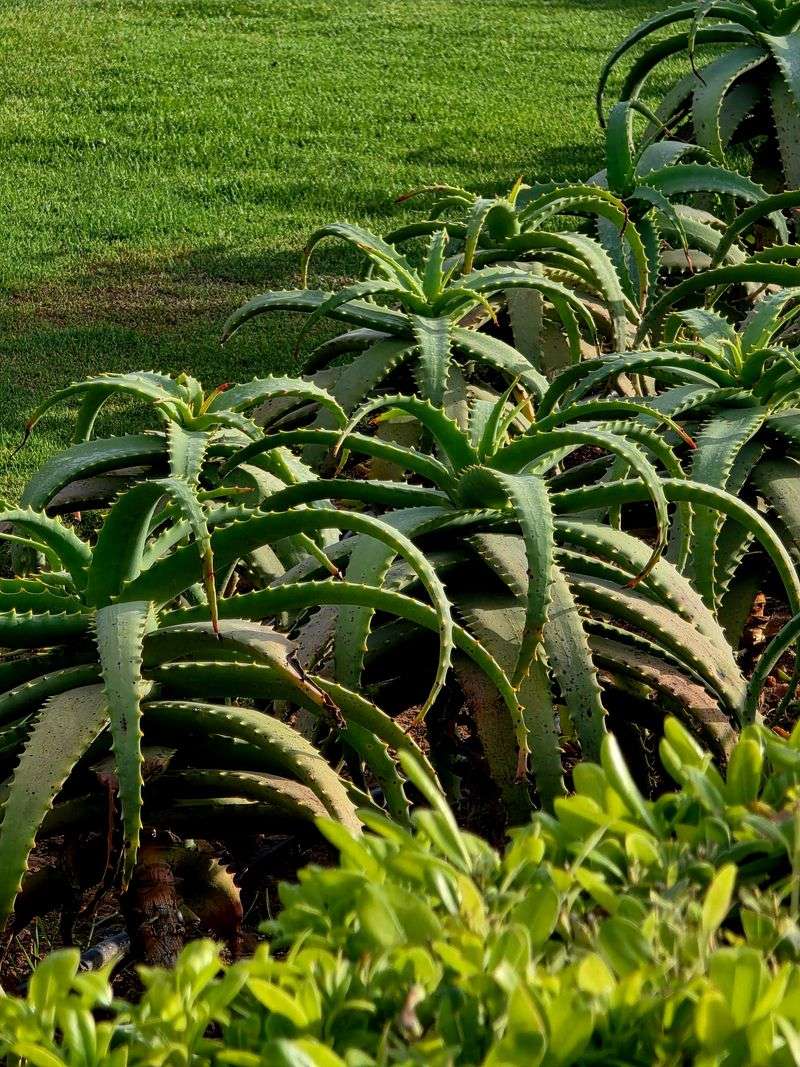
Watering every Sunday sounds organized, but aloe vera does not care about your calendar. Rigid schedules ignore what the plant actually needs on any given week.
New Mexico weather shifts constantly. A hot, dry week in July is completely different from a cloudy, cool week in October, even though both are seven days long.
Following a fixed schedule in a variable climate like this one leads to either overwatering or underwatering. Neither outcome is good for long-term aloe vera growth.
Instead of picking a day, pick a method. Check the soil every few days and water only when it passes the dry finger test.
This flexible approach lets the plant guide the routine rather than the other way around. Aloe vera will tell you what it needs if you pay attention to the soil and the leaves.
A plant sitting in a sunny south-facing window might need water more often than one in a shaded corner. Same plant, same pot, totally different moisture needs based on location.
Outdoor plants face wind, direct sun, and temperature swings that speed up soil drying. Those plants might need water twice as often as an indoor aloe vera in the same season.
Breaking free from a rigid schedule feels strange at first. But once you start reading the soil instead of the clock, watering aloe vera plants becomes intuitive and far more effective.
Any day-range mentioned elsewhere in this guide is only a starting point, not a fixed rule to follow blindly.
6. Adjust For Indoor Or Outdoor Spot
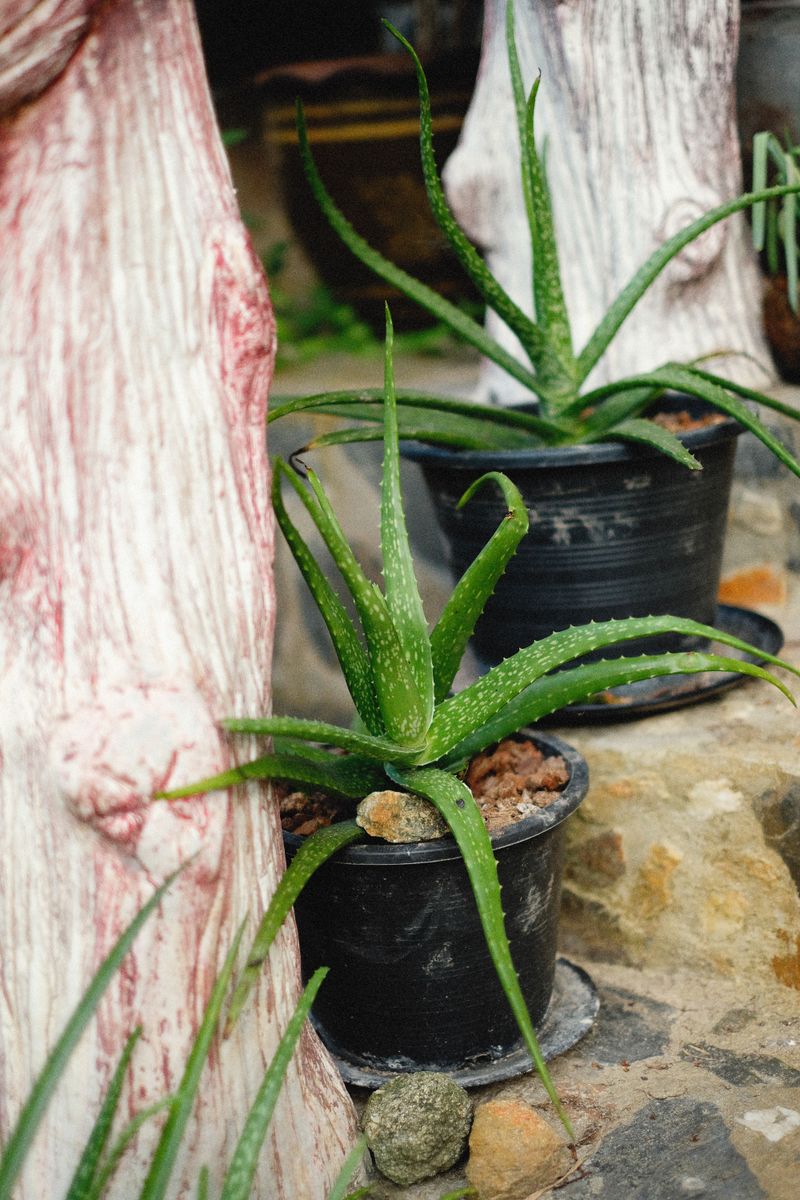
Where your aloe vera lives changes everything about how often it needs water. Indoor and outdoor placements create very different moisture environments for the same plant.
Outdoor aloe vera in New Mexico faces intense sun, dry winds, and high temperatures. These conditions pull moisture from the soil at a rapid pace, especially from May through September.
An outdoor plant may need water roughly every seven to ten days during peak summer heat, depending on soil type and location. The same plant moved indoors could go two to three weeks between waterings without any trouble.
Indoor aloe vera benefits from stable temperatures and less direct wind exposure. The soil dries out more slowly, so the watering schedule naturally stretches out over longer intervals.
Placement near a south-facing or west-facing window increases indoor light intensity. More light means faster growth, faster water use, and more frequent watering compared to a low-light indoor spot.
Outdoor plants in clay or sandy desert soil drain much faster than potted indoor plants. Adjust your watering habits based on both the location and the type of soil or mix being used.
Seasonal moves also matter. If you bring an outdoor aloe vera inside for winter, give the soil time to adjust before resuming your outdoor watering frequency.
Knowing your plant’s specific environment takes the guesswork out of watering. When you match the watering routine to the actual spot, aloe vera plants reward you with steady, healthy growth.
7. Watch Leaves For Wrinkling Signs
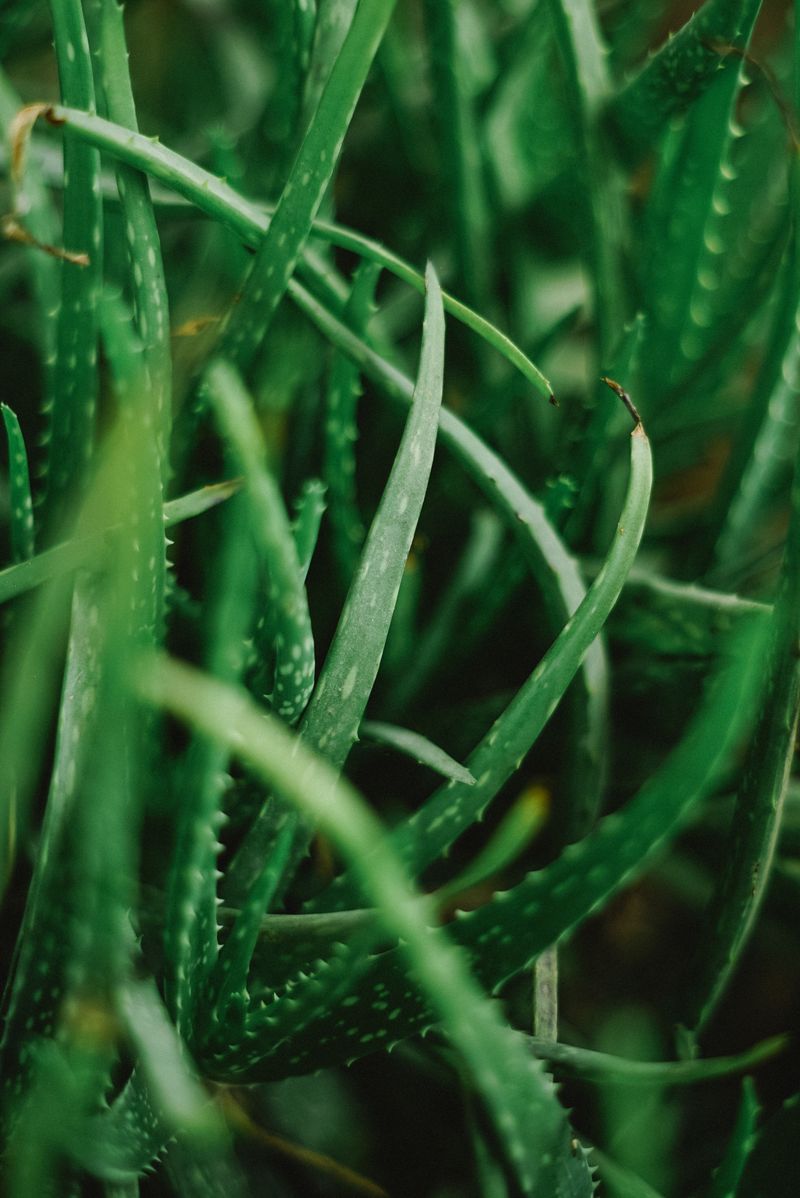
Your aloe vera is always sending signals. You just have to know what to look for before stress becomes visible.
Wrinkled or slightly shrunken leaves are the clearest sign that your plant is thirsty. The leaves look thinner and less plump than usual, with a noticeably flatter shape.
Healthy aloe vera leaves are thick, firm, and full of stored gel. When the plant runs low on water, it draws from that internal reserve, and the leaves start to show it.
Soft, mushy leaves with a yellowish tint tell a different story. That usually means the plant has been overwatered, and the roots may already be affected beneath the surface.
Learning to tell the difference between thirsty leaves and overwatered leaves is a skill that comes with close observation. Check your plant regularly, not just when you plan to water.
Leaf color also offers clues. A slightly grayish-green tint often means the plant needs water, while bright, vivid green indicates it is well-hydrated and content.
In New Mexico summers, check leaves every few days because the heat speeds up moisture loss. Catching early signs of thirst means you can water before any real stress sets in.
Think of leaf-watching as your plant’s personal weather report. When the leaves speak up, respond quickly, and your aloe vera will bounce back to its best shape in no time.
8. Water More During Peak Summer
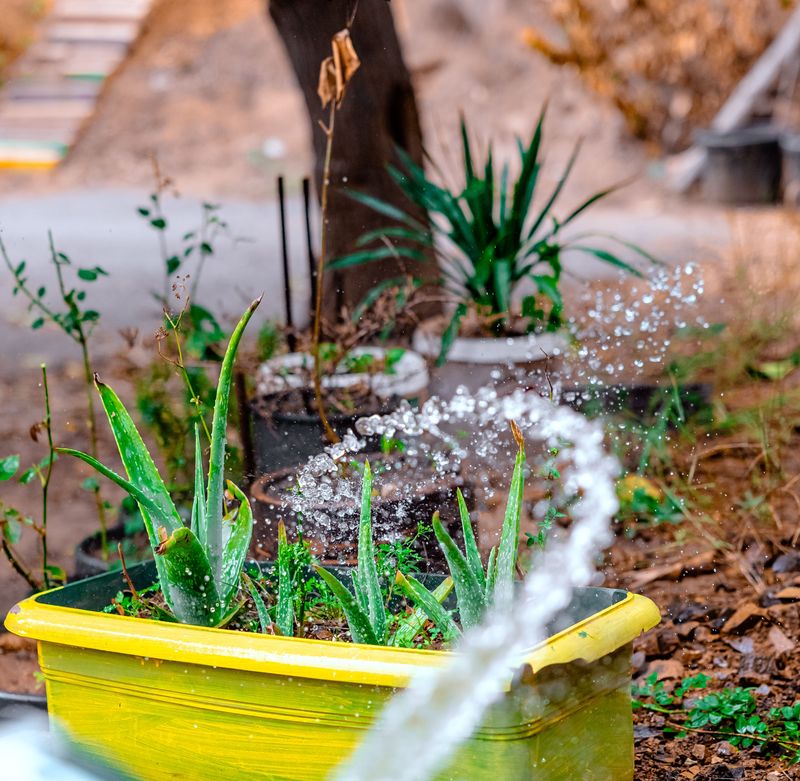
Summer in New Mexico brings intense heat. In much of the state’s lower elevations, temperatures regularly climb past 95 degrees, and the dry air pulls moisture out of the soil much faster than in more humid regions.
During peak summer months, your aloe vera works harder to stay cool and continue growing. That extra effort means it needs more water than it does during the rest of the year.
As a general rule, check the soil every five to seven days in July and August, adjusting based on your plant’s specific environment. If the soil is dry two inches down, go ahead and give it a full, deep soak right away.
Morning is the best time to water during summer heat. The soil absorbs moisture before the intense afternoon sun arrives, giving the roots time to drink without immediate evaporation.
Avoid watering during the hottest part of the day. Water hitting hot soil can evaporate before it even reaches the roots, making the whole effort pointless.
Mulching around outdoor aloe vera plants helps slow moisture loss between waterings. A thin layer of gravel or decomposed granite works especially well in desert garden beds.
Even with more frequent summer watering, always wait for the soil to dry out first. More heat does not mean you abandon the dry-soil rule that keeps aloe vera roots healthy.
Getting summer watering right is the key to learning how to water aloe vera plants for the best growth in this region all season long.