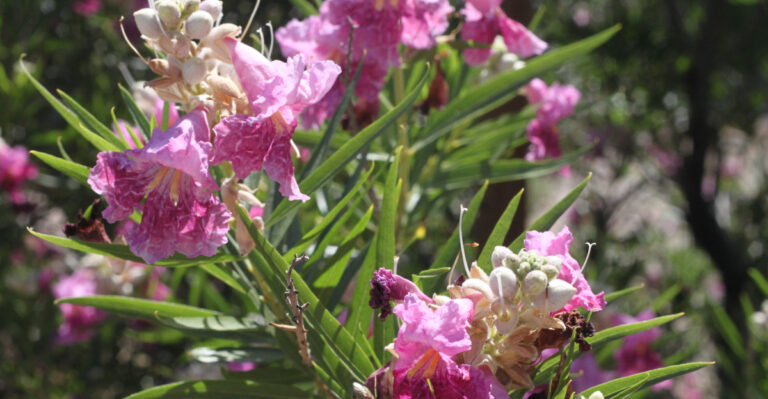
Stop Pruning Your Arizona Hibiscus During Extreme July Heat
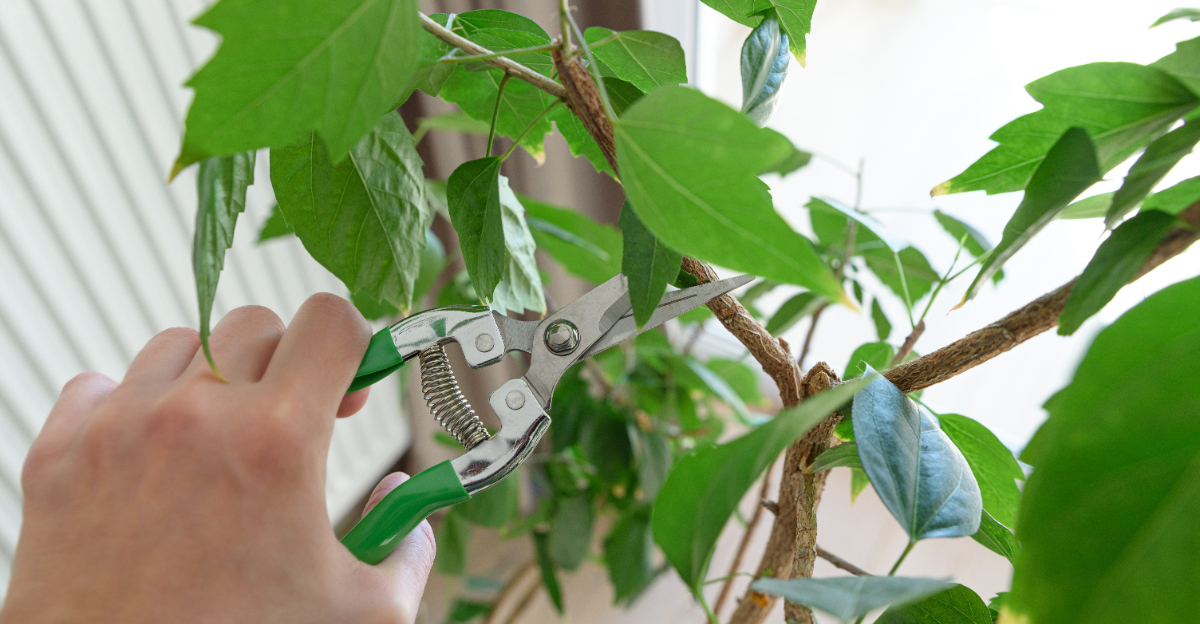
You might think giving your hibiscus a quick trim will help it look better, but July is the wrong time to reach for the pruners.
When temperatures stay extremely high, every cut adds extra stress to a plant already working hard to survive.
That stress can slow new growth, reduce blooming, and even leave tender stems exposed to intense sun. In Arizona, hibiscus needs a different kind of care during the hottest part of summer.
A little patience now often leads to healthier plants once the weather begins to cool. Instead of shaping branches, focus on keeping the soil evenly moist, protecting the roots from heat, and watching for signs of stress.
Waiting a few weeks can make a surprising difference in how well your hibiscus recovers and blooms.
1. Summer Pruning Can Trigger Heat Stress
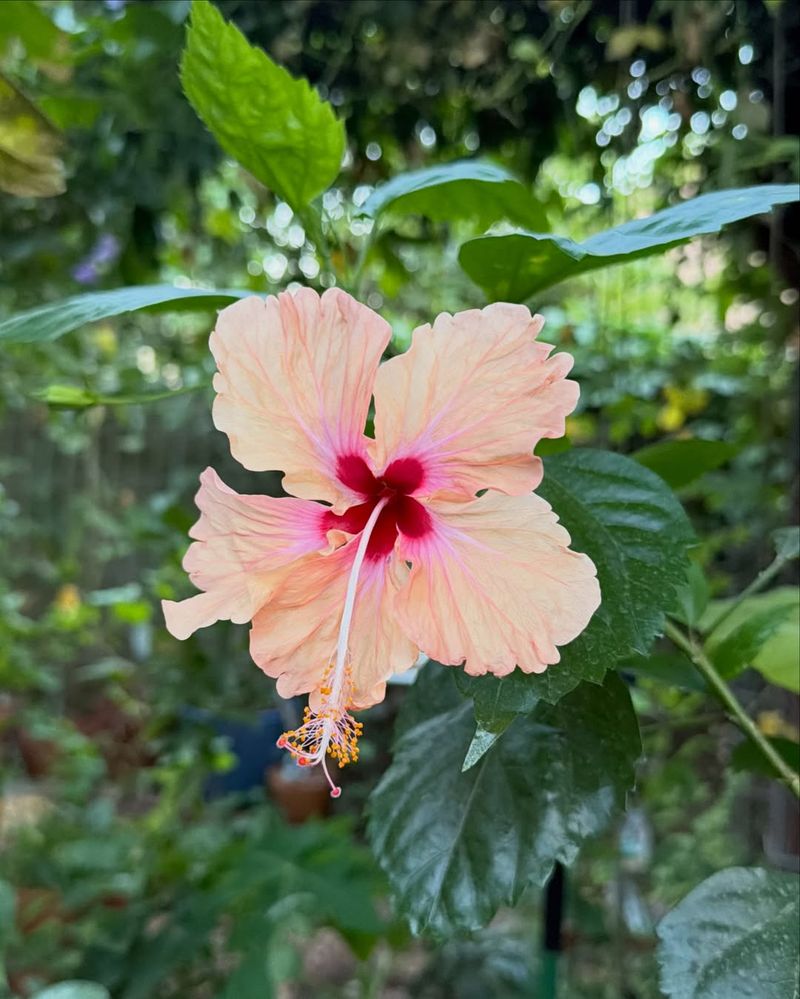
Cutting into a hibiscus during a heat wave is asking for trouble. Plants under extreme temperature stress are already running on fumes, and pruning adds another layer of strain they may not handle well.
When you make a cut, the plant must redirect energy to seal that wound. In July heat, that energy is already stretched thin just keeping leaves hydrated and roots functional.
Open wounds in scorching conditions can dry out fast before the plant gets a chance to heal properly. That delay creates entry points for pests and fungal issues, especially when humidity spikes during monsoon season.
Heat stress shows up in subtle ways before it becomes obvious. Leaf edges turn brown, blooms drop early, and new growth looks limp or pale.
Pruning on top of those symptoms can push the plant past its comfort zone.
Gardeners in the Phoenix metro area often notice that hibiscus pruned in mid-summer bounce back slower than those left alone until September. Anecdotal as it is, the pattern holds up with what we know about plant physiology.
Avoiding pruning during peak heat is not about being lazy. It is about reading what your plant needs and responding with restraint.
2. Remove Only Damaged Or Broken Branches
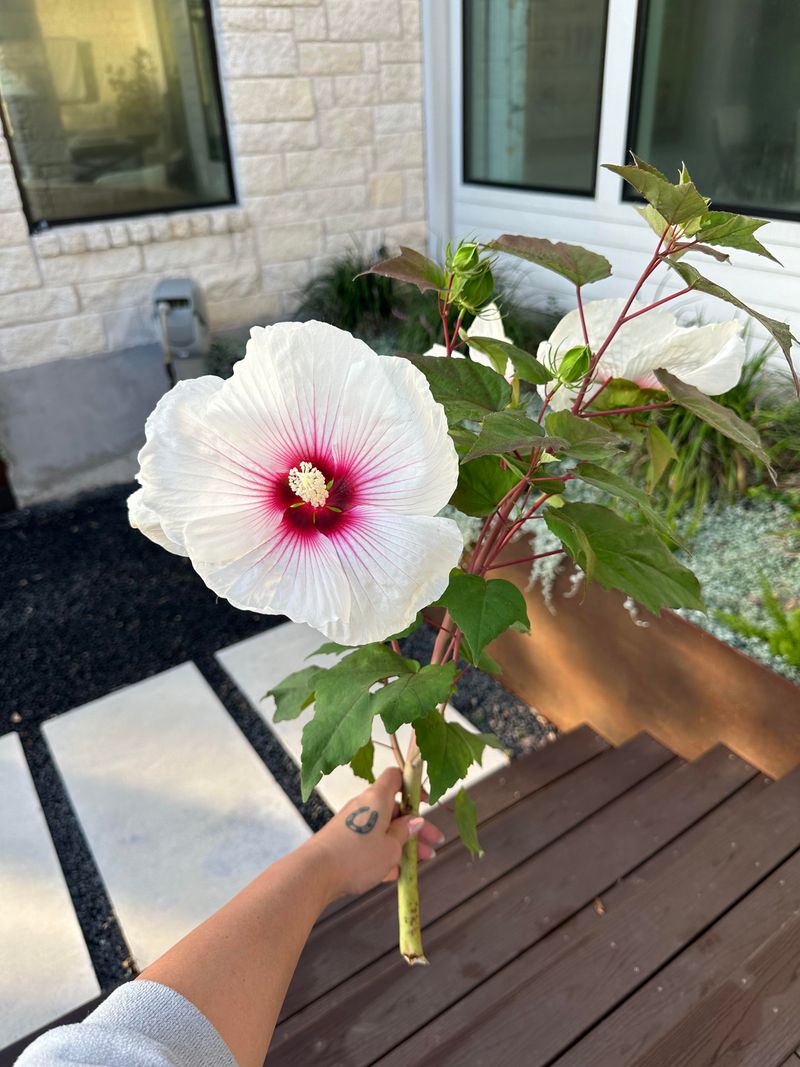
Not every pruning decision has to wait. Broken or physically damaged branches are a different story entirely, and leaving them on the plant can actually cause more problems than removing them.
A snapped branch hangs awkwardly and becomes a stress point. Wind, weight, and heat can worsen the damage over time, and a partially broken limb draws energy away from healthier parts of the plant.
If a branch is clearly snapped, cracked, or hanging loose, a clean cut close to the healthy wood is the right call. Use sharp, sanitized pruners so the cut is precise and clean rather than ragged.
Ragged cuts take longer to callous over, especially in summer. A smooth cut gives the plant the best chance of sealing quickly before heat and dry air work against it.
Keep the scope of removal narrow. Cut only what is genuinely damaged, and resist the urge to tidy up surrounding growth while you are at it.
One focused cut is manageable. A full session of trimming is not.
Your Arizona Garden Changes Every Week. Your Plan Should Too.
Gardening in Arizona changes quickly throughout the season. Every Friday you’ll receive a simple weekly plan showing exactly what to plant, prune, fertilize, harvest, and protect so you never miss the right timing.
After cutting, avoid applying wound sealant products unless specifically recommended for hibiscus.
3. Wait Until Temperatures Begin To Cool
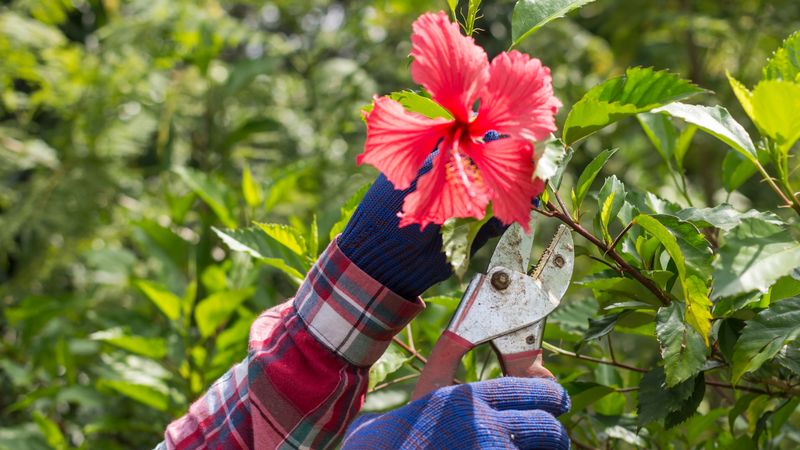
Patience pays off with hibiscus. Waiting until daytime highs drop below 95°F gives your plant the breathing room it needs to handle pruning without extra stress layered on top.
Late September and October are generally the sweet spot across much of the Southwest. Nights cool down, root activity picks back up, and the plant shifts from survival mode into active growth again.
Pruning during this window encourages a strong flush of new growth before winter arrives. Hibiscus that get a well-timed fall trim often put out a solid round of blooms before temperatures dip into the 50s.
Rushing the process because the plant looks rough in August is a common mistake. Scraggly summer appearance does not mean the plant needs immediate cutting.
It usually just means the plant is coping with heat the best way it can.
Mark your calendar for mid-to-late September and check the forecast before picking up your shears. A string of cooler days is a better signal than the calendar date alone.
Soil temperature matters too. Roots stay active and support faster healing when ground temps are moderate rather than scorching.
Waiting for both air and soil to cool gives pruning cuts the best environment for recovery.
4. Keep Soil Evenly Moist During Heat Waves
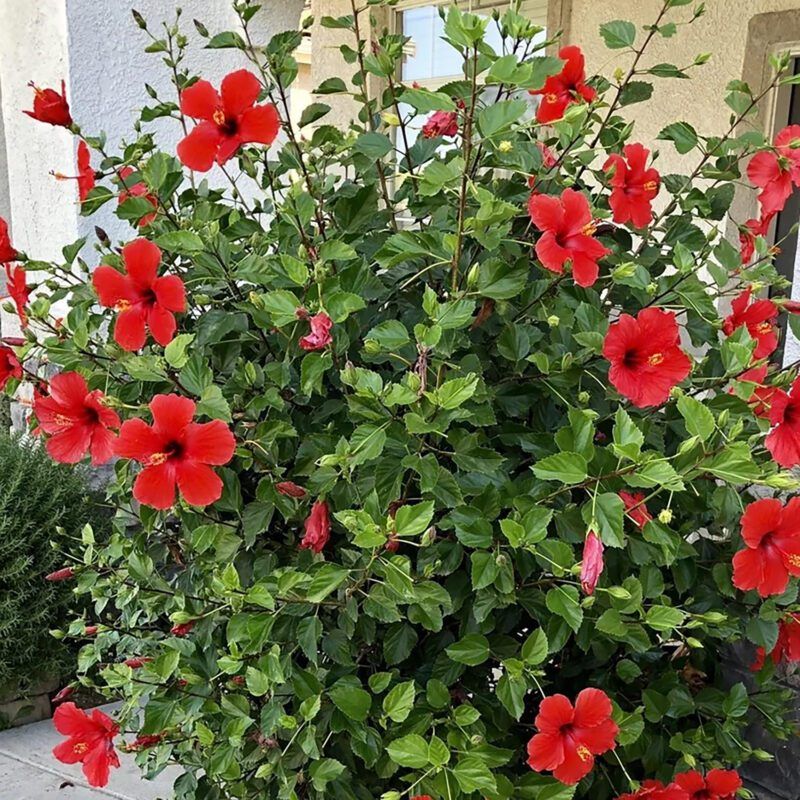
Water is your hibiscus’s first line of defense during a heat wave. Consistent soil moisture helps the plant regulate temperature and keeps cellular processes running when heat would otherwise shut them down.
Uneven watering, where the soil swings between bone dry and soaking wet, stresses roots more than steady moderate moisture does.
Aim for consistent dampness a few inches below the surface rather than surface-level wet.
Drip irrigation works well for hibiscus in hot climates because it delivers water slowly and directly to the root zone. Overhead watering during peak afternoon heat can scorch wet leaves and wastes water through evaporation.
Morning watering is generally more effective. It gives roots time to absorb moisture before afternoon temperatures spike, and leaves dry quickly enough to avoid fungal issues.
Check soil moisture by pressing a finger two to three inches into the ground near the base of the plant. If it feels dry at that depth, water thoroughly.
If it still feels cool and damp, hold off another day.
During monsoon season in Arizona, natural rainfall can supplement irrigation, but do not assume a storm has done the job completely. Heavy monsoon rains often run off quickly in compacted or sandy soils without soaking deep enough to help.
5. Apply Mulch To Protect Shallow Roots
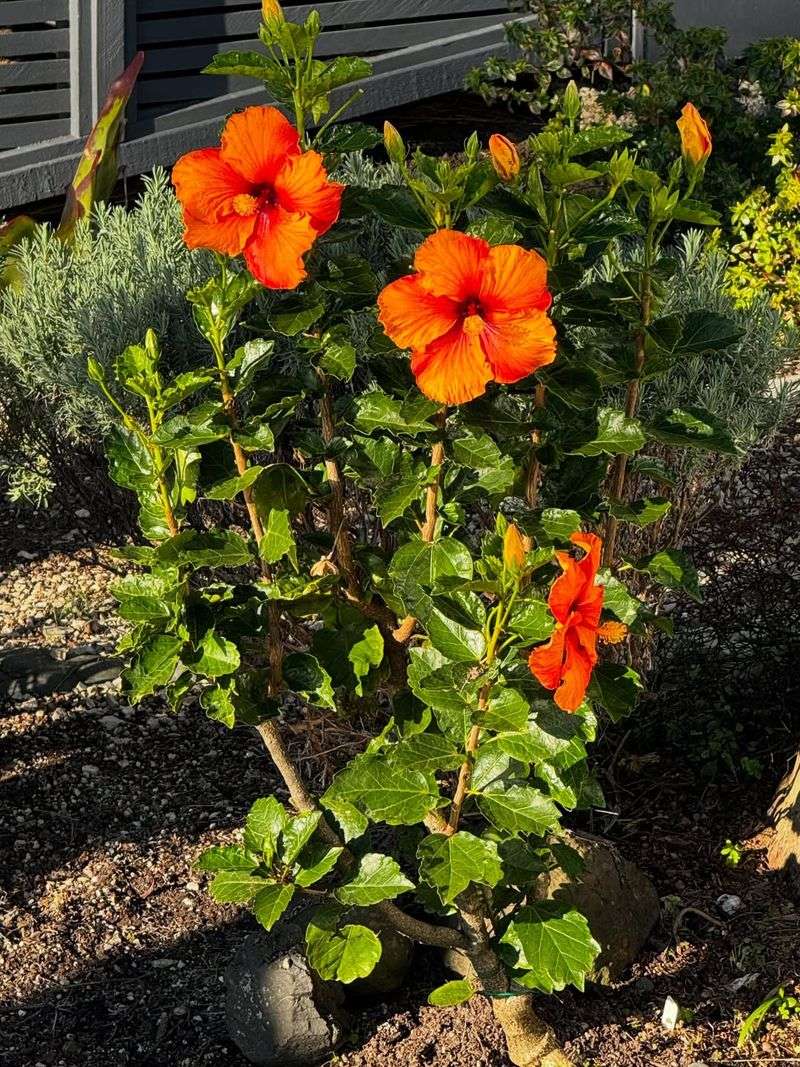
Hibiscus roots sit close to the surface, which makes them especially vulnerable when ground temperatures climb. Bare soil in a desert garden can reach extreme temperatures that stress or damage shallow root systems.
A two-to-three-inch layer of organic mulch around the base of the plant acts as insulation. It keeps soil cooler, slows moisture evaporation, and reduces the temperature swings that roots experience between morning and afternoon.
Wood chips, shredded bark, and straw all work reasonably well. Avoid dark-colored decorative rock near hibiscus during summer.
Rock absorbs heat and radiates it back toward the plant, which is the opposite of what you want.
Pull mulch back a few inches from the main stem. Mulch piled directly against the base can trap moisture against the bark and create conditions where fungal problems develop over time.
Reapply mulch as it breaks down. Organic material decomposes and thins out, especially during monsoon season when rain accelerates the process.
A fresh top-up in early summer and again in mid-summer keeps the layer effective.
Beyond heat protection, mulch also suppresses weeds that compete with hibiscus for water and nutrients. In a garden where every drop of water matters, reducing competition is a practical benefit worth considering.
6. Feed Plants After Active Growth Returns
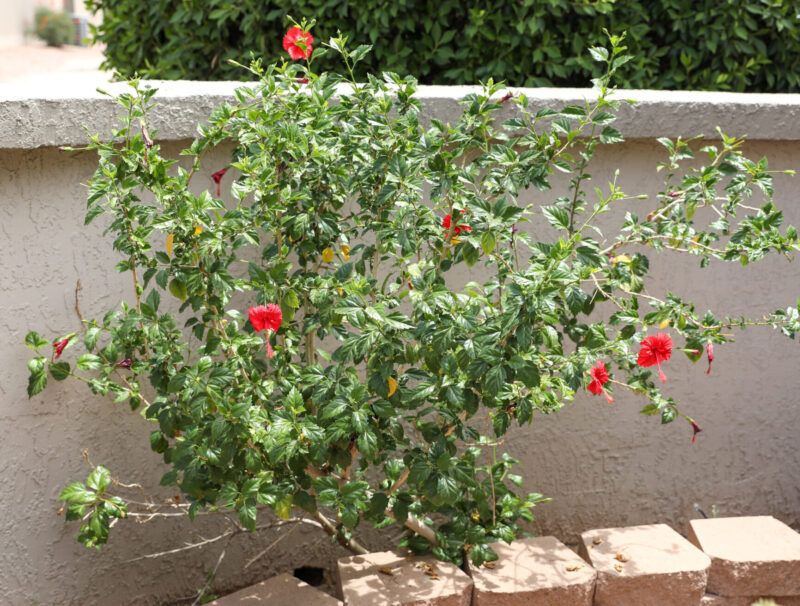
Fertilizing a heat-stressed hibiscus in July is like pushing someone to sprint when they are already exhausted. Nutrients encourage new growth, and new growth during extreme heat puts additional strain on a plant that is barely keeping up.
Hold off on feeding until you see clear signs that the plant is actively growing again. New leaf buds, firm green stems, and fresh shoot tips are reliable indicators that the plant has shifted back into a productive phase.
Across much of the Southwest, this typically happens in late August through September as temperatures moderate. Timing fertilizer applications with natural growth cycles gives the plant the best chance of using those nutrients effectively.
A balanced, slow-release fertilizer works well for hibiscus. High-phosphorus formulas can encourage blooming, while too much nitrogen pushes leafy growth at the expense of flowers.
Read labels carefully and follow recommended rates rather than doubling up for faster results.
Liquid fertilizers act quickly but require more frequent application. Granular slow-release options feed steadily over weeks, which suits the gradual pace of fall recovery better in most cases.
Water the plant thoroughly before and after applying any fertilizer. Dry roots absorb concentrated nutrients unevenly, which can cause localized burn.
A well-hydrated plant takes up nutrients more efficiently and responds to feeding with steady, healthy growth rather than erratic spurts that can weaken the overall structure of the plant.
7. Watch For New Growth Before Trimming Again
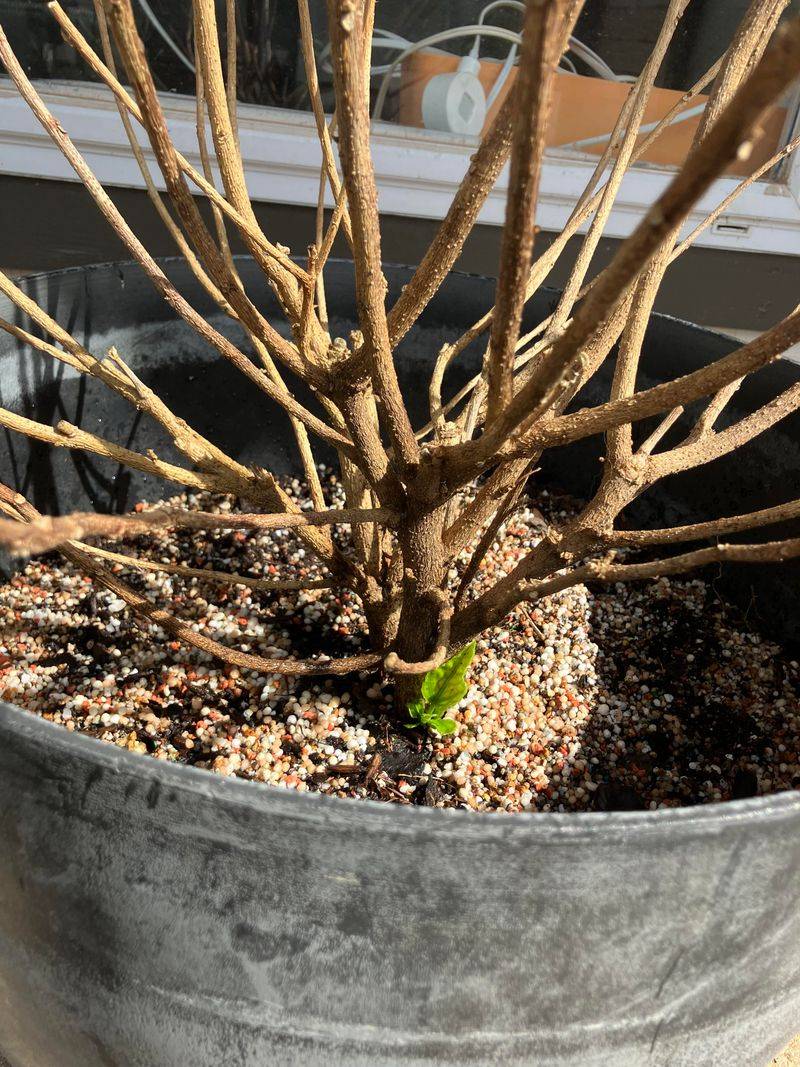
New growth is your clearest signal that the plant is ready for pruning again. Tiny leaf buds pushing out from nodes and fresh green tips on older wood mean the hibiscus has moved past survival mode and into active recovery.
Trimming before that growth appears risks cutting into wood that is still stressed. You might remove buds that were just forming beneath the surface, setting the plant back further than if you had simply waited another week or two.
Look at multiple spots on the plant before making a judgment. Growth often returns unevenly, with some branches showing buds while others still look dormant.
Wait until several areas of the plant show consistent signs of activity.
Checking the plant every few days in late August and September takes very little time. Once you spot consistent new growth across the plant, you can plan a proper pruning session with confidence that the timing is right.
When you do prune, keep cuts moderate. Removing about one-third of the plant at a time is a reasonable guideline, though the exact amount depends on the size and condition of your specific plant.
Avoid cutting back to bare woody stems with no green growth visible nearby.
Sharp, clean tools make a real difference at every stage. Dull blades crush tissue instead of cutting it cleanly, and that slows healing.
Wipe blades with rubbing alcohol between plants to avoid spreading any lingering issues from one hibiscus to another.