American Beautyberry: The North Carolina Native Linked to Tick-Repellent Research (And What That Really Means for Your Vegetable Garden)
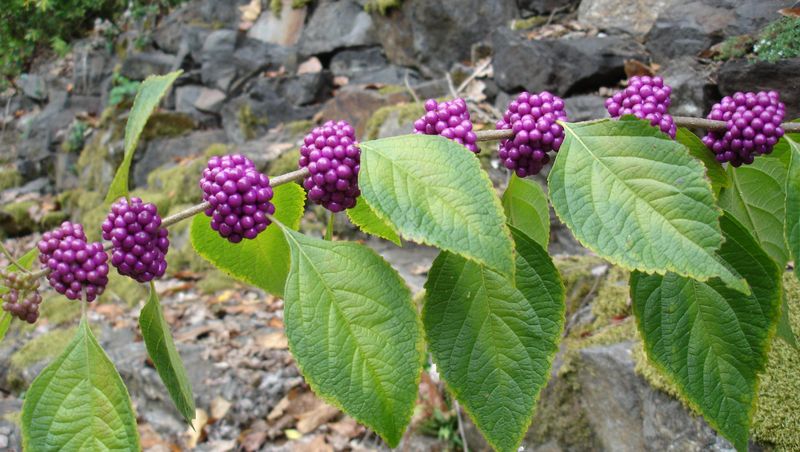
Something purple and glossy has been catching attention in North Carolina yards, and gardeners are starting to ask whether it could keep ticks away from their vegetable beds. American beautyberry, Callicarpa americana, is the plant behind the buzz, and the short answer is more interesting than a simple yes or no. Real laboratory research found tick-repelling compounds in its foliage, but planting it beside your tomatoes is not the same thing as applying a tested repellent. Here is what the science actually says, and how to use this beautiful native shrub in a way that is honest about what it can and cannot do.
The Plant Behind the Beautyberry Claim
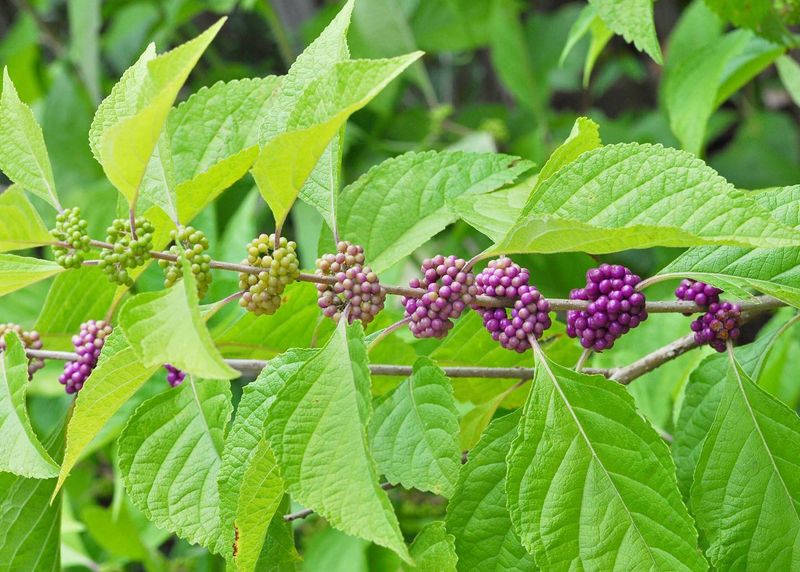
American beautyberry, Callicarpa americana, is the plant most likely behind the claim circulating in North Carolina gardening circles. NC State Extension lists it as a native deciduous shrub found across the state’s Coastal Plain, Piedmont, and mountain regions, so chances are good it already grows somewhere near your property line or in a nearby wood’s edge.
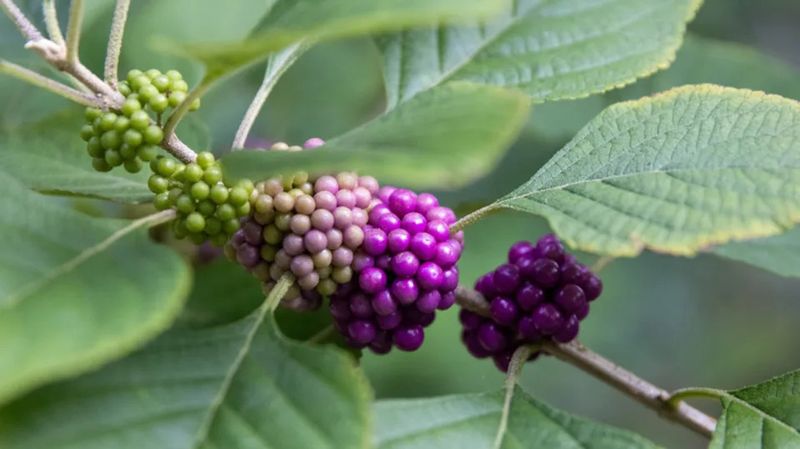
Come late summer and fall, the shrub earns its name. Clusters of vivid purple or bluish berries line every stem from August through October, and some years the fruit hangs on into early winter, feeding thrushes, mockingbirds, and other songbirds. The plant was even named the 2021 North Carolina Wildflower of the Year, which tells you how well it fits the native landscape here.
What it has not been shown to do is quietly keep ticks out of a vegetable bed. That premise is worth correcting before it shapes how you spend money, time, or gardening effort. Beautyberry’s connection to tick research is real and genuinely interesting, but the research does not show that a shrub growing beside your raised beds creates any kind of protective zone. Treat it as a handsome native edge plant with a compelling research backstory, and you will get far more out of it than if you plant it expecting a living tick fence.
What the Laboratory Research Actually Tested
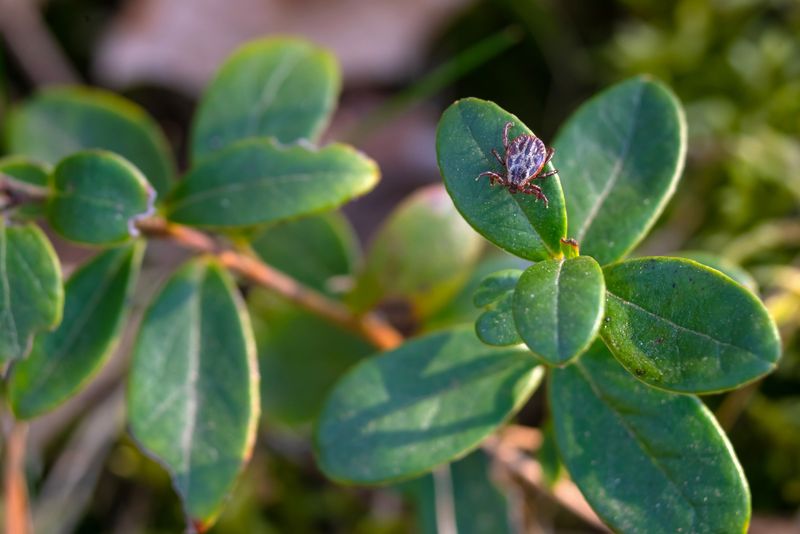
The research that put beautyberry on the tick radar came from the USDA Agricultural Research Service, and the details matter a lot once you read them carefully. Scientists isolated two compounds from beautyberry foliage, callicarpenal and intermedeol, then evaluated those isolated compounds against tick nymphs under controlled laboratory conditions. The USDA publication identifies the tested organisms as blacklegged tick nymphs, Ixodes scapularis, and lone star tick nymphs, Amblyomma americanum, both of which are common in North Carolina and linked to serious illnesses including Lyme disease, ehrlichiosis, and STARI.
The compounds were applied to treated material in a lab setting, not tested around living shrubs growing beside vegetable gardens. That distinction is not a small one. Researchers were asking whether purified compounds extracted from the plant showed any repellent activity under controlled conditions, and the answer for blacklegged tick nymphs was encouraging. Activity against lone star tick nymphs was weaker, meaning the results were not uniform across both species tested.
Your North Carolina Garden Changes Every Week. Your Plan Should Too.
Gardening in North Carolina changes quickly throughout the season. Every Friday you’ll receive a simple weekly plan showing exactly what to plant, prune, fertilize, harvest, and protect so you never miss the right timing.
The researchers themselves described the findings as preliminary and in need of further evaluation before any practical recommendations could follow. That is honest science doing exactly what it should do. What it means for your Piedmont garden is that the foliage of this plant contains chemistry that interested tick researchers enough to pursue, but the path from a laboratory result to a field-ready recommendation is a long one, and that path has not been completed. A shrub growing undisturbed in your yard is not delivering isolated compounds to ticks at any tested concentration or in any tested format.
Why a Living Shrub Does Not Make a Tick Barrier
Here is where the story gets tricky for gardeners who read the headline and planted a row of beautyberry along their squash. University of Maryland Extension guidance on plants and tick repellency makes a clear point: many plants associated with repellent properties only release meaningful amounts of their active compounds when foliage is crushed or extracted, and even then the effective range may be quite small. A shrub sitting undisturbed in afternoon shade is not broadcasting callicarpenal across your garden rows.
No reliable study has shown that a beautyberry shrub planted in a landscape reduces tick numbers in or around a vegetable bed. That is not a reason to avoid the plant, but it is a reason to avoid building your tick-protection plan around it. The laboratory work tested isolated compounds on treated cloth at controlled concentrations. A living plant in your yard operates under none of those conditions.
Crushed beautyberry leaves deserve a separate warning. Mississippi State University Extension specifically warns that rubbing crushed leaves on skin may cause an allergic reaction in some people. Do not apply homemade leaf preparations to skin, produce, children, pets, or food. The compounds in beautyberry foliage have not been formulated, standardized, or safety-tested the way a registered repellent has been.
The EPA classifies repellents as pesticides and requires them to go through a registration process for good reason. Homemade plant extracts skip all of that, and skipping it carries real risk when you are working near your food garden with children and pets nearby.
Place Beautyberry Without Crowding the Vegetables
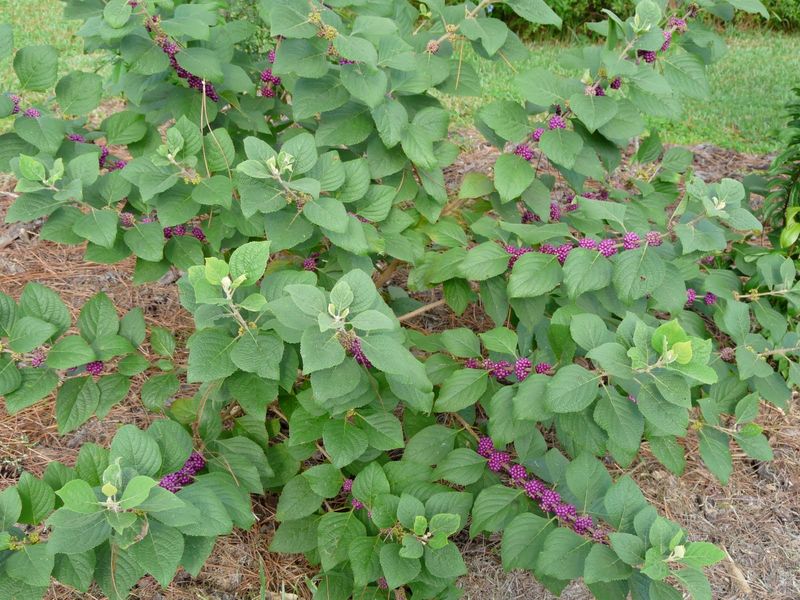
Beautyberry is worth growing for its own merits, and a vegetable garden perimeter is actually a reasonable place to put it, as long as you give it room to be a full-sized shrub rather than cramming it into the crop rows. NC State Extension lists its typical mature size as 3 to 8 feet tall and 3 to 6 feet wide, so a shrub that reaches the larger end of that range can shade out nearby peppers or block your path to the back of the bed if you plant it too close.
A practical rule pulled from its mature spread: place beautyberry at least 4 to 6 feet outside the bed edge, which gives you room to walk, kneel, and harvest without brushing against dense foliage. That distance is a horticultural recommendation based on the plant’s size and your need for access, not a tested tick-control radius. Do not let anyone sell you on a specific setback as a proven repellent buffer.
The shrub grows in full sun to partial shade and needs reasonably good drainage, which means it fits most North Carolina garden situations from the sandy Coastal Plain to Piedmont red clay, as long as the soil does not stay waterlogged after summer storms. It flowers in late spring and early summer, then sets those unmistakable clusters of purple or bluish berries from August through October, which is exactly when you are still harvesting fall tomatoes and pulling out summer beds.
Pruning is simple. Cut it back hard in late winter, down to about 1 foot if you want to control the size. Flowers and berries form on new growth each year, so a late-season haircut will not hurt next year’s berry display, but a hard prune in September will. One well-placed, well-maintained shrub gives you far more wildlife value and visual interest than a crowded hedge that traps moisture and blocks sunlight from your crops.
Use the Garden Edge to Reduce Tick-Friendly Habitat
Ticks do not march across open sunny ground to find you. They wait in tall grass, brush piles, accumulated leaf litter, and shaded humid zones, then latch onto a host that brushes past. That behavior is exactly why the edge where your vegetable garden meets a wooded area or overgrown fence line deserves more attention than any single plant you could put there.
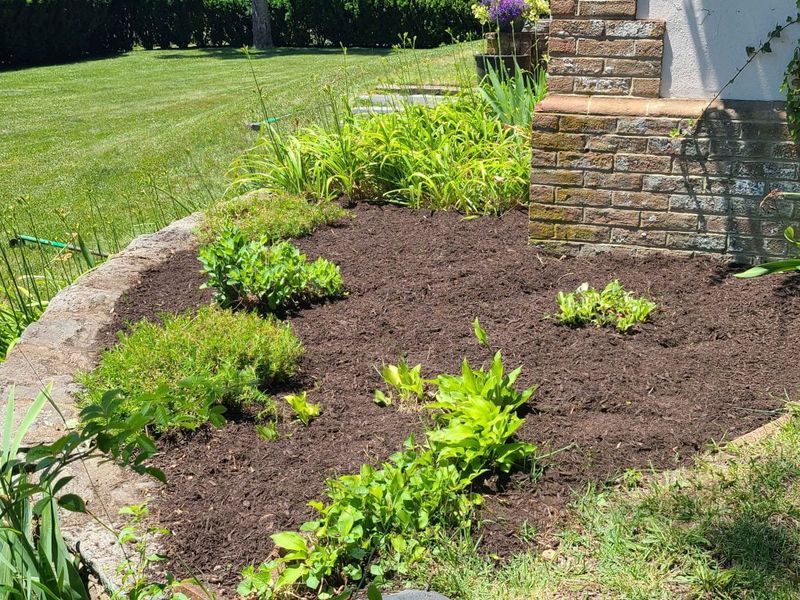
Keep a mowed, clear perimeter around your beds. Trim tall grass within at least 3 feet of the garden edge, remove brush piles, and rake out deep layers of leaf litter that pile up against the bed walls or nearby shrubs. CDC guidance on preventing tick bites recommends placing a 3-foot-wide strip of wood chips or gravel between a lawn or garden and any adjacent wooded or brushy area. That type of separation can restrict tick movement into recreational and gardening spaces, though the CDC Tick Management Handbook notes that results vary with shade, woodland density, and starting tick numbers on your property.
Dense, shaded, moist plant walls along a garden edge can actually work against you. A thick row of any shrub, beautyberry included, that is planted too close together and allowed to mat up with leaf litter underneath creates conditions where ticks survive and wait. University of Maine Cooperative Extension’s landscape management guidance points out that cool, moist, shaded spots near woodland edges are prime tick habitat. Good airflow, regular maintenance, and sunlight reaching the ground are more useful than any fragrant border plant sitting undisturbed.
Many Piedmont gardeners working near a back fence or tree line find that a simple combination of mowing, a gravel strip, and clearing out the accumulated debris from last fall does more visible good than any planting strategy they have tried.
Protect Yourself During Garden Work
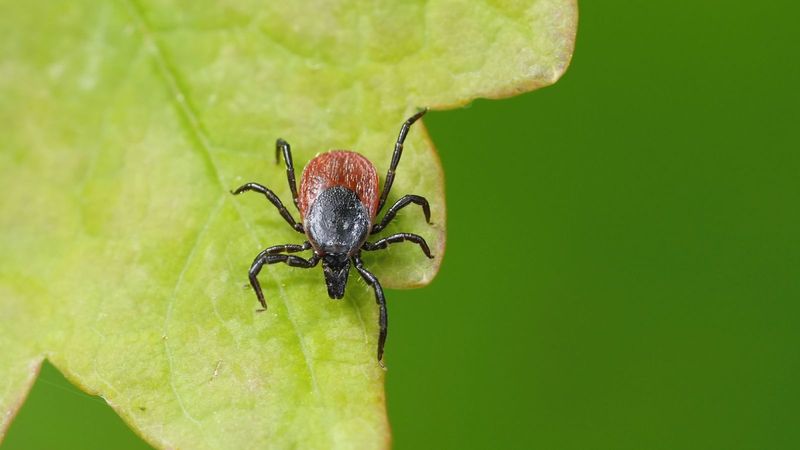
The vegetable garden is where you spend real time on your knees, reaching into dense foliage, pulling weeds near the soil, and brushing against plants at every height a tick nymph might be waiting. That makes personal protection during garden work more important than any border plant you could choose.
Wear long pants, long sleeves, and socks when working near brush or a woodland edge, especially from late spring through early fall when nymph activity peaks across North Carolina. Tuck pants into socks. Light-colored clothing makes it easier to spot a crawling tick before it finds skin. CDC recommends using EPA-registered repellents containing DEET, picaridin, or other approved active ingredients, applied according to the product label.
These are tested, standardized, and registered specifically because they work at known concentrations.
Permethrin-based products are intended for treating clothing and gear, not for applying directly to skin, unless a specific product label says otherwise. Treating garden gloves, pants, and boots with permethrin before a long weeding session is a practical step many Coastal Plain and Piedmont gardeners find worth the extra few minutes.
North Carolina’s Division of Public Health notes that ticks are found throughout the state year-round, with activity peaking in warmer months, and that prompt tick removal can reduce the chance of illness. After gardening, check your body carefully, paying attention to the scalp, behind the knees, and along the waistband. Check children and pets before they come inside. The EPA’s repellent guidance is a reliable starting point if you are unsure which product to choose for your situation.
A solid routine takes about 10 minutes and costs almost nothing compared to a tick-borne illness.
Build a Layered Plan Instead of Chasing a Miracle Plant
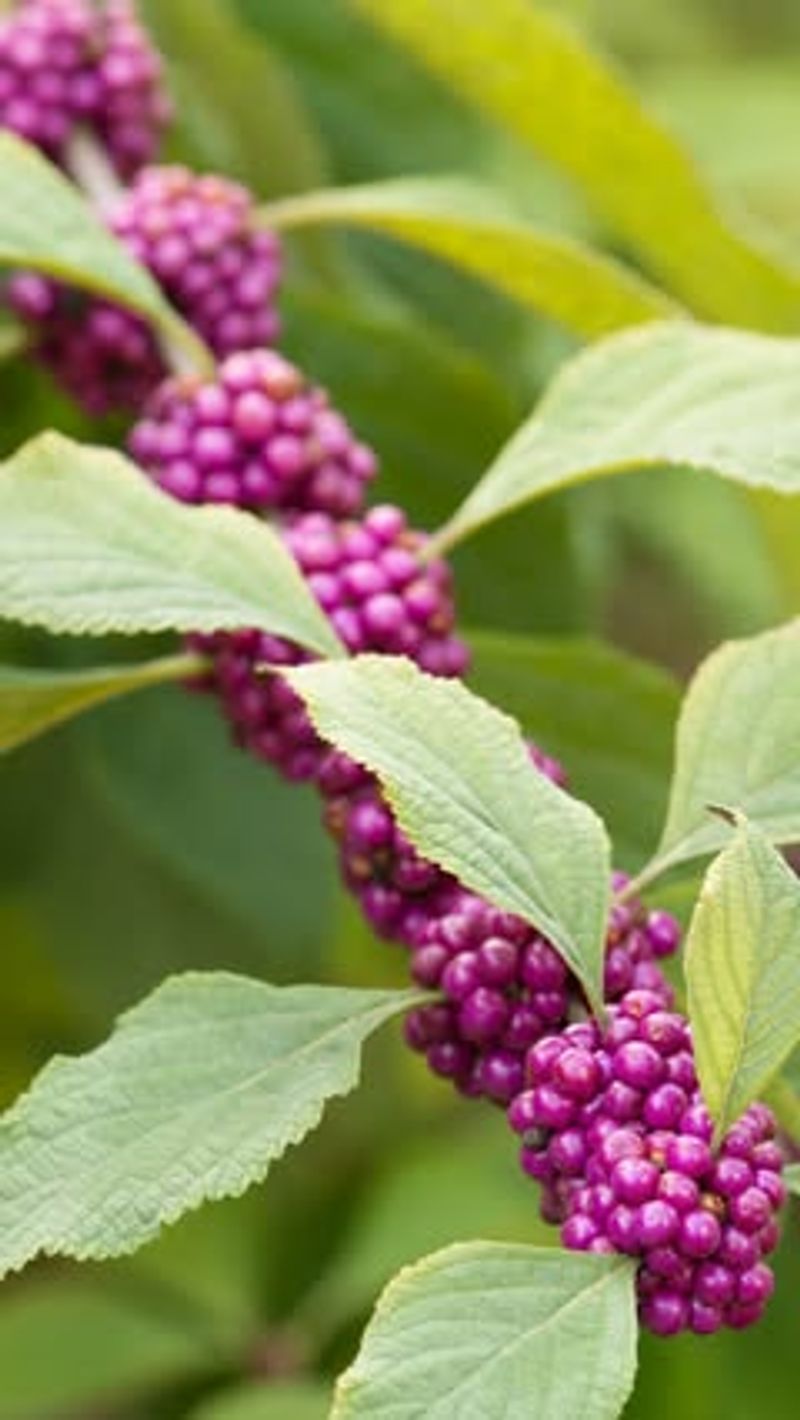
Beautyberry genuinely earns a place in a North Carolina yard. NC State Extension describes it as relatively resistant to deer and rabbits, though white-tailed deer may still browse its leaves and fruit, which means it does not eliminate animal movement through your yard. Deer, raccoons, and other mammals that move through the landscape can carry ticks with them regardless of what you plant at the perimeter.
What beautyberry actually gives you is native character, late-summer color when most shrubs have gone quiet, wildlife value for songbirds that love those berries, and a connection to genuinely interesting research. That is a real contribution to a yard managed as a living system, and it is worth having on those terms.
The tick-reduction work belongs in a different column. Keep the grass mowed and the brush cleared within several feet of your beds. Lay down a 3-foot wood-chip or gravel strip where the garden meets a wooded edge, understanding that CDC guidance presents this as a measure that may restrict tick movement rather than a guaranteed wall. Wear protective clothing, use an EPA-registered repellent when working near brush, and run a full tick check after every session.
North Carolina’s public health guidance is consistent: prompt removal matters, and layered precautions matter more than any single plant choice.
Put beautyberry at the edge of your vegetable garden because it is beautiful, because it belongs here, and because it supports the birds that make summer evenings worth sitting outside for. Just do not ask it to stand guard alone, because no plant can do that job, and this one was never tested for it.