Native North Carolina Perennials That Outbloom Black-Eyed Susans And Handle The Heat Better
You step onto the back porch in late July, sweat already beading before your coffee cools, and there sit your Black-Eyed Susans, looking tired and half-crisped by noon. They were fine in June, but a North Carolina summer wears them down fast. The good news is that plenty of native perennials shrug off the heat, bloom longer, and feed the bees and butterflies your yard depends on. Here are nine tough natives that keep going when the mercury climbs and the afternoon storms roll through.
1. Purple Coneflower Blooms Longer Than You Expect
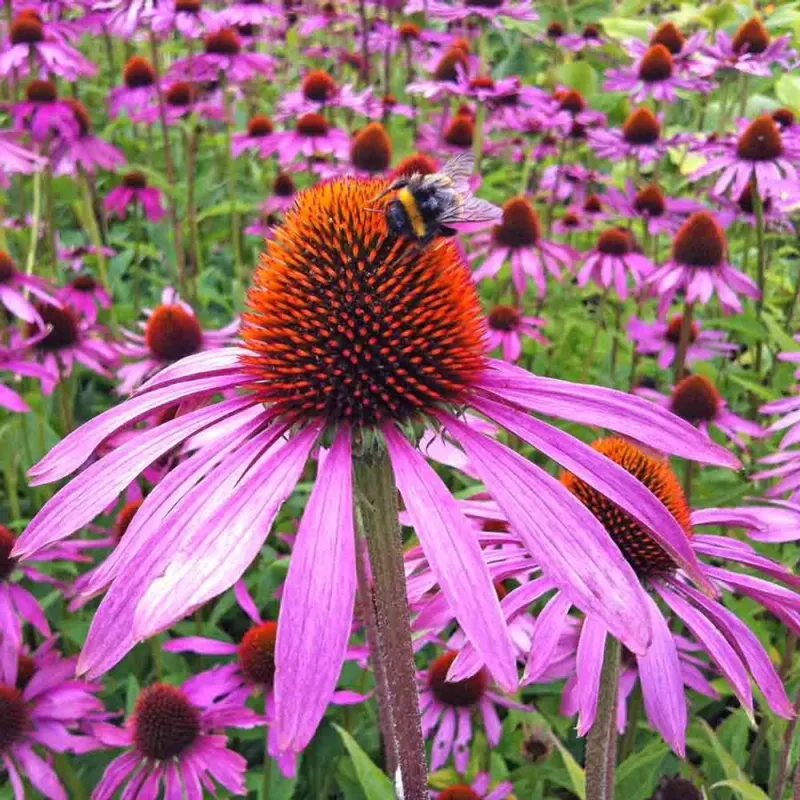
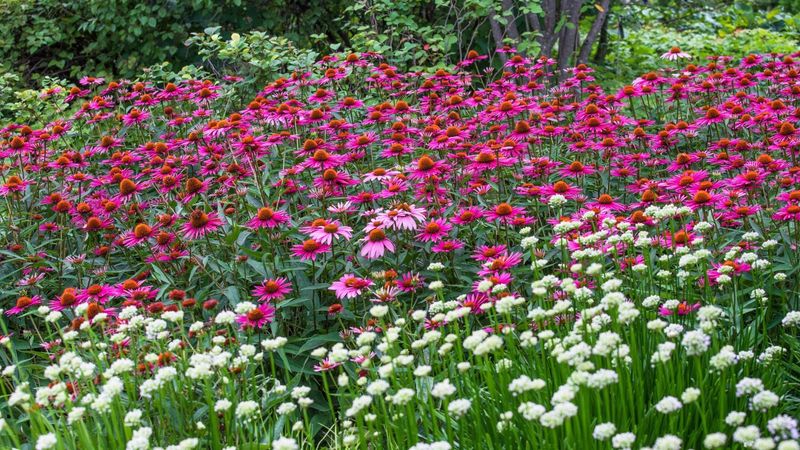
Walk past a stand of purple coneflower in August and you will notice something your Black-Eyed Susans cannot pull off. The petals hang on for weeks, and the spiky centers keep feeding goldfinches long after the color fades.
Echinacea purpurea is built for Piedmont red clay and the muggy heat that comes with it. Once its roots settle in, usually by the second summer, it needs almost no watering even during a three-week dry spell. That means fewer trips out with the hose while your water bill stays flat.
Here is where it gets easy. Space plants about 18 inches apart in full sun, which means six or more hours of direct light. They tolerate afternoon scorch that makes softer flowers wilt by two in the afternoon.
NC State Extension lists coneflower among the reliable natives for pollinator gardens across the state. Bees work the blooms all morning, and monarchs stop by on their fall trip south. Leave the dried seed heads standing through winter, and you get a two-for-one deal, food for birds and a little architecture in the cold months. Cut them back in late February before new growth pushes up.
You genuinely get more bloom for less fuss.
2. Coreopsis Turns Gold When Everything Else Fades
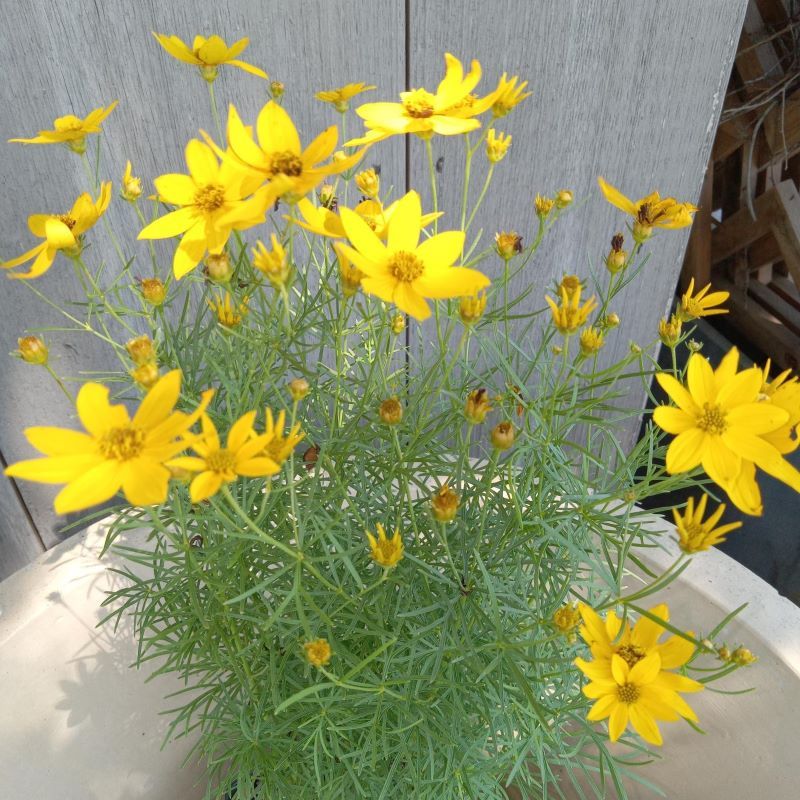
Most flowers throw in the towel by mid-August, but coreopsis just keeps cranking out little gold suns. Many Piedmont gardeners are surprised it blooms from late spring straight into fall with barely a break.
Coreopsis verticillata, often sold as threadleaf coreopsis, has fine, ferny leaves that laugh off drought. The thin foliage loses less water than broad leaves, which is why it stays crisp when a July heat wave pushes past 95 degrees.
Give it full sun and lean soil. Rich, fussed-over beds actually make it floppy, so skip the extra fertilizer. Space clumps about 12 to 18 inches apart, and shear the whole plant back by a third in midsummer for a fresh flush of bloom in three weeks.
Small bees and hoverflies work these flowers hard, and those hoverflies are quiet helpers, their larvae eat aphids off your other plants. So a patch of coreopsis pulls double duty as color and pest control. It spreads slowly by underground runners, filling gaps without taking over the whole bed. By its second year you will have a golden carpet that outlasts anything the Coastal Plain heat can throw at it.
3. Butterfly Weed Feeds Monarchs And Never Wilts
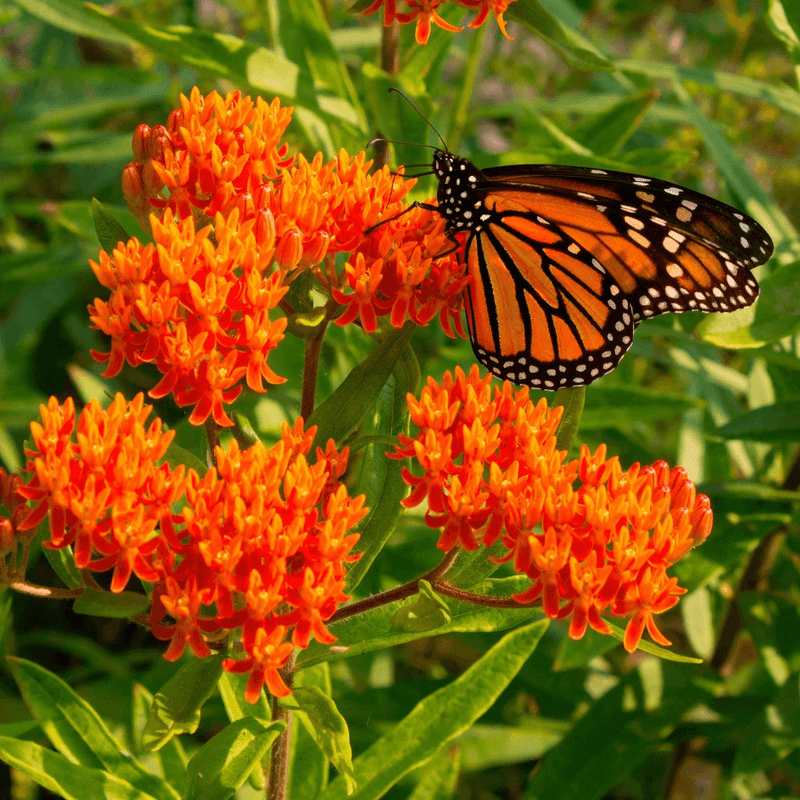
Come the first hot week of June, butterfly weed lights up orange while your other flowers are still deciding whether to bother. And it does it in the worst soil in your yard.
Your North Carolina Garden Changes Every Week. Your Plan Should Too.
Gardening in North Carolina changes quickly throughout the season. Every Friday you’ll receive a simple weekly plan showing exactly what to plant, prune, fertilize, harvest, and protect so you never miss the right timing.
Asclepias tuberosa is a milkweed, which makes it the plant monarch caterpillars must have to survive. No milkweed, no monarchs, and North Carolina sits right on their fall migration path. Plant it and you become a rest stop for butterflies heading to Mexico.
The taproot runs deep, which is the trick behind its toughness. That root pulls water from far below, so the plant stays firm through sandy Sandhills soil and long dry stretches. Do not move it once it is planted, because the taproot resents being disturbed.
Full sun is a must, and so is patience. It sits still the first year while that root digs in, then explodes in year two. Space plants about 18 inches apart and skip the mulch piled against the crown, which can rot it.
Here is the honest part. Butterfly weed is not a fast filler, so pair it with quicker growers while it establishes. Once it settles, you get glowing orange clusters, hungry caterpillars, and a yard that feels genuinely alive.
4. Joe Pye Weed Towers Over The Late Summer Slump
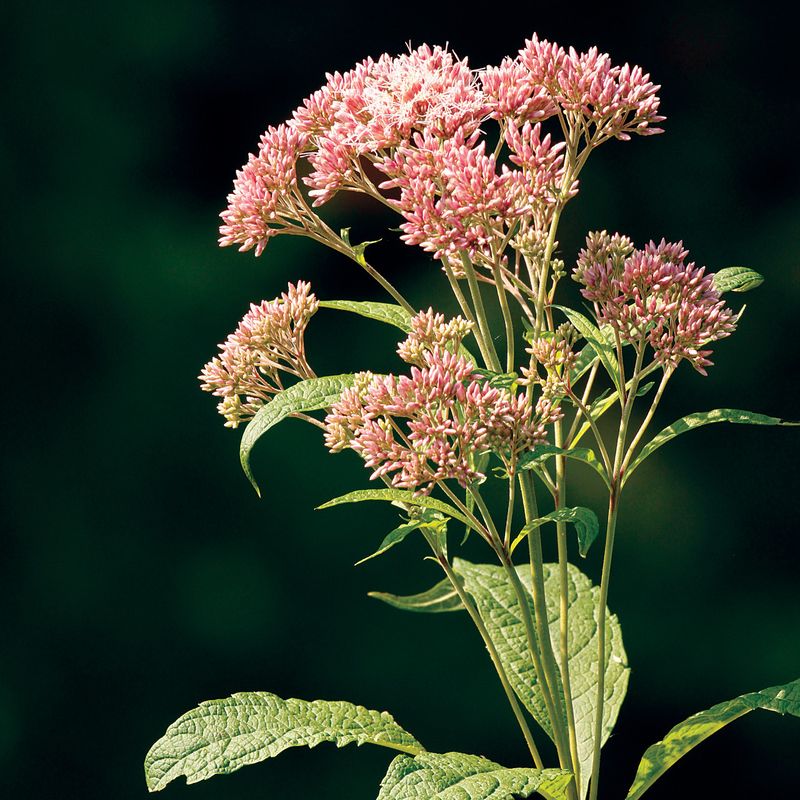
Picture a plant taller than you, topped with dusty pink clouds of bloom, humming with bees in the muggy heat of August. That is Joe Pye weed, and it fills the back of a border like nothing else.
Eutrochium purpureum can reach five to seven feet in a single season, so it goes at the back where it will not shade out shorter plants. The huge flower heads open in late summer, right when Black-Eyed Susans are calling it quits.
Unlike most tall natives, this one actually likes damp feet. If you have a low spot that stays soggy after those afternoon storms roll through the Piedmont, Joe Pye weed will thank you for it. In drier ground, give it a deep soak once a week during July and August.
Space plants about three feet apart, because they get wide as well as tall. Swallowtail butterflies swarm the blooms, and the seed heads feed birds into winter.
Cut it to the ground after the first hard frost, usually late October in the Piedmont and later on the coast. It comes back thicker every spring, a quiet giant that turns a wet problem corner into the busiest butterfly stop in the yard.
5. Blazing Star Sends Up Purple Torches In A Drought
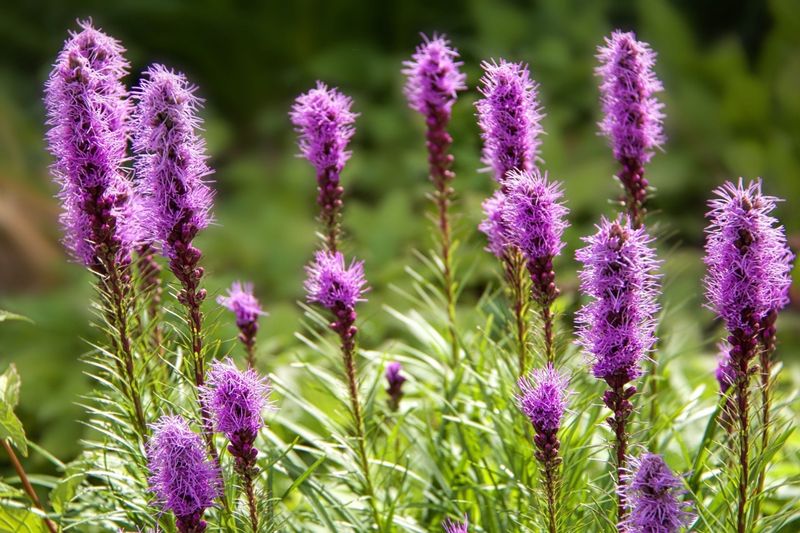
Few flowers grow upward instead of outward, but blazing star sends up tall purple spikes that bloom from the top down, the opposite of nearly every other flower you know. It is a small oddity that makes people stop and look twice.
Liatris spicata grows from a little underground corm, storing water like a camel so it can ride out the driest August the Sandhills can dish up. Butterflies cannot resist the fuzzy purple wands, and neither can the neighbors.
Sun and drainage are everything. Plant the corms about four inches deep and six inches apart in fall, or set out potted plants in spring. Heavy, soggy clay can rot the corms, so amend a stubborn spot with a little grit or plant on a slight slope.
The bloom stalks reach two to four feet, and they make long-lasting cut flowers if you want a jar on the kitchen table. Goldfinches pick the seeds apart once the color fades.
Leave the corms in the ground over winter. They multiply on their own, so a handful this year becomes a purple thicket in three or four. For a hot, sunny strip where nothing else will bloom, this is your quiet workhorse.
6. Black-Eyed Susan’s Tougher Cousin Brown-Eyed Susan
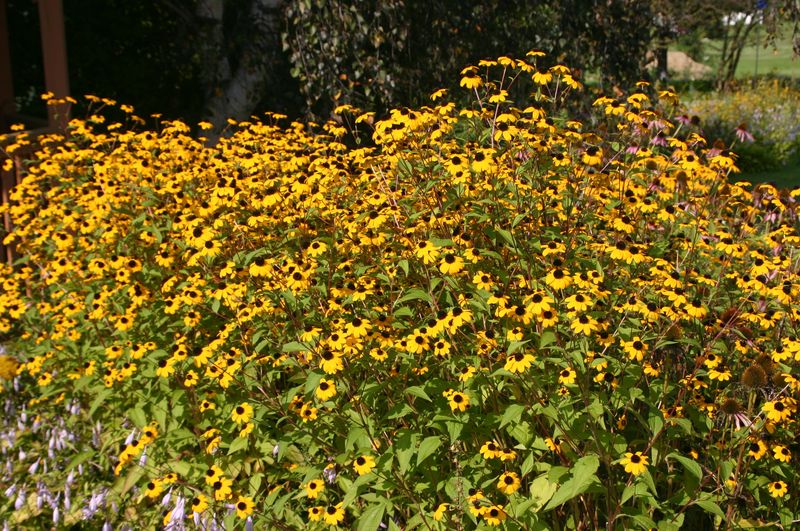
If you love the classic look but hate the burnout, meet the cousin that keeps the family name and drops the drama. Brown-eyed Susan branches into hundreds of smaller golden flowers instead of a few big ones.
Rudbeckia triloba blooms from July clear into October, weeks longer than the common Black-Eyed Susan most folks plant. It handles the heat and humidity of a Carolina summer without the powdery mildew that leaves the usual variety looking dusty and sad by September.
The plant grows into an airy, shrubby mound about three to four feet tall and wide. Give it full sun to light shade and space it around two feet apart, since it fills out generously.
Here is the fun part. It is a short-lived perennial, but it reseeds gently, so new plants pop up to replace the old ones and you never really lose it. Pull the extras where you do not want them, or let them roam a wild corner.
Bees and small butterflies cover the blooms all season, and goldfinches strip the seed heads in fall. For anyone who planted Black-Eyed Susans and felt let down by August, this is genuinely the upgrade you wanted.
7. Cardinal Flower Glows Red Where It Is Wet
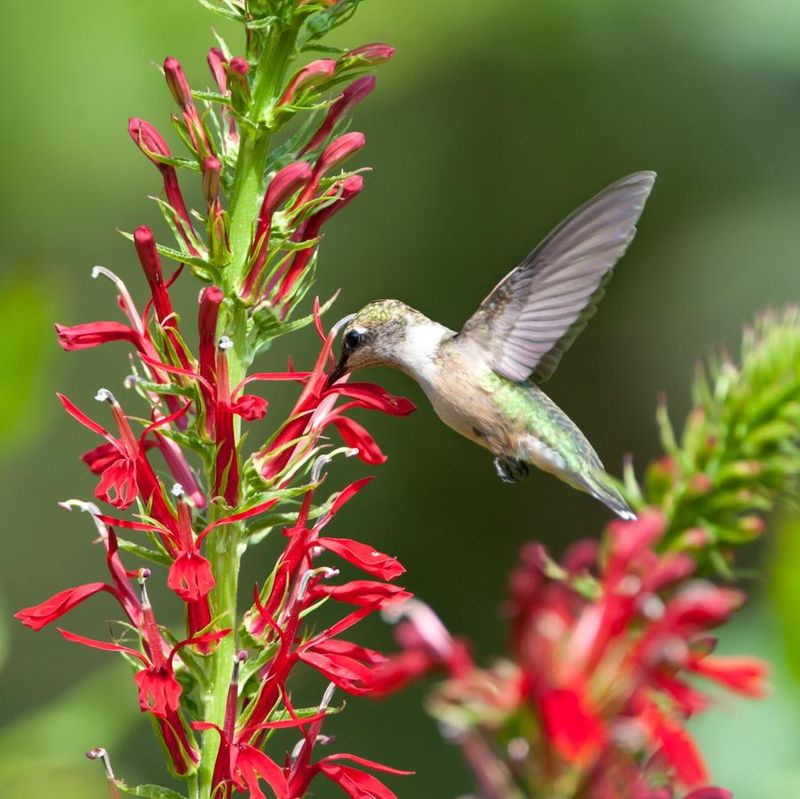
That soggy spot by the downspout has stumped you for years, so let a native turn it into the boldest color in the whole yard. Cardinal flower burns a red so bright it looks almost fake.
Lobelia cardinalis loves moist ground, the kind that stays damp after a Piedmont thunderstorm dumps two inches in an hour. Plant it near a rain garden, a creek edge, or that low corner that never quite dries out.
The tall red spikes reach two to four feet in late summer, and they are a magnet for ruby-throated hummingbirds. The tube-shaped flowers are shaped exactly for a hummingbird beak, so you get front-row seats to the show from your porch chair.
Space plants about a foot apart in part shade to full sun, as long as the soil stays moist. In dry ground it fizzles, so this one is honest about its needs. Do not fight it, just plant it where the water goes.
It is a short-lived perennial that reseeds if you leave a little bare, damp soil around it. Skip the heavy mulch so those seeds can reach the ground. One good clump becomes a red ribbon along your wet edge within a couple of seasons.
8. Goldenrod Lights Up Fall And Does Not Cause Sneezes
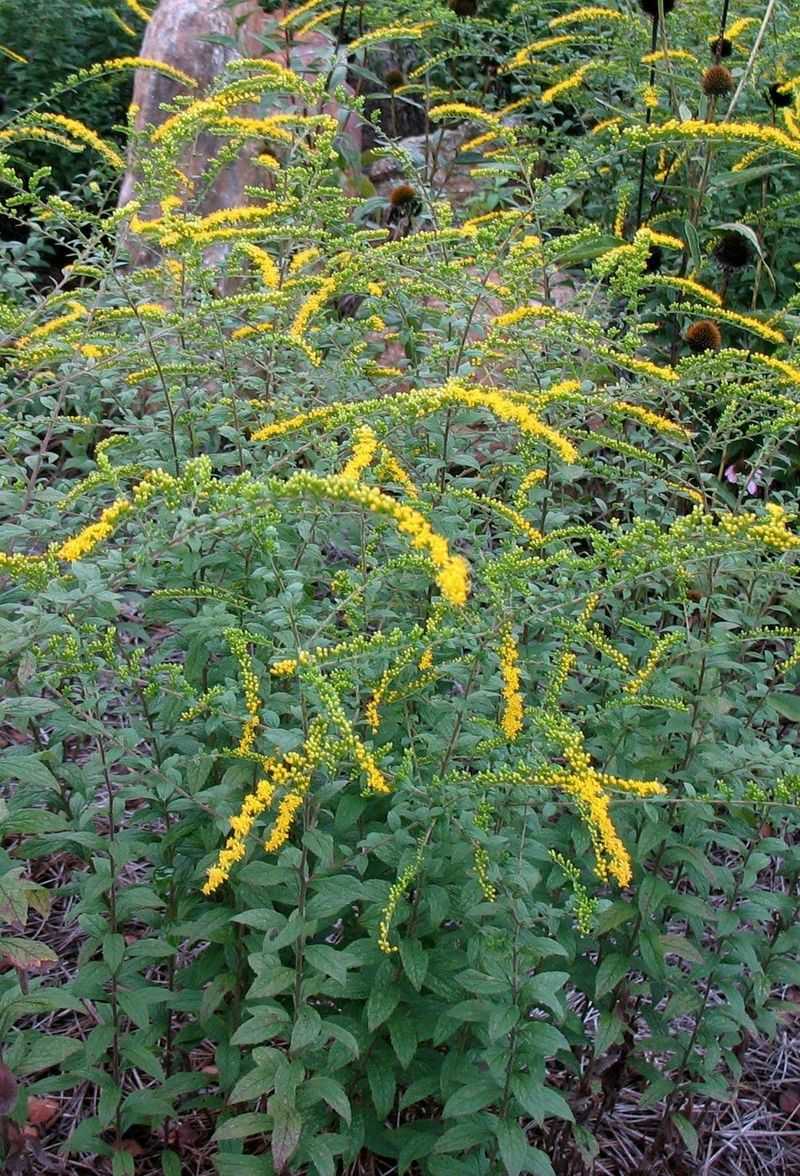
Goldenrod gets blamed every fall for the sneezing and stuffy noses, but it is innocent. The real culprit is ragweed, which blooms at the same time with tiny wind-blown pollen you never see.
Solidago rugosa, especially the tidy variety many nurseries carry, throws arching sprays of gold in September and October when almost nothing else is blooming. Its pollen is heavy and sticky, carried by bees rather than wind, so it never reaches your nose.
And the wildlife payoff is huge. Late-season goldenrod feeds migrating monarchs and dozens of native bees stocking up before winter. NC State Extension points to goldenrod as one of the most valuable fall nectar sources in the state.
Plant it in full sun in average soil. It tolerates the drought that follows a dry Carolina September and asks for no watering once established. Space clumps about two feet apart, and choose a clumping type if you want it to stay put rather than spread.
Cut it back after it fades, or leave the stems standing to shelter overwintering insects. When your summer flowers have quit and the yard looks done, goldenrod steps in and keeps the party going right up to frost.
9. Aromatic Aster Closes The Season In Blue
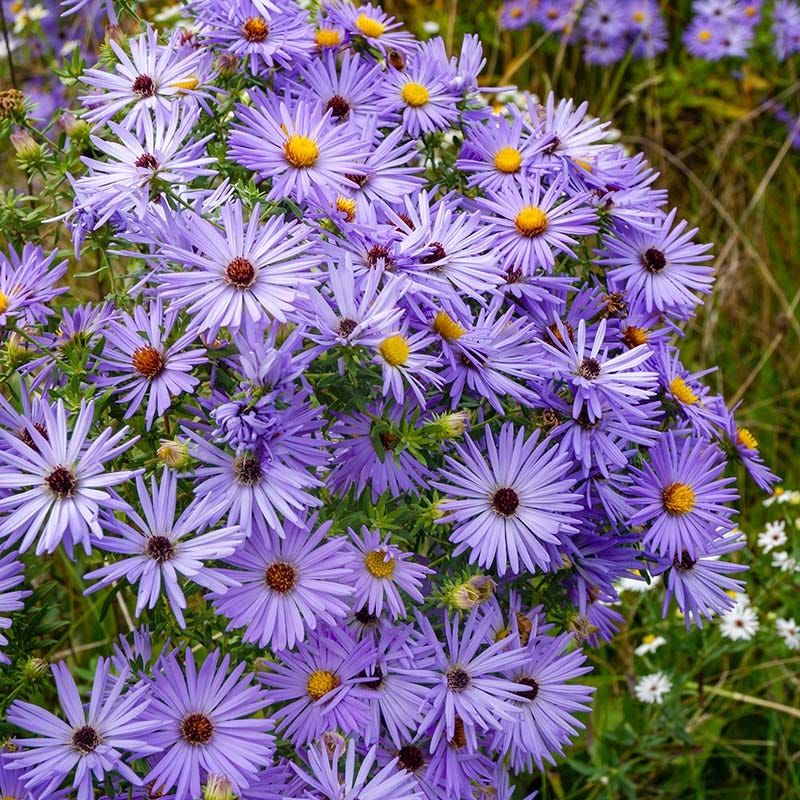
Just when the yard fades to brown and you think blooming season is over, aromatic aster opens a haze of purple-blue flowers and feeds the last butterflies of the year.
Symphyotrichum oblongifolium blooms in October and even into November, later than almost any other perennial on this list. The name comes from the leaves, which give off a light minty scent when you brush against them, a bonus that seems to keep deer browsing elsewhere.
It forms a low, rounded mound about two feet tall and wide, so it works up front or along a path. Full sun and well-drained soil suit it best, and it shrugs off the dry spells that hit the Piedmont in early fall.
Pinch the stems back once in early summer for a bushier, flower-covered mound instead of a leggy sprawl. Space plants about two feet apart to let air move through.
The timing is what makes it special. Fall monarchs and late bees are desperate for nectar as they prepare for the cold, and this aster is one of the last dinner tables open. Pair it with goldenrod and you close out the season with a blue-and-gold finish that carries your garden calmly into the first frost.