Stop Doing This To Dry North Carolina Garden Soil Or You Will Repel What Little Rain Falls
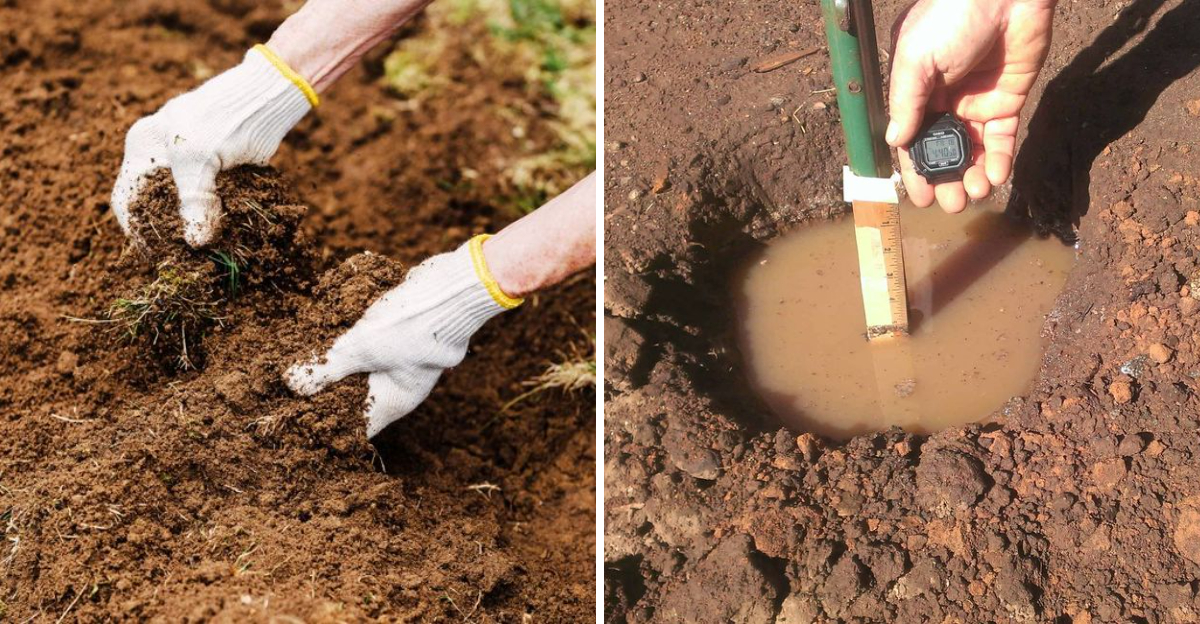
A summer storm can sound promising from inside the house.
Rain hits the roof. Gutters rush. The garden finally looks like it is getting relief after days of heat. Then the storm passes, the sun comes back out, and the bed still looks thirsty.
Water sits in beads, runs sideways, cuts little paths through the surface, and disappears toward the driveway instead of soaking down to the roots.
That is not just bad luck.
Dry soil can become strangely resistant to water, especially when certain amendments, matted mulch, compaction, and heavy clay work together.
A gardener may think they are improving the bed, only to create a surface that sheds rain faster than it accepts it.
North Carolina summers make that problem more frustrating. Heat dries the top layer hard. Storms arrive fast. Clay holds water in some places and blocks it in others.
So what habit can make dry garden soil repel what little rain falls?
It starts with adding the wrong material to heavy clay and expecting it to fix everything.
Stop Mixing Peat Into Heavy Clay
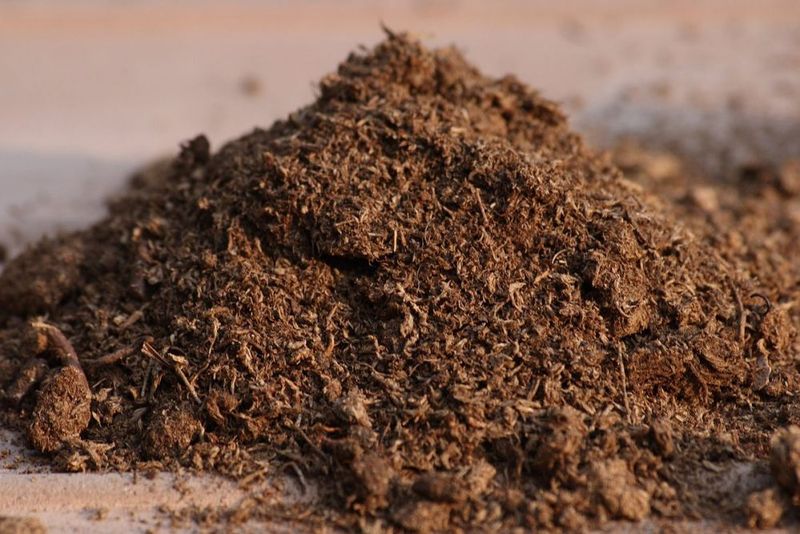
Peat moss is not the magic fix heavy clay needs.
Garden centers often sell it as a quick answer for problem soil, so it is easy to understand why gardeners reach for it. The bag looks simple. The promise sounds familiar. Mix it in, loosen the bed, and watch the soil improve.
North Carolina clay is not that simple.
Clay already holds water tightly. Adding a material with very high water-holding capacity can create a dense, sticky blend instead of a looser, better-draining bed.
Dry peat creates another issue. Once it dries out completely, it can resist water and slow rewetting.
That matters during summer dry spells. Rain may hit the bed and move across the surface before the root zone receives much help.
Texture differences can also create layering. Water moves through one material, reaches another, and slows at the boundary.
A planting hole amended heavily with peat can act like a pocket. Water may collect there, then fail to move naturally into the surrounding clay.
This does not mean every garden with old peat is ruined. It means adding more is usually not the best next step.
Stop chasing the quick fix. Heavy clay improves through structure, biology, and time.
A peat-heavy habit can leave soil harder to rewet, harder to manage, and less ready for North Carolina’s uneven summer rain.
Dry Peat Resists Fast Rewetting
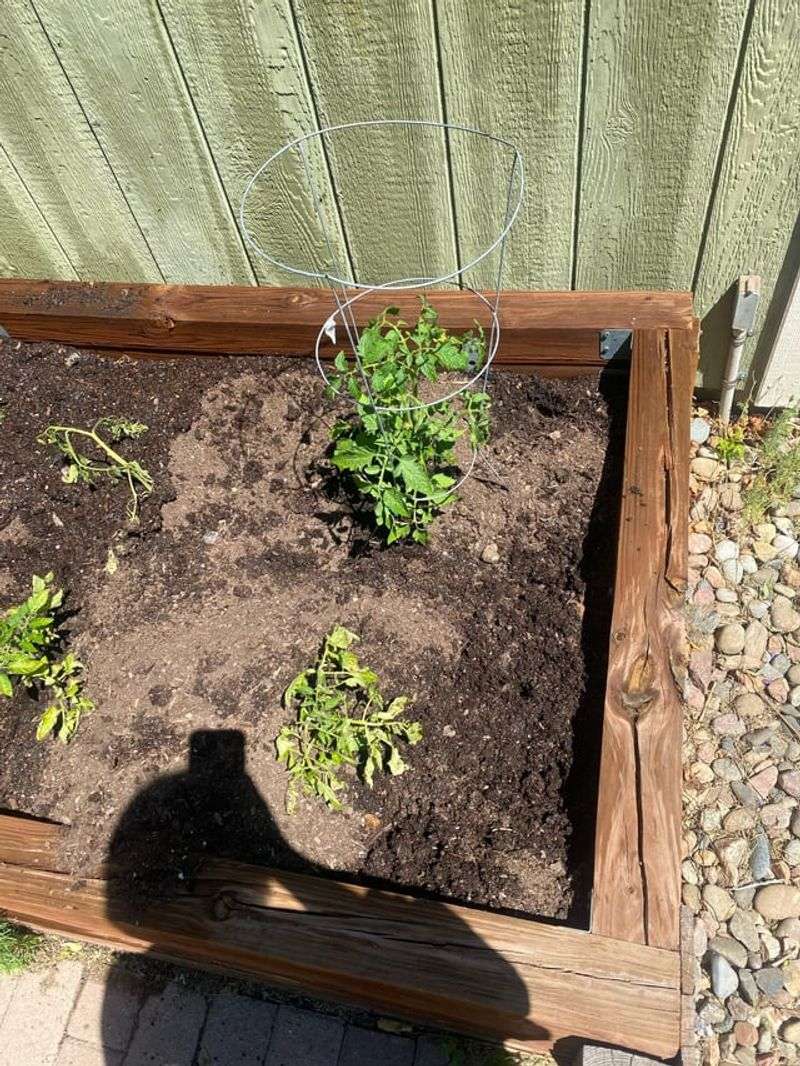
Dry peat can behave almost like it has a coating.
When it becomes very dry, water does not always sink in right away. Instead, droplets may bead on the surface, slide away, or sit stubbornly before finally soaking in. That delay is a serious problem during fast summer storms.
North Carolina rain often falls hard. A storm may drop a useful amount of water in a short window.
The soil has to accept that water quickly enough. A dry, water-resistant surface cannot keep up.
That is why a bed can look wet for a moment, then remain dry beneath the top layer.
Your North Carolina Garden Changes Every Week. Your Plan Should Too.
Gardening in North Carolina changes quickly throughout the season. Every Friday you’ll receive a simple weekly plan showing exactly what to plant, prune, fertilize, harvest, and protect so you never miss the right timing.
The rain did not vanish. It ran off, pooled somewhere else, or moved along channels instead of entering evenly.
A hose blast has the same problem. Fast watering bounces off a resistant surface and creates runoff.
More pressure does not solve it. Slower water works better than stronger water.
The frustrating part is that the gardener may water longer and still miss the root zone.
Dry peat is not permanently ruined. It can be rewetted with patience.
But a bed that reaches that bone-dry, resistant state becomes much harder to recover than a bed kept evenly moist.
The better strategy is prevention.
Avoid building soil around materials that become difficult to rewet, and never assume one summer storm will undo weeks of dryness.
Rain Starts Skipping The Root Zone
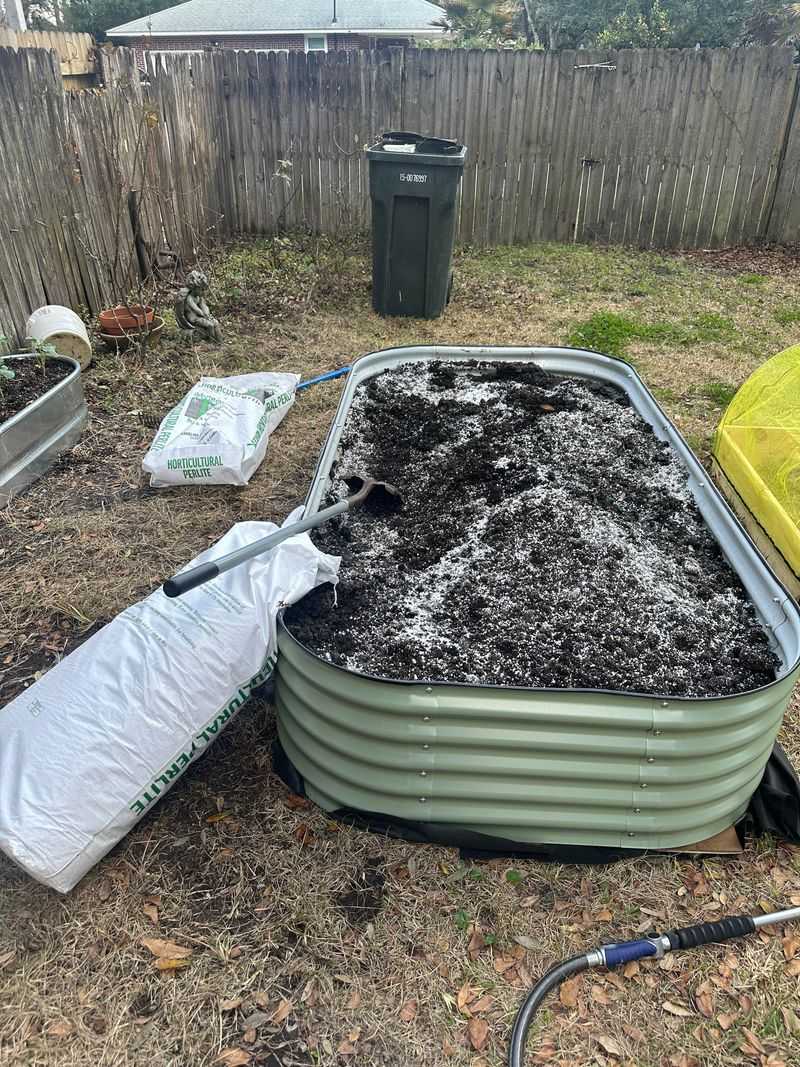
The best test happens during a storm.
Step outside safely during light rain or just after a downpour and watch how water behaves. A healthy bed should darken gradually and accept moisture. A problem bed often tells on itself quickly.
Water may bead on the surface. That is a sign the soil or organic layer is resisting moisture.
Water may run in thin streams. That means the surface is shedding rain faster than it absorbs it.
Water may pool at the edge of the bed. That suggests infiltration is poor or the surface is uneven.
The top inch may darken while deeper soil stays dry. This is common after quick thunderstorms.
Roots do not benefit from a wet crust. Established plants need moisture several inches down and often much deeper.
Use a small test after dry spells. Pour a little water onto the bed and watch the first minute.
Fast soaking is reassuring. Beading, sliding, or sitting on top points toward a problem.
Push a screwdriver into the soil too. A tool that stops after only a couple of inches may reveal compaction.
Check several places. One corner can behave differently from the rest of the bed.
Observation saves guesswork.
Rain that looks generous from the porch may not be generous at root depth, and the soil surface will show you the truth.
Use Compost For Better Structure
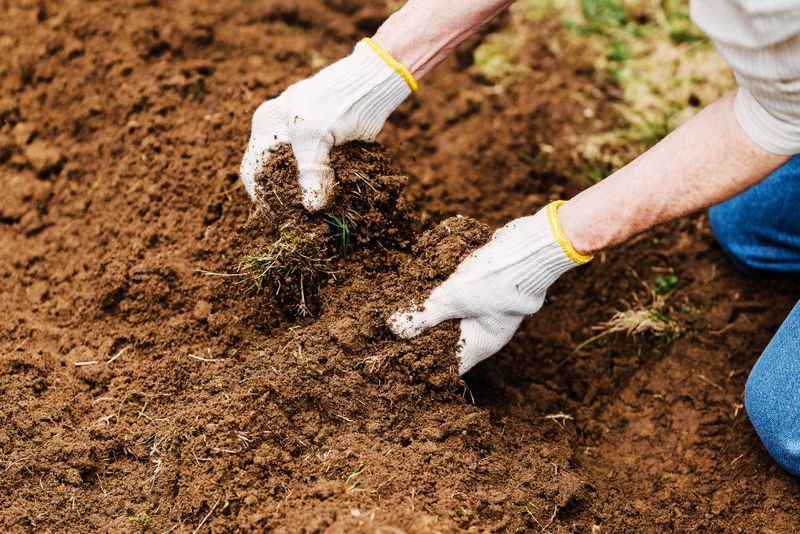
Finished compost helps clay in a different way.
It does not just hold water. It feeds the soil system that gradually changes how clay behaves. Microbes, earthworms, roots, and fungi all help form small aggregates that create pore spaces for air and water.
That structure is what heavy soil needs most.
Compost should be finished. It should smell earthy, not sour, rotten, or sharp like ammonia.
Unfinished material can create problems. It may continue breaking down in the bed and temporarily tie up nitrogen.
Use modest amounts. A thick pile dumped into one hole can create a bathtub effect.
Spread compost across the whole bed instead. Broad improvement works better than isolated pockets.
Work it into the top few inches when creating a new bed. Avoid deep, repeated tilling once the soil begins improving.
Top-dress established beds. A thin layer on the surface can feed soil life without disrupting channels.
Repeat over seasons. Clay improvement is slow, but the results last.
Do not expect one dramatic amendment day to fix years of compaction.
Compost supports living soil. That living structure helps water enter, move, and stay available without turning the bed into a sticky mess.
Peat is often treated like a shortcut.
Finished compost is slower, but it builds the kind of soil that handles North Carolina rain much better.
Mulch Before Soil Turns Bone Dry
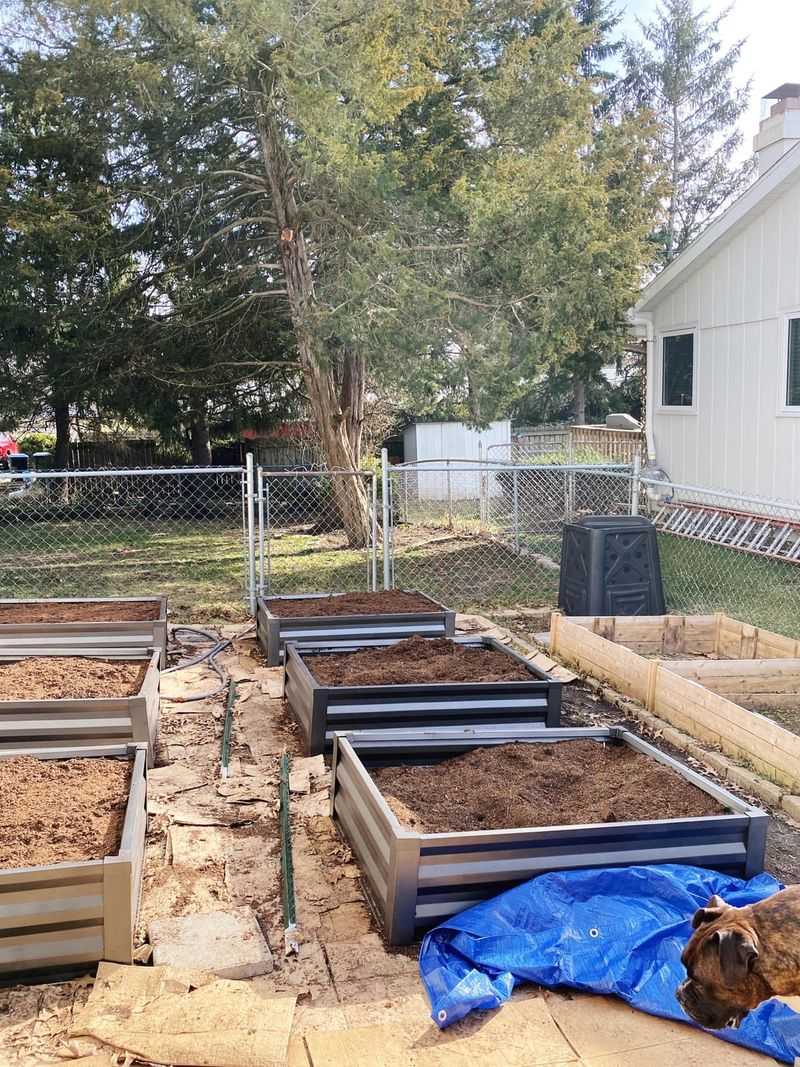
Mulch works best before the crisis.
A good layer applied while soil still holds moisture can slow evaporation, cool the surface, and protect soil structure from pounding rain. The same mulch applied over already dry, resistant soil may hide the problem instead of fixing it.
Timing matters. Late spring is often a better time to refresh mulch than late summer after the bed has baked.
Moist soil under mulch stays more stable. That helps roots and soil organisms keep working.
Dry soil under mulch may stay dry. Rain can run across the mulch surface and never reach the root zone evenly.
Matted mulch creates another barrier. Old shredded material can pack into a dense layer that sheds water.
Loosen mulch occasionally. A light rake helps open the surface so rain can pass through.
Keep depth reasonable. Two to three inches is enough for many beds.
Thicker is not always better. Deep mulch can hold excess moisture in some spots while repelling water in others.
Keep mulch away from stems and trunks. A clear gap reduces rot and pest issues.
Choose material that stays open. Wood chips, pine straw, and shredded leaves can all work when managed well.
Mulch should protect the soil, not seal it.
Applied at the right time and kept loose, it helps rain soak in instead of racing away.
Restore Moisture With Slow Soaks
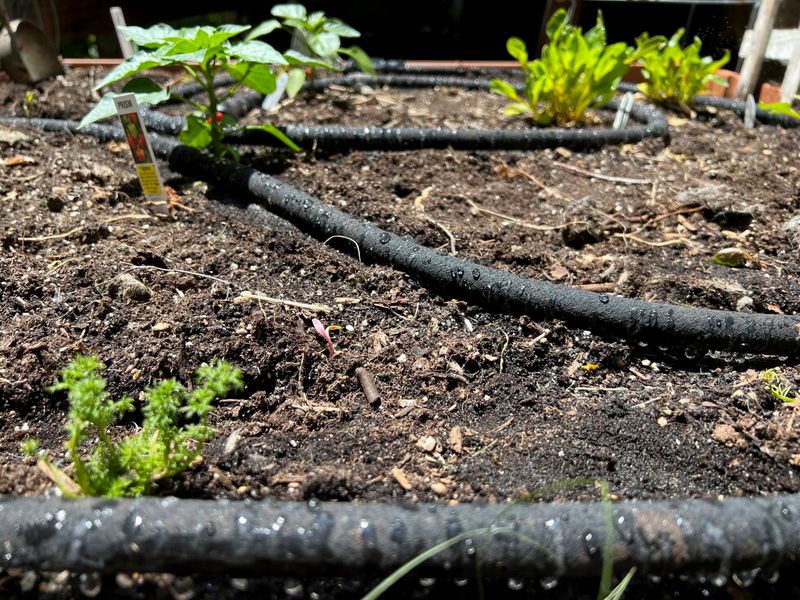
A dry, resistant bed needs patience.
Blasting it with water usually creates runoff. The surface gets wet, the water moves sideways, and the deeper root zone remains dry. A slow-soak method gives the soil time to accept moisture gradually.
Start with low flow. A soaker hose or drip line is better than a hard spray.
Run water for fifteen to twenty minutes. Then pause for about the same amount of time.
That pause matters. It lets the first moisture soften the dry layer and begin spreading.
Run another cycle. Repeat the process two or three times.
Check depth afterward. Use a finger, dowel, trowel, or soil probe in several places.
Moisture should move below the first inch. The goal is root-zone rewetting, not surface dampness.
Return the next morning when needed. A severely dry bed may need more than one slow session.
Do not keep pouring water onto active runoff. That wastes water and can carry soil away.
Break crust gently before watering. A light surface scratch can help water enter without deep disturbance.
Avoid working wet clay afterward. Clay handled while sticky can dry into harder clumps.
Slow soaking feels less dramatic than a sprinkler blast.
But it is far more effective when soil has started repelling the water your plants need.
Test Infiltration Before Planting Again
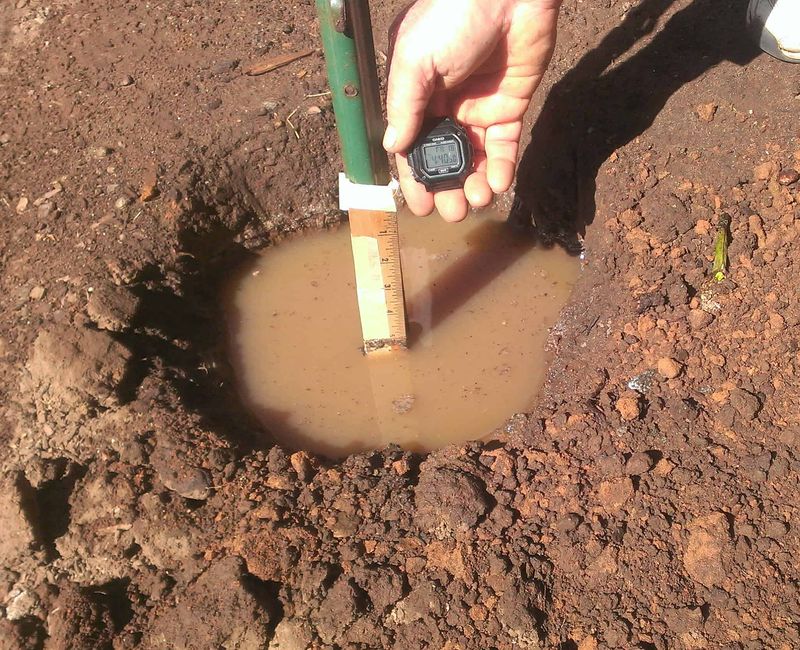
A problem bed should be tested before it is replanted.
Guessing leads to the same cycle: amend, plant, water, watch plants struggle, then amend again. A simple infiltration test shows how water actually moves through the soil.
Dig a hole about twelve inches deep and twelve inches wide. Fill it with water and let it drain.
Then fill it again. Measure how much the water level drops over an hour.
A moderate drop is usually good. Water that barely moves points toward poor drainage or severe compaction.
Water that vanishes extremely fast points toward a different issue. Sandy or very loose soil may dry too quickly between rains.
Test more than one spot. Beds near downspouts, slopes, paths, or tree roots can behave differently.
Do not test immediately after a storm. Soil already wet from rain can distort the result.
Use the result to choose the next step. Compost, raised beds, drainage changes, or plant selection may all come into play.
A soil test can help too. pH, nutrient levels, and organic matter affect how plants respond.
Your county Extension office can help interpret results. Local guidance matters because North Carolina soils vary widely.
Testing turns frustration into information.
Before adding another bag of anything, learn how the bed actually handles water.