Why Texas Gardeners Are Transitioning To Deep Irrigation As Summer Heat Spikes
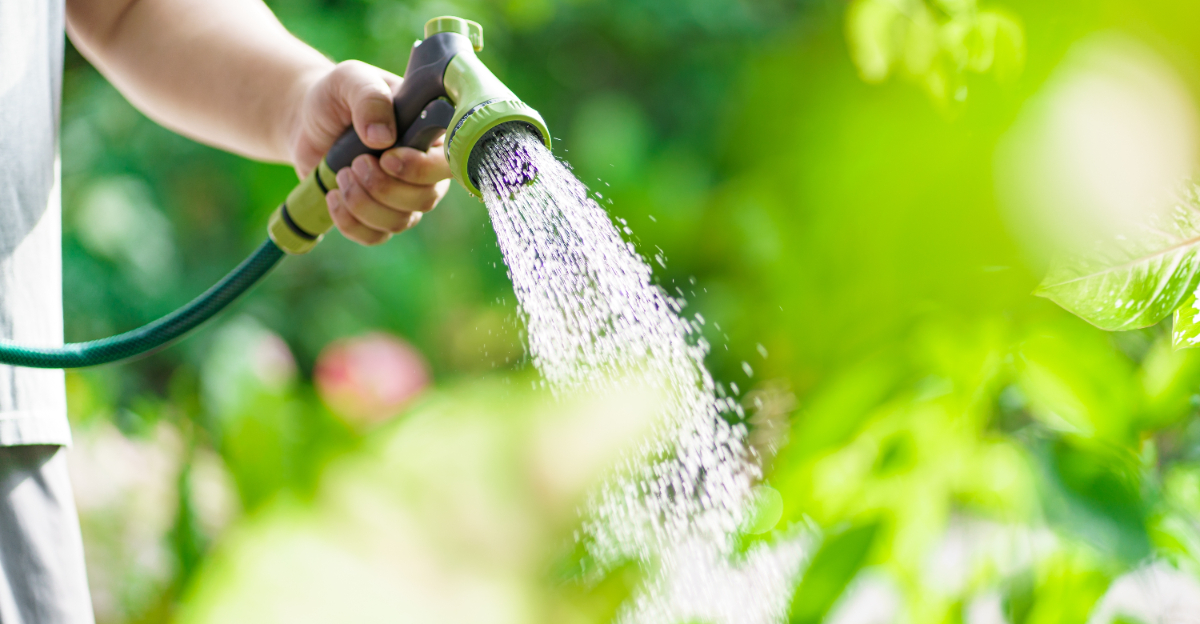
The sun in Texas doesn’t ease into summer, it slams the door on spring overnight. Soil turns brittle, hose bills climb, and plants with shallow roots struggle to keep up once the mercury settles above 100 degrees.
Texas homeowners are switching tactics, sending water down instead of letting the surface heat claim it first. That shift pulls roots deeper, and it changes how a landscape survives the hottest stretch of the year.
Shallow-watered gardens show stress within days, while deep-rooted ones hold their color and structure long after the heat spikes. The difference isn’t luck. It comes down to where the water goes.
Deep Watering Builds Roots That Survive Extreme Heat
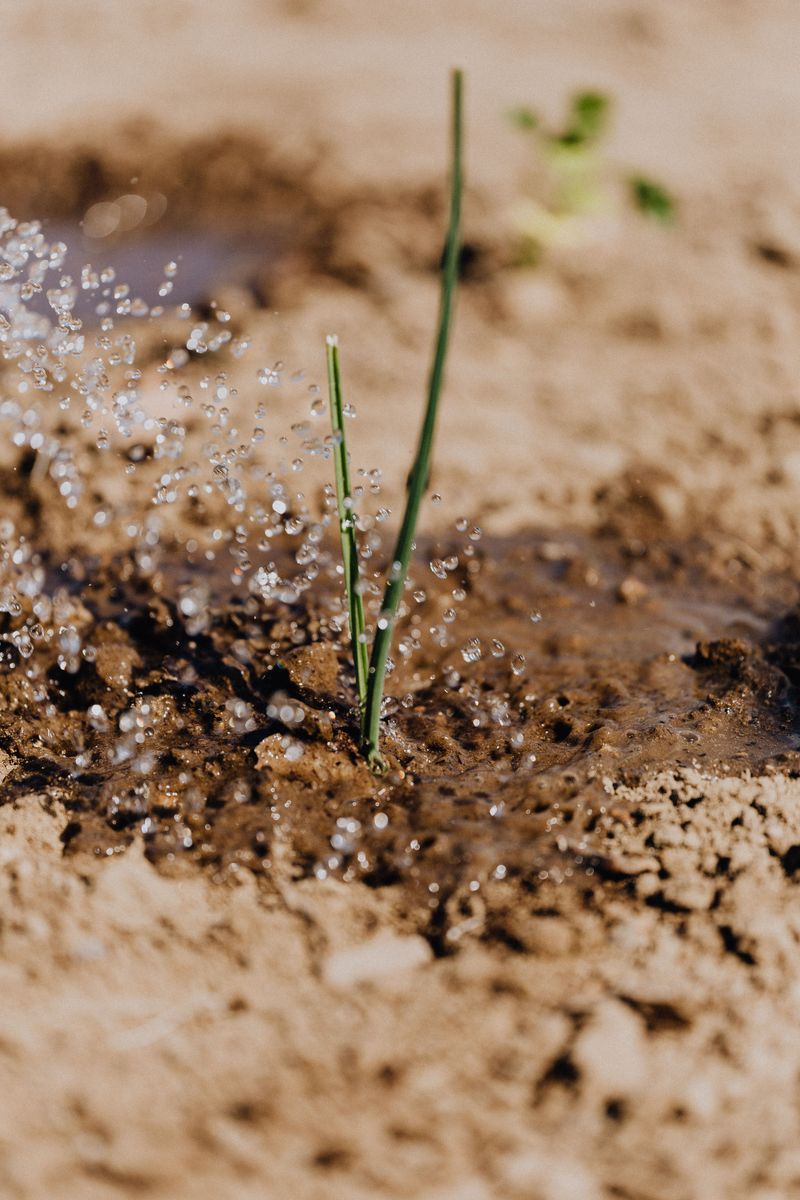
Roots are survivors by nature, but only when they have a reason to go deep. When water stays near the surface, roots stay shallow and vulnerable to heat.
Deep irrigation changes that game completely. Water pushed 8 to 12 inches into the soil pulls roots downward, where temperatures stay cooler even during brutal summer afternoons.
A shallow-rooted tomato plant can wilt by noon on a 105-degree day. A deep-rooted one in the same yard often stays upright and productive without extra fuss.
Soil below the surface acts as a natural insulator. Roots anchored down there have access to moisture long after the top layer has baked dry.
Deep irrigation also encourages a stronger root structure overall. Plants with wide, deep root systems are better at pulling nutrients from lower soil layers.
Texas gardeners who switch to deep watering often notice their plants look healthier within just a few weeks. Leaves stay greener, stems grow thicker, and fewer plants need emergency watering during heat spikes.
The science behind this is straightforward. Plants respond to where water lives in the soil, and deep irrigation tells them exactly where to go.
Building deep roots is not just about surviving summer heat. It is about creating a garden that thrives when conditions get tough, and that payoff shows up fast.
Shallow Watering Habits That Leave Lawns Vulnerable
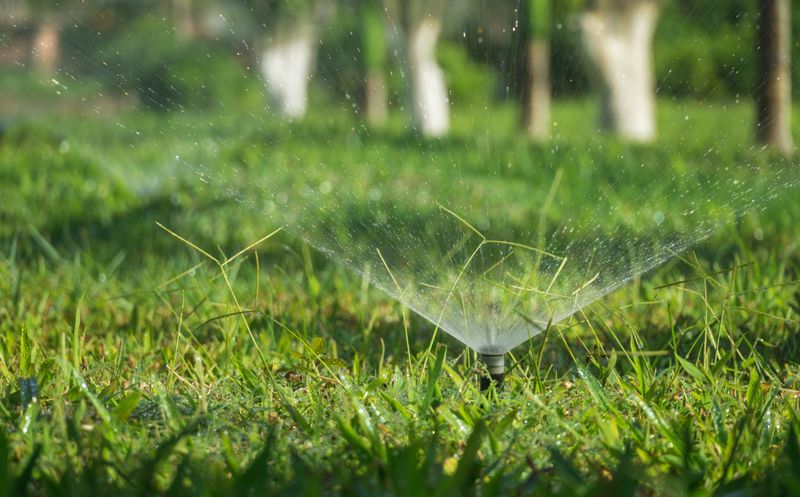
Most people water their yards the way they learned from their parents, quick and often. That habit works fine in mild climates, but Texas summers are a different beast entirely.
Frequent shallow watering trains roots to stay near the top inch or two of soil. When heat spikes arrive, that thin layer dries out in hours, leaving roots with nowhere to turn.
Lawn grasses like St. Augustine and Bermuda look fine after a light sprinkle. However, they are quietly building a fragile root system that cannot handle extended drought or scorching heat.
Shallow watering also encourages weeds. Many weed species thrive with light, frequent moisture and outcompete grass that needs deeper hydration to stay strong.
Another problem is evaporation. When water only reaches the top layer of soil, afternoon heat pulls much of it back into the air before roots ever absorb it.
Some Texas gardeners run sprinklers daily for 10 minutes and wonder why their lawn still looks stressed. The answer is usually in the roots, not the schedule.
Your Texas Garden Changes Every Week. Your Plan Should Too.
Gardening in Texas changes quickly throughout the season. Every Friday you’ll receive a simple weekly plan showing exactly what to plant, prune, fertilize, harvest, and protect so you never miss the right timing.
Switching away from shallow habits can feel uncomfortable at first. Yards may look slightly stressed during the transition period before deeper roots establish themselves.
Staying patient through that adjustment pays off fast. Once roots find deeper moisture, lawns become noticeably more resilient and far less dependent on constant watering to stay green.
Signs Your Yard Is Ready For A Deep Irrigation Switch
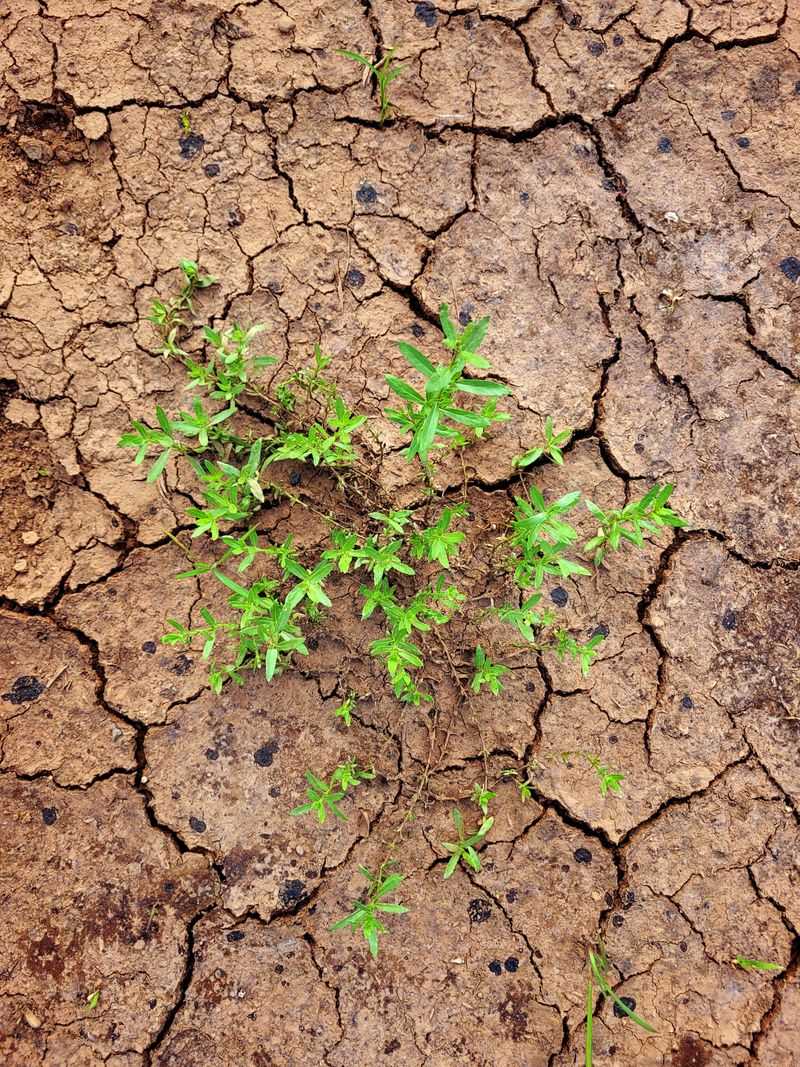
Your yard will tell you when it is struggling, if you know what to look for. Most plants give clear signals long before they reach a point of no return.
One of the most obvious signs is wilting in the morning. If plants droop before 9 a.m., the soil has already lost too much moisture at the root level overnight.
Cracked soil is another major clue. Hard, fissured ground means water is not penetrating deeply enough, and roots are being forced to work in dry, compacted conditions.
Check the color of your grass closely. Bluish-gray tones in Bermuda or St. Augustine grass signal drought stress, even if you have been watering on a regular schedule.
Push a screwdriver six inches into the ground after a watering session. If it meets resistance before hitting that depth, moisture is not reaching where roots need it most.
Yellowing leaves on garden plants, especially lower ones, often point to inconsistent moisture at the root zone. That pattern typically appears when watering stays too shallow.
Footprints that stay pressed into the lawn for more than 30 seconds are a classic sign of dehydration. Healthy, well-watered grass springs back almost immediately after being walked on.
Spotting two or more of these signs together is a strong signal. Your yard is showing you it’s time for a switch to deep irrigation, and answering that call sooner saves time and effort later.
Timing And Frequency That Work Best In Peak Summer
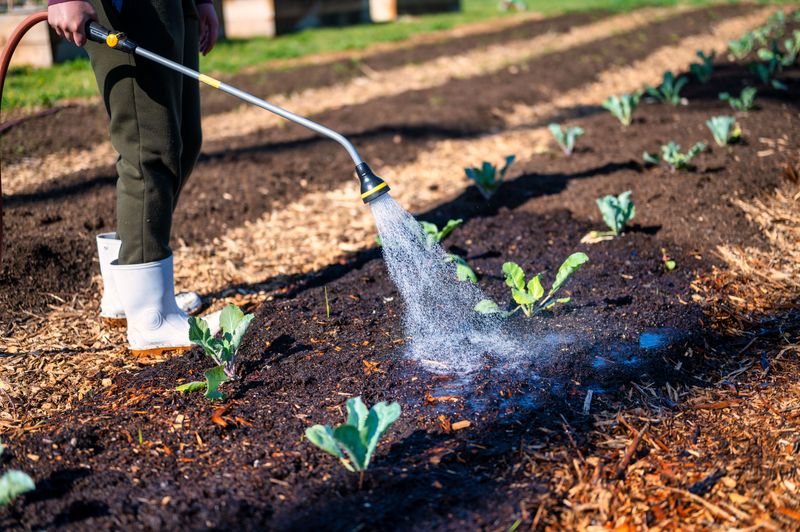
Watering at the wrong time wastes much of the effort behind it. Heat and evaporation can steal moisture before it ever reaches the roots.
Early morning works best for deep irrigation. Watering between 5 a.m. and 9 a.m. gives moisture time to soak in before afternoon temperatures begin climbing sharply.
Evening watering is a common backup choice, but it comes with a catch. Wet foliage overnight creates perfect conditions for fungal growth, which spreads quickly in warm, humid air.
Deep irrigation means watering less often but for longer periods. Instead of running sprinklers daily for 10 minutes, try watering two or three times a week for 30 to 45 minutes.
Clay-heavy soils common across central and north Texas absorb water slowly. Running irrigation in two shorter cycles with a 30-minute break between them helps prevent runoff on hard ground.
Sandy soils in south and west Texas drain fast. Those areas may need slightly more frequent deep watering sessions to keep moisture available at root depth.
A simple soil moisture meter takes the guesswork out of scheduling. Checking readings at 6 inches deep before each watering session helps avoid both overwatering and under-watering mistakes.
Getting timing right is one of the fastest ways to see results. Smart scheduling paired with deep irrigation turns a struggling summer garden into one that holds up through the heat.
Tools And Techniques That Make Deep Watering Easier
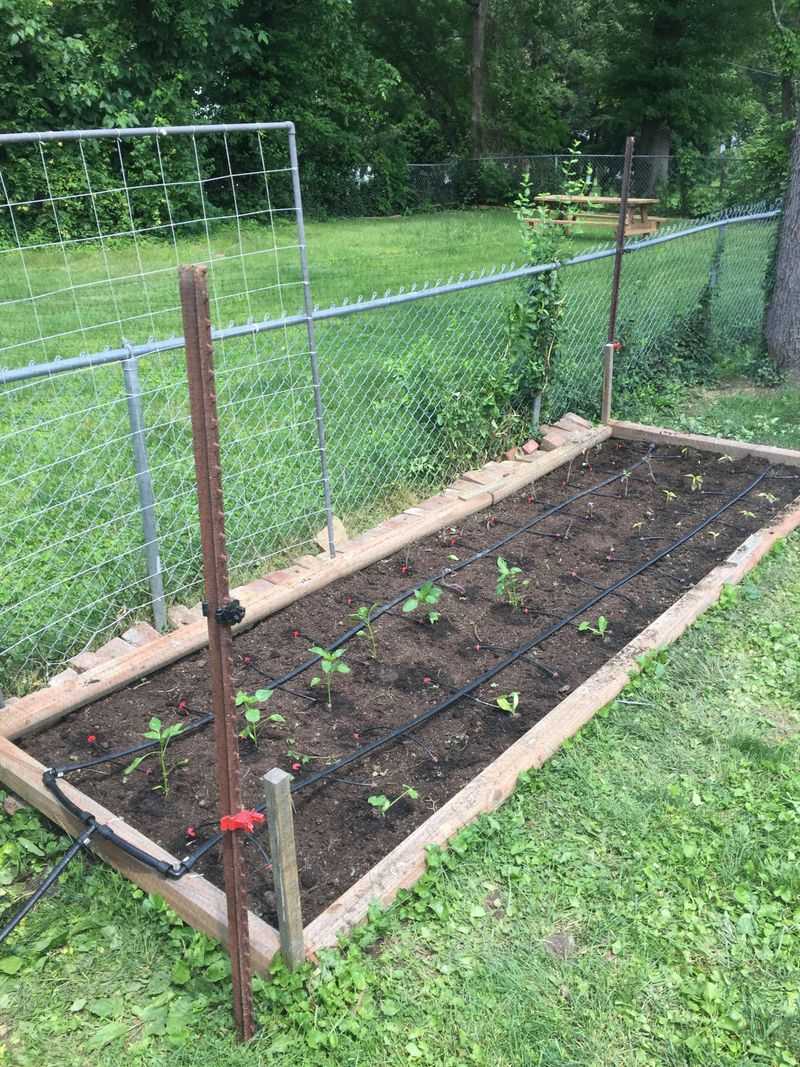
Getting water deep into the soil does not require a huge investment or a complicated setup. A few smart tools can make the whole process almost effortless.
Soaker hoses are one of the most affordable and effective options available. They release water slowly along their entire length, giving soil time to absorb moisture without runoff or waste.
Drip irrigation systems take that concept further with targeted precision. Each emitter delivers water directly to the base of a specific plant, cutting waste and keeping foliage dry.
Deep root watering spikes attach to a standard garden hose and push water 8 to 12 inches underground with minimal effort. They work especially well for trees, shrubs, and large perennials.
For lawn areas, oscillating sprinklers set to run longer cycles can achieve decent penetration. Pairing them with a simple timer removes the need to remember when to turn them off.
Mulch is a technique that acts like a tool without any moving parts. A 3-inch layer of organic mulch over garden beds slows evaporation dramatically and keeps soil moist between watering sessions.
Rain gauges and soil moisture meters are inexpensive gadgets that prevent guesswork. Knowing exactly how much water your yard has received helps fine-tune any deep irrigation plan over time.
The right combination of tools makes deep watering feel less like a chore. Once a system is in place, maintaining a healthy summer garden takes far less time and energy than most people expect.
Long-Term Payoff For Soil Health And Water Savings
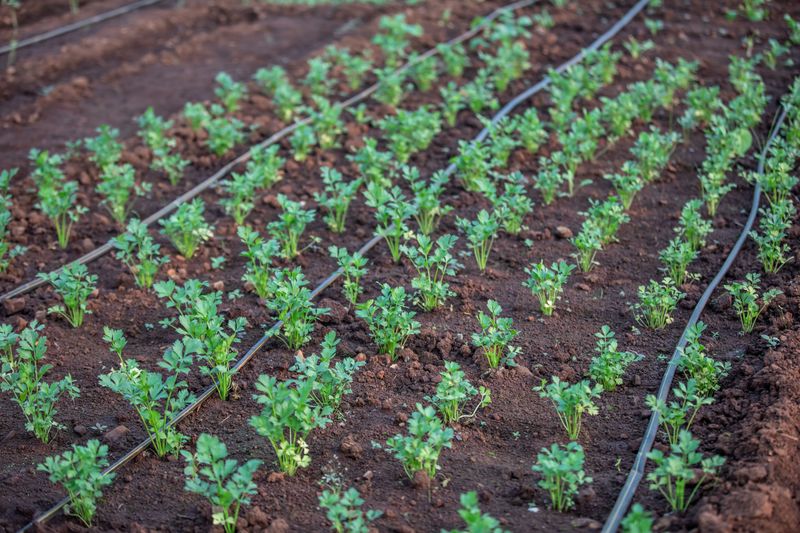
Switching to deep irrigation is not just a summer survival tactic. It is a long-term investment in the health of your soil and the resilience of your yard.
Over time, deep watering encourages beneficial microorganisms to flourish lower in the soil profile. Those tiny organisms break down organic matter and release nutrients that feed plant roots all season long.
Healthy soil structure also improves with consistent deep watering. Clay soils handle water better, and sandy soils develop stronger moisture retention as organic matter builds up in the root zone over months and years.
Water savings are one of the most compelling reasons gardeners make this switch permanent. Deep irrigation can meaningfully cut overall water use compared to frequent shallow watering schedules
Lower water bills follow naturally once irrigation runs less often but more effectively.
Plants grown with deep irrigation also tend to have longer productive seasons. Vegetables keep producing later into the summer, and ornamental plants hold their blooms longer without heat stress cutting them short.
Soil that retains moisture well also resists erosion during sudden heavy rains. That protection matters in areas where summer storms arrive fast and hit hard.
Deep irrigation rewards patient gardeners with a yard that keeps improving year after year. Every season spent watering deeply builds a foundation that makes the next summer a little easier to handle.