Watering Mistakes That Ruin Petunias In Michigan And How To Fix Them
Petunias are forgiving plants in many conditions, but Michigan summers expose their specific vulnerabilities in ways that catch even experienced gardeners off guard.
The watering mistakes that damage petunias most consistently are not made by inattentive gardeners.
They are made by people doing exactly what general advice recommends without accounting for what Michigan’s heat, humidity, and container conditions actually require during peak summer.
Overwatering and underwatering produce symptoms that look nearly identical in petunias, which is why so many attempted fixes move the problem in the wrong direction.
Getting the diagnosis right before changing the watering routine is what turns struggling petunias around, and the fixes themselves are straightforward once the actual mistake gets correctly identified.
1. Watering On A Fixed Schedule Instead Of Checking Soil
Plenty of gardeners set a watering routine and stick to it no matter what, but petunias do not care about your calendar.
What they actually need is steady, consistent moisture, and the right time to water changes depending on the weather that week, the size of your container, how much wind has been blowing, and how many hours of direct sun your plants receive each day.
Michigan summers can swing from cool and rainy to blazing hot within just a few days. A schedule that worked perfectly in June might leave your petunias too dry by July or waterlogged after a stretch of cloudy days in August.
Sticking rigidly to every-other-day watering without checking the soil first is one of the most common reasons petunias start looking rough mid-season.
The simple fix is to check before you water every single time. Push your finger about an inch into the potting mix or soil.
If it feels moist, skip watering that day and check again tomorrow. If it feels dry at that depth, go ahead and water thoroughly.
This small habit takes about five seconds and saves your plants from both drought stress and soggy roots.
Adjusting based on real conditions rather than a set schedule is the single biggest upgrade you can make for healthier, longer-blooming petunias all summer long.
2. Letting Hanging Baskets Dry Out Too Far
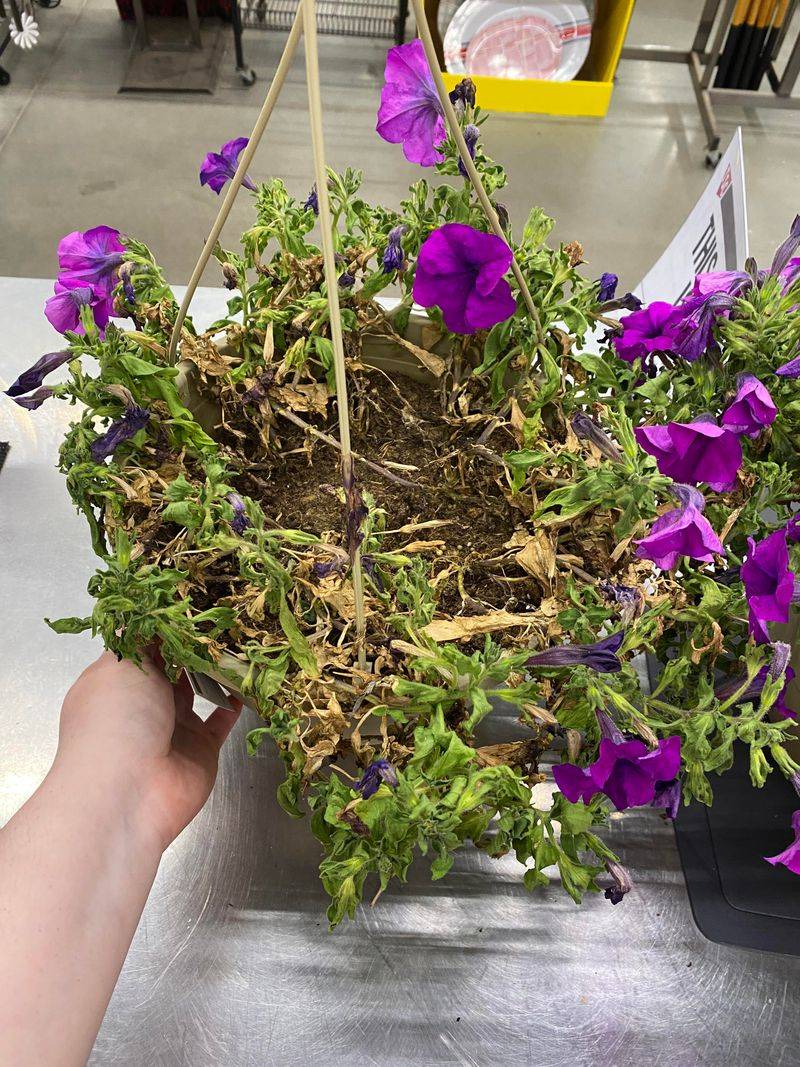
Hanging baskets are one of the most popular ways to grow petunias in Michigan, and they are also the containers most likely to dry out way too fast.
Unlike a pot sitting on the ground, a hanging basket is exposed to moving air on all sides, which pulls moisture out of the mix much more quickly than you might expect.
Small baskets and coir-lined wire baskets are especially vulnerable because they hold less potting mix to begin with. On a hot, breezy Michigan summer day, a small hanging basket can go from perfectly moist to bone dry in less than 24 hours.
When petunias get that stressed, they stop blooming, drop flower buds, and the foliage starts to look limp and faded even after you water them again.
During the hottest stretches of Michigan summer, hanging baskets might need watering every single day, sometimes even twice on extremely hot and windy days. The best approach is to check your baskets each morning by lifting them slightly.
Your Michigan Garden Changes Every Week. Your Plan Should Too.
Gardening in Michigan changes quickly throughout the season. Every Friday you’ll receive a simple weekly plan showing exactly what to plant, prune, fertilize, harvest, and protect so you never miss the right timing.
A basket that feels noticeably lighter than usual is telling you it needs water right now. Water slowly and thoroughly until water drains freely from the bottom, making sure the entire root ball gets saturated.
Upgrading to a larger basket with at least 12 inches of diameter also helps hold more moisture and gives roots more room to thrive.
3. Using Pots That Are Too Small
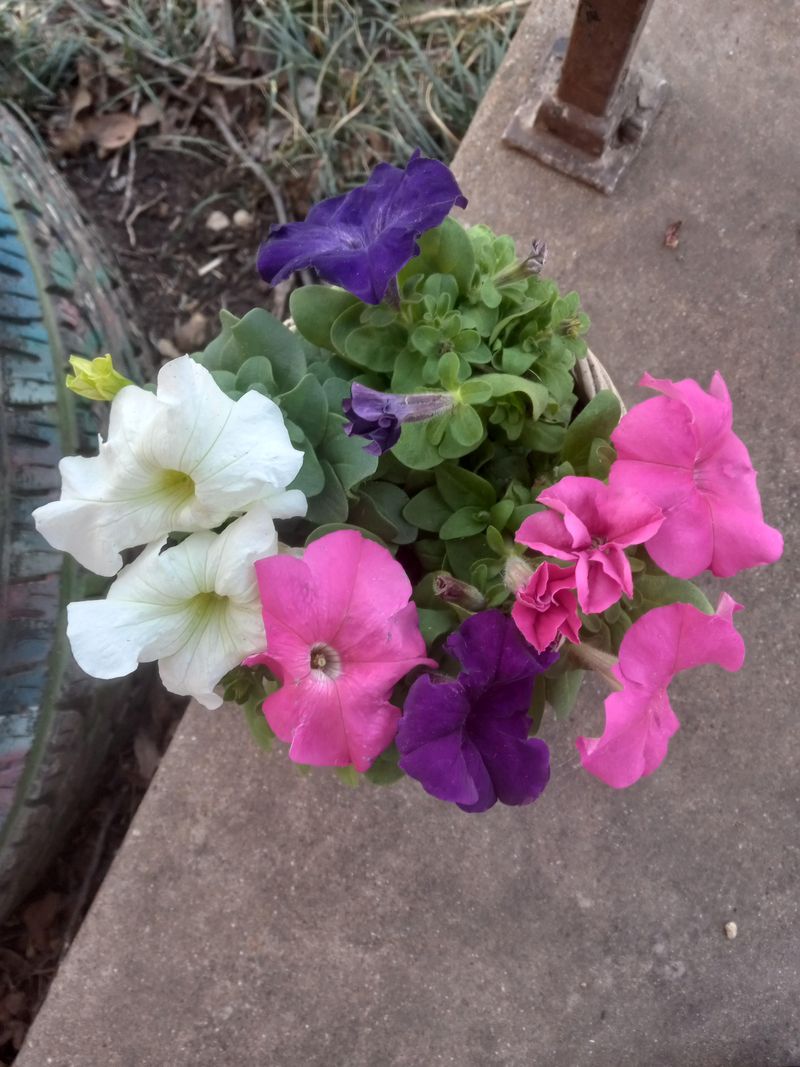
Small pots look cute at the garden center, but they can work against you once the heat of a Michigan summer arrives.
A tiny container simply does not hold enough potting mix to buffer the plant from rapid moisture changes, and petunias in small pots can swing from wet to dry within just a few hours on a hot afternoon.
That constant back-and-forth between too wet and too dry puts real stress on the plant. Roots in a small pot also run out of room quickly, which limits how well the plant can take up water and nutrients even when you water consistently.
You might notice the petunias looking wilted in the afternoon even though you watered that same morning, which is a classic sign the container is simply too cramped for the root system.
Moving your petunias into a larger container is one of the easiest upgrades you can make. A pot that is at least 12 to 14 inches wide gives the roots space to spread and holds enough potting mix to stay moist longer between waterings.
Make sure the new container has drainage holes at the bottom, and use a high-quality potting mix rather than garden soil, which can compact and restrict drainage.
Bigger containers also tend to produce bigger, bushier plants with way more blooms, so the upgrade benefits your petunias in more ways than just moisture control.
4. Leaving Petunias In Soggy Potting Mix
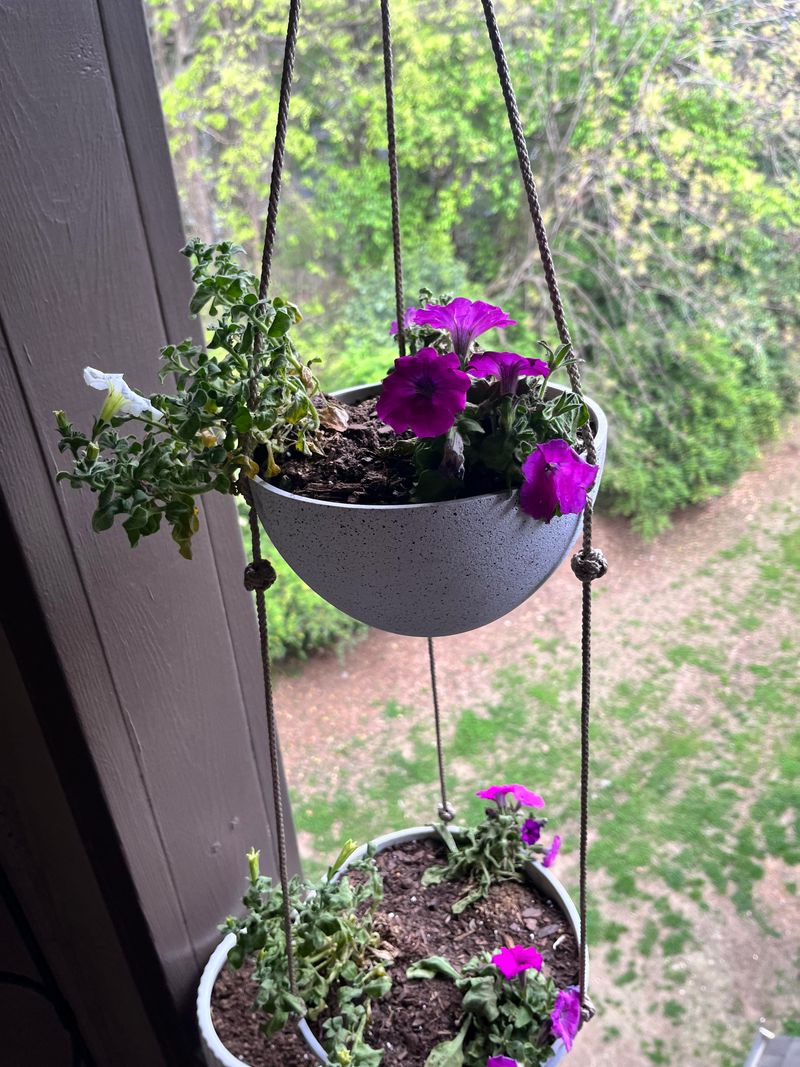
Most gardeners worry about not watering enough, but too much water causes just as many problems for petunias. Soggy potting mix cuts off the oxygen supply to the roots, and petunias need well-aerated soil to stay strong and healthy.
When roots sit in waterlogged conditions for too long, they struggle to function and the whole plant starts showing signs of stress.
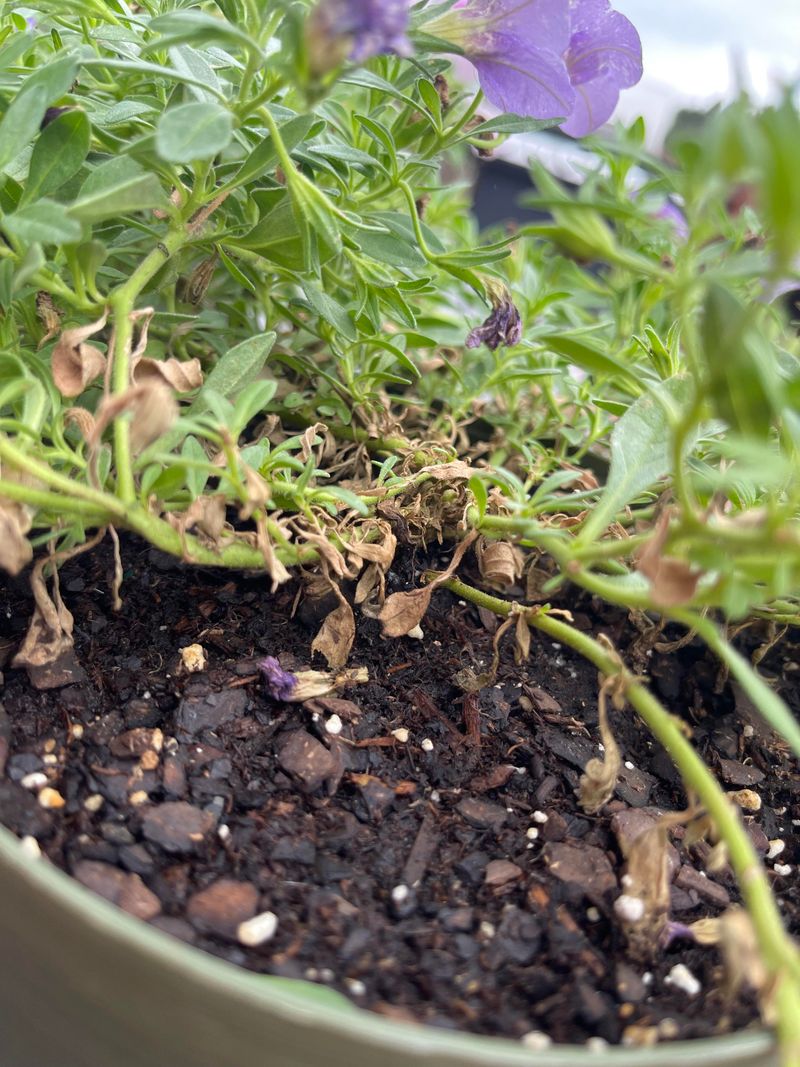
One of the confusing things about overwatering is that the symptoms look almost identical to underwatering. The plant wilts, the leaves may yellow, and it stops producing new blooms, even though the potting mix is clearly wet.
That is because the roots are no longer able to absorb water properly when they are suffocating in soggy conditions. Stem issues can also develop near the soil line, causing the base of the plant to look soft or discolored.
The fix starts with better drainage. Make sure every pot has working drainage holes and that water can actually escape freely after each watering.
If your current potting mix feels dense and heavy, consider mixing in some perlite to improve aeration and drainage. Always check the soil before adding more water, and if the mix still feels moist a few inches down, hold off for another day.
Catching soggy conditions early and letting the mix partially dry before the next watering gives your petunias the best chance to bounce back strong and resume blooming.
5. Watering Over The Leaves Late In The Day
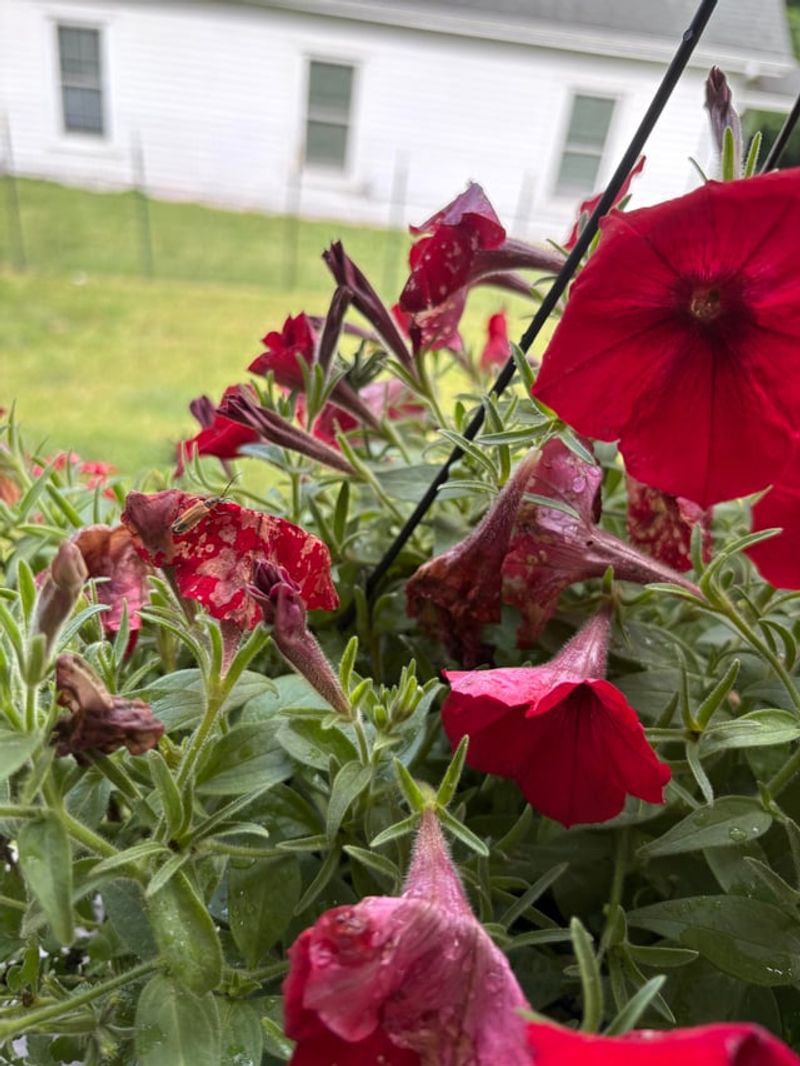
Grabbing the hose and spraying water over the entire petunia plant might feel like the fastest way to water, but soaking the leaves and flowers, especially late in the afternoon or evening, creates conditions that petunias really do not enjoy.
Wet foliage that stays damp overnight raises the risk of fungal diseases, and petunia flowers are especially prone to looking damaged and mushy when they stay wet for too long.
Michigan summers already bring plenty of humidity, particularly in the evenings. When you add wet leaves on top of that, you create a perfect environment for botrytis and other fungal issues that show up as gray mold or brown spots on the blooms and foliage.
Once those problems take hold, they spread quickly and are harder to manage than they are to prevent in the first place.
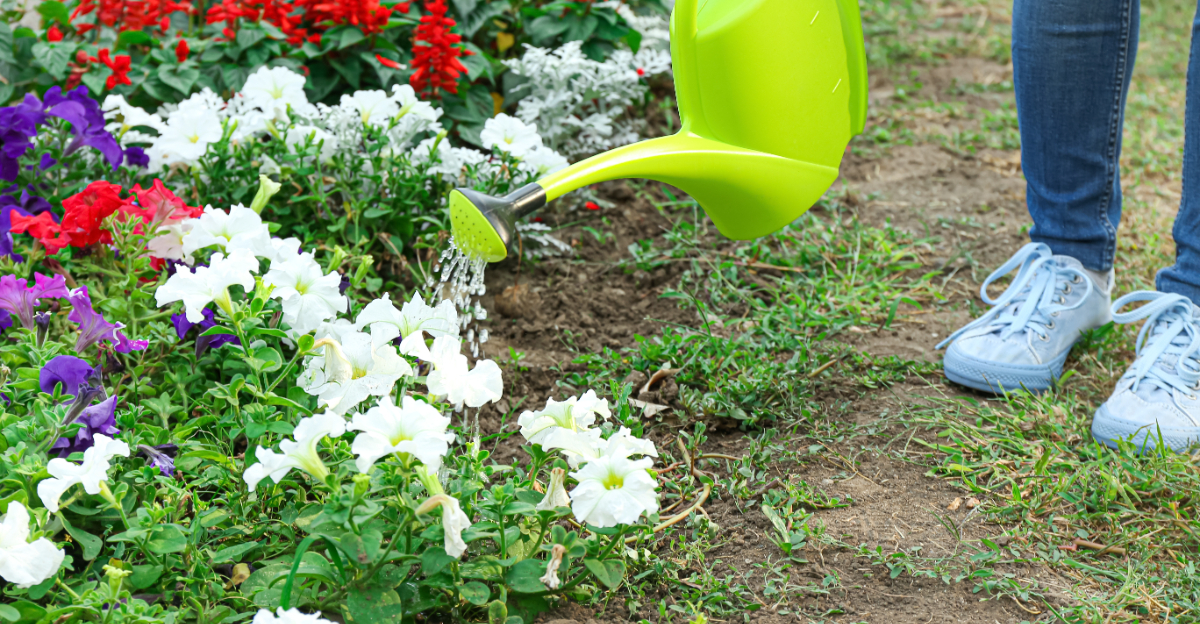
Watering at the soil level rather than overhead makes a noticeable difference. A watering wand with a gentle head lets you direct water right to the base of the plant without splashing the foliage at all.
Morning is the best time to water because any accidental leaf wetness has the whole day to dry off in the sun and breeze. If morning watering is not always possible, even switching to mid-day is better than watering in the evening.
Keeping leaves as dry as possible is a simple habit that helps petunias stay cleaner, healthier, and in bloom longer throughout the whole Michigan summer season.
6. Giving Quick Shallow Sprinkles
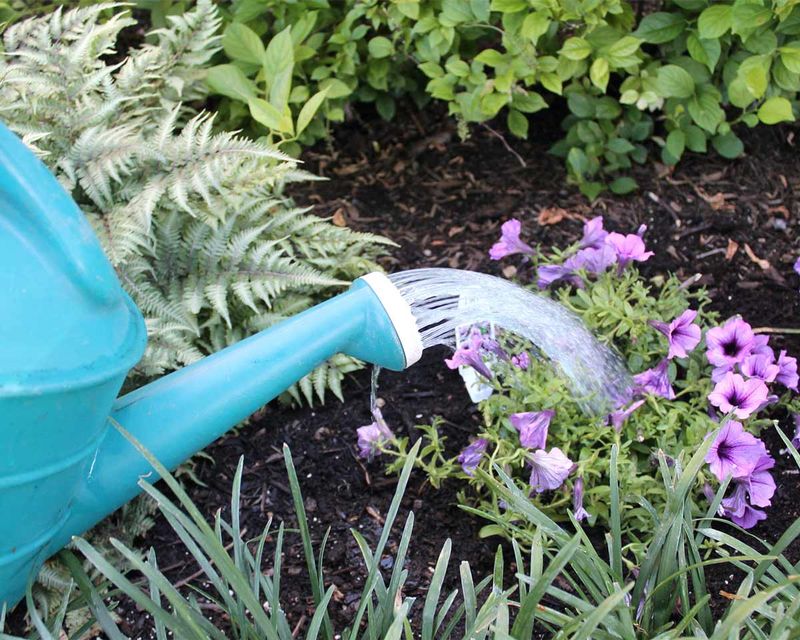
A quick sprinkle of water on top of the potting mix might look like enough, but it often barely reaches the roots where petunias actually need moisture. The surface of the potting mix can look and feel damp while the deeper root zone stays completely dry.
Petunias watered this way repeatedly will show stress signs even though you feel like you are watering them regularly.
Shallow watering also encourages roots to stay near the surface rather than growing deeper into the container.
Surface roots are far more vulnerable to heat and drying out quickly, which creates a frustrating cycle where you feel like you are always watering but the plant never seems satisfied.
Consistent shallow watering is one of those mistakes that sneaks up on gardeners slowly because the damage builds over several weeks rather than showing up overnight.
The solution is to water slowly and thoroughly every time you water. Apply water at the soil level and pause to let it soak in before adding more, repeating until you see water flowing steadily out of the drainage holes at the bottom of the pot.
That drainage tells you the entire root zone got saturated. For large containers, this might take a minute or two of patient, slow watering rather than a quick pass with the hose.
Thorough watering done less often is almost always better for petunias than frequent shallow sprinkles that never actually reach the roots properly.
7. Ignoring Drainage Holes And Full Saucers
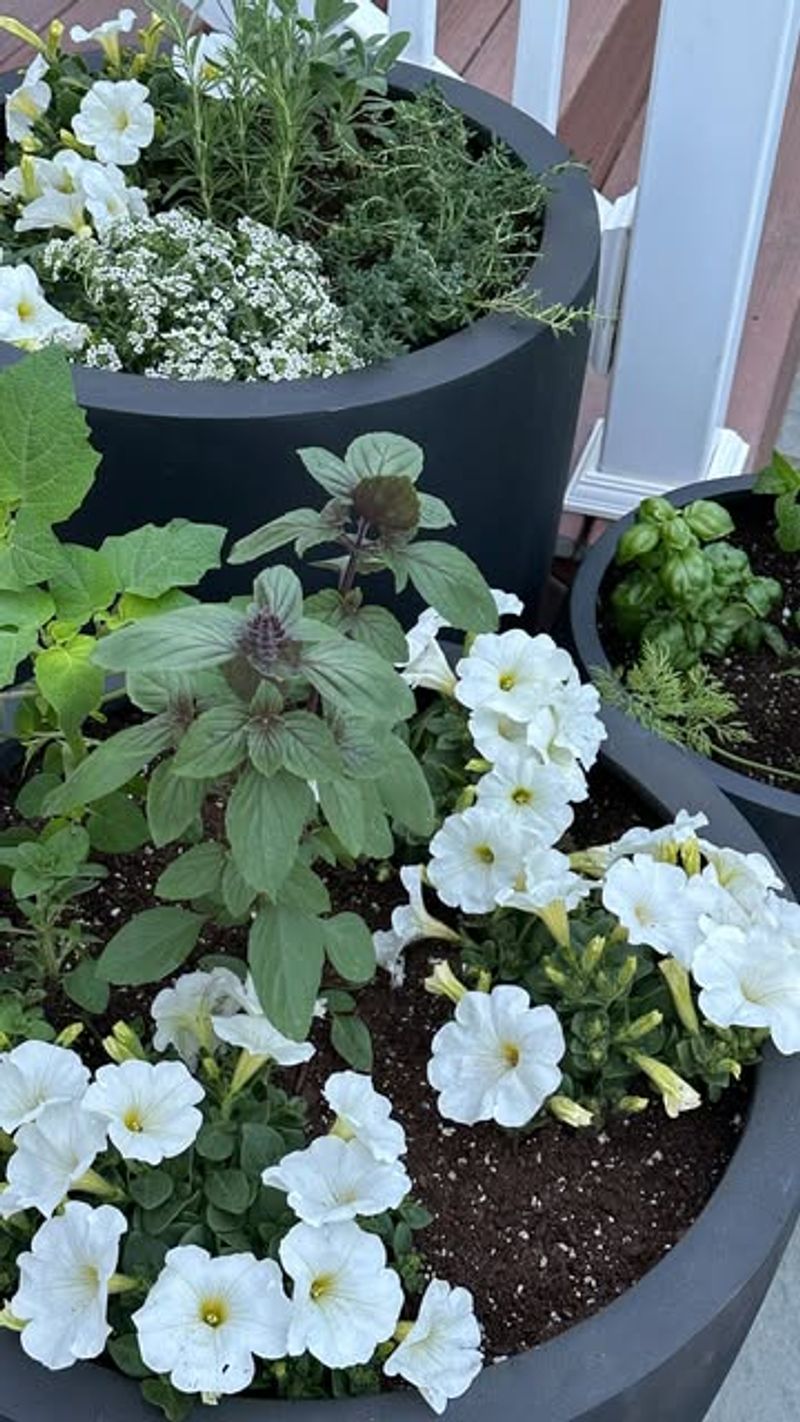
Drainage holes are not just a design feature on pots, they are essential for keeping petunias healthy.
When drainage holes get blocked by roots, compacted soil, or debris, water has nowhere to go and the roots end up sitting in standing water at the bottom of the pot.
That waterlogged zone at the bottom is one of the first places root problems start, and it can affect the whole plant even if the top layer of soil looks fine.
Saucers are another sneaky problem. Placing a saucer under your petunia pot is a great way to protect your deck or patio surface, but if you forget to empty it after watering or after rain, the pot ends up sitting in a puddle for hours.
Petunias absorb some water from below, but prolonged contact with standing water in a saucer creates the same soggy-root situation as a pot with no drainage at all.
Check your drainage holes regularly, especially on pots that have been in use for a whole season. Use a pencil or a chopstick to clear any blockage if water is pooling on the surface instead of draining through.
After each watering or rain event, tip the saucer to empty it or lift the pot and let the saucer drain completely before setting it back down.
These quick checks take almost no time but make a real difference in keeping your petunias comfortable and blooming strong all the way through Michigan’s long summer season.
8. Forgetting Rain Can Soak One Pot And Miss Another
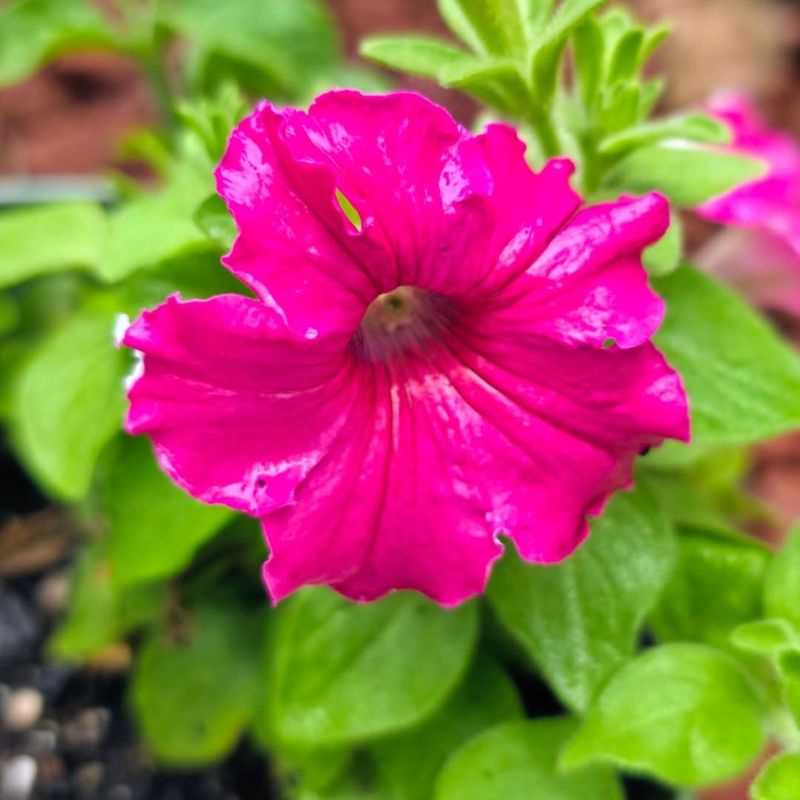
After a good summer rainstorm in Michigan, it is tempting to skip your watering routine and assume everything got taken care of. Rain is great, but it does not always distribute itself evenly across every container on your property.
The spot where you place your pots matters a lot more than most people realize when it comes to how much rain actually reaches the potting mix.
Roof overhangs, large trees, and dense petunia foliage can all act as umbrellas that redirect rain away from certain containers.
A basket hanging under your eaves might not receive a single drop during a heavy storm while a pot sitting in the middle of the yard gets thoroughly soaked.
The same thing happens with containers placed close together where the leaves of one plant shed water away from the pot next to it.
The habit to build is checking each individual container after rain rather than assuming they all got enough. Press a finger into the potting mix of every pot and basket, especially those tucked under overhangs, near walls, or sheltered by foliage.
If the mix feels dry more than an inch down, that container needs supplemental watering even if it just rained. Keeping a mental note of which spots on your property tend to stay dry during rain helps you build a more reliable routine.
Your petunias will stay consistently happier when you treat each container as its own little microclimate rather than one collective watering zone.
9. Letting Water Run Down The Sides Of Dry Potting Mix
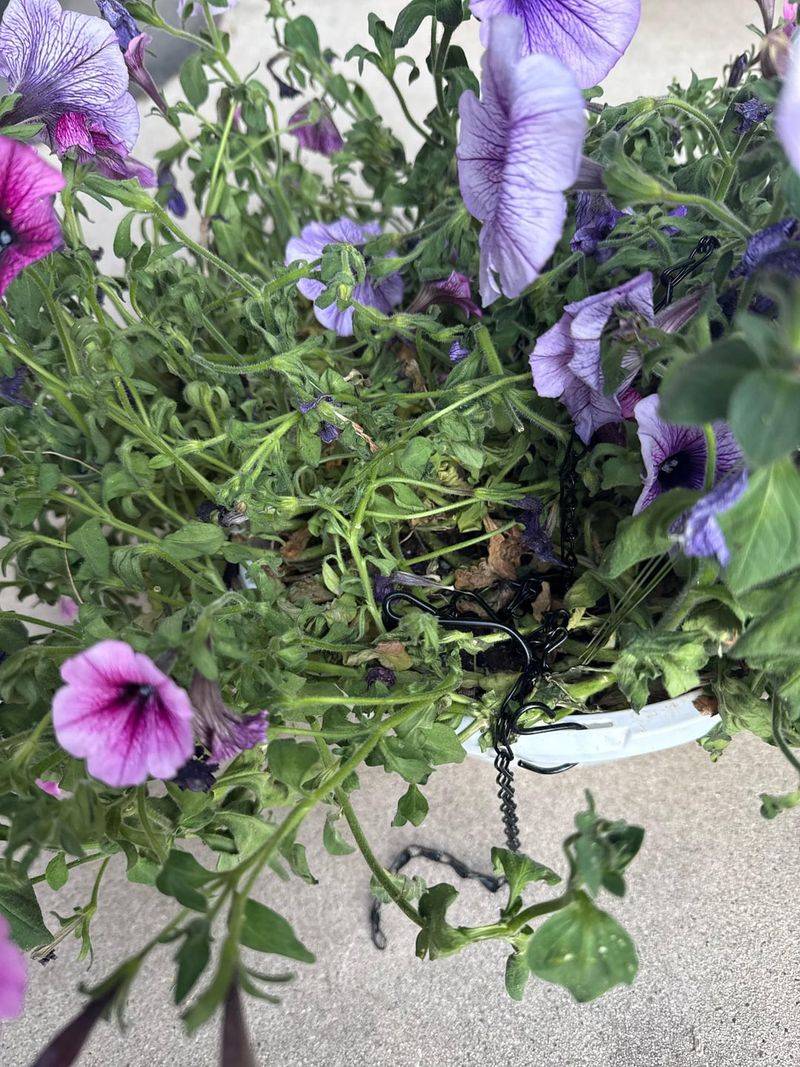
Here is something that surprises a lot of gardeners the first time they notice it. When potting mix gets extremely dry, it actually starts to pull away from the sides of the container and shrinks slightly.
That gap between the dry mix and the pot wall becomes a fast lane for water, sending it straight down the sides and out the drainage holes without ever soaking into the root ball where it needs to go.
You can water a severely dry pot for a full minute and have the plant still be thirsty because the water never actually reached the roots.
The mix looks wet on the surface and water flows out the bottom, so everything seems fine, but the root ball in the center of the pot stayed completely dry.
This is especially common with peat-based potting mixes that have been allowed to dry out repeatedly over a hot Michigan summer.
The fix is to water in slow rounds rather than all at once. Apply a little water, wait 30 to 60 seconds for it to begin absorbing, then apply a bit more.
Repeating this several times gives the dry mix time to rehydrate gradually and start accepting water evenly again.
For severely dry containers, you can also set the pot in a shallow tub of water for 20 to 30 minutes to let the mix rehydrate from the bottom up.
Once the potting mix is properly moist again, returning to regular thorough watering will keep it from reaching that hydrophobic state again.
10. The Fix Is Even Moisture And Fast Drainage
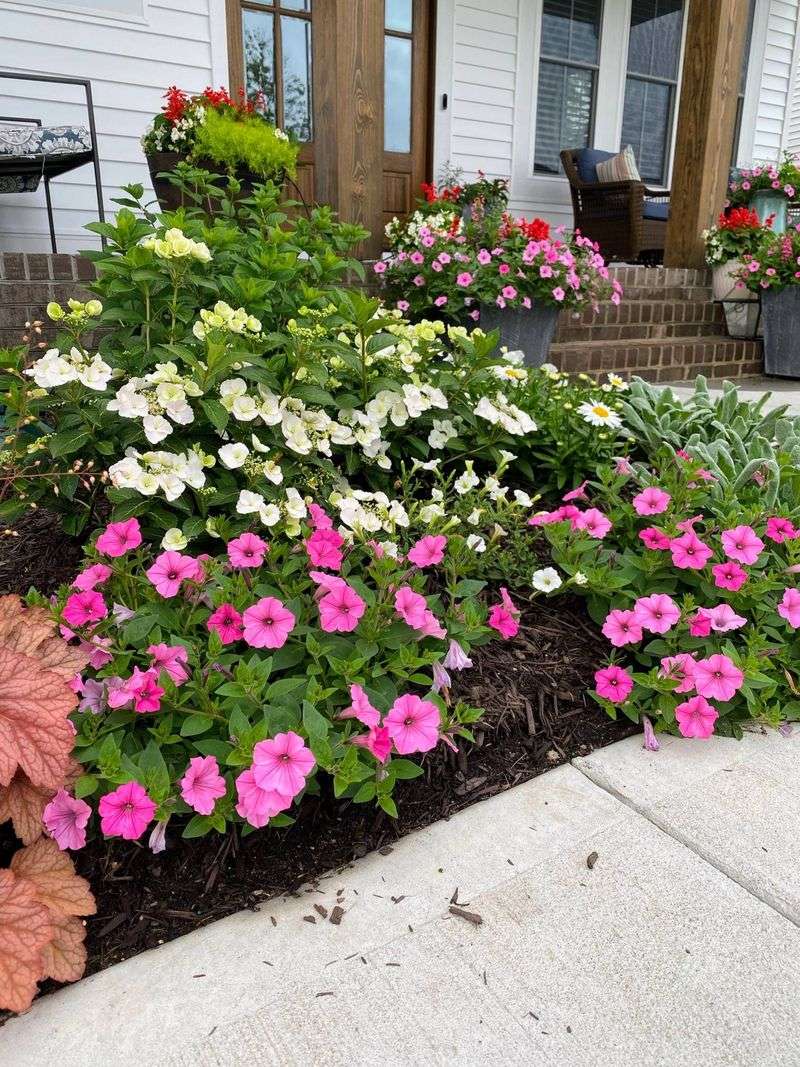
Good news: every single watering mistake on this list has a straightforward fix, and none of them require expensive equipment or a lot of extra time.
The foundation of healthy petunias in Michigan comes down to two things working together: keeping moisture levels steady and making sure water drains away quickly after each watering.
Get those two things right and your petunias will reward you with non-stop blooms from late spring all the way through fall.
Start by always checking the soil before you water rather than watering on autopilot. Use larger containers when possible, check hanging baskets daily during heat waves, and water slowly at soil level to reach the full root zone.
Keep drainage holes clear, empty saucers after rain or watering, and never assume a summer storm watered every container evenly.
If your potting mix ever gets too dry to absorb water properly, take the time to rehydrate it in rounds before going back to your regular routine.
Morning watering is your best friend for keeping foliage dry and giving plants the moisture they need heading into a hot day.
A little attention each morning, maybe five to ten minutes to check and water what actually needs it, makes an enormous difference in how your petunias look and perform all season long.
Michigan summers are beautiful, and with the right watering habits in place, your petunias will be one of the best parts of yours from the very first warm day to the last frost.