What Massachusetts Gardens Need Once The Heat Dome Finally Lifts
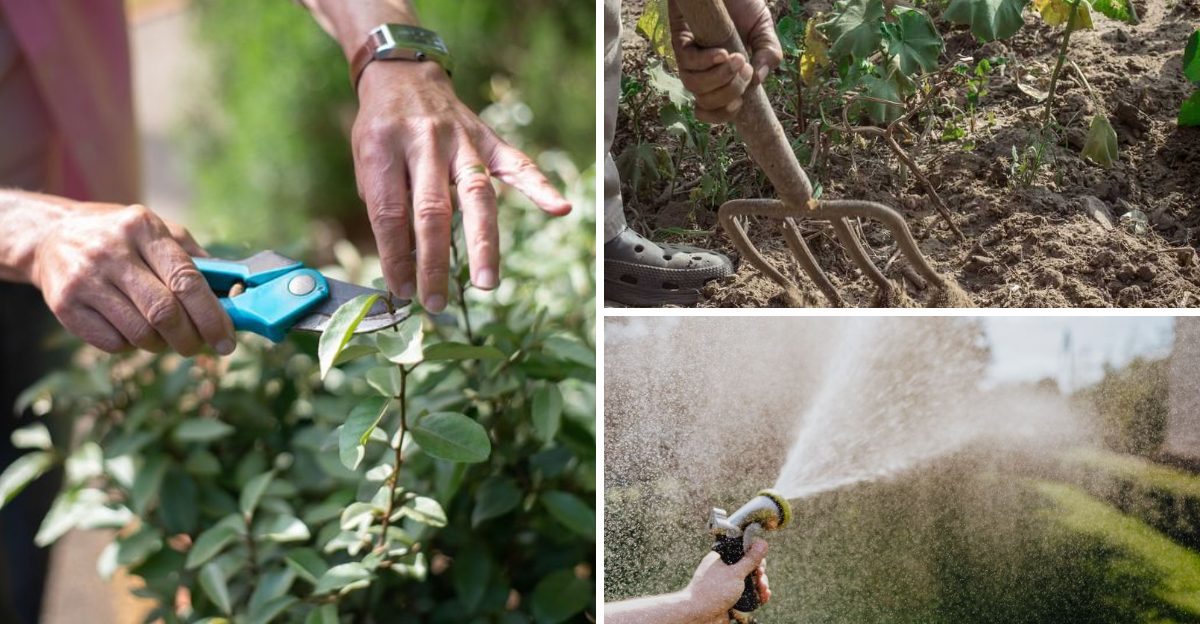
The heat dome finally lifted, but your garden still remembers every scorching afternoon it survived. Curled leaves, crusted clay, and containers that drained faster than you could refill them tell the real story of what Massachusetts yards just endured.
Recovery starts now, and the order matters more than most gardeners realize. Soil baked hard for days won’t absorb water the way it did in June, and stressed perennials need more than a quick splash from the hose.
Some plants will bounce back within a week. Others are quietly signaling deeper stress that’s easy to miss if you’re only looking at the leaves. Work through your yard with a plan, and the difference will show by the weekend.
1. Deep Watering Comes First To Rehydrate Stressed Roots
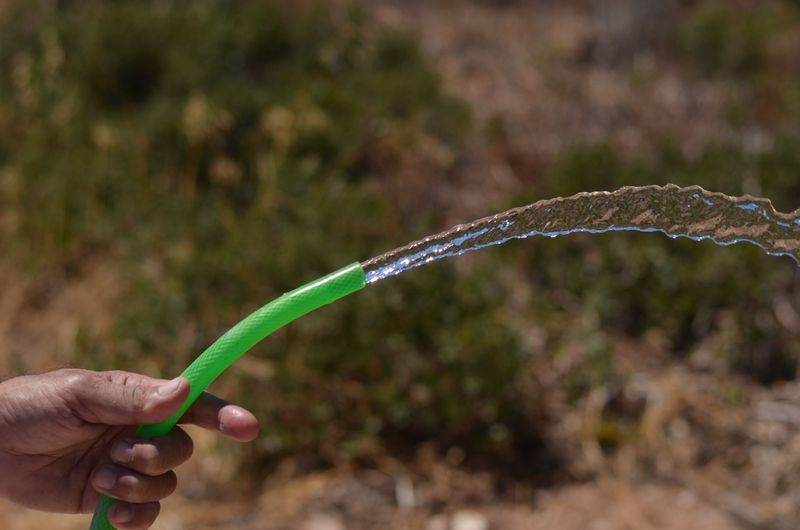
Your soil is thirsty in ways a quick sprinkle cannot fix. After a heat dome, the top few inches may look damp, but roots sitting six to twelve inches down are bone dry.
Shallow watering fools you into thinking the job is done. Plants pull moisture from deeper layers, and those layers need slow, steady soaking to recover properly after extended heat stress.
A soaker hose laid at the base of your plants is one of the most effective tools you can use right now. It delivers water slowly, letting the ground absorb it instead of sending it rushing across hardened soil.
Aim for about an inch of water over two to three days rather than dumping everything at once. Gradual rehydration helps roots expand back into their normal feeding zones without shock.
Clay-heavy New England soil is especially tricky because it repels water once it dries out for an extended period. You may notice water pooling on the surface at first, which tells you the ground needs even more patience and time.
Check soil moisture by pushing a finger or a wooden skewer about three inches down. If it comes out clean and dry, keep watering before moving on to anything else in your recovery plan.
What Massachusetts gardens need once the heat dome finally lifts starts here, at the root level. Get the water right first, and everything else you do will have a much better chance of actually working.
2. Mulch Layers That Broke Down Need Replacing
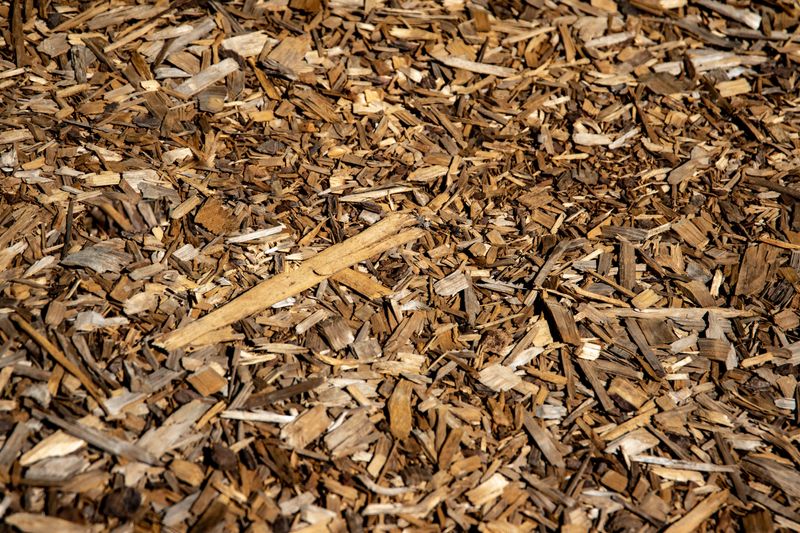
Mulch is basically your garden’s sunscreen, and a heat dome burns through it fast. Organic mulch breaks down quickly under intense sun, leaving soil exposed and vulnerable.
Thin or missing mulch allows soil to dry out between waterings at a much faster rate. That cycle of dry and wet stresses roots even after temperatures drop back to normal.
Walk your beds right now and look at what is actually left. If your mulch layer is less than two inches thick, it is not doing its job anymore.
Fresh wood chips, shredded bark, or straw can all work well in a New England garden setting. Each one slows evaporation, keeps roots cooler, and slowly feeds the soil as it breaks down over time.
Your Massachusetts Garden Changes Every Week. Your Plan Should Too.
Gardening in Massachusetts changes quickly throughout the season. Every Friday you’ll receive a simple weekly plan showing exactly what to plant, prune, fertilize, harvest, and protect so you never miss the right timing.
Pull existing mulch back slightly before adding a new layer on top. This prevents compaction and lets you check the soil surface for any mold or pest activity hiding underneath.
Aim for a two to three inch layer around plants, keeping it a few inches away from stems and trunks. Mulch piled against a stem traps moisture and can cause rot, which is the last thing a heat-stressed plant needs.
Replacing mulch after extreme heat is one of the fastest ways to protect your recovery work. Lay it down after your deep watering session, and the ground will hold that moisture far longer than bare soil ever could.
3. Trimming Damaged Leaves Without Over-Pruning
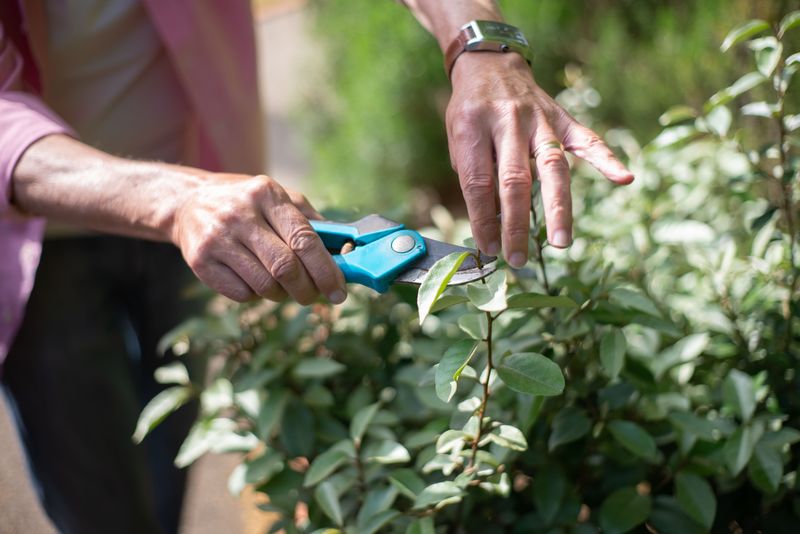
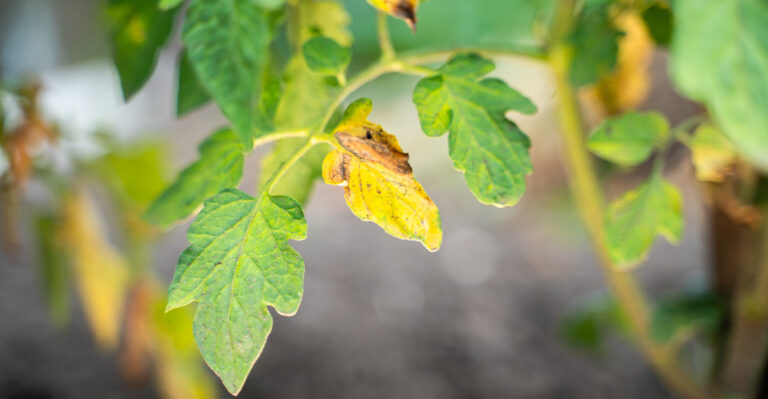
Scorched, brown leaves are not a pretty sight, but they tell an important story about what your plant survived. Resist the urge to grab the shears and cut everything back at once.
Heat-damaged foliage still serves a purpose, even when it looks awful. Those damaged leaves are protecting tender growth underneath from sun exposure while the plant rebuilds its strength.
Start by removing only the leaves that are fully brown and crispy. Anything that still has some green, even a little, is still doing photosynthesis work for the plant.
Use clean, sharp pruners to make smooth cuts rather than tearing or ripping. Jagged cuts create entry points for disease, and a recovering plant has a harder time fighting off infection.
Dip your pruner blades in a diluted bleach solution between plants to avoid spreading any fungal issues. Heat stress sometimes weakens plant immunity, making them more susceptible to problems that normally would not bother them.
After trimming, step back and assess the overall shape before cutting more. Many gardeners over-prune in the first wave of cleanup and end up removing healthy growth the plant actually needed.
What Massachusetts gardens need once the heat dome finally lifts includes patience with pruning. Let the plant show you what it wants to keep, wait a week or two, and then make a second pass if needed.
4. Loosening Compacted Soil To Restore Airflow
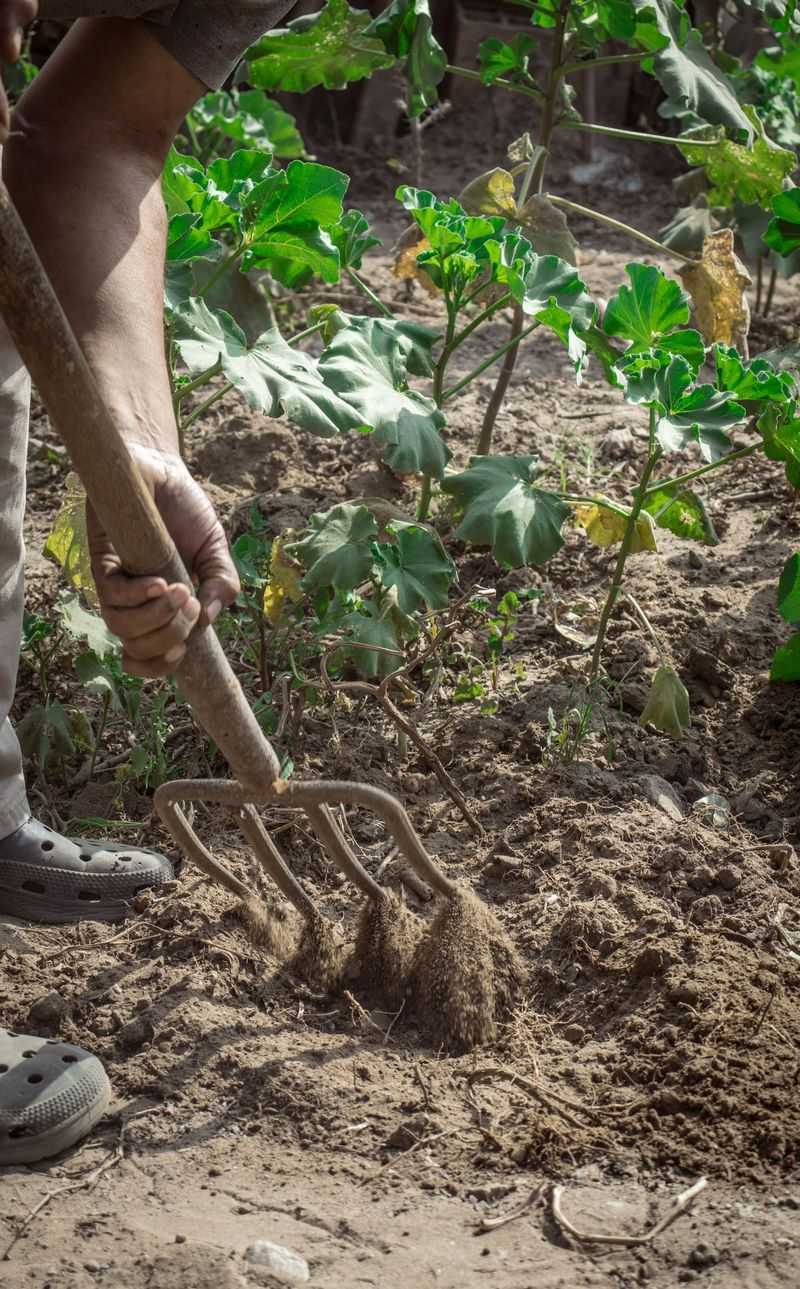
Hard soil is suffocating your plants right now, even if they look okay on the surface. Heat drives moisture out and presses soil particles together until roots can barely breathe.
Compacted earth blocks water from reaching root zones and prevents oxygen from moving through the ground. Both problems slow recovery significantly after a stretch of extreme heat.
A hand cultivator or a garden fork works well for loosening the top few inches around established plants. Work carefully and stay close to the surface to avoid slicing through roots already under stress.
Do not dig deeply near plants with shallow root systems like annuals or young perennials. A light scratch of the surface is often enough to break the crust and let water penetrate again.
Adding a thin layer of compost after loosening the soil gives you a double benefit. It improves structure over time and introduces beneficial microbes that likely didn’t survive the heat event.
Clay soils common across much of eastern New England are especially prone to hardening into something that resembles concrete. A little loosening now prevents long-term drainage problems that could affect your garden well into fall.
Think of this step as giving your garden room to breathe again after weeks of pressure. Loose, airy soil holds water better, feeds roots more efficiently, and sets the whole recovery process up for success.
5. Watching For Pest Pressure After Extended Heat Stress
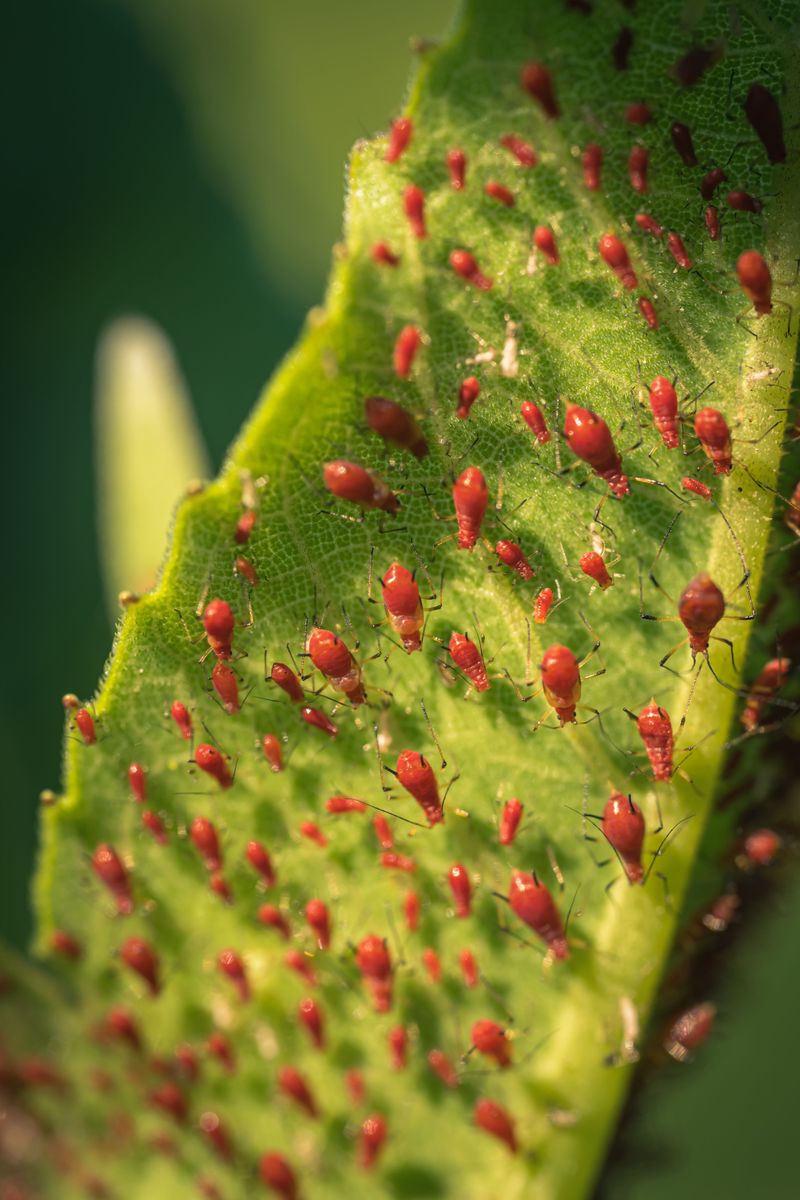
Heat-weakened plants send out chemical signals that insects can detect like a dinner bell. After a heat dome, pest populations often spike because stressed plants are easier targets.
Spider mites are especially common after hot, dry stretches because they thrive in those exact conditions. Check the undersides of leaves for fine webbing or tiny moving dots, which are classic signs of an infestation.
Aphids tend to cluster on new growth, which is exactly what your plants will push out once temperatures drop. Soft new shoots are like a snack bar for these small sap-sucking insects.
Japanese beetles, squash bugs, and cucumber beetles also take advantage of weakened plants during post-heat recovery windows. A daily walk through your garden with observant eyes catches problems before they spiral out of control.
A strong spray of water from a garden hose knocks aphids and mites off leaves without chemicals. For heavier infestations, insecticidal soap is a gentler option when applied carefully and directed only at pests.
Encouraging natural predators like ladybugs and lacewings helps keep pest populations balanced long-term. Planting a few flowers like dill or alyssum nearby gives these helpful insects a reason to stick around.
Catching pest pressure early is one of the smartest moves you can make in a recovering garden. A small problem spotted today stays small, but an ignored one can set your entire season back.
6. Delaying Fertilizer Until New Growth Appears
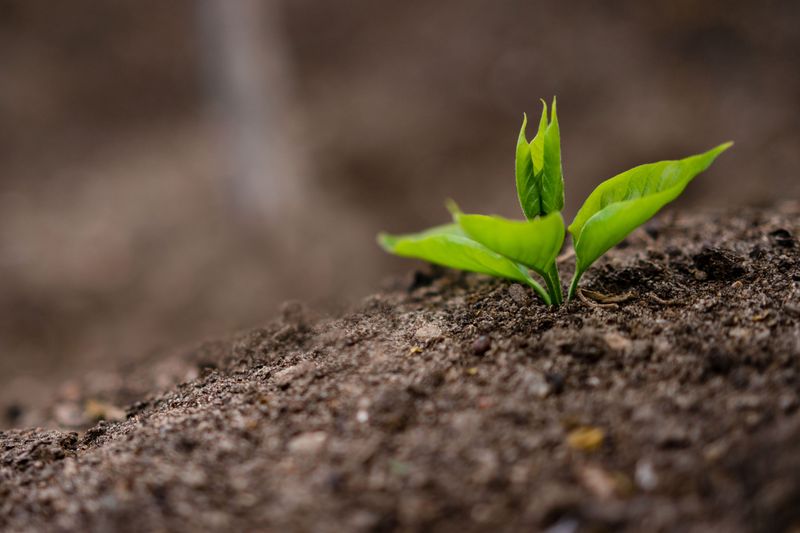
Fertilizer after a heat dome sounds like a good idea, but timing matters more than most gardeners realize. Feeding a severely stressed plant before it stabilizes can actually push it further into shock.
Roots that are dried out and damaged cannot absorb nutrients efficiently, so fertilizer just sits in the soil unused. In some cases, concentrated nutrients can burn already fragile root tissue.
Watch your plants for signs of new growth before you reach for any fertilizer bag or bottle. Fresh green leaves emerging from a stem are the clearest signal that the plant is stable enough to feed.
Once you see that new growth, start with a diluted liquid fertilizer rather than a full-strength granular product. Half-strength applications give recovering plants a gentle nutritional boost without overwhelming their systems.
Organic options like fish emulsion or compost tea are especially forgiving for post-heat recovery feeding. They release nutrients slowly and improve soil biology at the same time, which helps roots rebuild faster.
Avoid high-nitrogen fertilizers that push rapid leafy growth right before fall arrives in New England. Tender new growth produced late in the season is more vulnerable to early frost, a real concern as fall approaches in Massachusetts.
Patience with fertilizer pays off in a big way by the end of the season. Plants that recover on their own schedule before being fed tend to come back stronger and better rooted than ones that were pushed too fast.
7. Checking Containers And Raised Beds For Extra Dryness
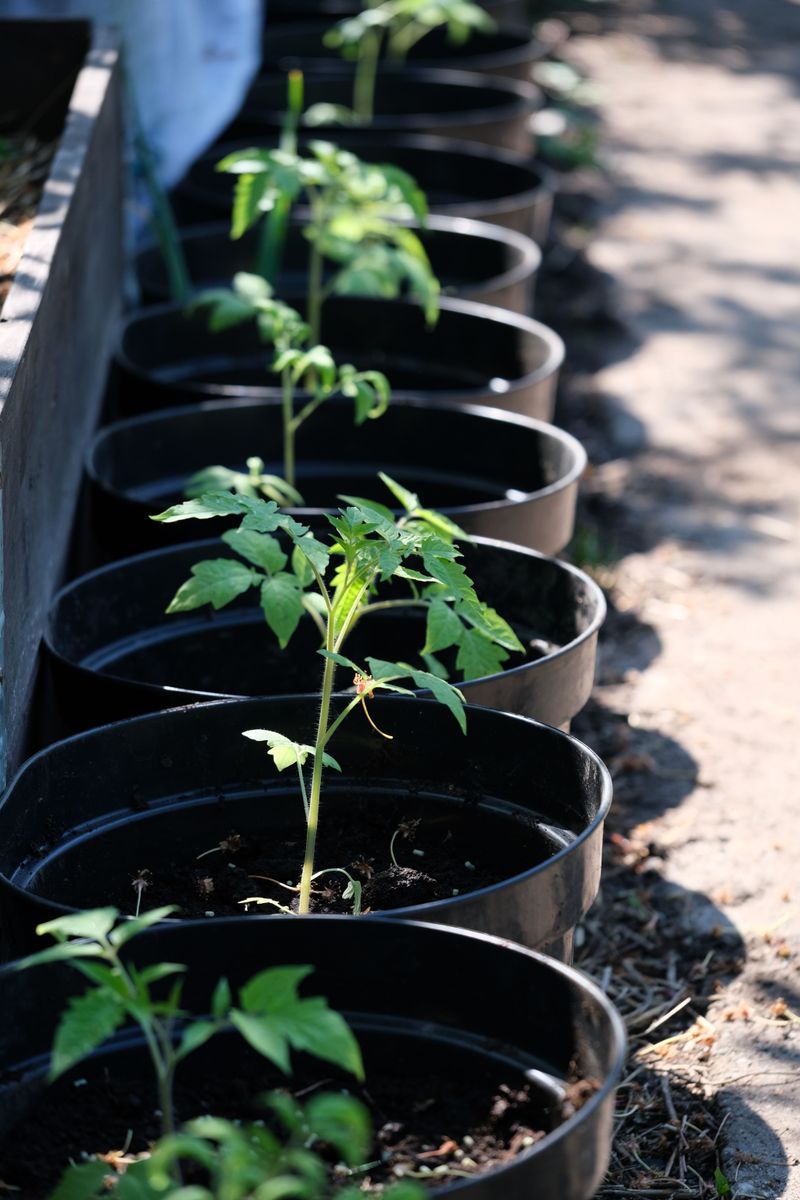
Container plants during a heat dome face a very different situation than in-ground ones. Pots heat up from all sides, and small containers can lose most of their moisture within hours on a scorching day.
Raised beds dry out faster than traditional garden beds because they have more exposed surface area and better drainage. That drainage, which is usually a benefit, becomes a problem during extended heat events.
Pick up your containers and feel their weight before watering. A dry pot feels shockingly light compared to a properly hydrated one, and that weight check is one of the quickest diagnostic tools you have.
Some containers may have developed a gap between the soil and the pot wall as the growing medium shrank during drying. Water poured in just runs straight down that gap and out the bottom without reaching the roots at all.
Submerging small containers in a bucket of water for twenty to thirty minutes is the best fix for severely dehydrated pots. The soil rehydrates from the bottom up, which is exactly the direction roots need moisture to come from.
Raised bed soil benefits from a slow trickle of water over several hours rather than a single heavy pour. Lay a soaker hose across the bed surface and let it run at low pressure to give the ground time to absorb properly.
What Massachusetts gardens need once the heat dome finally lifts includes special attention to these elevated growing spaces. They recover quickly once rehydrated, but they need your eyes on them first.
8. Adjusting Watering Schedules As Temperatures Settle
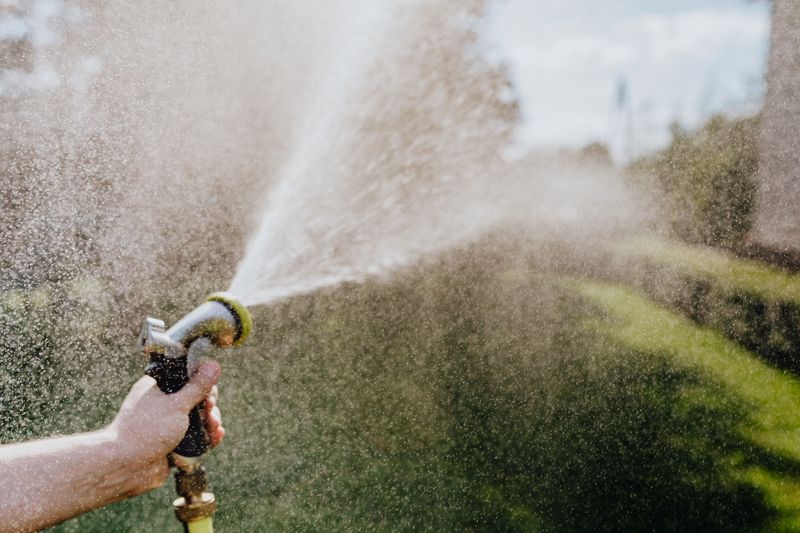
Cooler temperatures after a heat dome do not mean your plants need the same amount of water they did during the worst of it. Overwatering during recovery is a surprisingly common mistake that causes root rot.
As air temperature drops, evaporation slows down and soil holds moisture longer between waterings. Your old schedule that worked in peak summer heat may now be giving plants too much, too often.
Check soil moisture every day for the first week after the heat breaks rather than relying on a set timer. Conditions change quickly in late summer, and a schedule that made sense last week may not fit this week.
Morning watering remains the best time of day in most seasons, because leaves dry before nightfall. Wet foliage overnight creates conditions that fungal diseases thrive in, especially as fall humidity builds.
Reduce watering frequency gradually rather than stopping abruptly when cooler weather arrives. Roots that adapted to frequent moisture need a slow transition back to a more moderate schedule.
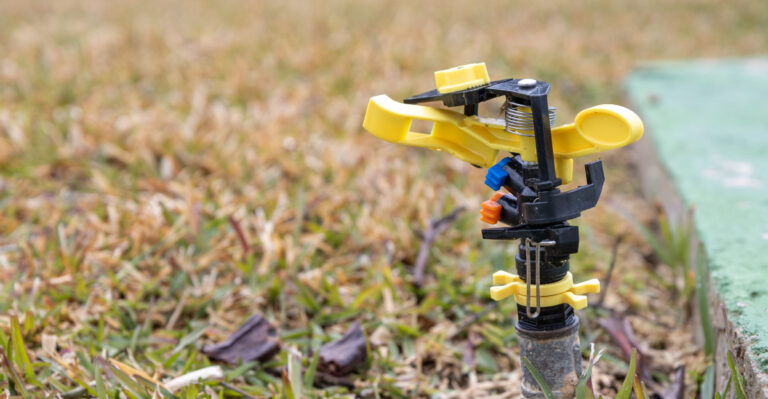
Smart irrigation controllers with soil moisture sensors take most of the guesswork out of this adjustment period. They read actual ground conditions and skip a cycle when the soil is already adequately moist.
Adjusting your schedule thoughtfully is the final piece of what Massachusetts gardens need once the heat dome finally lifts. Get the watering right during recovery, and your garden will head into fall in genuinely strong shape.