Fall Bulb Varieties Minnesota Gardeners Should Order Before They Sell Out
Minnesota winters don’t ease in gently. They freeze the ground solid, strip the landscape bare, and force every living thing to either endure or go dormant.
Fall bulbs are built for exactly that punishment. The cold breaks their dormancy, resets their internal clock, and primes them to emerge the moment the soil softens again.
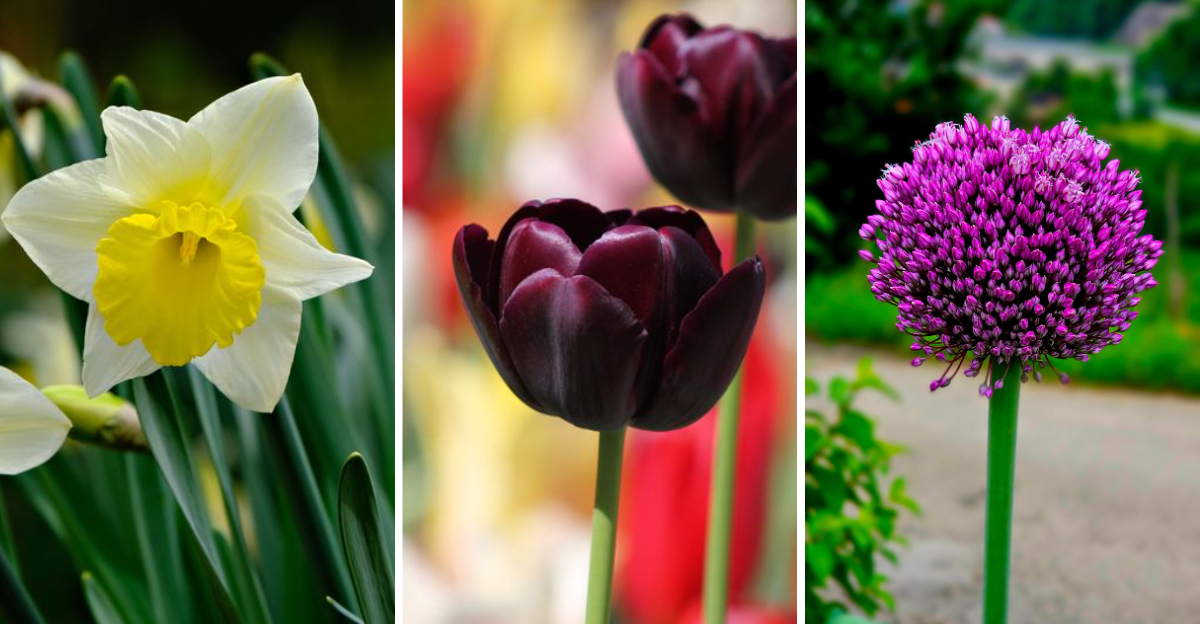
Gardeners who plant in autumn are betting on a payoff months away, and that bet rarely fails. Tulips, daffodils, alliums sit through the darkest months, then burst open within days. That’s why the rarest varieties vanish before the first snowfall.
Wait until spring, and the selection left behind is thin. Plant now, while the shovel still cuts through the dirt, and the yard that stops neighbors in their tracks come April is already underway.
1. Carlton
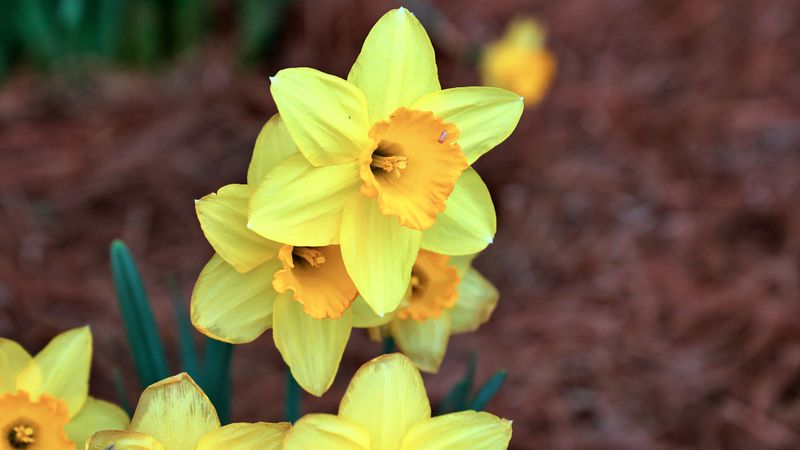
Carlton is a daffodil with a devoted following since it was introduced. Bright, bold, and reliably cheerful, this classic yellow bloom has been winning hearts since the 1920s.
What makes Carlton special for fall bulb varieties in Minnesota is its rock-solid cold hardiness. It tolerates frozen ground and returns reliably each spring.
The blooms are large, with soft golden petals surrounding a wide, ruffled cup. They smell faintly sweet, which is a bonus you did not expect.
Carlton naturalizes beautifully, meaning it multiplies over the years without much help from you. Plant a dozen bulbs now, and in five years you might have fifty.
It thrives in full sun to partial shade, making it flexible for different yard layouts. Well-drained soil is its only real demand.
Plant Carlton bulbs about six inches deep in October before the ground freezes hard. Space them six inches apart for a full, lush look.
This variety also works wonderfully in containers if your garden space is tight. Just make sure pots get cold stratification through winter.
Carlton pairs well with blue muscari for a classic spring color combo. That yellow-and-purple contrast is genuinely stunning in person.
Nurseries stock Carlton every fall, but it moves fast. Gardeners who wait until November often find empty bins where Carlton used to be.
2. Ice Follies
Some flowers whisper elegance, and Ice Follies shouts it from across the yard. This daffodil is one of the most-planted bulbs in North America for good reason.
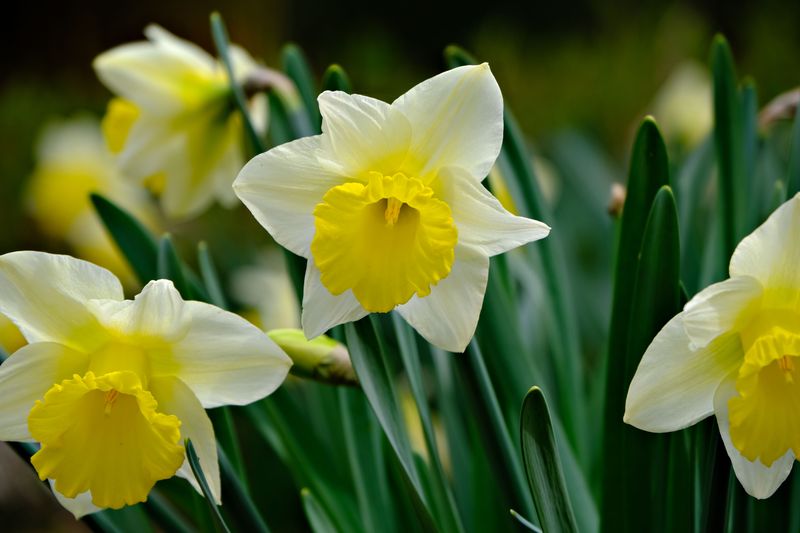
The blooms open with creamy white petals and a wide, flat cup that starts lemon yellow and fades to almost pure white. The effect is soft, romantic, and totally show-stopping.
Ice Follies is a top pick among fall bulb varieties for Minnesota gardeners because it handles zone 3 and 4 winters without complaint. Cold rarely slows this one down.
It blooms in mid-spring, bridging the gap between early crocuses and late tulips. That timing makes it a real workhorse in the seasonal color lineup.
The flowers are large, sometimes reaching four inches across. They stand tall on sturdy stems, so wind and rain do not knock them over easily.
Plant the bulbs six to eight inches deep in well-drained soil. Full sun encourages the strongest stems and the most vibrant color.
Your Minnesota Garden Changes Every Week. Your Plan Should Too.
Gardening in Minnesota changes quickly throughout the season. Every Friday you’ll receive a simple weekly plan showing exactly what to plant, prune, fertilize, harvest, and protect so you never miss the right timing.
Ice Follies also cuts beautifully for indoor arrangements. A vase of these on the kitchen table feels like a proper spring celebration.
Deer and squirrels tend to leave daffodils alone, which is a major plus in Minnesota neighborhoods. You plant it once and it comes back year after year.
Stock moves fast every fall, so do not wait around. Order Ice Follies early and secure your spot in next spring’s best gardens.
3. King Alfred
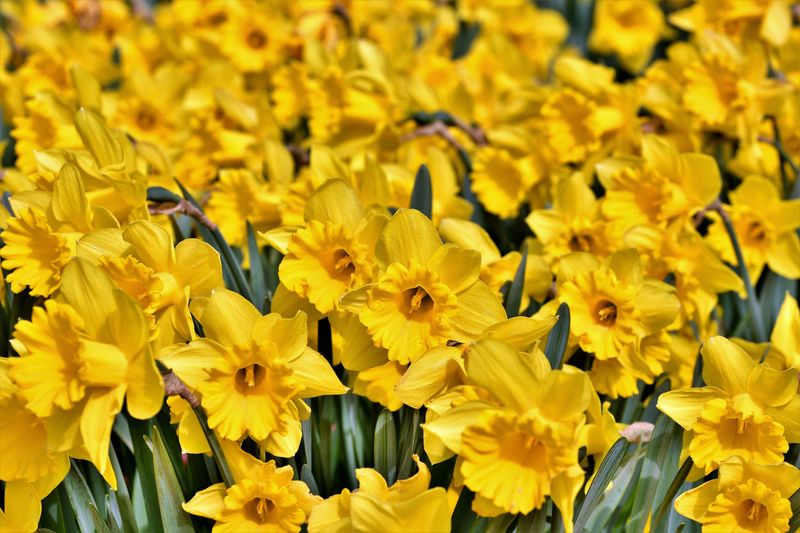
King Alfred has a name that sounds like royalty, and the flower absolutely delivers on that promise. This trumpet daffodil is one of the most recognizable spring bulbs in the entire world.
The blooms are a deep, saturated yellow from petal tip to trumpet end. No two-tone tricks here, just pure golden confidence planted in your front yard.
For Minnesota gardeners chasing reliable fall bulb varieties, King Alfred is a no-brainer. It has been thriving in cold climates for well over a century.
The trumpet is long and bold, easily four inches or more in height. Stems stand strong at sixteen to twenty inches, making these perfect for cutting gardens.
King Alfred blooms in early to mid-spring, usually right when you need the color most after a long gray winter. Seeing those yellow trumpets emerge from frozen soil feels like winning something.
Plant the bulbs eight inches deep and six inches apart in October. Choose a sunny spot with good drainage, and these bulbs will perform for many years.
Fun fact: many bulbs sold as King Alfred today are actually similar cultivars, because true King Alfred is hard to propagate at scale. The look, however, is nearly identical.
Pairing King Alfred with white snowdrops creates a high-contrast early spring display. That combo photographs beautifully and impresses every visitor.
Blue Jacket sells out fast every fall because demand consistently outpaces supply. Lock in your order before the bins run dry.
4. Blue Jacket
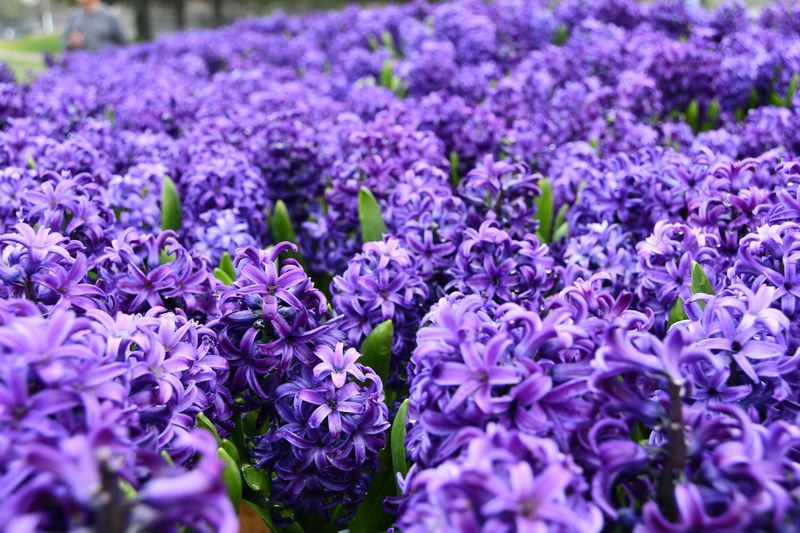
Walk past a Blue Jacket hyacinth in bloom and you will stop mid-step. The fragrance alone is enough to make your whole neighborhood smell like a florist shop.
Blue Jacket produces dense, upright spikes of deep violet-blue flowers that are almost unreal in their intensity. The color is saturated and rich, not washed out or pale.
Among fall bulb varieties for Minnesota, hyacinths like Blue Jacket are often underplanted. People default to tulips and daffodils, missing out on one of spring’s most dramatic performers.
This variety is fully hardy through zone 4, which covers most of Minnesota, so winters rarely trouble it.
Blue Jacket blooms in mid-spring, typically April into early May depending on your location. The flowering period lasts about two to three weeks of pure sensory overload.
Plant the bulbs four to six inches deep in well-drained soil with full sun exposure. Avoid spots where water pools, as hyacinth bulbs rot quickly in soggy ground.
These flowers work brilliantly in containers for a forced indoor display in late winter. A pot of Blue Jacket on a windowsill in February is genuinely mood-lifting.
Some people find hyacinth sap mildly irritating to skin, so wear gloves when handling the bulbs. It is a small precaution for a big reward.
Blue Jacket sells out fast every fall because demand always outpaces supply. Add it to your order now before someone else snags the last bag.
5. Pink Pearl
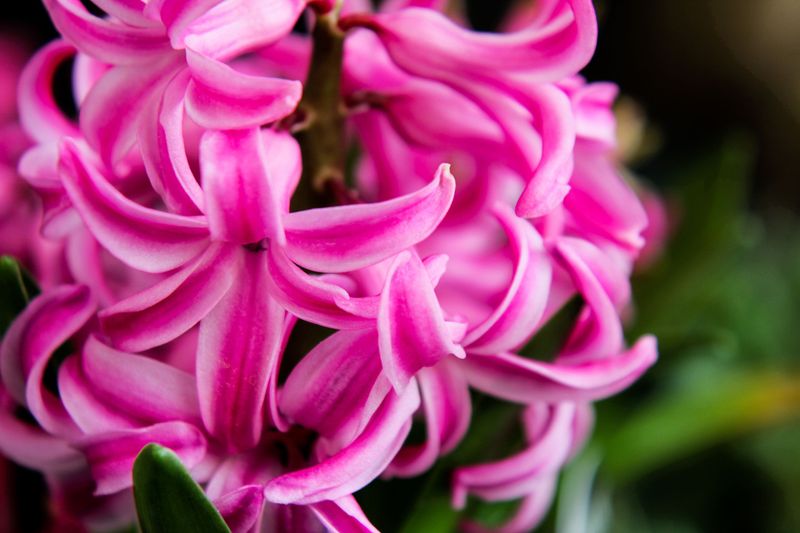
Pink Pearl is the hyacinth that makes people stop scrolling and start ordering. Soft, rosy, and absolutely loaded with fragrance, it brings a cottage-garden charm that is hard to resist.
The flower spikes are dense and upright, packed with tiny rose-pink florets that deepen toward the center. Up close, each individual floret looks like a perfect miniature bell.
Pink Pearl earns its place among the best fall bulb varieties for Minnesota because it is tougher than it looks. That delicate blush color is backed by serious cold hardiness.
It blooms in mid-spring alongside most tulip varieties, making layered planting combinations easy and rewarding. Pink hyacinths next to white or purple tulips create a magazine-worthy border.
The scent is the real conversation starter. One Pink Pearl plant can fragrance a significant stretch of garden path on a warm April morning.
Plant bulbs five to six inches deep in full sun, spacing them about six inches apart. Loose, well-drained soil gives the best results and helps the bulbs return reliably each spring.
Pink Pearl also performs well in containers and can be forced indoors for winter blooms. A hyacinth vase with just water and a bulb is a genuinely fun project for any age.
Unlike tulips, hyacinths are not attractive to deer or squirrels, which is a meaningful advantage in suburban Minnesota yards. Your blooms are more likely to survive to open.
Grab Pink Pearl early in the fall season because it disappears from catalogs faster than expected. Missing it means waiting a full year for another chance.
6. Woodstock
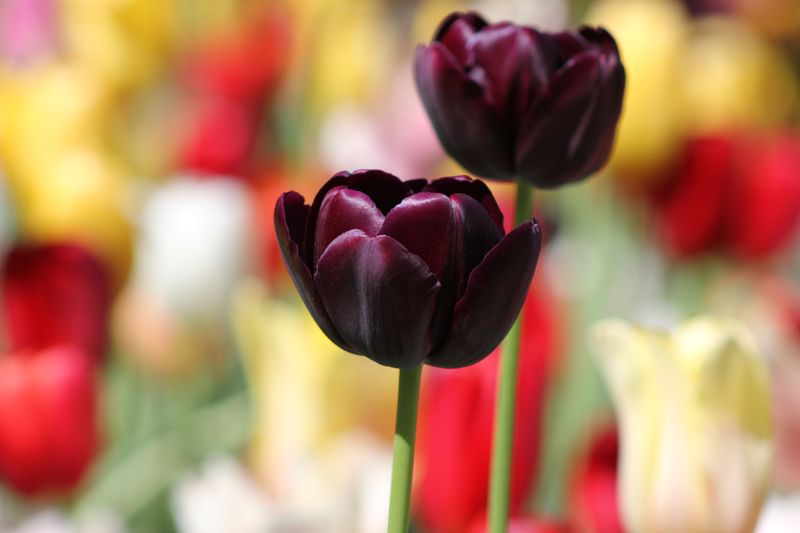
Woodstock tulips have the kind of color that makes people pull over their cars to look. Deep burgundy-purple, almost wine-red, these blooms have an intensity that photographs beautifully and stuns in person.
Woodstock brings its own kind of drama to any spring garden. The color shifts subtly depending on the light, from deep plum in shadow to vivid magenta in full sun.
As a standout among fall bulb varieties for Minnesota, Woodstock, a Triumph-class tulip, is zone-hardy and handles cold winters with ease.
The blooms are single and cup-shaped, reaching about three to four inches across at peak. Stems grow to about fourteen inches, sturdy enough to handle spring wind without flopping.
Woodstock blooms in mid-spring, making it a great companion for white or yellow daffodils. That contrast between deep purple and bright yellow is striking and bold.
Plant the bulbs six inches deep in well-drained soil with good sun exposure. Tulips need a cold dormancy period to bloom properly, and Minnesota winters deliver that naturally.
Squirrels love tulip bulbs, so consider planting with a wire mesh cage or using a bulb repellent spray. A little protection goes a long way in keeping your investment safe.
Woodstock also works beautifully in cut flower arrangements. The stems are long and the color holds well in a vase for five to seven days.
This variety sells out every fall without fail, so early ordering is essential. Do not let indecision cost you a season of that stunning color.
7. Purple Sensation
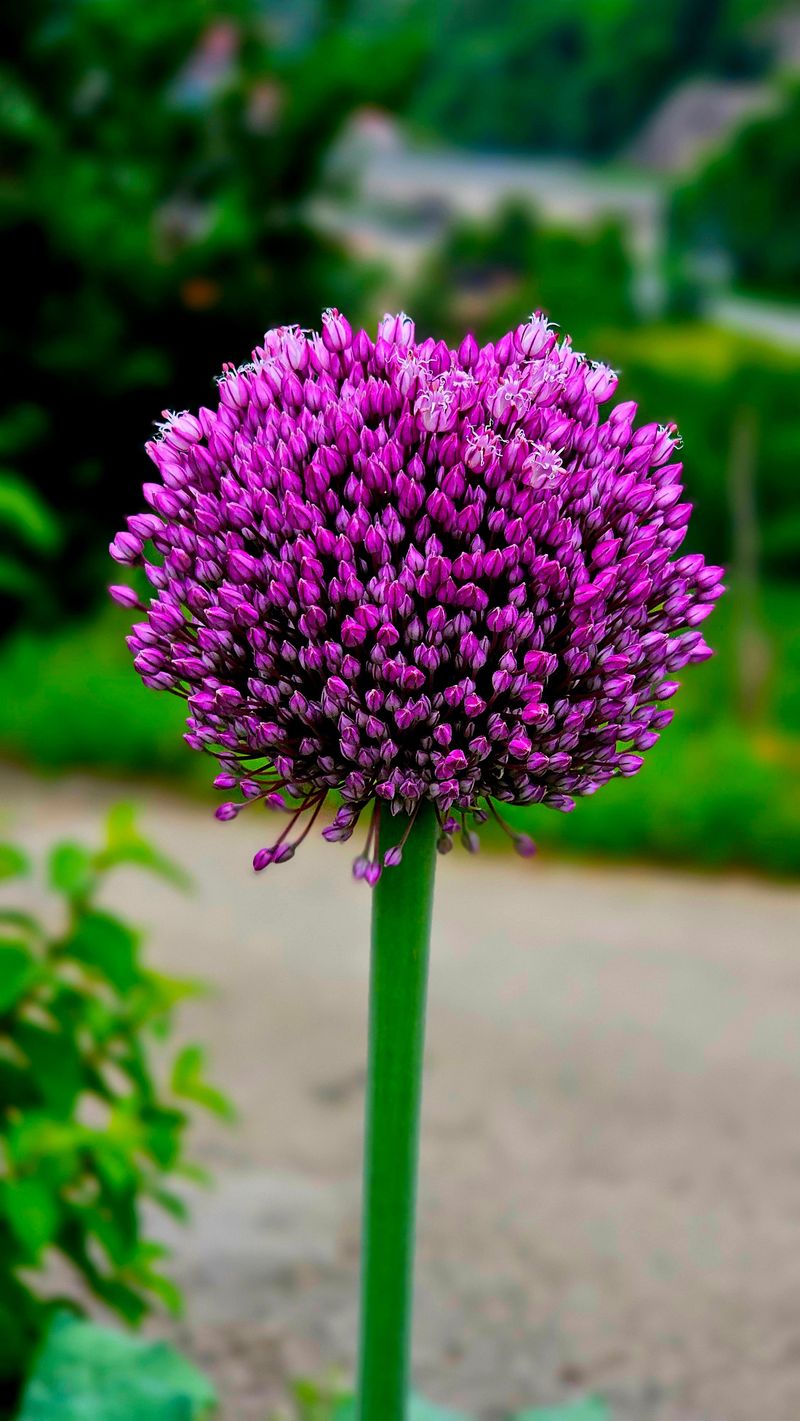
Purple Sensation allium is exactly what the name promises: a full sensory event in your garden. Those round, violet-purple globes on tall slender stems look like something from another planet.
Each flower head is a perfect sphere packed with hundreds of tiny star-shaped florets. The color is a saturated, almost electric violet that holds strong for weeks without fading.
Purple Sensation stands apart from typical fall bulb varieties Minnesota gardeners usually plant. Alliums add a vertical, sculptural element that tulips and daffodils simply cannot replicate.
The blooms appear in late spring to early summer, extending your garden’s color season well past most bulbs. That later timing makes Purple Sensation a strategic choice for continuous color.
Stems reach eighteen to twenty-four inches tall, making these visible from across the yard. They also work as dramatic cut flowers, lasting impressively long in a vase.
Plant the bulbs four to five inches deep in full sun with excellent drainage. Alliums hate wet feet and will struggle or rot in heavy clay soil without amendment.
One underrated bonus: Purple Sensation is toxic to deer and most rodents, so squirrels ignore it entirely. Your investment is safe from the usual garden thieves.
Even after the blooms fade, the dried seed heads look architectural and interesting in the garden. Many gardeners leave them standing through summer as a design feature.
Purple Sensation is a perennial that returns and slowly multiplies each year. Order it now among your fall bulb varieties and watch it pay dividends for years ahead.
8. Globemaster
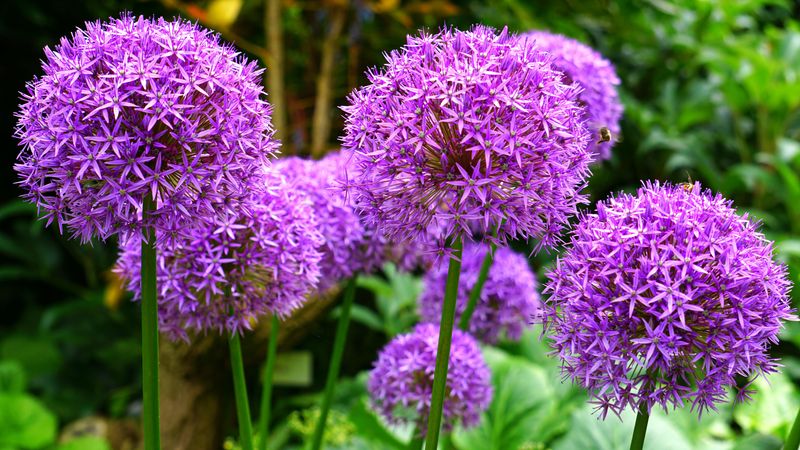
Globemaster is the allium that makes every other plant in your garden feel a little self-conscious. The flower heads are enormous, sometimes reaching eight to ten inches across.
This is not a subtle plant. Globemaster announces itself with massive violet-purple spheres that hover over the garden like cheerful alien orbs on tall, architectural stems.
Among all the fall bulb varieties Minnesota gardeners can choose, Globemaster offers the most dramatic scale. Stems reach twenty-four to thirty-two inches, so these blooms tower over everything around them.
Unlike many alliums, Globemaster is sterile, which means it does not self-seed aggressively. That keeps it contained and tidy in a managed garden bed.
It blooms in late spring to early summer, right when many spring bulbs are finishing up. Globemaster bridges that awkward gap between spring and summer color beautifully.
Plant the large bulbs six to eight inches deep in well-drained soil with full sun. The bulbs are bigger than most, so you will feel the investment, but the payoff is enormous.
Globemaster is a magnet for pollinators. Bees and butterflies cover the flower heads in a way that is genuinely exciting to watch up close.
The dried seed heads are just as attractive as the blooms, holding their round shape through summer and into fall. Leave them standing and they become a garden sculpture.
Globemaster sells out early because serious gardeners know its value among premier fall bulb varieties. Order it first and plant it proudly in your best, most visible garden spot.