Why Indiana Yards Got The Worst Of This Year’s Great Lakes Drought
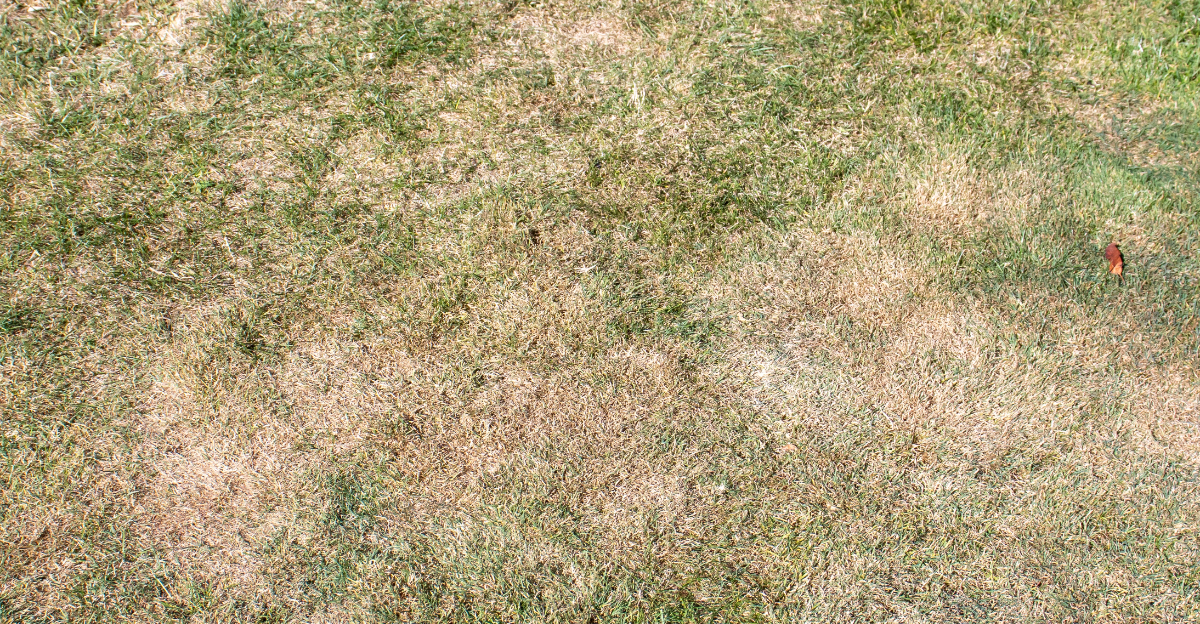
Your grass took a harder hit than your neighbor’s earlier this year, and Indiana’s lawns felt it the most. A punishing dry spell gripped the Midwest for months, and something about Indiana’s soil and weather made the damage sharper here.
Lawns that looked healthy in spring turned brittle by summer, catching homeowners off guard. Clay and sandy patches locked moisture away from roots just when grass needed it most.
Add humid stretches followed by bone-dry weeks, and the result was a stress pattern few other states matched. The damage wasn’t random, and understanding the cause made all the difference for recovery.
Indiana Sat In The Drought’s Hardest-Hit Corridor
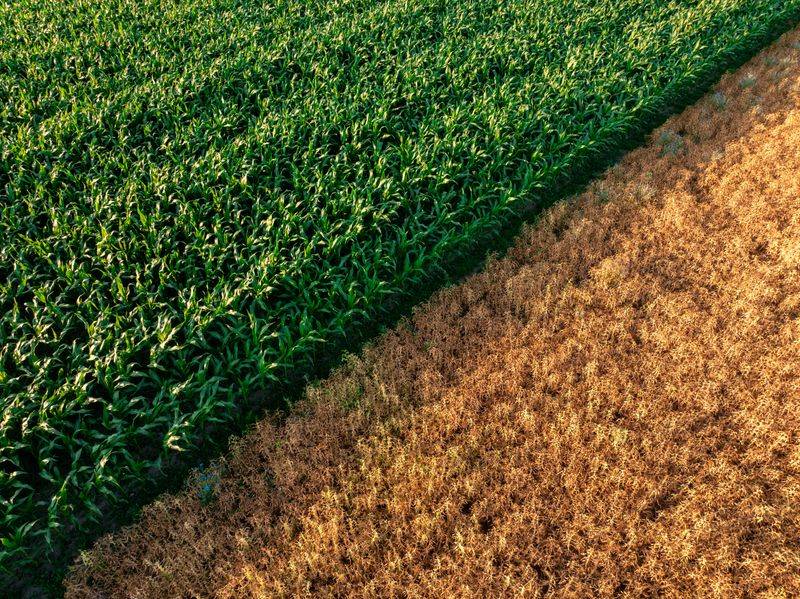
Brown grass stretched for miles earlier this year. Indiana sat squarely inside the drought corridor that gripped the southern Great Lakes region during the spring months.
Weather data showed Indiana receiving below-average rainfall for multiple consecutive months. That wasn’t just a bad stretch of luck.
Storm systems that season tended to split and track around the state, leaving Indiana caught in between. Rain clouds pushed north toward Michigan or south toward Kentucky, missing the state in the middle.
Neighboring states like Ohio and Illinois caught scattered relief storms throughout the season. Indiana watched those same storms slide past on radar without dropping a drop.
The drought index for central and northern Indiana counties climbed to concerning levels by March. Those ratings meant lawns weren’t just thirsty, they were genuinely stressed at the root level.
Grass roots began to contract and pull back from the soil surface as moisture disappeared for weeks. That process made recovery slower once rain eventually returned.
Some counties saw the gap between rainfall and evaporation widen further as spring temperatures climbed early. That extra heat pulled moisture out of the ground faster than usual for the season.
Indiana’s drought this year was a mix of geography, timing, and atmospheric patterns. Looking back at how the state got hit the hardest helps homeowners plan better for the next dry stretch.
Soil Types Across Indiana Drained Faster Than Neighboring States
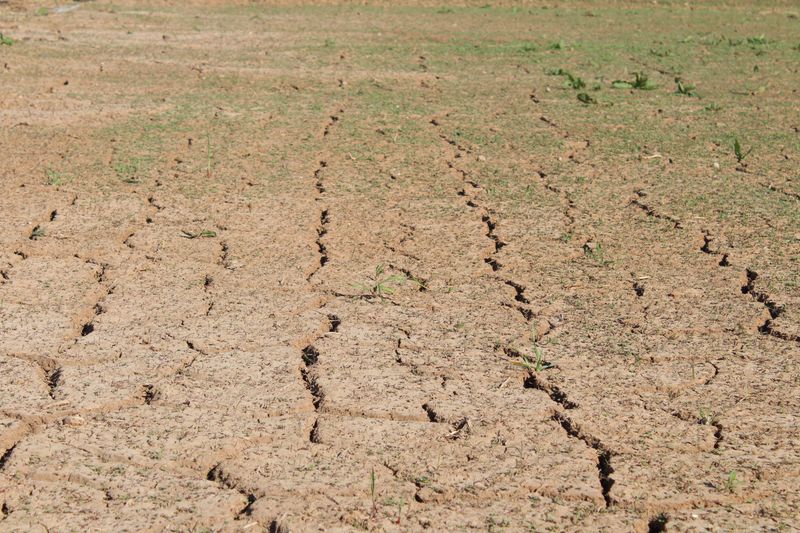
Not all dirt is equal. Indiana’s soil composition worked against homeowners during the driest stretch of the season.
Much of the state sits on glacial till soils with a mix of silt, sand, and clay. Sandier pockets in particular drain quickly and hold very little moisture between rain events.
Sandy loam soils, which cover large portions of northern Indiana, can lose available moisture within 48 hours of a rain event. Grass roots simply couldn’t absorb fast enough before the water was gone.
Southern Indiana has more clay in its mix, but even those areas showed stress once the dry spell dragged on. The drought lasted long enough to deplete even the clay soil’s moisture reserves.
Thin topsoil layers in many residential yards made the problem worse, since shallow soil holds far less reserve moisture than deeper, richer ground. Lawns built on fill dirt from construction sites felt this shortage first.
Your Indiana Garden Changes Every Week. Your Plan Should Too.
Gardening in Indiana changes quickly throughout the season. Every Friday you’ll receive a simple weekly plan showing exactly what to plant, prune, fertilize, harvest, and protect so you never miss the right timing.
Compacted soil added another layer to the problem, since tightly packed particles leave little room for water to soak in before it runs off. Yards with heavy foot traffic or recent construction work were especially prone to this kind of compaction.
Organic matter in soil acts like a sponge, holding water near the root zone. Many Indiana residential lawns have low organic matter content, which made the drainage problem worse.
Adding compost to your lawn over time builds that sponge layer back up. Indiana’s soil makeup makes that investment especially worthwhile heading into future dry spells.
Weeks Without Rain Compounded Lawn Stress
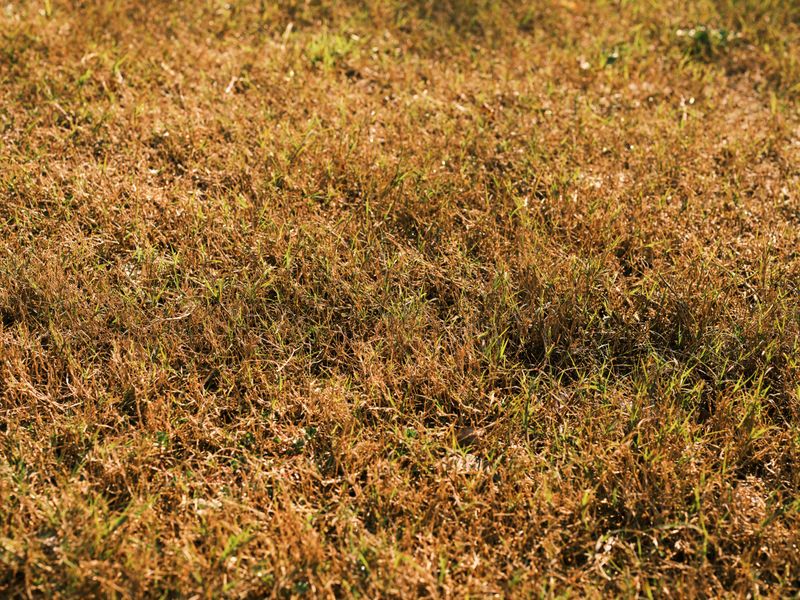
Grass has a memory. Every rainless week stacked on top of the last, and the damage compounded faster than most homeowners expected.
Turf scientists call this cumulative drought stress, and it works like interest on a debt. The longer it goes unpaid, the bigger the problem grows.
Cool-season grasses like Kentucky bluegrass and tall fescue, which dominate Indiana lawns, are especially vulnerable to extended dry periods. They evolved for consistent moisture cycles, not prolonged deprivation.
After two weeks without rain, grass blades began rolling inward to reduce water loss. That curling was the lawn’s first visible sign of trouble.
By week three, the grass entered full dormancy and stopped growing entirely. The crown of the plant, which sits just below the soil surface, stayed alive but under serious stress.
Week four and beyond pushed crowns past the point where they could easily bounce back in many cases. That’s when some patches stopped recovering even after watering resumed.
Indiana saw stretches of four to six rainless weeks earlier this season in multiple counties. That duration fell well inside the range for lasting turf damage.
High temperatures amplified everything because heat pulls moisture from soil and blades at the same time. A 90-degree day without rain did more damage than a 75-degree rainless day.
Indiana’s drought combined both problems: little rain and relentless heat. That combination is why so many yards looked worse than in previous dry summers.
Signs Your Yard Had Already Crossed The Warning Stage
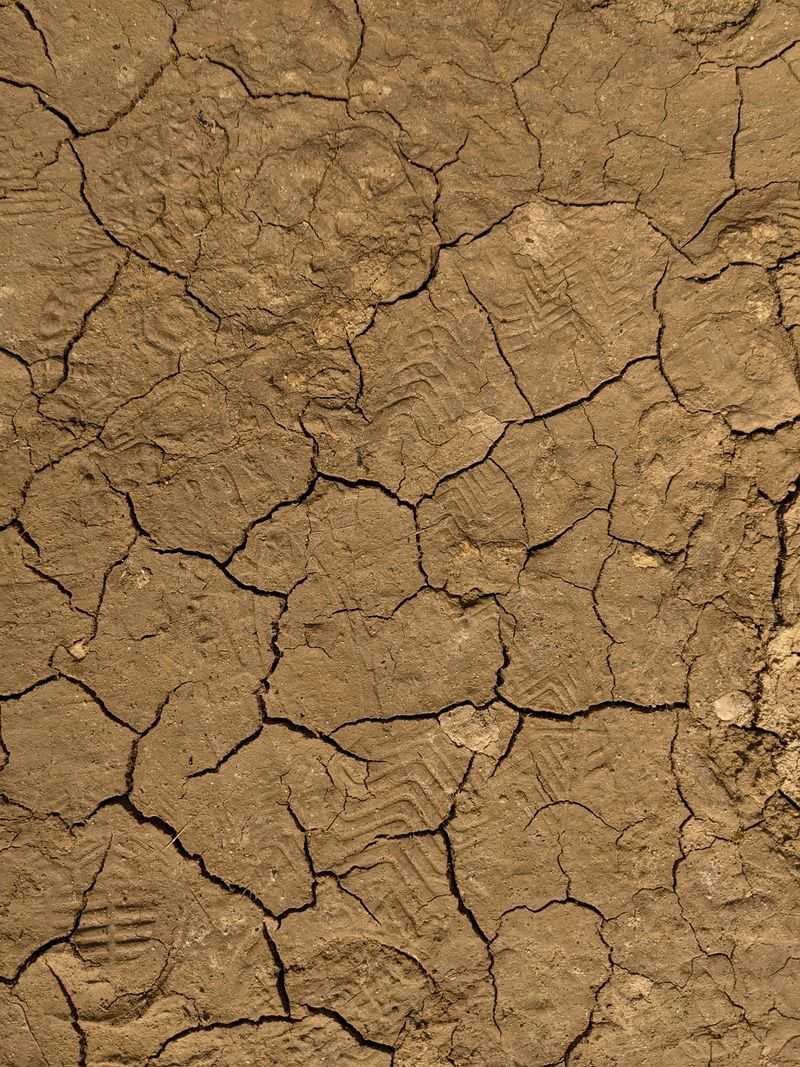
Footprints that don’t spring back are one of the clearest signs a lawn has crossed from stressed into seriously damaged territory. Healthy turf rebounds quickly after you walk across it.
When footprints stayed pressed down for more than a few seconds, the grass lacked the moisture and cell pressure to recover. Another red flag was soil that felt rock-hard when pushed with a screwdriver.
Moist soil gives way easily, while drought-hardened soil resists a firm push. Pale green meant stressed but recoverable, gray-green meant survival mode, and straw-brown signaled crown damage.
Grass blades that fold lengthwise when picked up have lost enough internal moisture to collapse their cell structure. Bare patches that appeared suddenly were another warning sign that roots had already stopped functioning.
Those spots didn’t fill back in on their own without reseeding. Pulling a small plug of turf from a struggling area and checking the roots told the real story.
Healthy roots are white and firm, while drought-damaged roots are brown, brittle, and short. Many homeowners found roots under an inch long, compared to the three to six inches typical in good conditions.
Spotting these signs early gave homeowners a better chance to save the living crowns still holding on. Acting fast mattered more than acting perfectly.
Watering Adjustments That Helped Yards Hold On
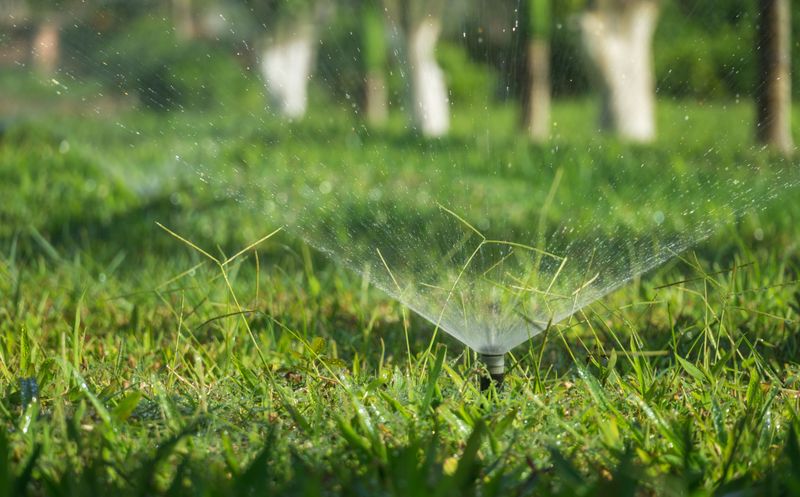
Watering smarter beats watering more. During a drought this severe, how you apply water matters just as much as how much you use.
Deep, infrequent watering trains roots to grow downward toward consistent moisture. Shallow daily watering keeps roots near the surface where they bake and dry out fast.
Aim for one inch of water per week applied in two sessions rather than seven small ones. That schedule gives soil time to absorb deeply before the next application.
Water in the early morning, ideally between 4 a.m. and 8 a.m. Morning watering reduces evaporation loss and gives blades time to dry before nightfall.
Evening watering leaves moisture on blades overnight, which invites fungal disease. That’s an extra setback a drought-stressed lawn doesn’t need.
A simple tuna can placed on the lawn measures sprinkler output accurately. When the can fills to one inch, your watering session is complete for that zone.
Indiana homeowners with clay-heavy southern soils benefited from watering in short cycles to avoid runoff. Applying water for ten minutes, pausing for ten, then repeating let it absorb properly.
Sandy northern soils needed the opposite approach: longer single sessions that push water deeper before it drains away. Knowing your soil type changes your entire strategy.
Raising your mower height to three and a half inches during the driest weeks also helped significantly. Taller blades shade the soil and slow moisture evaporation between watering sessions.
Lawn Recovery Once Rain Finally Returned
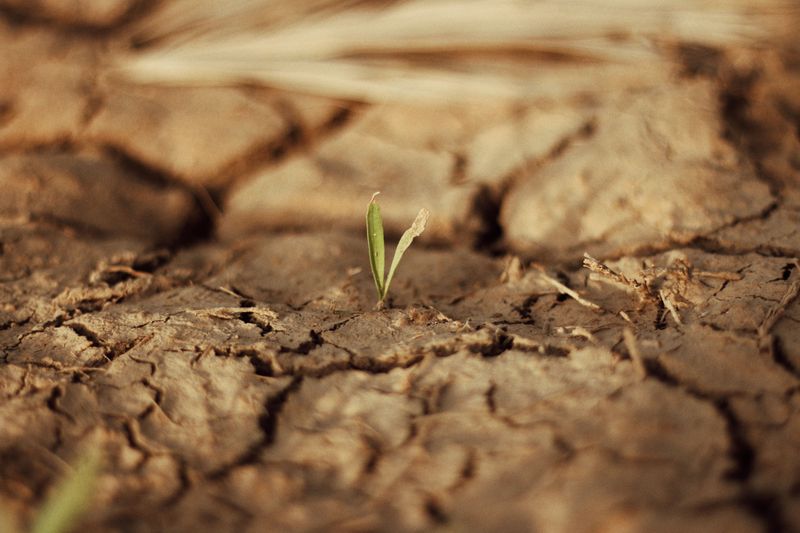
Rain eventually returned, and knowing what to expect helped homeowners avoid mistakes that would have slowed the comeback. The first thing most homeowners noticed after drought-breaking rain was that only parts of the lawn greened up.
That patchiness That patchiness was normal. Dormant crowns that survived pushed new growth within five to ten days, while damaged ones stayed brown regardless of rain.
Waiting at least two weeks after rain returned before deciding which patches needed reseeding paid off. Jumping in too early meant risking grass that was still alive and recovering.
Heavy fertilizing right after drought breaks should be avoided. Stressed root systems can’t handle a nitrogen surge, and over-fertilizing can burn recovering turf worse than the drought did.
A light application of starter fertilizer is appropriate once active new growth appears. That gentle boost supports recovery without overwhelming fragile roots.
Core aeration after the lawn greens up helps break apart the compacted, hardened soil that drought leaves behind. Looser soil lets roots expand faster and deeper.
Overseeding bare patches in early fall gives new grass the best chance to establish before winter. Indiana’s fall temperatures are ideal for cool-season grass germination.
Recovery from this year’s drought didn’t happen overnight, and that was okay. Patience combined with smart timing turned damaged yards back into something worth stepping on again.