Why Texans Should Add Hardwood Mulch Before The Extreme Weekend Heat Hits
When an extreme heat weekend is in the forecast, most Texas gardeners focus on watering. And watering matters.
But there’s one thing that makes watering significantly more effective and that protects your plants through those brutal back to back hot days in a way that water alone simply cannot.
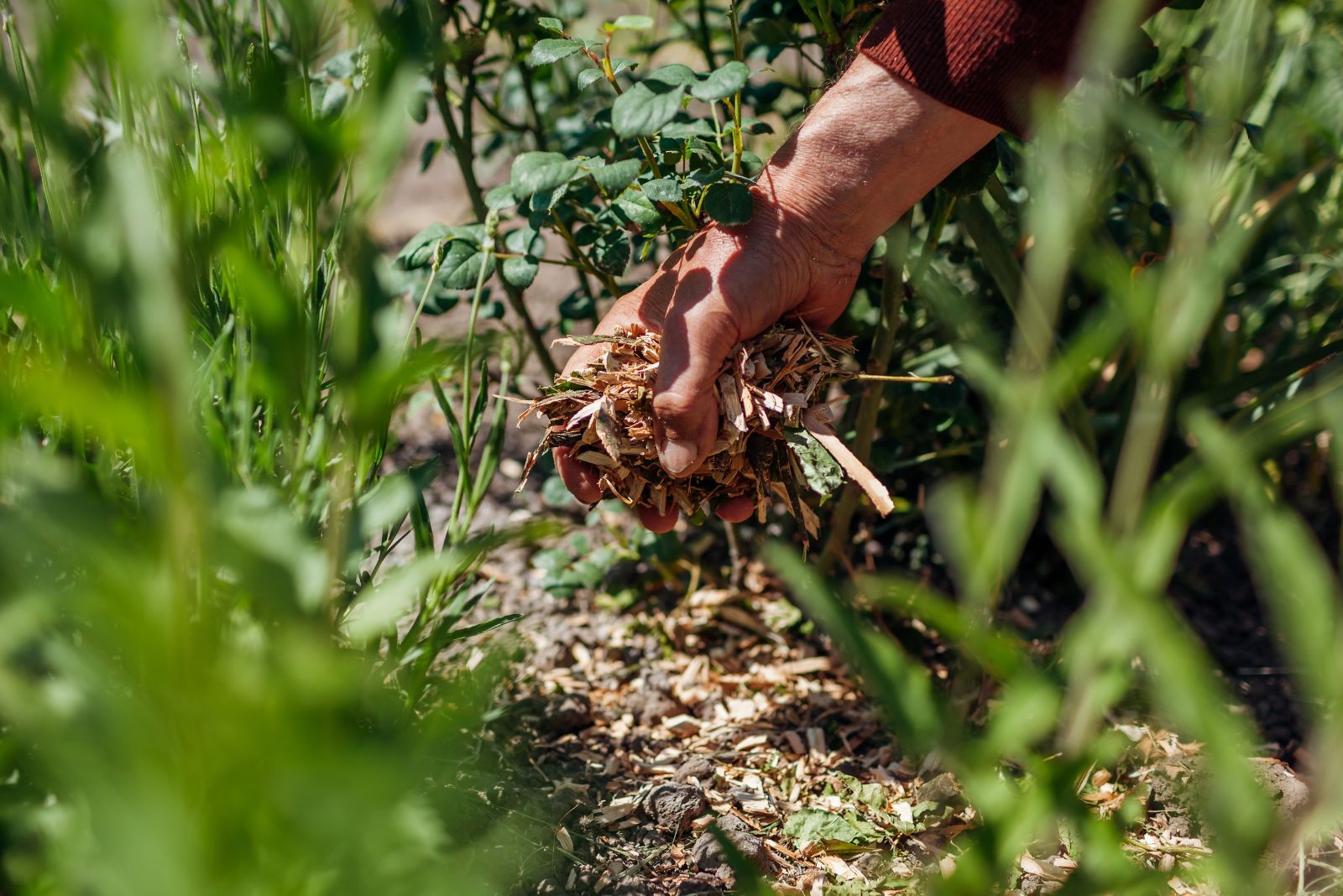
Hardwood mulch. And the time to put it down is before the heat arrives, not after. Once extreme temperatures set in, soil temperatures spike fast.
Without proper mulch coverage, roots get stressed, moisture evaporates within hours of watering, and plants that were thriving just days earlier start showing heat damage that takes weeks to recover from.
A good layer of hardwood mulch changes that equation dramatically, keeping soil cooler, holding moisture longer, and giving your plants a real buffer against what’s coming.
It’s one of the most effective and most affordable things a Texas gardener can do, and doing it now, before the weekend hits, makes all the difference.
Here’s why hardwood mulch matters so much and exactly how to use it before extreme heat arrives.
1. It Helps Soil Hold Moisture Longer
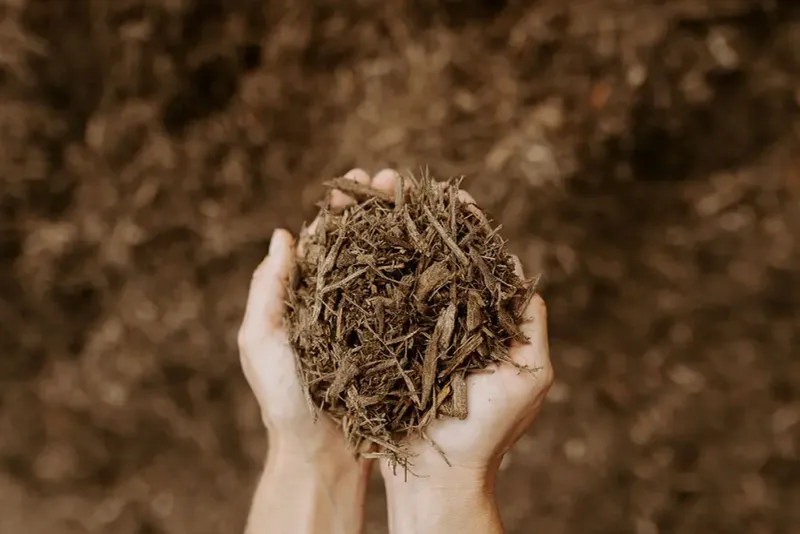
Water is precious in Texas, especially when temperatures climb and the forecast shows no rain in sight. One of the biggest benefits of hardwood mulch is that it slows down evaporation from the soil surface.
Without mulch, the hot Texas sun pulls moisture out of bare soil surprisingly fast. A good layer of mulch acts like a protective blanket, keeping that water in the ground where your plants actually need it.
Here is a smart tip that many gardeners miss: always water your beds deeply before you add the mulch. That way, the mulch traps moisture that is already in the soil rather than covering dry ground.
Watering after mulching still helps, but starting with wet soil gives your plants a head start when the heat peaks.
Aim for about two to three inches of hardwood mulch spread evenly across your beds. Too thin and it will not hold much moisture.
Too thick and water may struggle to reach the roots at all. Getting the depth right makes a big difference in how well your beds handle a multi-day heat event.
Hardwood mulch also breaks down more slowly than other types, so it stays in place longer and keeps doing its job through the hottest weeks of summer. For Texas gardeners who do not want to re-mulch every few weeks, that staying power is a real advantage.
Spending a little time now spreading mulch can save you from spending a lot of time watering and worrying later. Your soil will stay cooler, wetter, and far more plant-friendly all weekend long.
2. It Keeps Roots Cooler During Brutal Afternoons
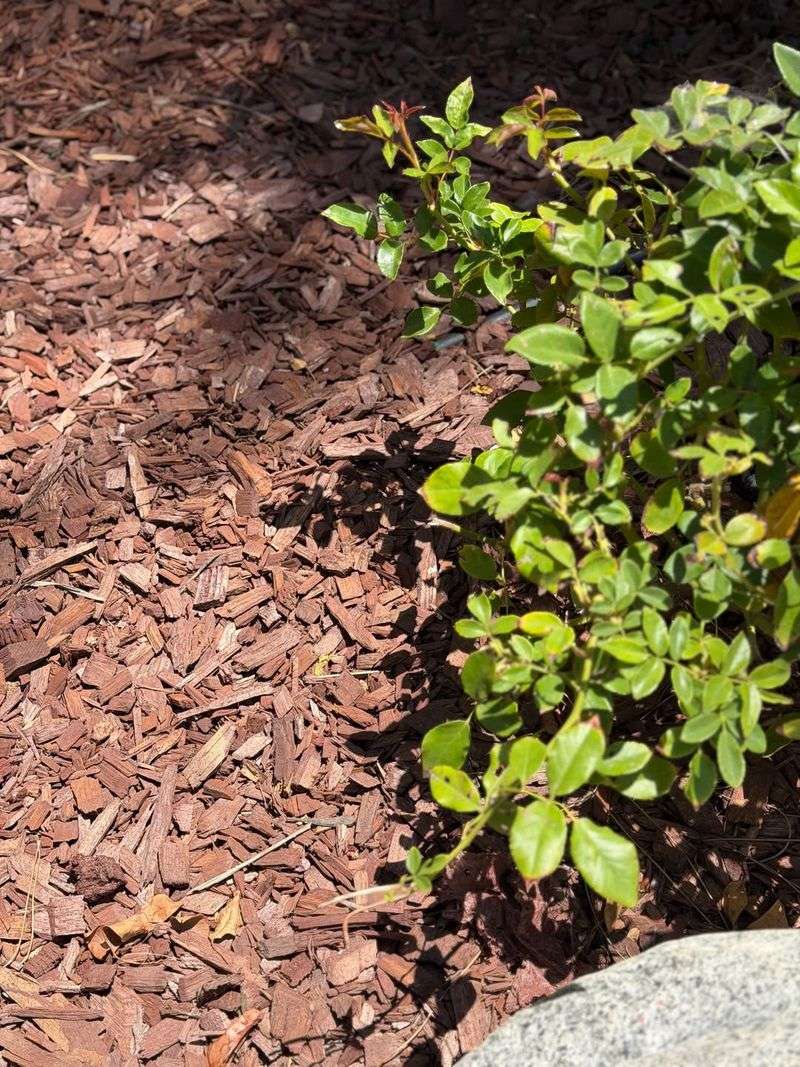
Bare soil in a Texas summer can get shockingly hot. Studies have shown that unprotected soil surface temperatures can climb well above air temperature during peak afternoon hours.
That kind of heat is hard on roots, especially shallow ones that sit close to the surface. Shallow roots are common in flowers, vegetables, and young trees, which makes them especially vulnerable when a heat wave arrives.
Your Texas Garden Changes Every Week. Your Plan Should Too.
Gardening in Texas changes quickly throughout the season. Every Friday you’ll receive a simple weekly plan showing exactly what to plant, prune, fertilize, harvest, and protect so you never miss the right timing.
Hardwood mulch works like insulation. Just like insulation in your walls keeps your house from getting too hot or too cold, a layer of mulch cushions the soil from wild temperature swings.
When the afternoon sun beats down hard, the mulch absorbs a lot of that heat before it ever reaches the soil below. Roots stay in a more stable environment and do not have to work as hard just to survive the day.
Cooler roots mean a healthier plant overall. When roots are not stressed from heat, they can focus energy on growing, flowering, and producing fruit instead of just trying to cope.
That matters a lot during a stretch of extreme temperatures when every bit of plant energy counts.
Even a two-inch layer of hardwood mulch can reduce soil temperature noticeably. Three inches is even better for Texas conditions where afternoon heat is relentless.
Pull the mulch slightly away from the base of each plant stem or tree trunk to avoid trapping too much moisture right at the crown.
A small gap there helps prevent rot while still giving roots the cooling protection they need. Getting this detail right helps your whole garden come out of the heat wave looking strong.
3. It Reduces Plant Stress Between Waterings
Even when you water your garden regularly, extreme heat can push plants to their limits fast. Plants lose water through their leaves all day long, and when temperatures spike, that water loss speeds up dramatically.
If the soil dries out before your next watering, plants start to wilt, droop, and struggle. That stress adds up quickly during a multi-day heat event.
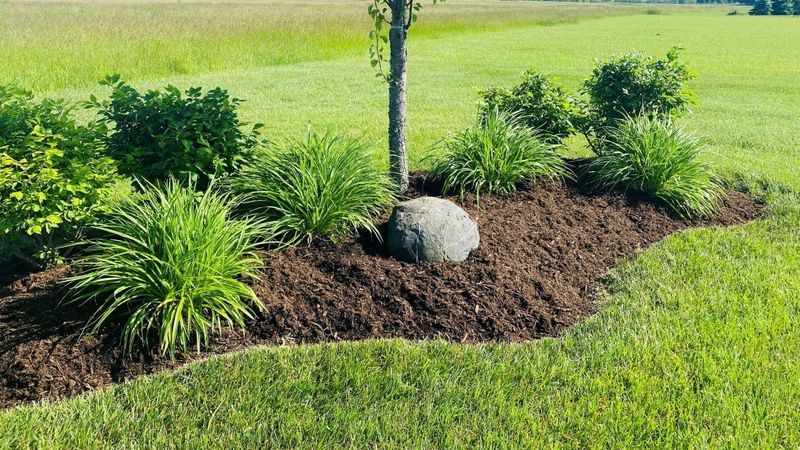
Mulch helps smooth out those rough patches between waterings. By keeping soil moisture more even from one day to the next, hardwood mulch gives flowers, shrubs, vegetables, and young trees a better shot at staying stable when temperatures peak.
Instead of bouncing between soaking wet and bone dry, mulched soil holds a more consistent level of moisture that plants can draw from steadily.
Think about tomatoes as a good example. Inconsistent moisture is one of the main causes of blossom end rot and fruit cracking in tomatoes.
Mulching helps keep moisture levels steadier, which means better fruit and fewer frustrating problems. The same idea applies to peppers, squash, and most flowering plants too.
Young trees planted within the last year or two are especially at risk during heat spikes because their root systems have not spread wide enough yet to find water on their own.
A wide ring of hardwood mulch around a young tree can be one of the most helpful things you do all summer.
Spread it out at least as wide as the tree canopy, keep it away from the trunk, and let it do its job. Your plants will come through a tough weekend in far better shape with that extra layer of protection working for them.
4. It Blocks Weeds That Steal Water
Weeds are sneaky competitors. They pop up fast, spread roots quickly, and pull water and nutrients right out of the soil that your garden plants are counting on.
During a normal week, weeds are annoying. During a heat wave when every drop of moisture matters, weeds become a real problem for your garden’s health.
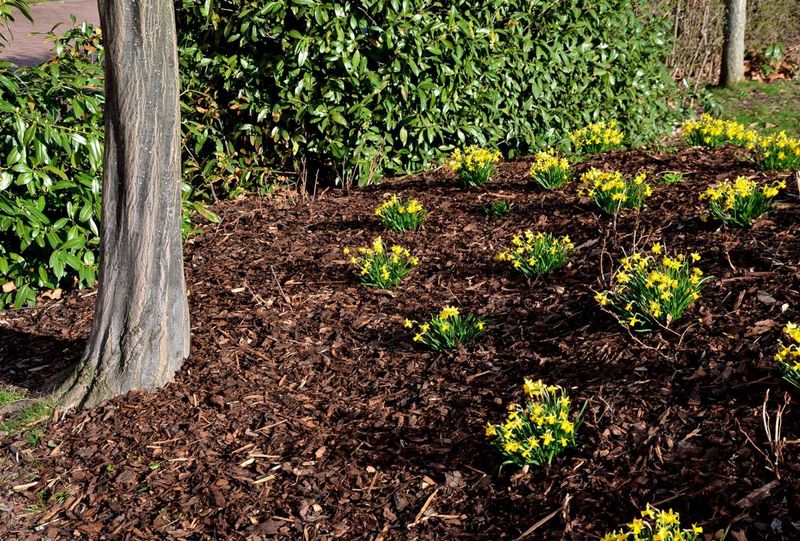
Hardwood mulch tackles this problem in a straightforward way. When you spread a thick layer over your soil, it blocks sunlight from reaching the soil surface.
Most weed seeds need light to sprout. Without that light, they simply cannot get started. The ones that do manage to push through a thin spot are usually weak and easy to pull out before they cause any real trouble.
Did you know that a single pigweed plant, one of the most common Texas garden weeds, can produce over 100,000 seeds in a season? Stopping those seeds before they sprout is much easier than pulling mature weeds later.
Mulching now means far less weeding work for you all summer long, and that is a win on its own.
Keep your mulch layer at least two to three inches thick for the best weed control. Thinner layers let too much light sneak through and lose their effectiveness quickly.
Also, remove any weeds you can see before laying down fresh mulch so they do not continue growing underneath. Starting with a clean bed makes a noticeable difference.
With weeds out of the picture, your garden plants get to keep every bit of water and nutrition for themselves, which makes a huge difference when the weekend heat pushes everything to the edge.
5. It Protects Soil From Crusting And Cracking
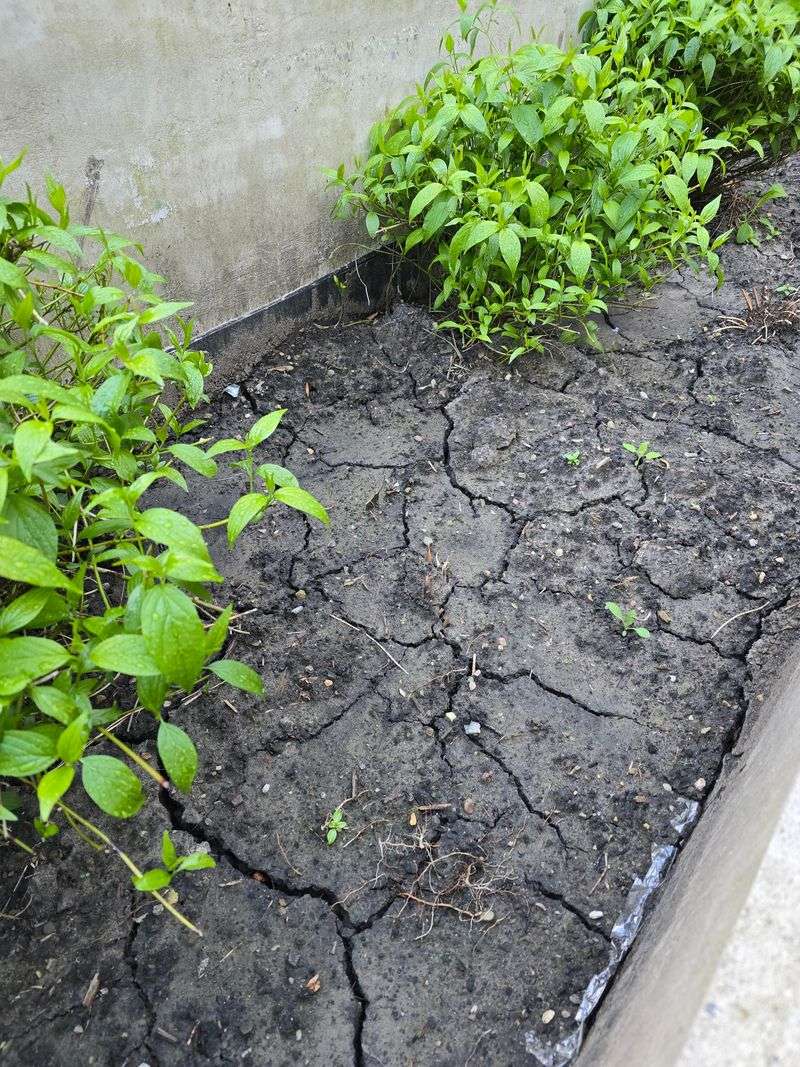
Anyone who has gardened in Texas knows what happens to bare soil after a few days of brutal sun and no rain. It bakes hard.
The surface crusts over into a dense, almost concrete-like layer that sheds water instead of soaking it in.
When you finally do water or get a rain shower, the water runs right off the surface instead of reaching the roots where it belongs. That is a frustrating and wasteful cycle.
Hardwood mulch breaks that cycle by shielding the soil surface from direct sun. The mulch absorbs the impact of the sun’s heat and keeps the soil beneath it loose and open.
Water from irrigation or rain soaks into mulched soil much more gently and evenly. Instead of pooling on top and running off, it moves down through the soil to where roots can actually use it.
Cracking is another issue that mulch helps prevent. When soil dries out severely, it shrinks and cracks.
Those cracks can sever fine root hairs that plants depend on for water uptake. Once those tiny roots are damaged, the plant struggles even after you water it because the water-absorbing parts of the root system have been disrupted.
Preventing that damage before it happens is always easier than trying to recover from it.
Spreading mulch before the heat hits keeps soil structure intact all weekend. Loose, healthy soil absorbs water better, supports root growth more effectively, and bounces back faster after a heat event ends.
A well-mulched garden bed in Texas looks and performs dramatically better than a bare one by the time the hot stretch is over. That difference shows up clearly in your plants.
6. It Slowly Improves Beds As It Breaks Down
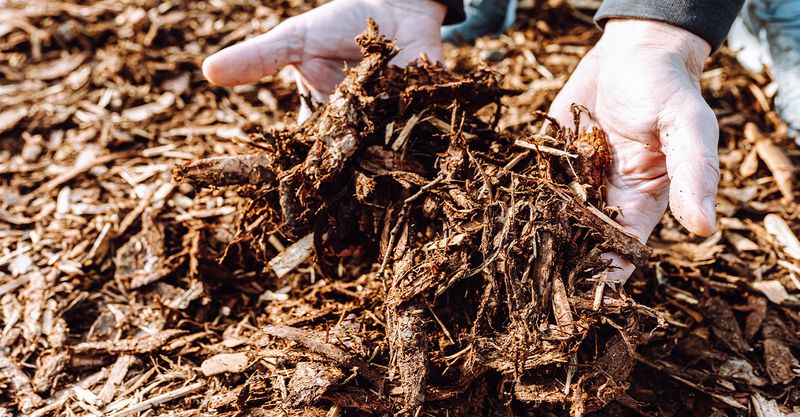
Hardwood mulch does more than just protect your garden through one hot weekend. Over time, it gradually breaks down and adds organic matter to the top layer of your soil.
That decomposition process is slow and steady, which is actually a good thing. It means the mulch keeps feeding your soil for months instead of disappearing in a few weeks.
Organic matter is incredibly valuable in Texas gardens, especially if your soil is heavy clay or loose sandy. Clay soil holds water but drains poorly and gets compacted easily. Sandy soil drains too fast and struggles to hold nutrients.
Adding organic matter through decomposing hardwood mulch helps both types of soil move toward a healthier middle ground over time. It loosens clay and helps sandy soil hold moisture and nutrients better.
Earthworms and beneficial soil microbes love decomposing mulch too. As the mulch breaks down, it creates a better environment for those tiny underground helpers that improve soil health naturally.
More earthworms mean better aeration, better drainage, and richer soil that supports stronger plant growth season after season.
For Texas gardeners who deal with tired, worn-out beds year after year, this long-term improvement is a real bonus on top of all the immediate heat protection benefits. You are not just getting through one hot weekend.
You are actually making your garden better for next spring, next summer, and beyond. Each fresh layer of hardwood mulch you add builds on what came before it.
Over a few seasons, you will notice your beds becoming richer, easier to work, and more productive. That kind of slow, steady progress is what separates a garden that just survives from one that truly thrives.