What Florida Gardeners Do To Their Lawn In July That Makes September Look Great

Most Florida homeowners look at their lawn in September and wonder what went wrong over summer. The ones with a lawn that still looks good in September already know.
They made a few specific calls in July when the heat was serious and doing nothing felt like the safer choice. July feels like a month to survive in a Florida lawn.
It is actually one of the more consequential months on the calendar for anyone who cares what September looks like. Certain tasks done now set the lawn up to flush strong when conditions ease.
Others prevent the kind of decline that takes a full season to walk back. A few are about timing irrigation and mowing decisions to match what Florida turf actually needs in the hardest stretch of summer.
September is not that far away. What happens to the lawn in the next few weeks shows up clearly when it arrives.
1. Water Only When The Lawn Shows Stress
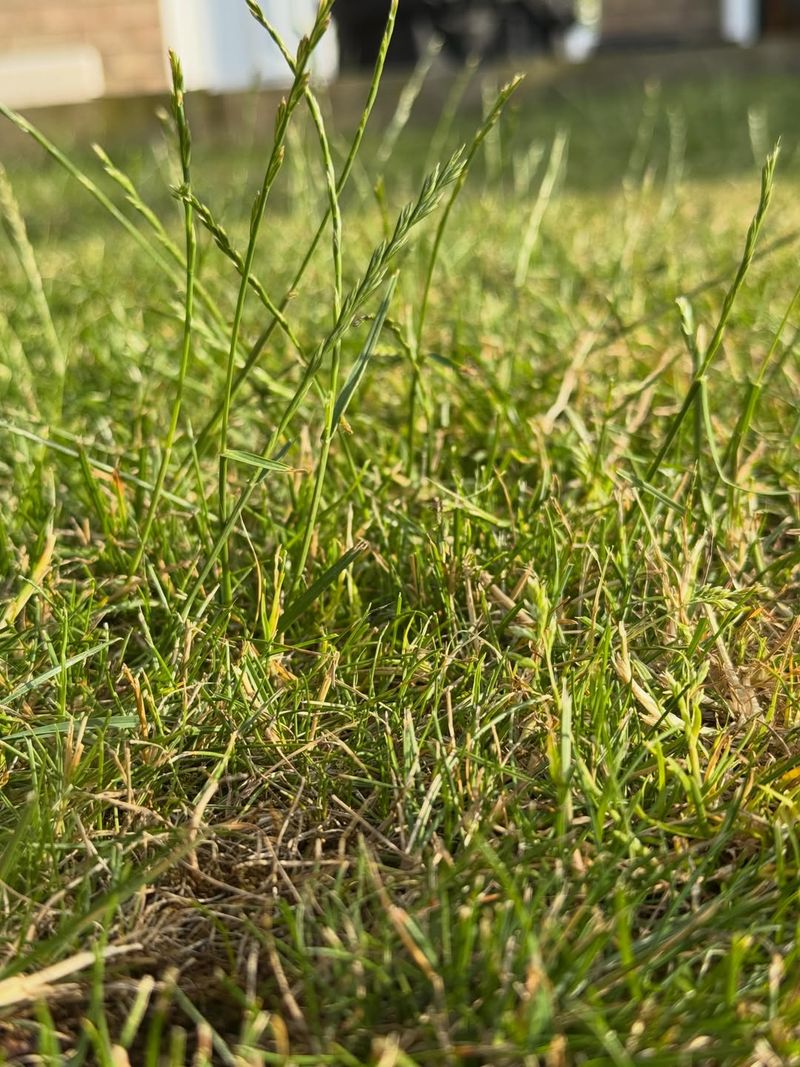
On a hot July afternoon, step outside and look at the turf before reaching for the irrigation timer. Folded or rolled grass blades, a bluish-gray cast across the lawn, and lingering footprints are all signs that the turf is asking for water.
These cues matter more than a fixed daily schedule. These are the cues that matter most, not a fixed daily schedule.
UF/IFAS turfgrass guidance consistently recommends irrigating based on visible stress rather than a set timer. Watering before stress appears can lead to shallow roots, soggy soil, runoff into streets and waterways, and conditions that favor disease.
Overwatered turf often looks lush on the surface but struggles to anchor deeply in the soil, leaving it vulnerable when heat or dry stretches arrive.
When the lawn does need water, the goal is deep and infrequent irrigation that pushes moisture down into the root zone. Shallow, frequent watering encourages roots to stay near the surface where heat and drought can stress them quickly.
Rainfall in July can be heavy and frequent, so check how much natural rain has fallen before running the system. Always follow local watering restrictions set by your water management district.
Staying within those rules protects both your lawn and your community water supply.
2. Raise The Mower Before Heat Peaks
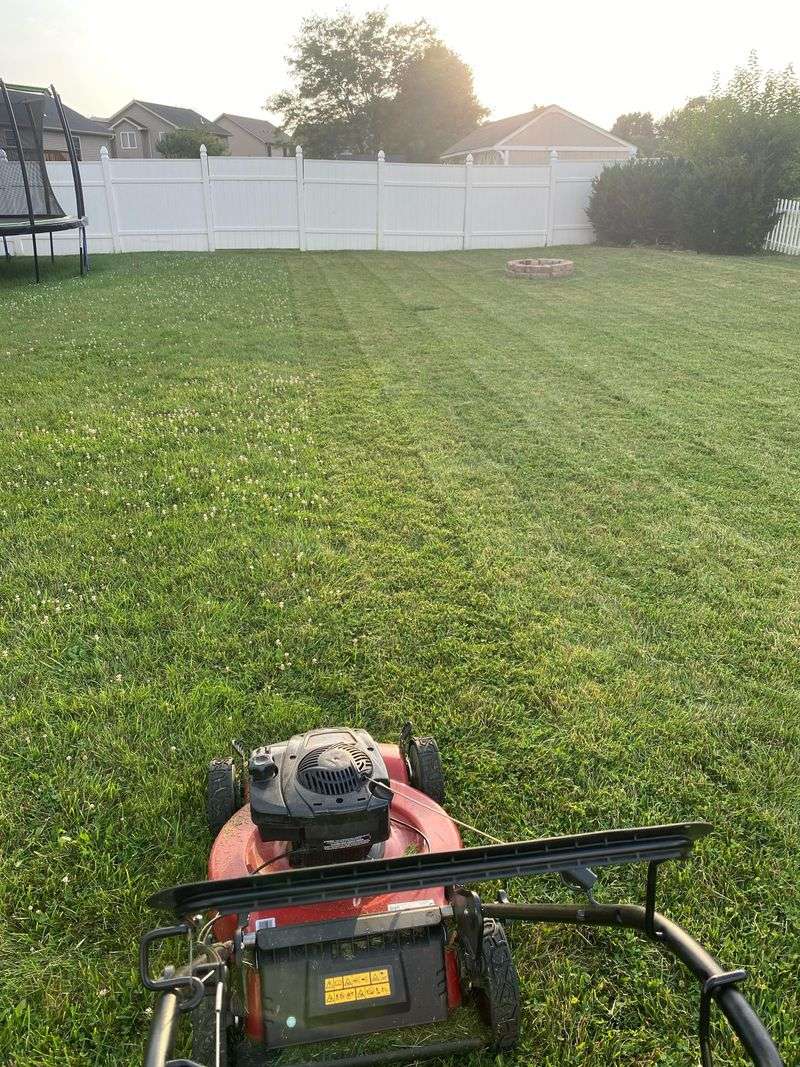
Pulling the mower out of the garage on a July morning is routine for most Florida homeowners. But the height setting on that mower can make a bigger difference than most people realize.
Cutting warm-season turf too short during peak summer heat removes the leaf canopy that shades the soil. That raises soil temperature and puts extra stress on roots that are already working hard.
Taller grass blades create natural shade at ground level. That shade helps hold soil moisture longer, keeps roots cooler, and reduces the conditions that allow weeds to sprout in bare or thin spots.
UF/IFAS recommends specific mowing heights for each turf type, and those heights tend to be higher in summer than many Florida homeowners expect.
St. Augustine grass, for example, performs better when kept at a height that maintains good leaf coverage rather than a short, cropped look.
Your Florida Garden Changes Every Week. Your Plan Should Too.
Gardening in Florida changes quickly throughout the season. Every Friday you’ll receive a simple weekly plan showing exactly what to plant, prune, fertilize, harvest, and protect so you never miss the right timing.
The one-third rule is a helpful guide: never remove more than one-third of the blade length in a single mowing. Cutting off too much at once stresses the plant and slows recovery.
Sharp mower blades also matter. Dull blades tear grass instead of cutting it cleanly, leaving ragged edges that turn brown and invite disease.
Mow when the turf is dry when possible. Clippings from wet grass can clump and smother healthy turf underneath.
3. Fix Sprinkler Coverage While Problems Are Small
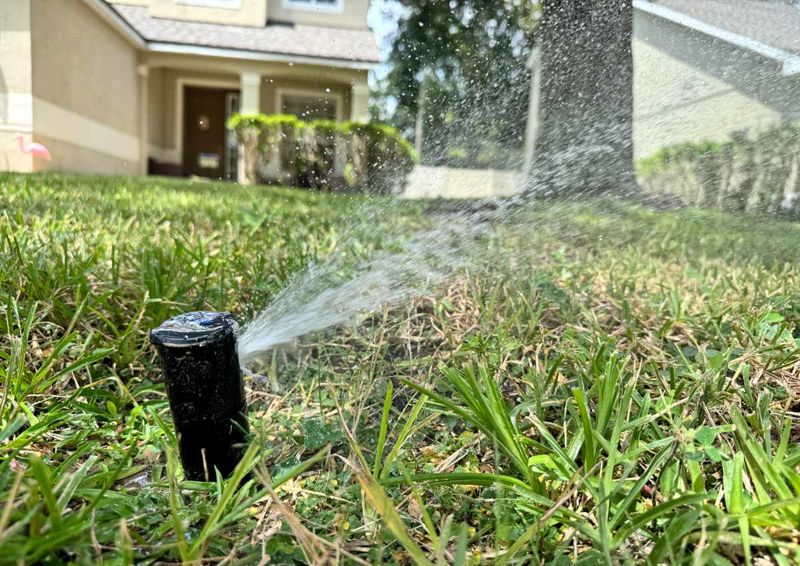
A quick walk through the yard during an irrigation cycle can reveal more than most homeowners expect. Broken heads, clogged nozzles, blocked spray patterns, and overspray onto pavement are all common problems that get worse over time when left unaddressed.
July is a smart month to catch these issues before late-summer heat turns small dry spots into large, hard-to-recover patches.
Uneven coverage is one of the most overlooked reasons lawns develop thin or bare areas. One zone might be receiving too much water while a corner of the yard stays consistently dry.
A simple way to check coverage is to set out shallow containers, such as empty tuna cans, in different spots within a zone and run the system for a set time. Comparing the water levels in each can shows whether output is even across the zone.
If the difference is significant, the answer is usually not running the system longer. Fixing the head or adjusting the pattern is more effective and wastes less water.
Low pressure, tilted heads, and blocked arcs from overgrown shrubs or fences are all fixable with basic tools or a licensed irrigation contractor.
Water management districts across the state offer irrigation inspection programs and resources that can help homeowners improve efficiency.
Spending a few minutes on sprinkler checks in July can prevent the frustrating patchwork appearance that shows up on lawns by September.
4. Skip Fertilizer Before Heavy Rain
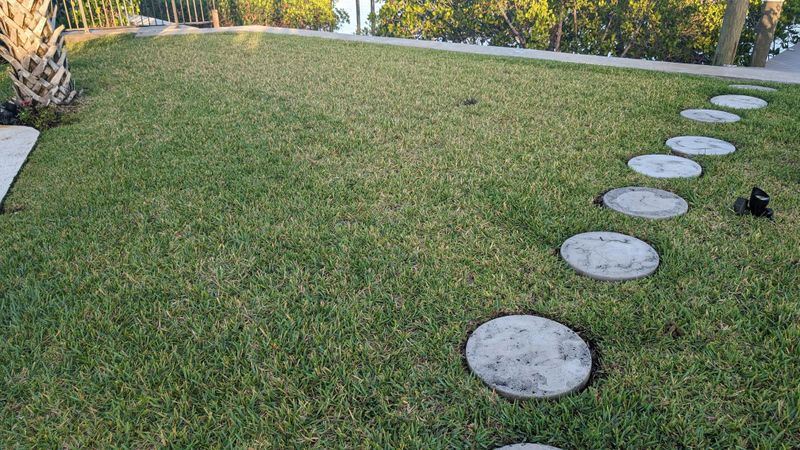
Summer storm patterns across this state are predictable in one important way: heavy afternoon rain can arrive fast and soak the yard before the evening is over.
Applying fertilizer before one of those storms sends nutrients washing off the turf and into stormwater drains, canals, and waterways.
The grass never gets a real chance to absorb them. That runoff contributes to water quality problems and wastes money at the same time.
Many counties across the Sunshine State have fertilizer blackout ordinances that restrict or prohibit fertilizer applications during the summer rainy season. That season typically runs from June through September.
These rules exist for good reason. Checking with your local county extension office or municipality before applying any product is an important step that some Florida homeowners skip.
Violating a local ordinance can result in fines, and the damage to nearby water bodies from nutrient runoff adds up across entire neighborhoods.
Even when fertilizer is permitted and timed correctly, excessive nitrogen is not a shortcut to a better September lawn. Fast, lush growth from too much nitrogen can actually weaken turf by producing soft tissue that is more vulnerable to pests and disease.
If slow-release nitrogen is appropriate for your turf type and local rules allow it, apply it when rain is not expected for at least 24 hours. That gives the soil time to absorb the product gradually.
Always read the product label carefully before applying anything.
5. Leave Small Clippings To Feed The Soil
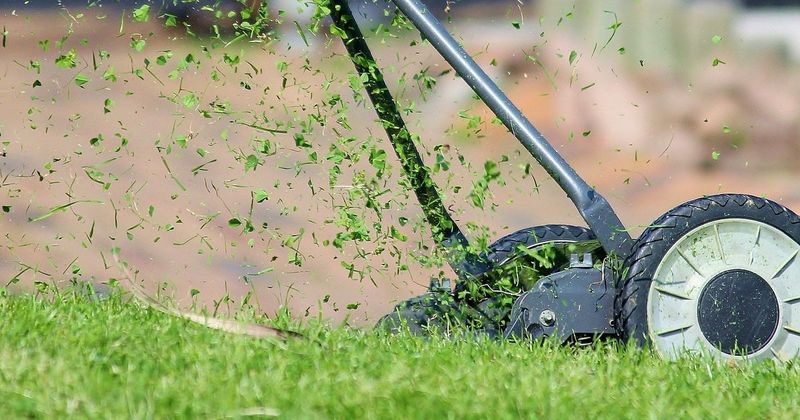
After a mow, many homeowners immediately reach for the bag attachment or rake because they assume every clipping needs to go. For most July mowings, that extra step is not necessary.
When grass is mowed at the right frequency and the clippings are small and spread evenly, leaving them on the lawn is a simple way to return nutrients to the soil. It does that without costing anything extra.
Grass clippings are mostly water, but they also contain nitrogen and other nutrients that break down quickly when they are small and distributed across the surface.
According to turfgrass research supported by university extension programs, clippings left on the lawn can contribute a meaningful portion of the turf’s annual nitrogen needs.
That benefit builds over time. That is free nutrition that most Florida homeowners bag up and haul to the curb without a second thought.
A common concern is that clippings cause thatch buildup. Research does not support that worry when mowing is done correctly and clippings are fine.
Thatch is made up of stems, roots, and other slow-decomposing material rather than fresh leaf clippings. The one situation where clippings should be managed is when they form visible clumps on the surface.
Clumps left in place can smother the turf underneath and create conditions where disease spreads. Spread clumps with a rake or make a second pass with the mower to break them apart before they settle.
6. Pull Weeds Before Thin Spots Spread
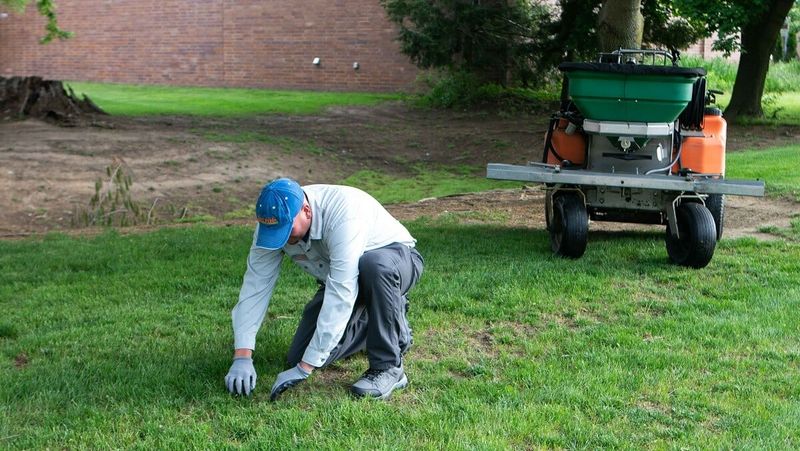
Spotting a few weeds in early July might not feel urgent. But those small patches can expand quickly when the conditions that allowed them to appear have not been addressed.
Weeds rarely show up randomly. They tend to move into thin turf, bare soil, compacted areas, and spots where irrigation is uneven or mowing has been too aggressive.
Understanding why they appeared is more useful than simply pulling them and moving on.
Hand-pulling is a practical and safe option for small weed patches, especially in peak summer heat when applying herbicides carries real risks.
Many herbicide labels include temperature restrictions because applying them in extreme heat can stress or damage warm-season turf.
If a weed problem is spreading and manual removal is not keeping up, consult the product label carefully. Match the herbicide to the specific turf type before applying anything.
Using the wrong product on the wrong grass can cause serious turf damage.
The most reliable long-term weed control comes from improving the conditions that allowed weeds to take hold. Raising mowing height, correcting irrigation gaps, and addressing bare spots by encouraging turf recovery are all more sustainable strategies.
They work better than repeated chemical applications. A lawn that is thick, healthy, and well-watered at the right depth has far less room for weed seeds to germinate and establish.
Building turf density in July pays off visibly by September when weeds have fewer openings to fill.
7. Watch For Disease After Wet Weeks
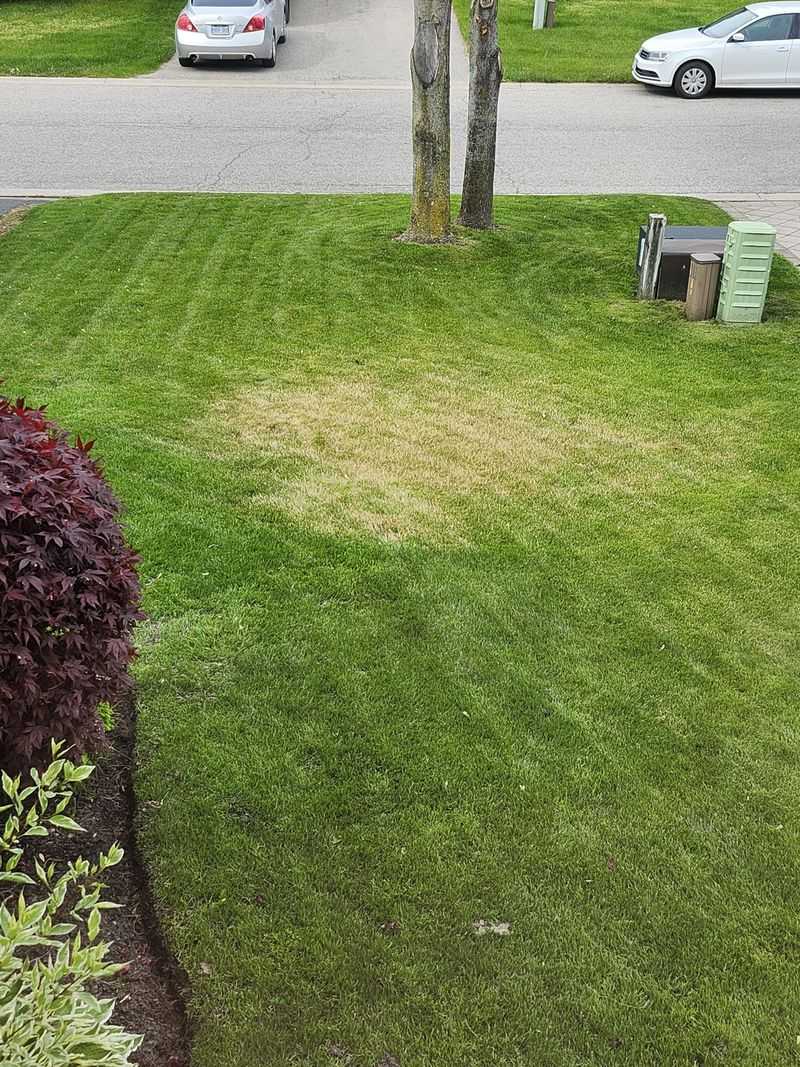
After several days of heavy rain, humidity, and overnight moisture, take a slow walk across the yard and look carefully at the turf surface.
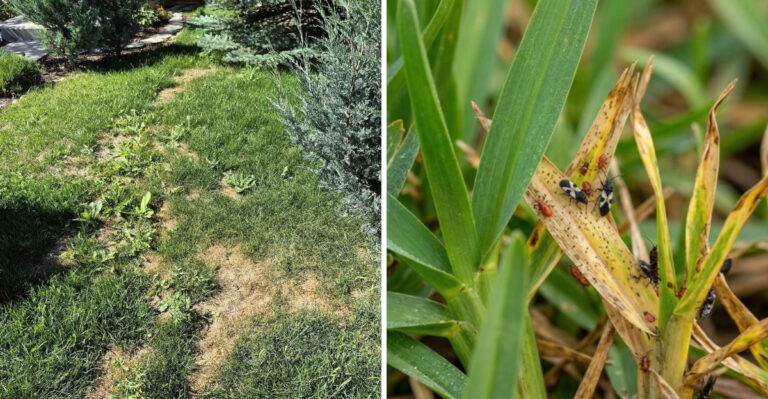
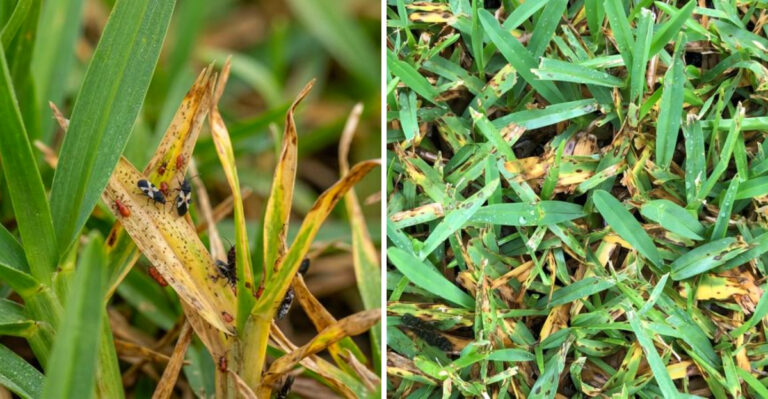
Spreading circular patches, unusual spots on individual blades, thinning areas, or sections that stay wet longer than surrounding turf can all signal a deeper issue.
Something may be affecting the grass beyond normal summer stress.
Warm, wet conditions during July create an environment where certain turf diseases can develop and spread. Overwatering, poor drainage, mowing with dull blades, heavy shade, and nighttime irrigation all raise the risk.
Before assuming the lawn needs a fungicide application, check whether the irrigation schedule is running too frequently or leaving water on the turf overnight.
Adjusting the schedule and improving drainage sometimes resolves the problem without any chemical treatment.
Randomly applying fungicide without identifying the specific issue is not recommended. Fungicide products are most effective when matched to the actual pathogen involved.
Using the wrong one wastes money and can mask symptoms without solving the underlying cause. If thinning or unusual patches continue to spread despite schedule adjustments, reach out for help with identification.
A UF/IFAS extension office or a licensed lawn care professional is a smart place to start. County extension offices across the state offer diagnostic support that can point Florida homeowners toward accurate, research-based solutions rather than guesswork.
8. Build Strong Roots Before September Arrives
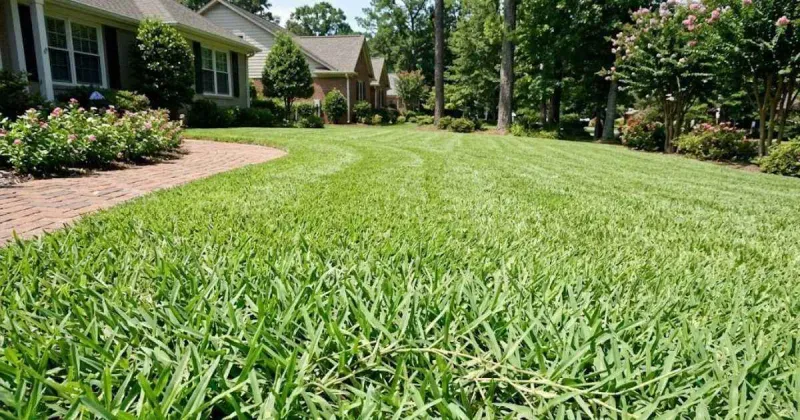
Picture the lawn in late September, green and even, with no obvious thin spots or stress damage. That image does not happen by accident.
It usually traces back to a string of small, consistent decisions made during the hardest weeks of summer.
July is the month when those decisions matter most, because the stress that builds underground during peak heat often does not show up on the surface until weeks later.
Deep but infrequent watering, when the turf shows actual stress signs, encourages roots to grow downward in search of moisture. That deeper root system gives the grass more access to water and nutrients when the soil surface dries out.
Correct mowing height protects those roots from heat exposure. Even irrigation coverage prevents the dry corners and wet patches that create inconsistent turf density.
Skipping fertilizer before heavy rain avoids nutrient loss and keeps the lawn from producing weak, fast growth during a vulnerable period.
Leaving small clippings returns nutrients naturally. Pulling weeds early keeps thin spots from expanding.
Watching for disease after wet weeks allows homeowners to respond before damage spreads across large areas. None of these steps requires expensive equipment or professional help for most yards.
They require attention, consistency, and a willingness to respond to what the lawn is actually showing. Start with one section of the yard if the whole picture feels overwhelming.
Small improvements made steadily through July add up to real results by the time September arrives.