9 Vegetables Wisconsin Gardeners Should Harvest This Week
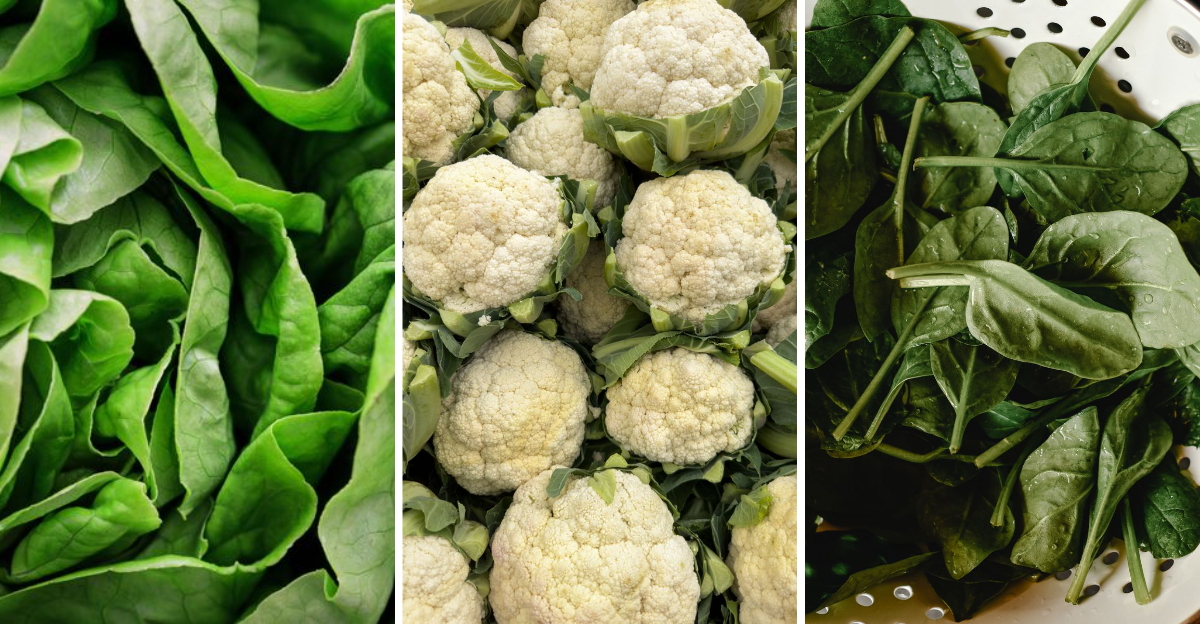
Your garden moves quickly this week, ready or not. Wisconsin’s growing season shifts faster than most gardeners expect.
Peak flavor windows close gently, but they still close completely. Every vegetable in your rows has a brief moment of perfection.
Missing that moment means settling for tougher, milder, or duller results. Timing separates a memorable dinner from an ordinary one.
Gardeners who track ripeness closely harvest richer texture and deeper flavor. Wisconsin summers pack an entire growing cycle into a handful of short weeks.
Crisp greens deserve attention before warmth pushes them toward flowering. Hearty brassicas reach their sweetest point right before they mature further.
Nothing in your garden stays perfect for very long right now. Patience feels natural, but waiting still costs you real flavor.
Still, your plate deserves better than uncertainty today. Several vegetables are ready right now, and skipping them isn’t wise.
1. Peas
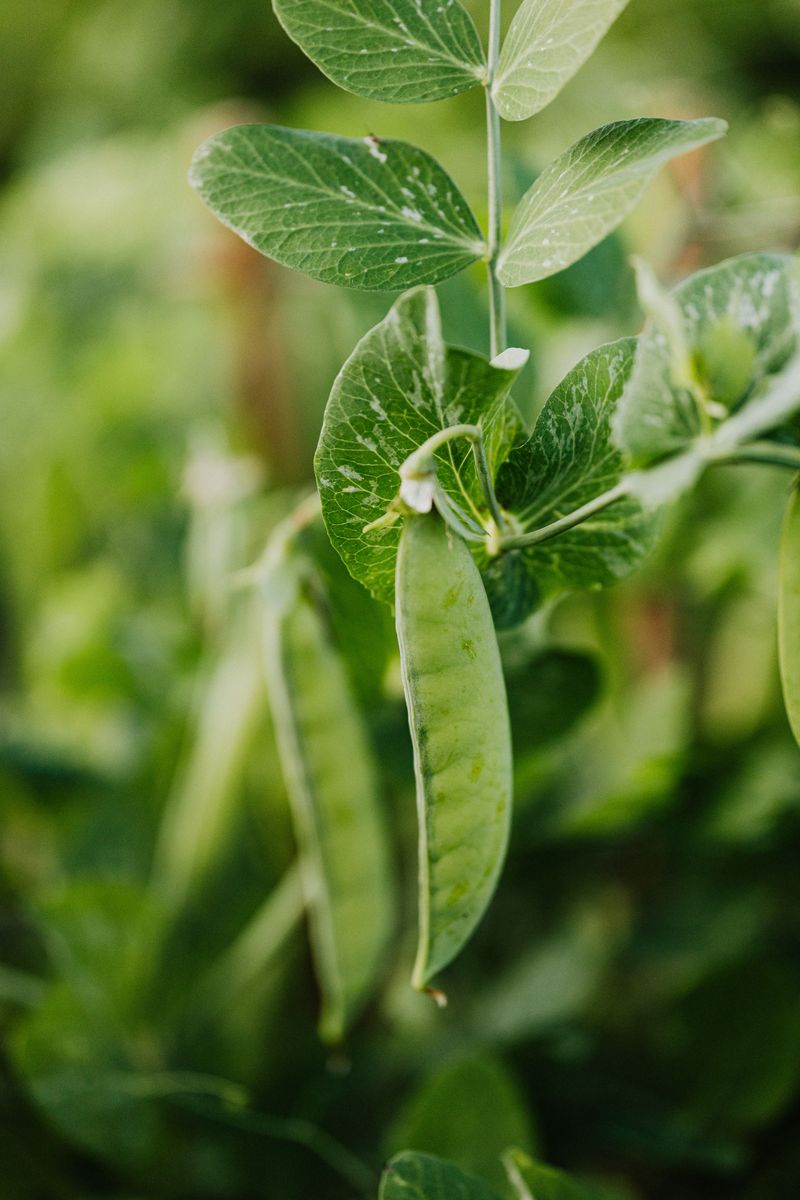
There is nothing quite like eating a fresh pea straight off the vine in the middle of summer. That sweet, grassy pop of flavor is something no frozen bag can replicate, no matter what the label says.
Pea pods are ready when they feel plump and firm but the skin is still smooth and bright green. Wrinkled or yellowing pods mean you have already pushed past the peak harvest window.
Check your pea plants every single day once pods start forming, because they fill out fast. Missing even two or three days can mean the difference between sweet peas and starchy, tough ones.
Sugar snap peas are edible pod and all, which makes snacking straight from the garden incredibly satisfying. Shell peas need a bit more work, but the flavor payoff is absolutely worth the effort.
Harvest in the morning when temperatures are cooler to preserve the natural sugars in the pods. Heat causes those sugars to convert to starch rapidly, dulling the sweet flavor you worked hard to grow.
Wisconsin gardeners who plant a second round of peas in late summer get a bonus fall harvest. Cooler fall temperatures actually improve pea flavor, giving you a sweet finish to the growing season.
2. Broccoli
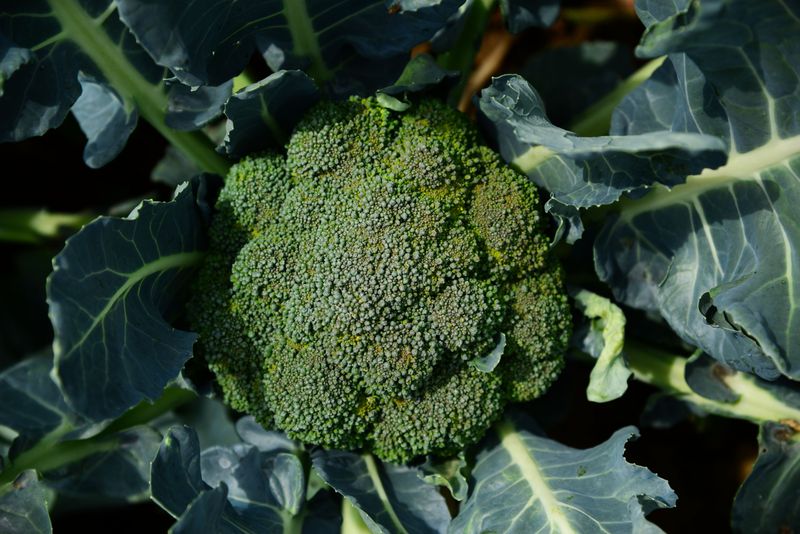
Broccoli has a very specific window of perfection, and once it passes, the whole head blooms into tiny yellow flowers. Those flowers are pretty, but they signal that your harvest moment has officially come and gone.
Look for heads that are deep green, tightly packed, and firm to the touch before cutting. Any hint of yellow on the florets means you need to grab your knife and harvest right now.
Cut the main head with about six inches of stem attached using a sharp, clean blade. Leaving the plant in the ground after cutting often produces smaller side shoots that give you bonus harvests for weeks.
Broccoli is one of the most nutrient-dense vegetables you can grow in a Wisconsin garden. It is packed with vitamin C, fiber, and compounds studied for their potential health benefits, which are most potent when eaten fresh.
Your Wisconsin Garden Changes Every Week. Your Plan Should Too.
Gardening in Wisconsin changes quickly throughout the season. Every Friday you’ll receive a simple weekly plan showing exactly what to plant, prune, fertilize, harvest, and protect so you never miss the right timing.
Steam it lightly or roast it at high heat for the best flavor and texture at home. Overcooking turns broccoli mushy and washes out both its color and its nutritional punch.
Cool weather actually sweetens broccoli slightly, so heads grown in early summer Wisconsin conditions taste especially good. Storing freshly cut heads unwashed in your fridge keeps them fresh for up to five days easily.
3. Lettuce
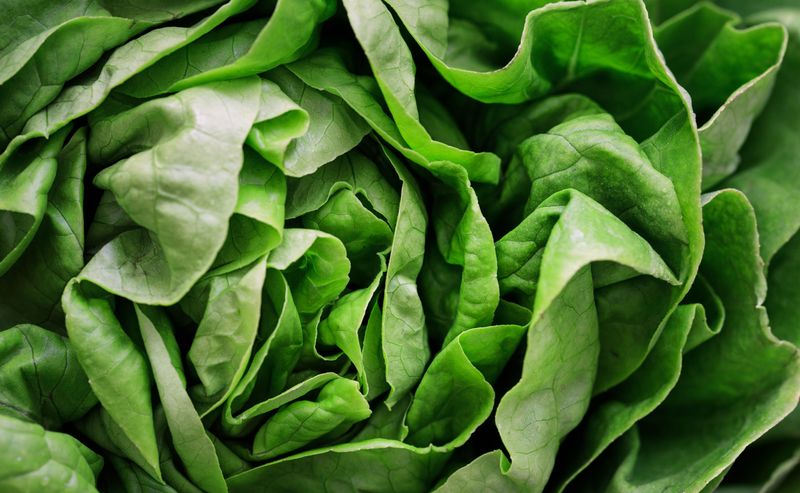
Your lettuce is sending you a message right now, and it sounds like crunch. When the outer leaves are full-sized and the head feels firm, that is your cue to start cutting.
Lettuce that stays in the ground too long turns bitter and bolts to seed fast. Wisconsin summers heat up quickly, so timing your harvest early in the morning keeps leaves crisp and sweet.
Snip outer leaves with clean scissors and let the center keep growing. This cut-and-come-again method gives you multiple harvests from a single plant all season long.
Store freshly cut lettuce in a damp paper towel inside a sealed bag in your fridge. It can stay fresh and crunchy for about a week or more when stored correctly, depending on the variety.
Butterhead varieties are especially tender right now and taste amazing in simple salads. Romaine types hold up well to heartier toppings and dressings without going limp.
If your lettuce starts forming a tall center stalk, harvest everything immediately. That stalk means the plant is shifting energy toward seeds, and flavor drops off sharply from that point forward.
4. Spinach
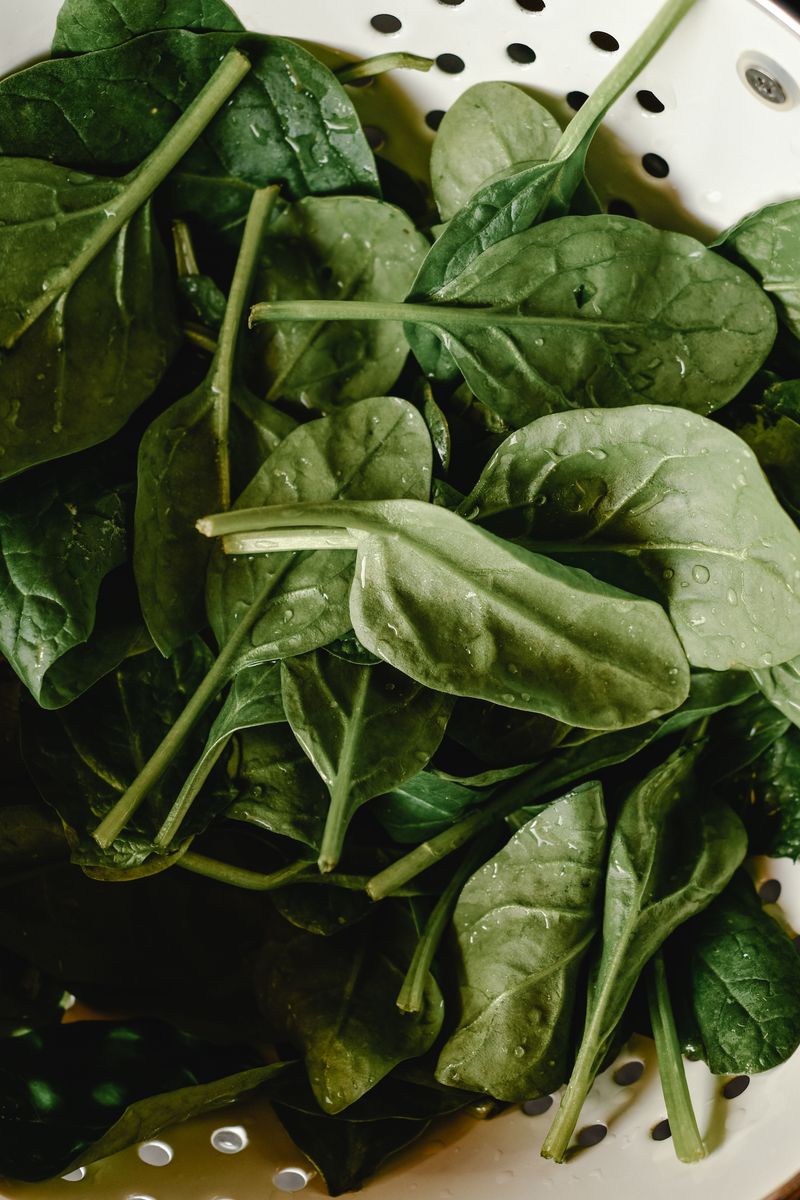
Spinach is one of those vegetables that rewards patience and doesn’t forgive delay. Once the leaves reach about three inches long, they are at their most tender and flavorful.
Waiting even a few extra days in warm weather causes spinach to bolt and turn bitter fast. Wisconsin gardeners know that spinach prefers cooler soil, so harvest before midday heat sets in.
Pick the outer leaves first and allow the younger center leaves to keep developing. You can stretch a single spinach planting into several weeks of fresh harvests using this simple approach.
Raw spinach is loaded with iron, magnesium, and vitamins A and C, making it a nutrient-dense choice. Tossing it fresh into smoothies or salads is one of the easiest ways to boost your daily nutrition.
If you notice yellow or wilted leaves, remove them immediately to keep the plant healthy and productive. Diseased leaves left on the plant can spread problems to neighboring greens quickly.
Blanching and freezing excess spinach is a smart move when your garden produces more than you can eat. Frozen spinach holds most of its nutrients and works perfectly in soups and pasta dishes all winter long.
5. Radishes
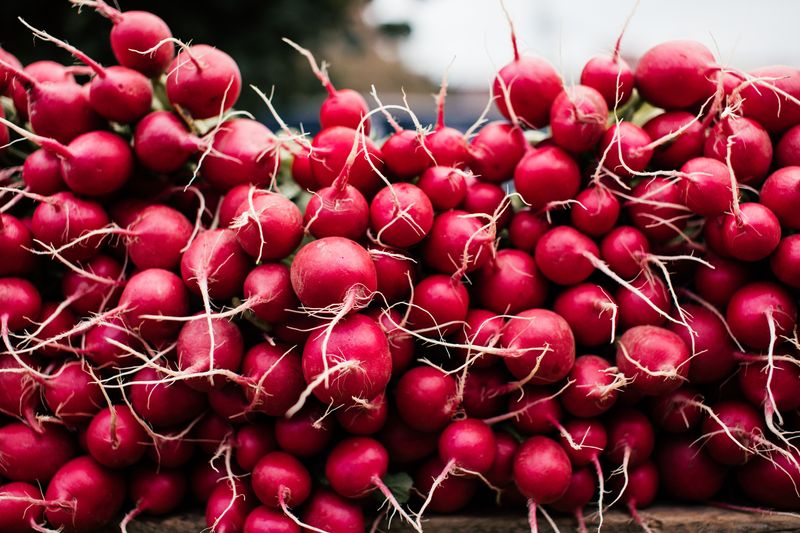
Radishes are the sprinters of the vegetable garden, going from seed to table in as little as three weeks. That speed is exciting, but it also means you have to stay alert or they turn pithy and hot.
Pull one radish from the ground and slice it open to check the texture inside. If it looks hollow or spongy, harvest everything left in that row immediately and do not wait another day.
Perfect radishes are solid, crisp, and about the size of a large marble when fully mature. The skin should be smooth and brightly colored, whether you are growing red, purple, or white varieties.
Radishes add a sharp, peppery crunch to salads that wakes up every other ingredient on the plate. Slicing them thin and tossing with a little butter and sea salt is a classic French snack worth trying.
Once harvested, remove the leafy tops immediately to prevent them from drawing moisture out of the root. Store bare radishes in a bowl of cold water in the fridge to keep them crisp for up to a week.
Fun fact: radishes were part of the daily diet given to laborers who built the Egyptian pyramids, according to the ancient historian Herodotus. Growing something that ancient in your backyard feels pretty remarkable when you think about it.
6. Cabbage
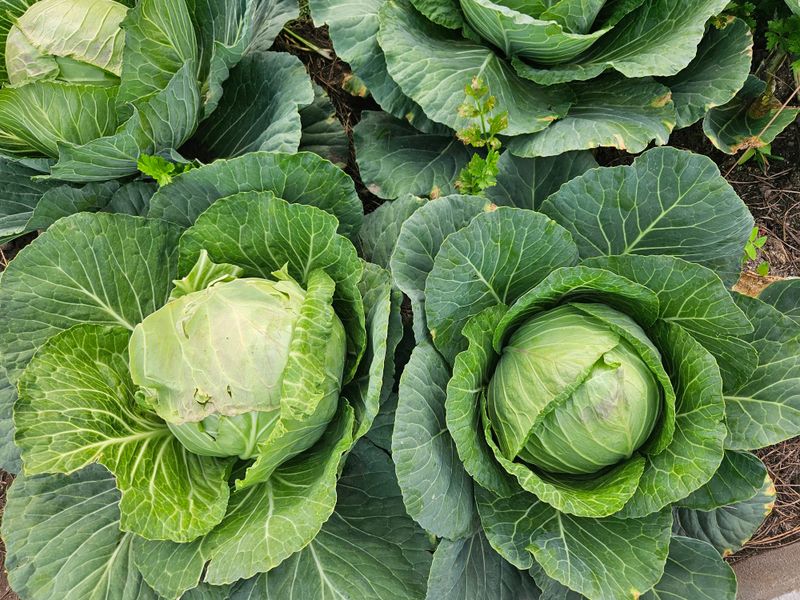
Cabbage is the dependable workhorse of the Wisconsin vegetable garden, quietly building its head while other plants steal the spotlight. When that head feels solid and dense when you squeeze it, harvest time has arrived.
A fully mature cabbage head should feel heavy for its size and resist gentle pressure from your palm. Soft or loose heads need more time, but do not wait for cracks to appear in the outer leaves.
Cracking happens when a mature head gets too much rain after a dry spell, causing rapid internal growth. Harvest cracked cabbages immediately and use them right away, since they will not store well at that point.
Cut the head cleanly at the base with a sharp knife, leaving a short stub of stem in the ground. That stub often sprouts small secondary heads, giving you bonus harvests later in the season.
Green cabbage is incredibly versatile in the kitchen, working in everything from coleslaw to fermented sauerkraut. Fermenting your harvest is a brilliant way to preserve it and boost its probiotic content significantly.
Wisconsin gardeners growing red cabbage should know it holds its color better when cooked with a splash of vinegar. That simple trick keeps your dish vibrant and visually stunning from garden to table.
7. Kale
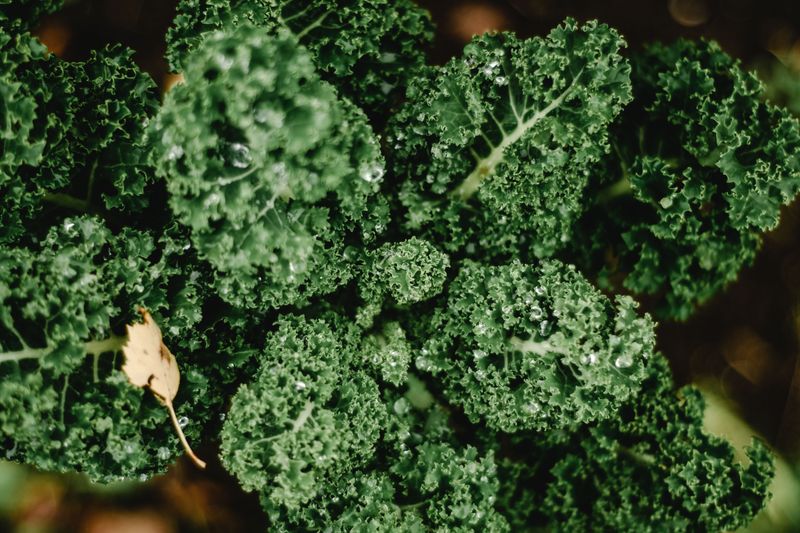
Kale has earned its reputation as one of the toughest and most productive plants in any garden. It keeps producing leaves week after week, asking for almost nothing in return except a good harvest rhythm.
Start picking the lowest, outermost leaves when they reach about eight to ten inches in length. Younger center leaves are sweeter and more tender, so always harvest from the outside in.
Never strip more than one-third of the plant at one time, or you risk stressing it into slow production. A healthy kale plant that is harvested regularly can feed a family for months without replanting.
Lacinato kale, also called dinosaur kale, has a slightly earthier and more complex flavor than curly varieties. It holds up better in soups and stir-fries because the flat leaves do not wilt as quickly under heat.
Massaging raw kale with a little olive oil and lemon juice breaks down its tough cell walls beautifully. That five-minute step transforms it from chewy and bitter into something silky, bright, and genuinely delicious.
Wisconsin kale actually improves after a light frost, which converts some of its starches into natural sugars. Gardeners who leave a few plants in the ground through early fall are rewarded with noticeably sweeter leaves.
8. Swiss Chard
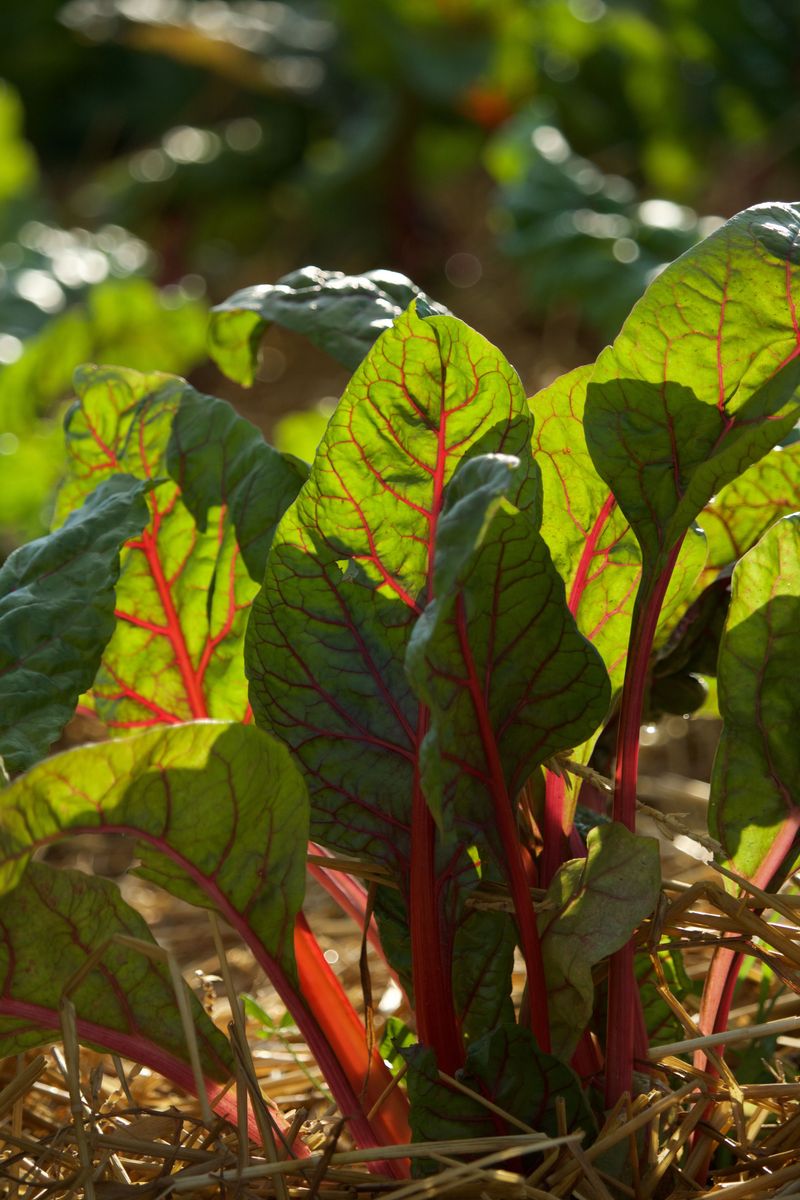
Swiss chard might be the most visually stunning vegetable growing in your garden right now. Those jewel-toned stems in red, orange, yellow, and white look like something out of a painting when the morning light hits them.
Harvest outer leaves when they reach eight to twelve inches long for the best flavor and tenderness. Smaller leaves are milder and sweeter, while larger ones carry a more earthy, mineral-rich taste.
Chard is incredibly forgiving and bounces back quickly after each harvest, making it a reliable summer producer. A single row of plants can supply your kitchen with fresh greens all the way through early fall.
The stems and leaves cook at different rates, so separate them before adding chard to any hot dish. Saute the stems for two to three minutes first, then add the leaves and cook for just one more minute.
Raw chard leaves work wonderfully as a wrap for grain bowls or as a base for chopped salads. Their sturdy texture holds up to heavy toppings without going limp the way softer greens tend to do.
Swiss chard is rich in vitamins K, A, and C, along with powerful antioxidants that support eye health. Eating it fresh from your garden this week means capturing those nutrients at their absolute peak potency.
9. Cauliflower
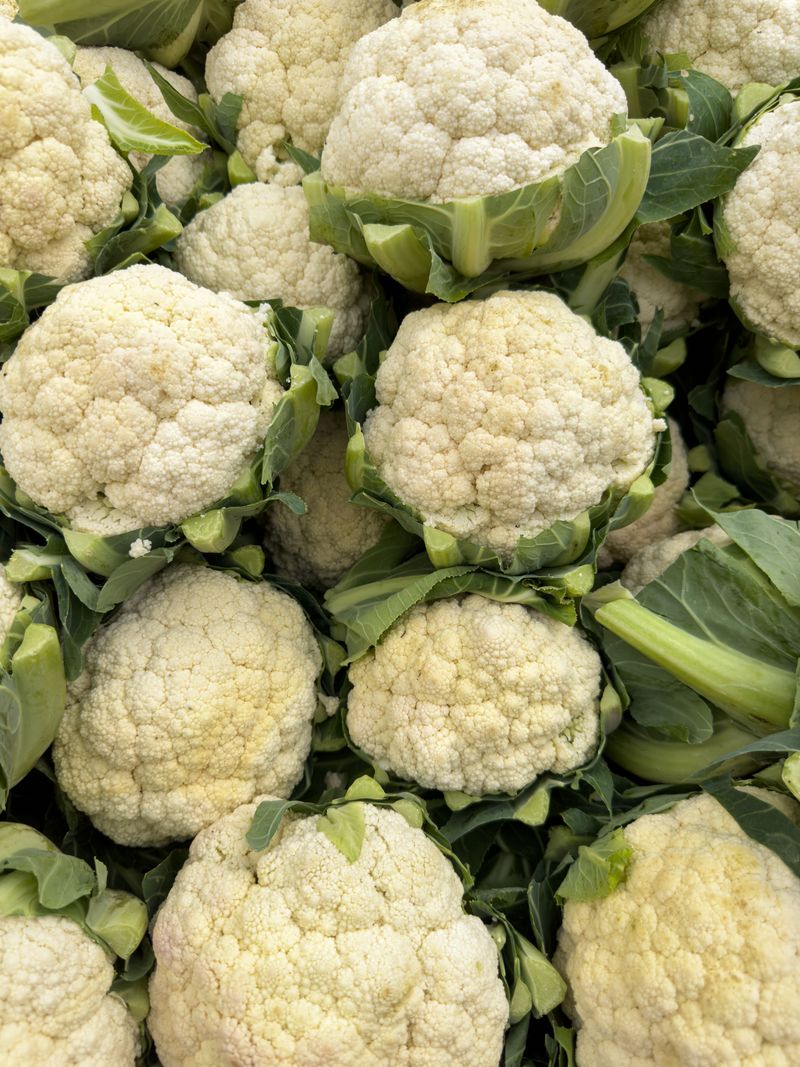
Cauliflower is the most demanding member of the brassica family, requiring just the right conditions and rewarding your patience with a well-formed head. When that white curd reaches six to eight inches across, it is showtime.
Check your cauliflower daily once the head becomes visible, because it develops fast in warm weather. Heads that are left too long turn yellow, develop a grainy texture, and lose their mild, nutty flavor.
Blanching is the secret technique Wisconsin gardeners use to keep cauliflower heads brilliantly white. Fold the large outer leaves over the developing head and secure them loosely to block direct sunlight from reaching the curd.
Cut the entire head with a generous portion of stem and a few protective leaves still attached. Those leaves help regulate moisture during storage and keep the head fresh for up to two weeks in a cool fridge.
Roasting cauliflower at 425 degrees until the edges caramelize is one of the most satisfying things you can do in a kitchen. That golden-brown crust delivers a nutty, slightly sweet flavor that even vegetable skeptics tend to love.
Wisconsin gardeners harvesting vegetables this week should not overlook cauliflower as a freezer-friendly option for winter meals. Blanch florets for three minutes, cool them fast in ice water, and freeze in a single layer for best results.