The Native Pollinator Magnet That Beats Butterfly Bush In North Carolina Yards And Never Reseeds
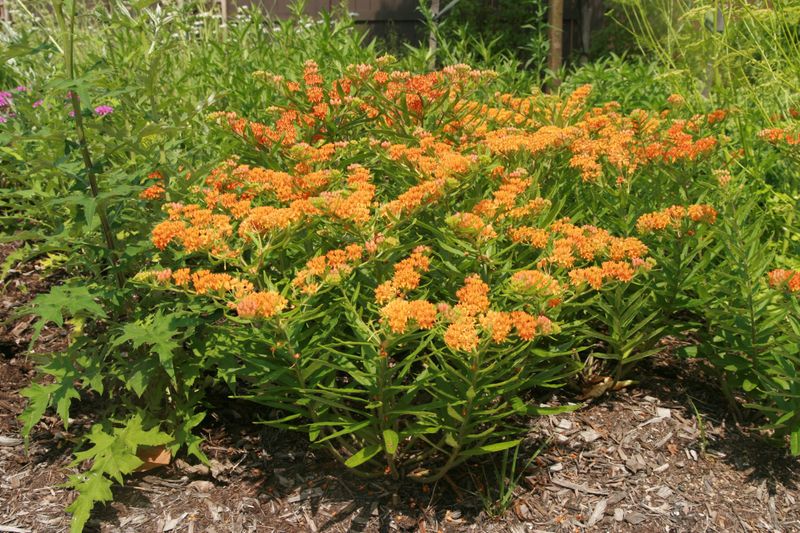
Most North Carolina gardeners plant butterfly bush expecting a yard full of butterflies, and for a few weeks, it delivers. But there is a native plant that does something butterfly bush cannot: it feeds caterpillars too, not just the adults stopping by for a quick drink. Butterfly weed, Asclepias tuberosa, grows throughout the state, thrives in sunny spots with decent drainage, and supports more stages of a butterfly’s life than a nectar-only shrub can. The catch is that it comes with a few honest trade-offs worth knowing before you dig the first hole.
A Native Option That Does More Than Nectar
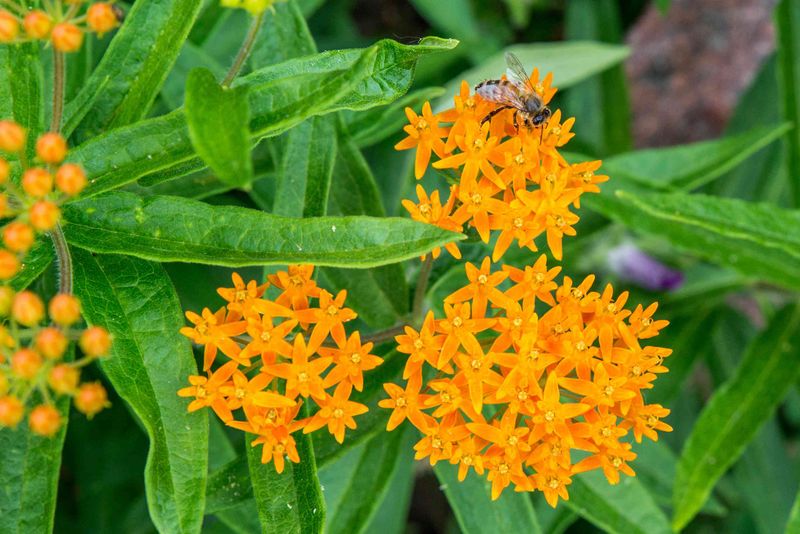
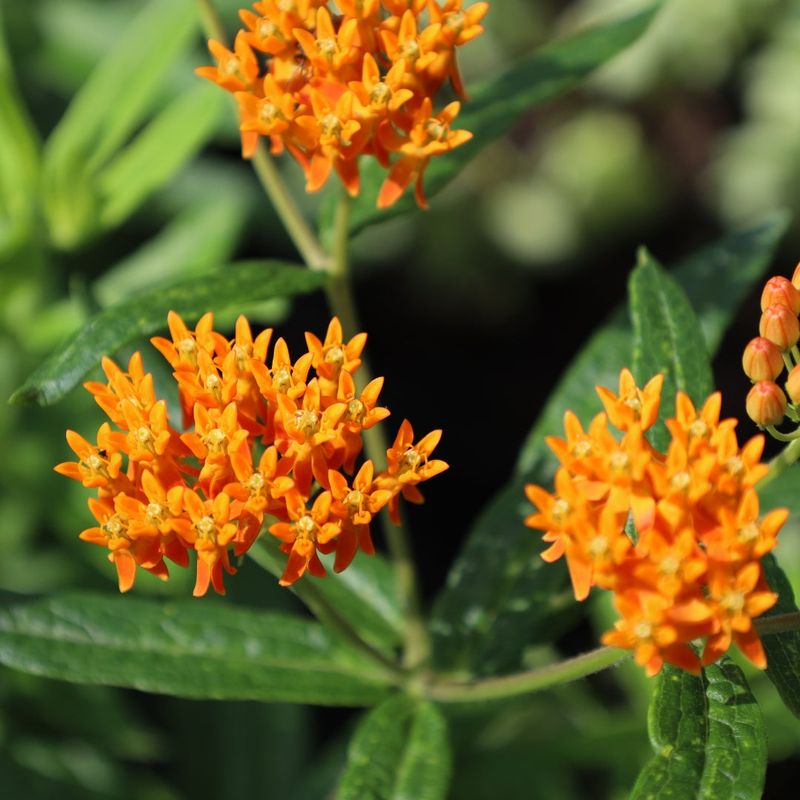
Butterfly weed, Asclepias tuberosa, grows as a native perennial across all of North Carolina, from the Sandhills to the mountains, and most gardeners who have grown it describe the same experience: nothing happens for a long time, and then one summer it absolutely pops. Clusters of bright orange flowers appear from roughly May through August, bees and butterflies pile on, and the plant earns its name in the most literal way possible.
Before going further, the headline on this article deserves a correction. Butterfly weed does not beat butterfly bush in every measure, and it genuinely does not “never reseed.” NC State Extension notes that mature butterfly weed may freely self-seed when its pods are allowed to split open. What the plant actually offers is something more specific and, for the right site, more valuable: it provides nectar for many pollinators and also serves as a larval host for selected butterfly species, which a nectar-only planting cannot do.
The plant generally reaches 1 to 3 feet tall and about 1 to 1.5 feet wide, so it fits comfortably into a mixed border or a dedicated pollinator bed. It is not a shrub, it does not take over a fence line, and it does not demand rich soil or constant water once it is established. For a sunny, well-drained spot in a North Carolina yard, it is a genuinely well-supported native choice, just not a universally superior or perfectly contained one.
Butterfly Bush Still Feeds Adult Butterflies
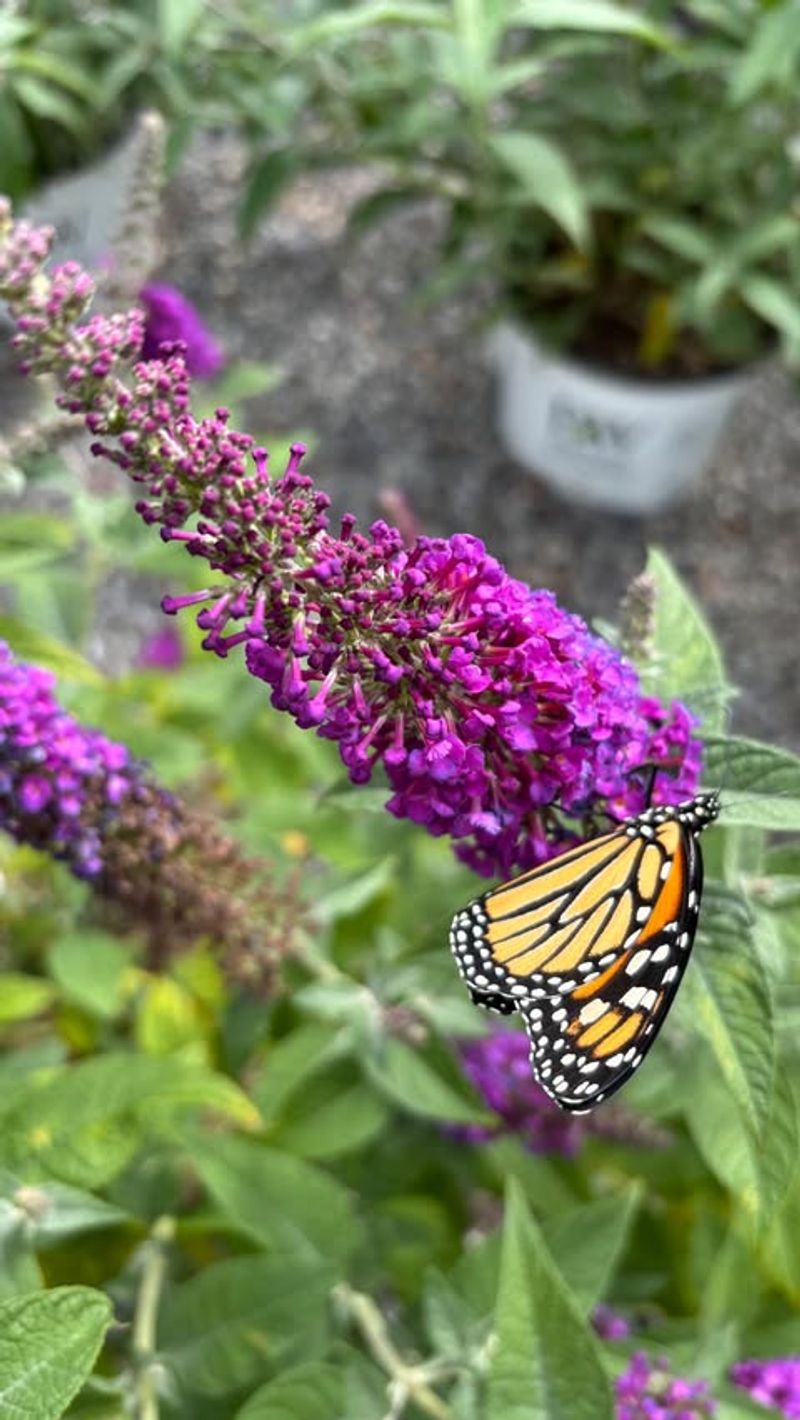
Walk past a butterfly bush on a warm July afternoon in the Piedmont, and you will understand immediately why gardeners love it. The long purple flower spikes are covered with swallowtails, skippers, and bees, and the scene looks like exactly what a pollinator garden is supposed to look like. That nectar value is real, and it would be unfair to pretend otherwise.
The honest ecological problem is narrower than “butterfly bush is useless.” NC State Extension confirms that Buddleja davidii provides nectar for adult butterflies and other insects, but its foliage does not normally serve as a host plant for native North American butterfly caterpillars. A butterfly that nectars on the shrub still has to find a different plant to lay its eggs on. The bush feeds the adult but plays no role in producing the next generation.
The spread question requires a regional answer. NC State lists butterfly bush as invasive in North Carolina’s Mountain and Piedmont regions, where it can self-seed and naturalize along roadsides and disturbed areas. That concern is real in those regions and worth taking seriously. It does not automatically apply to every managed garden on the Coastal Plain, but the risk is real enough that NC State Extension has described butterfly bush as “junk food” for pollinators, meaning it draws visitors without contributing to their full life cycle.
Your North Carolina Garden Changes Every Week. Your Plan Should Too.
Gardening in North Carolina changes quickly throughout the season. Every Friday you’ll receive a simple weekly plan showing exactly what to plant, prune, fertilize, harvest, and protect so you never miss the right timing.
Some cultivars are marketed as sterile or low-seed, but the North Carolina Native Plant Society cautions that certain cultivars marketed as sterile can still produce fertile seeds. Removing spent flower heads is the safer habit, and treating “sterile” as an absolute ecological guarantee is not warranted.
Butterfly Weed Also Hosts Selected Caterpillars
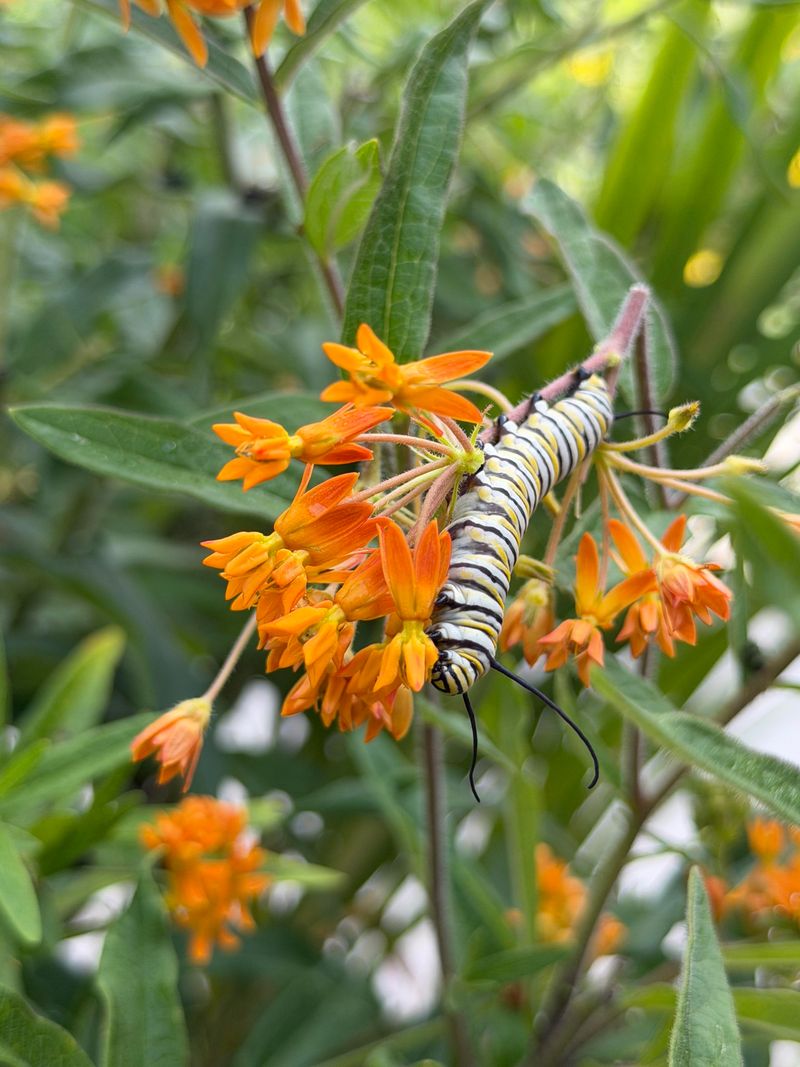
Here is where the comparison actually gets interesting. Butterfly weed does not just offer a quick nectar stop. Its foliage serves as a documented larval host for monarch butterflies, queen butterflies, gray hairstreaks, and milkweed tussock moths. That means females of those species will lay eggs on the plant, and the resulting caterpillars will feed on the leaves as they grow.
That is a fundamentally different kind of habitat value than nectar alone. NC State Extension identifies butterfly weed as a larval host for those specific species, which is meaningful for anyone trying to support monarch populations moving through North Carolina each fall. But the claim should stay specific. Butterfly weed supports more stages of some butterflies, not every life stage of every pollinator in your yard.
A complete habitat still requires more than one plant.
When caterpillars do show up and start eating the leaves, that is the planting working as intended. NC State Extension advises against routine insecticide use in a butterfly garden because those products can harm the very caterpillars and adult insects the garden is meant to support. Some chewed leaves are a sign of success, not a problem to fix. The plant can handle the feeding pressure, and the caterpillars that survive it are the butterflies you will be watching next season.
Remove Pods If You Want A Tighter Clump
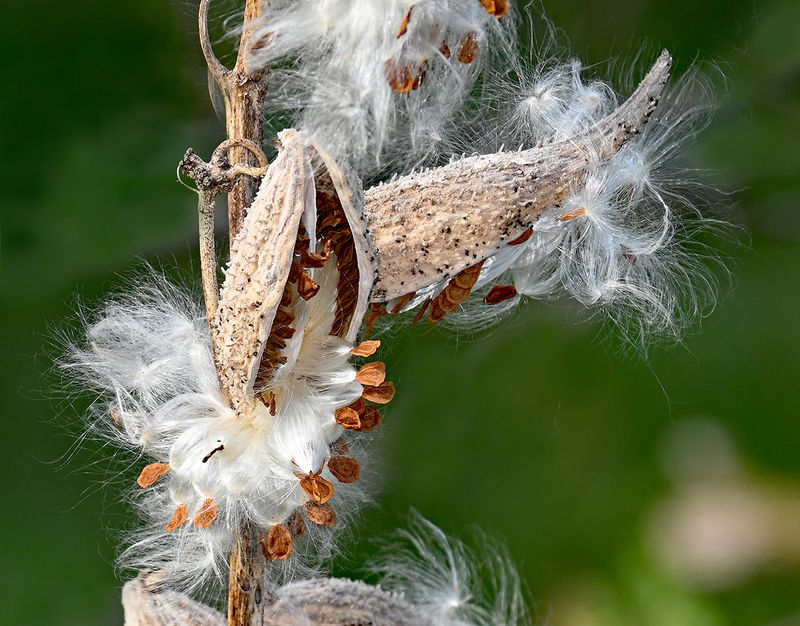
Butterfly weed does reseed. That needs to be said plainly, because the idea that it never spreads is one of the most repeated claims about this plant, and it is not accurate. NC State Extension states that mature butterfly weed may freely self-seed when its pods are allowed to split open. The pods, which are 4 to 5 inches long and called follicles, develop from August into September and release silky, wind-dispersed seeds when they crack apart.
The good news is that you have a clear management window. If you remove the pods before they split, you substantially reduce the number of volunteer seedlings that appear nearby the following spring. That is a real and practical option, and it keeps the planting tidier without much extra effort. The key is timing, catching pods while they are still closed, which usually means checking them in late August and through September.
Pod removal and deadheading are two different jobs. Deadheading spent flowers earlier in the season can encourage the plant to produce additional blooms. Removing seed pods is a separate step that happens later, once the pods have formed but before they open. If you want both more flowers and a contained clump, you do both, in sequence, at different times.
Calling butterfly weed a plant that stays put is most accurate when you stay on top of the pods. Left alone, it can send seedlings into neighboring beds. That is manageable, not a disaster, but readers who want a tidy border deserve to know it before they plant.
Choose Drainage Before You Amend The Soil
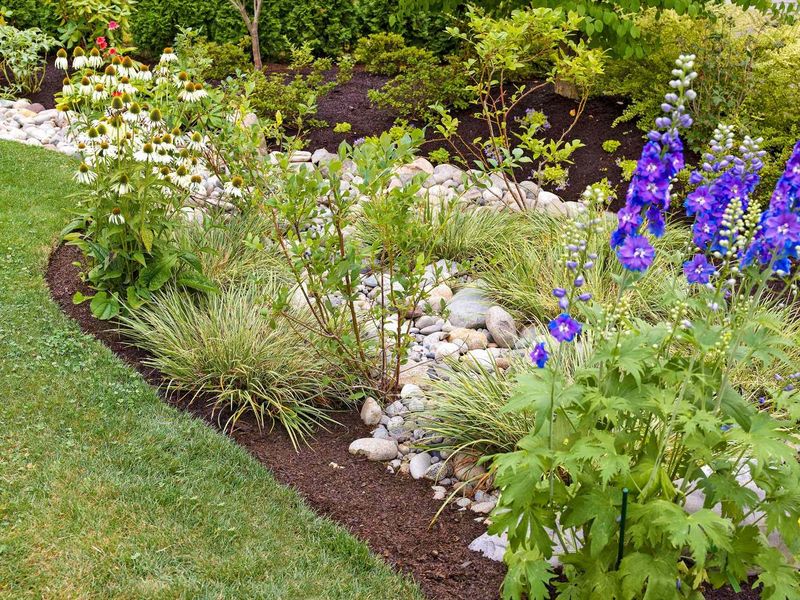
Many Piedmont gardeners have lost a butterfly weed not because they chose the wrong plant, but because they chose the wrong spot. The plant is genuinely tolerant of clay, loam, sand, shallow rocky soil, and even moderate drought once it is established. What it cannot handle is sitting in water. NC State Extension recommends full sun and good drainage as the two non-negotiable site requirements for butterfly weed.
Full sun means at least 6 hours of direct light per day, not filtered shade from a nearby tree that fills in by June.
In Piedmont red clay, the drainage question matters most after a heavy summer storm. Watch the spot you are considering for 24 to 48 hours after a good rain. If water pools or the soil stays muddy, that location is not the right one for butterfly weed, regardless of how much you amend it. A raised or slightly elevated planting position can help where water stands temporarily, but raising the bed does not solve deep compaction or a high water table underneath.
NC State Extension advises testing soil before planting and correcting compaction, pH, or nutrient problems based on the test results rather than guessing at amendments. Butterfly weed does not need rich soil, so fertilizing is rarely the right move. Getting the drainage right matters far more than getting the chemistry perfect.
For spots that stay consistently moist, butterfly weed is the wrong choice. Swamp milkweed, Asclepias incarnata, is a better-suited native option for pond margins, rain gardens, or any low spot that holds water through the summer. Matching the plant to the actual site conditions is always more reliable than trying to change the site to suit the plant.
Plant The Taproot In Its Permanent Home
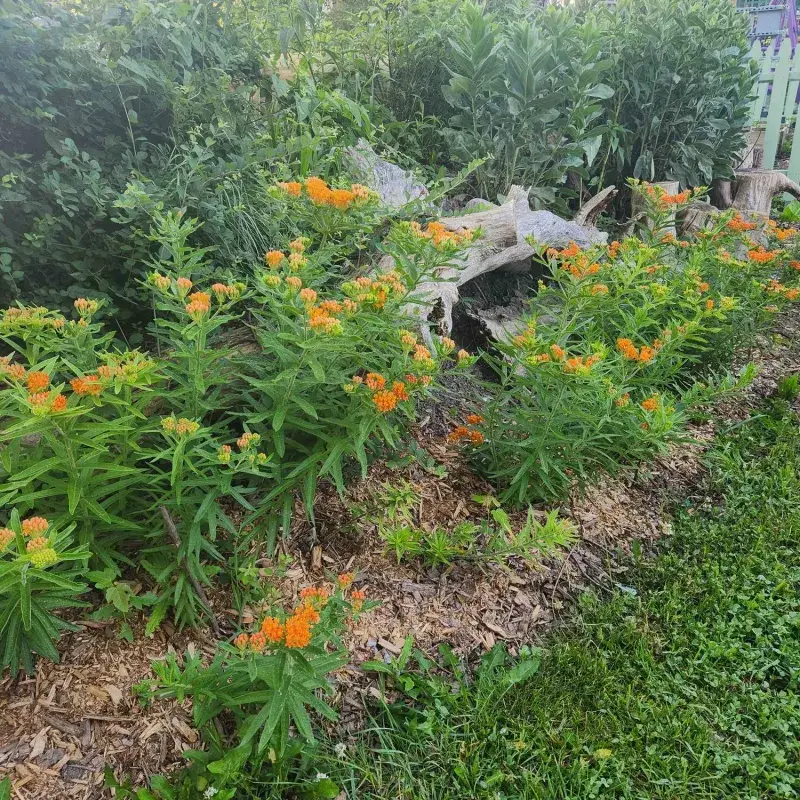
Butterfly weed develops a deep taproot, and that taproot is both its superpower and its one big demand. Once established, it anchors the plant through summer drought and helps it come back reliably each spring. But it also means the plant transplants poorly. Move it after it has settled in, and you risk losing it entirely.
NC State Extension recommends choosing the final location carefully before planting, because the plant will not forgive being relocated once the taproot takes hold. Decide where you want it before you buy it, not after. Give each plant roughly 12 inches to 3 feet of space depending on the cultivar and how much visual gap you want between plants. That range is a flexible guideline, not a rigid rule.
Set realistic expectations for the first couple of seasons. Plants grown from seed may take 2 to 3 years to establish and flower. Nursery-grown transplants may bloom sooner, sometimes in the first season, but they still need consistent watering during hot, dry stretches while the taproot is getting established. A plant that looks stalled in year one is often quietly building the root system it will rely on for the next decade.
Spring is when butterfly weed tends to emerge later than surrounding plants, so do not pull it assuming it has died over winter. Mark the spot in fall so you remember where it is. Once it comes up and starts growing, it tends to be reliable, low-fuss, and genuinely worth the patience it asked for at the beginning.
Protect The Habitat And Handle The Plant Carefully
Two mistakes can quietly undo a pollinator planting, and both are easy to avoid once you know about them. The first is reaching for an insecticide when caterpillars appear on the leaves. NC State Extension is direct about this: routine or broad-spectrum insecticide use in a butterfly garden can harm adult butterflies, caterpillars, bees, and other beneficial insects. The goal of the planting is to support those creatures, so spraying them defeats the purpose.
A few chewed leaves are part of the deal, not a sign that something has gone wrong.
The second mistake is handling butterfly weed without thinking about what it actually is. NC State Extension’s butterfly habitat guidance pairs well here with the plant’s own safety profile. NC State labels butterfly weed as low-severity poisonous if eaten and warns that its sap can cause contact dermatitis and eye irritation. The sap is present in the stems, leaves, roots, and pods.
Wear gloves when you are cutting stems, removing pods, or dividing plants. Avoid touching your eyes or mouth after handling any part of the plant, and wash your hands before doing so. Do not plant butterfly weed in an edible garden bed or in an area where young children play unsupervised without understanding what it is. None of this makes butterfly weed a dangerous plant.
It is a native perennial that has grown across North Carolina for thousands of years. But treating it with the same basic care you would give any garden plant with a sap keeps the experience pleasant for the gardener, not just the butterflies.
Build A Habitat Around More Than One Plant
Butterfly weed is a strong piece of a pollinator habitat, but it is genuinely not the whole thing. Butterflies need nectar sources across different bloom periods, larval host plants for their caterpillars, shelter from wind and predators, standing vegetation where pupae can attach, and places to overwinter. No single plant provides all of that, and a yard planted with only one species, even a good native one, will support fewer species than a yard that layers multiple plants by site and season.
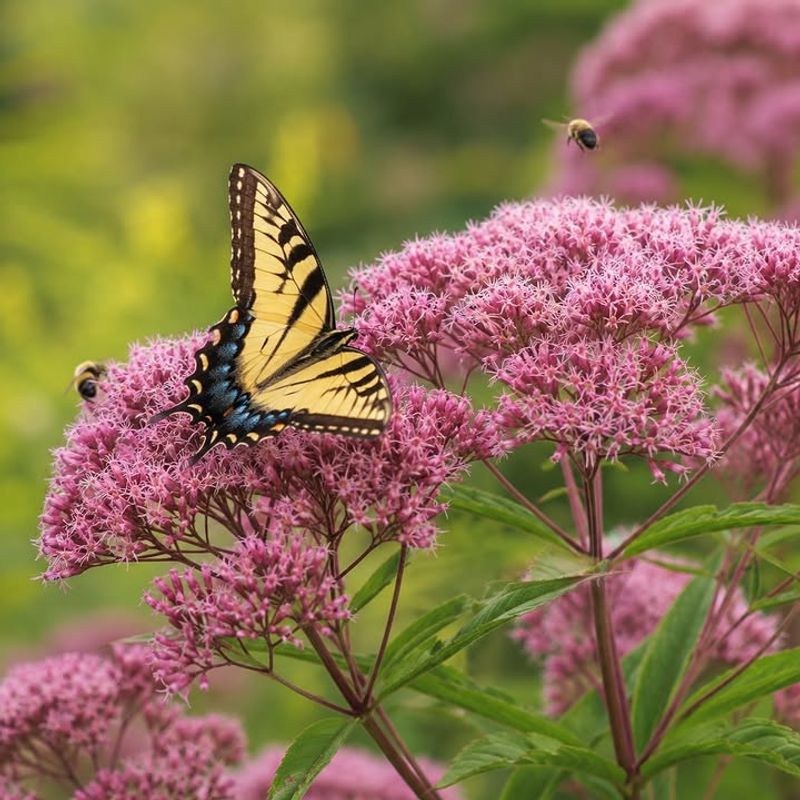
NC State Extension recommends combining nectar plants, larval host plants, and structural features to build a functioning butterfly habitat. The specific mix depends on your site conditions more than on any universal recipe. For a sunny, dry spot in the Sandhills or Piedmont, butterfly weed pairs well with native asters and goldenrod for fall forage, and with Joe-Pye weed for late-summer nectar. Hollow-stemmed Joe-Pye weed, Eutrochium fistulosum, blooms in August and September and draws large numbers of adult butterflies right when the monarchs are moving through on their fall migration.
For spots with consistent moisture, swap butterfly weed for swamp milkweed and consider adding buttonbush for wet-edge nectar value. NC State Extension’s native plants guidance also points to pawpaw, spicebush, and passionflower as larval hosts that round out a habitat planting with structural variety.
NC State Extension’s landscaping for wildlife guidance frames the whole approach well: choose plants that match your actual light and moisture conditions, layer bloom times so something is always available, and leave some standing vegetation through winter for overwintering insects. A yard built that way does not need to be perfect. It just needs to be alive in more ways than one.