Earwigs Are Shredding Ohio Flower Petals At Night (Here’s How To Catch Them In The Act)
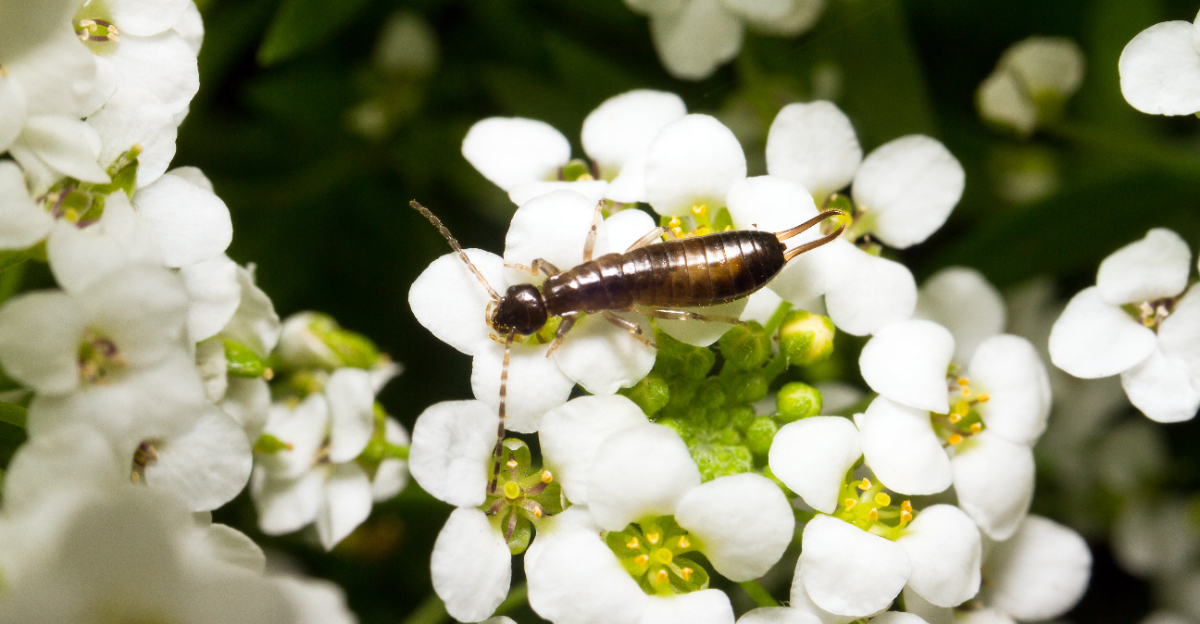
Something is shredding Ohio flower petals overnight and leaving no obvious trace by morning. Ragged edges, missing sections, blooms that looked perfect at dusk and look like something worked through them by dawn.
Most gardeners blame slugs, assume it is disease, or just accept the damage without ever identifying what caused it. Earwigs are the culprit more often than most people realize.
They work at night, they hide effectively during the day, and the damage they leave behind is easy to misread.
By the time someone suspects them, the population doing the damage has been operating undisturbed for long enough to work through a significant portion of the garden.
Catching them in the act changes everything. Not because it is satisfying, though it is, but because confirming the source makes the response targeted instead of general.
Earwigs in an Ohio flower garden are a solvable problem. Finding them first is where that solution starts.
1. Check Shredded Petals After Dark With A Flashlight
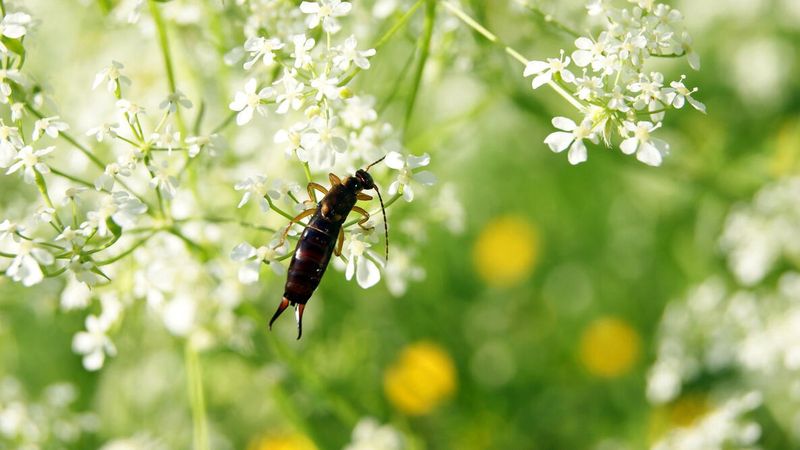
A ragged petal at sunrise is one of the most puzzling things an Ohio home gardener can find. The damage looks fresh, but nothing is visible during the day.
That is because earwigs are largely nocturnal, feeding after dark and retreating to damp, dark hiding spots before morning light arrives.
The main method here is straightforward. Head outside with a reliable flashlight about one to two hours after sunset.
Walk slowly to the flowers that showed damage that morning. Shine your light under petals, inside open blooms, and along the base of each stem.
Move gently so you do not startle insects away before getting a good look.
If you spot any insects, take a clear photo with your phone before they move. OSU Extension and university pest resources offer comparison images that can help you match what you found to a known pest.
A single earwig sighting does not confirm the whole problem, but it is a strong starting point.
Keep in mind that one nighttime check may not catch every culprit. Earwig activity can vary based on moisture levels, nearby shelter, and temperature.
Checking two or three nights in a row gives a clearer picture of what is actually feeding on your flowers after dark.
2. Look Inside Blooms Before Blaming Earwigs
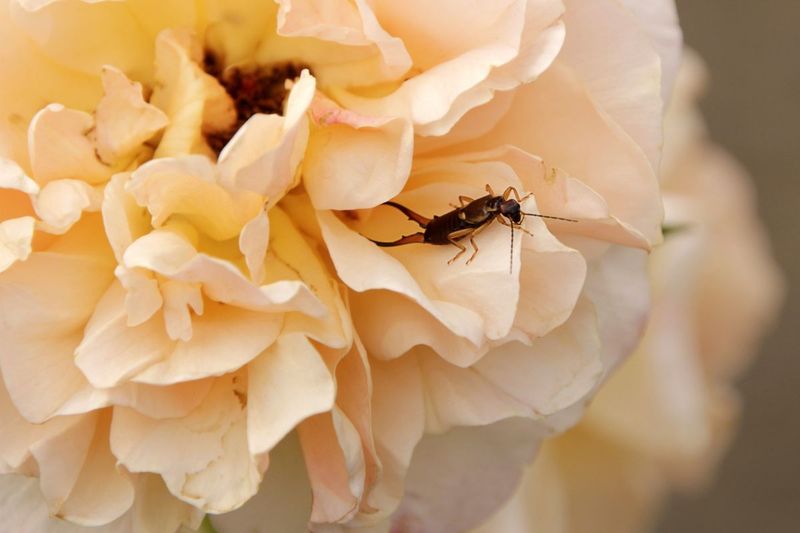
Peeling back a damaged petal and finding nothing inside is a common experience, and it usually means the pest has already moved on. Before pointing fingers at earwigs, take a few minutes to study the damage pattern carefully.
The shape and style of the chewing can offer real clues about which pest is responsible.
Earwig feeding tends to leave irregular, jagged edges along petal margins. Slug damage often comes with a faint slime trail nearby.
Caterpillars may leave larger, smoother bite marks and small droppings on nearby leaves. Beetle feeding can create holes that look punched out rather than torn.
Grasshopper damage tends to be more aggressive and widespread across multiple plants at once.
Gently open damaged blooms and check the folds inside. Look under nearby leaves and along stems close to the soil.
Your Ohio Garden Changes Every Week. Your Plan Should Too.
Gardening in Ohio changes quickly throughout the season. Every Friday you’ll receive a simple weekly plan showing exactly what to plant, prune, fertilize, harvest, and protect so you never miss the right timing.
Note whether you see any frass, slime, webbing, or cast skins that could point to a specific pest. Extension pest identification guides recommend comparing your observations to known damage photos before making any treatment decision.
Treating the garden based only on ragged petals risks harming beneficial insects while leaving the real pest untouched. Patient observation is the foundation of good integrated pest management, and it costs nothing but a few careful minutes in the garden.
3. Set Damp Newspaper Traps Near Damaged Flowers
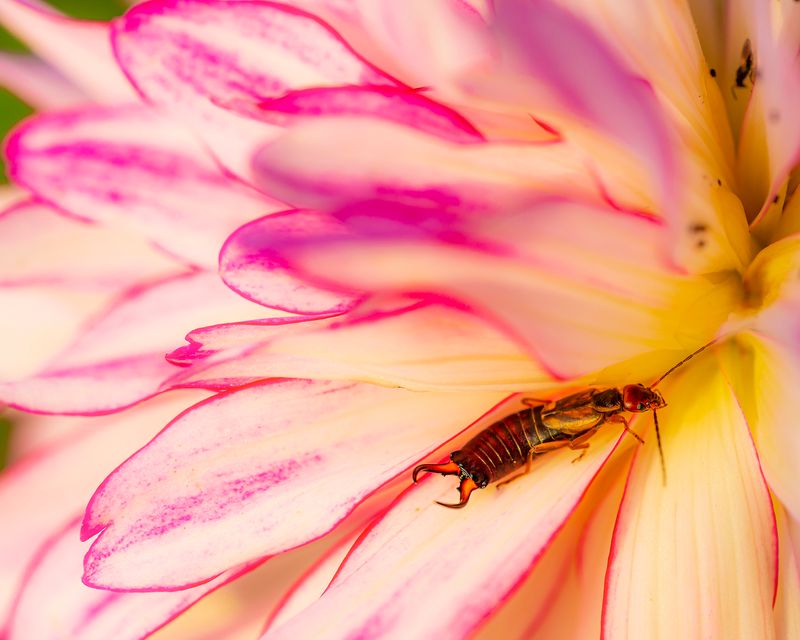
Rolled up and slightly damp, a piece of newspaper might be the simplest earwig trap an Ohio gardener can make. Earwigs spend their days in tight, dark, moist spaces, which makes a damp newspaper roll an almost perfect hiding spot for them.
Integrated pest management guidance from university extension sources describes this method as a practical way to confirm earwig presence near damaged plants.
Set the trap in the evening by rolling a few sheets of newspaper loosely and dampening them lightly with water. Place the roll near the base of flowers that showed chewing damage.
Lay it flat on the soil or tuck it under a plant edge where moisture tends to collect. Check the trap early the next morning before the sun warms the area and insects begin to scatter.
If earwigs are present, you will likely find several tucked inside the roll. At that point, you can drop the roll into a bucket of soapy water or relocate the insects far from your garden, depending on your preference and local guidance.
Do not leave soggy newspaper rolls in the garden for more than a day or two, as wet paper can encourage mold and create hiding spots for other unwanted pests.
Replace traps every couple of days for the most useful results. Fresh, lightly damp rolls tend to attract more insects than old, dried-out ones.
4. Use Cardboard Rolls Where Earwigs Hide By Day
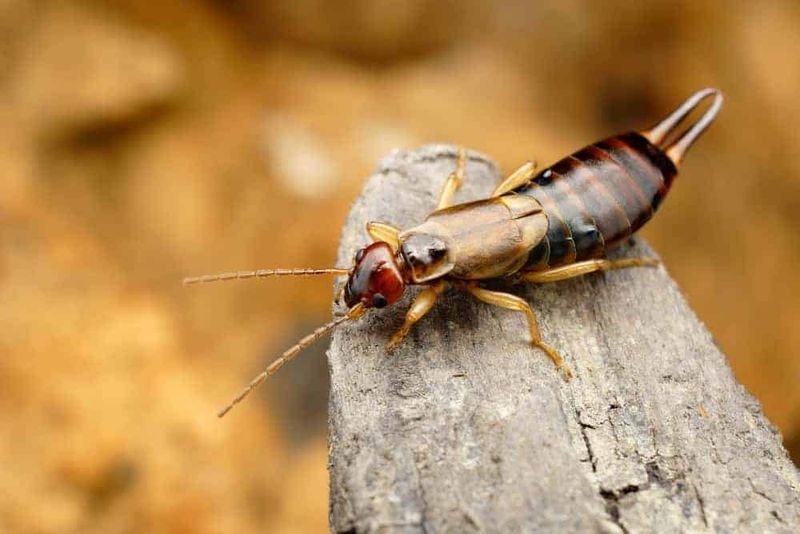
A cardboard tube from a paper towel roll sitting beside your flower bed might look like yard clutter, but it can be a surprisingly effective monitoring tool. Earwigs are drawn to snug, dark spaces during daylight hours.
Corrugated cardboard or short hollow tubes mimic the kind of shelter they naturally seek under bark, stones, and dense debris.
Place a few short cardboard rolls near the edges of damaged flower beds, beside mulch lines, or under plant foliage where earwigs may travel at night. Position them horizontally so they stay open at both ends.
Check them each morning, ideally before the temperature rises and insects begin moving away from their daytime shelters.
When you find earwigs inside, drop the whole tube into soapy water or shake the insects into a container for disposal. Replace the roll with a fresh one and repeat the process over several days.
Extension resources note that monitoring traps like these are most useful for tracking pest activity levels rather than eliminating an entire population.
Avoid leaving large piles of cardboard near the garden, as stacked material can attract other pests and create moisture problems in the soil. Keep the setup tidy, use only a few rolls at a time, and replace them when they become too wet or fall apart.
Cardboard rolls work best as a confirmation tool alongside your nighttime flashlight checks.
5. Try Oil Traps Only Where Pets Cannot Reach
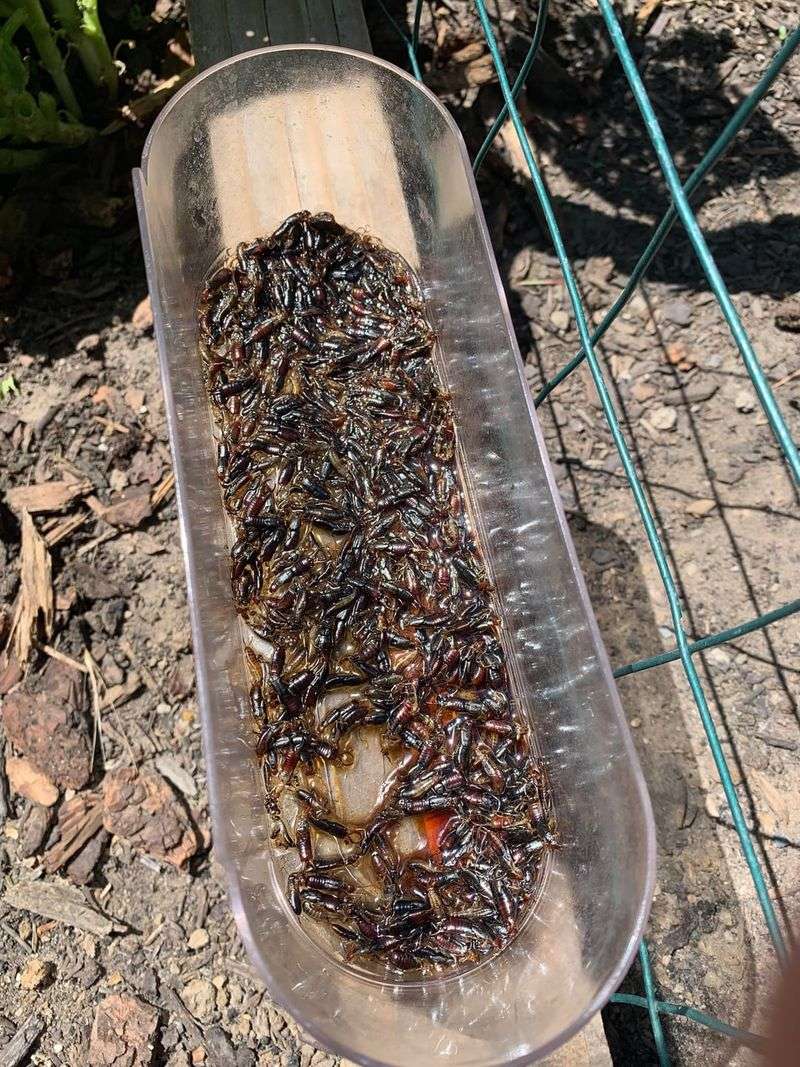
Some university extension and integrated pest management sources mention shallow oil traps as an optional tool for monitoring or reducing earwig numbers near flower beds. The idea is simple enough.
A small, shallow container partly filled with a light vegetable oil can attract and trap earwigs that wander near it at night. A few drops of soy sauce or fish oil mixed in may increase the draw for some insects.
Before setting any oil trap, think carefully about placement. These containers must stay completely out of reach of pets, children, ground-feeding birds, and beneficial wildlife such as toads and ground beetles.
Tipping or spilling an oil container near plant roots or into garden soil can cause problems for the surrounding area, so choose a stable spot with level ground.
Check oil traps every morning and replace the contents every couple of days to keep them effective. Do not place them near vegetable harvest areas or close to water features where overflow could reach a waterway.
Shallow containers that are no deeper than an inch tend to work better than deep ones, as the goal is trapping, not drowning other wildlife accidentally.
Oil traps are best treated as a secondary option, not the main strategy. Flashlight checks and damp newspaper or cardboard traps are safer starting points for most Ohio home gardeners dealing with suspected earwig activity.
6. Clear Damp Mulch And Debris Around Flower Beds
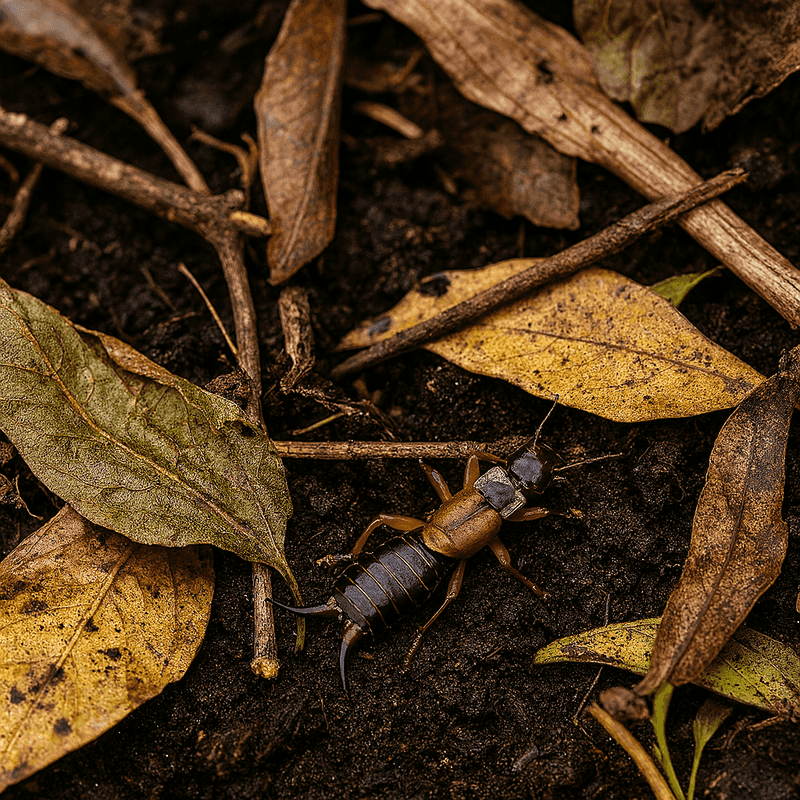
Thick mulch pressed right up against flower stems is basically a welcome mat for earwigs. These insects thrive in damp, dark, sheltered spots, and a heavy layer of wet mulch near your blooms offers exactly that.
OSU Extension horticulture guidance notes that managing moisture and shelter near plants is a key part of reducing pest pressure without reaching for chemical controls.
Start by pulling heavy mulch back a few inches from plant stems and the base of flower beds. You do not need to remove all of it.
Mulch has real benefits for soil moisture, temperature regulation, and weed suppression when it is managed at a reasonable depth. The goal is to reduce the damp, compressed hiding zones right next to your most vulnerable plants.
Lift any loose boards, flat stones, or overturned pots sitting near damaged flowers. Check underneath for earwig clusters and remove them.
Clear away dense plant litter, fallen leaves, and old clippings that have piled up along bed edges, since these create the same kind of shelter as heavy mulch.
Watering at the base of plants rather than overhead can also help reduce surface moisture that earwigs find attractive. Improving airflow around crowded flower beds and spacing plants appropriately makes the environment a little less hospitable.
That matters for pests that depend on dark, wet hiding places to survive the daylight hours.
7. Protect Seedlings While Night Feeding Is Heavy
A seedling chewed overnight can feel like a real setback, especially when you have been nurturing those tiny plants for weeks.
Young transplants and tender annuals are particularly vulnerable during periods of heavy night feeding because their stems and leaves are soft and easy to damage.
Even partial chewing on a seedling can set it back significantly or destroy it before it gets established.
Small physical barriers can make a meaningful difference. Cardboard or plastic collars placed around individual seedling stems can block crawling insects from reaching the most vulnerable part of the plant.
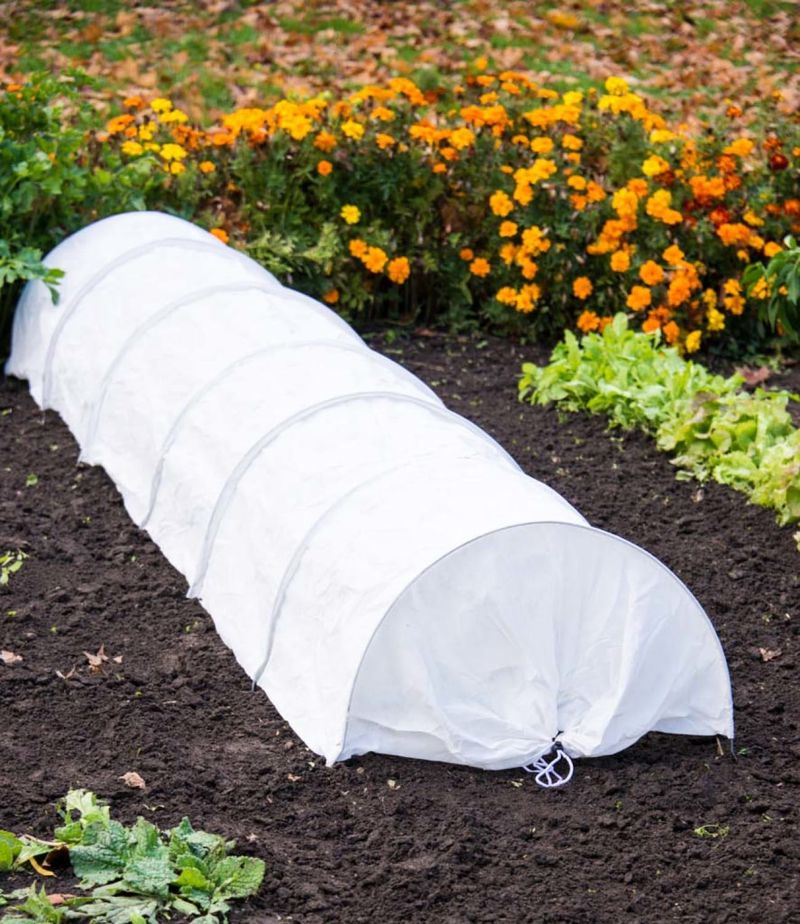
Lightweight row covers or fabric cloches placed over young plants at dusk and removed during the day can reduce nighttime feeding. They still allow airflow and light during growing hours.
Moving container seedlings to a raised surface, a porch, or a sheltered spot away from damp mulch and debris at night is another option. It is worth trying when feeding pressure seems high.
Raised pots are harder for ground-level pests to reach and tend to dry out faster, which makes them less attractive as a stopping point.
Any covers used at night should be removed or opened during the day when pollinators are active and temperatures can build up under fabric. Trapping heat around young plants can cause wilting or stress that is just as damaging as the pest you are trying to stop.
Balance protection with the plant’s basic needs.
8. Catch The Culprit Before You Treat The Garden
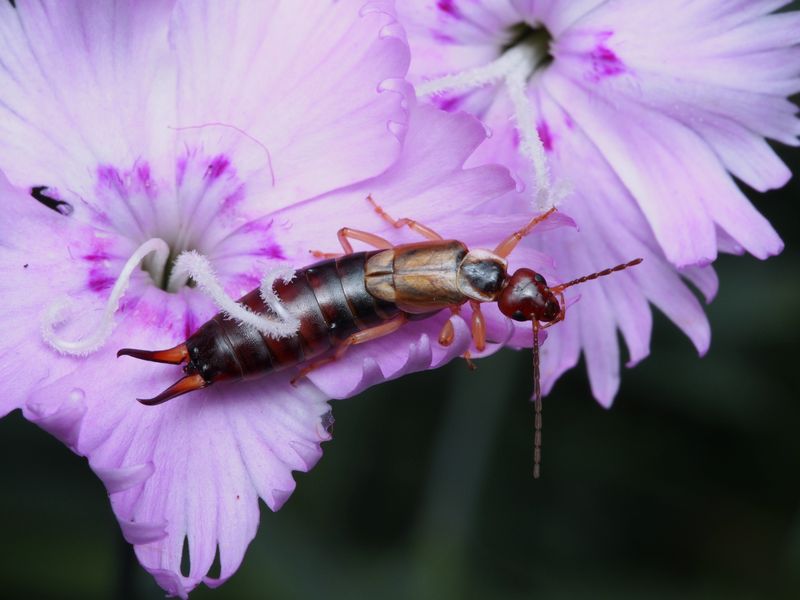
Mystery petal damage has a way of making gardeners want to act fast, but the most effective response is almost always the most patient one.
Reaching for a broad treatment before identifying the pest can harm beneficial insects and disrupt the garden’s natural balance.
It can also leave the actual culprit still feeding every night. Identification always comes first.
Combining nighttime flashlight inspections with damp newspaper traps, cardboard rolls, and careful bloom checks gives you a much clearer picture. It shows what is actually happening after dark.
Each tool works best alongside the others rather than on its own. A few nights of observation can reveal whether earwigs, slugs, caterpillars, or another pest entirely is responsible for the damage.
Worth remembering is that earwigs are not purely destructive. They feed on decaying organic matter and can prey on smaller soft-bodied insects, which means they play a mixed role in garden ecosystems.
High populations near tender flowers and seedlings can become a real problem, but scattered earwig activity does not always require intervention.
Habitat cleanup, physical barriers, and monitoring traps handle most low-to-moderate earwig pressure without any chemical treatment at all.
If pest numbers remain high despite those efforts, extension pest management resources recommend consulting your local OSU Extension office.
They can offer guidance specific to your region and plant type. The best outcome starts with catching the right culprit first.