7 North Carolina Plants To Cut Back Hard Before Fall (And 2 You Should Never Touch)

You step onto the back porch on a sticky August evening in North Carolina, sweet tea sweating in your hand, and you notice your yard looks tired. Some plants are flopping over, some are done blooming, and part of you wants to grab the shears and go to town before fall. Cutting back at the right time can mean healthier plants, fewer pests, and a spring show that stops the neighbors mid-walk. But a couple of plants will punish you for touching them now, so let’s sort the ones you can whack hard from the two you should leave completely alone.
1. Butterfly Bush Wants A Ruthless Cutback
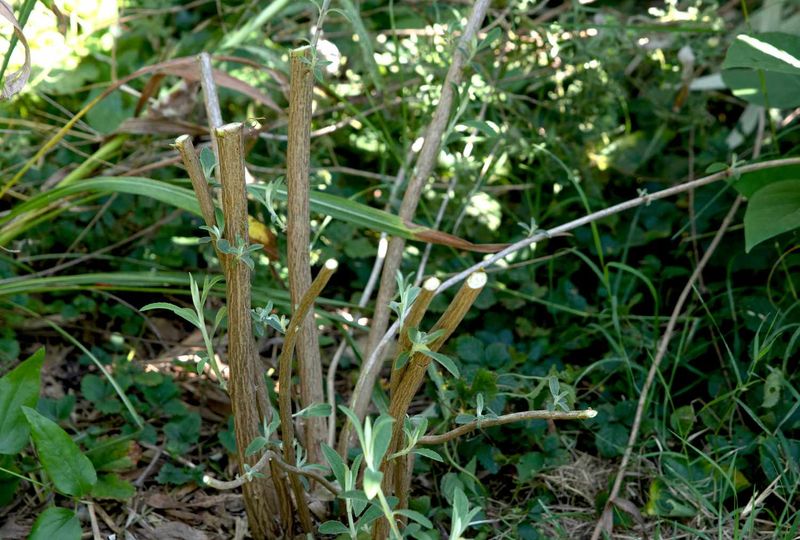
By late summer, your butterfly bush (Buddleja davidii) looks like it has been through a windstorm. Long woody stems flop over the walkway, and the flower spikes have faded to brown. It feels wrong to cut something that fed the swallowtails all July.
Here is the plain-language why. Butterfly bush blooms on new growth, what gardeners call new wood, so cutting it hard does not cost you next year’s flowers. In our warm Piedmont winters, it can also grow into a leggy, overgrown mess if you leave it alone.
Wait until the plant slows down in fall, then take it down to about 12 to 18 inches from the ground. Do not be shy. You are removing most of the plant, and it will come roaring back come spring in USDA zones 7b through 8a.
One honest note from NC State Extension. Butterfly bush can spread and seed itself into wild areas, so cutting off spent flower spikes actually helps keep it in check. A hard cutback is one layer of keeping it tidy, not a magic fix.
Come April, you will have a fresh, tight shrub instead of a woody tangle, and the monarchs passing through will thank you for it.
2. Russian Sage Falls Apart Without A Chop
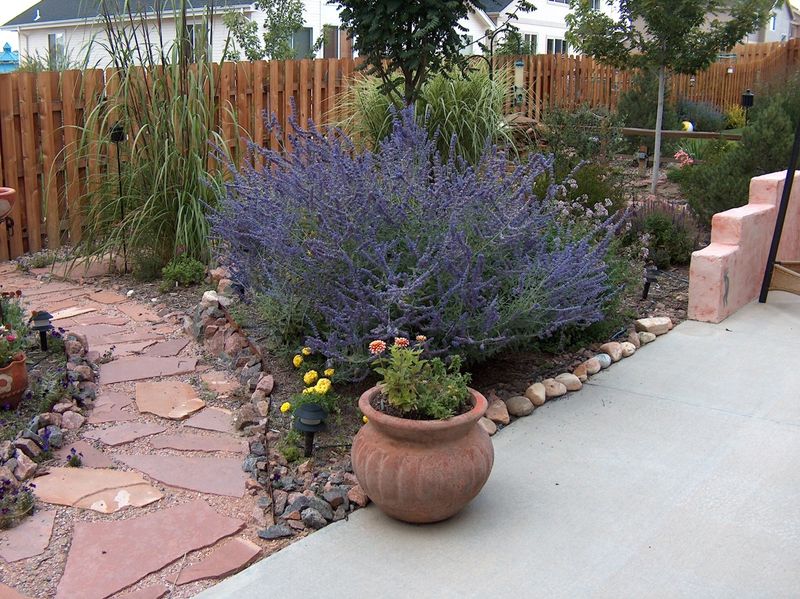
Russian sage (Salvia yangii) has a trick. It looks airy and elegant in June, then by August it splits open in the middle like a book left in the rain, with bare woody centers and stems sprawling every direction.
The reason is simple. All that silvery growth gets top-heavy, and our afternoon thunderstorms in the Piedmont knock it flat. The woody base does not push new leaves reliably, so the plant needs a reset.
You can cut spent flower stems back by about a third in late summer to tidy the sprawl, but save the real cutback for late winter. When you do the big chop, take it down to roughly 6 to 8 inches above the soil. That forces strong, upright new growth from the base.
Genuinely, this plant does better with tough love than with a gentle hand. Leave the skeleton standing through fall and it gives you a little winter structure and a landing spot for small birds.
The payoff is a fuller, more upright cloud of purple-blue next summer, one that does not collapse across your gravel path the first time it rains.
Your North Carolina Garden Changes Every Week. Your Plan Should Too.
Gardening in North Carolina changes quickly throughout the season. Every Friday you’ll receive a simple weekly plan showing exactly what to plant, prune, fertilize, harvest, and protect so you never miss the right timing.
3. Bearded Iris Foliage Hides A Rot Problem
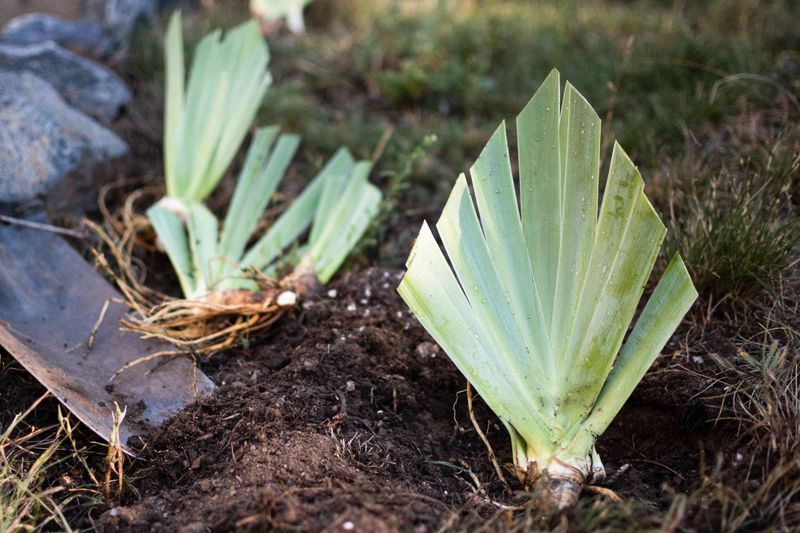
Bend down and sniff your bearded iris (Iris germanica) in August and you might catch something sour. Those tall fans of leaves that looked so crisp in May now lean over, browning at the tips, sometimes mushy at the base.
Muggy North Carolina summers are the villain here. Humidity and warm nights invite fungal leaf spot and soft rot, and the old foliage traps moisture right against the rhizome, the fat root that sits at the soil line.
Trim the leaves down into a tidy fan about 4 to 6 inches tall in late summer. Cut on an angle so water sheds off, and rake away every scrap of trimmed leaf, because diseased debris left on the ground just reinfects the plant next season.
This is also the perfect window to dig and divide crowded clumps, roughly every 3 to 4 years. Space the replanted rhizomes about 12 to 18 inches apart with the tops barely showing.
Do that, and you trade a soggy, spotted mess for clean green fans and a much stronger bloom next spring.
4. Daylilies Look Better After A Buzz Cut
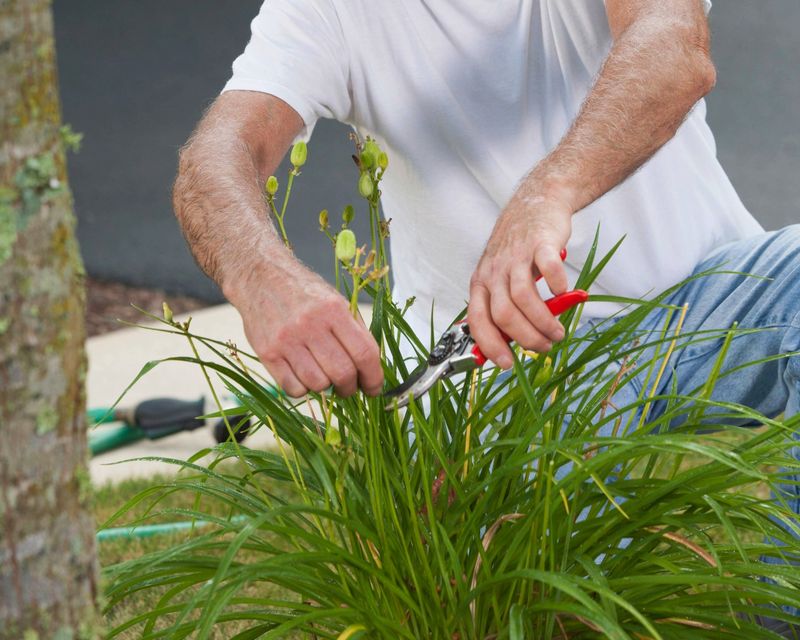
Nobody warns you how ratty daylilies (Hemerocallis) get by the end of summer. The blooms are long gone, the strappy leaves turn yellow and brown, and the whole clump slumps against the mailbox post like it gave up.
What is happening is normal. Older leaves die back after the plant finishes flowering, and in the humidity of the Coastal Plain that spent foliage often picks up rust and leaf streak, two fungal troublemakers.
Grab a clean pair of shears and cut the entire clump down to about 3 to 4 inches. Yes, the whole thing. Fresh green fans usually push up within a week or two while the soil is still warm.
Clear the cut leaves away rather than letting them pile in the crown. And if a clump has stopped blooming well, fall is a fine time in NC to dig and split it, replanting divisions about 18 to 24 inches apart.
The reward is a neat green mound heading into winter instead of a brown pile, and a stronger, bloomier plant when the June heat returns.
5. Catmint Rebounds When You Cut It Twice
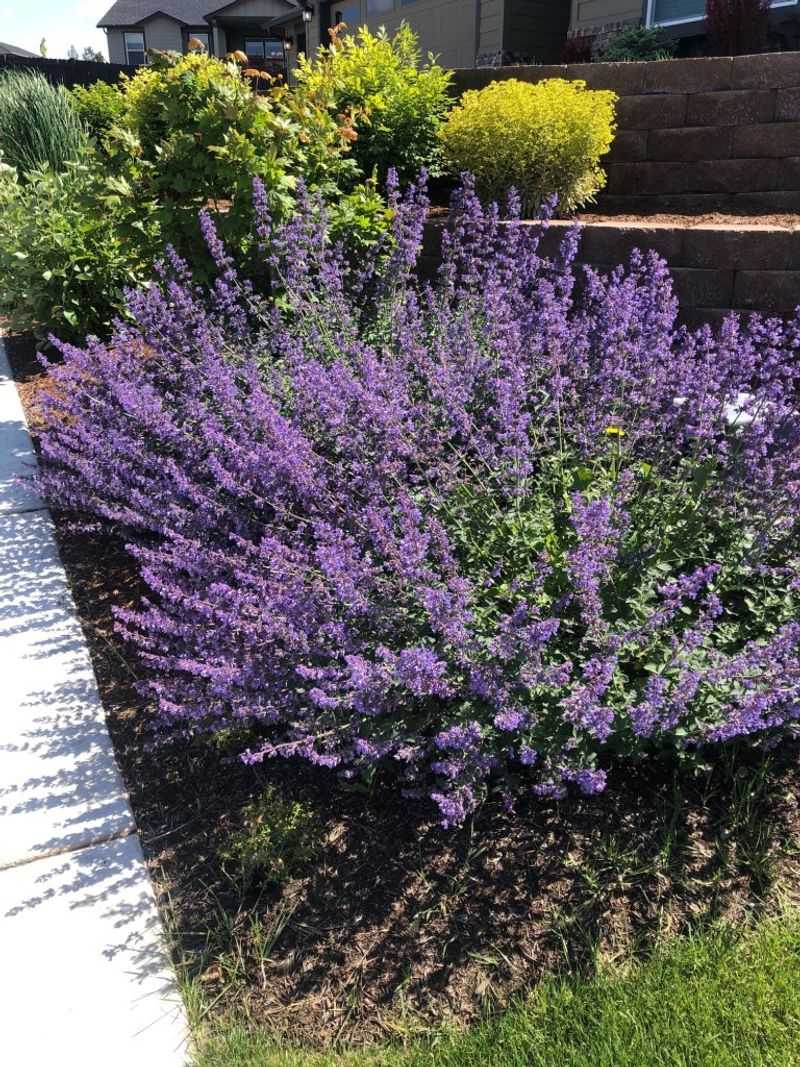
Catmint (Nepeta) is the plant that fools you. It billows into a soft lavender wave in early summer, the bees go wild, and then it collapses in the middle and turns brown right when you have company coming for a cookout.
Warm nights and heavy Piedmont clay hold moisture, and after the first flush of bloom the stems get woody and floppy. The plant is not dying. It is asking for a haircut.
Shear the whole thing back by about half, or even two-thirds, once the main bloom fades in midsummer. In our long growing season it rebounds in two to three weeks and often blooms again into fall, feeding late pollinators.
Then do a lighter cleanup cutback going into cooler weather to keep it tidy. Catmint is genuinely forgiving, so you cannot really overdo the shearing here.
The kicker is simple. One quick pass with the hedge shears turns a brown flopped mess into a fresh mound of blue and buzzing bees, right in time for the next porch evening.
6. Bee Balm Carries Powdery Mildew Into Fall
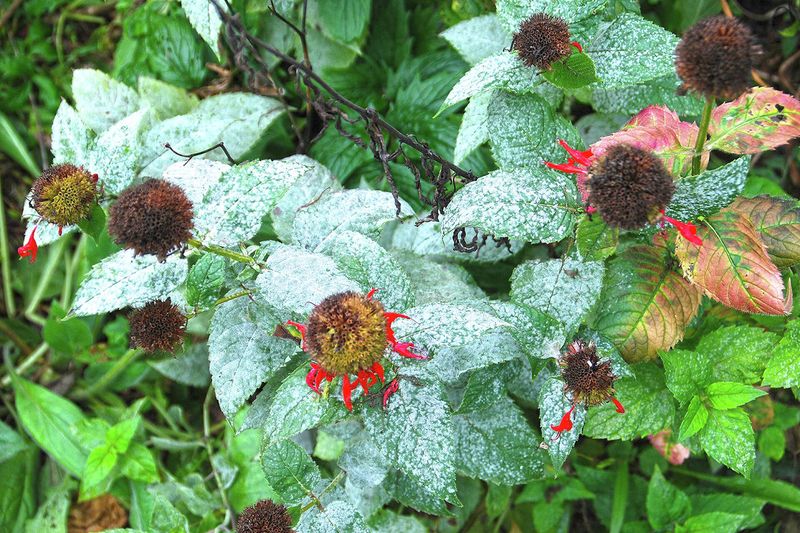
Look closely at your bee balm (Monarda) in August and you will probably spot it, a dusty white film coating the leaves like someone flicked flour across the patch. It is powdery mildew, and it loves our humid summers.
The hummingbirds and bees adored the red and purple blooms all season, but that thick clump traps stale, damp air, and the disease spreads fast in North Carolina heat. Left standing, those infected leaves overwinter the problem right into next year.
After blooming fades, cut the stems down to about 2 to 3 inches from the ground and bag up every leaf. Do not compost the mildewed material at home, because most backyard piles do not get hot enough to kill the spores.
Improving airflow matters too. When you divide clumps, space the divisions roughly 18 to 24 inches apart so breezes can move through.
According to NC State Extension, cutting back and cleaning up diseased debris is a real part of managing powdery mildew, though it works best paired with good spacing and mildew-resistant varieties. Do this, and you head into fall with a clean bed and healthier plants waiting on spring.
7. Overgrown Boxwood Needs Air And Light
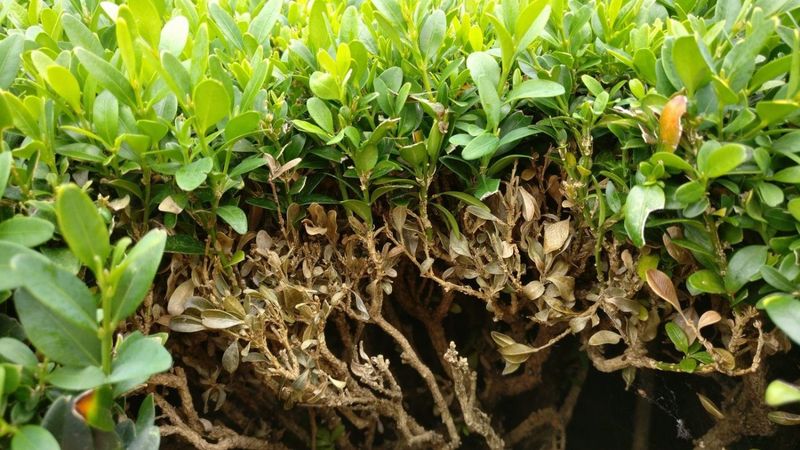
Run your hand into a mature boxwood (Buxus) and you will feel it, a dense outer shell of green hiding a hollow, twiggy, dead-leaf interior. That tight surface looks neat from the street but chokes the plant from the inside.
Warm, wet North Carolina weather and packed clay make boxwoods a target for blight and mites, and poor airflow inside the shrub only helps disease settle in. A too-tight boxwood is basically holding its breath.
Late summer into early fall is a smart window for thinning. Rather than just shearing the outside, reach in and snip out some interior branches by hand, opening 3 to 6 inch gaps so light and air reach the center. Avoid one severe stubbing-back all at once, since boxwoods are slow to refill bare wood.
Pull out the dead leaf litter caught in the crotches of the branches too, because it harbors fungal spores.
Give it that breathing room and you protect one of the most classic hedges in Southern yards, keeping it dense and green instead of hollow and struggling.
8. Never Cut Your Oakleaf Hydrangea Now
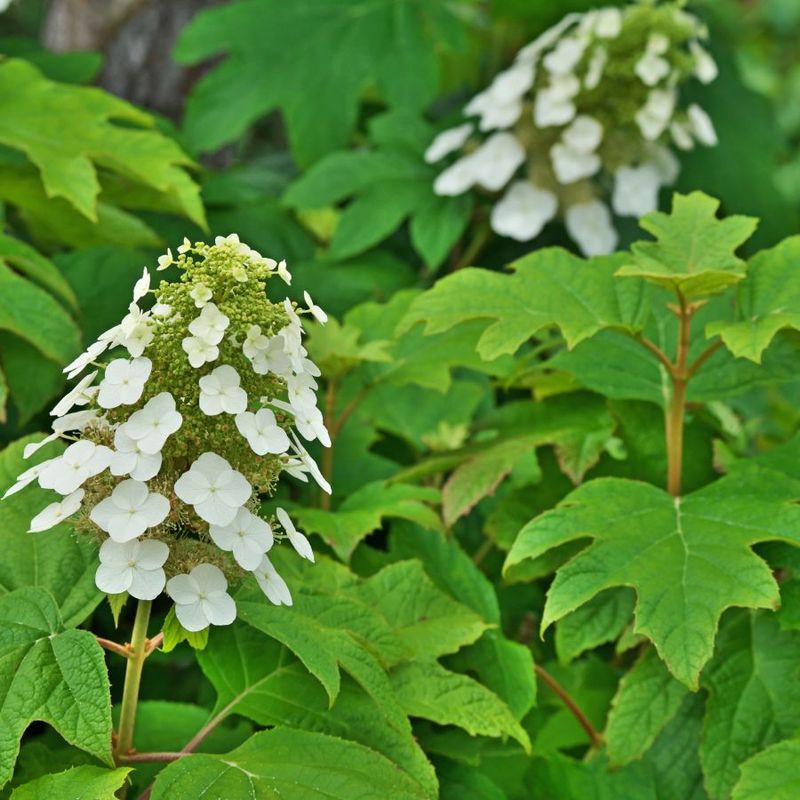
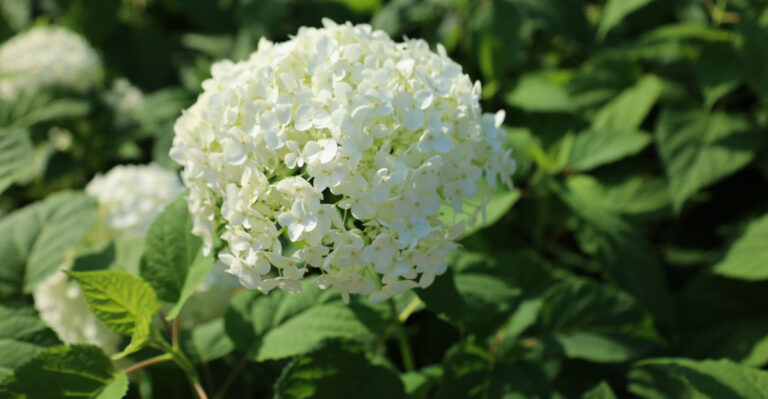
Here is where it gets tricky. You see your oakleaf hydrangea (Hydrangea quercifolia) looking scruffy in late summer, big leaves flopping, spent flower cones drooping, and the shears practically jump into your hand. Put them down.
Oakleaf and old-fashioned bigleaf hydrangeas set their flower buds on last year’s stems, what gardeners call old wood, during summer and fall. If you cut them back hard now, you are slicing off every single bloom you would have gotten next year.
Many Piedmont gardeners learn this the hard way, staring at a lush green shrub in June with zero flowers, wondering what went wrong. The plant was fine. The timing was not.
If you must tidy, only snip a dead or crossing branch, nothing more. Save any real shaping for right after it blooms in early summer, not in fall.
Leave those faded cones standing through winter, too. They turn papery and pretty in the frost, and the plant rewards your patience with a full show of blooms and that gorgeous burgundy fall color, a true native standout in North Carolina yards.
9. Leave Milkweed Standing For The Monarchs
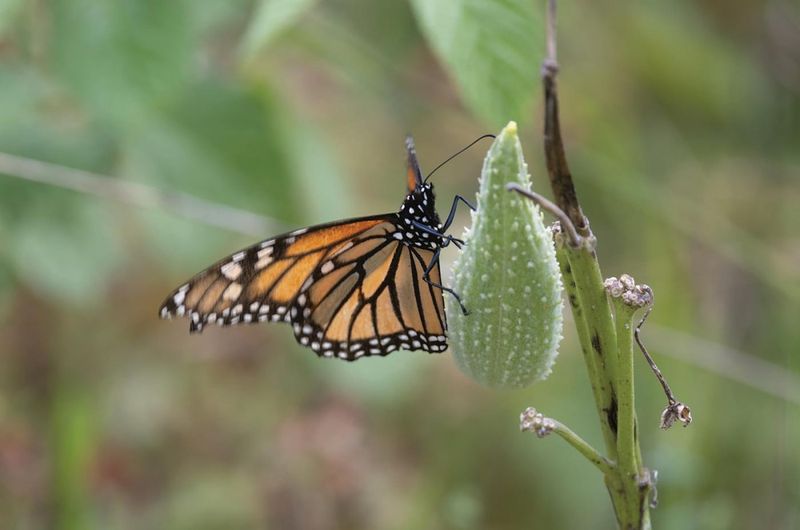
Of everything in your yard, the one plant to leave completely alone this fall is milkweed (Asclepias). It might look messy, with yellowing leaves and split seed pods spilling silky fluff across the bed, but that mess is doing important work.
Fall monarchs migrating through North Carolina depend on native milkweed and late nectar, and monarch caterpillars may still be feeding on those very leaves into September and October. Cut it down and you can wipe out the next generation before it ever takes flight.
The dried stalks matter after the butterflies leave, too. Hollow and pithy stems give native bees a place to shelter through winter, and the seed heads help the patch spread on its own.
Resist the urge to clean it up. Wait until spring, then cut the old stems to about 6 inches once new growth appears at the base.
NC State Extension encourages leaving native perennial stems and leaf litter standing over winter to support overwintering pollinators. So let it stand, and know that your slightly untidy corner is genuinely one of the most alive spots in the whole yard.