The One Native Perennial That Keeps Blooming In North Carolina Full Sun When July Heat Melts Everything Else
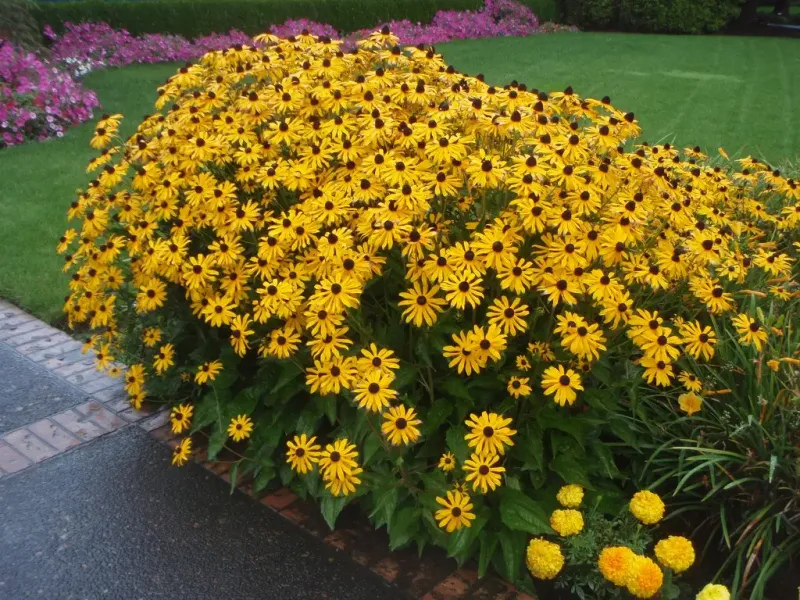
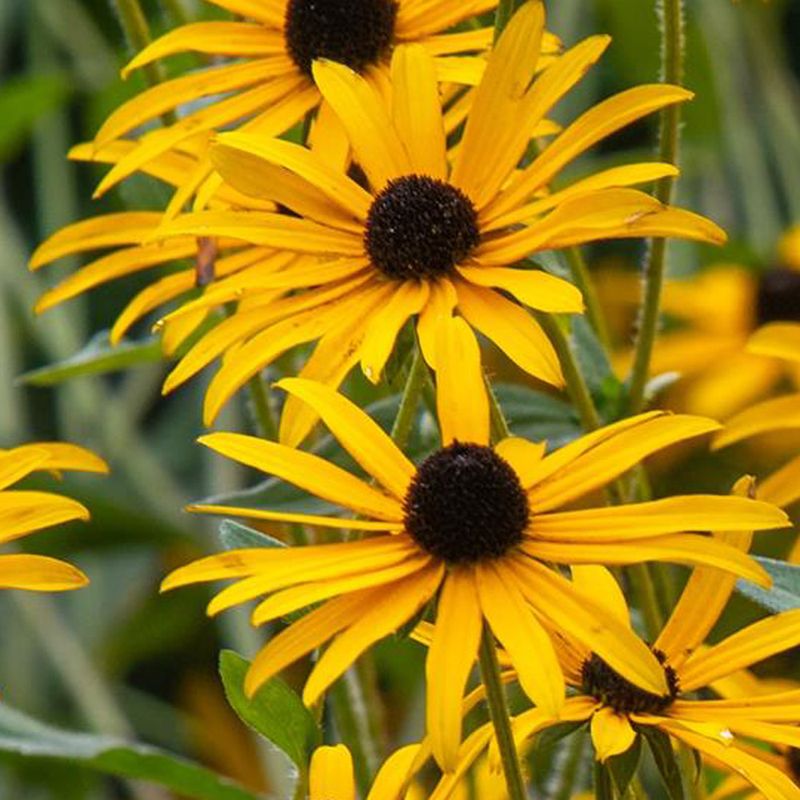
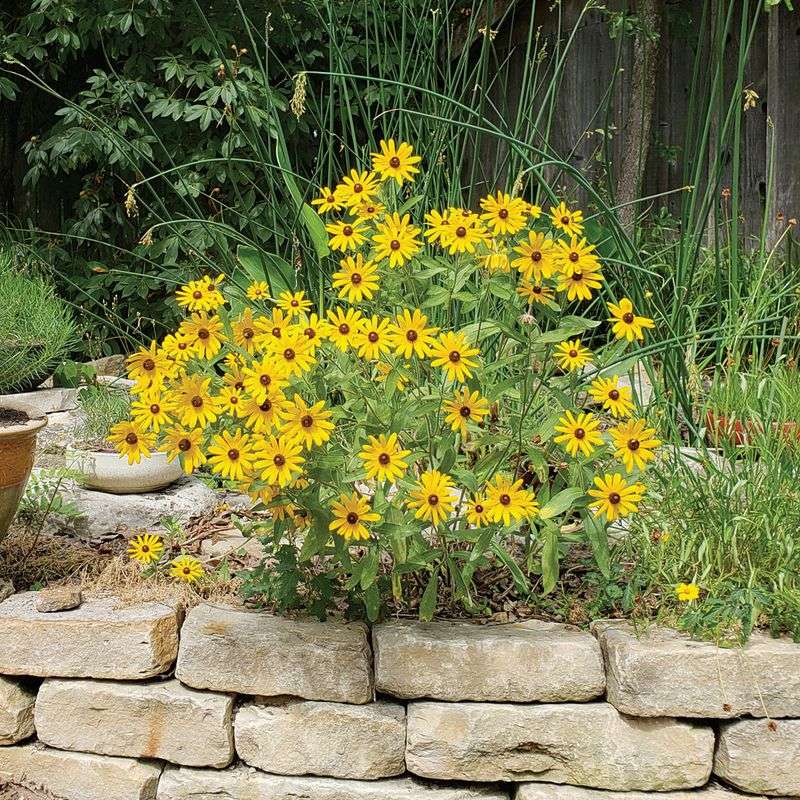
July in North Carolina is not kind to flower beds. Temperatures climb past 95 degrees, the pavement shimmers, and most perennials either fry outright or go limp by noon. But one native plant keeps pushing out cheerful yellow blooms right through that punishment, and it grows across the Mountains, Piedmont, and Coastal Plain. Black-eyed Susan, known botanically as Rudbeckia hirta, is one of the most dependable choices a North Carolina homeowner can make for a sunny bed that needs real color from midsummer into fall.
Choose Rudbeckia hirta for Dependable Summer Color
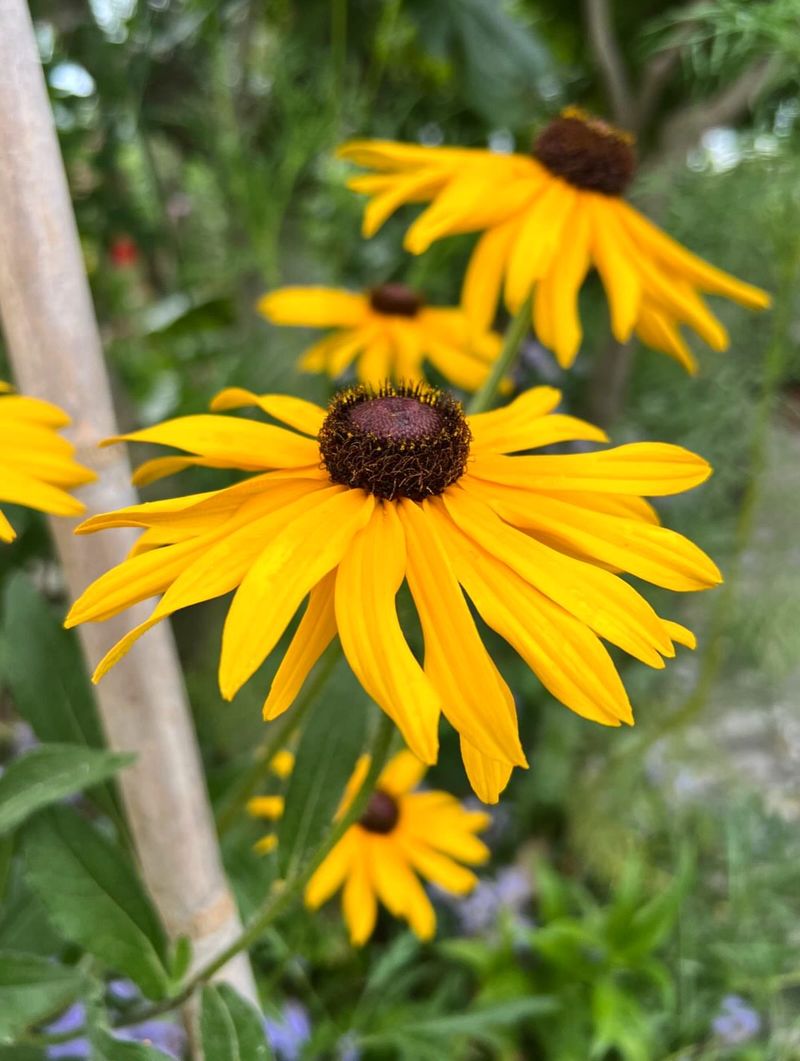
Picture the flower bed beside your driveway in late July. Every lavender and every salvia has flopped, the coneflowers are going to seed early, and you are genuinely wondering whether anything native can hold up out there. NC State Extension identifies Rudbeckia hirta as a North Carolina native suited to full sun across the Mountains, Piedmont, and Coastal Plain, with a long midsummer-to-fall bloom window that few other low-maintenance natives can match.
That said, a clear-eyed recommendation matters here. Rudbeckia hirta is a biennial or short-lived perennial that may behave like an annual in some gardens. It is not indestructible, it will not bloom on every stem without pause, and it is not guaranteed to return reliably for years without some self-seeding to replenish the planting.
What it actually offers is a succession of golden-yellow, dark-centered flowers from roughly midsummer through mid-fall, solid performance in full sun defined as at least 6 hours of direct sunlight daily, and enough toughness to handle the kind of heat that shuts down more finicky plants. For a North Carolina homeowner who needs dependable color in a tough spot without constant coddling, that is a genuinely useful combination.
The plant typically grows 2 to 4 feet tall with a spread of 1 to 2 feet. That size puts it comfortably in the middle or back of a sunny border, especially when planted in groups of three or more so the effect reads from across the yard rather than disappearing into the landscape.
Why the Plant Handles a Sunny North Carolina Bed
Most plants that struggle in a brutal sunny bed are fighting the same two enemies at once: heat radiating up from hard surfaces and soil that swings between soggy and bone-dry. Rudbeckia hirta has enough flexibility in both departments to stay productive where softer plants give up.
NC State lists clay, loam, and sandy soil as acceptable textures for this plant, provided drainage is adequate. That covers a lot of North Carolina ground, from the heavy red clay that sticks to your shovel in the Piedmont to the quick-draining sandy patches common across the Coastal Plain. NC State Extension’s native plants guidance notes that even drought-tolerant natives may need supplemental irrigation after planting depending on species, soil, and microclimate, so the soil type matters less than whether water can move through it.
The plant is also listed as moderately salt resistant, which makes it a candidate for coastal yards, but that qualification deserves some respect. Salt spray, reflected heat from nearby pavement, persistent wind, and dry sandy soil can stack up into conditions that stress even a tough native. Placing it away from direct ocean exposure and keeping an eye on soil moisture during dry stretches is the smarter approach than assuming it will sail through every coastal microclimate.
Your North Carolina Garden Changes Every Week. Your Plan Should Too.
Gardening in North Carolina changes quickly throughout the season. Every Friday you’ll receive a simple weekly plan showing exactly what to plant, prune, fertilize, harvest, and protect so you never miss the right timing.
Mountain and upper Piedmont gardeners can use it too. The plant’s native range runs across North Carolina’s elevation gradient, and it handles cooler nights without complaint. The honest version of the recommendation is that Rudbeckia hirta may perform well in all three regions when its basic needs are met, not that it thrives everywhere automatically.
Expect a Long Bloom Window, Not Nonstop Flowers
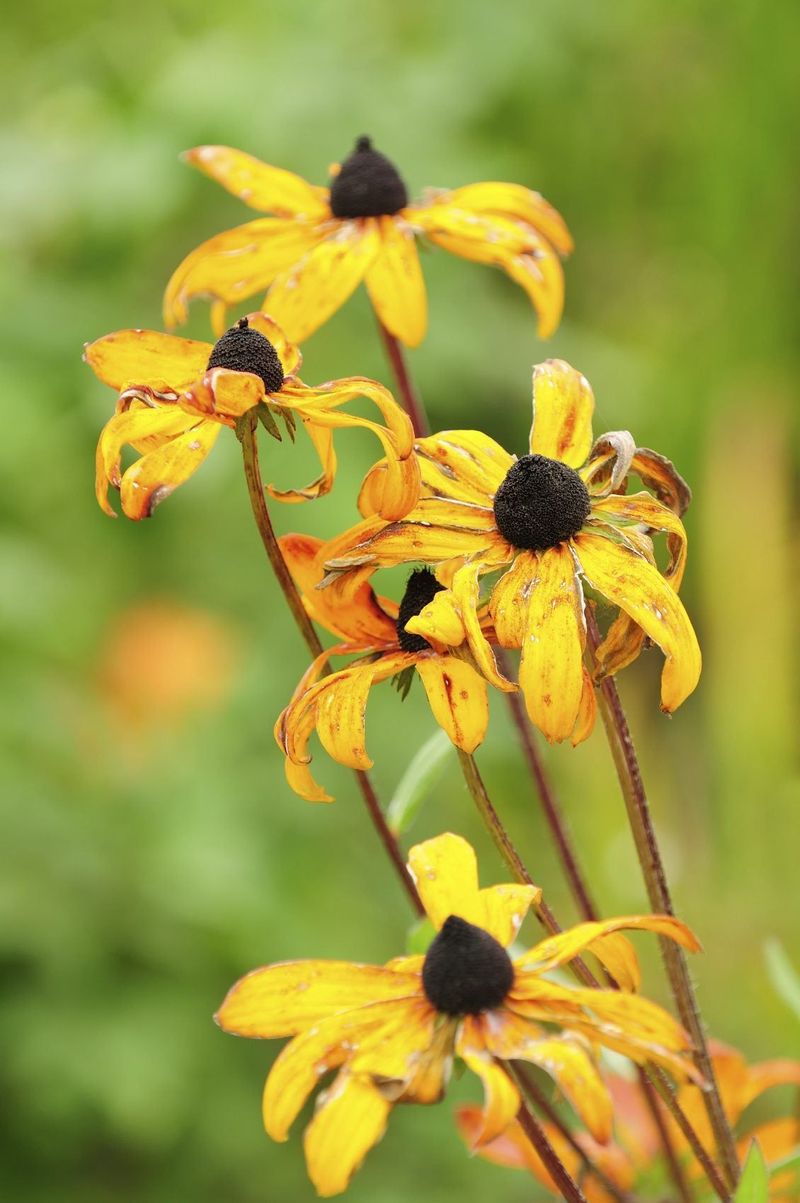
Here is where a lot of gardeners get a surprise. Rudbeckia hirta does not open every bud at once and hold that display without interruption from July through October. What it does is produce a long succession of flowers, new blooms following spent ones across a season that typically runs from midsummer into the middle of fall. That is genuinely impressive for a full-sun bed, but it is not the same as nonstop color on every stem.
NC State Extension notes that deadheading, meaning removing the faded flower head and its stem back to a healthy leaf or side shoot, encourages additional flowers and extends the overall display. The practical method is simple: once the petals on a flower head go limp and begin to drop, snip the stem off cleanly rather than leaving a bare stalk. Do this every week or two through the peak of summer and you will keep triggering new buds.
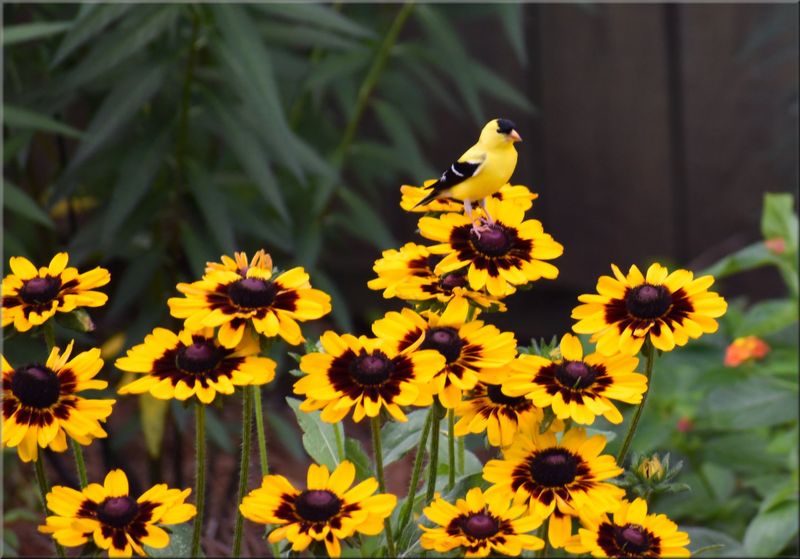
The tricky part is that deadheading and seed-head retention are actually opposite goals. If you want American goldfinches to work the plant in fall, you need to leave some seed heads standing rather than removing every spent flower. A workable middle ground is to deadhead actively through July and August to push more blooms, then ease off in September and let the later seed heads mature for the birds.
Heat, transplant stress, dry spells, and disease can all interrupt the display at times. Expecting a long and generous bloom season is realistic. Expecting a wall of unbroken color through every week of a brutal North Carolina summer sets you up for disappointment.
Water the New Plant Before You Test Its Drought Tolerance
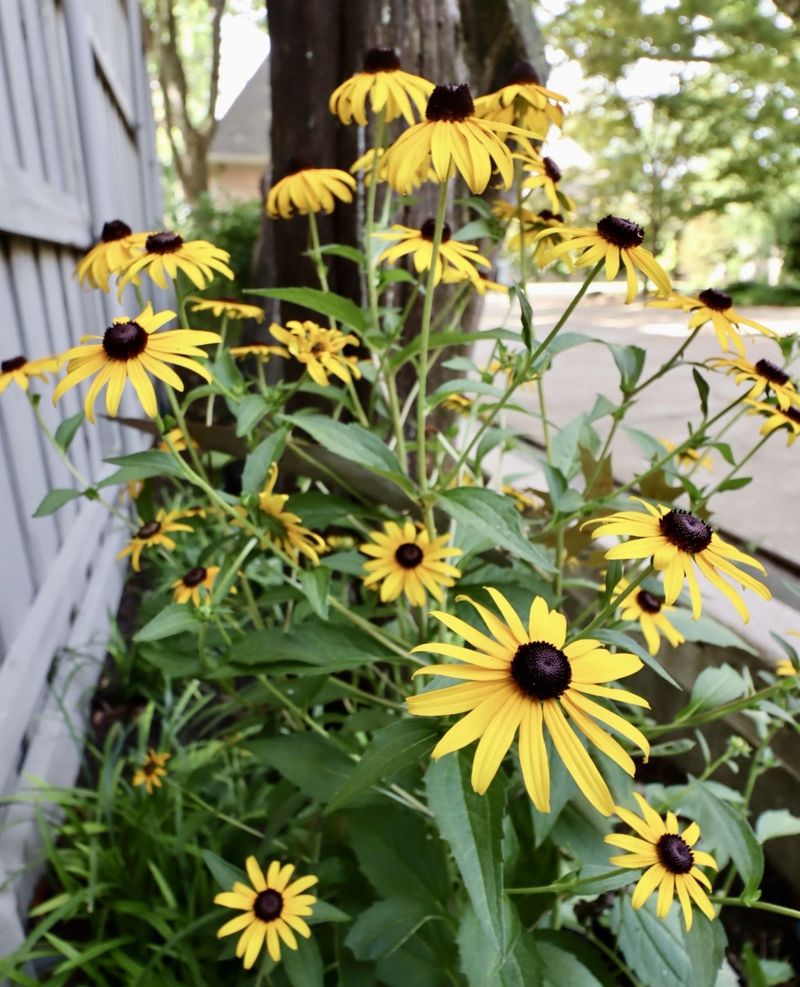
Drought tolerance is one of those plant traits that kicks in after establishment, not before. A Rudbeckia hirta you put in the ground in May or September is not drought tolerant yet, it is just a plant with an unfinished root system trying to survive in hot soil. Treat it accordingly for the first season.
Water consistently while the roots develop, checking the soil a few inches down rather than guessing from the surface. Once the plant is growing normally and pushing new foliage without wilting, you can start backing off the irrigation. NC Cooperative Extension water-wise gardening guidance suggests about 1 inch of water per week, including rainfall, as a general landscape rule during dry periods. That number is a starting point for a typical site, not a rigid prescription for every soil and microclimate in North Carolina.
A 2- to 3-inch layer of mulch over the root zone helps hold soil moisture and moderate temperature swings. Keep the mulch pulled back an inch or two from the plant’s stems so moisture does not collect right at the crown, which can invite rot and disease.
Fertility is another place where more is not better. NC State Extension warns that excess nitrogen can push lush foliage at the expense of flowers. If your bed is beside a fertilized lawn that gets heavy feeding, the runoff alone may be enough to tip the plant toward leaves and away from blooms. A soil test is the most reliable way to know what your specific ground actually needs before you add anything.
Good drainage matters more than rich soil. Rudbeckia hirta sitting in poorly drained ground, especially through wet winters, is far more likely to fail than one planted in ordinary well-drained soil that gets consistent water while young.
Place and Space It for Airflow and Height
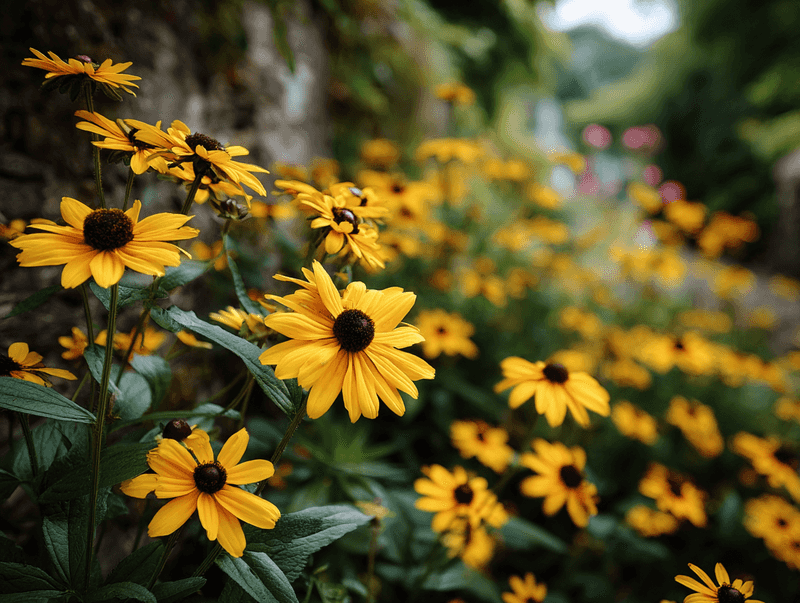
A single black-eyed Susan tucked into a crowded bed can disappear fast and struggle even faster. Groups of three to five plants, spaced so air can actually move between them, make a visual statement and stay healthier through the muggy stretches that North Carolina summers are famous for.
At 2 to 4 feet tall with a spread of 1 to 2 feet, Rudbeckia hirta belongs in the middle or back of a sunny border, not at the front edge where it will block shorter plants and look awkward. NC State Extension supports using mature size as the guide for placement rather than one universal rule. A rough starting range of 12 to 24 inches between plants works for most situations, but the nursery tag on the specific cultivar or selection you buy is the better authority, since cultivated forms can vary noticeably in size.
NC State’s herbaceous ornamentals handbook notes that crowding plants increases the chance of disease and insect problems, which is especially relevant in the Piedmont and Coastal Plain where summer humidity stays high for weeks at a time. Giving plants room is one of the cheapest disease-prevention tools available.
Fall is actually a useful planting window for North Carolina natives. NC State’s wildlife landscaping guidance notes that fall planting works well for most native species because it lets roots develop before the next hot summer arrives. A plant put in the ground in October has months of mild weather to get established before it faces its first real test.
Know the Plant’s Limits and Its Look-Alikes
Rudbeckia hirta has one longevity quirk that catches people off guard. NC State Extension describes it as a biennial or short-lived perennial that may behave like an annual in some gardens. It can bloom in its first year from early-spring seed, then maintain a presence in the bed through self-seeding rather than through the same root system returning year after year. If your plants disappear after one or two seasons, that is normal behavior, not a failure on your part.
Monitoring for problems is part of the deal. Powdery mildew, leaf spots, slugs, and snails are the main things to watch for. Adequate spacing, good drainage, and removing dead plant material at the end of the season handle most of these issues without spraying anything. If a specific pest becomes a real problem, identifying it accurately and following the product label is the responsible path, not routine preventive applications.
Penn State Extension points out that the common name black-eyed Susan can refer to several different plants, including Rudbeckia fulgida, Rudbeckia triloba, and even Thunbergia alata, an unrelated tropical vine. Checking the botanical name on the plant tag before you buy is the only reliable way to know what you are actually taking home.
Rudbeckia triloba, sometimes called brown-eyed Susan or three-lobed coneflower, is an NC native that blooms from July through October and handles heat, drought, and deer pressure well. Its usual height of 3 to 5 feet can require staking or careful placement toward the back of a large border. Rudbeckia laciniata, the green-headed coneflower, is another NC native but can reach 3 to 10 feet and spread aggressively by underground rhizomes, making it a different kind of commitment entirely. Knowing which species you have changes the planting plan considerably, so read the tag and ask the nursery staff if anything is unclear.
Use Black-Eyed Susan as One Layer of Wildlife Habitat
A yard that actually supports wildlife is built in layers, not from a single plant. Rudbeckia hirta earns its place in that system by doing several things at once, but it works best as one piece of a diverse planting rather than the whole answer.
NC State Extension documents that Rudbeckia hirta provides nectar and pollen for pollinators through its long bloom season and serves as a larval host plant for two butterflies: the wavy-lined emerald moth and the silvery checkerspot butterfly. American goldfinches eat the seeds in fall, which is why leaving some seed heads standing after the bloom season is worth doing even if it means a messier-looking bed for a few months.
Goldfinches are not the only ones working a diverse native bed, but they are the species specifically documented to use Rudbeckia hirta seeds. Adding plants with different bloom times, such as native goldenrod in fall or wild bergamot in early summer, fills the gaps that black-eyed Susan cannot cover on its own.
NC State’s wildlife landscaping guidance emphasizes that habitat quality depends on plant diversity, staggered bloom periods, nesting resources, a water source, and reduced pesticide exposure across the whole yard. Planting one species, even a genuinely useful one, is a starting point. The bed that draws the most wildlife is the one that offers something at every season, from the first warm days of March through the seed heads still standing in December. That is the kind of yard worth sitting beside on a cool October evening.