What Draws Opossums Back To Your North Carolina Garden Night After Night
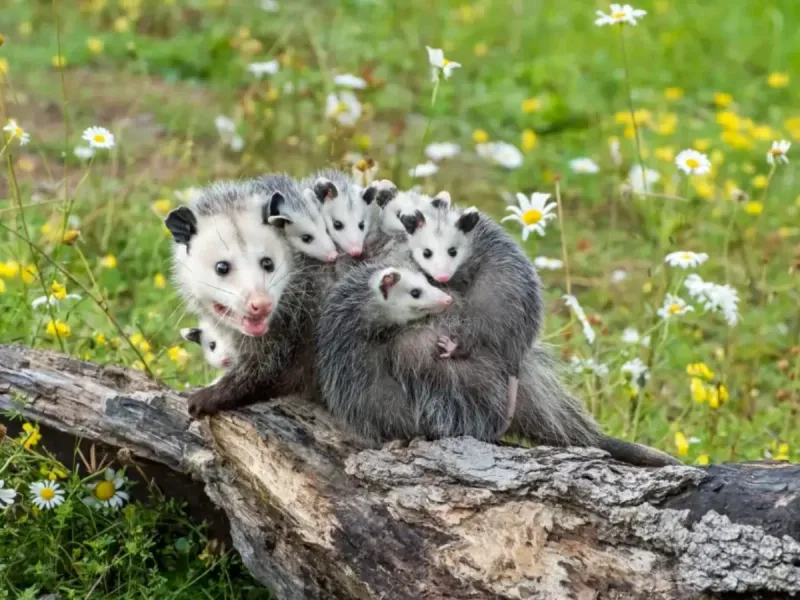
Something keeps showing up in your North Carolina garden after dark, and it is not random. The Virginia opossum is a creature of habit, and when one appears night after night in the same yard, the yard itself is usually the reason. Figuring out what your property is offering takes a quick walk-around and some honest answers about what you leave outside after sunset. Once you know what the welcome mat looks like, you can decide what to change.
Meet North Carolina’s Nighttime Visitor
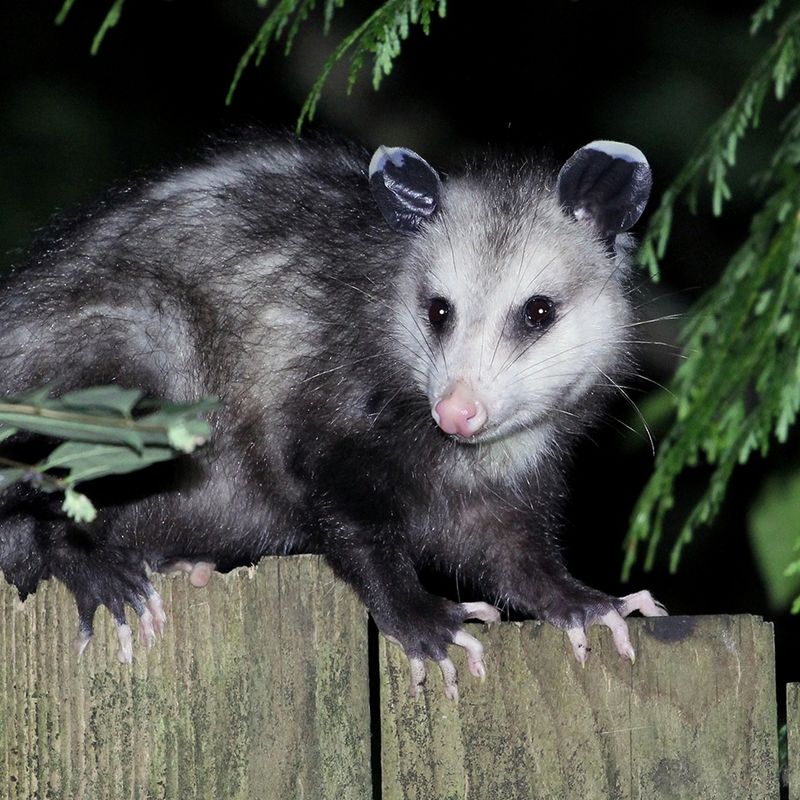
Most people catch their first good look at a Virginia opossum, Didelphis virginiana, when the porch light flips on and something freezes in the garden bed. Roughly the size of a house cat, with coarse gray fur, a long hairless tail, and a pointed snout, this is the only marsupial native to North America. NC Wildlife describes it as primarily nocturnal, solitary, and broadly adaptable to the urban and suburban landscapes that cover much of the Piedmont and Coastal Plain.
Seeing this animal on Tuesday night does not mean it slept under your shed all day. Virginia opossums are solitary wanderers that may cover a surprisingly wide area in a single night, following loose routes through neighborhoods, creek corridors, and wooded edges. One animal may pass through four or five yards before sunrise, stopping wherever food or cover makes the detour worth it.
A nightly appearance in the same spot suggests the yard is offering something reliable, not that the opossum has claimed it as a permanent address. The Smithsonian’s National Zoo confirms that Virginia opossums are opportunistic omnivores with a broad diet that includes fruit, insects, small animals, carrion, and whatever else happens to be available. That adaptability is exactly why a dependable food source or a safe resting spot can pull the same animal back along the same route, night after night.
The question worth asking is not why the opossum keeps coming back. The better question is what your property keeps putting out. A healthy opossum following a reliable reward is doing exactly what a healthy opossum does, and understanding that makes the path forward much clearer.
Look For The Reward, Not A Favorite Plant
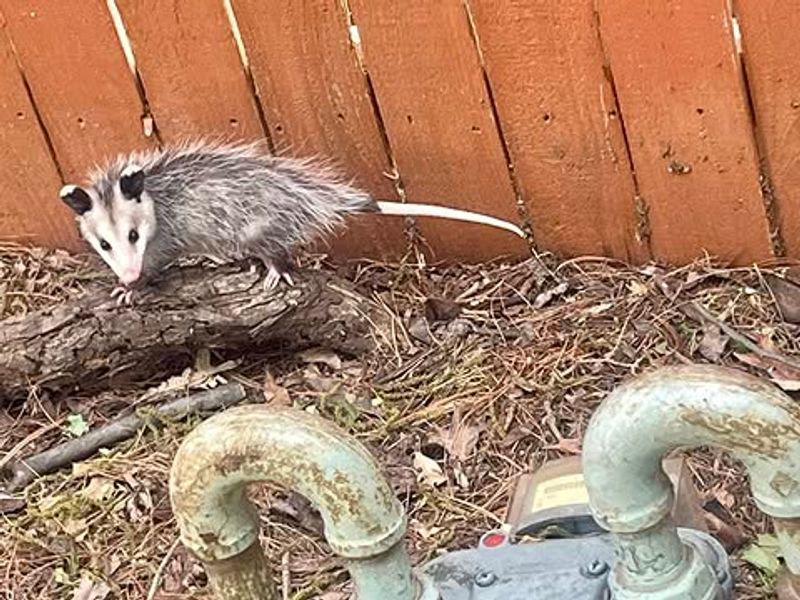
Blaming the tomato bed or the fig tree is a tempting shortcut, but repeated opossum visits rarely trace back to one named plant. NC Wildlife lists a wide range of foods opossums may eat, from fruit and vegetation to insects, small animals, litter, and garbage. That list is a clue about where to look, not a diagnosis of what drew this particular animal to your particular yard.
Accessible food is the clearest documented reason to investigate. Beyond that, water, cover, and safe passage through the property are possible contributing features worth checking, even if they cannot be confirmed as causes without watching the animal directly. NC Wildlife’s conflict-prevention guidance consistently points to food, shelter, and safety as the features that concentrate wildlife in a yard, and removing any one of them can change the equation.
Your North Carolina Garden Changes Every Week. Your Plan Should Too.
Gardening in North Carolina changes quickly throughout the season. Every Friday you’ll receive a simple weekly plan showing exactly what to plant, prune, fertilize, harvest, and protect so you never miss the right timing.
A useful inspection covers the whole property, not just the garden beds. Walk the trash area, the deck edge, the shed perimeter, the compost corner, and any wooded or brushy border where your yard meets a neighbor’s fence or a drainage swale. Check whether a neighbor’s pet food, bird feeder, or fruit tree might be pulling the opossum into your yard as a pass-through stop rather than a destination.
NC State Extension’s wildlife guidance and its habitat-improvement resources both reinforce that yards offering layered food, water, and cover naturally attract more wildlife traffic. That works beautifully for pollinators and songbirds. For an opossum making nightly rounds, the same principle means the yard may be rewarding a visit without the homeowner ever intending to.
Start the inspection with fresh eyes and resist the urge to land on the first likely suspect. The real draw might be the overturned compost lid, the neighbor’s fallen peaches rolling under the fence, or the loose lattice on the crawlspace that has been on the to-do list since spring.
Remove The Easy Food First
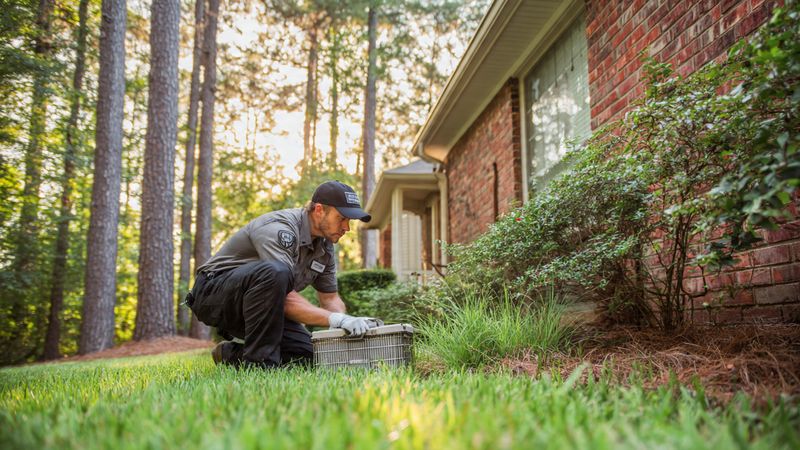
An evening cleanup routine is the fastest way to change what your yard offers after dark. NC Wildlife notes that preventing access to a regular garbage food source can encourage an opossum to move on, possibly within a few days, though that is a likely response rather than a guarantee for every animal or yard.
Start with garbage. Use a sturdy container with a tight-fitting lid, and if you use a city-issued roll cart, bungee cords can help keep the lid down on collection night. Do not leave meat scraps, kitchen waste, or food-soiled materials sitting out in an open bag or an uncovered bin. That kind of easy meal is genuinely hard for a foraging opossum to pass up.
Pet food left outside overnight is one of the most common and overlooked attractants. Bring bowls indoors after pets finish eating, and store any bulk pet food in a hard-sided container with a secure lid. USDA Wildlife Services points out that leaving food out, even unintentionally, can draw wildlife into closer contact with people and pets over time.
Garden produce deserves attention too. Tomatoes, berries, figs, peaches, and apples grown across the Piedmont and mountain foothills can go soft fast in North Carolina’s muggy summer heat, and
NC State Extension identifies overripe or rotting produce as a significant animal attractant, recommending regular harvesting to reduce that risk. Pick what is ready every day or two during peak season, and collect anything that has dropped to the ground before nightfall.Compost needs the same discipline. NC State Extension’s composting guide recommends keeping compost covered and burying fresh food scraps well inside the pile rather than leaving them on top where they are easy to smell and reach. A covered bin with a latch is a simple upgrade that removes one more reason for a nightly visit. Birdseed is worth mentioning too.
Seed that falls from a feeder and collects on the ground can become a reliable food patch, so consider switching to a tray feeder with a catch basin and sweeping up fallen seed before dark. NC Wildlife’s conflict-prevention page reinforces that removing unnatural food sources is the first and most effective step in reducing wildlife visits.
Inspect Cover, Openings, And Travel Edges
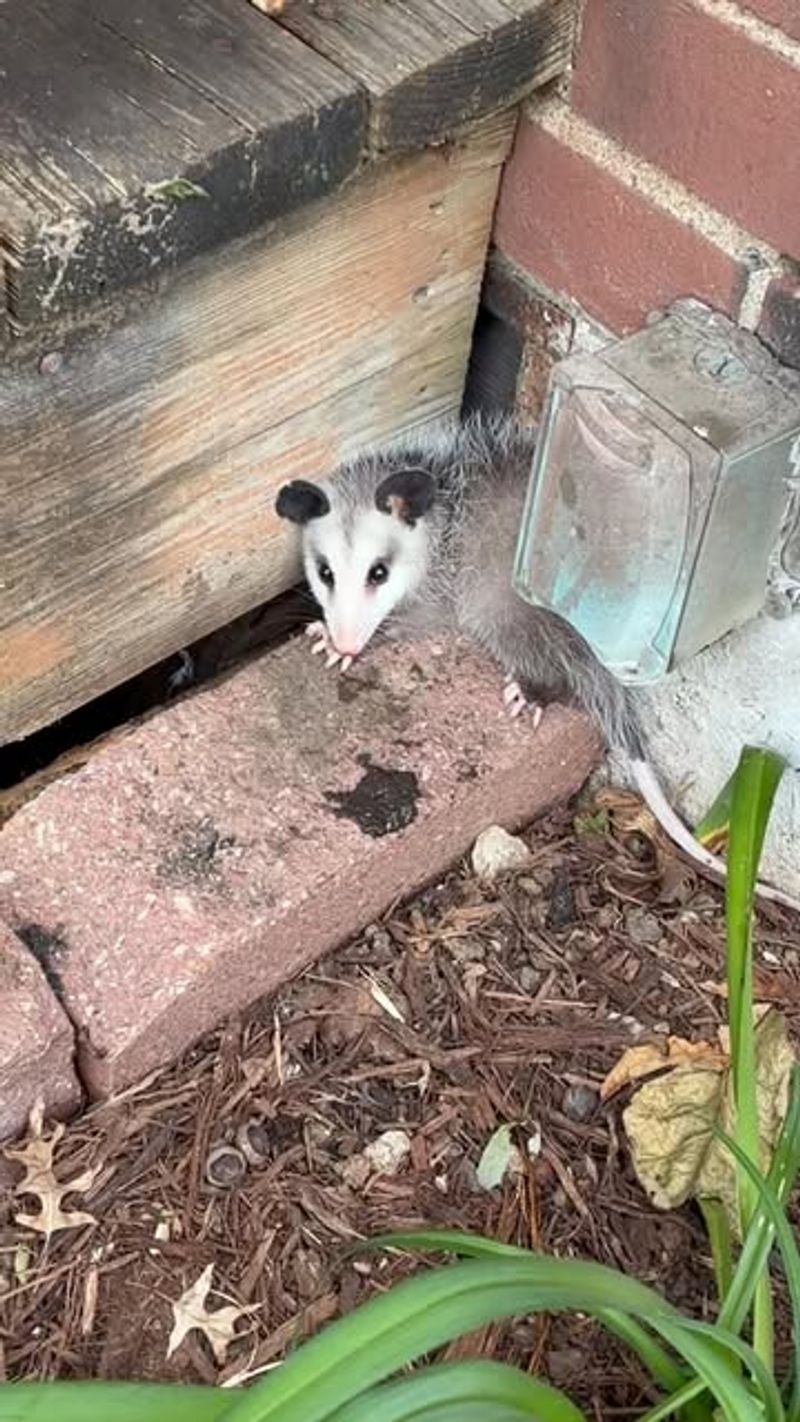
Food is the clearest documented draw, but an opossum that keeps returning may also find the property useful for reasons that have nothing to do with eating. Cover and safe passage are worth checking, even when you cannot confirm they are the actual cause without watching the animal move through the yard yourself.
Walk the edges of the property and look for spots that offer quiet and concealment. Loose brush piles, stacked wood against the house, clutter behind a shed, or an overgrown corner near a drainage swale can all provide the kind of low-traffic shelter a foraging animal appreciates as it rests between stops on a longer route. NC State Extension’s habitat resources describe how layered cover naturally concentrates wildlife, which is great news for native bees and birds but worth noting when an opossum keeps showing up.
Decks, porches, crawlspaces, and sheds with accessible openings are the spots that deserve the closest look. NC Wildlife’s conflict-prevention guidance recommends removing or reorganizing potential den sites and securing openings in structures. A gap of 4 inches or more under a deck skirt or a crawlspace vent with missing mesh is a door that stays open all night.
Before you seal anything, confirm that no animal or young is already inside. An opossum sealed into a crawlspace is a much bigger problem than one passing through. Check during daylight, listen for movement, and give the space a few nights of observation before closing an opening permanently. NC State Extension’s wildlife chapter reinforces this point, noting that exclusion work should account for the possibility of animals already present inside a structure.
Wooded edges, creek banks, and drainage corridors along the Coastal Plain and Piedmont often function as natural travel lanes for wildlife. Your yard may simply sit between two of those features, making it a logical rest stop on a route the opossum was already using before you planted a single tomato.
Protect Poultry, Feed, And Compost
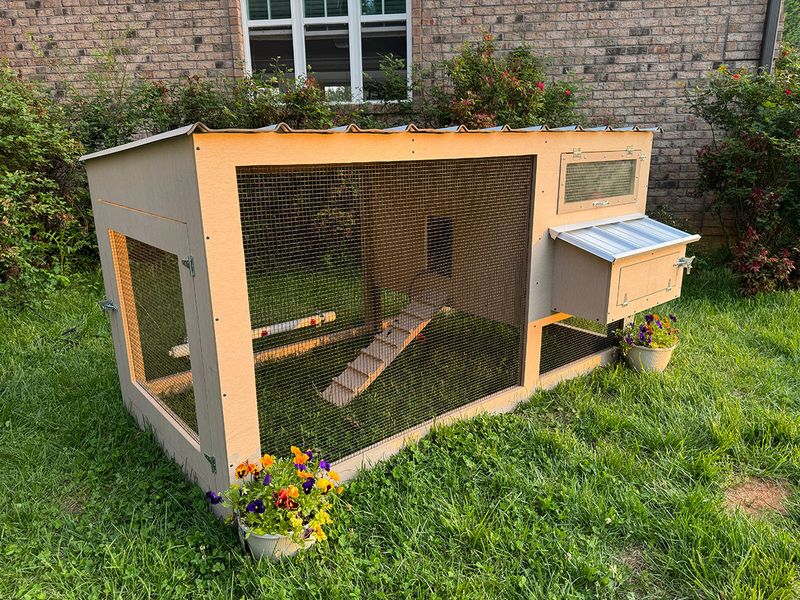
A yard with chickens, stored feed, or an open compost pile faces a different level of risk than a garden with only ornamentals. NC Wildlife states plainly that opossums may eat eggs and young chicks and can occasionally kill adult chickens while they roost. That is not aggressive behavior in the wildlife sense, it is opportunistic foraging, but the result for a backyard flock is the same either way.
Chicken feed stored in an open bag or a flimsy plastic bin is an easy target. Move feed into hard plastic or metal containers with tight-fitting lids and store them inside the coop or a latched outbuilding. Even a small gap in a bag left on a shelf gives a determined forager a reason to keep coming back to the same building night after night.
The coop and run themselves need to be completely enclosed, not just fenced on the sides. NC Wildlife recommends sturdy construction with 1-inch chicken wire over a solid framework, covering the top of the run as well as the walls and extending protection to the ground to prevent animals from digging under. A coop that is locked and fully enclosed by nightfall removes the opportunity before the visit happens.
Compost management matters here too. NC State Extension’s composting guidance recommends covered bins and burying food scraps well inside the pile. An open compost heap near a chicken run is essentially two food sources side by side, and NC State Extension’s food-safety guidance reinforces that exposed scraps attract animals and create sanitation concerns. Covering the pile and latching the bin costs almost nothing and removes one more reason for a nightly stop.
Choose Physical Exclusion Over Homemade Chemicals
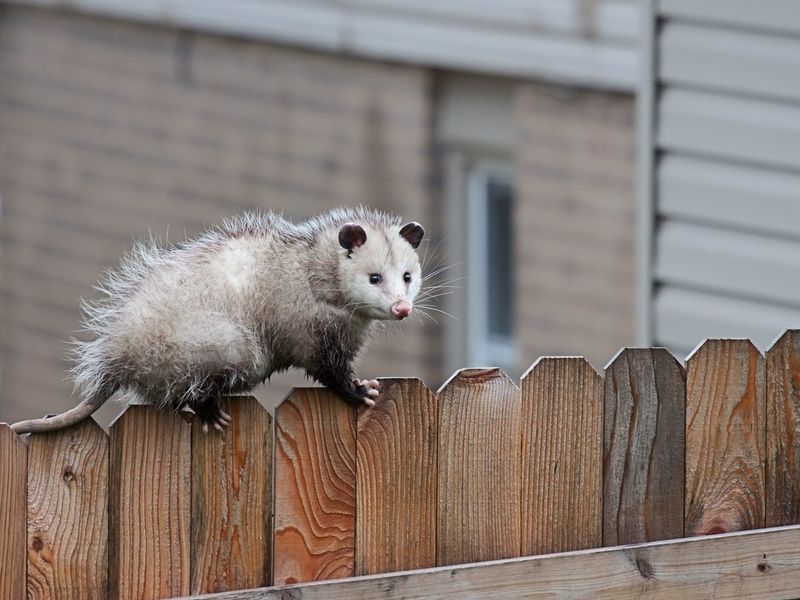
Once you know where the opossum is getting its reward, the next move is making that spot harder to reach. Physical barriers are the approach backed by wildlife authorities, and they work best when paired with removing the food or cover that made the spot worth visiting in the first place.
NC Wildlife’s conflict-prevention guidance points to fencing and sturdy enclosure as effective exclusion tools. For garden beds, a simple wire fence staked firmly into the ground can make a raised bed or a row of berry plants significantly harder to access. For poultry, NC Wildlife’s wildlife-handling document specifies completely enclosed housing using 1-inch chicken wire over a sturdy framework, which means covering the top of the run, not just the sides.
Exclusion does not guarantee the opossum will never appear in another part of the yard. A barrier around one garden bed redirects the animal, it does not necessarily end the visit. That is why removing attractants and installing barriers at the same time gives you two layers of protection instead of one.
Skip the improvised deterrents. Mothballs, ammonia, predator urine, chili powder, and motion-activated lights are popular suggestions online, but the wildlife authorities reviewed for this article do not establish any of them as reliable opossum controls. Mothballs and chemical deterrents carry real risks around children, pets, and food crops, and using pesticide products off-label is not a safe workaround. Poison is never appropriate for managing an opossum and should not be considered.
Stick with what the evidence actually supports: remove the food, secure the structure, and put up a barrier where it counts. Those three steps together give you a genuinely stronger result than any combination of sprays and powders.
Know When To Leave The Opossum Alone
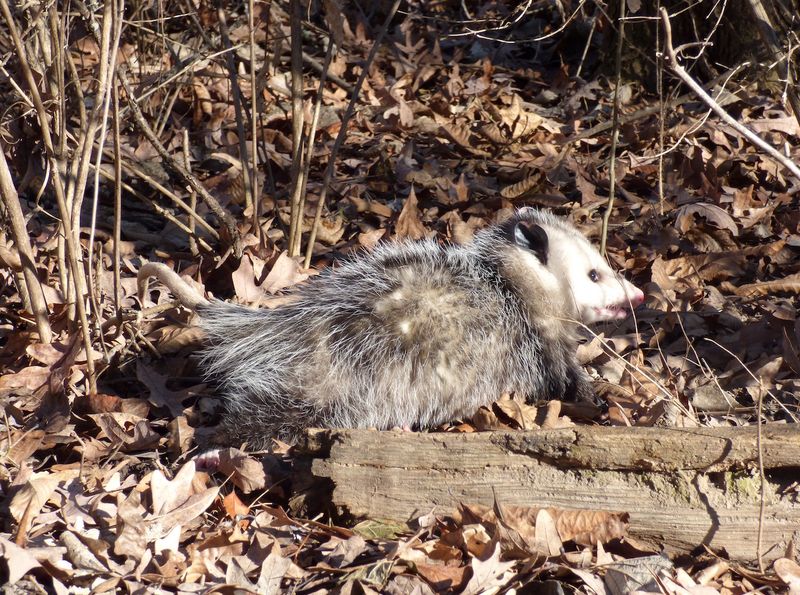
Most opossum encounters in a North Carolina yard do not require any intervention at all. Knowing what normal looks like saves a lot of unnecessary worry, and occasionally it saves the animal too.
A daytime sighting by itself is not evidence of illness. NC Wildlife notes that opossums are primarily nocturnal but may be seen during daylight hours in developed areas without that being a sign of a problem. Watch the animal’s behavior. One that moves steadily, holds its head up, and reacts normally to your presence is almost certainly healthy.
One that is circling, falling over, or showing no awareness of you warrants a call to a licensed wildlife rehabilitator or your local NC Wildlife regional office.
A small opossum found alone is not automatically abandoned. NC State Extension’s wildlife guidance advises leaving an opossum alone when its body, not counting the tail, is at least 9 inches long. NC Wildlife uses a slightly different threshold of around 7 inches for independence. Because those two sources use different numbers for different purposes, the safest approach is to leave an apparently healthy young opossum alone and contact a licensed rehabilitator if the animal appears very small, injured, or genuinely distressed.
On rabies, opossums are highly resistant to contracting the disease, according to NC Wildlife, but highly resistant is not the same as immune. Keep people and pets away from any wild animal, and if a bite or scratch does occur, contact a healthcare provider, veterinarian, or local public-health authority promptly. CDC guidance on rabies recommends immediate medical evaluation after any potential exposure from a wild animal.
One more thing worth correcting: the popular claim that opossums eat thousands of ticks per week is not supported by current research. A 2021 peer-reviewed study examined stomach contents from 32 wild opossums and found no tick parts at all. Illinois Extension advises against attracting opossums as a tick-control strategy based on that finding. Do not use tick control as a reason to leave food out or encourage close contact with this animal.
Make The Yard Less Rewarding Safely
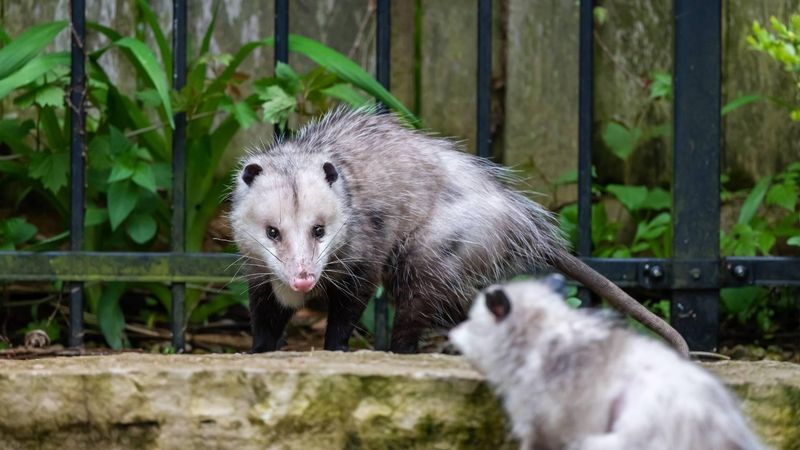
Pulling this all together into a repeatable routine is simpler than it sounds. Start each evening by walking the yard with the question: what did I leave out that something could eat tonight? That single habit catches most of the common oversights before dark.
Remove pet food bowls and any fallen produce before sunset. Latch the compost bin, check the trash-can lid, and make sure the chicken coop is fully closed and locked. If you have a bird feeder, sweep fallen seed off the ground beneath it. These steps take under 10 minutes and address the food rewards that NC Wildlife identifies as the core reasons opossums concentrate in a particular area.
After a few nights of consistent cleanup, watch for changes in how often or where the opossum appears. NC Wildlife describes losing access to a regular garbage food source as something that can encourage an opossum to move on, possibly within a few days. That is a realistic possibility, not a promise, and some animals may continue passing through on a broader neighborhood route even after the food is gone.
NC Wildlife’s conflict-prevention page and its responsible wildlife-feeding guidance both reinforce that intentional or accidental feeding concentrates animals, increases conflict, and encourages bold behavior near people and pets. USDA Wildlife Services echoes that point for all wild animals.
If the situation involves a possible animal inside a structure, an injured opossum, or a property where the visits are causing real damage, do not attempt to trap and relocate on your own. North Carolina trapping rules require a depredation permit outside regulated seasons, and NC Wildlife’s handling document outlines the specific options and permissions that apply. Contact NC Wildlife or a licensed wildlife-control professional before taking that step. A yard that stops rewarding the visit is almost always the quieter, safer fix, and most of the time, it actually works.