The Oregon Plants That Actually Repel Roaches From Getting Near The House
Roaches near the house can turn a peaceful Oregon evening into an instant inspection of every crack, pot, and porch corner.
Nobody wants that kind of surprise guest, especially one with six legs and zero respect for boundaries.
Certain plants may help make the area around a home less appealing. Their natural scents can add another layer of defense near doors, windows, and patios without making the yard feel like a pest-control project.
Of course, no plant acts like a magical force field. Roaches are persistent little opportunists, and they can still show up when food, moisture, or shelter sits nearby.
Rude, but true. The right plant choices can support a cleaner, less inviting setup while still adding color and character.
With smart placement and a few practical habits, the space near the house may become far less comfortable for those unwanted nighttime visitors.
1. Lavender Keeps Foundation Beds Dry And Fragrant
Few plants earn their place in a garden quite like lavender does. That sweet, calming scent that people love in soaps and candles?
Roaches absolutely hate it. The natural oils in lavender are powerful enough to make roaches turn around and go the other way.
Planting it along your home’s foundation is one of the smartest pest-control moves you can make.
Lavender thrives in well-drained, dry soil, which makes it a great fit for foundation beds where water tends to drain quickly. It loves full sun and does not need much water once it gets established.
Oregon’s rainy winters can be tough on lavender, so planting it in raised beds or against a south-facing wall helps it stay dry enough to survive. Good drainage is the key to keeping it healthy year after year.
Beyond roaches, lavender also repels moths, fleas, and flies, so it works overtime as a natural pest barrier. Trim it back after blooming to keep it bushy and full.
The more leaves and blooms it has, the stronger its scent and the more effective it becomes.
English lavender varieties tend to be hardier in cooler climates and hold up well through the wetter seasons common in northern regions of our state.
Plant several in a row along your foundation for a continuous, fragrant barrier that looks just as good as it works.
2. Rosemary Adds Strong Scent Without Needing Wet Soil
Rosemary is one of those plants that seems almost too good to be true. It smells incredible, it looks great in the garden, and it keeps roaches away without requiring much attention from you.
The strong camphor-like scent in its needle-like leaves is something roaches find deeply unpleasant. They will avoid any area where rosemary is growing nearby.
One of the biggest advantages of rosemary is how little water it needs. It actually prefers dry, sandy, or rocky soil over rich, moist ground.
Foundation beds that tend to stay dry between rainfalls are perfect spots for this herb. In Oregon’s wetter regions, planting rosemary in a raised bed or on a slope helps prevent root rot, which is its main weakness.
Your Oregon Garden Changes Every Week. Your Plan Should Too.
Gardening in Oregon changes quickly throughout the season. Every Friday you’ll receive a simple weekly plan showing exactly what to plant, prune, fertilize, harvest, and protect so you never miss the right timing.
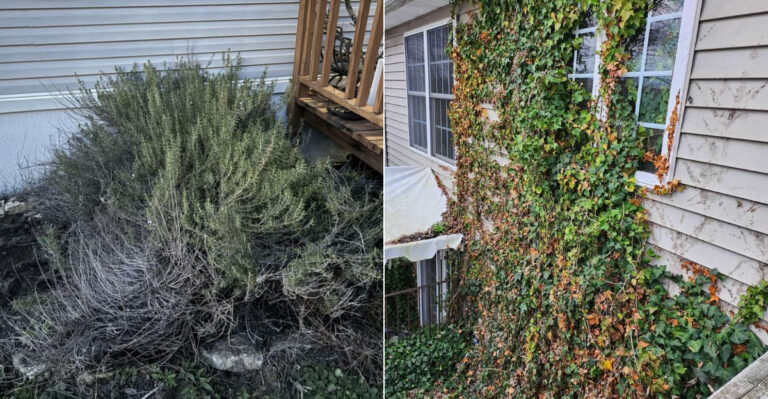
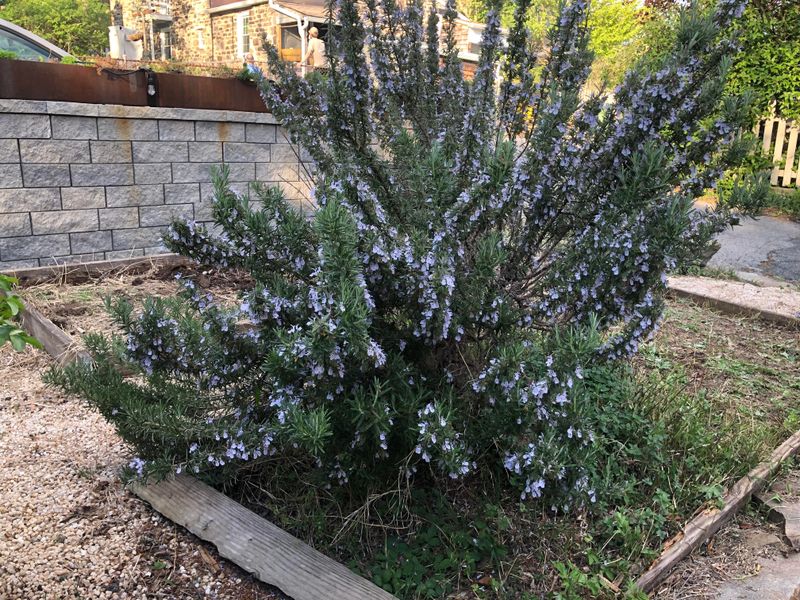
Once established, it is surprisingly tough. Rosemary grows into a substantial shrub over time, which means it creates a dense, fragrant border that roaches are unlikely to cross.
Upright varieties like Tuscan Blue can reach several feet tall, while trailing types work well along low walls or steps.
Both release that strong herbal scent that acts as a natural deterrent. Brush your hand against the leaves as you walk by, and you will release even more of that oil into the air.
Pair rosemary with lavender along your foundation for a one-two punch that covers more ground and creates a stronger barrier all season long.
3. Sage Handles Sunny Edges With Less Water
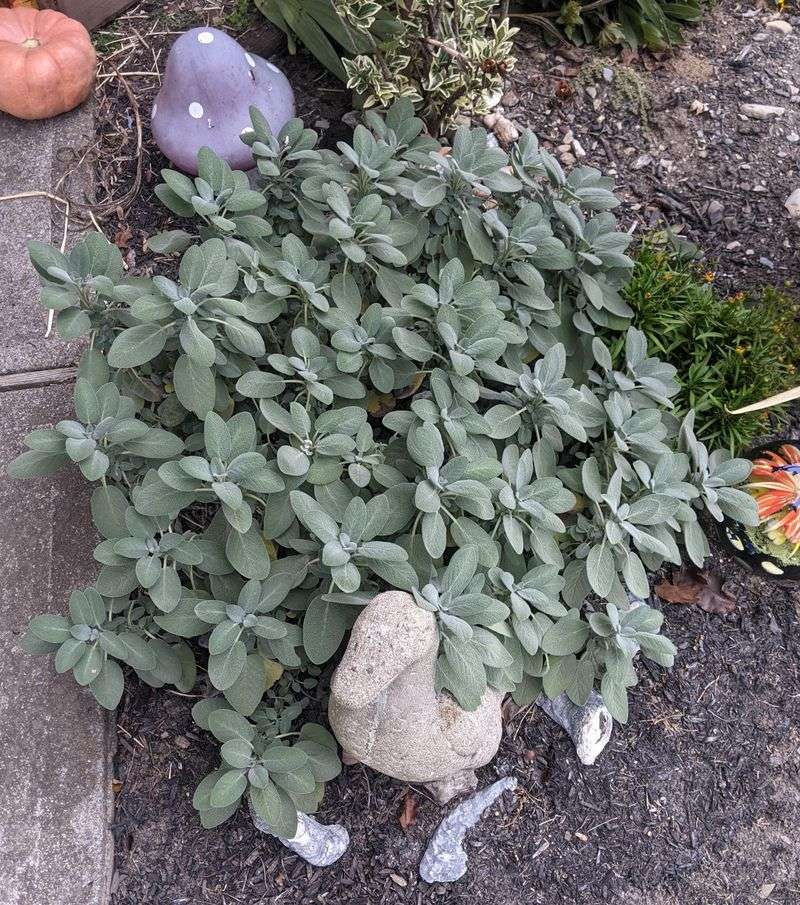
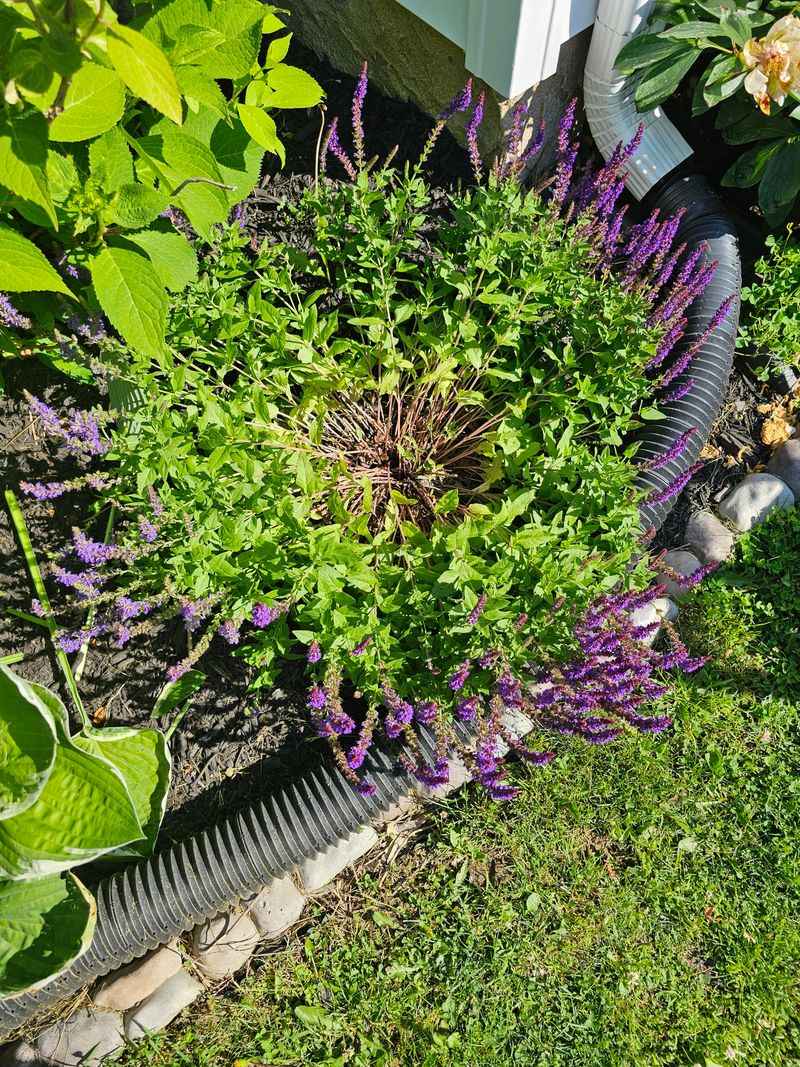
Sage has a smell that is hard to ignore, and that is exactly the point. The strong, earthy aroma that makes sage so popular in cooking is the same thing that sends roaches running in the opposite direction.
Placing sage along sunny edges of your yard or near entry points creates a natural scent wall that pests do not want to cross.
What makes sage especially practical is how little water it needs to stay healthy. Sunny, dry edges of a yard or garden bed are often hard to plant because most herbs dry out too quickly there.
Sage actually loves those conditions. It has silvery, fuzzy leaves that reflect heat and hold moisture well, making it one of the toughest herbs for hot, exposed spots.
In Oregon, common sage and purple sage both perform reliably through summer heat and cool fall temperatures.
Sage also brings in pollinators like bees and butterflies when it flowers, so it does double duty as a beneficial plant in your garden ecosystem. Trim it back in early spring to encourage fresh, bushy growth.
The newer growth tends to be the most fragrant, which means regular pruning keeps the roach-repelling power strong. Plant sage in clusters of three or more for the best effect.
Spacing plants about 18 inches apart gives each one room to spread out and fill in the border fully over the growing season ahead.
4. Thyme Works In Hot, Dry Foundation Strips
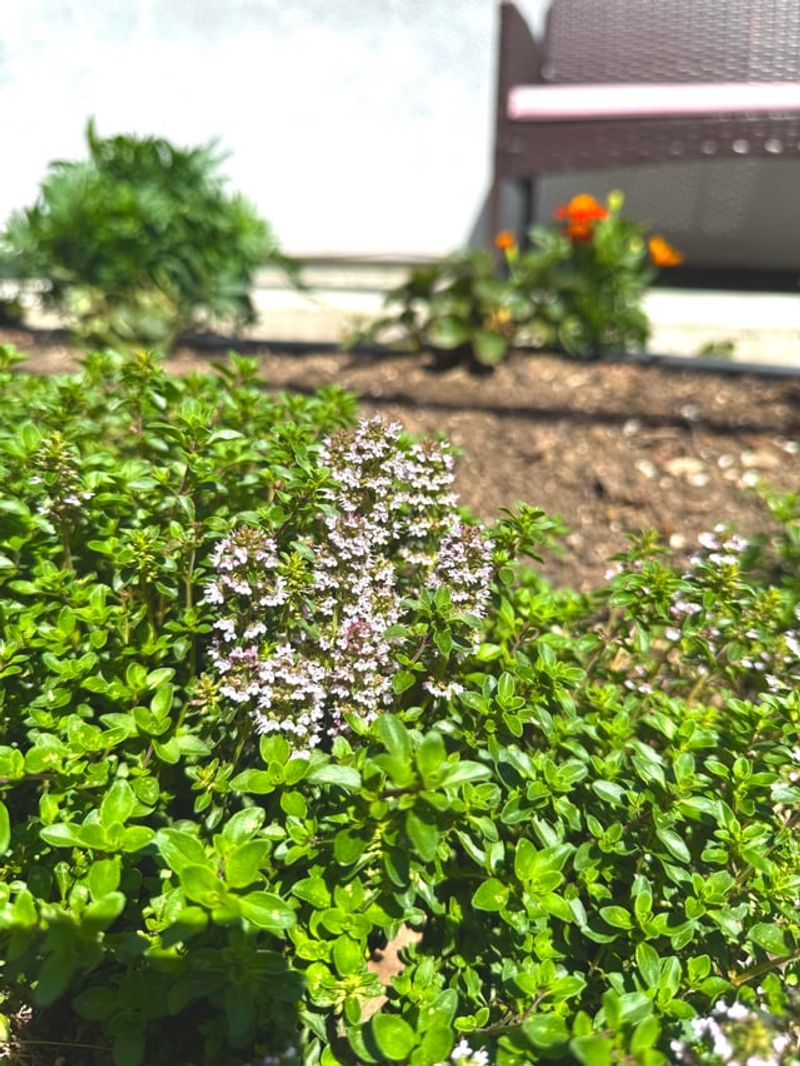
Hot, dry foundation strips are some of the trickiest spots in any yard to plant. The soil bakes in the sun, water runs off quickly, and most plants struggle to survive.
Thyme is built for exactly that kind of harsh environment. This small but mighty herb spreads low across the ground, fills in gaps beautifully, and releases a sharp, herbal scent that roaches cannot stand.
Creeping thyme is especially useful in narrow foundation strips because it hugs the ground and spreads sideways without getting too tall.
It forms a dense mat of tiny fragrant leaves that release oil every time the wind blows or someone brushes past.
That constant release of scent is what makes it so effective as a roach deterrent. Roaches depend on their sense of smell to navigate, and thyme’s aroma completely disrupts that ability near your home’s entry points.
Growing thyme is straightforward as long as you give it good drainage and plenty of sun. It handles the dry summers well and can survive mild winters without much protection.
If your foundation strip gets some afternoon shade, look for lemon thyme, which tolerates slightly less sun than common thyme. Both varieties work well as pest barriers.
Plant thyme every eight to ten inches along your foundation for solid coverage. Within one growing season, it will fill in the gaps and create a fragrant, low-maintenance border that quietly keeps roaches away all year long.
5. Mint Has Strong Scent But Needs A Pot
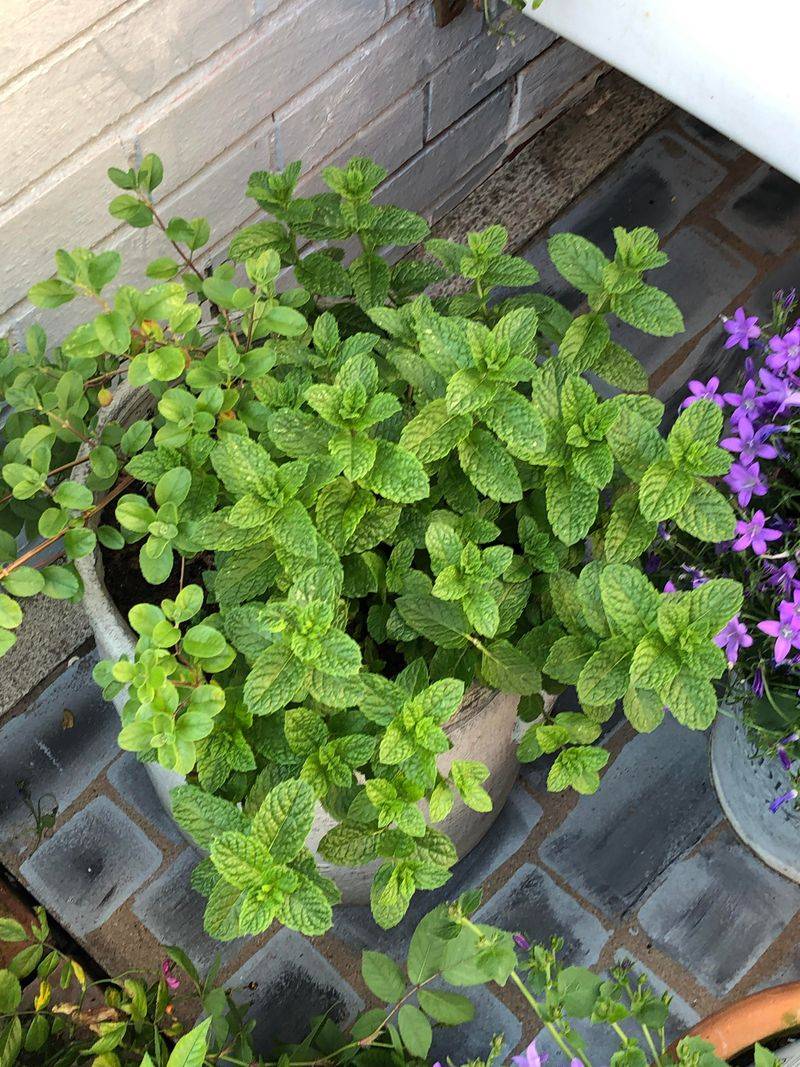
One crushed leaf fills a whole room with scent, and roaches feel that intensity even more strongly than we do.
The menthol compounds in mint leaves are genuinely overwhelming to insects, making mint one of the most effective natural roach repellents you can grow at home.
There is one important catch with mint, though. It spreads aggressively underground through runners, and if you plant it directly in the ground, it will take over your garden in a season or two.
That is why keeping it in a container is the smartest move. A large pot or planter near your front door, back steps, or garage entrance lets mint do its job without turning into a garden takeover.
You get all the roach-repelling benefits without the headache of controlling its spread.
Peppermint and spearmint are the two most effective varieties for pest control because of their high menthol content. Both grow quickly and fill a pot within a few weeks of planting.
Water mint regularly since it likes moisture more than most herbs on this list. Place the pot right next to any door or window that roaches might use to get inside.
Brushing the leaves occasionally releases more oil into the air, which boosts its effectiveness.
Refreshing the plant each spring with new soil keeps it vigorous and ensures the scent stays strong all season.
6. Bay Laurel Leaves Add A Sharp Herbal Smell
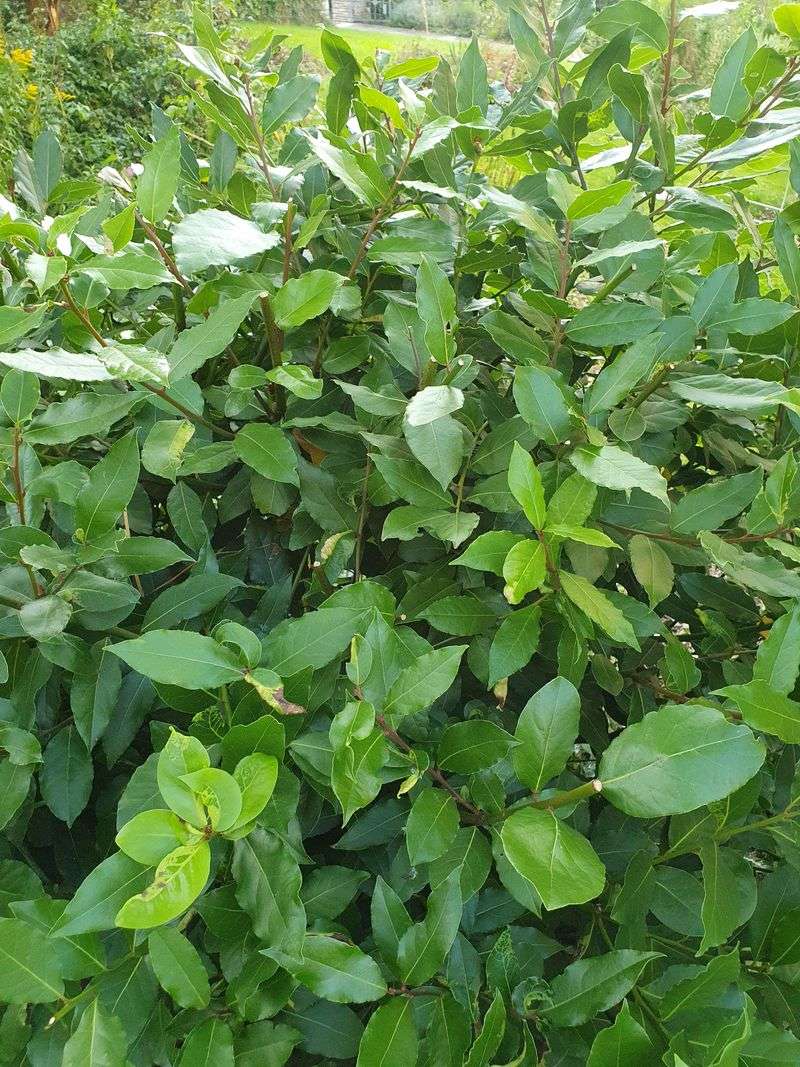
Bay laurel is one of those plants with a long history tied to both cooking and pest control. Ancient households used dried bay leaves inside pantries and cupboards to keep insects away from stored food, and that same sharp, herbal scent works just as well outdoors.
Roaches find the aroma of bay laurel deeply off-putting, making it a surprisingly effective addition to a pest-repelling garden.
As a plant, bay laurel grows into a handsome shrub or small tree that can anchor a corner of your yard or flank a front entryway with real visual presence.
The glossy, dark green leaves look polished year-round, and the plant stays evergreen in our mild coastal climates.
In colder inland or northern regions, growing it in a large container lets you bring it inside during the harshest winter months to protect it from frost damage.
The leaves are most potent when they are fresh and growing on the plant. Crushing a leaf between your fingers releases that sharp, spicy scent almost instantly.
Planting bay laurel near doors, vents, or basement windows puts that natural deterrent right where roaches are most likely to try and enter. It grows slowly, so it will not overwhelm a small space.
Fertilize it lightly in spring to encourage fresh leaf growth, and trim it into a tidy shape if needed.
A well-maintained bay laurel is both a beautiful landscape plant and a hardworking natural pest barrier.
7. Oregano Covers Dry Edges With Aromatic Leaves
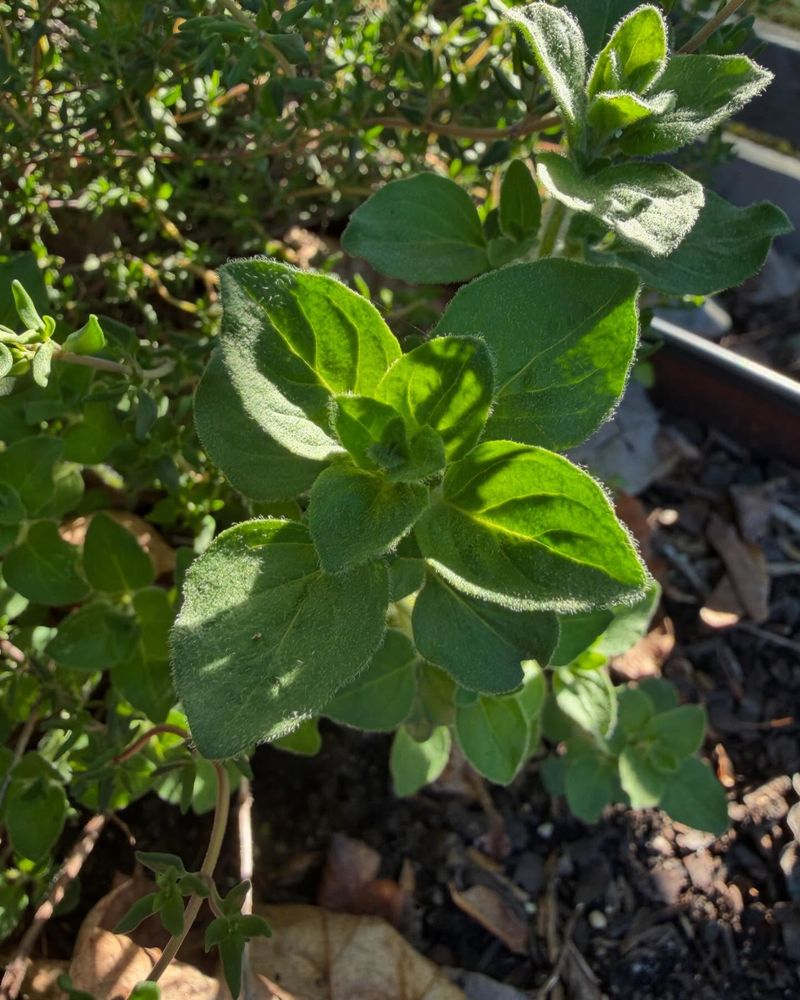
Most people think of oregano as something that belongs in the kitchen, not the garden border.
But this humble herb is actually one of the most aromatic plants you can grow, and that intensity is exactly what makes it useful for keeping roaches away.
The sharp, spicy smell of oregano comes from carvacrol and thymol, two natural compounds that insects strongly avoid.
Oregano is a low-growing, spreading plant that works beautifully along dry edges of garden beds or in spots where other plants struggle to fill in. It handles poor, rocky, or sandy soil without much trouble and does not need regular fertilizing to stay healthy.
Once it gets established in a sunny spot, it practically takes care of itself through Oregon’s dry summer months.
That makes it a low-effort option for homeowners who want pest protection without a lot of gardening work.
Greek oregano tends to have the strongest scent and is the best choice if pest control is your main goal. It stays relatively compact and does not spread as aggressively as mint, making it easier to manage in open garden beds.
Plant it along the sunniest edges of your yard, especially near side gates, garage doors, or foundation vents where roaches might try to sneak in. Trim it back occasionally to encourage fresh, fragrant new growth.
The more aromatic leaves it produces, the stronger the natural barrier it creates around your home’s most vulnerable entry points.
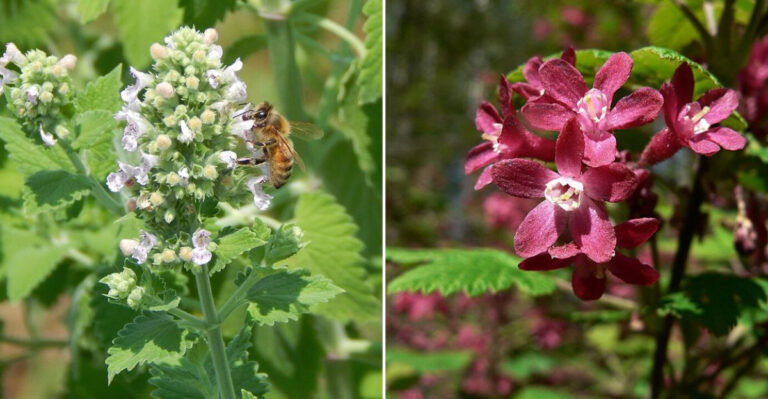
8. Catmint Softens Borders Without Heavy Watering
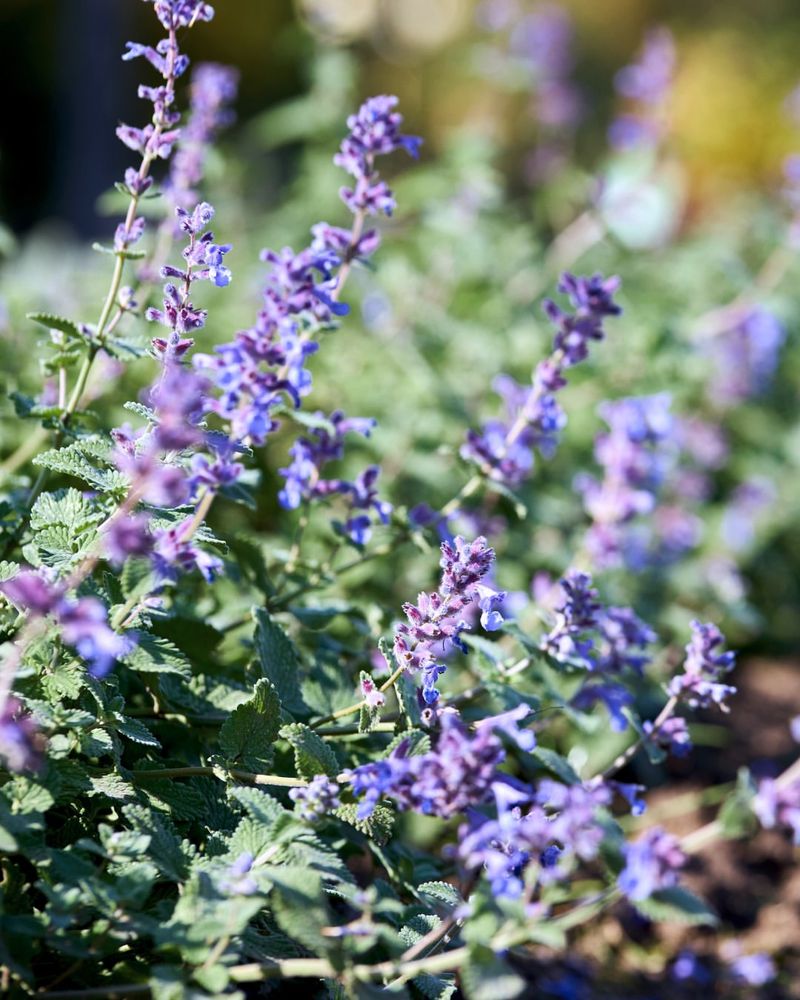
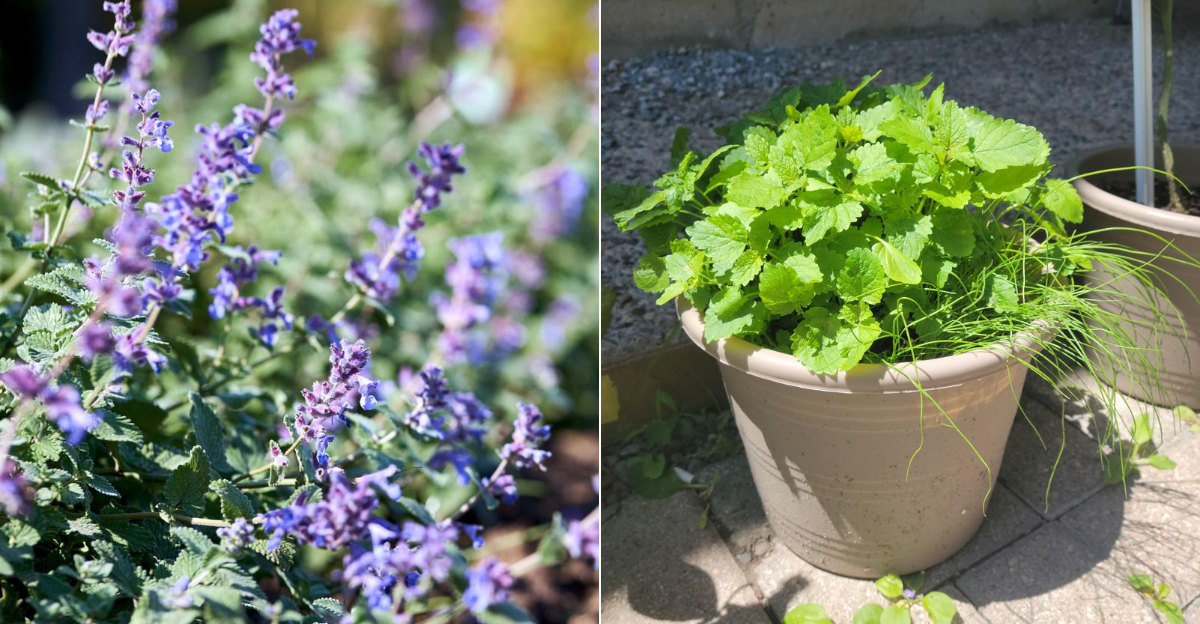
Catmint is one of those plants that garden designers love for its soft, billowy look and lavender-blue flowers, but it has a secret skill that most people overlook.
The leaves and stems contain nepetalactone, the same compound found in catnip, and research has shown it is actually more effective at repelling insects than many commercial repellents.
Roaches rank among the insects that want nothing to do with this plant.
What makes catmint especially appealing for homeowners is how little care it demands. It is drought-tolerant once established, handles poor soil without complaint, and comes back reliably each year as a perennial.
Planting it along garden borders near your home creates a soft, flowering edge that looks intentional and polished while quietly doing pest-control work in the background.
It blooms heavily in late spring and again in late summer if you cut it back after the first flush of flowers fades.
It handles both the wet winters and dry summers that are common across different parts of the region.
Faassen’s catmint and Walker’s Low are two popular varieties that stay compact and manageable in border plantings.
Space plants about two feet apart so they can fill in naturally without crowding each other.
Because the scent is strongest when the leaves are disturbed, placing catmint along pathways where people brush past it regularly keeps the roach-repelling oils active and working around your home’s perimeter all season.
9. Lemon Balm Belongs In Containers Near Porches
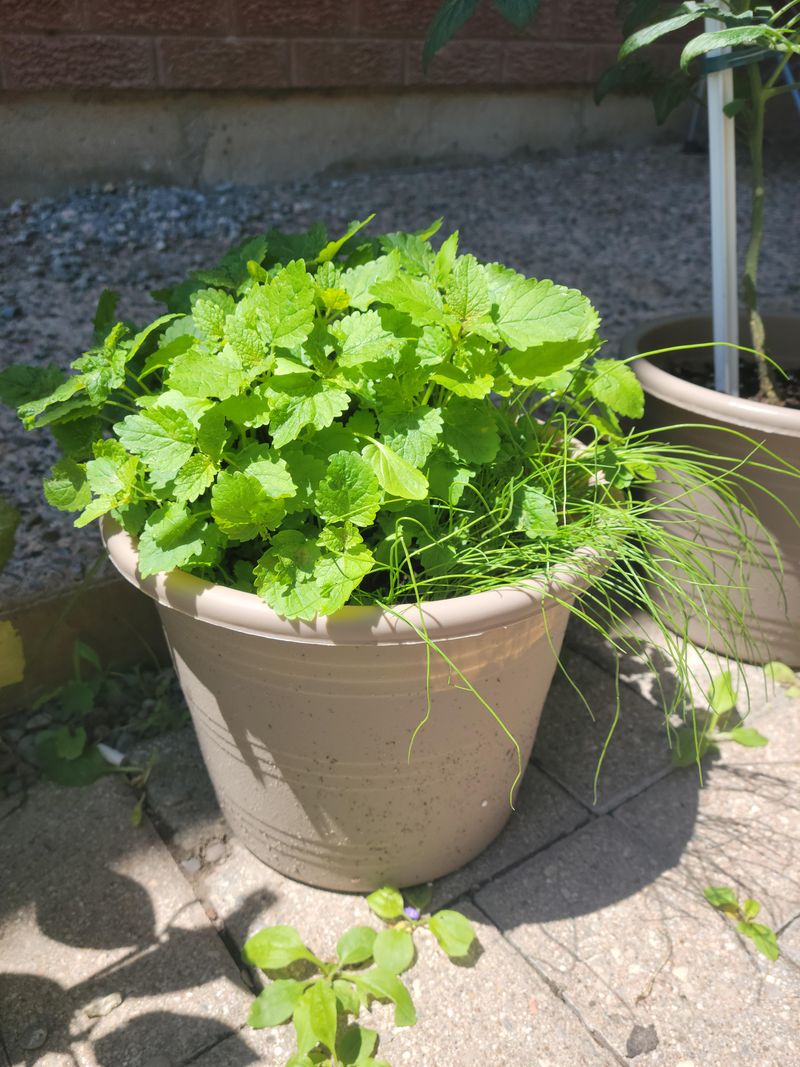
There is something cheerful about lemon balm. Its bright green, crinkled leaves smell like fresh lemon zest, and just brushing against them releases a citrusy burst that instantly lifts your mood.
Roaches, however, have the opposite reaction. The strong citronella-like compounds in lemon balm are a serious deterrent for roaches and many other common household pests.
Like mint, lemon balm spreads enthusiastically if planted directly in the ground, so keeping it in a container is the smarter approach.
A large pot on your porch, near your back door, or beside a sliding glass door puts the scent exactly where you need it most.
Container growing also lets you move the plant around depending on where pest pressure seems highest during different times of year.
Water it consistently since lemon balm prefers slightly moist soil compared to most herbs on this list.
Growing lemon balm in Oregon is easy. It tolerates partial shade better than most herbs, which makes it a good choice for porches or covered entryways that do not get full sun all day.
It comes back as a perennial in most parts of the region, though container plants benefit from being brought inside during hard freezes.
Harvest a few leaves regularly to keep the plant from getting too leggy, and use those cuttings to make herbal tea or natural cleaning sprays for inside your home. Lemon balm truly earns its place on the porch in more ways than one.