The Most Underrated Florida Porch Plant That Makes Fungus Gnats Less Welcome
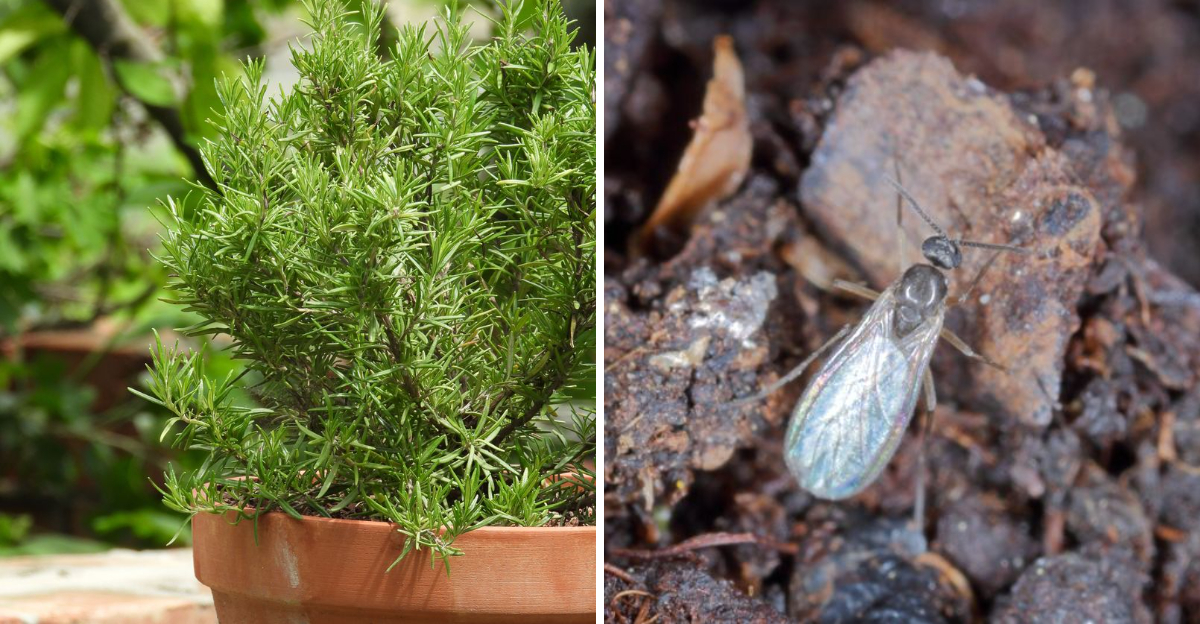
Fungus gnats are one of those porch problems that seem minor until they are not. Small, persistent, appearing in clouds around every container plant every time someone walks past.
Most homeowners reach for sticky traps and soil treatments without considering that one plant placed nearby might make the whole situation less appealing to them in the first place. One porch plant has a scent that fungus gnats find genuinely off-putting.
It thrives in Florida’s climate, looks sharp in a container, and pulls double duty in ways most pest deterrents never could. The pest benefit is a bonus.
A real one, but a bonus. Your porch containers deserve something that pulls more than one job.
This plant has been doing exactly that in Florida gardens for a very long time.
1. Rosemary Keeps Porch Pots On The Drier Side
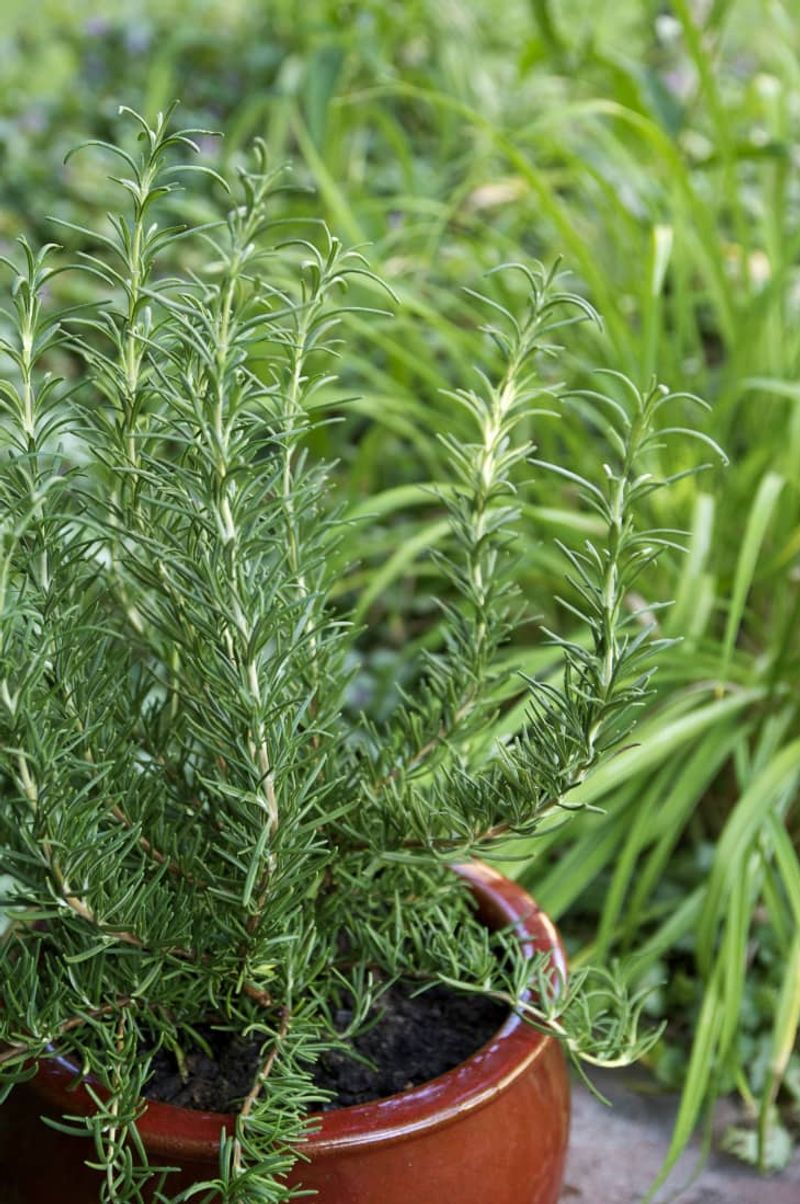
Pull up a chair on any sunny porch in Florida and you will likely spot the usual suspects. Ferns, pothos, peace lilies, and other moisture-loving plants often sit in containers that never quite dry out.
Rosemary is a different kind of porch companion. It grows best when the soil dries somewhat between waterings, which is the opposite of what fungus gnats prefer.
The plant itself is not a magic barrier. No single herb can chase away a gnat infestation just by sitting nearby.
The real advantage is the care routine rosemary demands. It needs good drainage, a sunny spot, and a watering schedule that does not keep the potting mix constantly wet.
Containers holding rosemary need drainage holes, a fast-draining mix, and a Florida gardener who resists the urge to overwater. Those habits create a drier porch environment overall.
According to UF/IFAS, rosemary grows well in containers when given full sun and allowed to dry between waterings. In colder northern regions, it may need protection from hard freezes.
Start with rosemary and let its care needs guide your whole porch routine toward drier, healthier containers.
2. Well Drained Soil Does The Real Gnat Fighting
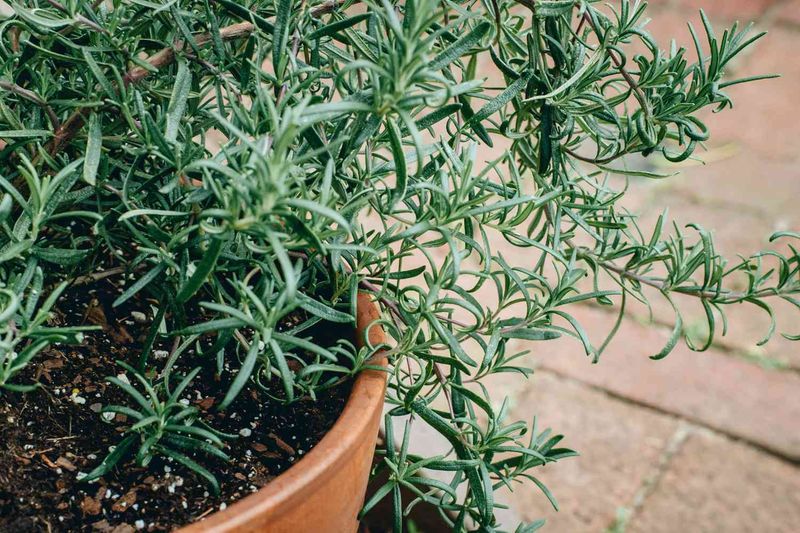
Grab a handful of standard potting mix from a bag and squeeze it after watering. If it clumps and stays wet for days, fungus gnats already have an open invitation.
The potting media is where the real gnat problem begins, and fixing drainage is the most effective prevention step any porch gardener can take.
Fungus gnats lay eggs in moist organic material near the soil surface. When potting mix stays damp too long, it creates ideal conditions for larvae to feed on organic matter and fungal growth.
Rosemary dislikes waterlogged roots just as much as gnats love them, so its care needs push Florida gardeners toward better container choices.
Choose a container mix that drains quickly and does not compact easily. Always use pots with drainage holes, never sealed containers or decorative pots without an exit for water.
Adding perlite to standard potting mix can help improve drainage, though UF/IFAS extension resources recommend starting with a quality mix designed for containers. Avoid piling on random amendments that may shift the soil structure in unpredictable ways.
Your Florida Garden Changes Every Week. Your Plan Should Too.
Gardening in Florida changes quickly throughout the season. Every Friday you’ll receive a simple weekly plan showing exactly what to plant, prune, fertilize, harvest, and protect so you never miss the right timing.
Good drainage is the foundation of both a healthy rosemary plant and a less gnat-friendly porch.
3. Soggy Containers Invite Fungus Gnats First
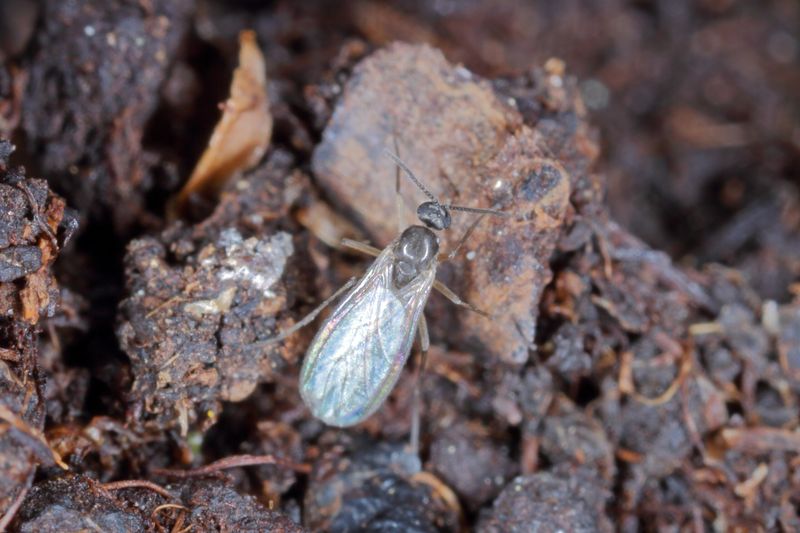
Picture a shaded corner of a porch where a potted plant has been watered a little every day. The saucer is always full, and a few old leaves have collected at the base of the stem.
That container is exactly the environment fungus gnats seek out. Wet soil surfaces, standing water in saucers, compacted media, and decaying organic material all combine to make a pot irresistible to egg-laying adults.
Fungus gnats are a symptom of a container environment, not proof that the porch needs a stronger-smelling plant nearby. Seeing gnats means something nearby is staying too wet, too shaded, or too cluttered with decomposing debris.
Inspect every container on the porch, not only the one where gnats are most visible.
Remove withered leaves from pot surfaces regularly. Empty saucers within a few hours after watering.
Move pots out of deep shade if possible, since shaded spots dry far more slowly than sunny ones. Check that drainage holes have not been blocked by compacted roots or debris.
Every container on the porch shares the same air, so one neglected soggy pot can attract gnats that then spread to neighboring plants.
4. Strong Scent Helps The Story But Not The Cure
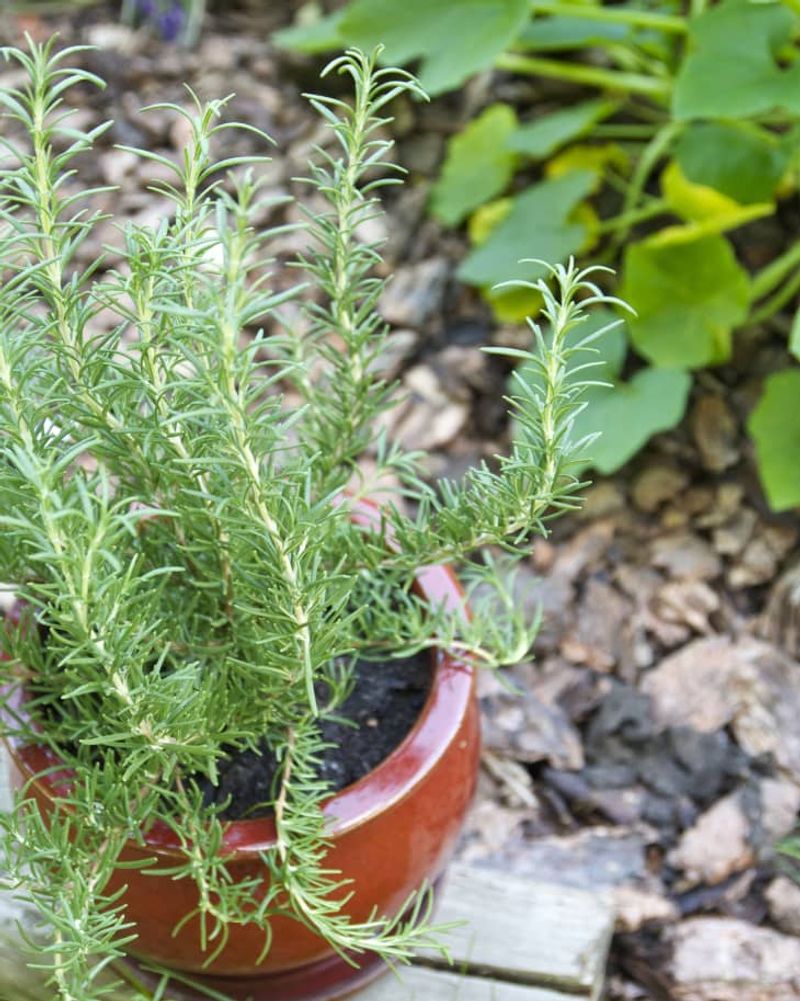
Walk past a rosemary plant on a warm afternoon and the fragrance hits immediately, sharp, piney, and unmistakably fresh. That scent is part of what makes rosemary so appealing on a porch, patio, or entryway.
It is easy to assume that a plant smelling that strongly must be pushing insects away just by existing near other containers.
Honest Florida gardening advice says otherwise. Rosemary’s fragrance is a genuine porch bonus, but it is not a pest-control system.
Crushing the leaves, brushing the plant as you walk by, or placing a pot near other containers will not solve an active fungus gnat problem. The gnats are responding to moist soil, not to the absence of a particular smell.
Think of the scent as a reward for good container care rather than a shortcut. Rosemary smells wonderful, it looks attractive in a terracotta pot, and it can even be harvested for cooking.
Those are real reasons to grow it on a porch. The pest-prevention angle comes entirely from the drier, sunnier, better-drained routine the plant requires.
Enjoy the fragrance, but put your energy into fixing drainage and watering habits where the gnats are actually breeding.
5. Sunny Porches Keep Rosemary Growing Tight
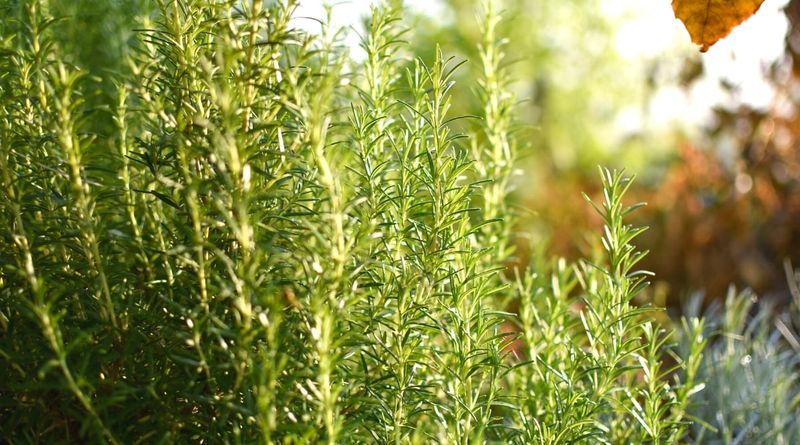
Slide a rosemary container into a dim corner and the results show up quickly. Growth stretches outward searching for light, the stems become leggy, and the potting mix takes much longer to dry between waterings.
Weak light is not just a cosmetic problem for rosemary; it changes the entire moisture pattern of the container.
Rosemary generally needs at least six hours of direct sun to stay compact and healthy. Sunny porches, bright patios, and spots with good airflow give the plant the conditions it needs and help the potting mix dry more evenly after watering.
Sun speeds up surface drying, which is one of the simplest ways to make porch containers less hospitable to fungus gnats.
In southern regions, summer heat can be intense, so some afternoon shade may prevent stress during the hottest months. In northern regions and panhandle communities, rosemary may need protection from hard freezes during winter.
Moving containers inside or covering them during cold snaps is a straightforward precaution. Placement matters year-round.
A pot sitting in the right light grows better, dries faster, and fits naturally into the kind of porch routine that keeps soggy, gnat-friendly conditions from developing.
6. Skip Moisture Trays That Keep Soil Damp
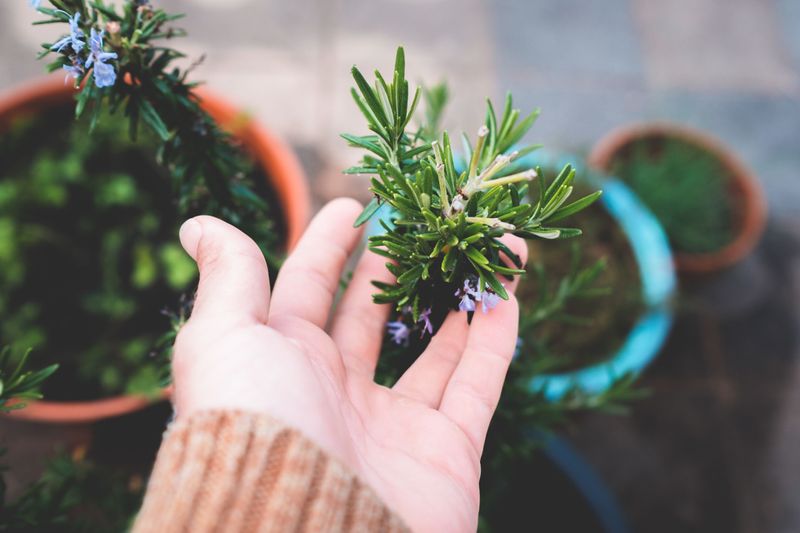
Decorative saucers look tidy under porch pots. They catch drips, protect the floor, and make a container arrangement look more intentional.
The problem is that water sitting in a saucer keeps the bottom of the potting mix damp long after the surface appears dry. Roots sitting in that trapped moisture are under stress, and the wet zone near the drainage hole is exactly where fungus gnat larvae thrive.
Rosemary roots should never sit in standing water. After watering a rosemary container, let it drain fully and then empty the saucer.
The same rule applies to every other pot on the porch. Decorative outer cachepots without drainage holes are especially risky because water collects invisibly at the bottom and Florida gardener may not notice for days.
Lifting pots slightly using pot feet or small risers allows water to drain freely and prevents the base from sealing against a flat surface. Check saucers after every rain as well, since a passing shower can fill them without any watering from you.
Keeping saucers clean and dry is one of the fastest, easiest porch adjustments you can make. It costs nothing and directly reduces the moist conditions that make containers more inviting to fungus gnats.
7. Let The Top Layer Dry Before Watering Again
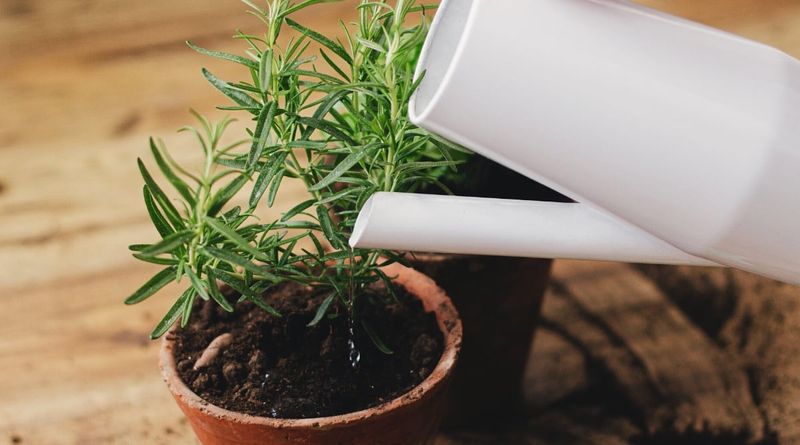
Watering on a fixed schedule feels organized, but porch containers do not follow a calendar. Heat, humidity, wind, rain, pot size, and soil type all change how quickly a container dries.
Watering rosemary before it needs it keeps the top layer of potting mix damp. That damp surface is exactly what female fungus gnats look for when choosing a place to lay eggs.
Check the top inch or two of potting mix before reaching for the watering can. If it still feels moist, wait.
If it feels dry and the pot feels noticeably lighter than usual, water thoroughly until it drains from the bottom. Deep, infrequent watering followed by good drainage is far better for rosemary than frequent small splashes that keep the surface perpetually wet.
Learning the weight of a well-watered pot versus a dry one takes only a few weeks of practice. After rain, skip watering entirely and check again the next day.
During humid stretches, containers dry more slowly than during hot, breezy afternoons. Letting the surface dry between waterings is not stressful for rosemary; it is the natural rhythm the plant prefers.
That same rhythm makes porch containers noticeably less welcoming to fungus gnats over time.
8. Use Rosemary To Build Better Porch Habits
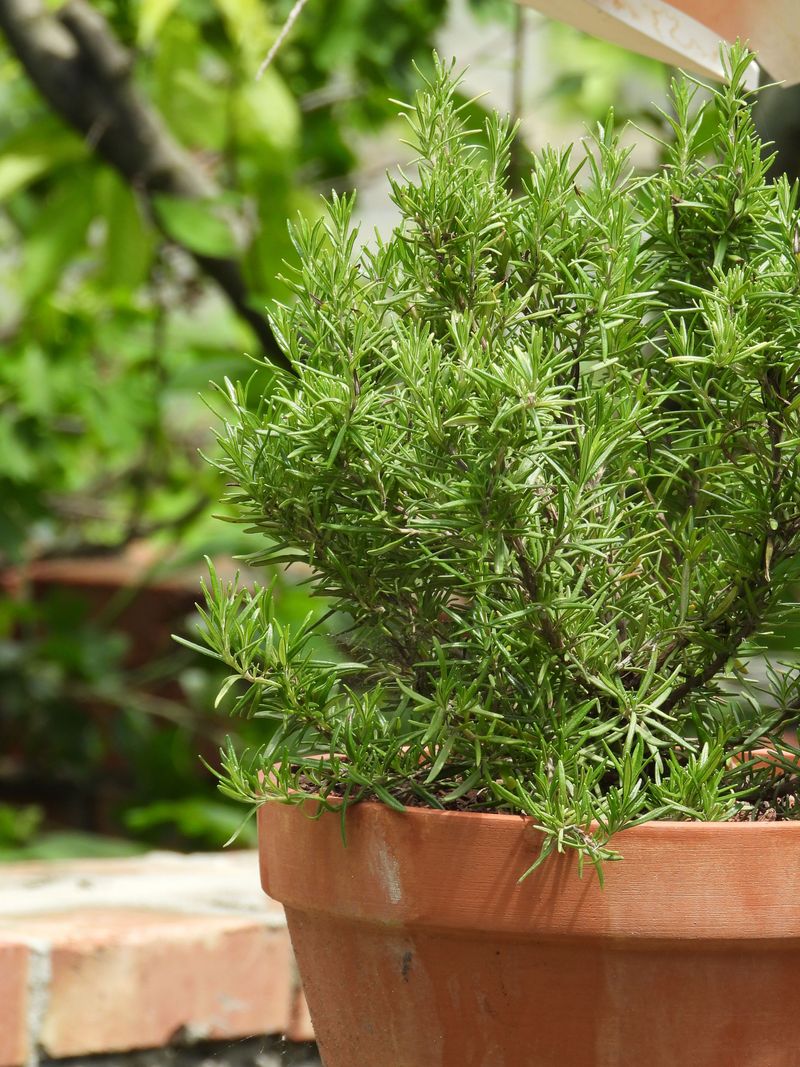
Keeping one pot of rosemary on the porch will not protect every container from fungus gnats. What it will do is serve as a daily reminder of what good container care actually looks like: bright sun, fast-draining soil, careful watering, and saucers that stay dry.
Those habits, applied consistently across every pot on the porch, are what make fungus gnats less welcome.
Walk the porch once a week and look at each container with fresh eyes. Are any saucers holding water?
Is any soil surface staying wet for more than a few days? Are there withered leaves sitting in the potting mix?
Is any pot sitting in a shaded corner where it never fully dries? Each yes is an invitation to gnats that rosemary alone cannot cancel out.
Remove decaying debris from pot surfaces. Improve drainage where needed.
Inspect containers you have not checked recently. If a serious infestation develops, UF/IFAS and local county extension offices are reliable sources for verified, safe guidance.
Rosemary earns its spot on the porch by being genuinely useful, fragrant, and easy to cook with. Let it also be the plant that pushes every porch container toward sunnier, cleaner, less soggy conditions all season long.