How To Feed Potted Plants Without Burning Them In Arizona July Heat
Feeding potted plants can feel risky when every hot afternoon seems capable of scorching something. Skip fertilizer too long and growth slows; apply it carelessly and tender roots suffer.
You don’t have to choose between those outcomes.
Give your containers the nutrients they need at the right time and in the right way. Small adjustments make a bigger difference than adding more fertilizer.
Arizona’s extreme summer heat changes how potted soil behaves, so timing and technique matter just as much as the product you use.
Slow down, check the soil first, and let the weather guide your next feeding. A few smart habits will keep your plants growing steadily without putting extra stress on their roots.
Once you understand the balance, you’ll feed with more confidence all summer long ahead.
1. Feed Only Moist Soil
Dry soil and fertilizer are a bad combination. When roots sit in dry, hot soil and fertilizer is added, the salt concentration spikes fast.
That spike pulls moisture away from the roots instead of feeding them.
Moist soil acts as a buffer. It dilutes the fertilizer as it moves through the container, spreading nutrients more evenly and reducing the risk of root damage.
Dry soil has no buffer at all.
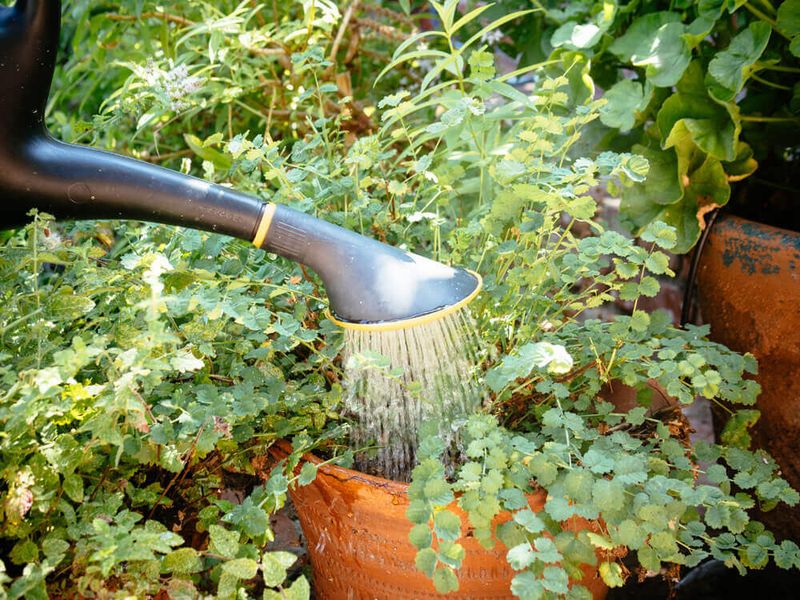
Before feeding any potted plant in summer, water it thoroughly first. Let the water soak in for about 20 to 30 minutes before applying any fertilizer.
That short wait makes a real difference.
Check the soil a few inches deep before you start. If it feels bone dry or barely damp, skip the fertilizer for that day.
Come back after a good watering session.
Containers dry out much faster than garden beds, especially in July heat. A pot that felt moist in the morning can be parched by early afternoon.
Always check again before feeding, even if you watered earlier that same day.
Roots absorb nutrients through water. Feeding into moist soil gives them the best chance to actually use what you apply, rather than sitting stressed in a salty, dry mix that works against them.
2. Choose A Diluted Liquid Fertilizer
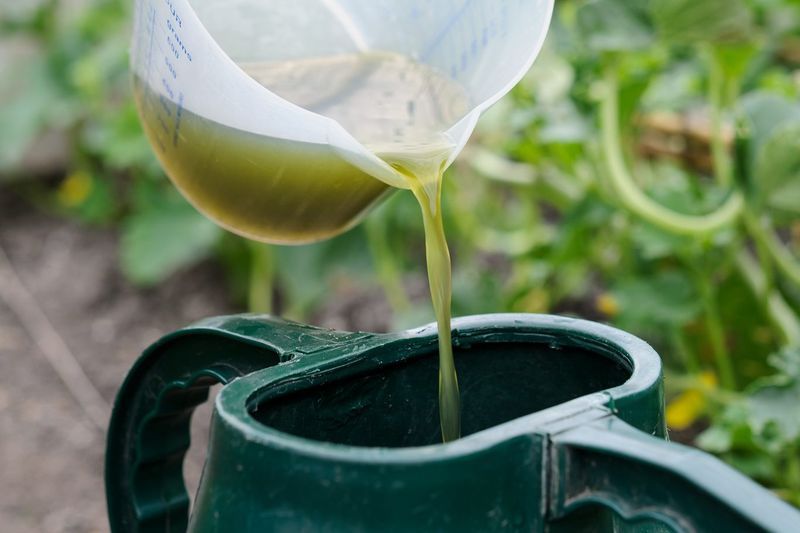
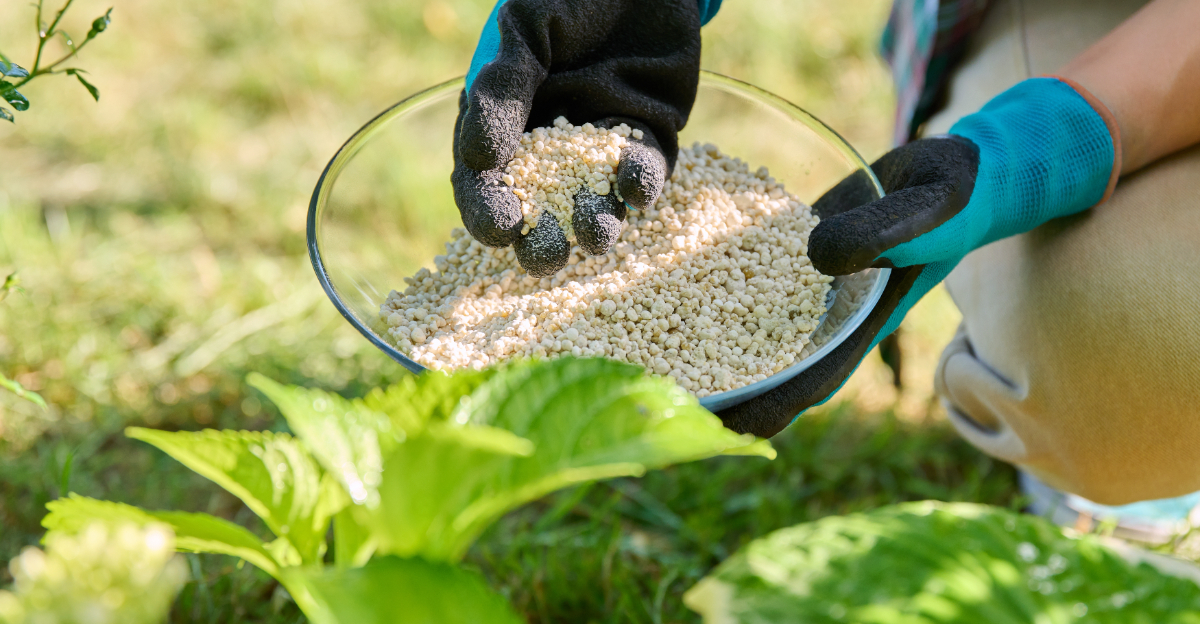
Granular fertilizers can be tricky in summer heat. They release nutrients slowly, but in a hot container they can concentrate quickly and overwhelm roots that are already stressed.
Liquid fertilizers give you more control. You decide the strength, and you can adjust it based on how your plants are doing.
Cutting the recommended dose in half is a smart starting point for July.
A half-strength mix reduces the risk of salt buildup in the soil. Salt buildup is one of the main reasons potted plants show brown leaf tips and wilting after feeding during hot months.
Fish emulsion, diluted balanced fertilizers, and seaweed-based products tend to work well during summer. They absorb quickly and gently, without sitting in the soil and building up over time.
Read labels carefully. Some liquid fertilizers are already concentrated and need significant dilution even in mild weather.
In peak summer, go lighter than the label suggests and watch how your plants respond over the next few days.
Your Arizona Garden Changes Every Week. Your Plan Should Too.
Gardening in Arizona changes quickly throughout the season. Every Friday you’ll receive a simple weekly plan showing exactly what to plant, prune, fertilize, harvest, and protect so you never miss the right timing.
Weak and frequent feedings work better than strong and occasional ones when temperatures are extreme. A small, consistent nutrient supply keeps plants supported without pushing their root systems past what they can handle in hot conditions.
3. Apply It During The Coolest Part Of The Day
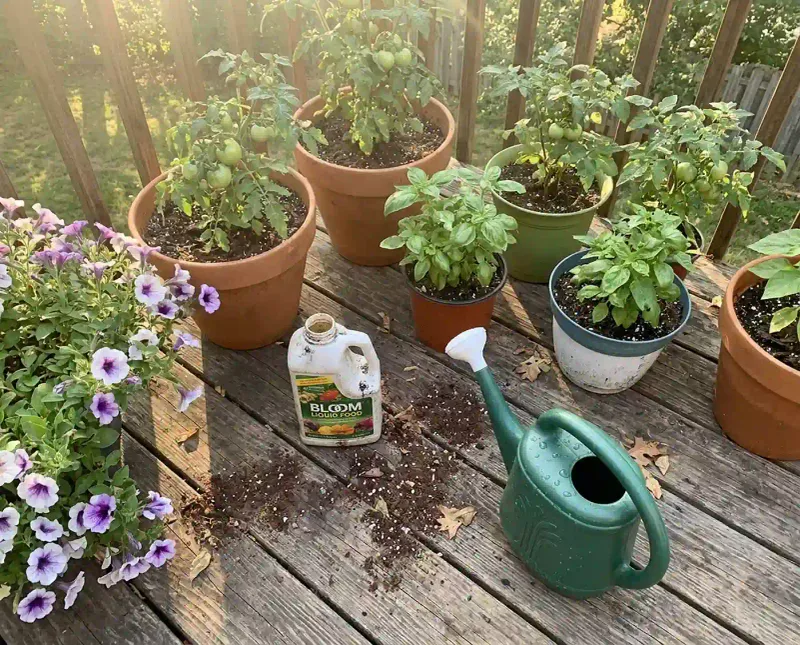
Timing matters more than most people realize. Applying fertilizer in the middle of a July afternoon can stress plants even when the mix is perfectly diluted.
Soil temperature spikes dramatically by midday.
Early morning is the best window. Soil is cooler, roots are more active, and the fertilizer has time to settle in before the heat of the day arrives.
Aim for before 8 a.m. when possible.
Evening is a reasonable second option. Temperatures drop after sunset, and the soil begins to cool.
Fertilizer applied in the evening has the whole night to be absorbed before the next day’s heat builds again.
Midday feeding is worth skipping in summer. Hot soil and hot air together push stress levels higher for roots.
Even a mild fertilizer can feel harsh under those conditions.
In Arizona, summer afternoons are especially intense. Concrete patios and dark containers absorb and hold heat, making the soil inside pots far hotter than air temperature alone would suggest.
That extra heat matters when you are deciding when to feed.
Sticking to a morning or evening routine takes almost no extra effort. It is a small habit change that significantly lowers the chance of burning roots or shocking plants during the most demanding weeks of summer.
4. Keep Fertilizer Off Leaves And Stems
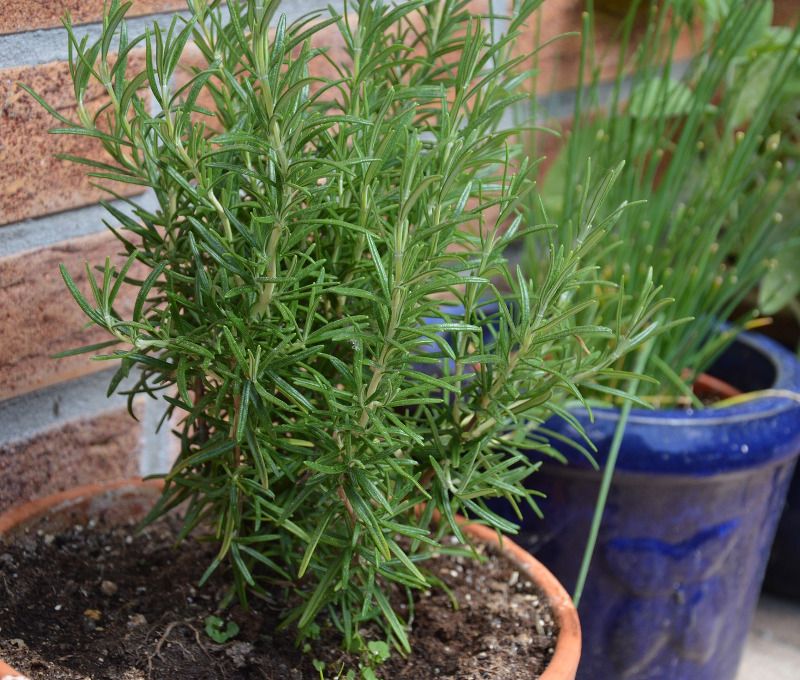
Fertilizer on foliage is a fast track to damage during summer. Leaves absorb liquid quickly, and when fertilizer lands on them in the heat, it can scorch the tissue within hours.
Stem contact is equally risky. Stems are sensitive, and concentrated fertilizer sitting against them in hot conditions can cause surface damage that weakens the plant over time.
Pour fertilizer slowly and aim directly at the soil. Get the spout close to the base of the plant and keep it low.
A steady, controlled pour is much safer than splashing from a height.
If any fertilizer lands on leaves by accident, rinse it off with plain water right away. Acting quickly reduces the chance of visible burn marks showing up later.
Overhead watering with fertilizer mixed in is generally not recommended in summer.
Foliar feeding works in cooler seasons, but July heat makes it far less effective for most common potted plants.
Keeping fertilizer in the soil where roots can use it is the whole point. Leaves and stems have no way to process fertilizer the way roots do, and in summer heat, contact with foliage causes far more harm than benefit.
Precision during application protects the whole plant.
5. Skip Feeding Heat Stressed Plants
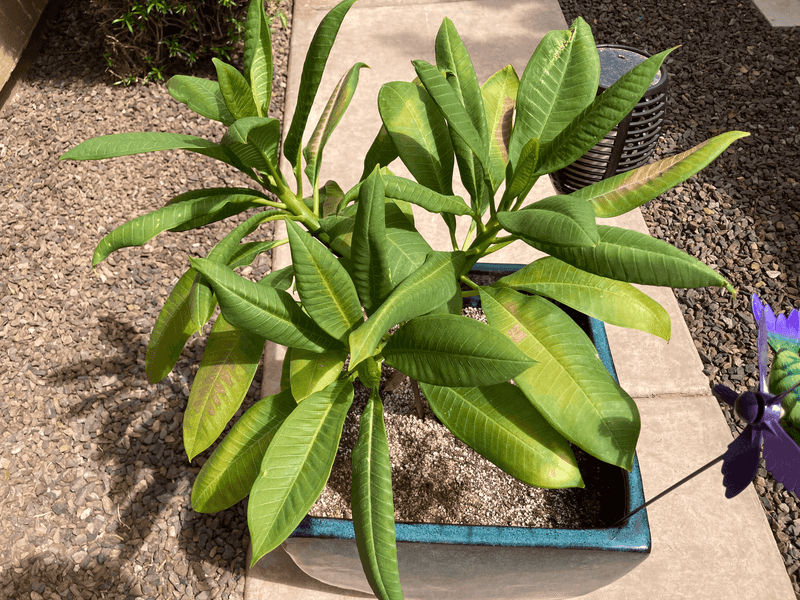
Wilting leaves and drooping stems are signals worth paying attention to.
A plant showing those signs is already under significant stress, and adding fertilizer on top of that stress rarely helps.
Stressed roots are less efficient at absorbing nutrients. Fertilizer applied during that state often just sits in the soil, raising salt levels without providing any real benefit to the plant.
Recovery comes from water and shade first. Move a struggling plant to a shadier spot if possible, water it thoroughly, and give it a day or two to bounce back before even thinking about feeding.
Brown leaf edges, curled leaves, or a generally limp appearance are signs that the plant needs relief, not nutrition. Feeding a plant in that condition can push it further into decline.
Wait until you see new growth or improved firmness in the leaves before resuming a feeding schedule. That visible recovery is a reliable sign that roots are functioning well enough to handle nutrients again.
Healthy plants in summer still benefit from a reduced feeding schedule. Stressed plants need even more caution.
Skipping a feeding or two during a rough heat stretch is far safer than pushing fertilizer into a root system that is not ready to use it. Patience during heat waves pays off.
6. Flush Containers With Plain Water Regularly
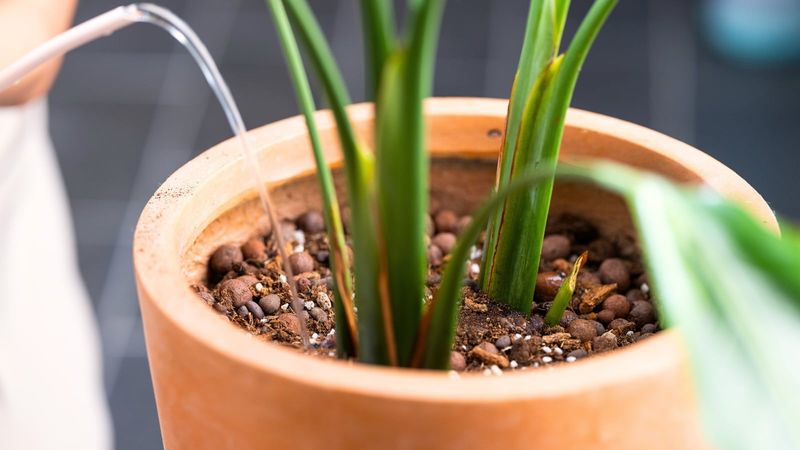
Salt builds up in containers over time. Every time you fertilize, a small amount of mineral residue is left behind.
In summer, when watering is frequent and evaporation is high, that buildup accelerates.
Flushing with plain water pushes accumulated salts out through the drainage holes at the bottom. It is a simple reset that keeps the root environment cleaner and more balanced.
Once or twice a month during peak summer is a reasonable flushing schedule for most potted plants. Run water through the container slowly and steadily until it flows freely out the bottom for a minute or two.
White crusty deposits on the rim or surface of the soil are a sign that salt buildup is already happening. Flushing becomes more urgent when you spot that crust forming.
Good drainage is essential for flushing to work. Containers without drainage holes trap everything, including excess salts, and flushing is not effective without somewhere for the water to escape.
In the desert Southwest, water quality can also contribute to mineral buildup. Tap water in many areas carries dissolved minerals that add to the salt load over time.
Flushing regularly helps manage that accumulation alongside any fertilizer residue already present in the soil.
7. Reduce Feeding During Extreme Heat Waves
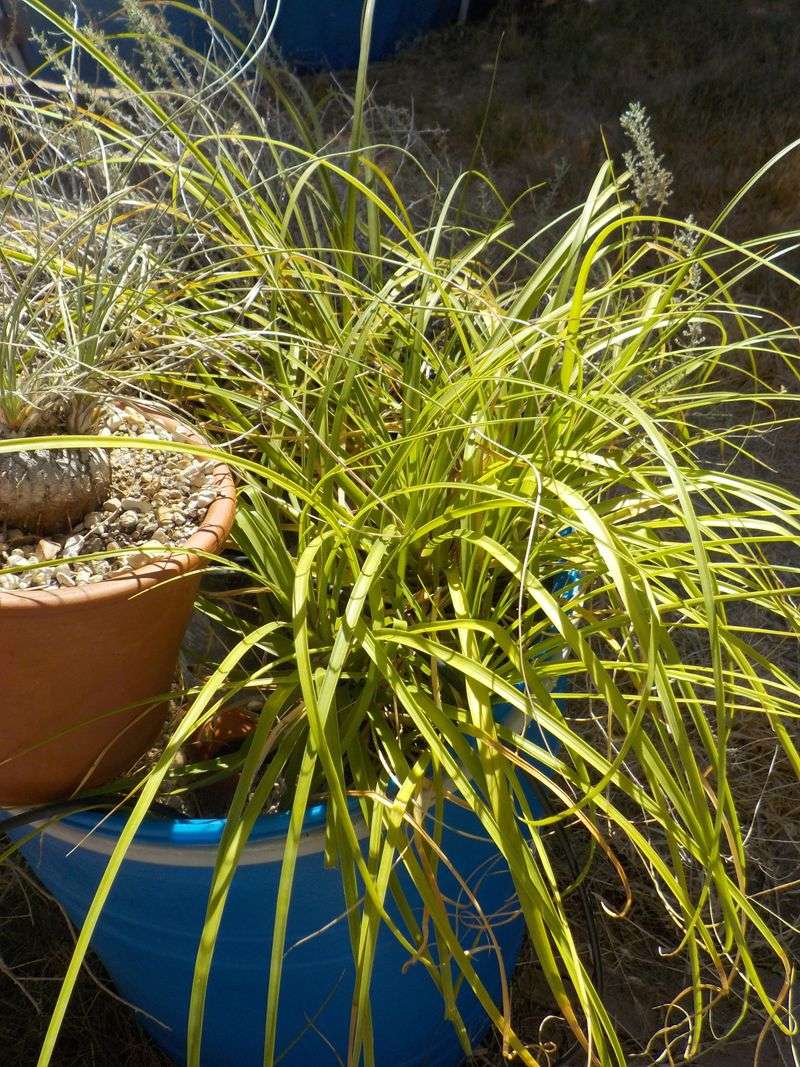
When temperatures push past 110 degrees for several days in a row, most plants shift into a kind of survival mode. Growth slows down, water uptake changes, and the demand for nutrients drops significantly.
Feeding a plant that has stopped actively growing is a bit like serving a big meal to someone running a fever. The body, or in this case the root system, is not in a state to process it well.
Cutting feeding frequency in half during an extreme heat stretch is a practical approach. If you normally feed weekly, stretch it to every two weeks.
If you feed biweekly, pause for the duration of the heat wave.
Watch for signs that growth has resumed after a heat wave passes. New leaves, fresh shoot tips, or improved color are all signals that the plant is ready to start using nutrients again.
Succulents and cacti are especially good at slowing their metabolism in extreme heat. Feeding them during a heat wave rarely benefits them and can contribute to root stress in containers.
Pulling back on fertilizer during the hottest stretches of summer in Arizona is not giving up on your plants. It is a smart, protective choice that gives roots the space they need to cope with heat before being asked to process nutrients again.