The Dry Grass Mowing Mistake That Triggers Oregon Red Flag Warnings
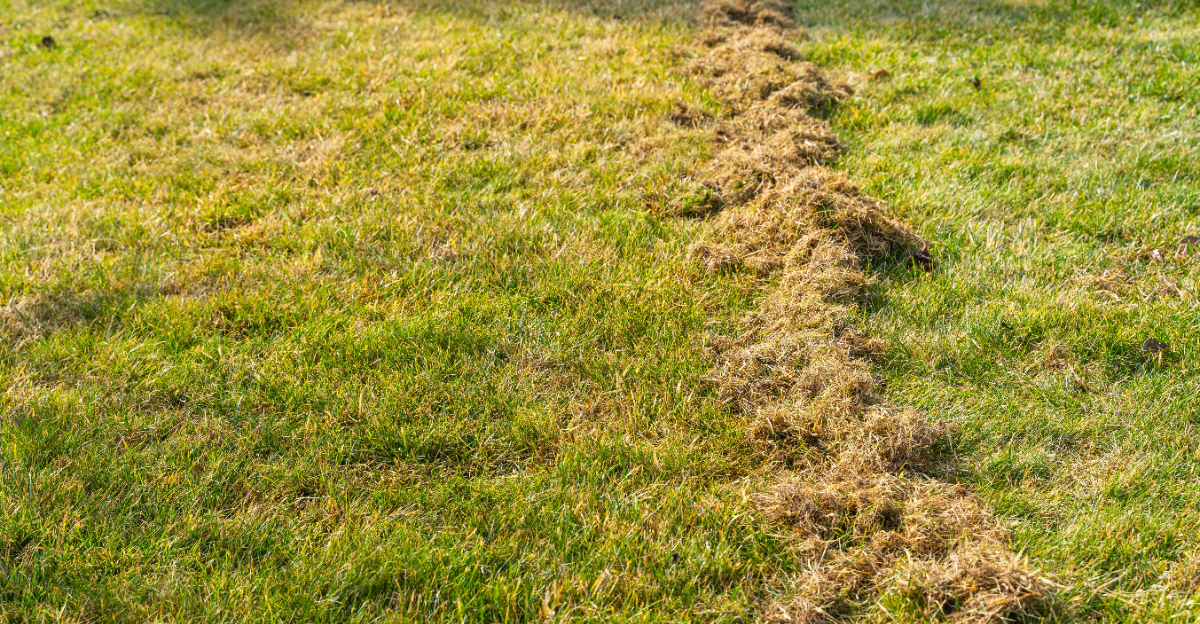
A quick lawn trim on a dry Oregon afternoon can seem harmless. The grass looks crisp, the mower needs only a few passes, and the job feels too small to cause real trouble.
Yet one careless choice can create sparks at the worst possible moment.
Red flag conditions leave yards far more vulnerable than they appear. Dry vegetation can catch fast, while wind can push a tiny flame beyond the lawn before anyone has time to react.
Suddenly, routine yard work carries much higher stakes. The mistake often happens because the mower seems familiar and safe.
Most homeowners use it all season without a problem, so the risk can feel easy to dismiss. Fire weather changes that calculation completely.
A little caution can protect more than one patch of grass. When conditions turn dangerous, the smartest move may involve a change of plans rather than another trip across the yard.
1. This Is The Wrong Move Most Homeowners Do
Most people think mowing the lawn is just a regular weekend chore. But during fire season, it can be one of the riskiest things you do outside.
Dry grass and a spinning metal blade are a dangerous combination that too many homeowners overlook.
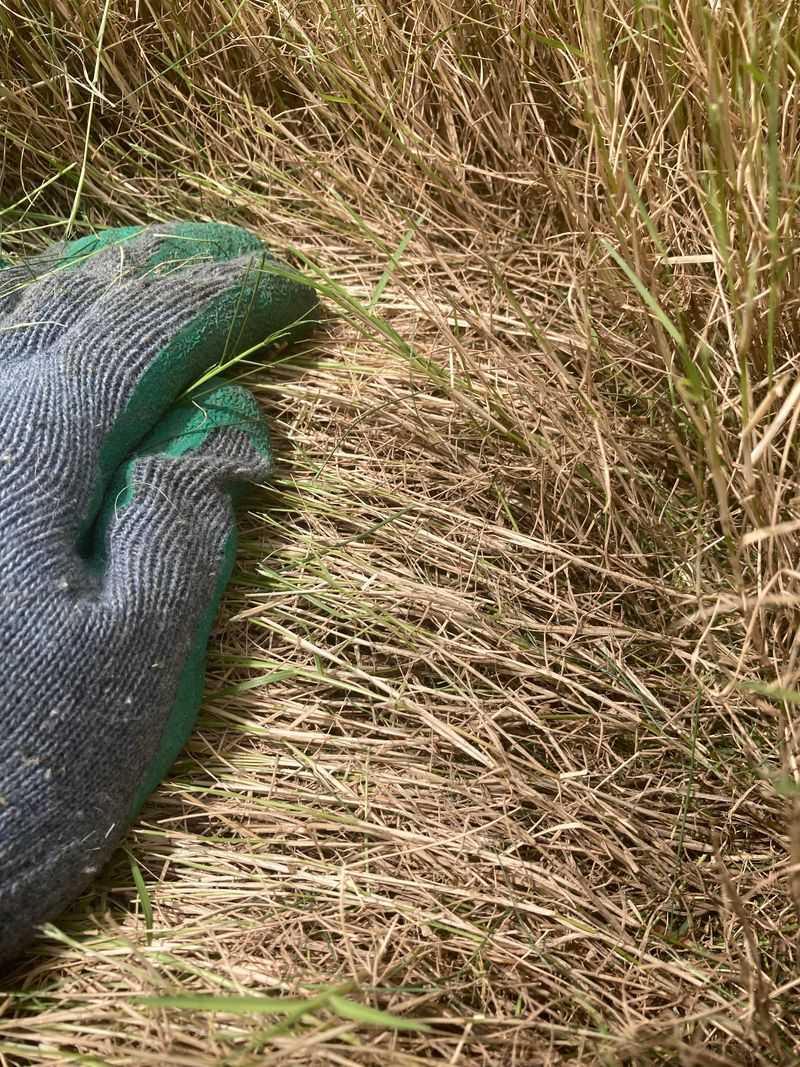
When grass dries out completely, it loses all its moisture. Moisture is actually what keeps grass from catching fire easily.
Once that moisture is gone, even a tiny spark can set it off in seconds. The drier the grass, the faster it burns.
Oregon has long, dry summers that cure the grass quickly. By July and August, most lawns and fields look golden brown and feel almost like straw.
That straw-like texture means the grass is ready to burn at the slightest ignition source.
Mower engines also get very hot during use. That heat, combined with metal blades spinning at high speed, creates the perfect setup for a spark.
Add dry grass underneath, and you have a fire risk that most people never think about before they start mowing.
The fix is not complicated. You just need to pay attention to the conditions before you mow.
Check the weather, look at the color of your grass, and ask yourself if today is really the right day to run the mower. A little awareness goes a long way in keeping your yard and your neighbors safe this season.
2. Metal Blades Can Throw Dangerous Sparks
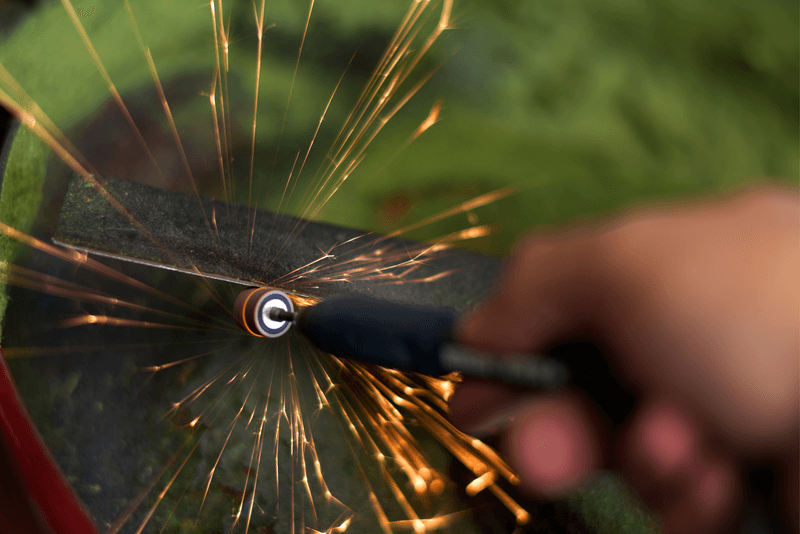
Here is something most people never think about when they start up the mower: those spinning metal blades can throw sparks. It happens fast and without warning.
One small rock hiding in the grass is all it takes.
Mower blades spin at speeds between 2,700 and 3,000 rotations per minute. That is incredibly fast.
When a blade hits something hard like a rock, a piece of metal, or even a dry hardwood stick, the impact can produce a spark. That spark flies outward and lands somewhere nearby.
On a green, moist lawn, a spark usually just fizzles out on its own. But on dry, cured grass, that spark has everything it needs to grow into a flame.
Your Oregon Garden Changes Every Week. Your Plan Should Too.
Gardening in Oregon changes quickly throughout the season. Every Friday you’ll receive a simple weekly plan showing exactly what to plant, prune, fertilize, harvest, and protect so you never miss the right timing.
The conditions during Red Flag Warnings make this even more dangerous because the air is hot and dry, which helps fire spread.
Rocks are the most common culprit. Many yards have rocks buried just below the grass surface, especially in rural areas and properties near hillsides.
Even small pebbles can cause a blade strike that sends sparks flying in multiple directions at once.
Before mowing during dry conditions, walk your yard first. Look for rocks, metal stakes, old fence wire, or anything else that could cause a blade strike.
Removing these hazards takes only a few minutes but can prevent a fire from starting in your yard or spreading into the surrounding area.
3. Cured Grass Can Ignite Fast
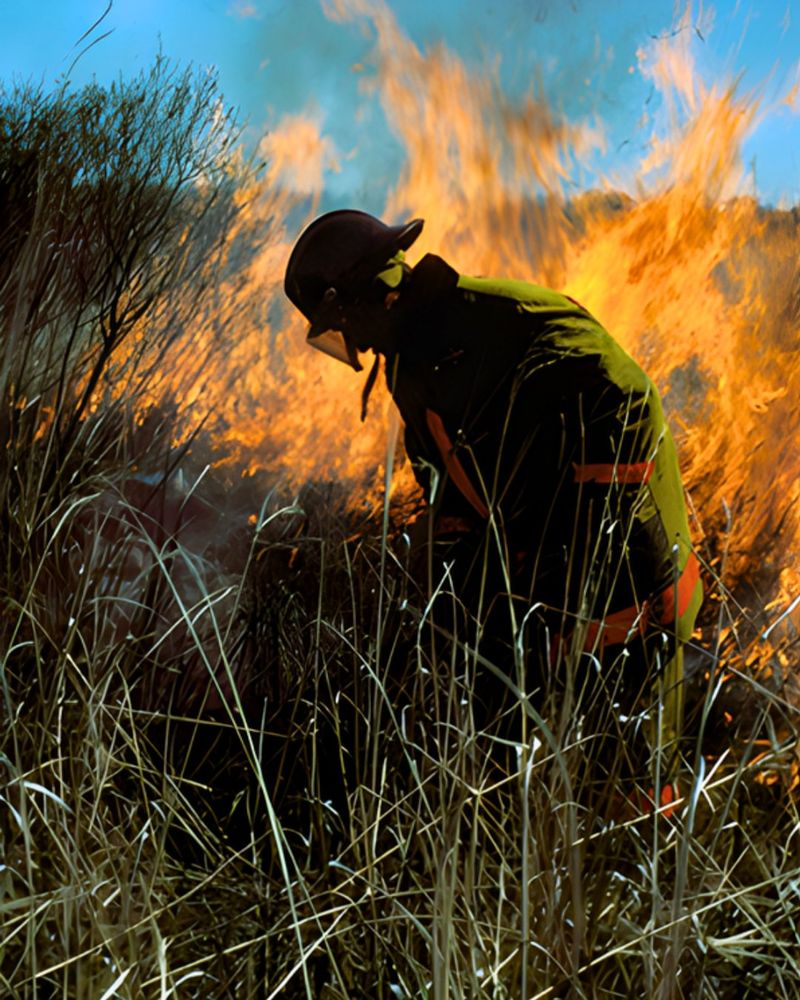
Cured grass is what fire officials call grass that has fully dried out and turned brown or golden.
It looks harmless sitting in your yard, but it is one of the most flammable natural materials you will find around your home.
Fresh green grass contains a lot of water inside each blade. That water slows down how fast the grass can burn.
Cured grass has lost almost all of that water, which means fire can move through it at shocking speed. Wildfire researchers have measured cured grass fires spreading at over a mile per hour in open fields.
That speed is hard to picture until you see it happen. A small flame in a patch of dry grass can grow into a large fire within just a few minutes.
Wind makes it move even faster, pushing flames in unpredictable directions.
The moisture content of cured grass can drop to 3 to 6 percent during peak summer conditions. For comparison, firewood is usually considered ready to burn at around 20 percent moisture.
That means cured grass is actually drier and more flammable than seasoned firewood.
Knowing this changes how you should think about your lawn during fire season. A brown yard is not just an eyesore.
It is a fuel source. Mowing it carelessly, especially during dry and windy afternoons, could set off a chain of events that goes far beyond your property line and into your neighbors’ yards or nearby wild areas.
4. Red Flag Weather Changes The Risk
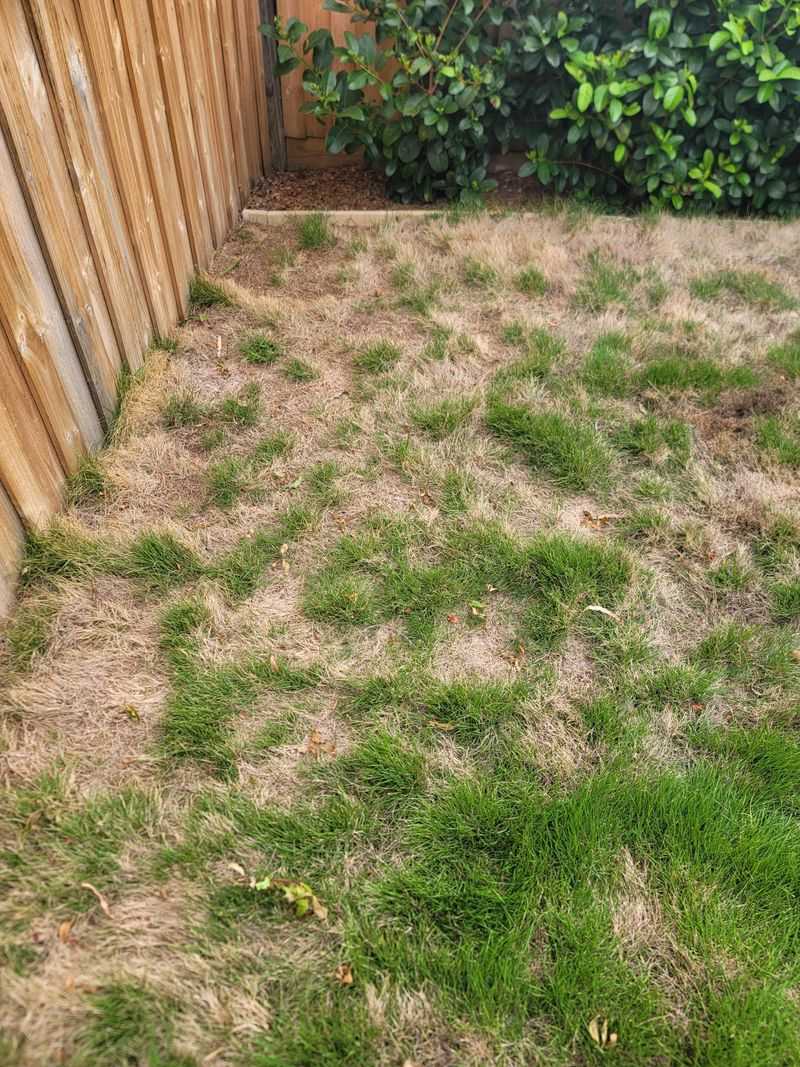
Not every hot day is a Red Flag day. But when the National Weather Service issues a Red Flag Warning, it means conditions have lined up in the most dangerous way possible.
Low humidity, high heat, and strong winds all happening at once create a fire environment that can turn a small spark into a serious problem fast.
Red Flag Warnings are not just for forests and wildlands. They apply to neighborhoods, roadsides, and backyards too.
Any place with dry vegetation becomes a fire risk when these conditions are active. That includes the lawn you are planning to mow this weekend.
Humidity plays a huge role in fire behavior. When the air is very dry, it pulls moisture out of grass and plants even faster.
This makes already dry grass even more flammable. A Red Flag day can drop relative humidity to below 15 percent in many parts of Oregon.
High temperatures also speed up how fast fire spreads. Heat dries out fuels faster and helps flames move more aggressively.
Combined with strong winds, a fire can travel in seconds from a small patch of grass to a fence, a shed, or a neighbor’s yard.
Checking the forecast before you mow is one of the simplest and most effective things you can do. If a Red Flag Warning is in effect for your area, put the mower away.
Wait for conditions to improve. Your lawn can wait.
A wildfire cannot be undone once it starts moving through a dry neighborhood.
5. Hot Afternoon Mowing Is The Worst Timing

Timing matters more than most people realize when it comes to mowing during fire season. The afternoon hours between noon and 6 PM are consistently the hottest and driest part of the day.
Mowing during this window on a Red Flag day is asking for trouble.
Temperatures peak in the mid to late afternoon. At the same time, humidity drops to its lowest point of the day.
This combination dries out grass even more and makes any spark far more likely to catch and spread.
Fire officials across Oregon regularly warn homeowners to avoid outdoor burning and equipment use during these hours.
Mower engines also run hotter when the outside air temperature is high. A hot engine combined with a hot, dry environment increases the chance of something igniting.
Catalytic converters on some mowers can reach temperatures above 1,000 degrees Fahrenheit. That is hot enough to start a fire if the mower sits over dry grass even briefly.
Some people park their mower on the lawn to take a break or answer the phone. During dry conditions, that pause can be enough to let heat from the engine transfer to the dry grass underneath.
This has caused real fires in residential areas during past fire seasons.
Switching to early morning mowing is one of the best habits you can build. Mornings tend to be cooler, more humid, and calmer.
The grass is less flammable, and conditions are far less likely to support a fire starting or spreading from your yard to nearby properties.
6. Wind Can Push A Small Spark Quickly
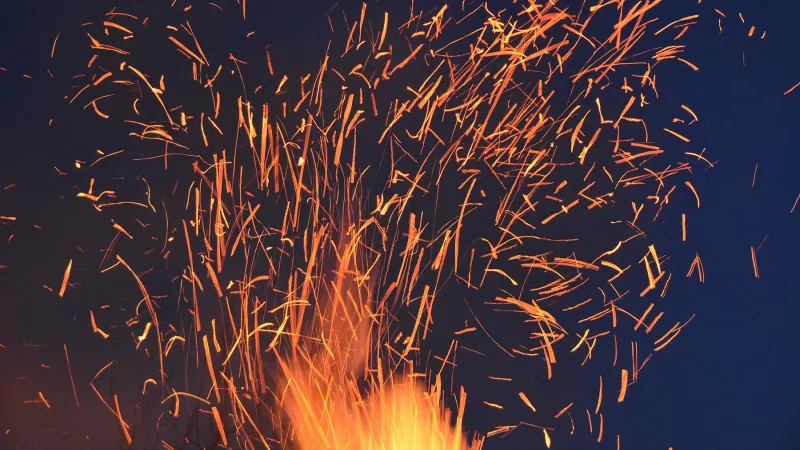
Wind is one of the most underestimated parts of wildfire danger. People think about heat and dry conditions, but they forget how much wind changes the math.
A spark that might have fizzled out in calm air becomes a fast-moving fire when the wind picks up.
Wind does several things to fire. First, it carries sparks and embers far from where they started.
A single spark from a mower blade can travel 50 to 100 feet in a strong gust. That ember can land in a patch of dry grass, on a wood fence, or even on a rooftop and start a new fire far from where the mowing was happening.
Second, wind feeds fire with oxygen. Fire needs oxygen to burn, and moving air delivers a constant fresh supply.
This is why fires grow so much faster on windy days. A small flame that would burn slowly in still air can explode in size within minutes when wind is present.
Third, wind makes fire unpredictable. It can shift direction without warning, pushing flames toward homes or structures that seemed safely out of range just moments before.
This is what makes Red Flag Warning days especially dangerous for any kind of outdoor activity that could create a spark.
Pay close attention to wind speed and direction before deciding to mow. Even a moderate breeze of 10 to 15 miles per hour can carry sparks a surprising distance.
On gusty days during fire season, the safest choice is always to wait and mow another day.
7. Rocks And Hidden Metal Make Mowing Riskier
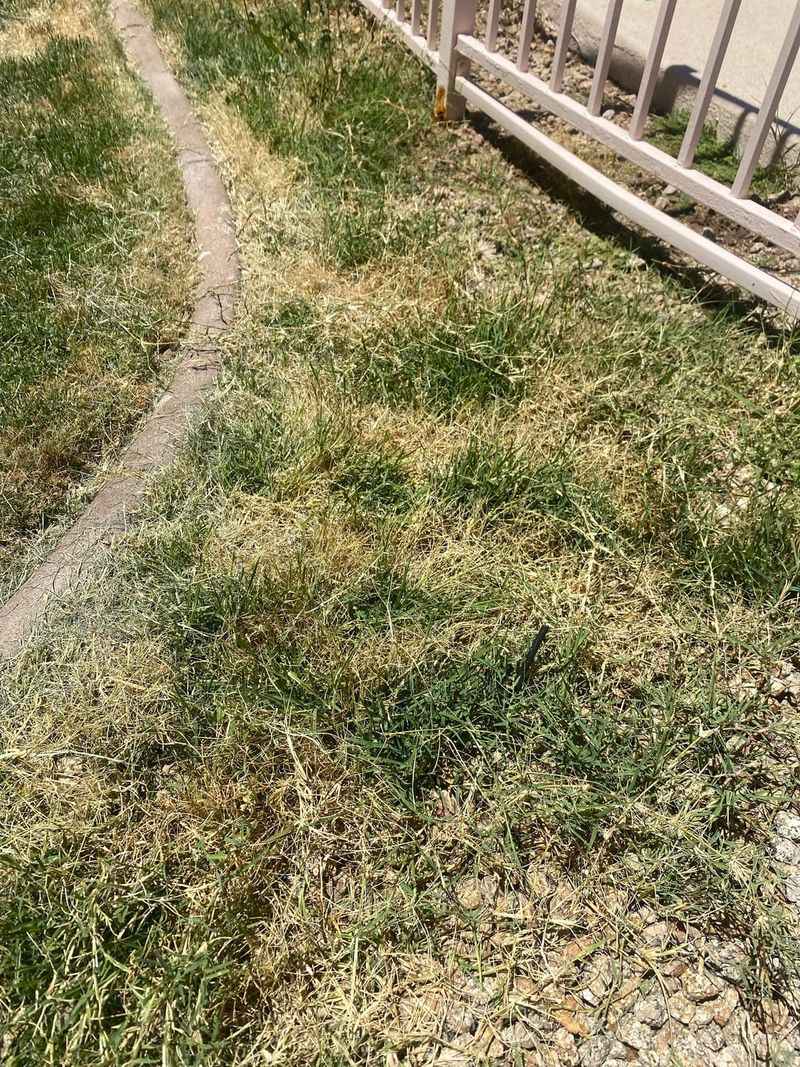
Your yard might look clear from a distance, but the ground often hides hazards that you cannot see until the mower blade finds them.
Rocks, old fence staples, wire pieces, and buried metal scraps are scattered across many properties in Oregon, especially on older lots and rural acreage.
When a mower blade hits one of these objects at full speed, the result can be a shower of sparks. The harder the object and the faster the blade, the more sparks are produced.
Even a single pebble the size of a quarter can send sparks flying several feet in multiple directions.
Rural properties near hillsides, creek beds, or wooded areas tend to have more rocks mixed into the soil.
Frost heave during winter can push rocks to the surface, so a yard that seemed rock-free last fall may have new hazards by summer. Checking your yard regularly is a smart habit.
Old wire is particularly dangerous. Pieces of old fence wire can wrap around the mower blade and cause it to stop suddenly, which sometimes produces heat and sparks.
Wire can also be flung outward at high speed, creating a safety hazard for anyone nearby.
Walking the yard before each mow takes about five minutes. Look for anything that does not belong in the grass.
Remove rocks, metal pieces, toys, and debris before you start the engine. This simple step protects your equipment and greatly reduces the chance of a spark landing on dry grass during fire season.
8. Mow Earlier Before Grass Fully Cures
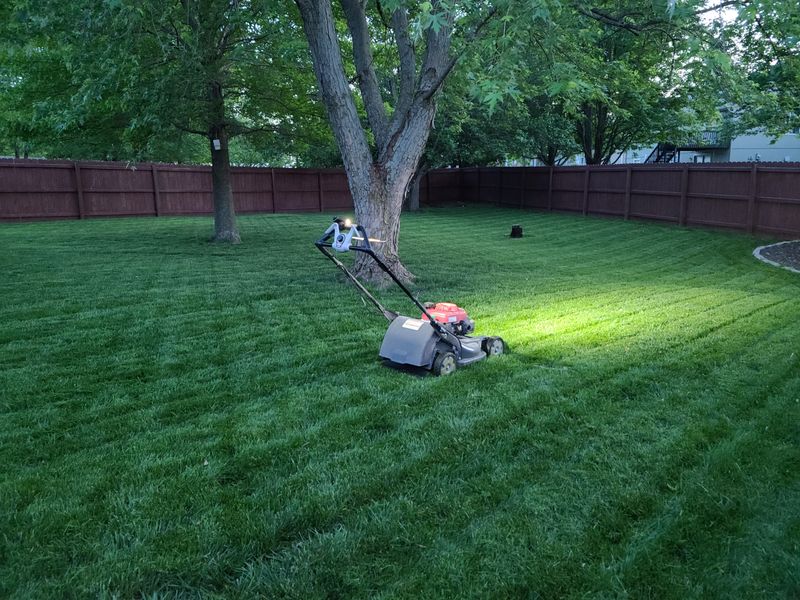
One of the best ways to reduce fire risk from mowing is to do it earlier in the season, before the grass has fully cured. Green grass is much harder to ignite than dry, brown grass.
Mowing while there is still some moisture in the blades is a much safer approach during fire season.
In most parts of Oregon, grass starts to cure in late June or early July. Once it turns golden brown and feels stiff and papery, the fire risk from mowing goes up significantly.
Getting the lawn mowed in May or early June means you are working with grass that still has enough moisture to resist sparking into flame.
Early season mowing also keeps the grass shorter going into the dry months. Shorter grass has less fuel for a fire to feed on.
Fire officials often recommend keeping grass mowed short around homes as part of a defensible space plan. Starting early gives you a head start on that goal.
Morning hours are the best time to mow regardless of the season, but especially during fire season.
Dew from overnight moisture adds a thin layer of water to grass blades that makes them slightly less flammable.
Temperatures are lower and winds are usually calmer in the early morning hours.
Building a simple habit of mowing early in the day and early in the season can make a real difference.
Pair that with regular yard checks for rocks and debris, and you have a solid routine that keeps your property safer when Red Flag days arrive.