Reasons Your Oregon Tomato Plant Has Leaves But No Fruit
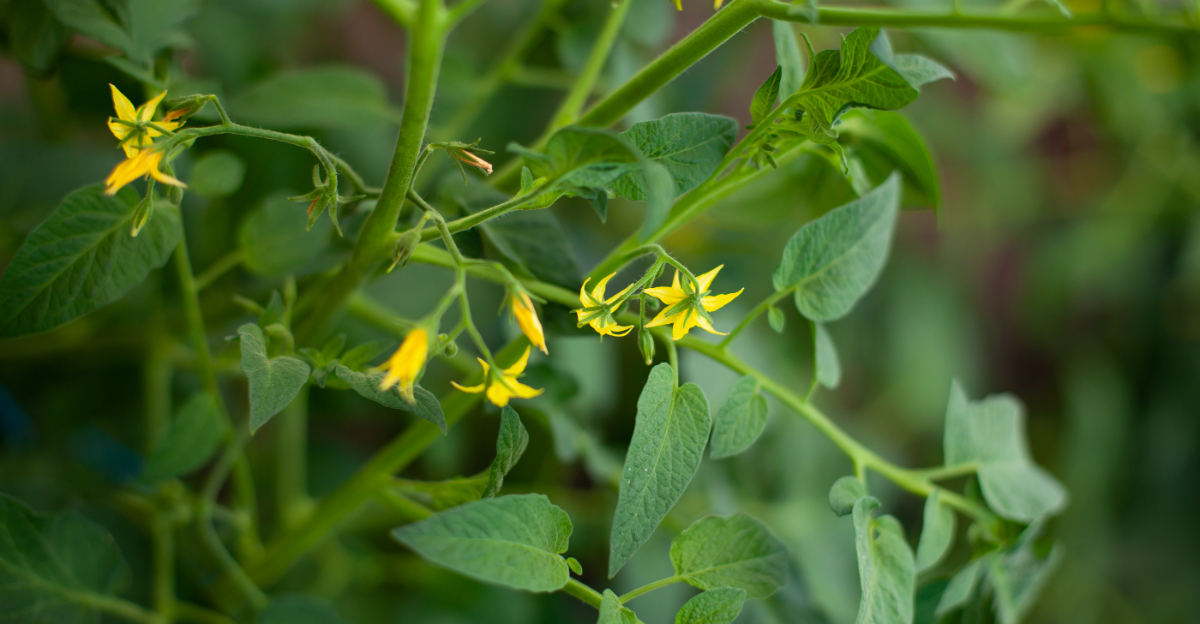
A tomato plant can look wildly successful while producing absolutely nothing worth slicing. The stems stand tall, the leaves form a lush canopy, and the whole plant appears ready for a record harvest. Yet the fruit never shows up. Suspicious.
This problem can feel especially baffling in an Oregon garden, where the plant may seem healthy for weeks.
Plenty of green growth usually looks like a good sign, but tomatoes can put their energy in the wrong place when conditions fall out of balance.
The cause may trace back to weather, care habits, or the plant itself. Often, several small factors work together and leave the flowers unable to complete their job.
There is still hope for the season. A close look at the plant can reveal what holds it back and help shift its focus away from endless leaves toward the tomatoes you expected.
1. Cool Nights Can Delay Fruit Set
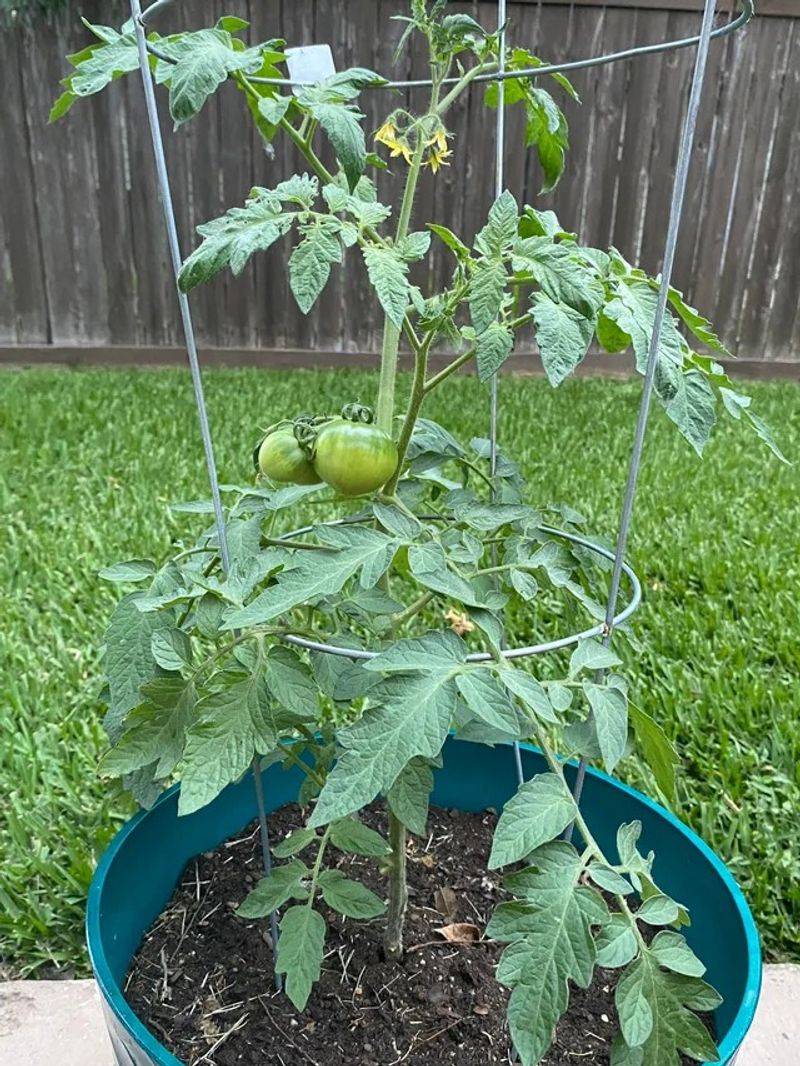
Oregon nights can get surprisingly chilly, even in midsummer. Tomatoes are warm-weather plants that need nighttime temperatures between 55 and 75 degrees Fahrenheit to set fruit properly.
When nights drop below 55 degrees, the plant stops the process of fruit development almost completely.
Cool temperatures interfere with pollen tube growth inside the flower. This means even if a flower gets pollinated, the fruit may never form.
Gardeners in coastal areas and higher elevation zones of Oregon deal with this problem more than they expect.
One smart fix is to use a row cover or frost blanket at night. These lightweight covers trap heat around the plant without blocking daytime sunlight.
You can also try planting cold-tolerant tomato varieties like Siletz or Legend, which were actually bred with our state’s cool climate in mind.
Raised beds also help because the soil warms up faster and holds heat longer into the evening. Black plastic mulch around the base of the plant is another trick that keeps soil temperatures more stable overnight.
Even a few extra degrees can make a huge difference in whether your tomatoes set fruit or just keep pushing out leaves all season long.
2. Hot Days Can Make Blossoms Drop
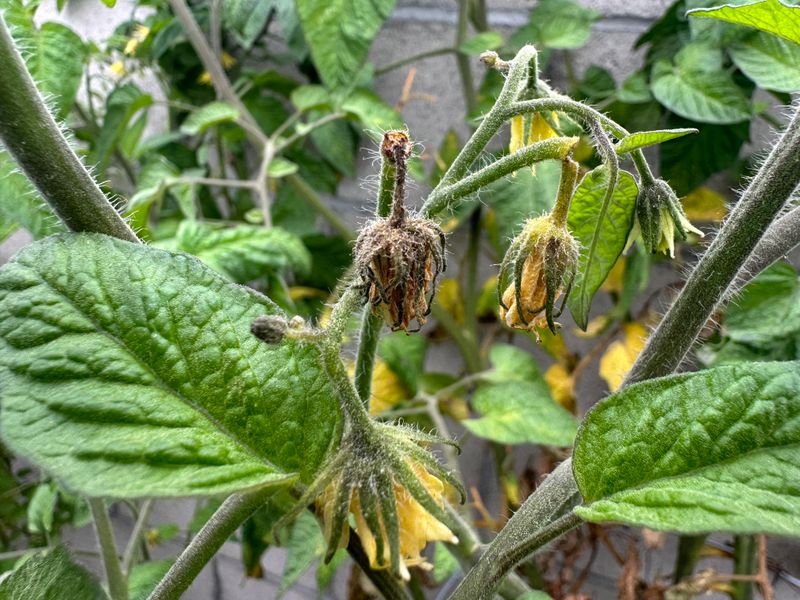
Most people think more heat means more tomatoes, but that is not always true. When daytime temperatures climb above 90 degrees Fahrenheit, tomato blossoms can drop off before they even get a chance to be pollinated.
The plant basically shuts down its reproductive process to protect itself.
Eastern and southern parts of our state can experience serious heat waves in July and August. During these stretches, you might notice your plant looks perfectly healthy but the flowers just fall off without forming any fruit.
This is called blossom drop, and it is frustrating to watch happen.
Shade cloth is one of the best tools to fight this problem. A 30 to 40 percent shade cloth placed over your plants during the hottest part of the day can reduce temperatures enough to keep blossoms on the vine.
Water more frequently during heat waves to help the plant stay cool from the roots up.
Your Oregon Garden Changes Every Week. Your Plan Should Too.
Gardening in Oregon changes quickly throughout the season. Every Friday you’ll receive a simple weekly plan showing exactly what to plant, prune, fertilize, harvest, and protect so you never miss the right timing.
Mulching around the base also keeps soil from overheating, which reduces overall plant stress. Try to water in the early morning so the plant is well hydrated before the heat of the day hits.
Choosing heat-tolerant varieties like Sun Gold or Celebrity can also help your garden push through hot stretches without losing all its blossoms.
3. Poor Pollination Leaves Flowers Empty
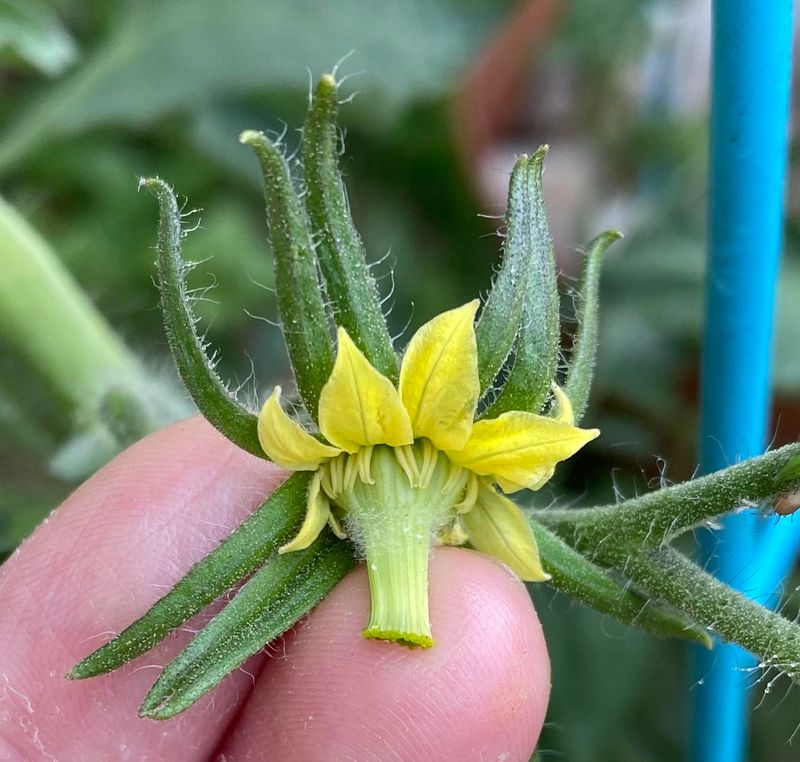
Pollination is the secret ingredient behind every tomato you have ever eaten. Without it, flowers bloom and fade without producing a single fruit.
Tomatoes are self-pollinating, which means they do not need a second plant, but they do need vibration or wind to shake pollen loose inside the flower.
In Oregon, cool and rainy spring weather can keep bees indoors and limit the natural buzzing that helps tomatoes pollinate. Greenhouse-grown tomatoes have this problem even more since there is no wind or outdoor insects to help the process along.
You can actually pollinate your tomatoes by hand using a small electric toothbrush or a battery-powered handheld massager. Just hold it gently against the back of each open flower for a couple of seconds.
This mimics the vibration that bees create when they visit flowers, and it works surprisingly well.
Planting pollinator-friendly flowers like marigolds, borage, or lavender nearby can also attract more bees to your garden. Try to avoid using pesticides during the morning hours when bees are most active.
Even a small increase in bee activity can dramatically improve how much fruit your plants produce. Gently shaking your tomato plant by hand a few times a week is another easy trick that many gardeners swear by for better fruit set.
4. Shallow Watering Stresses The Plant
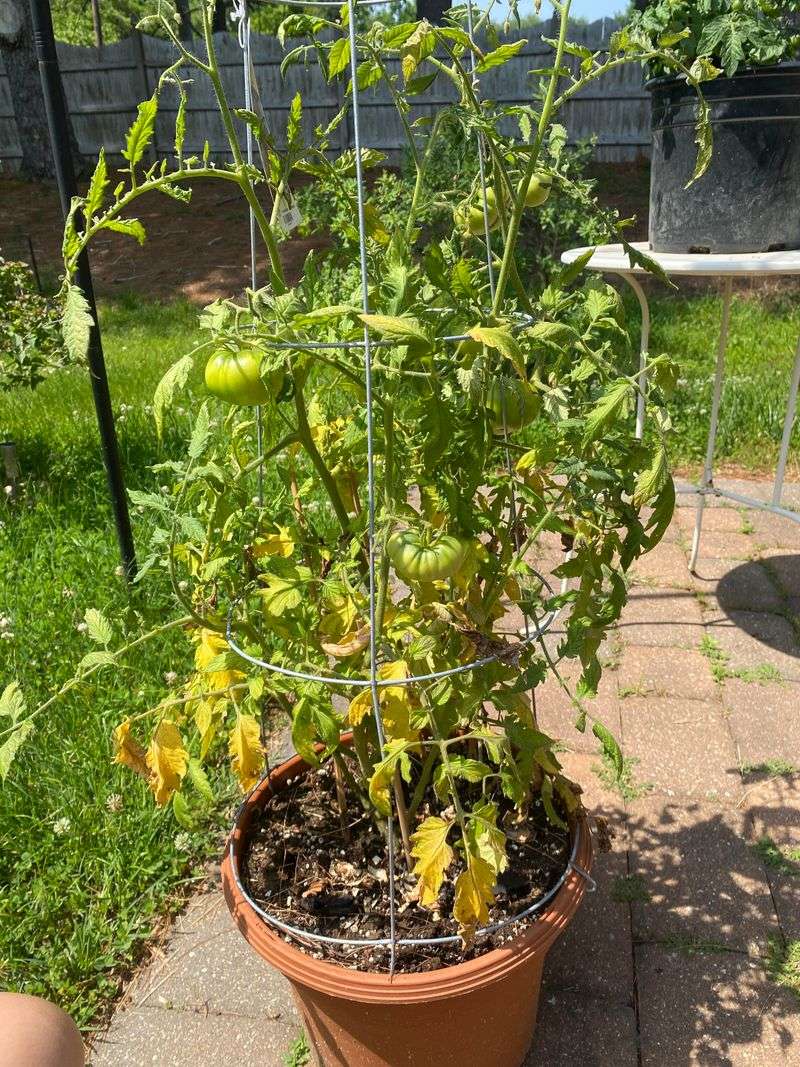
Watering your tomatoes a little bit every day might feel like good plant care, but it can actually cause more harm than help. Shallow, frequent watering trains roots to stay near the surface of the soil.
When heat arrives or the soil dries out quickly, those shallow roots cannot access deeper moisture reserves.
A stressed tomato plant puts all its energy into surviving rather than producing fruit. You might notice wilting in the afternoon even when you watered that morning.
The plant is telling you its root system is not deep or strong enough to keep up with its needs.
Deep, infrequent watering is the better approach. Water slowly and deeply two to three times per week, giving the soil time to absorb moisture all the way down six to eight inches.
This encourages roots to grow deeper, where the soil stays cooler and holds moisture longer.
A simple way to check if you are watering deeply enough is to push a wooden stick or your finger into the soil about four inches after watering. If it comes out dry, you need to water longer.
Drip irrigation systems are a great investment for Oregon gardeners because they deliver water directly to the root zone slowly and efficiently. Consistent deep watering leads to healthier roots, stronger plants, and much better fruit production all season.
5. Too Much Shade Slows Flowering
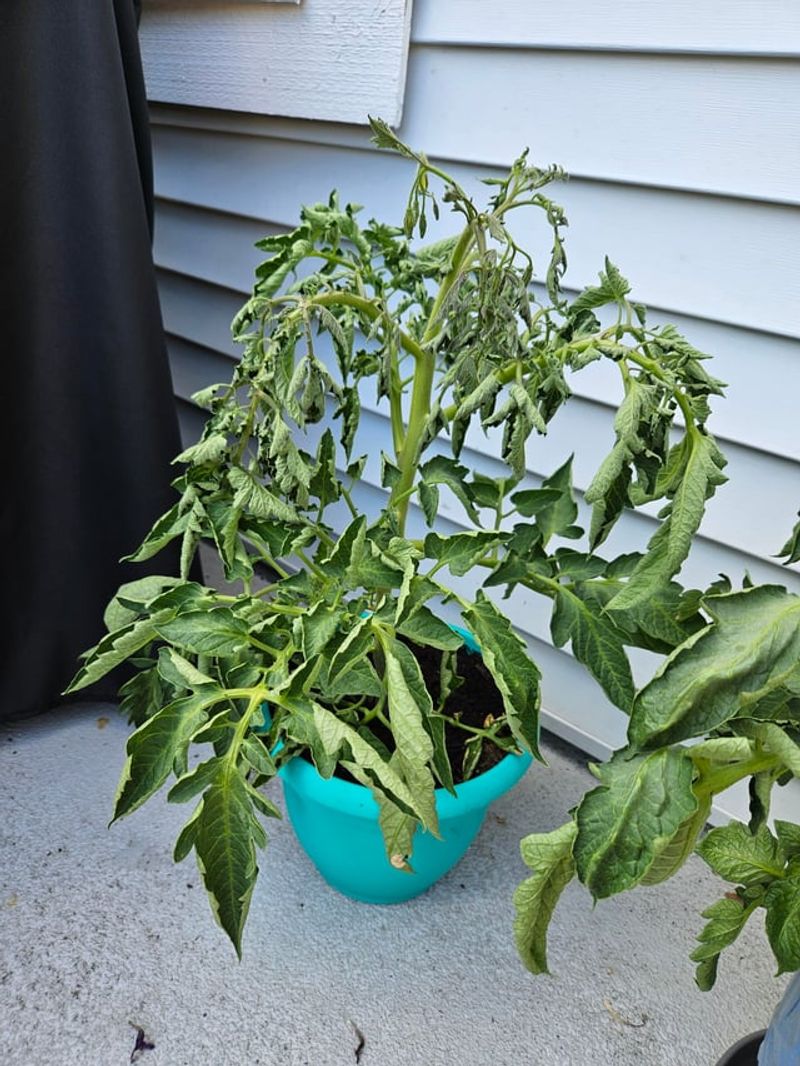
Sunlight is fuel for tomatoes. Without enough of it, the plant grows plenty of leaves but does not have the energy left over to produce flowers and fruit.
Tomatoes need at least six to eight hours of direct sunlight every single day to perform their best.
Oregon has plenty of overcast days, especially from spring through early summer. Coastal regions and areas near the mountains can go days or even weeks without strong direct sunlight.
If your garden bed is also shaded by trees, fences, or buildings, the problem gets even worse.
Before planting next season, take time to observe how sunlight moves across your yard throughout the day. Watch from morning to evening and note which spots get the most direct light.
Moving your containers or choosing a sunnier bed location can completely change your results.
If your yard has limited sun, look for tomato varieties that perform better in lower light conditions, like Stupice or Oregon Spring. These varieties were developed specifically for shorter growing seasons and cooler, cloudier climates.
Trimming back overhanging tree branches can also open up more light for your garden. Reflective mulch or white-painted raised bed walls can help bounce extra light onto your plants.
Every extra hour of sunlight your tomatoes receive translates directly into more flowers, better pollination, and a fuller harvest by the end of the season.
6. Crowded Plants Block Airflow And Light
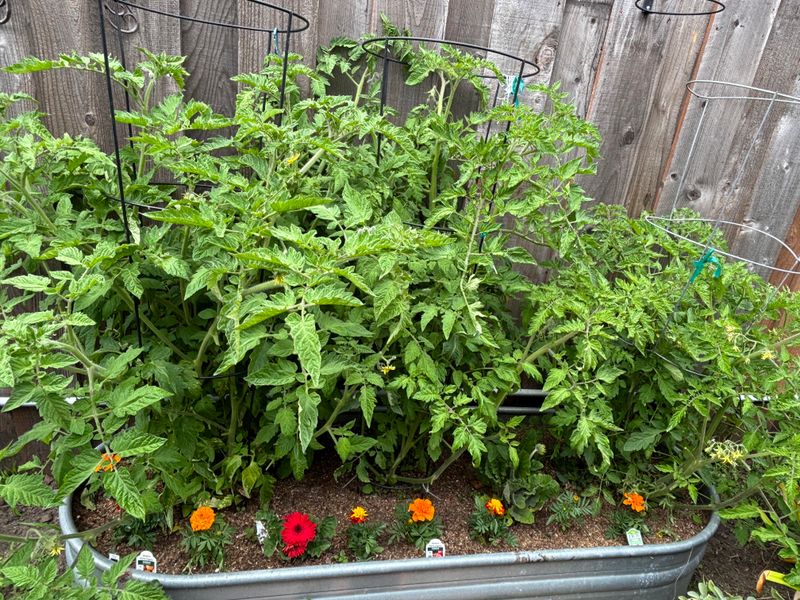
Planting tomatoes too close together is one of the most common mistakes home gardeners make. When plants are packed tightly, they compete for the same sunlight, water, and nutrients.
The result is usually a lot of leafy growth but very little fruit.
Poor airflow between crowded plants also creates a damp environment that encourages fungal diseases like early blight and powdery mildew. These diseases weaken plants over time and reduce their ability to flower and set fruit.
In Oregon, where spring humidity is already high, this problem is especially common.
Most tomato varieties need at least 24 to 36 inches of space between each plant. Indeterminate varieties, which keep growing all season, may need even more room.
Give each plant its own space and you will be amazed at how much better they perform.
Proper staking and caging also helps keep plants upright and their leaves separated from each other.
When leaves are spread out and not overlapping, sunlight can reach more of the plant and air can move freely through the foliage.
This reduces disease pressure and improves overall plant health. If you are growing in containers, make sure each pot is large enough for one plant only.
Crowding multiple plants into one container limits root space and leads to the same competition problems you would see in an overcrowded garden bed.
7. Young Tomato Plants May Need More Time
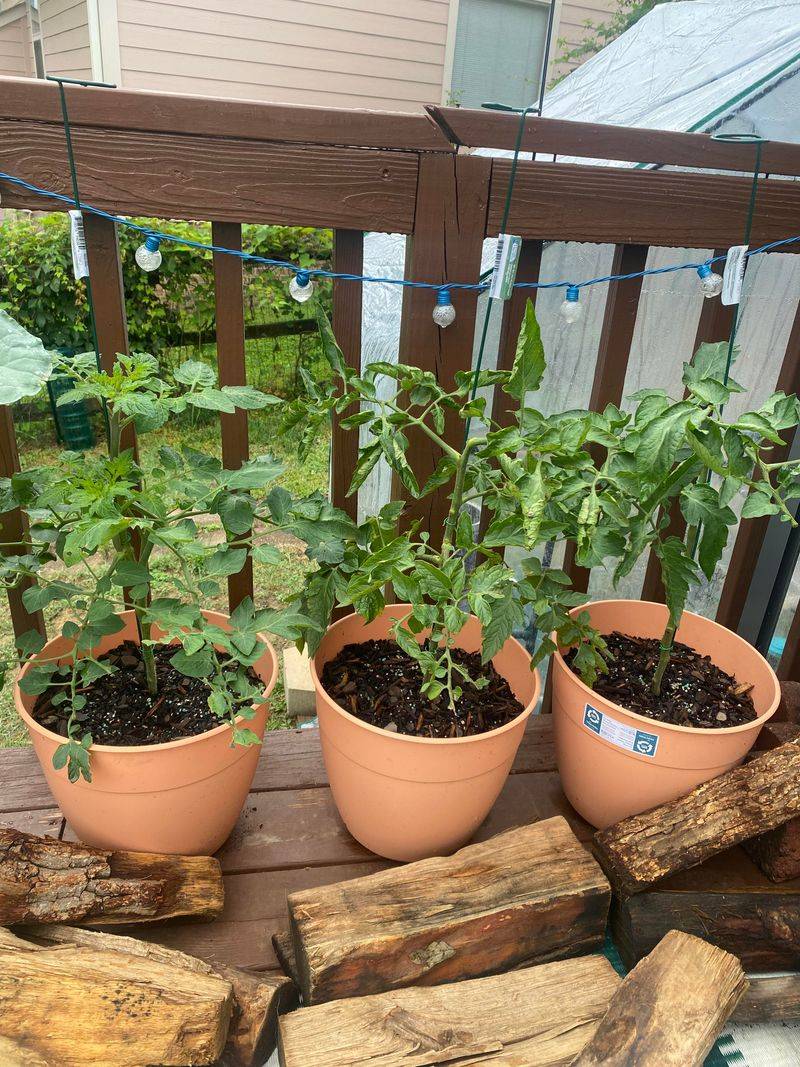
Sometimes the simplest explanation is the right one. If your tomato plant is still young, it may just not be ready to flower yet.
Most tomato varieties need between 60 and 80 days from transplanting before they start producing fruit. Patience really does matter here.
Gardeners often get excited and transplant seedlings outdoors too early in the season. A plant that goes into cold soil in April will spend its first several weeks just trying to adjust and grow rather than flowering.
Starting too early can actually slow overall development.
Wait until nighttime temperatures are consistently above 50 degrees before transplanting outdoors. Hardening off your seedlings first by setting them outside for a few hours each day over one to two weeks also helps them adjust without stress.
A plant that transitions smoothly to outdoor conditions grows faster and flowers sooner.
Check the seed packet or plant tag for the days-to-maturity information. If you are within that window, give your plant more time before worrying.
Keep providing consistent water, sunlight, and a light balanced fertilizer to support steady growth.
Avoid over-fertilizing with nitrogen at this stage, as too much nitrogen pushes leafy growth and delays flowering.
Once the plant reaches a certain size and maturity, flowering and fruiting will happen naturally. Trust the process and let the plant develop at its own pace.
8. Overpruning Can Remove Flowering Growth
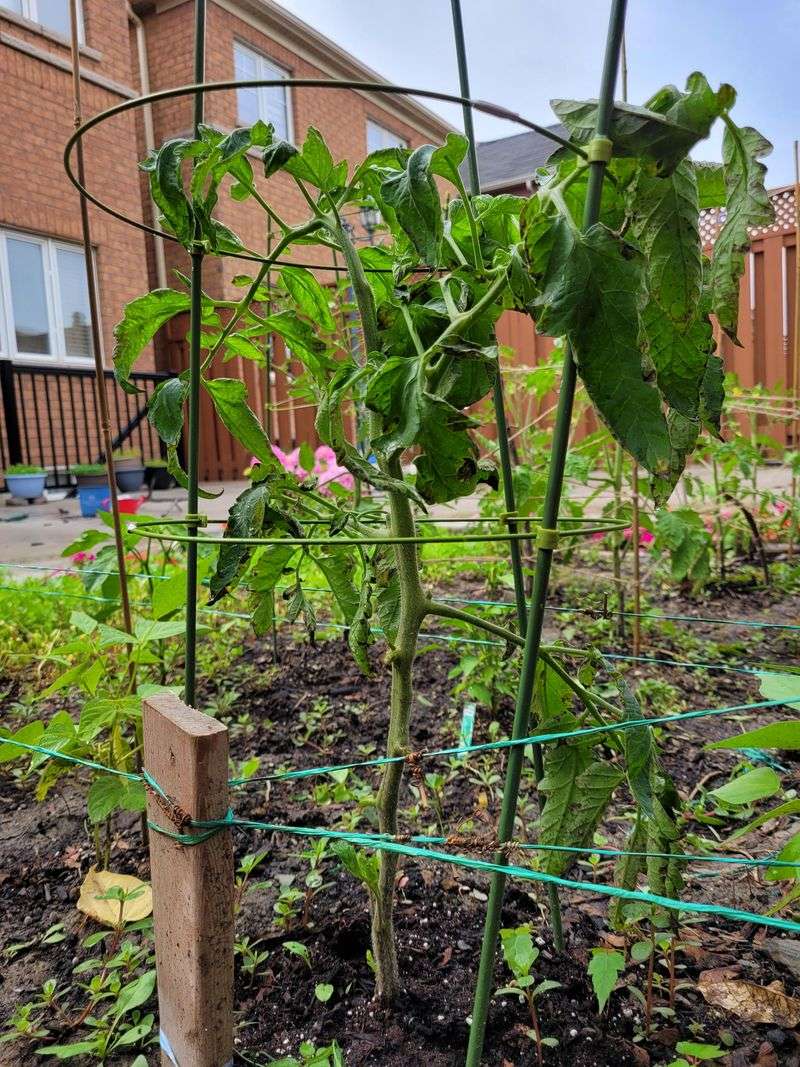
Pruning tomatoes is a useful skill, but doing too much of it can backfire in a big way. Many gardeners learn that removing suckers keeps plants tidy, and that is true to a point.
However, cutting off too much growth can remove the very branches where flowers and fruit were about to form.
Determinate tomato varieties, which are often recommended for shorter growing seasons like ours, set all their fruit at once on a fixed plant structure.
If you prune these varieties heavily, you may be cutting off a large portion of their potential fruit production before it ever gets a chance to develop.
Indeterminate varieties can handle more pruning, but even these should not be stripped down too aggressively.
The goal is to remove suckers that grow in the joint between the main stem and a branch, not to remove every side shoot you see.
A good rule is to leave at least two or three strong side branches on the plant at all times.
Always use clean, sharp pruning shears when you trim. Dirty tools can spread disease from one plant to another.
After each cut, step back and look at the overall shape of the plant before making another cut. Less is usually more when it comes to pruning tomatoes.
A lightly pruned plant with good airflow and structure will almost always outperform one that has been cut back too hard.