Never Add This Popular Soil Amendment To Your Michigan Yard In July
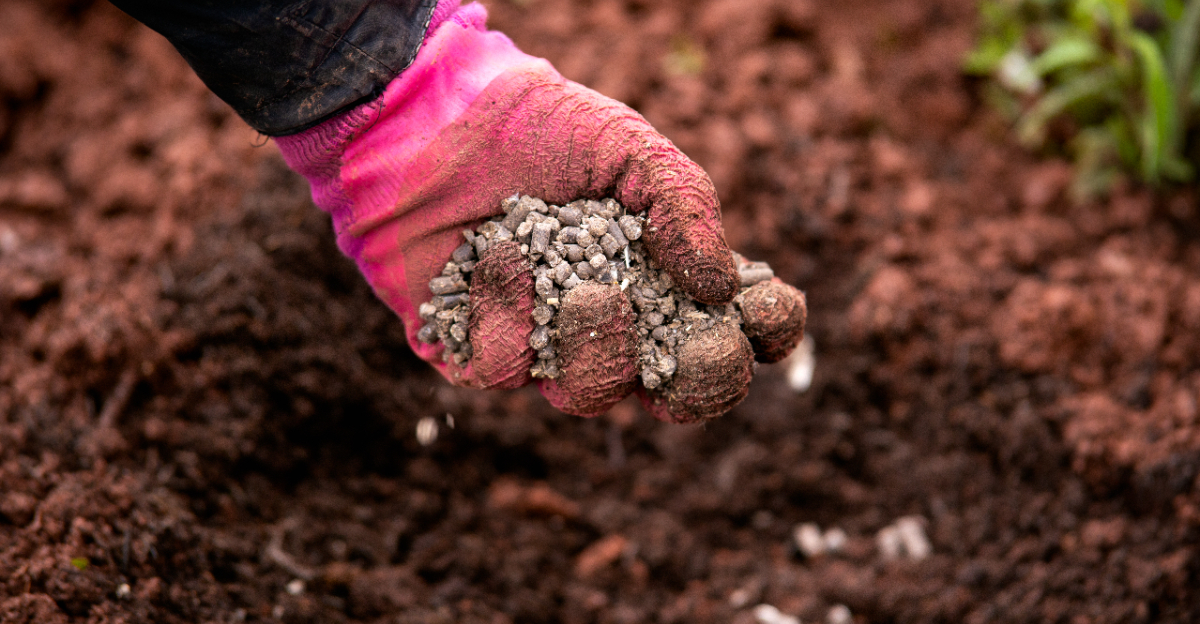
Fresh animal manure feels like a natural, budget friendly choice, but adding it to Michigan yards in July can backfire quickly.
Manure that hasn’t fully composted releases high levels of ammonia and nitrogen, which can scorch roots and stress plants during the hottest part of the season.
This risk is even higher in vegetable gardens, where tender roots sit close to the surface and absorb these compounds fast. Fresh manure can also introduce harmful bacteria that linger in soil longer than most people expect.
Instead, let manure age and break down for several months before working it into garden beds. Composted manure releases nutrients slowly and safely, without the harsh burn fresh material can cause.
Michigan gardeners who skip this step often notice wilted, yellowing plants within just a few days. A little patience now protects both your soil and your harvest later.
1. Fresh Uncomposted Animal Manure Is The Amendment To Avoid
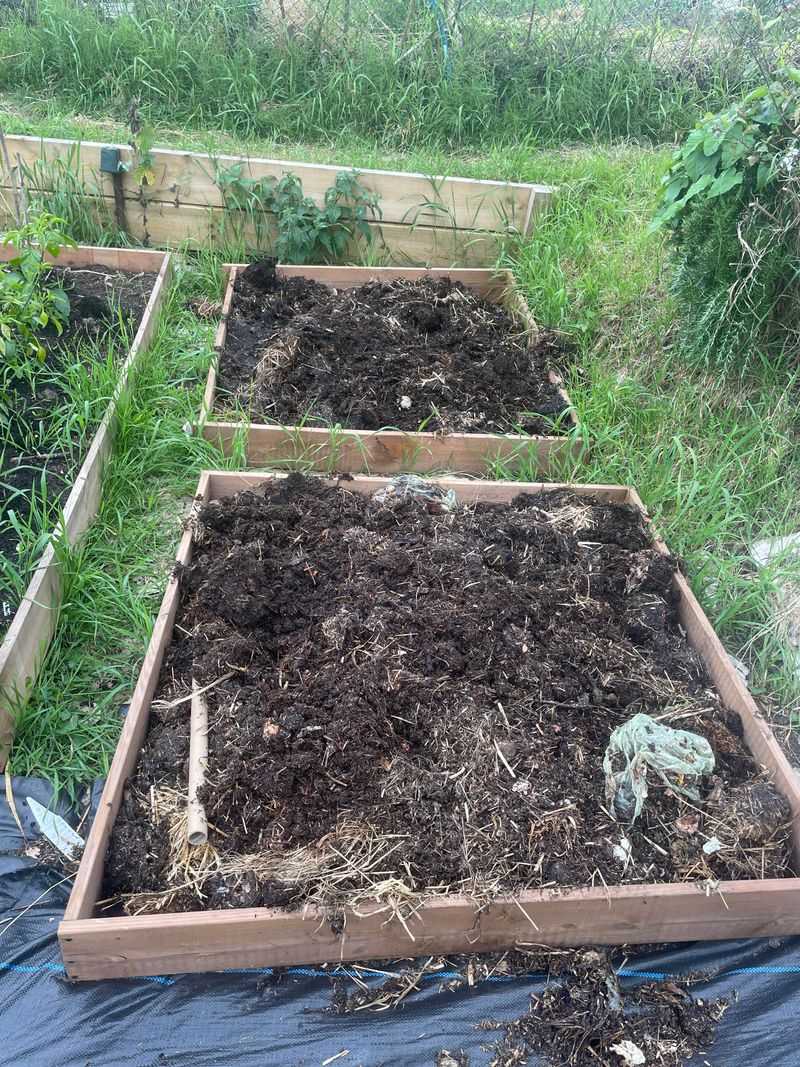
Walk into almost any garden center in Michigan and you will find bags of manure stacked high on the shelves. It is one of the most popular soil amendments around, and plenty of gardeners swear by it.
But here is something that surprises many people: not all manure is the same, and fresh, uncomposted manure is a very different product from properly finished composted manure.
Raw or uncomposted animal manure still contains unstable nutrients that have not fully broken down.
That means the material is unpredictable, and applying it during the busiest part of the Michigan growing season can create real challenges for your garden.
It may also carry viable weed seeds and microorganisms that you simply do not want near your food crops during active summer production.
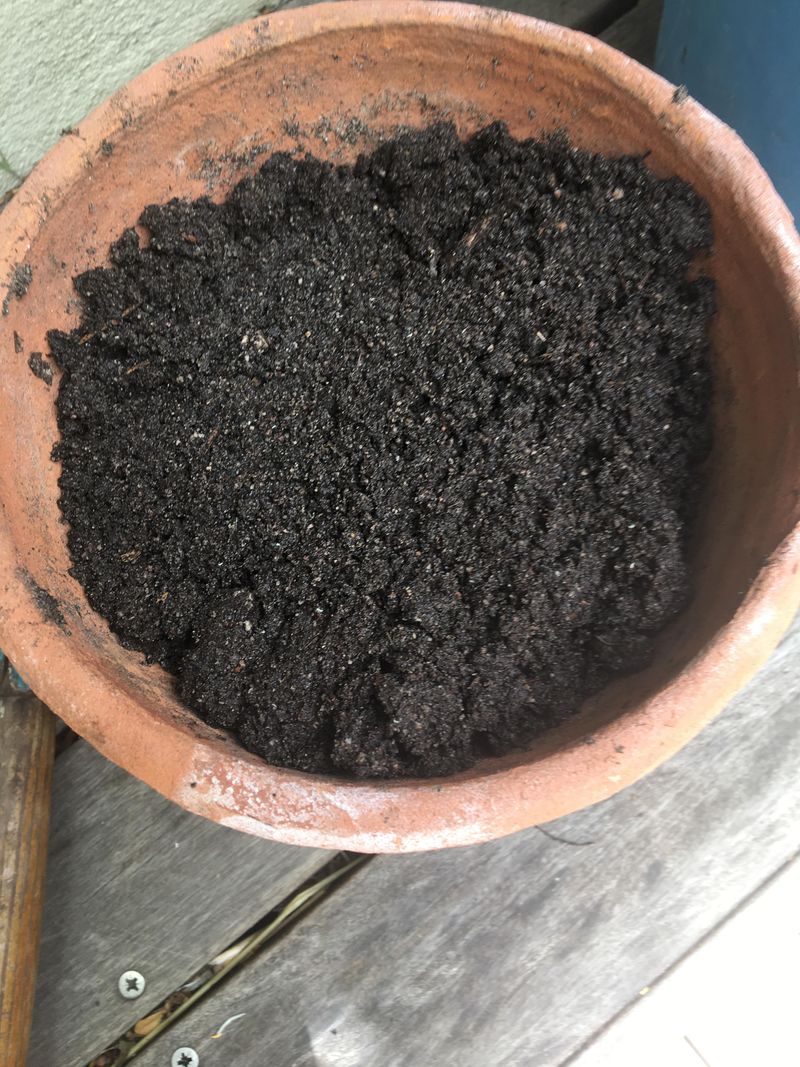
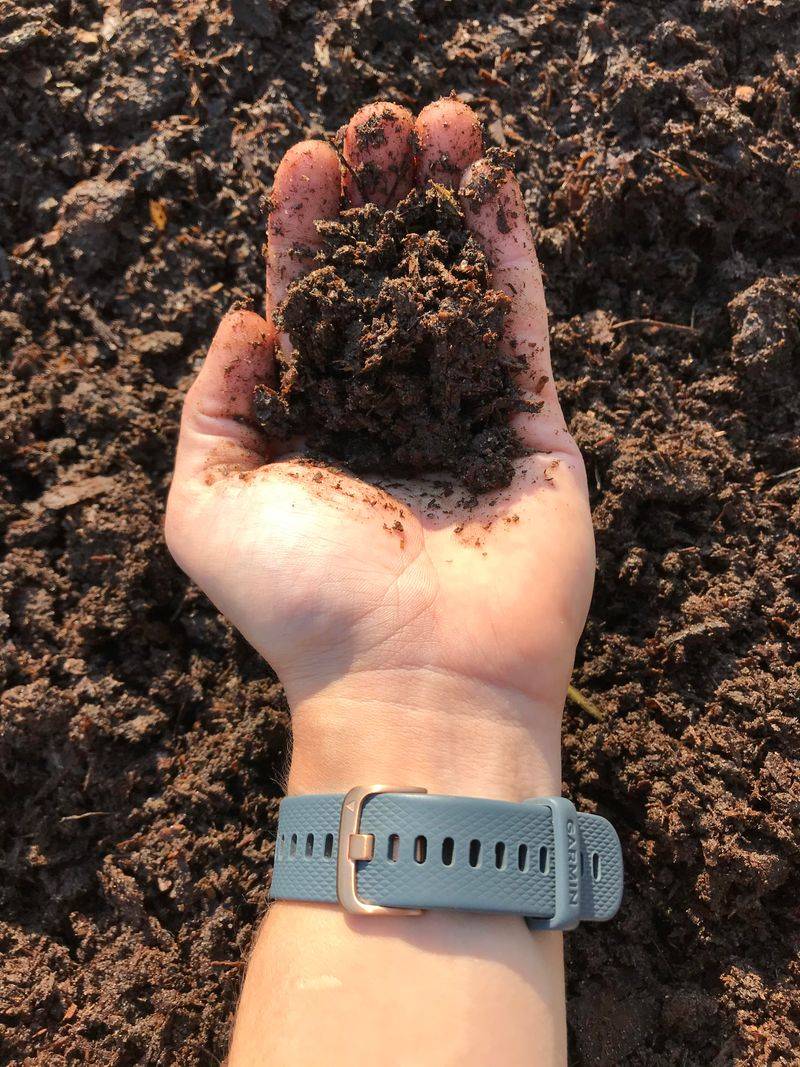
Properly composted manure goes through a heating process that stabilizes nutrients and reduces many of those concerns. Finished compost looks dark, crumbles easily, and smells earthy rather than sharp.
Fresh manure looks and smells very different, and that difference matters a great deal in July.
Michigan summers are short and packed with growing activity, so what you put into your soil right now has a direct impact on everything coming out of your garden in the weeks ahead.
Choosing the right amendment at the right time is one of the smartest moves any gardener can make, and recognizing fresh manure as something to hold off on until the proper season is a solid first step.
2. July Is Too Close To Many Michigan Harvest Dates
Michigan gardeners pack a lot into a short growing window. By the time July rolls around, tomatoes are climbing their cages, cucumbers are forming on the vine, squash is sprawling across beds, and peppers are starting to fill out.
The harvest season is either already happening or just around the corner for most common backyard crops.
MSU Extension guidance recommends that fresh manure be applied at least 120 days before harvest in vegetable growing systems. That 120-day window exists for good reason.
It allows time for the material to break down and for any concerns associated with raw manure to be reduced before food is gathered from the garden.
Your Michigan Garden Changes Every Week. Your Plan Should Too.
Gardening in Michigan changes quickly throughout the season. Every Friday you’ll receive a simple weekly plan showing exactly what to plant, prune, fertilize, harvest, and protect so you never miss the right timing.
If you apply fresh manure in July, the math simply does not work in your favor for most Michigan vegetables.
Think about your own garden timeline. Beans, greens, zucchini, and early tomato varieties may already be producing by mid-July.
Even crops that are not quite ready are likely only weeks away from your dinner table. Applying fresh manure now would mean harvesting well before that 120-day window closes, which puts you in a position you want to avoid entirely.
The good news is that timing your amendments correctly is not complicated once you understand why the window matters.
Planning your manure applications for late fall or early spring, well outside the active harvest period, keeps your garden both productive and responsibly managed throughout the entire Michigan growing season.
3. Edible Crops Can Contact Contaminated Soil
Picture a summer rainstorm rolling through your Michigan neighborhood. The rain hits the soil, tiny droplets splash upward, and whatever is sitting in that soil gets carried along for the ride.
If fresh manure has been applied nearby, that splashing action can move material from the soil surface directly onto your edible plants. It happens faster and more easily than most gardeners realize.
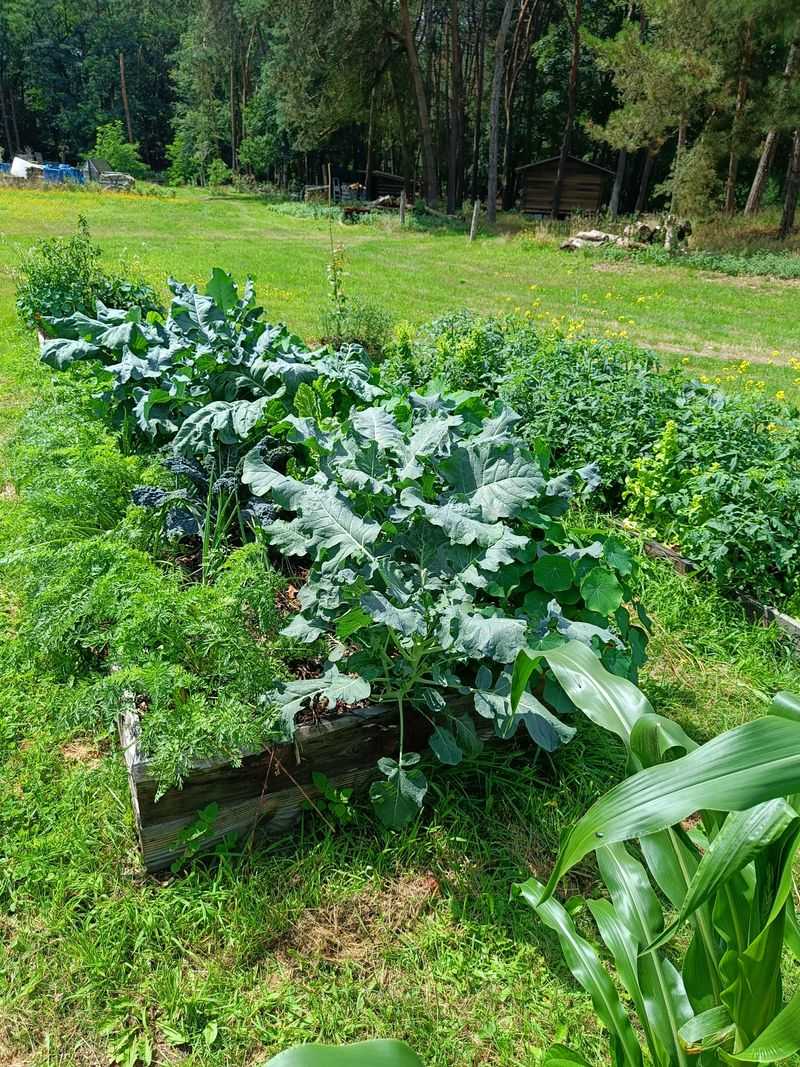
Leafy vegetables are especially vulnerable because their leaves sit close to the ground and have a large surface area for contact. Root crops like carrots and radishes grow directly in the soil.
Strawberries rest right on top of the ground. Low-growing produce of all kinds can come into contact with amended soil through rain, irrigation water, garden tools, shoes, or even small animals moving through the garden.
Washing your produce before eating it is always a smart habit, and it should absolutely be part of your routine. But washing alone should not be your only line of defense when it comes to amendment timing.
Avoiding fresh manure during active summer production is the more responsible and straightforward approach for anyone growing food in Michigan.
The goal is to create conditions where your edible crops are as safe and clean as possible from the moment they start developing.
Keeping raw amendments away from actively growing food plants during July is one of the simplest and most effective ways to do exactly that, without adding extra steps or worry to your harvest routine.
4. Raw Manure Should Not Be Used As Summer Side Dressing
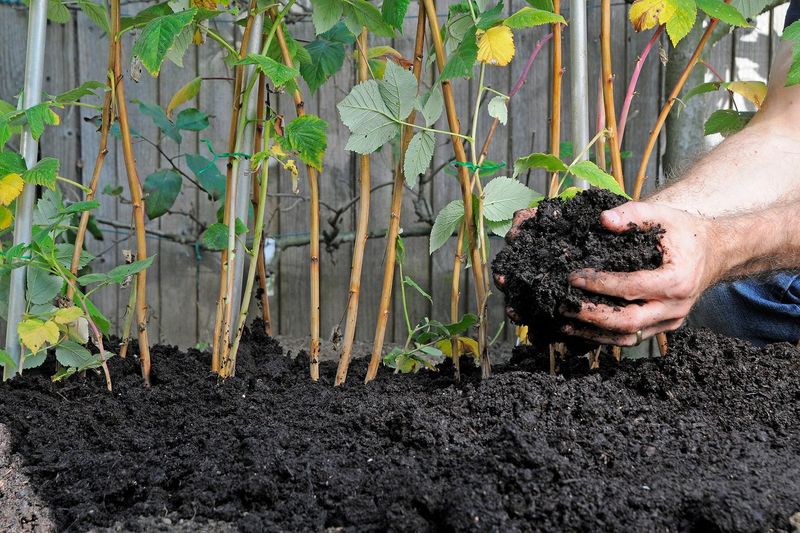
Side dressing is a common technique that gardeners use to give growing plants a nutrient boost mid-season. You place a nutrient source alongside your established plants, and as it breaks down, the roots take up what they need.
It sounds like a perfect solution for giving your July garden a little extra push, and in many cases it is a great strategy. The problem comes when gardeners reach for fresh manure as their side dressing material.
MSU Extension guidance for vegetable systems is clear that manure should not be used as a side dressing.
Spreading fresh, uncomposted manure around plants that are already growing means placing untreated material directly next to roots, stems, leaves, and developing produce.
That proximity creates conditions that responsible gardeners want to avoid during the active growing and harvesting months.
When your summer crops genuinely need a nutritional boost in July, there are much better options available.
A balanced granular fertilizer or a water-soluble product matched to your crop type gives you a predictable, consistent nutrient source without the concerns that come with raw manure.
Even better, a soil test from MSU Extension can tell you exactly what your soil needs before you add anything at all.
Guessing at nutrients mid-season can lead to over-application or imbalanced soil chemistry, which creates more problems than it fixes.
Starting with a soil test and using the right product at the right rate keeps your side dressing effective, targeted, and safe for everything growing in your Michigan garden right now.
5. Nutrient Strength Is Difficult To Predict
One thing that surprises a lot of gardeners is that fresh manure does not contain a fixed, reliable amount of nutrients. There is no label on a pile of raw manure telling you exactly how much nitrogen, phosphorus, or potassium is inside.
The nutrient content shifts depending on the animal species it came from, what that animal was eating, what kind of bedding was used, how the material was stored, how old it is, and how wet or dry it has become over time.
That variability makes fresh manure a tricky thing to apply accurately, especially in July when your plants are actively growing and already managing summer heat stress.
You might apply what you think is a moderate amount and end up delivering far more nitrogen than your garden needs.
Too much nitrogen during active growth can push plants to produce lots of leafy green growth while reducing fruit production, which is the opposite of what most Michigan vegetable gardeners are hoping for.
An unbalanced fertility program mid-season is genuinely difficult to correct once the damage is done. Soil testing takes the guesswork out of the process entirely.
MSU Extension offers affordable soil testing services that tell you exactly what nutrients your soil already contains and what it actually needs.
Armed with that information, you can choose the right amendment in the right amount at the right time, rather than applying something unpredictable and hoping it works out.
Treating fresh manure as a universal summer fix is one of the most common and easily avoidable gardening mistakes in Michigan.
6. Concentrated Nutrients Can Stress Active Plants
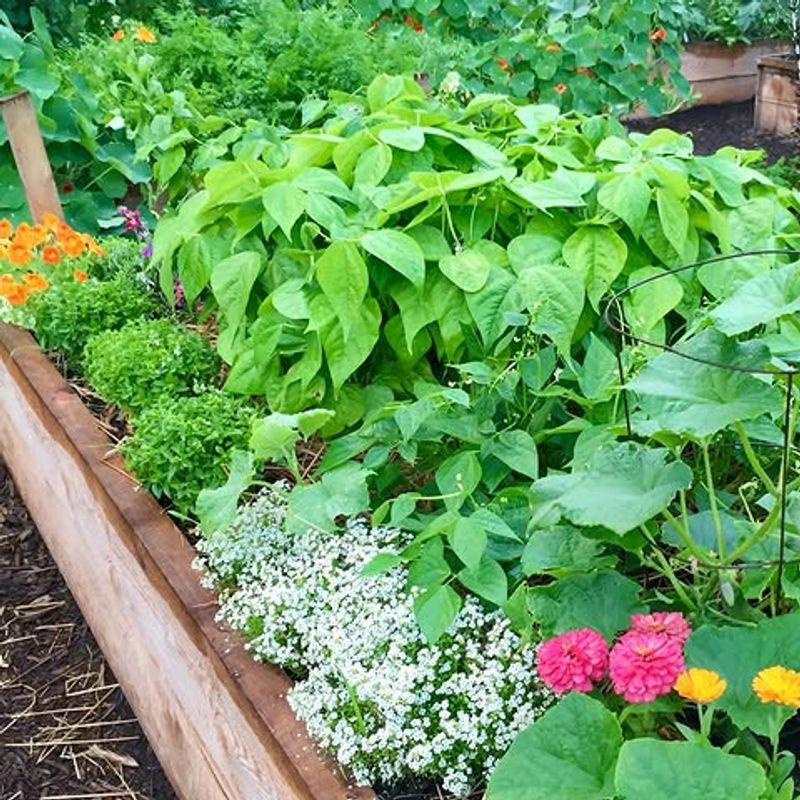
Michigan summers can be genuinely tough on plants. July often brings stretches of intense heat, inconsistent rainfall, and high humidity, and your lawn, flowers, vegetables, and container plants are already working hard just to stay hydrated and healthy.
Adding a strong, unpredictable amendment to the mix during this period can push plants that are already under pressure even further in the wrong direction.
Fresh manure may contain readily available nitrogen and soluble salts at levels that are difficult for roots to manage, particularly when those roots are already dealing with warm soil temperatures and moisture fluctuations.
When soluble salts build up around plant roots, they can interfere with the plant’s ability to take up water properly.
That creates a situation where your garden looks like it needs more water even when the soil is reasonably moist, because the roots are struggling to function efficiently.
Summer heat amplifies these effects. A plant that might tolerate a borderline soil condition in cooler weather can show real stress when temperatures climb into the upper eighties or beyond.
Properly composted material is far more stable and breaks down gradually, which means it releases nutrients at a pace that roots can actually use without being overwhelmed.
Not every manure source carries the same level of soluble salts or available nitrogen, but the unpredictability of fresh manure is exactly the reason to avoid it during July.
Your plants are already doing their best in the summer heat, and giving them stable, predictable nutrition is one of the kindest things you can do for your Michigan garden right now.
7. Uncomposted Manure May Introduce Weed Seeds
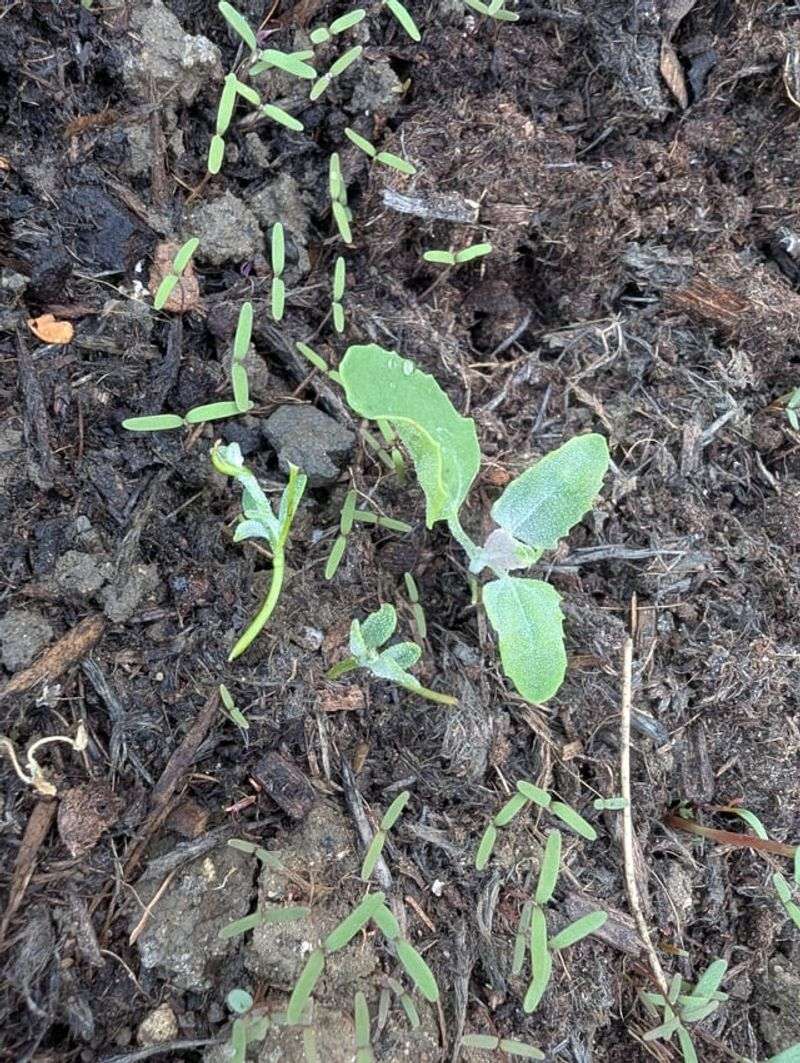
Weeds are already one of the biggest ongoing challenges in any Michigan garden, and July is peak season for fast-growing, sun-loving weeds that seem to appear overnight.
The last thing you want to do mid-summer is accidentally introduce a whole new round of weed seeds into your carefully maintained beds.
But that is exactly what can happen when you spread uncomposted manure during the warm months.
Animals eat a wide variety of feed, hay, and forage that often contains weed seeds. Those seeds can pass through the digestive system and remain viable in the manure. Bedding materials used in animal stalls can also introduce seeds into stored manure piles.
When you spread that uncomposted material across your garden in July, you are essentially broadcasting a fresh round of potential weeds right onto warm, moist soil that is perfectly set up to support rapid germination.
Hot composting is one of the most effective ways to reduce viable weed seeds in manure. When a compost pile reaches and maintains high enough temperatures throughout the process, many seeds are no longer able to germinate.
The key word there is properly composted, because not all bagged or bulk manure has gone through a true hot composting process. An aged appearance alone does not confirm that the material is finished or that weed seeds have been neutralized.
Always check that purchased manure has been fully composted and meets quality standards before applying it anywhere near your garden beds. Your future weeding schedule will thank you for taking that extra moment to verify.
8. Finished Compost Is The Better July Option
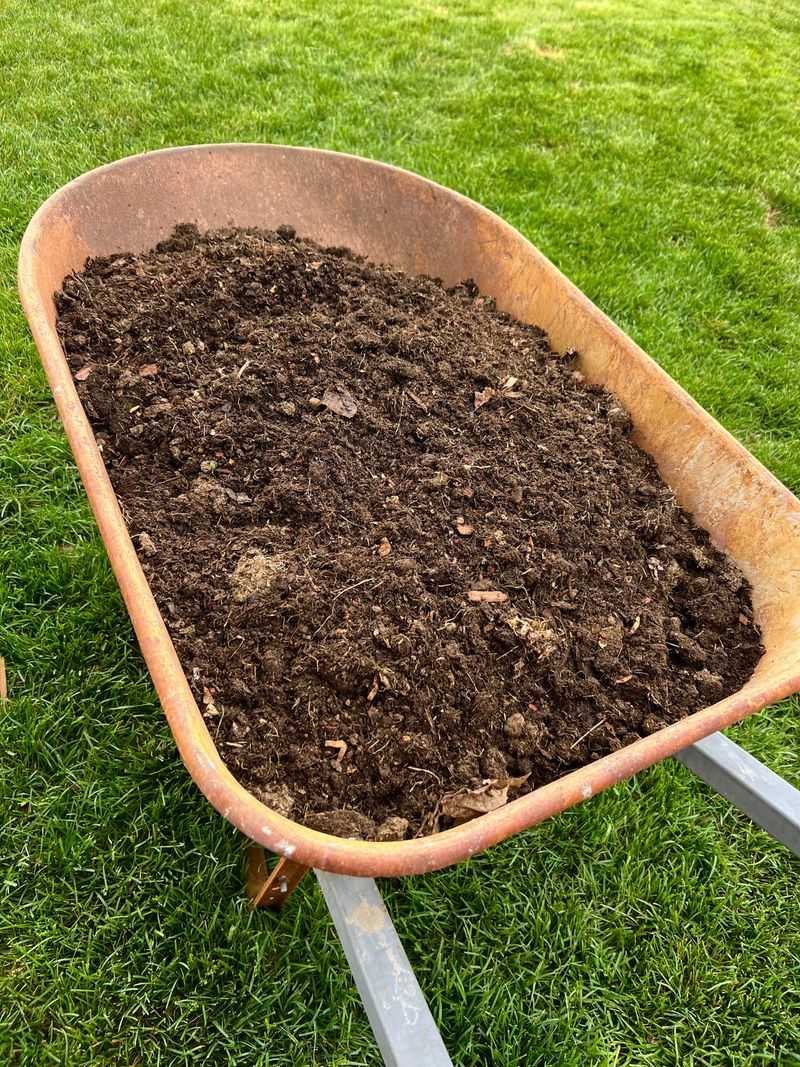
So what should you actually use if your Michigan garden genuinely needs a boost in July? The answer is finished compost or commercially prepared composted manure from a reputable source.
These products have gone through the full composting process and come out as something very different from raw manure.
Finished compost is dark in color, crumbles easily in your hand, and smells pleasantly earthy rather than sharp or strong. Applying finished compost in July is a much more stable and predictable choice.
The nutrients have already broken down into forms that plants can access gradually, which means you are far less likely to overwhelm your garden with excess nitrogen or soluble salts.
A moderate application worked lightly into the top layer of soil or used as a surface mulch around your plants can improve moisture retention, support soil biology, and provide gentle nutrition without the risks that come with raw material.
A few practical tips worth keeping in mind: always keep compost away from direct contact with plant stems to reduce moisture buildup at the base of your plants. Follow any directions on commercial products, and do not assume that more is always better.
If you have had a soil test done recently and your fertility levels are already adequate, you may not need to add anything at all this July.
Fresh manure is genuinely better saved for properly managed composting or for application in late fall after harvest is completely finished, giving it the full season it needs to break down safely before your next Michigan growing year begins.