Why September Is The Best Time To Plant Tulip And Daffodil Bulbs In Michigan
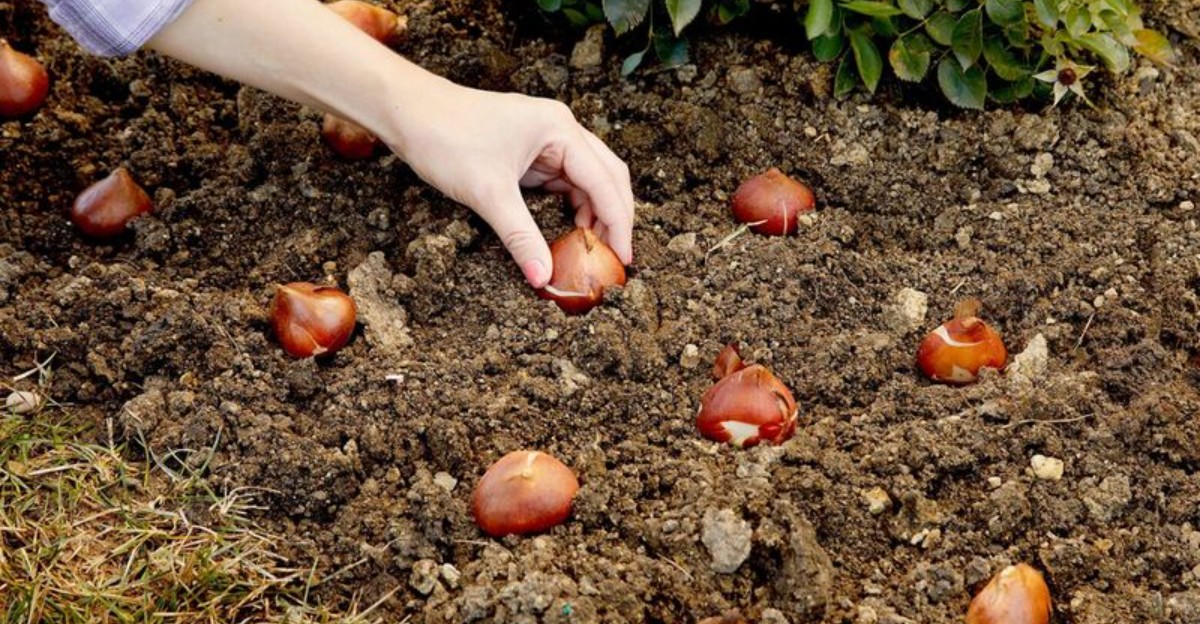
September marks the start of the ideal planting window for tulip and daffodil bulbs across Michigan, giving them enough time to establish roots before the ground freezes solid.
These bulbs actually require a period of cold exposure to trigger proper spring blooming, making Michigan’s winter an essential part of their natural growth cycle rather than something to work around.
Planting too early risks premature sprouting during a warm fall stretch, while waiting too long can mean roots don’t have enough time to develop before frozen ground makes planting impossible.
Soil temperature, more than the calendar alone, plays a key role in determining the exact right moment within this broader window.
Getting bulbs into the ground during this September stretch sets up a much stronger, more reliable bloom when spring finally arrives.
1. Fall Gives Bulbs Time To Grow Roots
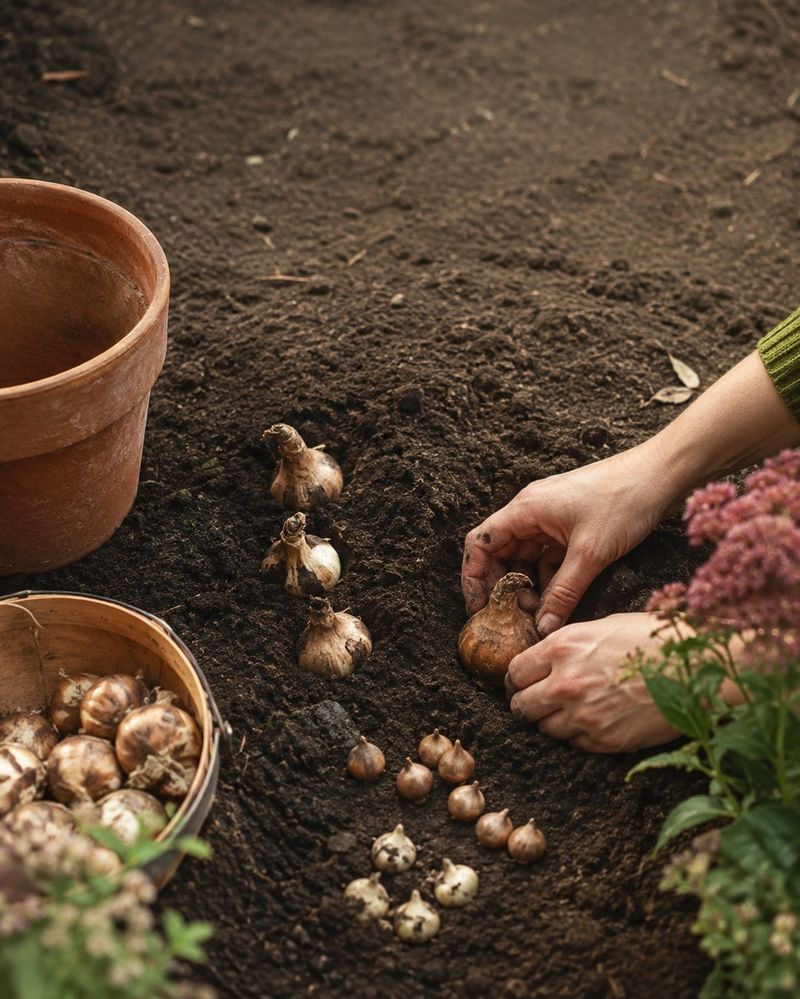
Roots are the quiet workers behind every gorgeous spring flower. When you tuck tulip and daffodil bulbs into the ground in September, the soil is still warm enough to wake them up. That warmth signals the bulb to start pushing tiny roots downward.
Those roots do not show above the surface, but they matter more than anything else happening underground. They anchor the bulb in place and soak up water and nutrients. A well-rooted bulb heads into winter strong and ready.
Michigan soil cools slowly through fall, which gives bulbs several weeks of comfortable conditions. During this stretch, the bulb builds a network of roots that will support its stem and blooms months later.
Skipping this window means the bulb has less time to settle in. Think of root growth as the foundation of a house. Without a solid base, everything above it struggles.
Bulbs that root well in autumn tend to produce taller stems and fuller flowers when the weather warms up.
You can help the process by watering once after planting. A single good soak encourages roots to reach out and grab hold. After that, natural fall rain usually takes care of the rest.
By the time the ground freezes, your bulbs will already have done their most important work.
They rest through the cold with roots firmly in place, waiting patiently for their moment. That head start is exactly why September planting pays off so beautifully.
2. September Is Not The Exact Date For Every Michigan Garden
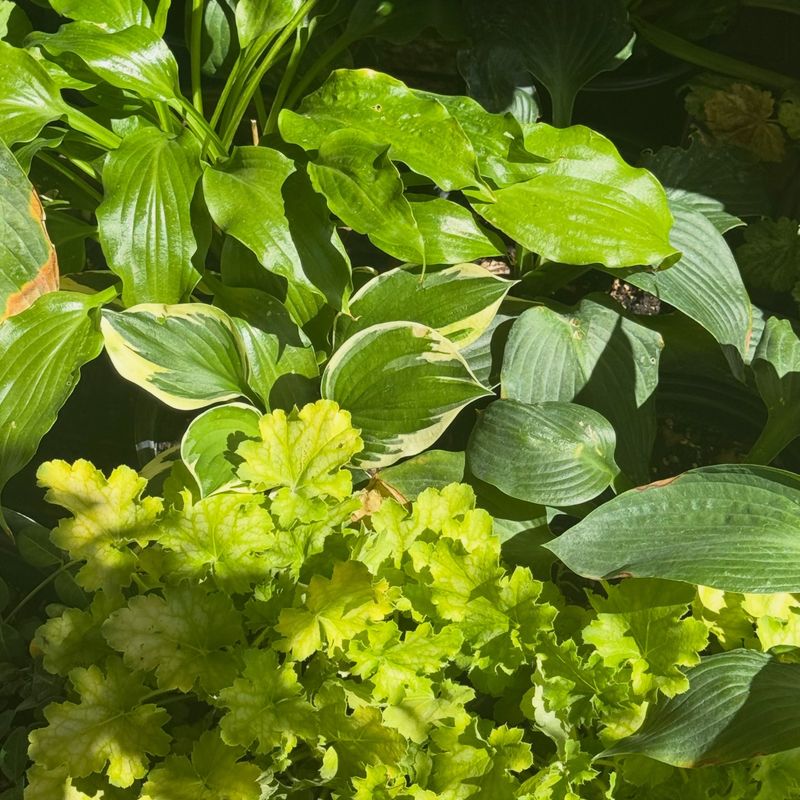
Here is something many gardeners miss: there is no single magic date for planting bulbs across the whole state.
Michigan stretches far from south to north, and the weather changes a lot along the way. What works in Detroit may be too early for the Upper Peninsula.
Southern Michigan often stays mild well into October, giving gardeners a longer planting window. Northern areas cool down faster, so folks there may want to plant a bit sooner. Paying attention to your own backyard beats following a strict calendar.
Soil temperature tells the real story. Bulbs like to go in when the ground sits around 55 degrees or a little cooler. A cheap soil thermometer takes the guesswork out and helps you time things just right.
Your Michigan Garden Changes Every Week. Your Plan Should Too.
Gardening in Michigan changes quickly throughout the season. Every Friday you’ll receive a simple weekly plan showing exactly what to plant, prune, fertilize, harvest, and protect so you never miss the right timing.
Weather swings from year to year, too. Some autumns turn chilly early, while others stay warm for weeks. Watching the forecast and checking your soil gives you a much better guide than a fixed day on the calendar.
The general window runs from early fall through October for most of the state. That range gives everyone room to adjust based on where they live and what the season brings. Flexibility is your friend here.
Rather than stressing about one perfect day, aim for that comfortable stretch when the air feels crisp and the soil has cooled.
Local garden centers and extension offices can share timing tips for your specific area. Trust conditions over dates, and your bulbs will thank you.
3. Bulbs Need Cold Weather To Complete Their Cycle
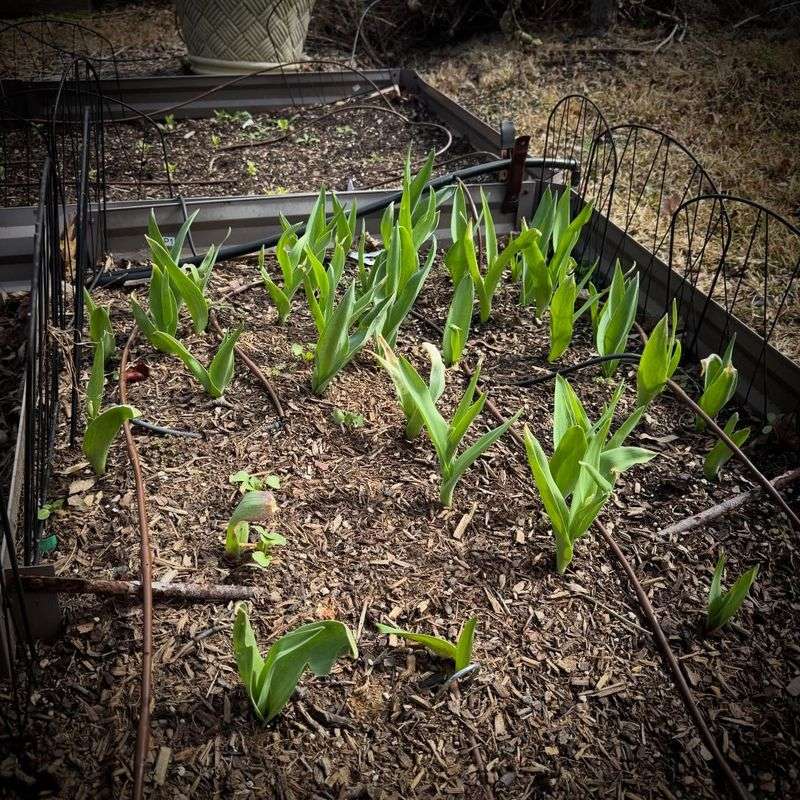
Cold is not the enemy of tulips and daffodils. In fact, these bulbs count on a chilly stretch to bloom properly. Without a real winter, they simply will not perform the way you hope.
The science behind it is pretty neat. Cold temperatures trigger changes inside the bulb that prepare it to send up a flower stalk in spring. This process is often called chilling, and it usually needs many weeks of cool conditions.
Michigan winters handle this job perfectly. When you plant in fall, the bulbs sit in the ground and soak up all that natural cold. There is no need for special treatment or extra steps on your part.
Gardeners in warmer states sometimes have to chill bulbs in a refrigerator before planting. Lucky for Michigan folks, nature does the work for free. That is one big advantage of our four true seasons.
This is also why planting too late can cause trouble. If bulbs miss part of their chilling period, they may bloom short or refuse to flower at all. Getting them in the ground early gives them the full cold stretch they crave.
Picture the bulb resting quietly beneath the snow, counting down the weeks. Each cold day moves it closer to the moment it bursts into color. By the time spring arrives, it has everything it needs.
So instead of worrying about the cold, welcome it. Michigan winters give your bulbs the exact conditions they need to shine.
4. Plant Before The Ground Freezes
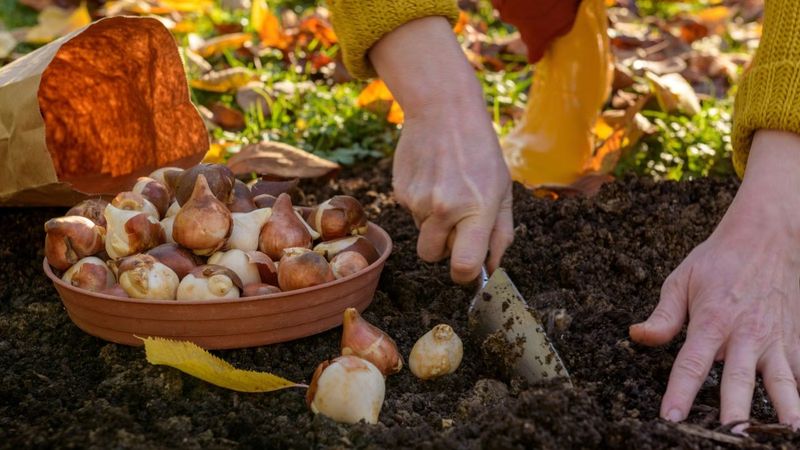
Timing your planting before the ground turns solid makes a huge difference. Once the soil freezes hard, digging becomes nearly impossible and bulbs cannot form roots. Beating that freeze is the goal.
Roots need a few weeks of workable soil to spread out and settle in. Planting several weeks ahead of the first hard freeze gives them that chance. In much of Michigan, this means finishing up by late October or so.
Waiting too long is a common slip-up. A gardener buys bulbs, sets them aside, and suddenly the first cold snap arrives. Bulbs planted at the last minute rarely root well and may struggle in spring.
Keep an eye on the long-range forecast as fall moves along. When you notice the first hard frosts creeping into the outlook, that is your cue to get busy. It is better to plant a little early than to run out of time.
If you do find yourself running late, plant anyway rather than holding the bulbs indoors. Bulbs left out of the ground lose energy and dry out. A late planting still beats no planting at all.
Loosening the soil before the freeze also makes the whole job easier. Soft, crumbly ground lets you dig quickly and space your bulbs the way you want. Working ahead saves your back and your patience.
Give your bulbs that head start before winter locks the ground down. A few weeks of rooting time now leads to a much stronger spring show.
5. Choose A Well-Drained Planting Site
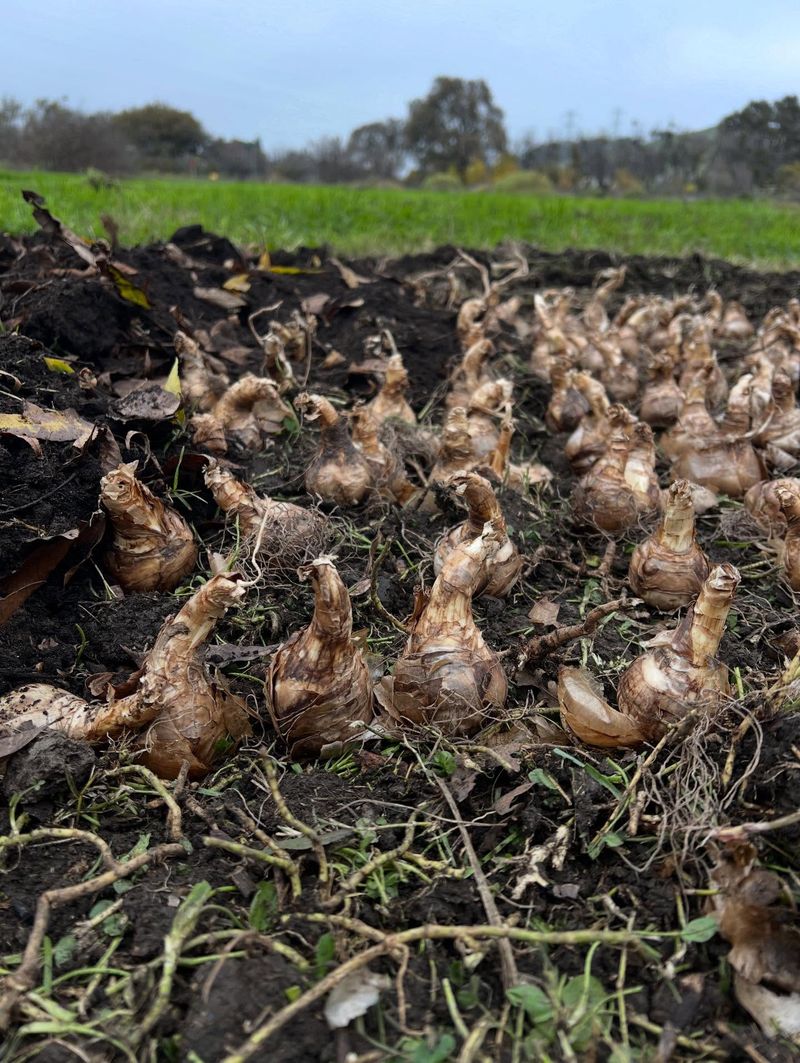
Soggy soil spells trouble for bulbs. Tulips and daffodils hate sitting in water for long stretches, and Michigan falls can get pretty wet. Picking a spot with good drainage protects your investment.
When water pools around a bulb, it can cause rot and weaken the whole plant. Instead of a healthy root system, you end up with a mushy mess. Good drainage keeps the bulb firm and happy.
Look for a spot where puddles disappear quickly after rain. Slightly raised beds or gently sloped areas often drain well. Low spots that stay damp for days are best avoided.
You can test drainage easily. Dig a small hole, fill it with water, and watch how fast it empties. If the water sits for hours, that area may need improvement before planting.
If heavy clay drains poorly, improve the bed with organic matter and consider raised or amended planting areas rather than mixing in sand. Your bulbs will root more comfortably in loose, airy ground.
Sunlight matters too, since most bulbs love a spot that gets plenty of light. A sunny, well-drained bed gives them the best of both worlds. Together these conditions set the stage for strong spring blooms.
Michigan winters bring melting snow and rain, so the ground can stay damp for long periods. Choosing a spot that drains well means your bulbs stay safe through all that moisture.
A little planning now saves disappointment later. Pick your location thoughtfully, and your flowers will reward you.
6. Plant Bulbs At The Appropriate Depth
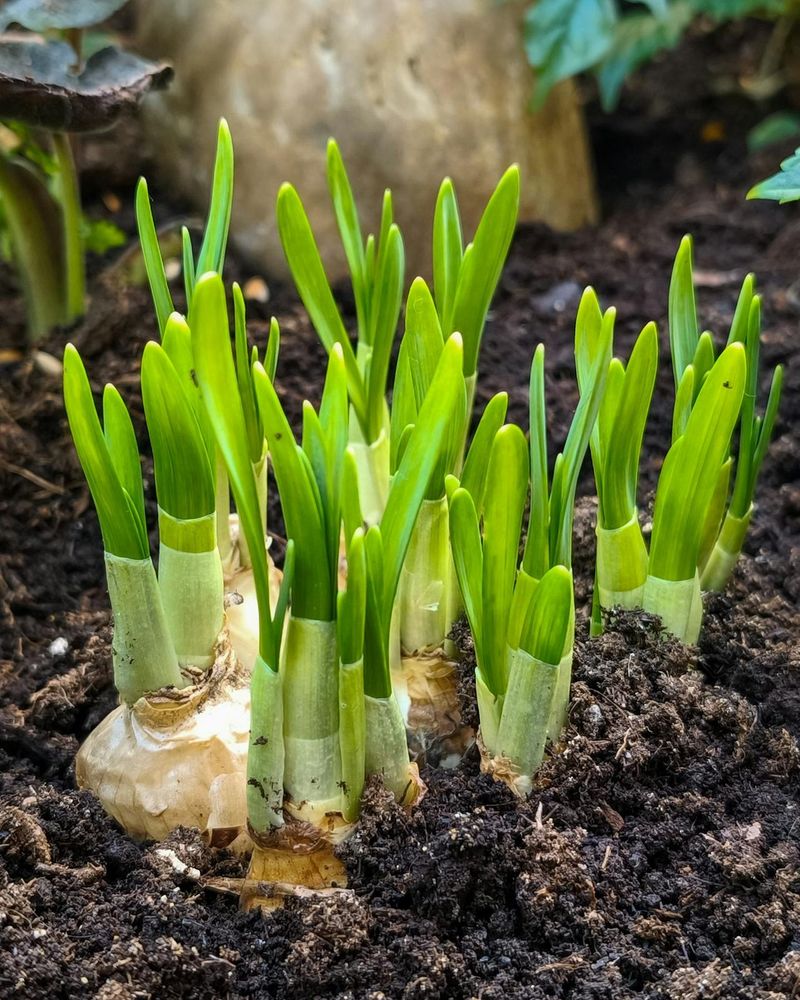
Depth is one of those details that quietly decides how well your bulbs do. Plant them too shallow and they face problems, but get the depth right and they thrive. Each type of bulb has its own sweet spot.
A common rule suggests planting bulbs about two to three times as deep as they are tall. For many tulips and daffodils, that means digging a hole around six to eight inches deep. Always check the package for the exact number.
Bulbs planted too close to the surface feel every swing in temperature. Michigan weather can warm up and cool down quickly, and shallow bulbs get jostled by that back-and-forth. Proper depth keeps them steady and protected.
Deeper planting also guards bulbs from hungry critters. Squirrels love to dig up bulbs sitting near the top. Tucking them down lower makes them harder to find and disturb.
Placing the bulb the right way up matters as well. The pointy end goes up, and the flatter root end goes down. If you are unsure, planting a bulb sideways usually still works out fine.
Spacing plays a part too. Giving each bulb a few inches of room lets roots spread without crowding. Crowded bulbs compete for water and nutrients, which weakens the display.
Grab a ruler or a trowel with depth marks to keep things consistent. A little measuring goes a long way toward even, healthy growth. When depth is right, your spring garden comes up strong and well anchored.
7. Do Not Fertilize Excessively At Planting
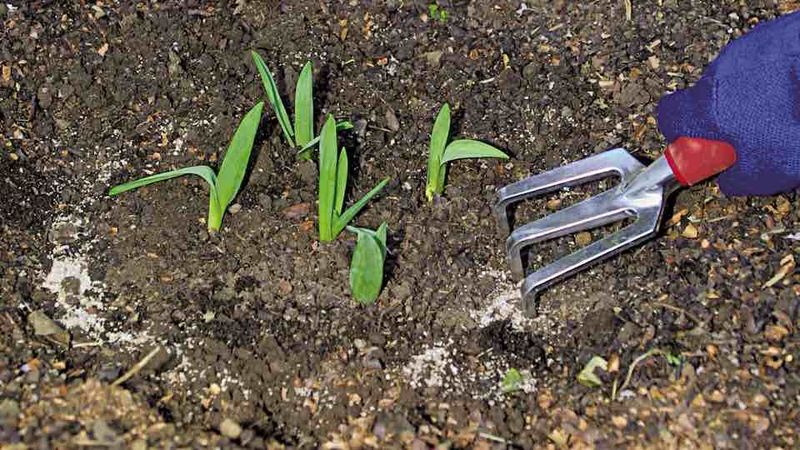
More fertilizer does not mean more flowers. Many gardeners assume a heavy dose will boost their bulbs, but the opposite often happens. Bulbs already carry most of the food they need to bloom.
Inside every bulb is a tidy little package of stored energy. That built-in supply powers the first burst of roots and blooms. Piling on fertilizer can actually harm the roots instead of helping them.
The smartest move is to follow the directions made for bulbs. A balanced, bulb-specific product used as directed gives just the right nudge. Guessing amounts usually leads to too much.
Testing your soil takes the mystery out of the whole thing. A simple soil test shows what your garden already has and what it might lack. Then you add only what is truly needed, nothing more.
Healthy soil beats a heavy scoop of fertilizer every time. Rich, well-balanced ground full of organic matter supports bulbs naturally. Feeding the soil is often better than feeding the plant directly.
Too much fertilizer can also encourage soft, weak growth. Instead of sturdy stems, you may get floppy ones that cannot hold their blooms up. Gentle feeding keeps plants strong and upright.
If you want to add something at planting, a little compost works wonders. It improves the soil slowly and safely without overwhelming the bulb. This steady approach builds a garden that keeps giving.
Go easy at planting time and trust the bulb to do its job. A light hand now leads to a beautiful, balanced spring.
8. Protect The Bed After Planting
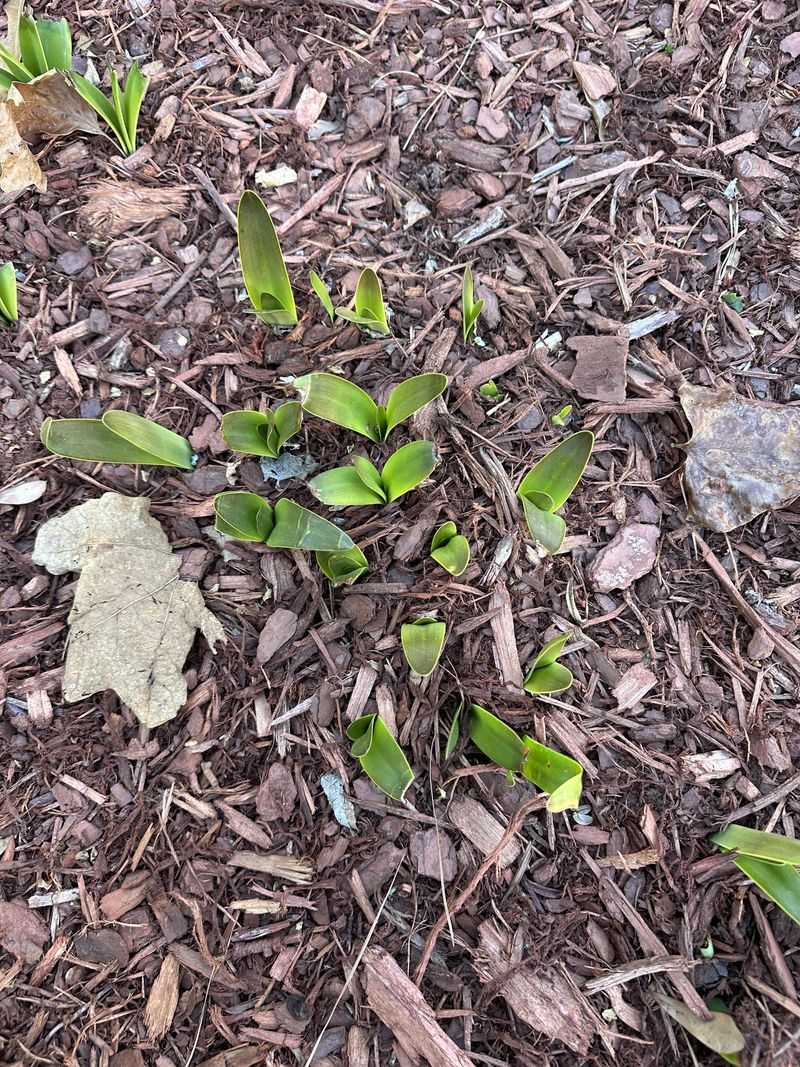
Once your bulbs are safely in the ground, a light blanket of mulch finishes the job. Mulch acts like a cozy cover that steadies the soil temperature. This protection helps bulbs settle in for the winter.
Temperature swings can be rough on newly planted bulbs. A layer of mulch slows down how fast the ground heats and cools. That steadiness keeps the bulbs calm and safe underground.
Shredded bark, straw, or chopped leaves all make good mulch choices. Spread a couple of inches over the bed, and you give the soil a gentle buffer. The goal is protection without smothering.
Going overboard with mulch causes its own problems. Too thick a layer traps extra moisture, and soggy conditions invite rot. It can also make it harder for shoots to push through in spring.
Aim for a moderate, even layer instead. Enough to insulate but not so much that it packs down heavily. Think comfortable blanket, not a heavy pile.
Mulch offers a bonus by slowing down weeds. Fewer weeds means less competition for water and nutrients when spring arrives. Your bulbs get to keep the good stuff for themselves.
When the weather warms, keep an eye on emerging sprouts. If the mulch seems too thick, gently pull some back so shoots can rise freely. A quick check clears the path for new growth.
A thoughtful mulch layer is the final touch on a well-planted bed. It quietly guards your work through the cold and welcomes those first spring shoots.