The Texas Groundcover That Stays Cooler Than Gravel During Extreme Heat
Gravel has become a popular landscaping choice in Texas, and it’s easy to understand why. It looks clean, it suppresses weeds, and it requires almost no maintenance.
But anyone who has walked barefoot across a Texas gravel bed on a July afternoon knows the dark side of that choice.
Gravel absorbs heat aggressively and radiates it back into the surrounding area in a way that makes an already hot yard feel significantly hotter. There is a better option, and it’s alive.
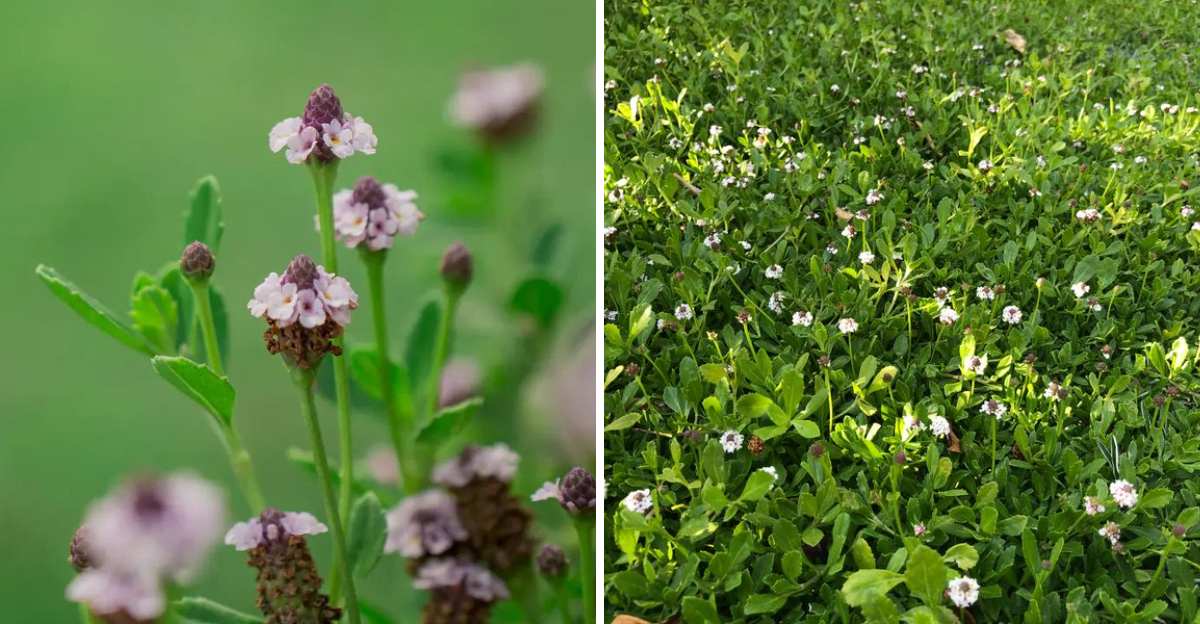
A native Texas groundcover exists that stays measurably cooler than gravel during extreme heat, covers the ground just as effectively, and brings ecological value that no inorganic mulch can come close to matching.
It suppresses weeds, handles drought once established, and creates a surface that actually moderates the temperature around it rather than amplifying it.
For homeowners dealing with hot spots in the yard, areas near the house where heat builds uncomfortably, or just looking for a smarter alternative to gravel, this groundcover changes the equation entirely.
Texas Frogfruit Creates A Low, Living Cover Over Sun-Baked Soil
Walk across a Texas yard in July and you will quickly understand why bare soil and rock can make the heat feel unbearable. Frogfruit offers a greener solution.
Known scientifically as Phyla nodiflora, it is a native Texas perennial that belongs to the verbena family. It has been growing across the state long before landscapers started importing decorative rock by the truckload.
Most gardeners are surprised by how low and flat frogfruit stays. It typically reaches only 3 to 8 inches tall, which makes it perfect for covering ground without blocking sightlines or crowding out nearby shrubs.
The plant spreads outward through long, trailing stems that touch the soil and root at their nodes, slowly stitching together a dense, continuous mat.
That mat does something decorative rock cannot do. It shades the soil underneath it, reducing the amount of sunlight that hits bare ground and gets converted into heat.
The leaves stay relatively cool because the plant is constantly pulling water up through its roots and releasing moisture through its foliage.
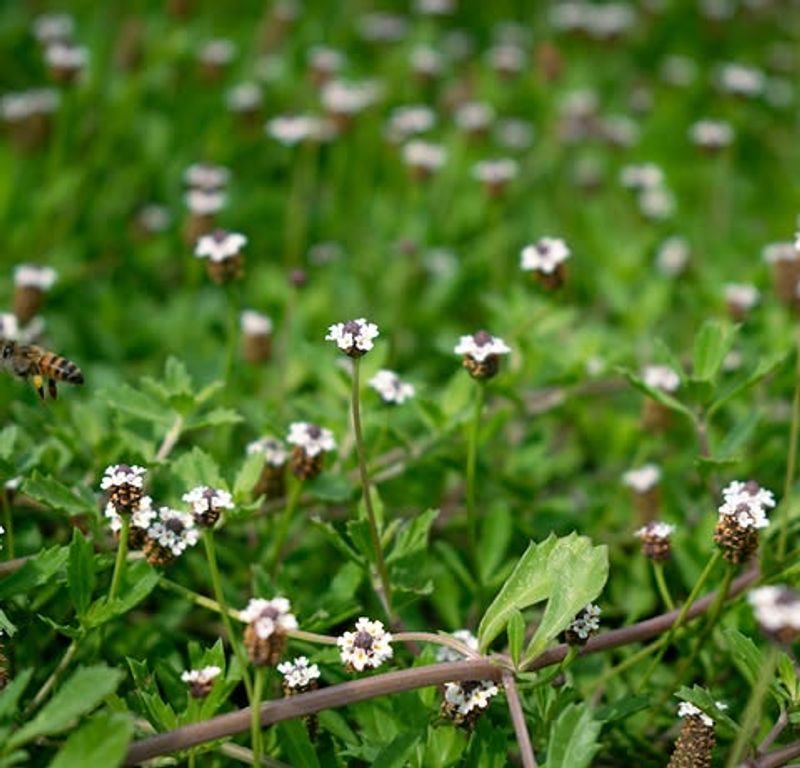
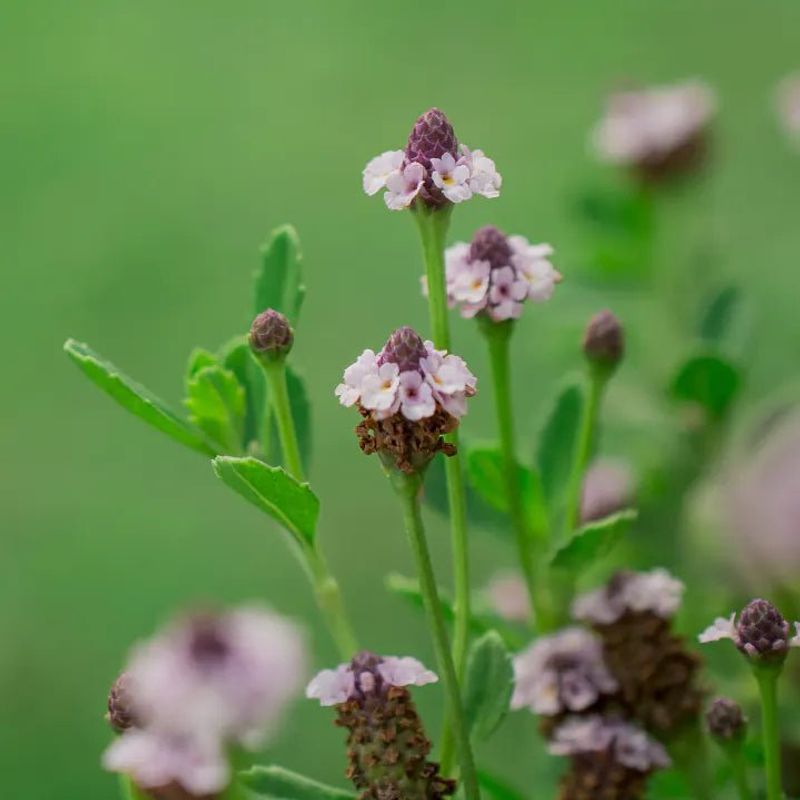
Frogfruit also produces small white-to-pink flower clusters throughout most of the warm season, so the groundcover never looks dull or lifeless.
The blooms are tiny, but they appear in generous numbers across the mat, giving the planting a soft, textured look that gravel simply cannot replicate.
For homeowners dealing with areas of exposed soil or sections of the yard dominated by decorative rock, frogfruit presents a practical and visually appealing living alternative.
It will not solve every landscaping challenge, but as a low-growing native cover, it earns its place in a Texas yard.
Living Leaves Cool The Landscape Differently Than Gravel
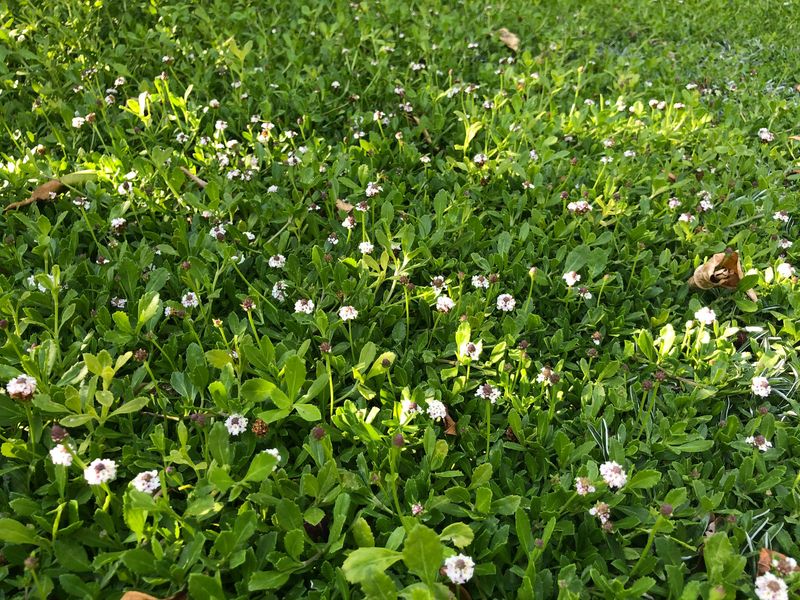
Gravel looks tidy. It does not need watering, and it keeps weeds at bay for a while. But on a blazing Texas afternoon, a gravel bed can store an enormous amount of heat and release it slowly back into the surrounding air long after the sun goes down.
Anyone who has walked barefoot across a gravel path at dusk knows exactly what that feels like.
Your Texas Garden Changes Every Week. Your Plan Should Too.
Gardening in Texas changes quickly throughout the season. Every Friday you’ll receive a simple weekly plan showing exactly what to plant, prune, fertilize, harvest, and protect so you never miss the right timing.
Vegetation works differently. When sunlight hits a leaf, the plant uses some of that energy for photosynthesis and releases moisture through a process called evapotranspiration.
That moisture release creates a natural cooling effect at ground level. The leaves also shade the soil directly beneath them, which helps keep soil temperatures lower than they would be under exposed rock.
A healthy frogfruit mat can therefore create a noticeably cooler soil-level environment than sun-heated gravel under comparable conditions.
No controlled study comparing frogfruit specifically to gravel in Texas yards was found, so exact temperature differences should not be claimed.
But the basic physics of evapotranspiration versus heat-absorbing rock supports the idea that living plants cool their immediate surroundings more effectively.
Gravel also reflects and radiates heat upward toward people, pets, and nearby structures. A dense plant mat absorbs and manages that energy in a biologically active way instead of bouncing it back into the environment.
Choosing frogfruit over gravel in certain areas of your yard is not just an aesthetic decision. It is a practical one rooted in how plants interact with heat and sunlight.
For Texas summers, that difference can genuinely matter in the areas where you spend the most time outdoors.
It Handles The Heat And Weather Swings Common Across Texas
Texas weather does not play fair. One month you are dealing with a blistering drought, and the next you are watching water pool across your yard after a heavy downpour.
Most landscape plants struggle to handle those extremes without a lot of help. Frogfruit, on the other hand, was basically built for this state.
Established frogfruit plants tolerate full sun without flinching. They also perform reasonably well in partial shade, which makes them flexible enough to work under trees or along the shadier edges of a yard.
That adaptability is one reason native plant enthusiasts across Texas recommend it so often for low-maintenance landscaping.
The plant is also known for handling periods of drought once it is properly established. It can survive temporary flooding too, which matters in areas where water drains slowly after heavy rain.
Clay soils, sandy loam, caliche, and standard garden soil can all support frogfruit, though performance will naturally vary depending on local conditions and how well the soil drains.
One thing worth being honest about is that newly planted frogfruit is not immediately drought-proof. Young plants with shallow root systems still need consistent moisture to get established, especially during hot summer months.
Skipping irrigation too early can set back new plantings significantly. Severe drought events may also require supplemental watering even for mature plants, particularly during extended periods without rain. Frogfruit is tough, but it is not invincible.
Treating it as a resilient plant that still benefits from occasional attention will produce far better results than ignoring it completely after planting and hoping for the best.
Small Flowers Turn The Groundcover Into Pollinator Habitat
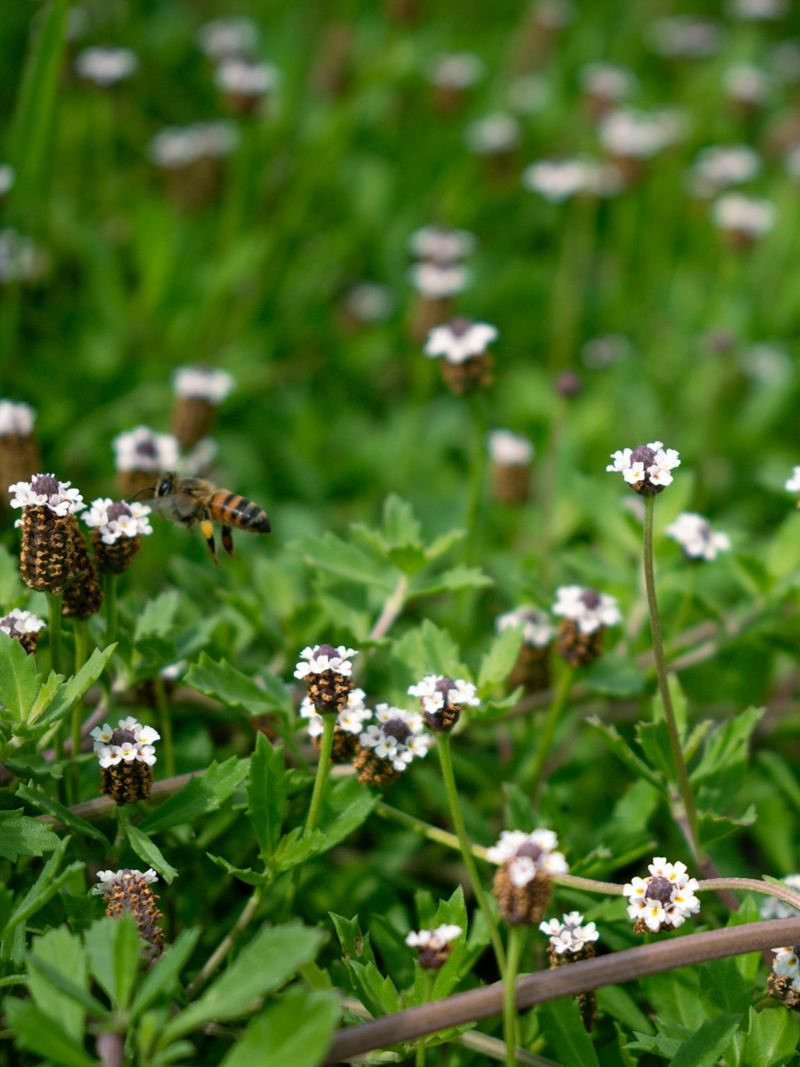
Here is something gravel will never do: feed a butterfly. Frogfruit blooms almost continuously through the warm season, and those tiny white-to-pink flower clusters are magnets for bees, small native wasps, and a wide variety of butterflies.
The flowers may look modest up close, but to a pollinator searching for nectar on a hot Texas day, they are a welcome resource.
What makes frogfruit especially valuable is its role as a caterpillar host plant. The common buckeye butterfly, the phaon crescent, and the white peacock all use frogfruit as a place to lay their eggs.
The caterpillars feed on the foliage as they develop, which means a healthy frogfruit mat actively supports butterfly reproduction rather than just offering a quick nectar stop.
That level of habitat value is something no amount of decorative rock can provide. Gravel might look attractive in a garden bed, but it supports almost no wildlife.
Frogfruit, by contrast, becomes a small but functioning ecosystem once it is established and flowering.
Gardeners who want to support pollinators should avoid mowing frogfruit during peak flowering periods. Mowing removes the blooms that insects depend on and can interrupt butterfly egg-laying cycles.
If some trimming is necessary to keep the planting tidy, try to time it outside of the heaviest flowering periods when butterfly activity is at its peak.
Adding frogfruit to a Texas yard is a simple way to make a meaningful contribution to local pollinator populations. Even a small patch of it can attract and support more wildlife than a much larger area of bare gravel or exposed soil ever could.
Establishment Requires Water, Patience And Weed Control
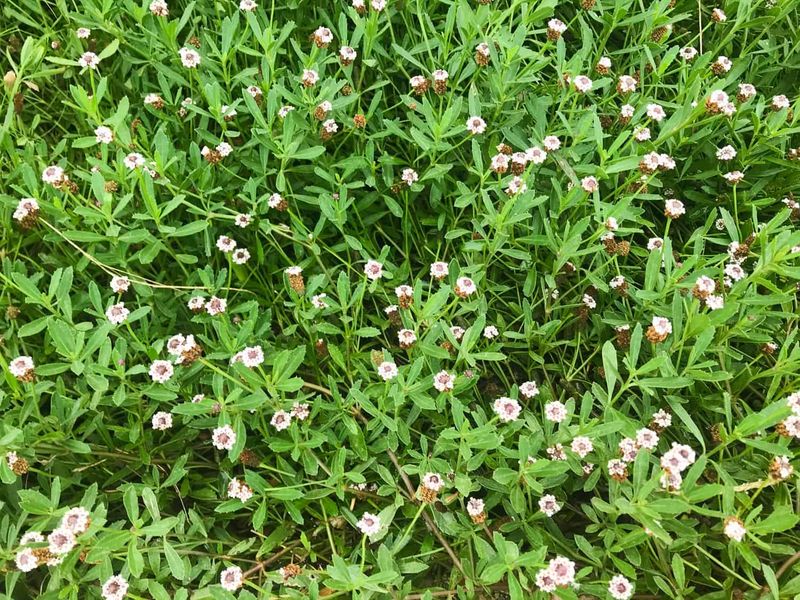
Planting frogfruit is straightforward, but getting it established takes more effort than most people expect. The first few weeks after planting are the most critical.
New plants need consistent moisture to develop the root system that will eventually let them handle heat and drought on their own. Skipping watering too soon is one of the most common mistakes people make with this plant.
Start by preparing the planting area properly. Remove persistent weeds before you put a single frogfruit plant in the ground.
Weeds that are already established will compete aggressively with young frogfruit plants for water and nutrients, and they can slow coverage significantly during the first growing season. A little extra effort at the beginning saves a lot of frustration later.
Spacing depends on how quickly you want coverage. Closer spacing means faster fill-in but higher upfront plant cost.
Wider spacing saves money but requires more patience as the stems spread and root. Either approach can work well as long as weed pressure is managed during the gap period.
Once frogfruit forms a continuous mat, it becomes much better at suppressing weeds on its own. The dense foliage shades the soil and makes it harder for weed seeds to germinate and take hold.
Getting to that point, however, requires regular weeding during the establishment phase.
Timing your planting matters too. Starting during a mild, wet period rather than the peak of summer gives young plants a much better chance to root before they face their first serious heat stress.
Spring planting in Texas generally gives frogfruit the best possible start before summer temperatures arrive.
Its Aggressive Spread Makes Placement Important
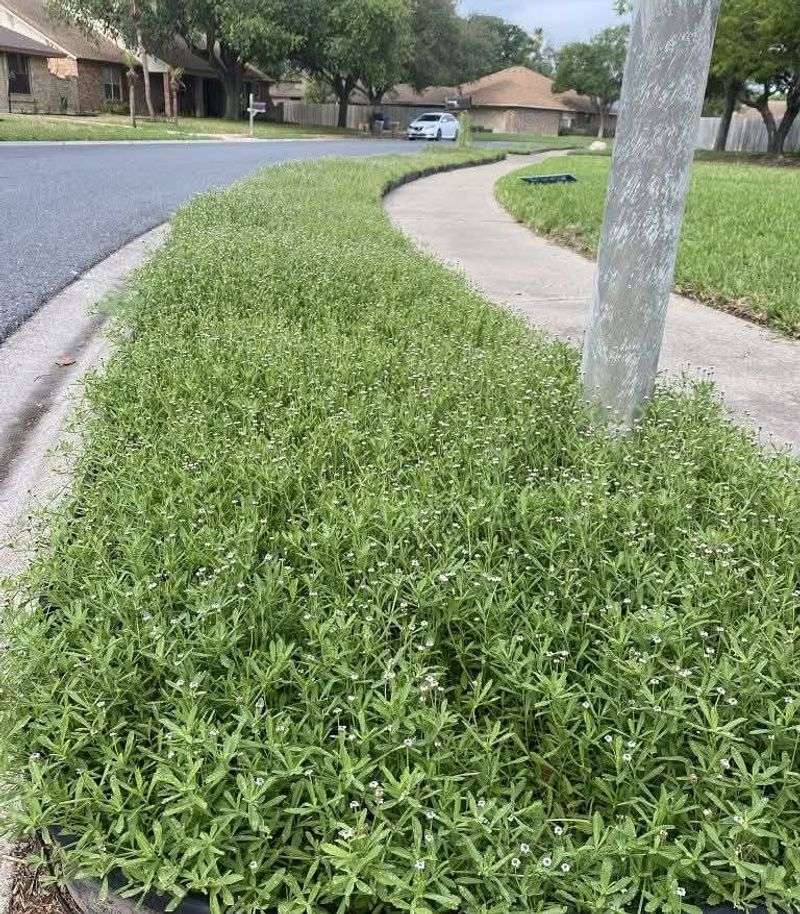
Frogfruit earns its place in the Texas landscape, but it is not a plant you can put in the ground and forget entirely. One of its greatest strengths is also its biggest management challenge.
Those trailing stems that make it such a fast and effective groundcover do not stop spreading just because they have reached the edge of the bed you planned for them.
Given enough time and moisture, frogfruit will travel into lawns, across paths, and into neighboring planting beds.
The stems root wherever they touch soil, which means a mat that starts in one corner of the yard can gradually push into spaces you did not intend for it to occupy.
This is especially noticeable along borders where the groundcover meets turf grass or a gravel path.
Installing a physical edging barrier is the most reliable way to keep frogfruit contained where you want it. Metal or plastic landscape edging buried a few inches into the soil can block stem spread effectively.
Regular trimming along the edges of the planting is another option for homeowners who prefer a more hands-on approach to boundary management.
Frogfruit is also better suited to low-use groundcover areas than to spots that receive heavy foot traffic every day. It can handle some light walking, but constant pressure from foot traffic will thin it out over time.
Cold weather adds one more consideration. Freezing temperatures can discolor the foliage or push the plant into dormancy, though mild Texas winters often allow it to stay evergreen.
Frogfruit is a resilient living cover, but it works best when treated as an active part of the landscape rather than a completely maintenance-free substitute for gravel.