Stop Planting This Common Shrub If You Want To Keep Pennsylvania Deer Away
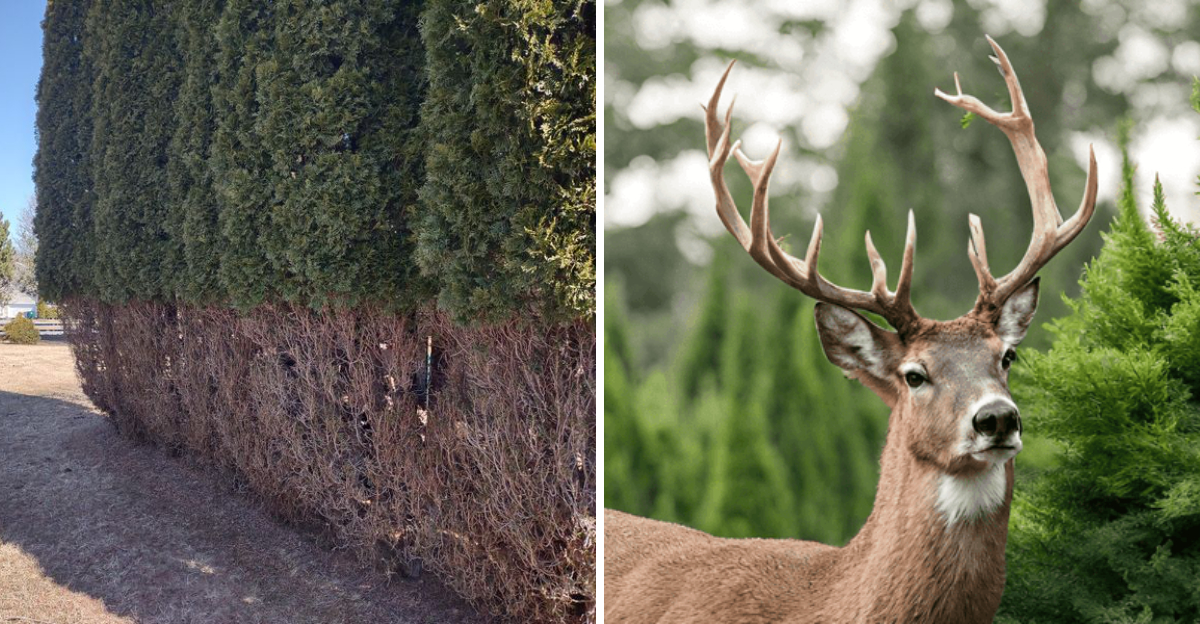
Deer pressure in Pennsylvania gardens is a challenge most homeowners learn about the hard way. You plant something beautiful, you tend it carefully, and then you wake up one morning to find it browsed down to bare stems overnight.
The frustration is real. And for a lot of gardeners, the response is to try repellent sprays, motion activated devices, and an assortment of other deterrents that work inconsistently at best.
But there’s a step that comes before any of that, and most people are skipping it. One of the most commonly planted shrubs in Pennsylvania gardens is essentially a deer magnet. It’s sold everywhere, it’s easy to grow, and it looks great in the garden center.
But deer love it, and planting it near your property is essentially sending out an open invitation to every deer in the surrounding area to come take a closer look at everything else you’re growing.
Once you know which shrub to avoid, the rest of your deer management strategy gets considerably easier.
Arborvitae Gives Pennsylvania Deer An Easy Evergreen Food Source
Walk through almost any Pennsylvania neighborhood and you will spot arborvitae lining driveways, fences, and property edges. It is one of the most familiar privacy-screen plants in the state, and it is easy to see why.
Arborvitae grows quickly, stays green all year, and creates a thick visual barrier that homeowners love.
The problem is that deer love it too. Arborvitae produces dense, soft, evergreen foliage that stays accessible even when the ground is frozen and other plants have gone dormant.
That makes it an attractive food source during the months when fresh vegetation is hardest to find. Penn State Extension has noted that arborvitae is probably unsuitable for landscapes where deer visit regularly.
Many people worry that planting arborvitae will pull deer from miles away like a magnet. That is not exactly how it works.
Deer follow established travel routes shaped by terrain, water sources, and habitat. Planting arborvitae does not reroute a herd that never passed through your yard before.
However, if deer are already moving through your property or nearby, arborvitae gives them a strong reason to stop and feed. A plant they find tasty and easy to reach becomes a preferred stop along their regular route.
Over time, that stop can turn into a habit. Knowing this distinction matters for homeowners making planting decisions. If deer pressure in your area is low, arborvitae might survive with minimal damage.
If your neighborhood already has regular deer activity, planting arborvitae is essentially setting out a welcome meal for every deer that passes through your yard.
A Row Of Arborvitae Places An Entire Meal At Deer Height
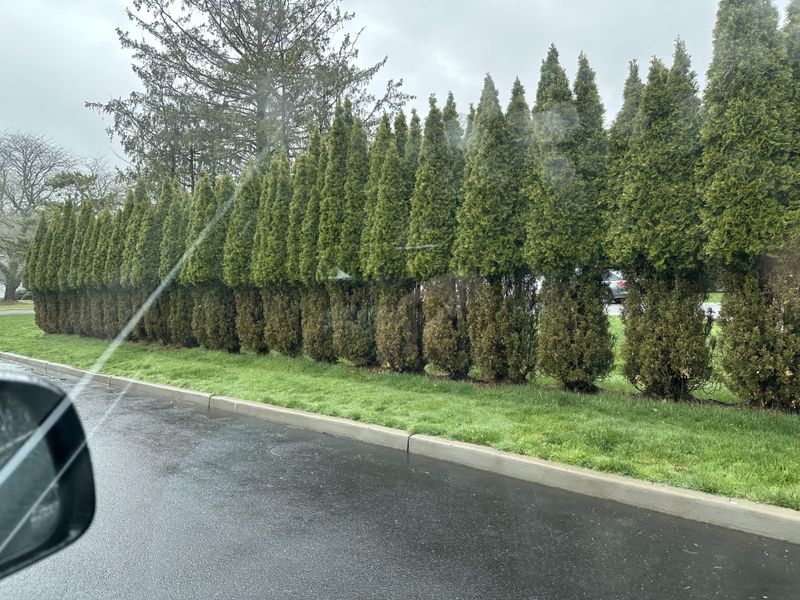
Most homeowners do not plant just one arborvitae. They plant a whole row. Long, continuous hedges along property lines and foundations are one of the most common landscaping choices in Pennsylvania, and arborvitae is the go-to plant for that look.
Unfortunately, that arrangement creates a serious problem when deer are nearby. Spacing arborvitae in a continuous line puts massive amounts of foliage within easy reach of a browsing deer.
Your Pennsylvania Garden Changes Every Week. Your Plan Should Too.
Gardening in Pennsylvania changes quickly throughout the season. Every Friday you’ll receive a simple weekly plan showing exactly what to plant, prune, fertilize, harvest, and protect so you never miss the right timing.
Instead of finding one small shrub to nibble, a deer walking along your hedge line has access to dozens of plants without much effort. That is essentially a buffet stretched across your entire yard.
Deer tend to revisit dependable feeding sites, especially when other food becomes scarce. Once they discover that your hedge reliably offers fresh foliage, they are likely to return.
This behavior intensifies during winter when natural food sources are limited and during spring when deer need extra nutrition after a long cold season.
Pennsylvania deer eat evergreen foliage during the colder months when little else is available. In spring and summer, they shift toward tender new growth on woody plants, which arborvitae also provides.
So the plant is essentially on the menu almost year-round. Thinking about the layout of your planting matters as much as the plant choice itself. A long, unbroken hedge amplifies the risk that comes with choosing a deer-preferred species.
Even if you love the look of an arborvitae row, understanding this risk upfront can help you plan better protection strategies before the damage starts piling up.
Deer Leave A Distinctive Browse Line Across The Hedge
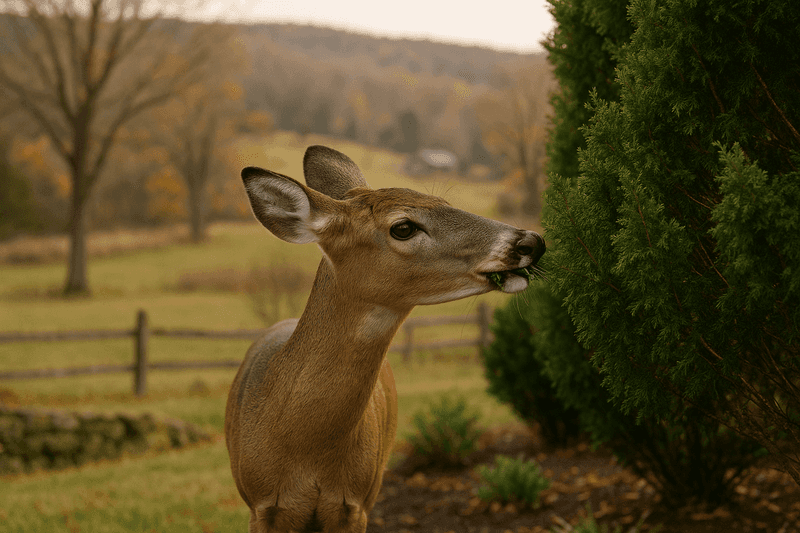
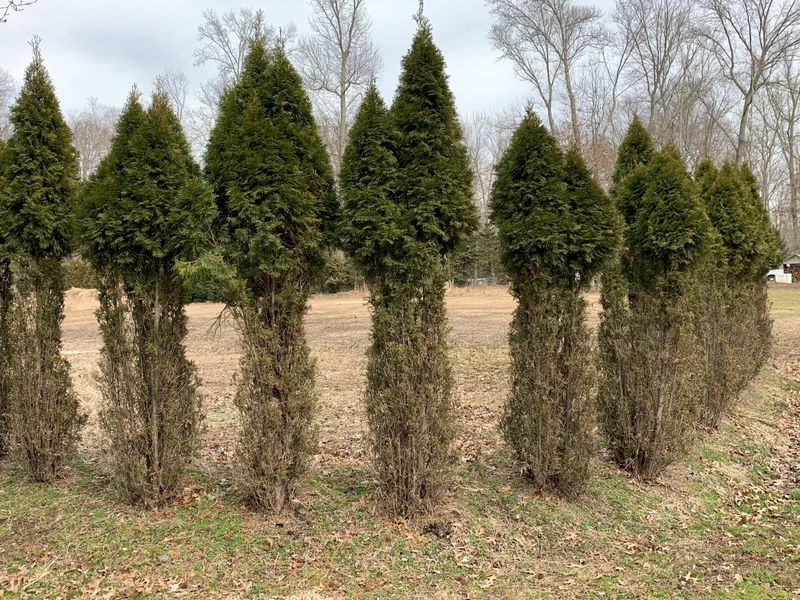
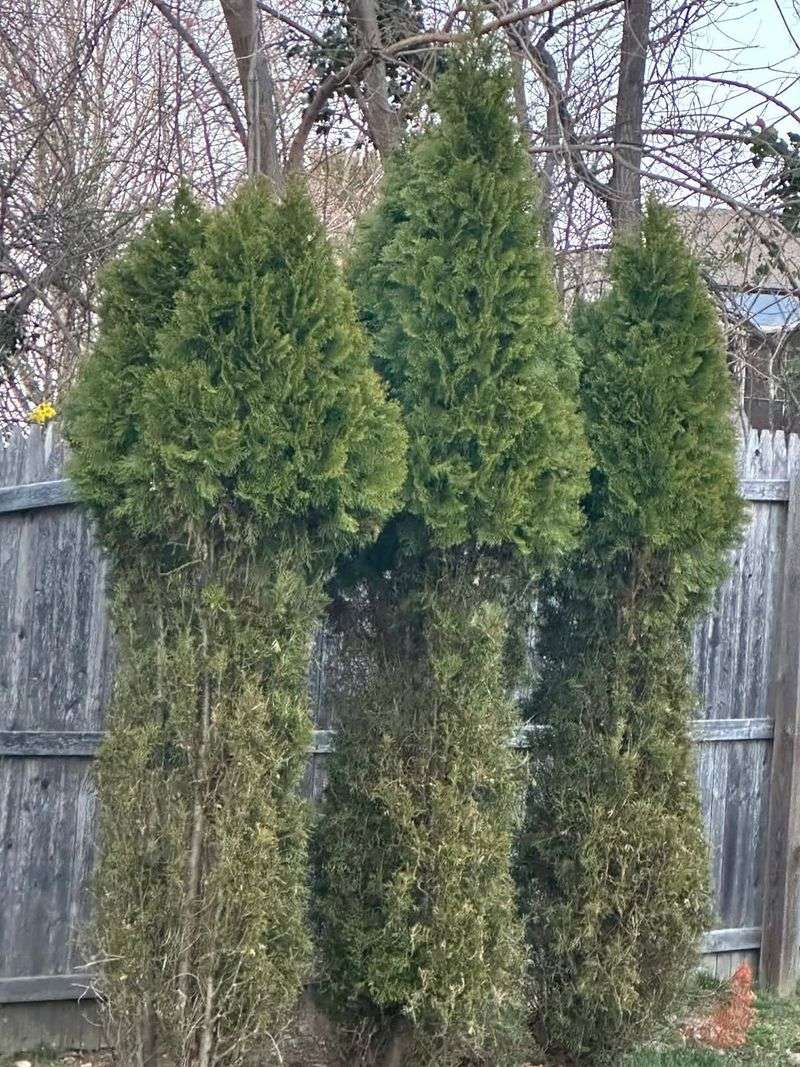
Spotting deer damage on arborvitae is usually pretty straightforward once you know what to look for. The most obvious sign is what landscapers and wildlife experts call a browse line.
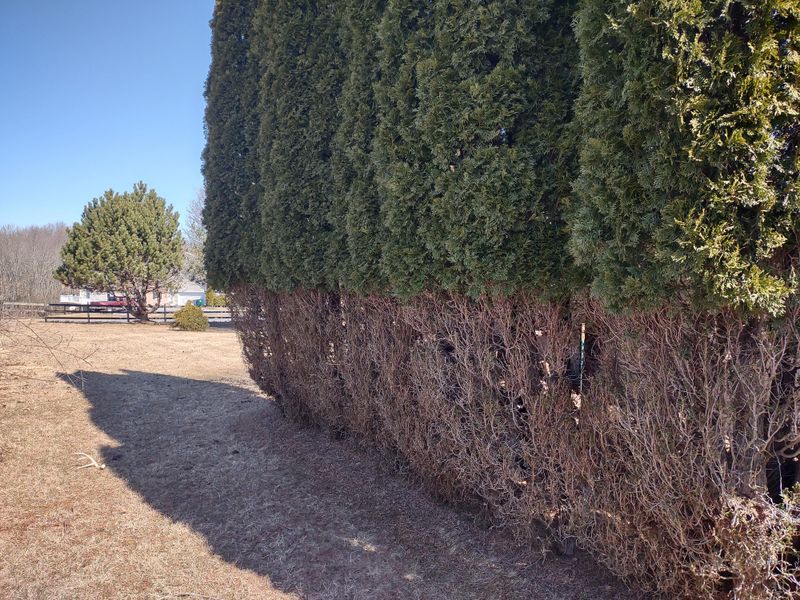
That is the height up to which deer can comfortably reach and feed, typically around four to six feet from the ground depending on the size of the deer.
Below the browse line, the shrub looks stripped and bare. Above it, the plant may still appear full and green.
The result is a strange-looking plant with a thick green top sitting on a thin, exposed lower trunk. A hedge full of these plants stops functioning as a privacy screen because the gaps at the bottom become wide open.
You can also tell deer were the culprit by looking at the damaged branch ends. Deer do not have upper front teeth, so they cannot make clean cuts the way rabbits or insects do.
Instead, they grab and pull foliage, leaving branch tips that look torn, shredded, or ragged. That rough texture is a reliable clue that deer, not another pest, did the feeding.
Repeated feeding visits compound the damage quickly. What starts as a few missing patches can spread across the entire lower section of the hedge over just one or two seasons.
Each time deer return and feed from the same spots, recovery becomes harder for the plant.
Catching the damage early gives you the best chance of responding before it gets worse. Checking your arborvitae regularly during fall and winter, when deer browsing pressure peaks, can help you act before an entire hedge row is compromised.
Bare Arborvitae Branches May Never Fill Back In
Here is something many homeowners find out the hard way. Not all arborvitae damage is temporary.
Light browsing, where deer nip off small amounts of soft foliage, may be hidden over time as surrounding growth fills in. The plant can look nearly normal again within a season or two if the damage stays minor.
The situation changes completely when branches are stripped all the way down to bare wood. Arborvitae does not regenerate foliage from bare woody stems the way some other shrubs do.
Once a branch loses all its green foliage and only exposed wood remains, dense new growth is very unlikely to return to that spot. The damage tends to stay visible permanently.
That means a hedge that looked terrible after one hard winter of deer feeding may still look just as bad three or four years later, even if deer never return. The bare patches do not heal the way a lawn does after a rough season. They simply stay bare.
Severe browsing can also ruin the core purpose of a privacy hedge. Even when individual shrubs stay alive and continue growing at the top, the lower gaps can make the screen nearly useless.
Neighbors, passersby, and anything else you planted the hedge to block from view can still be seen through the damaged lower sections.
Understanding this long-term reality is important before deciding to simply wait and hope the hedge recovers on its own.
In many cases, waiting without taking protective action only leads to more damage piling on top of what the plants already cannot recover from on their own.
Replacing Arborvitae Can Reduce Browsing, But Will Not Eliminate Deer
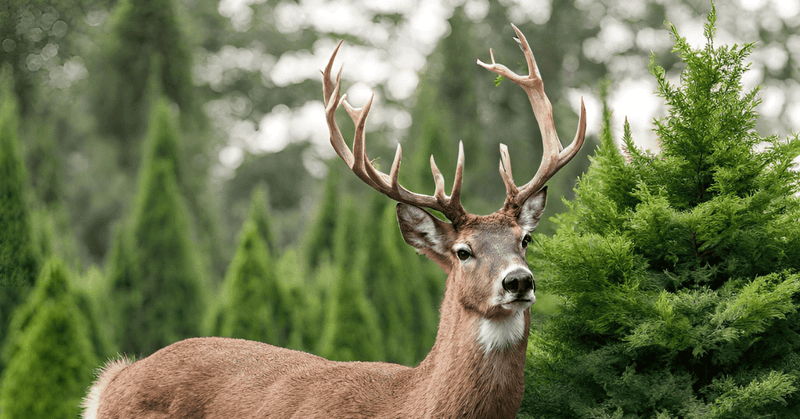
Swapping out arborvitae for a less appealing plant is a smart move, but it comes with one important reality check. No landscape plant is completely deer-proof.
Deer are adaptable, hungry animals, and they will sample almost anything when conditions push them to it. The goal of replacing arborvitae is to reduce browsing pressure, not to build an invisible fence around your yard.
Deer resistance is not a fixed quality. It shifts based on local herd size, seasonal food availability, weather, and even the individual habits of deer in your specific area.
A plant that your neighbor reports as untouched might get browsed heavily in your yard if the deer pressure nearby is higher. No label or rating guarantees safety in every situation.
That said, plant choice still matters a great deal. Homeowners dealing with regular deer activity should prioritize species classified as rarely or seldom severely damaged.
Penn State Extension and the Rutgers New Jersey Agricultural Experiment Station both publish helpful deer-resistance ratings for common landscape plants. Looking up those ratings before buying new shrubs can save you a lot of frustration.
Some solid alternatives to arborvitae for Pennsylvania landscapes include inkberry holly, native viburnums, spicebush, and certain junipers. These plants are not guaranteed to stay untouched, but they are far less likely to become a regular feeding stop for local deer.
Even less-preferred plants may get sampled during harsh winters or when deer populations spike. Planting a mix of species instead of one long monoculture hedge also helps spread the risk so that a bad browsing season does not wipe out your entire screen at once.
Existing Arborvitae Need Barriers Or Consistent Protection
Removing and replacing every arborvitae in your yard is not always realistic. Sometimes the plants are large and established, or the cost of replacement is just too high right now.
If you are keeping your arborvitae, protecting them consistently is the most important thing you can do to prevent further damage.
Physical barriers are the most reliable option. Fencing installed around individual shrubs or across an entire hedge line can block deer access effectively.
Deer netting, which is a lightweight mesh product available at most garden centers, works well when it is properly secured to the ground and tall enough that deer cannot reach over it. Installing barriers before the fall browsing season begins gives you the best results.
Repellents are another tool homeowners use, but they come with real limitations. Most spray repellents work by making the plant smell or taste unpleasant to deer.
They can help reduce browsing, but they need to be reapplied regularly, especially after rain. A single application at the start of winter is rarely enough to carry you through the entire season.
Newly planted arborvitae and already damaged shrubs need extra attention. Young plants have not developed the size or density to absorb much feeding before serious harm is done.
Damaged plants that are trying to recover can be set back significantly by even one additional season of browsing.
Ultimately, if your arborvitae hedge keeps getting browsed heavily despite your protection efforts, replacing it with a less preferred species is worth serious consideration.
Spending money season after season to defend a plant deer strongly prefer rarely makes long-term sense for your yard or your budget.