Where Texas Gardeners Find Rare Native Herbs Big Stores Rarely Carry
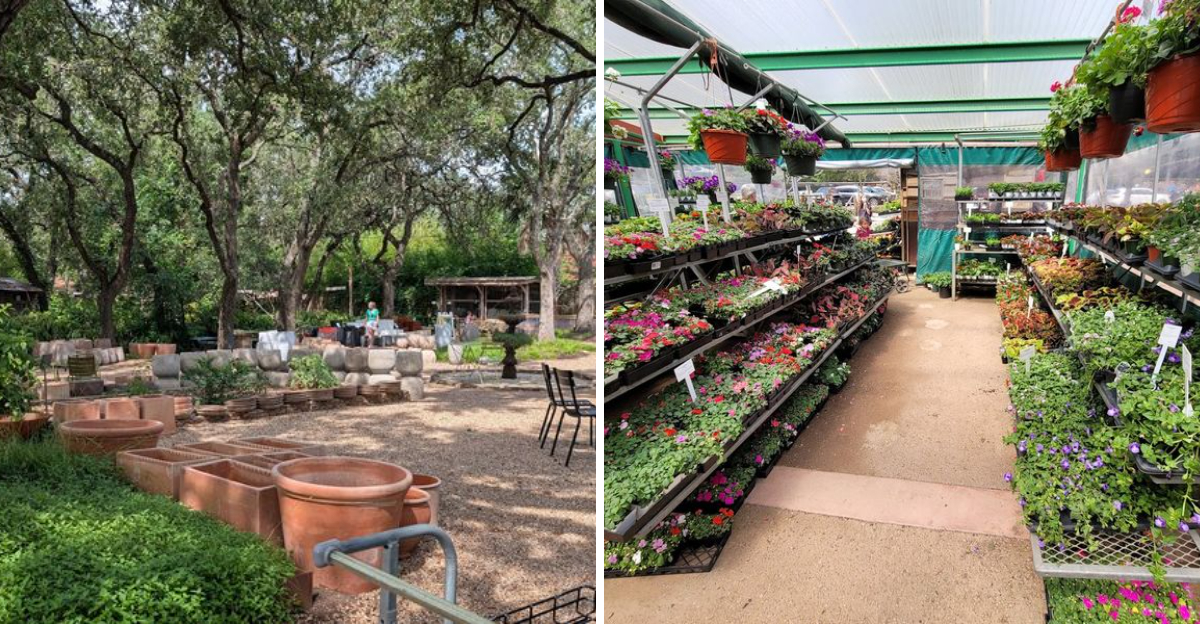
Rows of identical basil plants tell you absolutely nothing about where you actually live. Big box stores sell the same green inventory from Maine to Texas.
You deserve herbs that truly understand your climate instead of fighting it. Mountain mint spreads fast and asks for almost nothing.
Mealy blue sage pulls in pollinators while easily handling drought. Fragrant sumac survives intense summer heat without any complaint.
These plants didn’t get famous, but they proved resilient. Texas soil rewards resilience, not trends. None of these varieties sit under fluorescent lights at big chain nurseries.
Local growers, plant swaps, and specialty nurseries hold the real inventory. Every choice you make now shapes what your garden becomes later.
Momentum builds when you plant things built for your exact conditions. Nothing about this stays passive once you start looking closer.
You’re about to discover exactly where serious gardeners quietly find these rare herbs first.
1. Kerrville Hosts Natives Of Texas For Hill Country Species
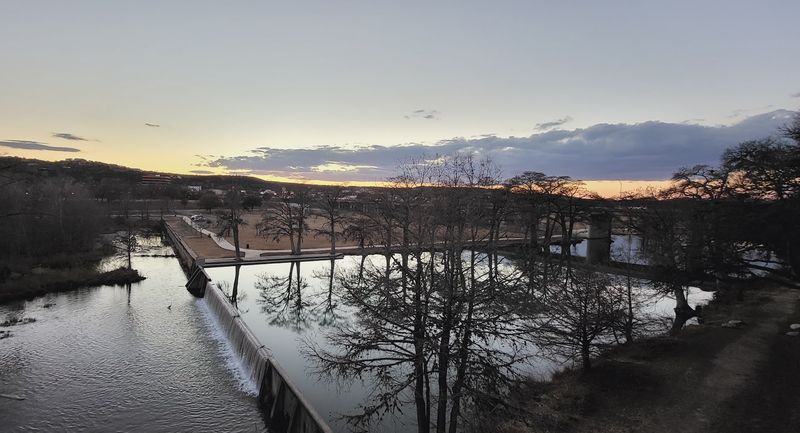
Tucked into the rolling cedar hills outside Kerrville, Natives of Texas is a place worth setting aside extra time for.
This nursery focuses almost entirely on Hill Country species that big-box stores would never stock.
You will find aromatic herbs like lemon horsemint, cedar sage, and plateau goldeneye growing in small black containers.
Each plant is labeled with its water needs and wildlife value, so you leave smarter than you arrived.
The staff genuinely love what they grow, and they will talk your ear off about which hummingbirds prefer which blooms.
Natives of Texas also carries plants suited to the thin, rocky limestone soil that covers much of the Hill Country.
If you have ever tried growing store-bought herbs in that pale, chalky ground and watched them sulk, this nursery is your answer.
Spring is the busiest season, but fall visits reward you with plants already hardened by summer heat.
Prices are reasonable, and the selection changes with the seasons, so repeat visits always turn up something new. Call ahead before making a long drive, since stock can sell out fast after a good rain.
Gardeners who visit once tend to come back every season, loading their trucks with plants the chain stores have never even heard of.
Finding rare native herbs in Hill Country starts right here on those quiet, cedar-scented paths.
2. Converse Offers Pollinatives For Bee And Butterfly Plants
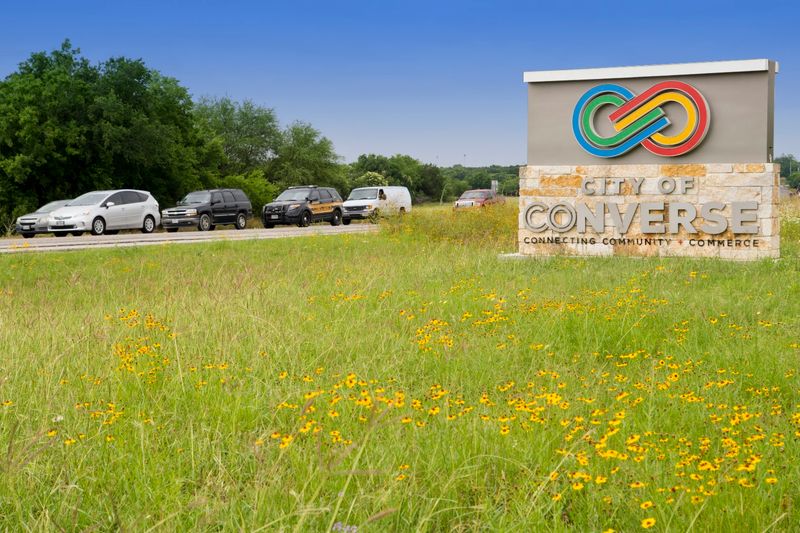
Walk into Pollinatives in Converse and the first thing you notice is the buzzing sound before you even open the gate.
This nursery was built with one clear goal: feed the bees, the butterflies, and the hummingbirds that Texas desperately needs.
Their inventory reads like a wish list for anyone serious about creating a living, breathing wildlife garden.
Expect to find native herbs like purple prairie clover, black-eyed Susan, and fragrant wild bergamot in generous pot sizes.
The owners source many plants from local seed stock, which means the genetics are already adapted to San Antonio-area conditions.
That local adaptation matters more than most people realize when summer temperatures push past one hundred degrees.
Your Texas Garden Changes Every Week. Your Plan Should Too.
Gardening in Texas changes quickly throughout the season. Every Friday you’ll receive a simple weekly plan showing exactly what to plant, prune, fertilize, harvest, and protect so you never miss the right timing.
Pollinatives also hosts workshops throughout the year, covering topics from soil prep to native plant combinations that work together naturally.
Beginners feel welcome here, and the staff never make you feel foolish for asking basic questions.
One standout feature is their focus on host plants, not just nectar plants, so your garden supports full insect life cycles.
Monarch butterflies need milkweed to lay eggs, not just flowers to sip from, and Pollinatives carries both.
The nursery is small but thoughtfully organized, and every square foot earns its keep with purpose-driven plant choices.
If you want a garden that hums with life, Pollinatives gives you exactly the plants to make that happen.
3. Fort Worth’s Eco Blossom Nursery Covers Prairie Ecosystems
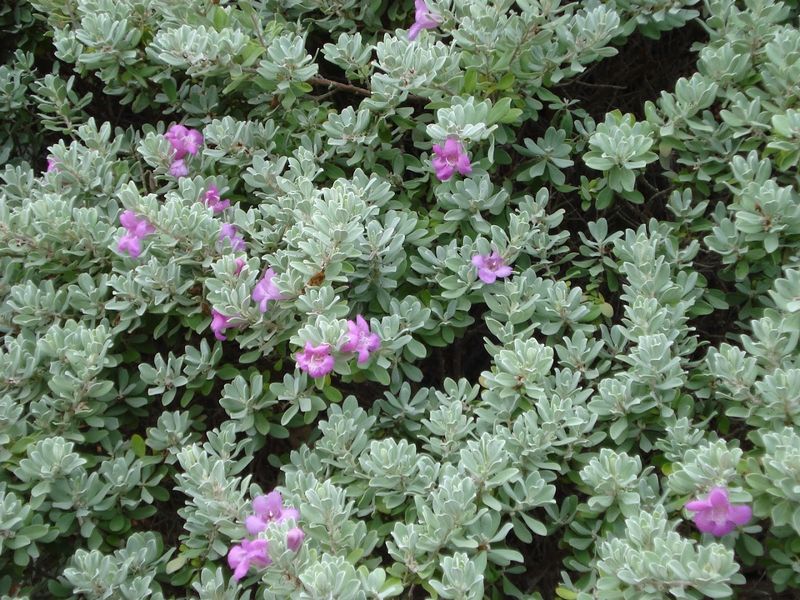
Fort Worth sits at the edge of the Cross Timbers and the Grand Prairie, two ecosystems that shaped the land long before cities arrived.
Eco Blossom Nursery honors both of those worlds with a plant selection that reflects the region’s true ecological identity.
You will find native herbs and grasses here that most gardeners in the Metroplex have never seen at a retail store.
Plants like wild hyacinth, prairie parsley, and compass plant share shelf space with better-known species like black-eyed Susan and purple coneflower.
Eco Blossom’s plant catalog groups species by growing conditions, so you can plan combinations before ordering online or visiting during an open house.
That kind of clear, condition-based organization helps first-time native gardeners make smarter choices without needing a landscape design degree.
Eco Blossom also carries plants suited to shady yards, which is a genuine advantage in a city full of massive live oaks blocking the sun.
Native prairie species evolved in that same stubborn clay, so they settle in without the drama imported plants often bring.
The Eco Blossom team shares seasonal planting guidance online and during scheduled open house events.
Knowing when to plant is just as critical as knowing what to plant, especially in a region with unpredictable late freezes.
Eco Blossom is part of Happy Gardens, a Fort Worth landscape design company that offers consultations for homeowners redesigning their landscapes.
A prairie-inspired yard in Fort Worth starts with one order from Eco Blossom, and it only gets better from there.
4. Houston Gardeners Rely On Buchanan’s Native Plants
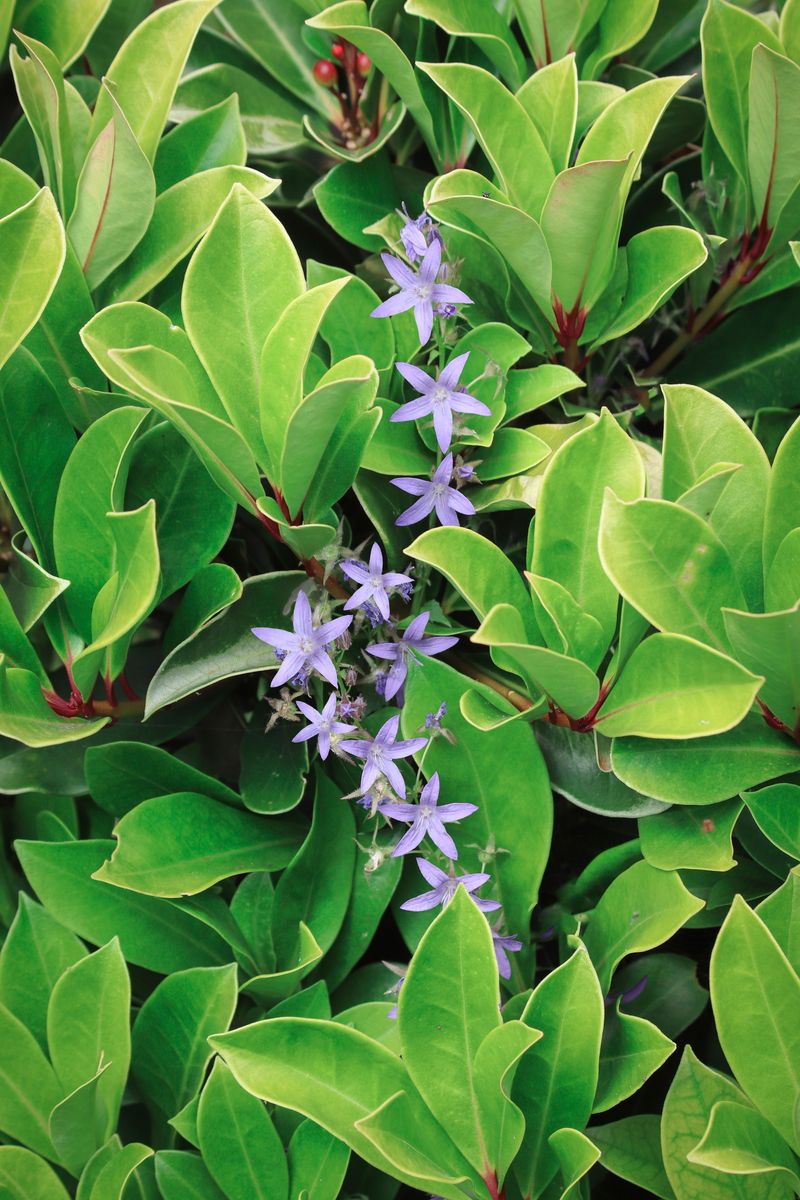
Houston gardeners deal with heat, humidity, flooding, and clay soil all at once, and most plants simply cannot handle that combination.
Buchanan’s Native Plants has been solving that exact problem for Houston-area gardeners for decades.
The nursery carries a remarkable range of plants adapted to the Gulf Coast’s wet-dry cycles and heavy clay substrate.
Native herbs like Turk’s cap, heartleaf skullcap, and native ginger thrive in Houston conditions and look stunning doing it.
Buchanan’s also stocks plants suited to shady yards, which is a genuine advantage in a city full of oak-covered lots that block direct sun.
Shade-tolerant native herbs are genuinely hard to find, and this nursery keeps a solid inventory of them year-round.
The staff are known for their depth of knowledge and their willingness to help customers troubleshoot specific yard challenges.
Bring a photo of your problem area and someone there will likely know exactly which plant belongs in that spot.
Buchanan’s carries both herbs and ornamental natives, so one trip can cover your entire planting list.
The nursery also maintains an informative blog and social media presence, so you can scout their stock before making the drive.
Houston’s unpredictable weather makes native plants a smart investment, since they bounce back faster after storms and floods.
Buchanan’s Native Plants has earned its loyal following by consistently delivering plants that actually survive the Houston experience.
5. Austin’s Barton Springs Nursery Stocks Central Texas Natives
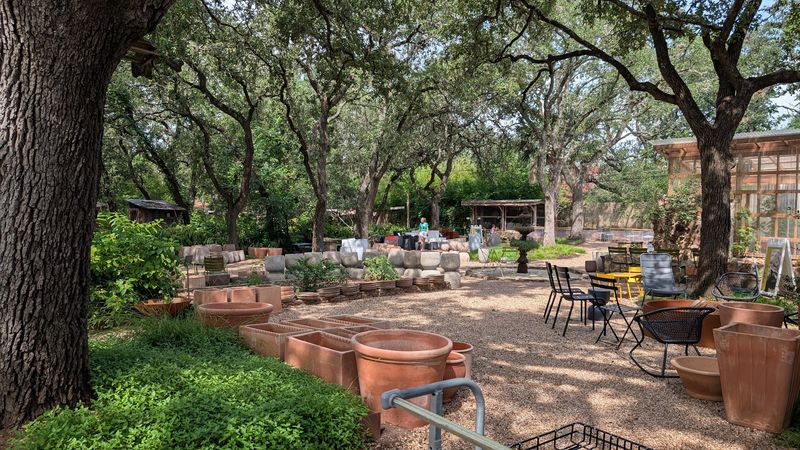
Barton Springs Nursery sits just minutes from the famous swimming hole, and it carries the same spirit of place that makes Austin feel like nowhere else.
This nursery has built a strong reputation for stocking rare native herbs that reflect the unique ecology of Central Texas.
Central Texas sits at a crossroads of several ecosystems, which means the plant diversity here is notably rich.
At Barton Springs, you can find cedar sage, mealy blue sage, Texas betony, and plateau milkvetch all in one visit.
The nursery is organized intuitively, with plants grouped by water needs and sun exposure rather than just alphabetical order.
That practical layout makes it easy to build a cohesive planting plan even if you are new to native gardening.
Barton Springs also carries a wide selection of native herbs with culinary or medicinal uses, which draws a different crowd than typical garden centers.
Cooking with native plants is a growing trend, and this nursery is ahead of the curve on that shift.
Staff here are passionate about the local watershed and often tie plant recommendations to water conservation goals.
Austin’s ongoing drought pressure makes water-wise planting less of a lifestyle choice and more of a necessity.
The nursery also hosts regular events, including talks by local botanists and master gardeners who know Central Texas intimately.
For anyone searching where Texas gardeners find rare native herbs, Barton Springs Nursery is one of the strongest options on the list.
6. The Natural Gardener Adds An Organic Farm Setting
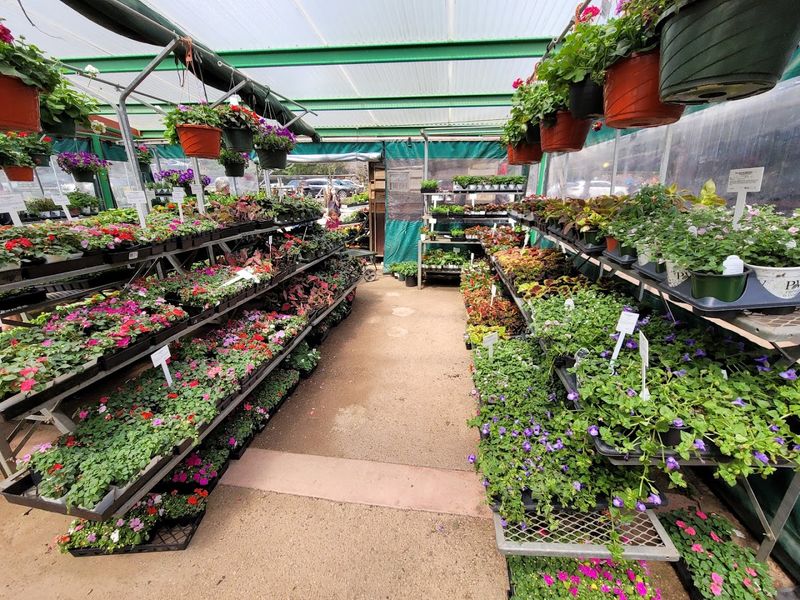
Just a short drive from downtown Austin, The Natural Gardener feels less like a nursery and more like a working farm with a really good plant shop attached.
The property spreads across several acres, with demonstration gardens showing how native herbs look when they actually mature.
Seeing full-grown plants in a real setting helps you make better decisions than staring at a two-inch seedling in a black pot. The Natural Gardener offers a more immersive shopping experience than a typical nursery.
Their commitment to organic growing practices means no synthetic pesticides or fertilizers touch their stock plants.
That matters if you are growing herbs for culinary use or creating a yard safe for children and pets.
The farm setting also includes a chicken yard, composting demonstrations, and seasonal vegetable beds that inspire a full homestead approach.
Even if you only came for herbs, you will leave with ideas that transform how you think about your entire property.
Weekend workshops here cover topics like herbal teas, companion planting, and building soil health with native ground covers.
The community feel is genuine, not manufactured, and returning visitors are greeted like old friends by the staff.
Rare finds like spicebush, native passionflower, and Texas mountain laurel show up here regularly throughout the growing season.
7. Junction’s Native American Seed Ships Rare Seed Mixes
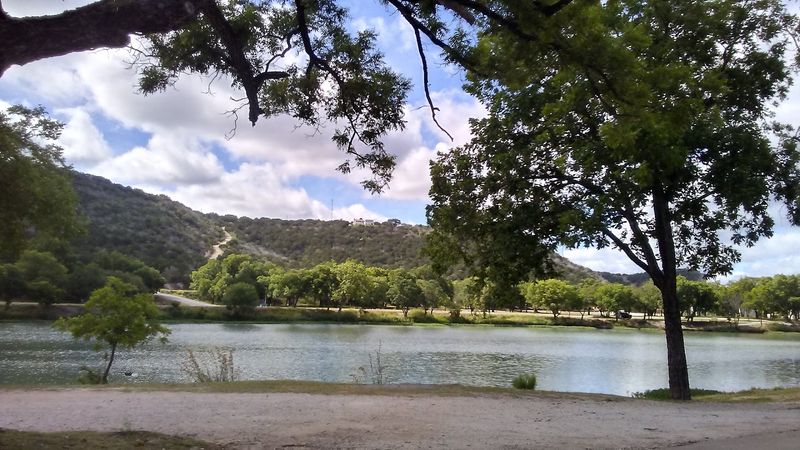
Not every rare native herb comes in a pot, and Native American Seed in Junction knows that better than anyone.
This family-run seed company was founded in 1988 near Dallas and has operated from its Junction farm since 1995, building a catalog that serious gardeners treasure.
They collect seed from wild populations across the state, preserving genetic diversity that nursery-grown plants often lose over generations.
That wild-harvested seed produces plants with stronger root systems, better drought tolerance, and more authentic regional character.
Native American Seed offers mixes designed for specific regions, so you can order a Hill Country blend or an East Texas woodland mix.
Each mix is tailored to local rainfall patterns, soil types, and the wildlife species that depend on those particular plants.
Their catalog includes rare herb species like fragrant sumac, aromatic aster, and plains wild indigo that no retail store carries.
Ordering online is straightforward, and the website includes detailed planting guides for every seed mix they sell.
Seeding native herbs rather than transplanting them is actually more cost-effective for covering large areas of ground.
A single seed packet can naturalize a whole slope over two or three seasons with minimal ongoing effort.
Native American Seed also offers bulk quantities for restoration projects, making them a resource for both homeowners and land managers.
When you want rare native herbs that big stores have never stocked, this Junction company ships them right to your door.
8. Spring And Fall Bring Lady Bird Johnson Plant Sales
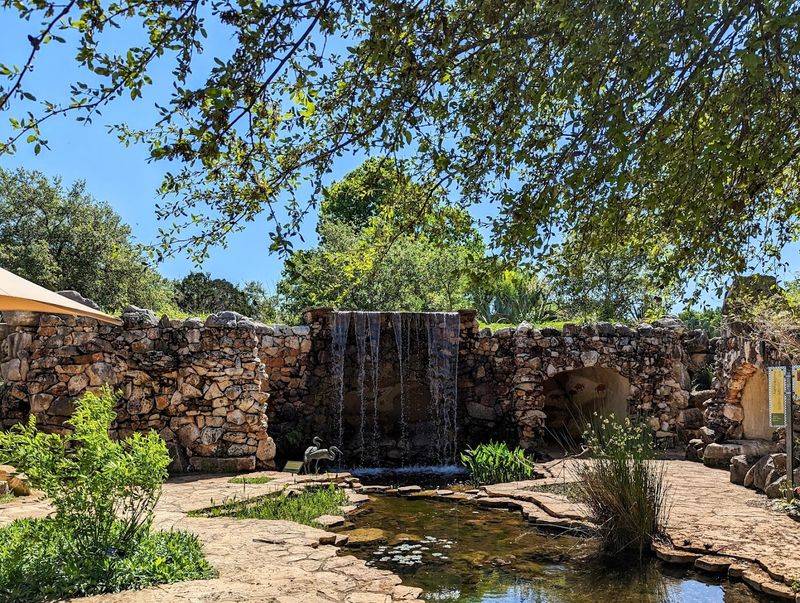
Twice a year, the Lady Bird Johnson Wildflower Center in Austin throws open its gates for plant sales that draw gardeners from across the state.
These events are well known among native plant enthusiasts, and for good reason: the selection is impressive.
Volunteers and staff spend months propagating rare native herbs specifically for these sales, including species you simply cannot buy anywhere else.
Plants like Texas alumroot, standing cypress, and native columbine appear on tables that sell out within the first hour of opening.
Arriving early is not just a suggestion; it is survival strategy if you want the rarest finds.
The spring sale typically happens in April, and the fall sale lands in October, both timed to ideal planting windows.
Beyond the plants, these events feel like a gathering of the state’s most passionate native gardening community.
You will swap tips with retirees who have been growing natives for forty years and beginners who just moved to the state last month.
Wildflower Center staff are on hand to answer questions and help you match plants to your specific growing conditions.
The center’s own gardens serve as a living reference, showing mature native herbs in full seasonal display right outside the sale area.
Proceeds support the center’s conservation and education programs, so every purchase does double duty for the land.
For anyone hunting where Texas gardeners find rare native herbs, these plant sales are the crown jewel of the annual calendar.