Apply This To Ohio Lawns Before July Ends Or Crabgrass Wins The Fall
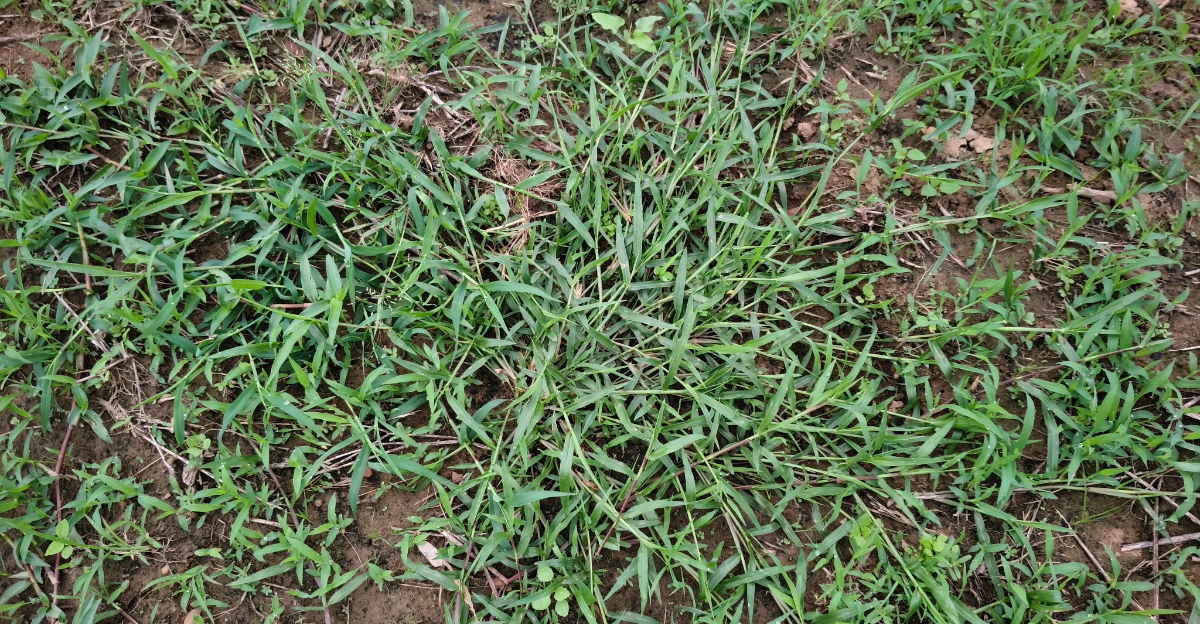
Crabgrass in an Ohio lawn does not announce its intentions until it has already acted on them. By the time the telltale spreading stems and pale green clumps are visible, the plant has been establishing for weeks.
The window for easy intervention has quietly closed. July is where that window sits.
Not August, not when the crabgrass is obvious and the damage is done. Right now, before the end of the month, is when the right application makes a real difference.
Ohio lawns that skip this window spend September fighting a problem July could have prevented. The products that work are specific.
The timing matters more than most bag instructions communicate. Crabgrass is already making its move.
The applications that stop it need to happen before July ends or the fall lawn tells the story of what got skipped this month.
1. Use Post Emergent Control While Crabgrass Is Still Growing
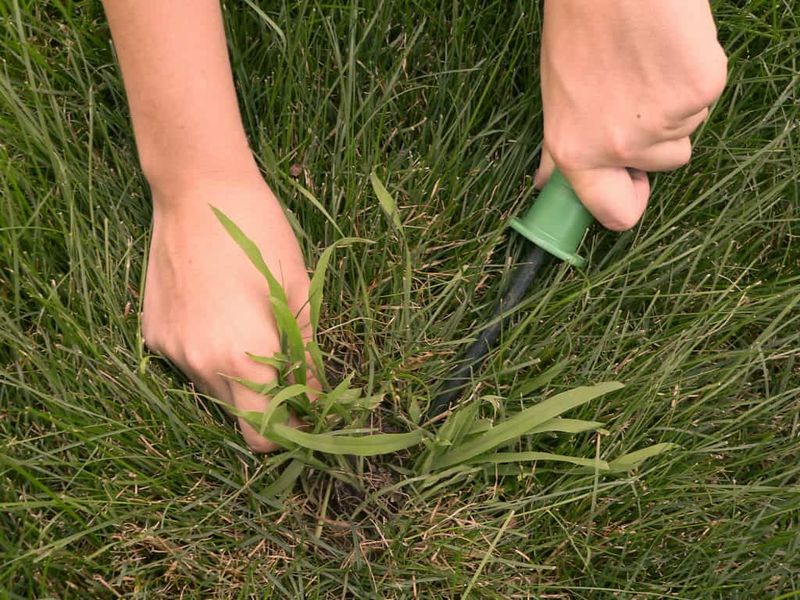
A spreading crabgrass clump near the driveway is a sign the window for prevention has already passed. But post-emergent control can still make a real difference in late July.
Post-emergent crabgrass products are designed to target weeds that are already actively growing, unlike pre-emergent preventers that work before seeds sprout.
Applying the right labeled product now, while plants are still green and growing, gives you the best realistic chance of slowing their spread.
OSU Extension turfgrass guidance notes that post-emergent herbicides work best on young, actively growing crabgrass. Larger plants are generally harder to control and more likely to have already begun setting seed.
That is why acting before July ends matters more than waiting to see what happens in August.
Before you spray anything, read the product label completely. Check that it is labeled for the grass type in your Ohio lawn, whether that is tall fescue, Kentucky bluegrass, or another cool-season turf.
Some products have temperature limits, and applying during extreme heat can stress your lawn further. Follow all directions about rate, timing, re-entry intervals, and rain.
One well-timed, label-compliant application to actively growing plants is far more effective than a rushed spray on wilting turf. No single product works perfectly in every situation, so matching the right tool to your specific lawn conditions is key.
2. Skip Spring Preventer Once Crabgrass Has Already Sprouted
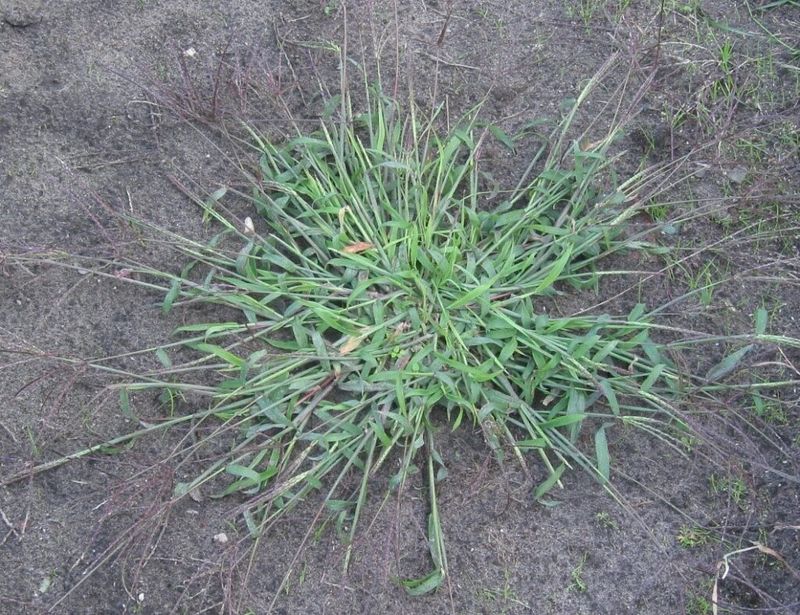
Reaching for a bag of spring pre-emergent preventer in late July is a natural instinct, but it will not solve the problem in front of you. Pre-emergent crabgrass products work by creating a chemical barrier in the soil that stops seeds from germinating.
Once crabgrass has already broken through and is actively growing across your Ohio lawn, that barrier approach has no effect. It will not affect the established plants already spreading in your turf.
Turfgrass extension guidance is clear that pre-emergent products are a prevention tool, not a cure for existing weeds. Applying a preventer now would be like locking the barn door after the horse has already left.
It will not remove the plants you can see, and it may interfere with any fall overseeding plans you have coming up.
Your Ohio Garden Changes Every Week. Your Plan Should Too.
Gardening in Ohio changes quickly throughout the season. Every Friday you’ll receive a simple weekly plan showing exactly what to plant, prune, fertilize, harvest, and protect so you never miss the right timing.
The smarter move is to save your pre-emergent investment for next spring. Timing it correctly before soil temperatures reach the right threshold can stop crabgrass before it starts.
Mark your calendar now, check OSU Extension soil temperature guidance in late winter, and plan your spring application window ahead of time.
For late July, shift your focus entirely to post-emergent control of existing plants, lawn recovery, and preparing thin areas for fall seeding.
That combination addresses both the immediate problem and the bigger picture of long-term lawn health.
3. Identify Crabgrass Before Treating The Wrong Weed
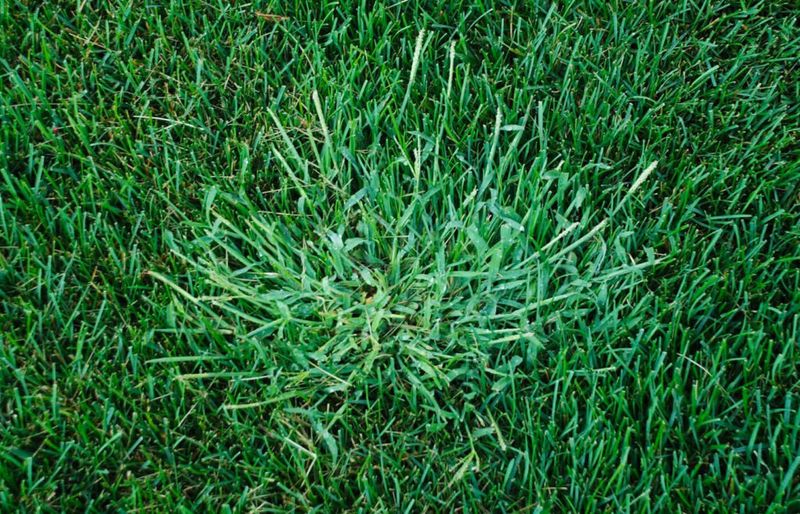
Not every coarse, weedy-looking clump in your lawn is crabgrass, and treating the wrong plant wastes time, money, and can add unnecessary stress to your turf.
Crabgrass is an annual grassy weed that typically grows low and spreads outward from a central point.
It has wide, flat leaf blades and often hugs the ground in sunny, thin areas. It tends to show up near driveways, sidewalks, and bare spots where soil gets the hottest.
University extension weed guidance explains that crabgrass is often confused with other grassy weeds like goosegrass, dallisgrass, or even patches of coarse fescue.
Each of those weeds may require a different management approach, so misidentifying them can lead to products that do not work or that harm desirable grass.
Seed heads are one identifying feature, but they should not be the only trait you rely on for a confident ID.
Before you treat anything, use a reliable resource to confirm what you are dealing with. OSU Extension offers weed identification tools and fact sheets that are free to access online.
Your local county extension office can also help with identification if you bring in a sample. Taking a few extra minutes to confirm the weed type before buying and applying any product can save you from a frustrating and costly mistake.
Accurate identification is the first practical step toward effective control.
4. Treat Young Plants Before They Sprawl And Seed
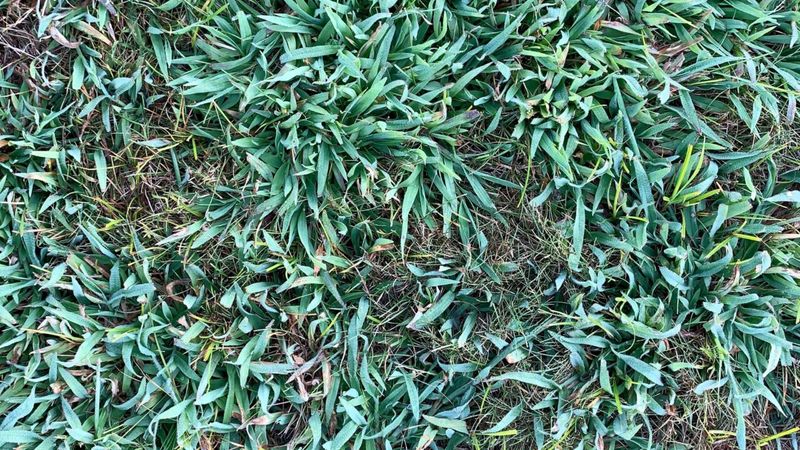
Seed heads forming low in the turf are a warning sign that crabgrass is ahead of you in the race. Young crabgrass plants that are still small and actively growing respond better to post-emergent control.
Large, mature plants are harder to manage once they have spread across a wide area. Walking your Ohio lawn now to find and treat small patches early is one of the most practical things you can do before July ends.
Weed management guidance from university extension sources notes that crabgrass control is generally more effective on plants in early growth stages. As plants get larger, they become harder to manage, and the likelihood of seed production increases.
Each plant can produce thousands of seeds that stay viable in the soil for years, which is why reducing seed set now matters for future seasons too.
Pay close attention to edges near driveways, sidewalks, and bare spots in sunny parts of your lawn. Those areas warm up fastest and are where crabgrass typically gets its first foothold.
Treat according to the label while plants are still small, and do not wait for the problem to cover a larger area. Keep in mind that even a well-timed application may not instantly restore turf density in thin spots.
Filling those bare areas later with overseeding, at the right time, is the follow-up step that completes the job.
5. Follow The Label When July Heat Is High
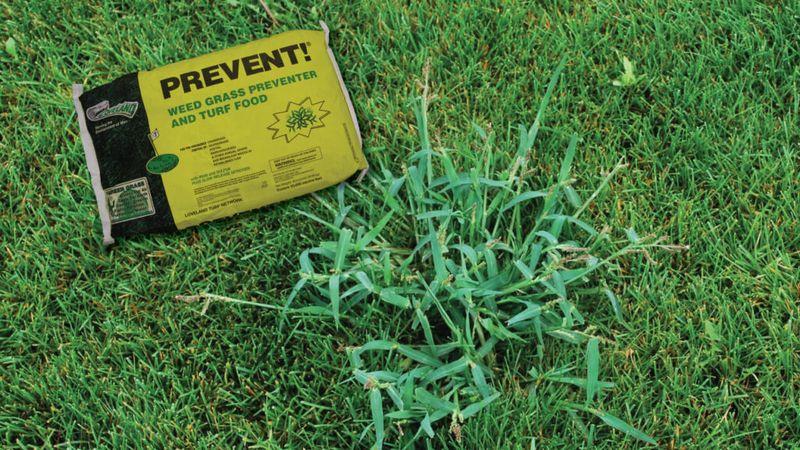
A hot July afternoon is not always the right moment to reach for the sprayer, even if crabgrass is spreading fast. Most herbicide labels include temperature guidelines.
Cool-season lawns under heat stress can be more sensitive to chemical applications than healthy, actively growing turf. Reading the label before you spray is not optional, it is the law and the smartest thing you can do for your lawn’s safety.
Pesticide label directions warn against applying many products during extreme heat, drought stress, or when rain is expected soon after treatment.
High temperatures can increase the risk of turf injury, reduce product effectiveness, and cause spray to volatilize or drift onto nearby desirable plants.
Windy conditions add another layer of risk, especially near flower beds, vegetable gardens, and neighboring yards.
Follow all directions about keeping people and pets off treated areas until the product has dried or the label’s re-entry period has passed. Store products safely, away from children, and never mix products together unless the label specifically allows it.
If your lawn is already showing signs of heat stress, wilting, or drought damage, wait for better conditions before treating. A stressed lawn blade is more vulnerable, and adding herbicide stress on top of heat stress can make recovery harder.
Patience, paired with label compliance, leads to better results than rushing a spray on a bad day.
6. Protect Stressed Turf Before Spraying Anything
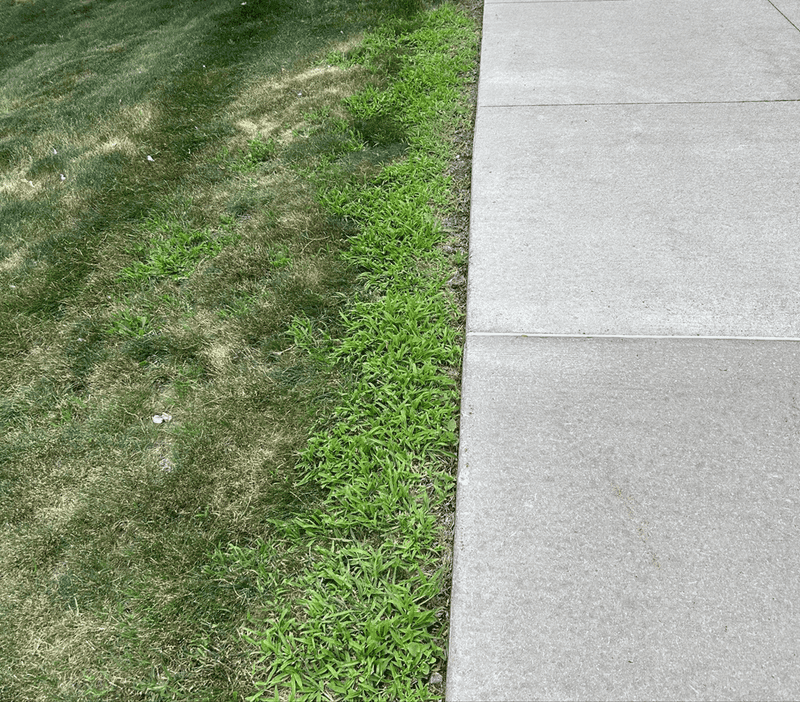
Thin, drought-stressed turf is already fighting to survive July heat, and adding herbicide stress on top of that can push a struggling lawn in the wrong direction. Before you treat for crabgrass, take an honest look at the overall condition of your grass.
If blades are wilting, soil is cracked and dry, or the lawn has been scalped too short, those problems need attention before any spray goes down.
Ohio lawn renovation guidance advises mowing cool-season grasses at the higher end of their recommended range during summer stress. Taller grass shades the soil, keeps roots cooler, and helps turf compete against weeds more naturally.
Deep, infrequent watering is generally better than shallow daily watering because it encourages deeper root growth, which improves drought tolerance over time.
Turfgrass guidance also points out that thick, healthy turf is one of the most effective long-term defenses against crabgrass. Bare soil and thin spots are open invitations for weed seeds to settle in.
Herbicide is a useful tool, but it is not a substitute for good cultural practices. Avoid heavy foot traffic on stressed areas and hold off on fertilizing during extreme heat unless guidance supports it.
Give your lawn a chance to recover before treatment. A lawn in reasonable shape before spraying will handle the application better and bounce back faster afterward.
7. Plan Fall Seeding Around Herbicide Wait Times
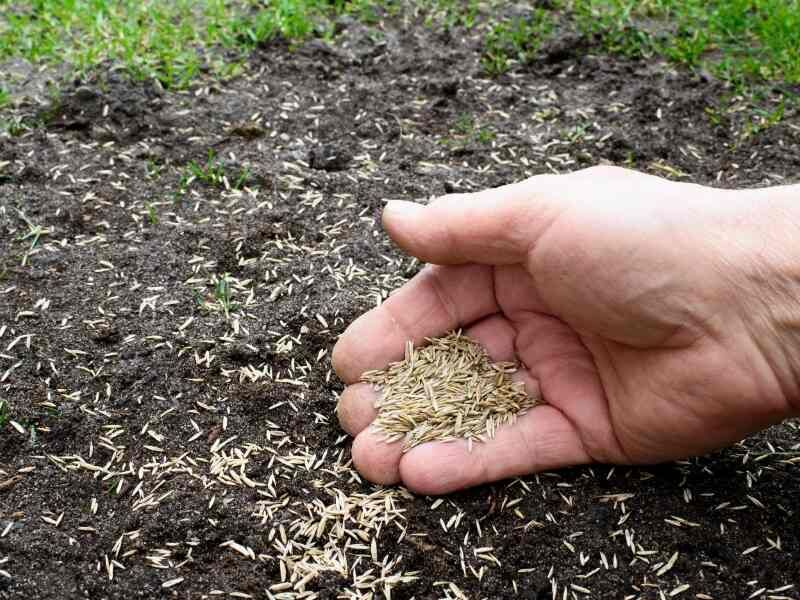
Late summer overseeding is one of the best tools for thickening a thin Ohio lawn. But some post-emergent crabgrass products require a waiting period before grass seed can be planted.
Ignoring those reseeding restrictions can mean wasted seed, poor germination, and bare spots that stay bare through fall. Checking the label’s overseeding guidance before you spray is a step that too many homeowners skip.
Lawn renovation guidance explains that cool-season grasses generally establish better in late summer and early fall than in midsummer. That includes tall fescue and Kentucky bluegrass.
Cooler air temperatures, more moderate soil conditions, and fall rains create a friendlier environment for new seedlings. Timing your overseeding to follow the herbicide’s required wait period can actually put you right in that ideal planting window.
Read the specific product label for reseeding restrictions, because wait times vary by product and are not universal. Some products may require several weeks before seeding, while others have different directions.
Do not rely on general estimates from online forums or product advertisements. The label is the legal document and the most accurate source for that information.
Plan your fall seeding calendar now, work backward from your target seeding date, and make sure your post-emergent application fits within that timeline. A little planning in late July can set up a much stronger, thicker lawn by October.
8. Stop Next Year’s Crabgrass With Spring Prevention
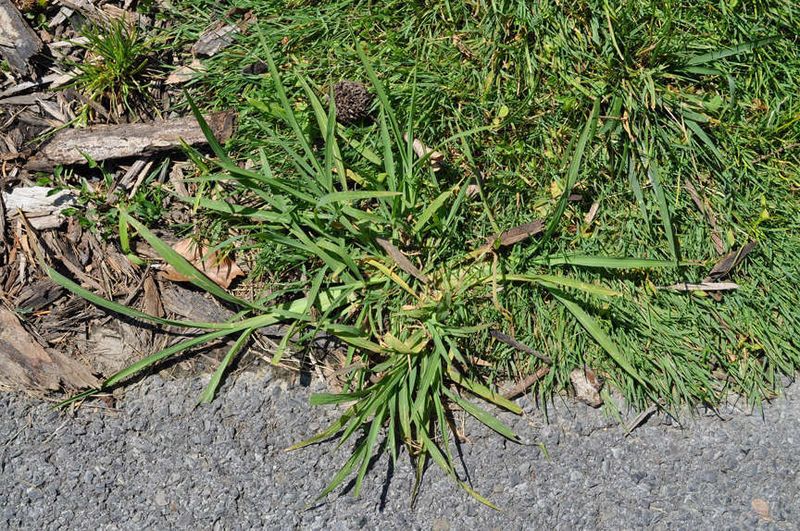
A late-July post-emergent spray can slow this year’s crabgrass problem, but the real game-changer for next season is a well-timed spring prevention plan.
Pre-emergent crabgrass products work by stopping seeds from germinating before they ever become visible weeds.
Applying them at the right time in spring, before soil temperatures consistently reach around 55 degrees Fahrenheit at a 2-inch depth, is when they are most effective.
OSU Extension turf guidance recommends using local soil temperature data or extension resources to time pre-emergent applications accurately. Do not rely on calendar dates alone.
Soil temperatures can vary across the state, with southern regions warming earlier than northern regions. Paying attention to those regional differences can mean the difference between effective prevention and a missed window.
Beyond herbicide timing, building a denser lawn is your most durable defense. Overseeding thin areas in fall, mowing at the right height, watering deeply but not too frequently, and reducing bare soil all help.
Together, they make it harder for crabgrass seeds to find a place to germinate. A thick, vigorous lawn is harder for any weed to crack.
The closing thought is simple: a timely spray this July may slow crabgrass now. But a spring pre-emergent application paired with a thicker, healthier lawn is what keeps it from coming back next year.